







Editor's letter




Health club management software is no longer just about memberships, bookings and billing. Operators are increasingly looking for platforms that connect every aspect of the business, from payments and access control to marketing, gym floor equipment, apps and business intelligence.
The industry has spent years building technology stacks by adding specialist solutions as new needs emerged. The challenge now is making all those systems talk to each other.
As a result, interoperability has become one of the primary goals. Operators want member data to move seamlessly between club management systems, equipment, payment platforms, CRM tools, wearables and consumer apps and open APIs and strong integration capabilities are becoming as important as core functionality when making buying decisions.
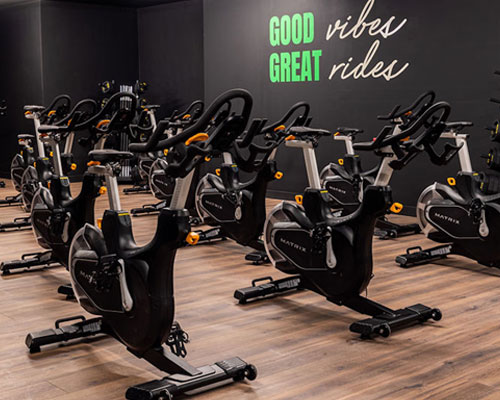
The gym floor is becoming more connected too. Equipment suppliers such as Technogym, EGYM, Precor and Matrix are increasingly feeding workout data into operators’ ecosystems, allowing them to track activity, personalise programming and create more joined-up member experiences. The ability to connect exercise data with wider customer information is also opening up new opportunities around coaching, engagement and retention.
Adopting AI
AI is another major focus. While the industry is still in the early stages of adoption, it’s increasingly being used to identify members at risk of cancelling and to automate communications, optimise timetables in order to improve club utilisation and to help operators make better use of the data they already collect.
Many suppliers believe the industry’s biggest untapped opportunity remains data. Operators hold vast amounts of information about attendance, spending habits, class preferences and member behaviour, but much of it is still underused.
The next wave of software development is likely to focus on using that information to inform practical actions that improve retention, increase secondary spend and elevate business performance.
Historically, operators have concentrated on attendance, utilisation and revenue metrics. Increasingly, however, there’s interest in tracking wellbeing, recovery and health outcomes.
As healthspan becomes a growing focus for the sector, software providers are developing tools that enable operators to demonstrate impact, rather than simply record visits. Emerging platforms such as Longevitix, which aggregate biomarker, wearable and clinical data to support personalised longevity interventions, points to a future in which software is expected not only to manage operations, but also to help quantify health outcomes.
Broader range of services
There’s also growing demand for software that supports a broader range of services. As operators move into areas such as recovery, wellness, physiotherapy, nutrition and longevity, systems need to manage appointments, packages, assessments and outcome tracking alongside traditional gym memberships.
At the enterprise end of the market, operators are pursuing a single customer view across increasingly diverse businesses. Large groups may operate gyms, boutiques, racquet clubs, swimming pools, wellness facilities and hospitality offerings under the same umbrella, creating demand for platforms capable of managing multiple brands, locations and service models while maintaining one customer record.
Similar themes can be seen across the strategies of providers such as PerfectGym/Sport Alliance and BRP Systems, which continue to expand their capabilities through integration, platform development and ecosystem partnerships.
This is one reason the software sector is seeing continued consolidation. Suppliers are increasingly acquiring adjacent technologies and adding new capabilities in-house in an effort to create end-to-end ecosystems that cover the entire customer journey, from acquisition and onboarding through to engagement, retention and payments.
The industry’s direction of travel is becoming increasingly clear. UK Active’s latest Digital Futures programme identifies interoperability, digital health, responsible AI and stronger links with healthcare as priorities for the sector, suggesting the conversation is moving beyond digital transformation alone and towards how technology can support better health outcomes and more connected services.

It’s no longer one single technology making the biggest impact. Instead, successful operators are using a connected ecosystem of software, payments and intelligence to power their business growth. Whether embedding payments, integrating access controls, connecting with third parties or harnessing AI, operators are using unified operating ecosystems to standardise workflow and processes and maintain control.
Replacing fragmented tech stacks with a unified platform reduces operational friction, eliminates duplication, gives teams a clear, real-time view of performance and creates more consistent member experiences across every touchpoint.
For multi-site operators in particular, connected platforms drive both immediate efficiencies and longer-term profitability.
How are systems improving the customer journey?
The proactive use of data is key to improving the customer journey and retention. Historically, more data was collected than could be effectively accessed. That’s changed. The ability to access data and personalise every interaction is very real. For example, within Xplor Technologies, Resamania’s new sales pipeline tool helps operators manage reminders to prospects, members and ex-members.
Mariana Tek delivers real-time insights, enabling staff to tailor experiences and upsell opportunities. Momence enables automated marketing based on member behaviour and identifies at-risk members before they churn. These capabilities change operators from reactive service providers to proactive and data-driven operators.
What operational challenges are operators most focused on?
Manual processes for billing, renewals and reconciliation remain a major pain point, often leading to missed revenue and unnecessary admin.
Automation and embedded payments address this by streamlining how revenue is collected and managed, and using data to highlight at-risk members.
Our systems provide single and multi-location brands with a 360-degree view of bookings, sales and memberships, in real-time. From recurring billing and failed payment recovery to auto-communications, embedded payments reduce friction and protect predictable income.
As a result, operators make smarter decisions, gain better financial control and have more capacity to focus on member experiences.
Replacing fragmented tech stacks with a unified platform gives a real-time view of performance
What software capabilities are still underused?
Fitness is a time- and space-based industry. Software can use data to unlock off-peak time and space to optimise and create new revenue streams. For example, Mariana Tek’s appointments feature allows studios to expand beyond class-based scheduling without adding operational complexity. Exerp allows multi-location brands to offer personal training and adjacent services alongside classes. Resamania helps clubs build class- or course-based memberships, either stand-alone or add-on, for formats such as Pilates, Hyrox and small group personal training.
By monetising unused capacity, gyms, clubs and studios can differentiate their services and meet growing demand for personalised fitness experiences.
What will define the next generation of systems?
Premium, end-to-end member experiences built directly into the platform to deliver seamless, mobile first bookings, invisible payments embedded into the journey and flexible membership models with add-ons that meet evolving customer needs.
Combined with intuitive, personalised marketing touchpoints, operators can engage members at exactly the right moment with consistent, on brand experiences. The result is a more frictionless journey that drives higher conversion, deeper loyalty, and greater lifetime value – helping them to compete on experience, not just facilities or price.
More: www.xplor.com


The biggest commercial impact right now is coming from technologies that make personalisation manageable for everyday operators.
SMS and email have always been effective, but the most sophisticated tools were historically built for major retail brands with large teams and budgets. That’s finally changing in wellness.
Through our partnership with Attentive, Mindbody operators can now use real customer signals – visit frequency, booking patterns, purchase history – to trigger communication that feels timely and relevant without adding manual work. For smaller businesses especially, that level of automation has been a real ‘unlock’.
How are customer journeys improving?
Systems are becoming more responsive to customer behaviour. Instead of relying on broad campaigns or manual outreach, operators can engage customers based on what they’re actually doing – whether that’s attending consistently, dropping off or trying something new.
We’re seeing much stronger retention when communication feels connected to where someone truly is in their fitness or wellness journey. That creates a smoother customer experience because the outreach feels helpful rather than transactional. It also makes it easier for operators to stay connected with members without requiring constant manual follow-up.
What about clubs’ operational challenges?
A major challenge we hear about is balancing personalisation with efficiency. Most operators are running their business across multiple disconnected systems with separate tools for booking, marketing, payments, reporting, and client communication. That fragmentation creates extra work and limits visibility into the full customer journey. It’s driving a clear shift toward unified platforms and embedded engagement tools.
Operators can now use real customer signals to trigger communication that feels timely and relevant
What software capabilities are underused?
The customer data operators already have is one of the most underused assets in the industry. Attendance patterns, purchasing behaviour and lapsing activity are powerful signals, but they often go untranslated into personalised engagement.
That’s why automated lifecycle marketing– particularly around re-engagement and retention – is one of the biggest opportunities we see today. Mindbody tools such as Clients at Risk and Big Spenders let operators act on those signals automatically. As of January 2026, spa businesses using these features averaged over US$1,700 in attributed revenue in a single month.
What will define the ‘next-gen’ systems?
Intelligence, connection and proactive growth. The operational backbone of scheduling, payments and reporting remains essential, and what’s expanding on top of it are capabilities that help businesses grow by improving retention and automating engagement. AI will play a role, but the bigger shift is the integration of operations, customer insights and communication.
More: www.mindbodyonline.com


The biggest impact when it comes to choosing software is moving from standalone tools into systems that control daily workflows.
AI is the clearest shift – not as a separate layer, but embedded into scheduling, reporting, messaging and operational decision-making. Alongside that, dynamic pricing, connected member data, direct booking and shared passes are helping operators respond to demand with more precision.
For multi-location and multi-brand operators, the value comes from having these capabilities connected behind the scenes, so pricing, payments, memberships, marketing and reporting work together instead of adding more manual work.
How are customer journeys improving?
Systems are making it easier for people to book, return and build routines across classes, locations and formats. That matters because our consumer research found 90 per cent of members decide whether to return within their first three sessions.
Connected systems help operators understand those early behaviours, personalise follow-ups and keep communication consistent, from first booking to repeat visit. Retention improves when the experience feels simple and flexible for the member, while teams can see what is happening across the business rather than reacting when someone has already dropped off.
Automation is underused in practical areas such as reminders, follow-ups, reporting and win-back journeys
What operational challenges need solving?
Problems that directly affect revenue and member experience, such as underfilled classes, manual admin, disconnected reporting, pricing that does not reflect demand and class schedules that don’t fit member routines.
Our research found class times that don’t fit are the top barrier to attendance, cited by 63 per cent of consumers. For growing groups, the challenge is bigger still: connecting brands, locations, data and teams while building stronger direct relationships alongside third-party booking channels, while not using them as the only route to capturing demand.
What software capabilities are underused?
Many are still underusing the data already inside their business. Booking patterns, attendance history, pass usage, pricing response and cross-brand activity can show where demand is strongest, where capacity is being lost and where members may need a timely nudge.
Those insights can support smarter pricing, better capacity planning and more relevant communication.
Automation is also underused in practical areas such as reminders, follow-ups, reporting and win-back journeys. The opportunity is to use software less as an admin layer and more as a way to strengthen the member experience over time.
What will define the ‘next-gen’ systems?
They’ll be defined by flexibility, connected data and practical AI built into everyday workflows. Operators will need systems that can support multiple brands, locations, pricing models and member journeys without forcing every concept into the same structure. Strong platforms will help teams understand behaviour across the business and automate admin where it adds value.
More: https/pro.bsport.io
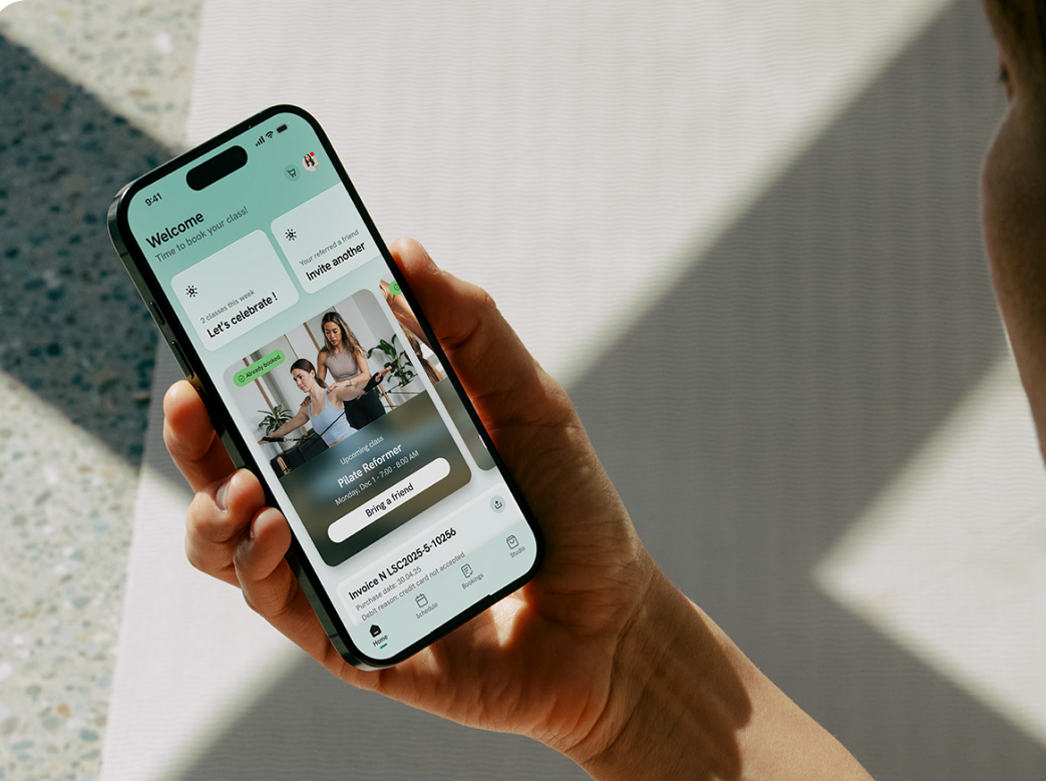

The technologies creating the biggest commercial impact for fitness operators are those that simplify operations, automate daily tasks and improve the member experience.
Clubs are investing in connected management systems, branded mobile apps, automation, and real-time data to operate more efficiently and support sustainable growth.
The industry is moving toward solutions that combine communication, bookings, payments, access control and analytics in one ecosystem.
Mobile apps, automation and AI-driven support help reduce manual work, improve retention and create seamless digital experiences.
How are systems improving the customer journey and retention?
Combining automation, personalisation and seamless digital experiences is the most powerful way.
Features such as online bookings, flexible payments, automated communication and real-time notifications make club interactions more convenient and engaging for members.
There’s a strong industry shift toward connected mobile experiences and automated communication that help clubs stay closer to their communities. Dedicated mobile apps, notifications, flexible payments and self-service tools improve convenience, while increasing engagement and loyalty.
By investing in these technologies early, operators can create stronger relationships with members and deliver the seamless experience modern fitness customers increasingly expect.
What challenges are operators focused on?
Improving efficiency, reducing manual work, increasing retention and controlling operating costs.
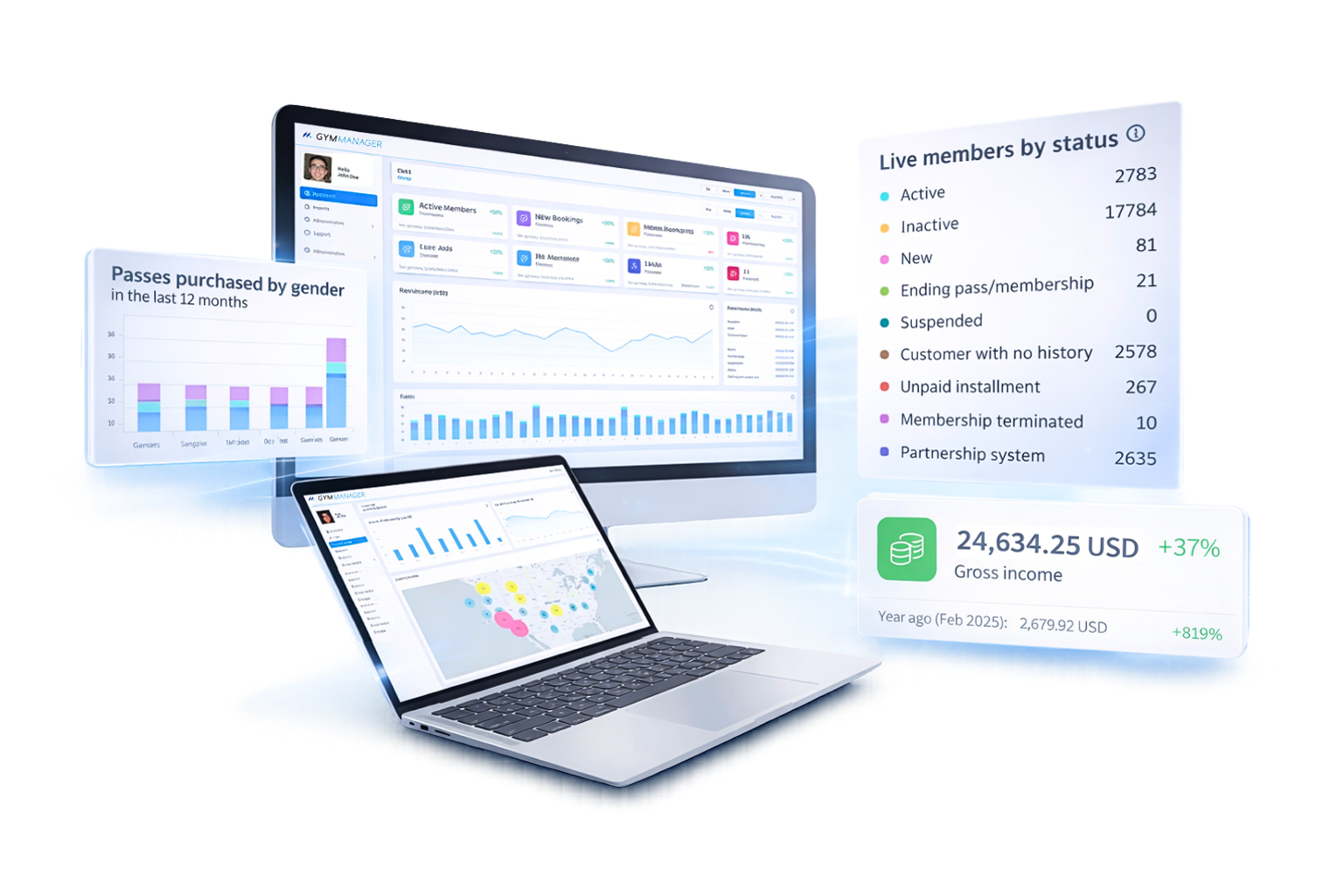
Many clubs are investing in automation and integrated systems to simplify communication, scheduling, payments, and everyday operations. Because of the overload of information and data, it’s important clubs use the support of AI for better access to real-time data and business insights.
They want tools that help them make faster decisions, identify trends and optimise services across multiple locations.
What software capabilities are being underused?
Automation, business analytics, mobile engagement tools and 24/7 access control solutions. These technologies significantly improve efficiency, retention and the member experience.
In addition, AI-driven analytics, branded mobile apps, automated communication and self-service solutions help clubs better understand member behaviour and create flexible business models.
What will define the next generation of systems?
Automation, AI, personalisation, 24/7 access control and connected digital experiences. Operators are looking for flexible platforms that combine communication, payments, mobile apps, access control and member management in one ecosystem.
Technology is no longer focused only on simplifying operations. Clubs increasingly expect solutions that help them stay ahead of changing member expectations and industry trends.
AI assistants, mobile-first experiences, smart automation and connected digital services are becoming essential tools for building scalable businesses and delivering modern member experiences.
More: www.gymmanager.io


Club management systems are no longer just about memberships. Operators want to understand more about everyone using their facilities – from members and swimmers to casual gym users and court bookers.
The real commercial value comes from turning those interactions into repeat visits and stronger customer relationships.
How are systems improving the customer journey?
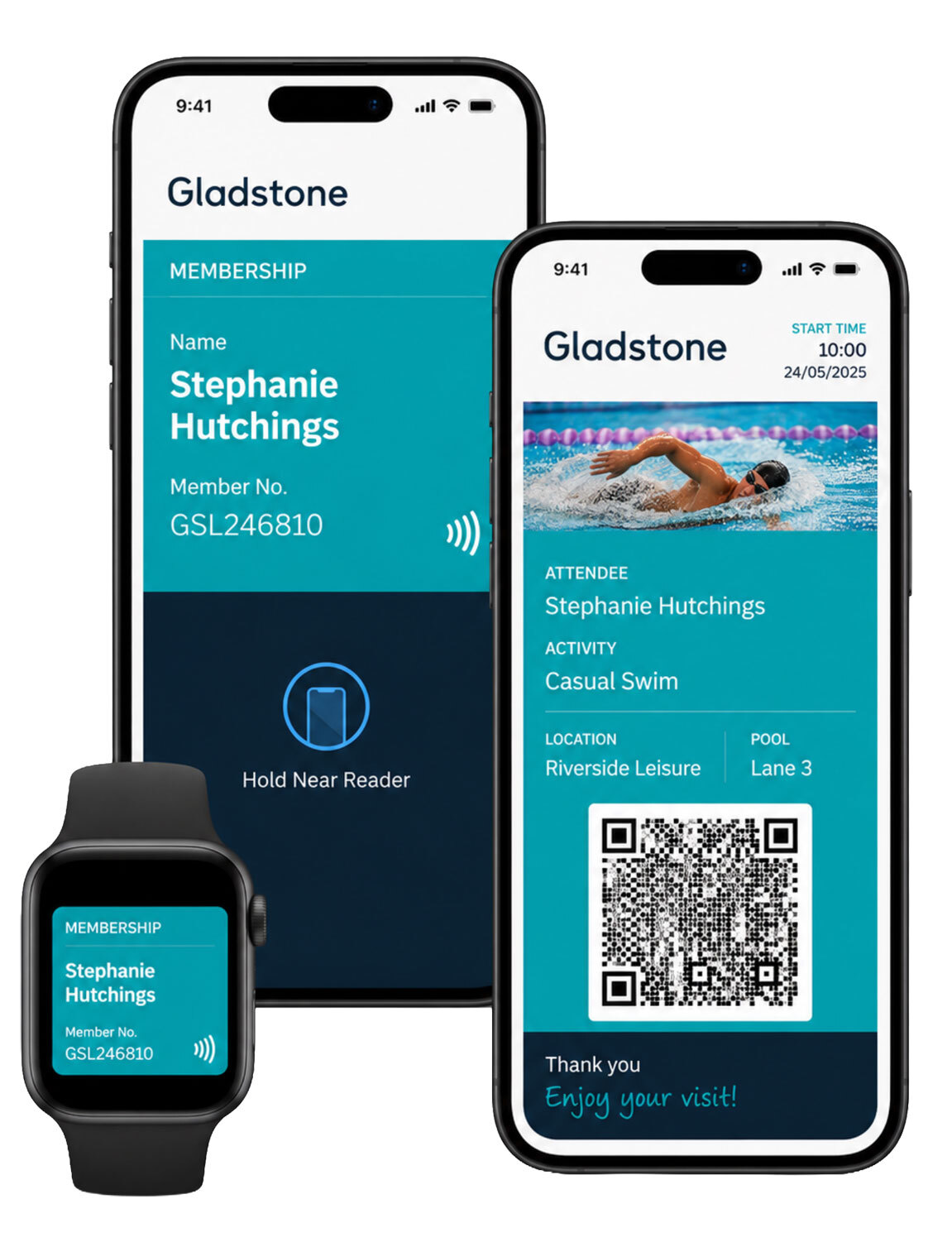
Customers don’t care how many systems sit behind the scenes. They just want things to work. They expect to book, pay, access facilities and receive communications through a connected experience. When that journey feels effortless, they’re more likely to stay engaged.
Operators also gain better visibility of customer behaviour, making it easier to spot opportunities to improve retention.
What operational challenges need solving?
Most clubs are trying to achieve more with the resources they already have. They’re looking to reduce administration, automate routine tasks and make better use of customer data. Every hour spent on manual processes is an hour not spent improving the customer experience.
Customers don’t care how many systems sit behind the scenes. They just want things to work
What software capabilities are being underused?
Customer data remains one of the biggest untapped opportunities. Most operators understand their members well, but know far less about casual users and activity participants. Better use of that data can improve communications, increase retention and uncover new revenue opportunities that might otherwise be missed.
What will define the next generation of systems?
They’ll connect the entire customer journey. Operators need a clearer view of how people interact across memberships, bookings, lessons and casual visits. The platforms that stand out will be the ones that turn insight into action without adding complexity.
More: www.gladstonesoftware.com
Editor's letter
Feedback

HCM People

HCM People

Profile

Opinion

Sponsored

Data

Obituary

Healthspan

Liability

First person

Tech

Profile

Profile

Research



























Health club management software is no longer just about memberships, bookings and billing. Operators are increasingly looking for platforms that connect every aspect of the business, from payments and access control to marketing, gym floor equipment, apps and business intelligence.
The industry has spent years building technology stacks by adding specialist solutions as new needs emerged. The challenge now is making all those systems talk to each other.
As a result, interoperability has become one of the primary goals. Operators want member data to move seamlessly between club management systems, equipment, payment platforms, CRM tools, wearables and consumer apps and open APIs and strong integration capabilities are becoming as important as core functionality when making buying decisions.
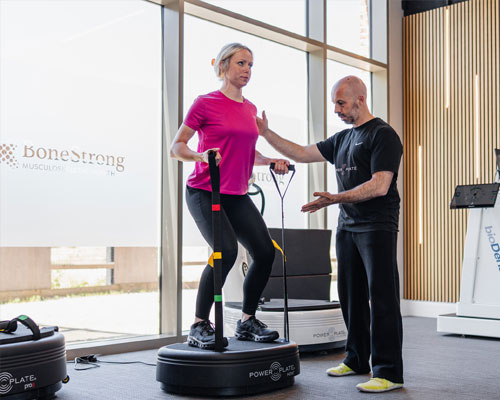
The gym floor is becoming more connected too. Equipment suppliers such as Technogym, EGYM, Precor and Matrix are increasingly feeding workout data into operators’ ecosystems, allowing them to track activity, personalise programming and create more joined-up member experiences. The ability to connect exercise data with wider customer information is also opening up new opportunities around coaching, engagement and retention.
Adopting AI
AI is another major focus. While the industry is still in the early stages of adoption, it’s increasingly being used to identify members at risk of cancelling and to automate communications, optimise timetables in order to improve club utilisation and to help operators make better use of the data they already collect.
Many suppliers believe the industry’s biggest untapped opportunity remains data. Operators hold vast amounts of information about attendance, spending habits, class preferences and member behaviour, but much of it is still underused.
The next wave of software development is likely to focus on using that information to inform practical actions that improve retention, increase secondary spend and elevate business performance.
Historically, operators have concentrated on attendance, utilisation and revenue metrics. Increasingly, however, there’s interest in tracking wellbeing, recovery and health outcomes.
As healthspan becomes a growing focus for the sector, software providers are developing tools that enable operators to demonstrate impact, rather than simply record visits. Emerging platforms such as Longevitix, which aggregate biomarker, wearable and clinical data to support personalised longevity interventions, points to a future in which software is expected not only to manage operations, but also to help quantify health outcomes.
Broader range of services
There’s also growing demand for software that supports a broader range of services. As operators move into areas such as recovery, wellness, physiotherapy, nutrition and longevity, systems need to manage appointments, packages, assessments and outcome tracking alongside traditional gym memberships.
At the enterprise end of the market, operators are pursuing a single customer view across increasingly diverse businesses. Large groups may operate gyms, boutiques, racquet clubs, swimming pools, wellness facilities and hospitality offerings under the same umbrella, creating demand for platforms capable of managing multiple brands, locations and service models while maintaining one customer record.
Similar themes can be seen across the strategies of providers such as PerfectGym/Sport Alliance and BRP Systems, which continue to expand their capabilities through integration, platform development and ecosystem partnerships.
This is one reason the software sector is seeing continued consolidation. Suppliers are increasingly acquiring adjacent technologies and adding new capabilities in-house in an effort to create end-to-end ecosystems that cover the entire customer journey, from acquisition and onboarding through to engagement, retention and payments.
The industry’s direction of travel is becoming increasingly clear. UK Active’s latest Digital Futures programme identifies interoperability, digital health, responsible AI and stronger links with healthcare as priorities for the sector, suggesting the conversation is moving beyond digital transformation alone and towards how technology can support better health outcomes and more connected services.
It’s no longer one single technology making the biggest impact. Instead, successful operators are using a connected ecosystem of software, payments and intelligence to power their business growth. Whether embedding payments, integrating access controls, connecting with third parties or harnessing AI, operators are using unified operating ecosystems to standardise workflow and processes and maintain control.
Replacing fragmented tech stacks with a unified platform reduces operational friction, eliminates duplication, gives teams a clear, real-time view of performance and creates more consistent member experiences across every touchpoint.
For multi-site operators in particular, connected platforms drive both immediate efficiencies and longer-term profitability.
How are systems improving the customer journey?
The proactive use of data is key to improving the customer journey and retention. Historically, more data was collected than could be effectively accessed. That’s changed. The ability to access data and personalise every interaction is very real. For example, within Xplor Technologies, Resamania’s new sales pipeline tool helps operators manage reminders to prospects, members and ex-members.
Mariana Tek delivers real-time insights, enabling staff to tailor experiences and upsell opportunities. Momence enables automated marketing based on member behaviour and identifies at-risk members before they churn. These capabilities change operators from reactive service providers to proactive and data-driven operators.
What operational challenges are operators most focused on?
Manual processes for billing, renewals and reconciliation remain a major pain point, often leading to missed revenue and unnecessary admin.
Automation and embedded payments address this by streamlining how revenue is collected and managed, and using data to highlight at-risk members.
Our systems provide single and multi-location brands with a 360-degree view of bookings, sales and memberships, in real-time. From recurring billing and failed payment recovery to auto-communications, embedded payments reduce friction and protect predictable income.
As a result, operators make smarter decisions, gain better financial control and have more capacity to focus on member experiences.
Replacing fragmented tech stacks with a unified platform gives a real-time view of performance
What software capabilities are still underused?
Fitness is a time- and space-based industry. Software can use data to unlock off-peak time and space to optimise and create new revenue streams. For example, Mariana Tek’s appointments feature allows studios to expand beyond class-based scheduling without adding operational complexity. Exerp allows multi-location brands to offer personal training and adjacent services alongside classes. Resamania helps clubs build class- or course-based memberships, either stand-alone or add-on, for formats such as Pilates, Hyrox and small group personal training.
By monetising unused capacity, gyms, clubs and studios can differentiate their services and meet growing demand for personalised fitness experiences.
What will define the next generation of systems?
Premium, end-to-end member experiences built directly into the platform to deliver seamless, mobile first bookings, invisible payments embedded into the journey and flexible membership models with add-ons that meet evolving customer needs.
Combined with intuitive, personalised marketing touchpoints, operators can engage members at exactly the right moment with consistent, on brand experiences. The result is a more frictionless journey that drives higher conversion, deeper loyalty, and greater lifetime value – helping them to compete on experience, not just facilities or price.
More: www.xplor.com
The biggest commercial impact right now is coming from technologies that make personalisation manageable for everyday operators.
SMS and email have always been effective, but the most sophisticated tools were historically built for major retail brands with large teams and budgets. That’s finally changing in wellness.
Through our partnership with Attentive, Mindbody operators can now use real customer signals – visit frequency, booking patterns, purchase history – to trigger communication that feels timely and relevant without adding manual work. For smaller businesses especially, that level of automation has been a real ‘unlock’.
How are customer journeys improving?
Systems are becoming more responsive to customer behaviour. Instead of relying on broad campaigns or manual outreach, operators can engage customers based on what they’re actually doing – whether that’s attending consistently, dropping off or trying something new.
We’re seeing much stronger retention when communication feels connected to where someone truly is in their fitness or wellness journey. That creates a smoother customer experience because the outreach feels helpful rather than transactional. It also makes it easier for operators to stay connected with members without requiring constant manual follow-up.
What about clubs’ operational challenges?
A major challenge we hear about is balancing personalisation with efficiency. Most operators are running their business across multiple disconnected systems with separate tools for booking, marketing, payments, reporting, and client communication. That fragmentation creates extra work and limits visibility into the full customer journey. It’s driving a clear shift toward unified platforms and embedded engagement tools.
Operators can now use real customer signals to trigger communication that feels timely and relevant
What software capabilities are underused?
The customer data operators already have is one of the most underused assets in the industry. Attendance patterns, purchasing behaviour and lapsing activity are powerful signals, but they often go untranslated into personalised engagement.
That’s why automated lifecycle marketing– particularly around re-engagement and retention – is one of the biggest opportunities we see today. Mindbody tools such as Clients at Risk and Big Spenders let operators act on those signals automatically. As of January 2026, spa businesses using these features averaged over US$1,700 in attributed revenue in a single month.
What will define the ‘next-gen’ systems?
Intelligence, connection and proactive growth. The operational backbone of scheduling, payments and reporting remains essential, and what’s expanding on top of it are capabilities that help businesses grow by improving retention and automating engagement. AI will play a role, but the bigger shift is the integration of operations, customer insights and communication.
More: www.mindbodyonline.com
The biggest impact when it comes to choosing software is moving from standalone tools into systems that control daily workflows.
AI is the clearest shift – not as a separate layer, but embedded into scheduling, reporting, messaging and operational decision-making. Alongside that, dynamic pricing, connected member data, direct booking and shared passes are helping operators respond to demand with more precision.
For multi-location and multi-brand operators, the value comes from having these capabilities connected behind the scenes, so pricing, payments, memberships, marketing and reporting work together instead of adding more manual work.
How are customer journeys improving?
Systems are making it easier for people to book, return and build routines across classes, locations and formats. That matters because our consumer research found 90 per cent of members decide whether to return within their first three sessions.
Connected systems help operators understand those early behaviours, personalise follow-ups and keep communication consistent, from first booking to repeat visit. Retention improves when the experience feels simple and flexible for the member, while teams can see what is happening across the business rather than reacting when someone has already dropped off.
Automation is underused in practical areas such as reminders, follow-ups, reporting and win-back journeys
What operational challenges need solving?
Problems that directly affect revenue and member experience, such as underfilled classes, manual admin, disconnected reporting, pricing that does not reflect demand and class schedules that don’t fit member routines.
Our research found class times that don’t fit are the top barrier to attendance, cited by 63 per cent of consumers. For growing groups, the challenge is bigger still: connecting brands, locations, data and teams while building stronger direct relationships alongside third-party booking channels, while not using them as the only route to capturing demand.
What software capabilities are underused?
Many are still underusing the data already inside their business. Booking patterns, attendance history, pass usage, pricing response and cross-brand activity can show where demand is strongest, where capacity is being lost and where members may need a timely nudge.
Those insights can support smarter pricing, better capacity planning and more relevant communication.
Automation is also underused in practical areas such as reminders, follow-ups, reporting and win-back journeys. The opportunity is to use software less as an admin layer and more as a way to strengthen the member experience over time.
What will define the ‘next-gen’ systems?
They’ll be defined by flexibility, connected data and practical AI built into everyday workflows. Operators will need systems that can support multiple brands, locations, pricing models and member journeys without forcing every concept into the same structure. Strong platforms will help teams understand behaviour across the business and automate admin where it adds value.
More: https/pro.bsport.io
The technologies creating the biggest commercial impact for fitness operators are those that simplify operations, automate daily tasks and improve the member experience.
Clubs are investing in connected management systems, branded mobile apps, automation, and real-time data to operate more efficiently and support sustainable growth.
The industry is moving toward solutions that combine communication, bookings, payments, access control and analytics in one ecosystem.
Mobile apps, automation and AI-driven support help reduce manual work, improve retention and create seamless digital experiences.
How are systems improving the customer journey and retention?
Combining automation, personalisation and seamless digital experiences is the most powerful way.
Features such as online bookings, flexible payments, automated communication and real-time notifications make club interactions more convenient and engaging for members.
There’s a strong industry shift toward connected mobile experiences and automated communication that help clubs stay closer to their communities. Dedicated mobile apps, notifications, flexible payments and self-service tools improve convenience, while increasing engagement and loyalty.
By investing in these technologies early, operators can create stronger relationships with members and deliver the seamless experience modern fitness customers increasingly expect.
What challenges are operators focused on?
Improving efficiency, reducing manual work, increasing retention and controlling operating costs.
Many clubs are investing in automation and integrated systems to simplify communication, scheduling, payments, and everyday operations. Because of the overload of information and data, it’s important clubs use the support of AI for better access to real-time data and business insights.
They want tools that help them make faster decisions, identify trends and optimise services across multiple locations.
What software capabilities are being underused?
Automation, business analytics, mobile engagement tools and 24/7 access control solutions. These technologies significantly improve efficiency, retention and the member experience.
In addition, AI-driven analytics, branded mobile apps, automated communication and self-service solutions help clubs better understand member behaviour and create flexible business models.
What will define the next generation of systems?
Automation, AI, personalisation, 24/7 access control and connected digital experiences. Operators are looking for flexible platforms that combine communication, payments, mobile apps, access control and member management in one ecosystem.
Technology is no longer focused only on simplifying operations. Clubs increasingly expect solutions that help them stay ahead of changing member expectations and industry trends.
AI assistants, mobile-first experiences, smart automation and connected digital services are becoming essential tools for building scalable businesses and delivering modern member experiences.
More: www.gymmanager.io
Club management systems are no longer just about memberships. Operators want to understand more about everyone using their facilities – from members and swimmers to casual gym users and court bookers.
The real commercial value comes from turning those interactions into repeat visits and stronger customer relationships.
How are systems improving the customer journey?
Customers don’t care how many systems sit behind the scenes. They just want things to work. They expect to book, pay, access facilities and receive communications through a connected experience. When that journey feels effortless, they’re more likely to stay engaged.
Operators also gain better visibility of customer behaviour, making it easier to spot opportunities to improve retention.
What operational challenges need solving?
Most clubs are trying to achieve more with the resources they already have. They’re looking to reduce administration, automate routine tasks and make better use of customer data. Every hour spent on manual processes is an hour not spent improving the customer experience.
Customers don’t care how many systems sit behind the scenes. They just want things to work
What software capabilities are being underused?
Customer data remains one of the biggest untapped opportunities. Most operators understand their members well, but know far less about casual users and activity participants. Better use of that data can improve communications, increase retention and uncover new revenue opportunities that might otherwise be missed.
What will define the next generation of systems?
They’ll connect the entire customer journey. Operators need a clearer view of how people interact across memberships, bookings, lessons and casual visits. The platforms that stand out will be the ones that turn insight into action without adding complexity.
More: www.gladstonesoftware.com
Editor's letter
Feedback
HCM People
HCM People
Profile
Opinion
Sponsored
Data
Obituary
Healthspan
Liability
First person
Tech
Profile
Profile
Research