







Editor's letter



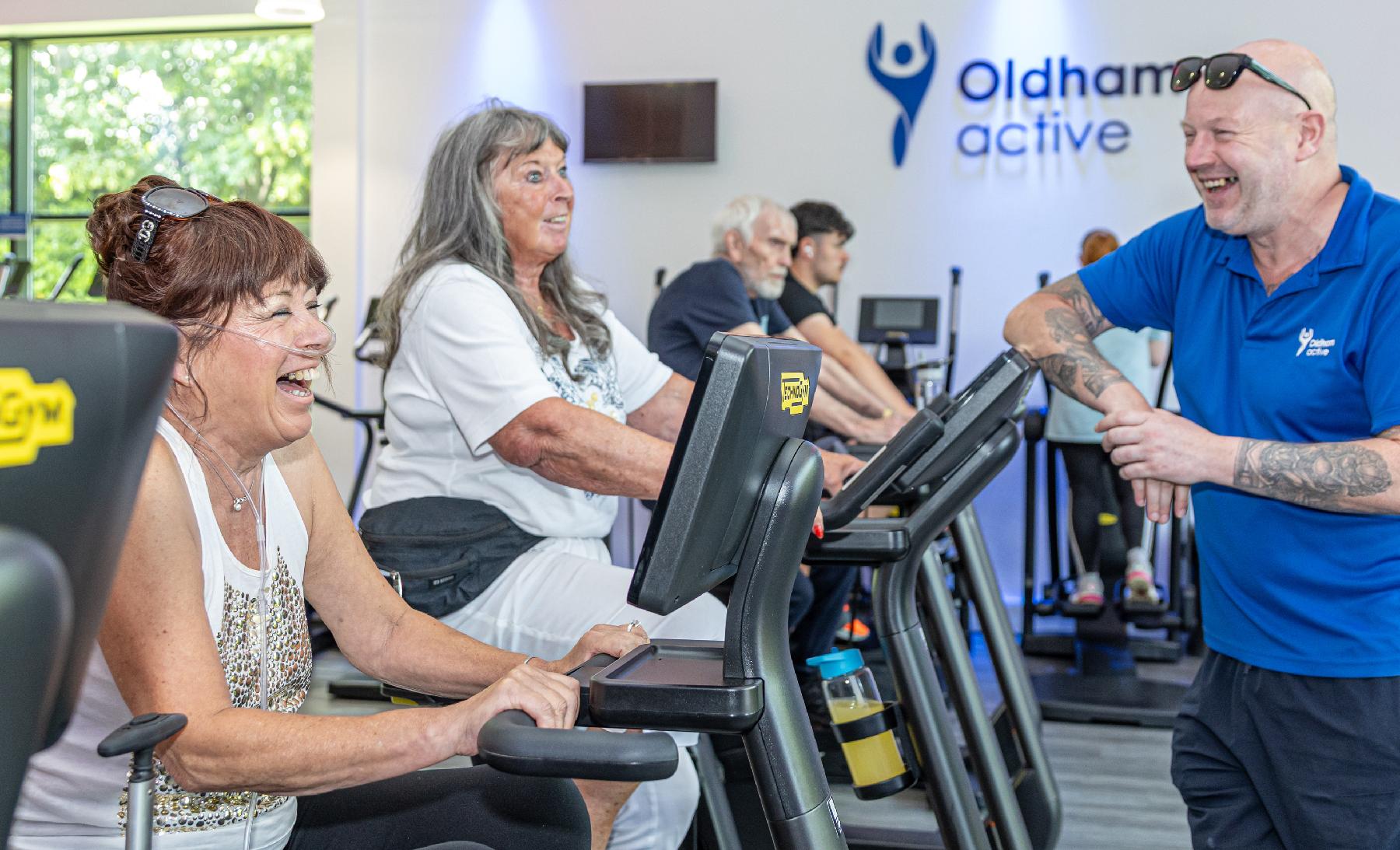
This year marks a milestone for the team at Oldham Active as we celebrate the 20th anniversary of our 12-week REACH (Referrals Encouraging Activity, Confidence and Health) exercise referral programme.
The programme has supported nearly 4,000 people to date and I’ve witnessed firsthand how structured, supported physical activity can bridge the daunting gap between clinical intervention and long-term community recovery.
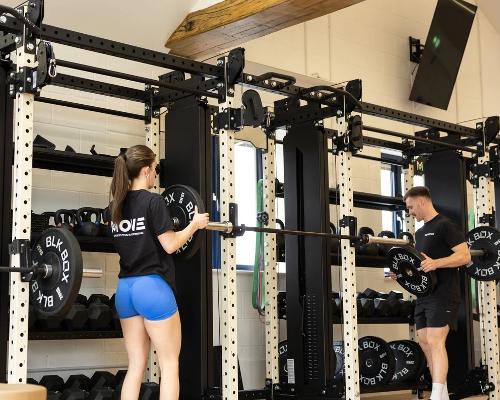
For a patient who’s just undergone a procedure, the transition from a hospital bed to the gym floor can be a terrifying prospect and the idea of exercise can be overwhelming.
The transition from a hospital bed to the gym floor can be a terrifying prospect
Pathway to recovery
By working with our NHS partners, we’ve created a pathway where clinical recovery seamlessly meets community support. This vital ‘step-down’ service helps alleviate that initial fear, reassuring patients they’re in safe hands and turning a short-term clinical intervention into a sustainable lifestyle choice.
The impact of this shared approach is clear. In the last year, our REACH programme has accepted more than 200 new referrals, predominantly from Greater Manchester hospital physiotherapists, and we’ve recorded more than 2,000 attendances across 305 specialist classes at our centres in Saddleworth, Royton, Chadderton and Oldham.
From an operational standpoint, this collaboration helps reduce pressure on primary and secondary healthcare. By transitioning patients to long-term community exercise, the programme slows disease progression and extends the rehabilitation window well beyond anything standard clinical settings can offer. For example, in Oldham, the NHS Cardiac Rehab programme offers four sessions over eight weeks, and its Pulmonary Rehab/Long COVID programme is 12 sessions over six weeks.
Once patients complete these, their healthcare professional signs them off and refers them to the REACH programme for long-term lifestyle changes, with the ultimate aim of transitioning them to be ‘forever’ customers.
Our partnership with the health service has stood the test of time, largely because our programme has adapted alongside structural evolutions. When we launched back in 2007, REACH began as a two-year pilot scheme commissioned by the Oldham Primary Care Trust. During the course of two decades of healthcare reform, we’ve maintained a continuous, trusted presence by transitioning our working relationships through the era of Clinical Commissioning Groups to today’s NHS Greater Manchester Integrated Care Board.
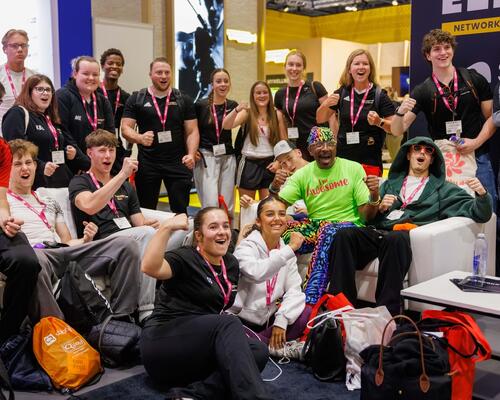
Our staff who deliver the REACH scheme are passionate about the programme, and have remained largely unchanged over the 20 years. So despite the transitions from primary care trust to clinical commissioning group and now to integrated care board, we’ve remained consistent and constant.
Staff who deliver the REACH scheme are passionate about the programme and have remained largely unchanged over the 20 years
Robust reporting
Another key aspect of sustaining our year-to-year rolling contract throughout these shifts has been a commitment to reporting, providing the ICB with annual reports that merge quantitative data with qualitative patient experiences.
We monitor the health and emotional wellbeing of REACH participants, as well as their attendance. Last year 95 per cent of people who took part were more active than before starting the programme and 95 per cent said their health had improved. The survey highlighted the helpful and encouraging nature of our instructors, and participants reported a significant increase in their confidence in exercise. Plus, in 12 weeks, visits to the GP and levels of medication had also decreased.
By demonstrating the statistical outcomes and lives changed, we show the value of the service, ensuring the partnership remains a priority for commissioners.
When an anxious new referral walks through our door, introducing them to long-term members – who were once in their shoes – is powerful. It shows that when community leisure and healthcare work together, we can support long-term recovery and genuinely help residents get their lives back.
Editor's letter
Feedback
HCM People
HCM People

Profile

Opinion
Sponsored

Data
Obituary
Healthspan

Liability
First person

Tech

Profile

Profile

Research






















This year marks a milestone for the team at Oldham Active as we celebrate the 20th anniversary of our 12-week REACH (Referrals Encouraging Activity, Confidence and Health) exercise referral programme.
The programme has supported nearly 4,000 people to date and I’ve witnessed firsthand how structured, supported physical activity can bridge the daunting gap between clinical intervention and long-term community recovery.
For a patient who’s just undergone a procedure, the transition from a hospital bed to the gym floor can be a terrifying prospect and the idea of exercise can be overwhelming.
The transition from a hospital bed to the gym floor can be a terrifying prospect
Pathway to recovery
By working with our NHS partners, we’ve created a pathway where clinical recovery seamlessly meets community support. This vital ‘step-down’ service helps alleviate that initial fear, reassuring patients they’re in safe hands and turning a short-term clinical intervention into a sustainable lifestyle choice.
The impact of this shared approach is clear. In the last year, our REACH programme has accepted more than 200 new referrals, predominantly from Greater Manchester hospital physiotherapists, and we’ve recorded more than 2,000 attendances across 305 specialist classes at our centres in Saddleworth, Royton, Chadderton and Oldham.
From an operational standpoint, this collaboration helps reduce pressure on primary and secondary healthcare. By transitioning patients to long-term community exercise, the programme slows disease progression and extends the rehabilitation window well beyond anything standard clinical settings can offer. For example, in Oldham, the NHS Cardiac Rehab programme offers four sessions over eight weeks, and its Pulmonary Rehab/Long COVID programme is 12 sessions over six weeks.
Once patients complete these, their healthcare professional signs them off and refers them to the REACH programme for long-term lifestyle changes, with the ultimate aim of transitioning them to be ‘forever’ customers.
Our partnership with the health service has stood the test of time, largely because our programme has adapted alongside structural evolutions. When we launched back in 2007, REACH began as a two-year pilot scheme commissioned by the Oldham Primary Care Trust. During the course of two decades of healthcare reform, we’ve maintained a continuous, trusted presence by transitioning our working relationships through the era of Clinical Commissioning Groups to today’s NHS Greater Manchester Integrated Care Board.
Our staff who deliver the REACH scheme are passionate about the programme, and have remained largely unchanged over the 20 years. So despite the transitions from primary care trust to clinical commissioning group and now to integrated care board, we’ve remained consistent and constant.
Staff who deliver the REACH scheme are passionate about the programme and have remained largely unchanged over the 20 years
Robust reporting
Another key aspect of sustaining our year-to-year rolling contract throughout these shifts has been a commitment to reporting, providing the ICB with annual reports that merge quantitative data with qualitative patient experiences.
We monitor the health and emotional wellbeing of REACH participants, as well as their attendance. Last year 95 per cent of people who took part were more active than before starting the programme and 95 per cent said their health had improved. The survey highlighted the helpful and encouraging nature of our instructors, and participants reported a significant increase in their confidence in exercise. Plus, in 12 weeks, visits to the GP and levels of medication had also decreased.
By demonstrating the statistical outcomes and lives changed, we show the value of the service, ensuring the partnership remains a priority for commissioners.
When an anxious new referral walks through our door, introducing them to long-term members – who were once in their shoes – is powerful. It shows that when community leisure and healthcare work together, we can support long-term recovery and genuinely help residents get their lives back.
Editor's letter
Feedback
HCM People
HCM People
Profile
Opinion
Sponsored
Data
Obituary
Healthspan
Liability
First person
Tech
Profile
Profile
Research