







Editor's letter





A revolution is underway, as one of the industry’s longest-held assumptions is rapidly being overturned.
After decades of designing gyms for adults and barring children and young people from using fitness facilities, the sector is changing its approach and the next generation is being invited in.
The shift is coming not only coming from operators lowering age limits, but also from the emergence of fitness experiences created specifically for the young.
Hyrox is rolling out its Youngstars programme, for example, giving children their own pathway into the sport, while Speedflex has created Jnrz (page 14) to introduce younger audiences to training in a safe, age-appropriate and engaging way. These initiatives are accelerating a trend that started with now well-established programmes such as Les Mills Born to Move.
Instead of seeing children as an operational challenge, we’re beginning to recognise them as an audience we have an opportunity and a responsibility to support.
Generation Alpha is the first born entirely in the digital age and the oldest members of this two billion-strong global cohort are reaching their mid-teens.
Predominantly the children of Millennials – a generation that helped drive the growth of boutique fitness, wellness, wearables and prevention – many have grown up seeing exercise as part of everyday life and see fitness as social, aspirational and part of their identity.
At a time when concerns are growing around loneliness and inactivity, our sector offers kids safe, supportive spaces to move, learn new skills, be physically challenged, spend time with friends and discover what their bodies are capable of.
For years we’ve talked about increasing penetration, while operators often compete for the same pool of adult members. Welcoming young people changes this dynamic, giving us the opportunity to expand the market and create meaningful relationships with people at the point where lifelong habits are formed.
We need the data to tell the story, so all our industry reports must be updated to capture this growth, measure progress and evidence the impact of opening our facilities to younger members.
For years, we’ve argued that health clubs can play a vital role in addressing some of society’s biggest challenges. Now this shift is happening – with a new generation already coming through our doors – the opportunity is to nurture this movement, measure its impact and ensure this revolution delivers on its potential.
Liz Terry, editor
Editor's letter
Feedback

HCM People

HCM People

Profile

Opinion
Sponsored

Data

Obituary

Healthspan

Liability

First person

Tech

Profile

Profile

Research














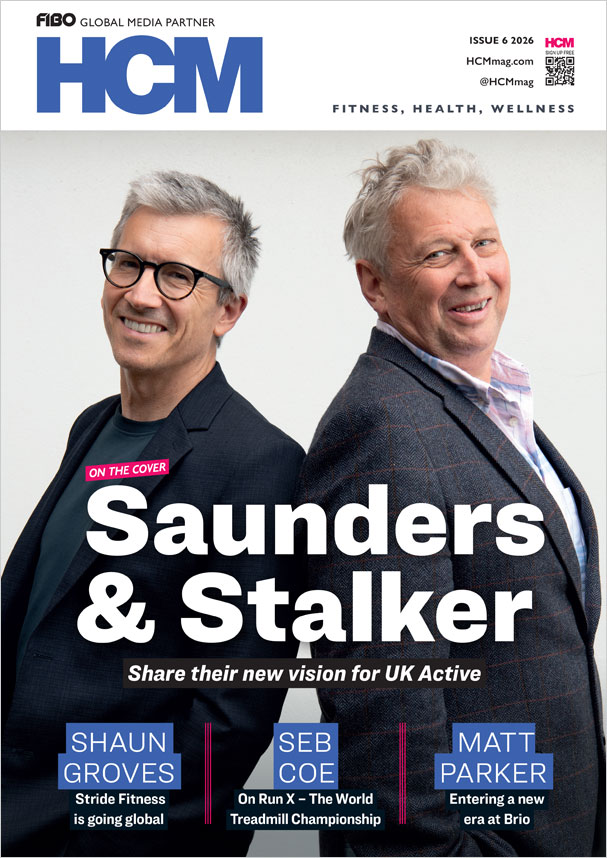

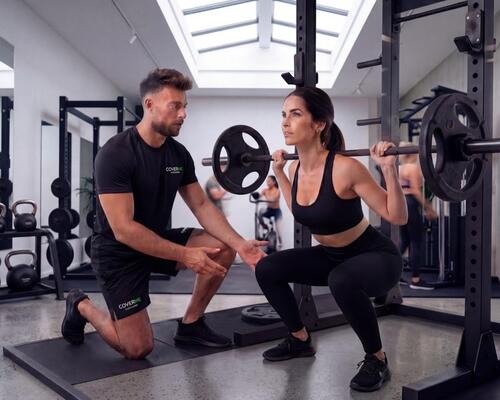











A revolution is underway, as one of the industry’s longest-held assumptions is rapidly being overturned.
After decades of designing gyms for adults and barring children and young people from using fitness facilities, the sector is changing its approach and the next generation is being invited in.
The shift is coming not only coming from operators lowering age limits, but also from the emergence of fitness experiences created specifically for the young.
Hyrox is rolling out its Youngstars programme, for example, giving children their own pathway into the sport, while Speedflex has created Jnrz (page 14) to introduce younger audiences to training in a safe, age-appropriate and engaging way. These initiatives are accelerating a trend that started with now well-established programmes such as Les Mills Born to Move.
Instead of seeing children as an operational challenge, we’re beginning to recognise them as an audience we have an opportunity and a responsibility to support.
Generation Alpha is the first born entirely in the digital age and the oldest members of this two billion-strong global cohort are reaching their mid-teens.
Predominantly the children of Millennials – a generation that helped drive the growth of boutique fitness, wellness, wearables and prevention – many have grown up seeing exercise as part of everyday life and see fitness as social, aspirational and part of their identity.
At a time when concerns are growing around loneliness and inactivity, our sector offers kids safe, supportive spaces to move, learn new skills, be physically challenged, spend time with friends and discover what their bodies are capable of.
For years we’ve talked about increasing penetration, while operators often compete for the same pool of adult members. Welcoming young people changes this dynamic, giving us the opportunity to expand the market and create meaningful relationships with people at the point where lifelong habits are formed.
We need the data to tell the story, so all our industry reports must be updated to capture this growth, measure progress and evidence the impact of opening our facilities to younger members.
For years, we’ve argued that health clubs can play a vital role in addressing some of society’s biggest challenges. Now this shift is happening – with a new generation already coming through our doors – the opportunity is to nurture this movement, measure its impact and ensure this revolution delivers on its potential.
Liz Terry, editor
Editor's letter
Feedback
HCM People
HCM People
Profile
Opinion
Sponsored
Data
Obituary
Healthspan
Liability
First person
Tech
Profile
Profile
Research