



































promotion: Panatta Srl
Legends never die: four legends, four philosophies of life
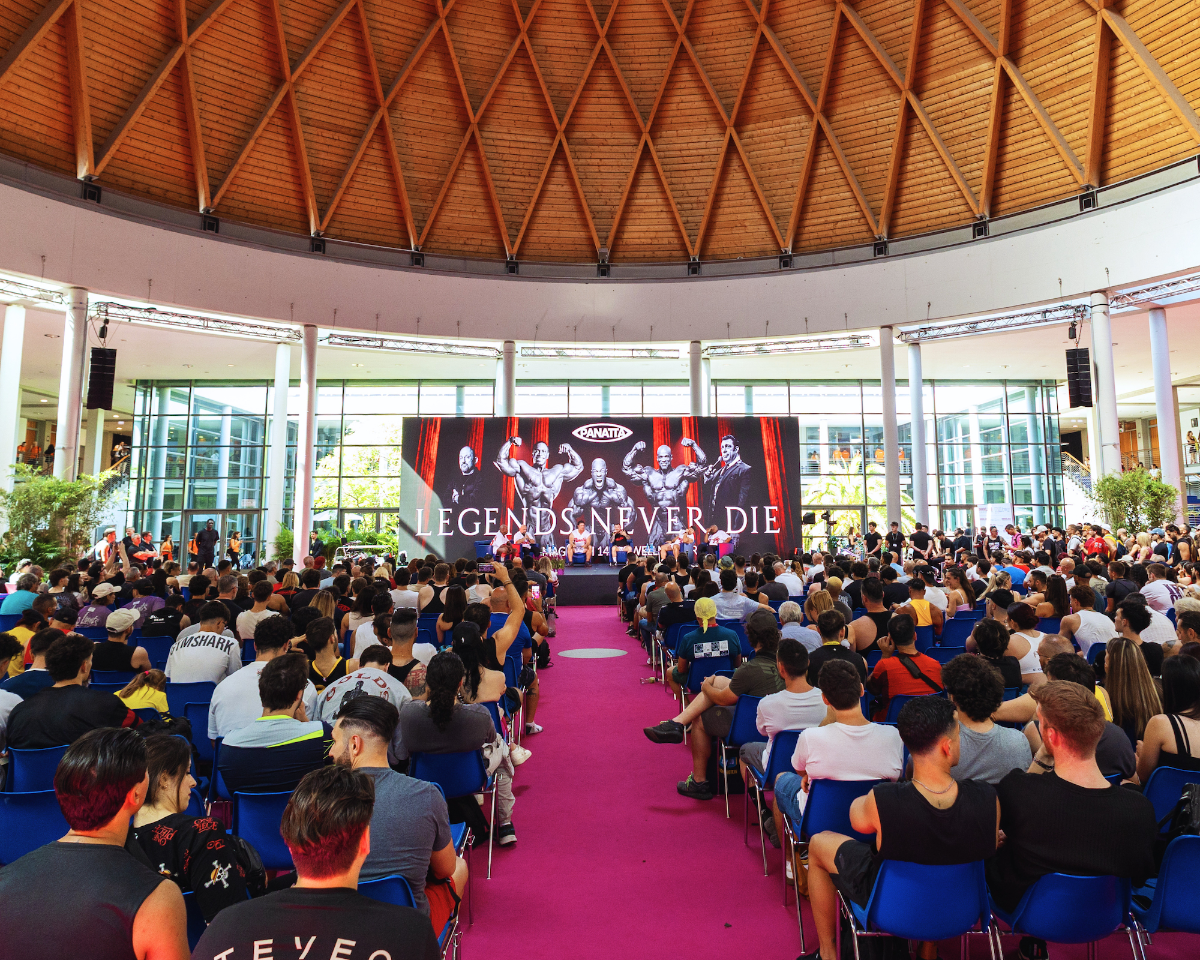
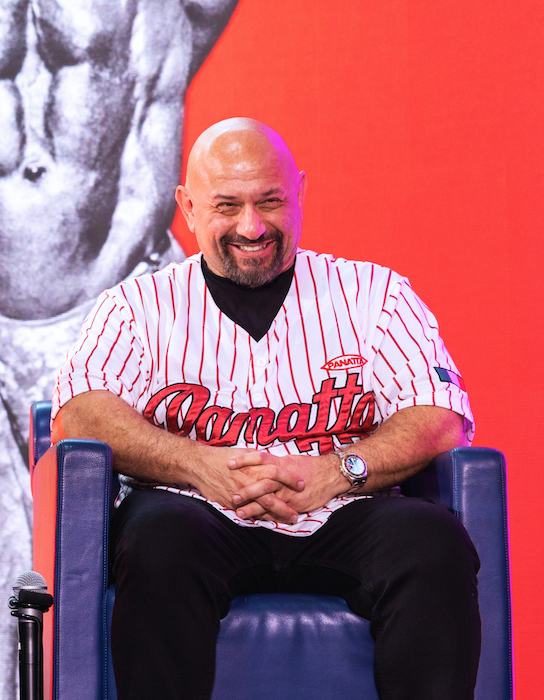
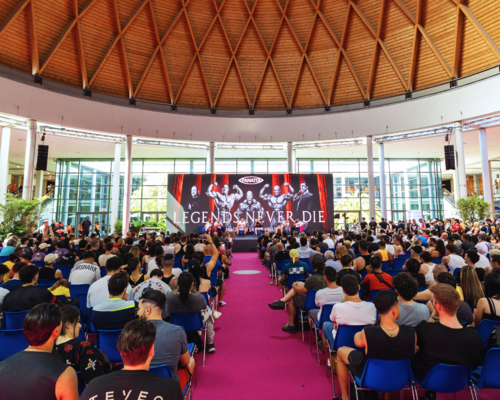
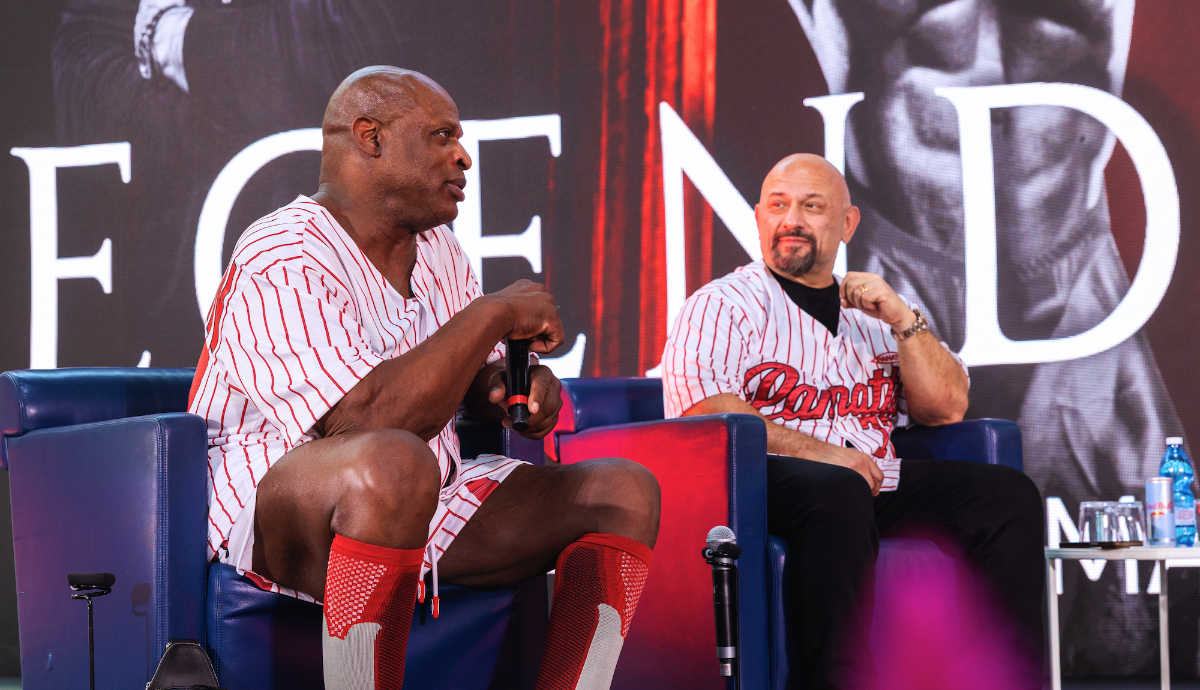
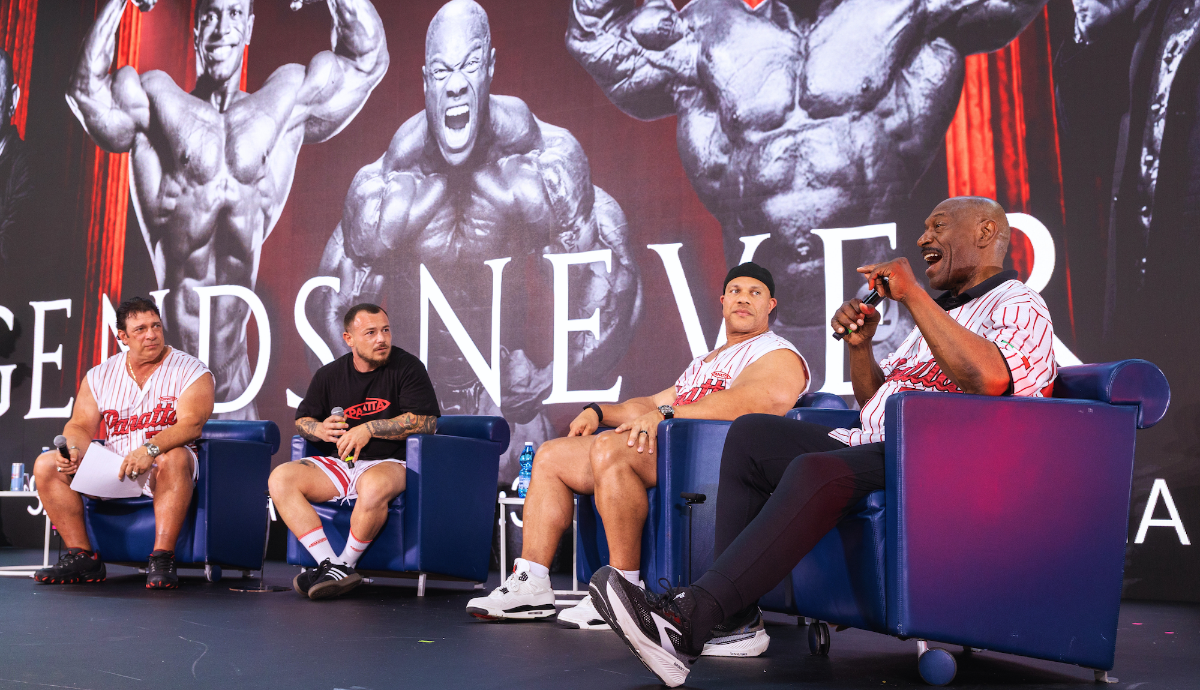
Panatta brought together four of the most influential figures in bodybuilding history on the stage of RiminiWellness 2026: Phil Heath, Lee Haney, Ronnie Coleman and Hany Rambod.
Moderated by Bob Cicherillo, world champion and the Voice of Bodybuilding, the group shared stories of victories and titles, but also the principles that guided their careers. What emerged was a series of reflections on success that extend far beyond bodybuilding to dreams, discipline, faith, passion and personal growth.
Phil Heath: Everything begins with a dream
Surprisingly, Phil Heath’s original dream was not bodybuilding, but professional basketball.
Life took him in a different direction, however, and Heath went on to become a seven-time Mr Olympia.
Bob Cicherillo asked when Heath knew he could become truly great at bodybuilding.
Heath said: "I started training with a couple of my closest basketball friends. At first, it felt a little strange. Basketball players wear loose clothes, while bodybuilding is all about the physique, so it was a completely different environment for me. But my friends introduced me to the beauty of the sport. They showed me what bodybuilding could be and encouraged me to train and improve.
"After winning my first bodybuilding competition and taking the overall title, I realised it wasn’t just something I enjoyed; it was something I wanted to dedicate myself to. Like everyone else, I simply started by working hard. Little by little, I saw improvements, and every improvement made me believe even more in what I was doing. Eventually, I had the opportunity to work with one of the greatest coaches in the world, Hany Rambod, and together we achieved all the results you know about today.
"Everything starts with a dream. Then comes the work... and a lot of it. But above all, you have to believe. You must believe in yourself before anyone else does."
Lee Haney: Bodybuilding as a tool, not an identity
While Heath speaks about dreams, Lee Haney introduced a different concept: the importance of maintaining the right priorities.
Cicherillo asked the eight-time Mr Olympia what his initial dreams were.
Haney said: "Actually, I started lifting weights because I wanted to become a better football player. In the beginning, the weight room was simply a tool to improve my athletic performance. But as I continued training, I began to grow physically and realised I had a natural ability to build muscle. Still, I never lost sight of the importance of education. Training mattered to me, but school mattered too. I attended college, focused on my studies, and committed to building a future beyond sports."
Cicherillo asked what advice Haney would give his younger self?
Haney admitted he doesn't spend a lot of time looking back at his mistakes. "For me, bodybuilding was always a tool. It was something I loved, something I deeply appreciated, but it never became my idol. It never became my god. I believe I used bodybuilding the right way. It became part of my life, but it never completely defined who I was. I stayed grounded, kept my priorities in order, and understood there was a greater purpose beyond winning titles.
"I never allowed it to become greater than my faith, my family, or my values. That’s what kept me balanced throughout my career. I got married at twenty-three years old. I had a wife to support and responsibilities to take seriously. At first, my dream was simply to win one Mr Olympia title. Then I thought, “Why not three?” Then, “Why not five?” Eventually, I reached seven titles and was ready to retire. But I talked to my wife and asked, “Should I stop now or go for eight?” She looked at me and said, “Are you crazy? You absolutely have to try.” That’s one of the many reasons I’ve been blessed to be married to such an extraordinary woman for more than forty years.
Ronnie Coleman: Passion before titles
Haney’s reflections naturally lead to another central theme: genuine love for what you do. No one embodies that better than Ronnie Coleman, an eight-time Mr Olympia.
Coleman told Cicherillo football was his first passion and that bodybuilding entered his life unexpectedly: "It happened almost by accident, through people I met while working as a police officer and through the opportunity to train seriously in the gym. At the time, nothing suggested I would become one of the greatest bodybuilders in history."
Coleman's path to winning his first Mr Olympia title was not a straight one, but he explained to Cicherillo how he never gave up: "I never complained. Whether I finished last, fifteenth, ninth, or eighth, I just kept training."
Coleman described how he saw himself as his toughest oponent, "The real competition was always against the previous version of myself."
Coleman is known for his legendary training sessions, the famous videos, the incredible weights and the impact those images had on millions of people. Those videos were not something he did purely to win a Mr Olympia title, "I started training at a very young age and fell in love with lifting weights almost immediately. I still love it today. Training was never an act. It wasn’t marketing. It wasn’t about creating an image. It wasn’t about entertaining an audience. It was simply what I loved doing."
Coleman said he wishes he could still achieve the lifts in those videos: "It’s not about the trophies, records, or fame. It’s about the joy of training."
He hopes to leave an enduring legacy of dedication, passion, discipline and hard work behind. He said, "I remember praying to God from a very young age. Faith has been important throughout my entire life. It always comes back to the same principles: never complain. Keep working. Keep improving. Believe in yourself. Trust the process."
Cicherillo reminded the audience, "Fans remember Coleman for squats over 800 pounds, impossible deadlifts, the legendary “Yeah Buddy!” and “Light Weight!” But listening to you, it becomes clear that the weight itself was never what mattered most."
Coleman responded: "It was the passion. I would have trained anyway. Before the titles. During the titles. And if my body would allow it, I’d still be doing it today."
Perhaps this is Ronnie Coleman’s greatest legacy. Not only that he is one of the greatest champions in bodybuilding history, but that his love for training was so genuine, so obvious and so contagious that it inspired millions of people to begin their own journey.
Hany Rambod: A coach’s role is to develop individuality
After listening to three champions from different eras, the conversation naturally turned to the man who helped build some of the greatest physiques in bodybuilding history: Hany Rambod.
Cicherillo asked Rambod when he first realised coaching was his true calling.
Rambod responded: "I think coaching has always been part of who I am. My father was a football coach and my mother was a teacher, so in many ways it was already in my DNA. I always enjoyed helping people improve and seeing them succeed. After suffering a knee injury at a young age, my path gradually shifted away from competition and toward coaching. That transition ultimately changed my life. Instead of seeing it as a disappointment, I embraced it as an opportunity. Helping others became my purpose. Surprisingly, my very first athlete won a major title, and within a few years more victories followed. As my reputation grew, so did the calibre of athletes seeking my guidance. Without ever trying to build a coaching empire, I slowly found myself surrounded by some of the greatest competitors in the world.
Cicherillo wanted to learn what Rambod thought of Phil Heath when they first met and Rambod said: "I saw Phil earn his pro card and immediately recognised something extraordinary. There was obvious talent. There was an exceptional structure. But perhaps more importantly, there was a willingness to learn. As our relationship developed, Phil took time to observe not only my methods but also how I communicated with athletes and the attention I paid to every detail. Eventually, we started working together. It became one of the most successful partnerships in bodybuilding history.
Cicherillo asked Heath, who was still on the stage, why he chose Rambod as his coach – to which Heath said: "Because he’s the best."
Rambod explained what made Heath easy to coach: "I’d like to emphasise something statistics can never capture. In the gym, he was an animal. He was a soldier. Talent alone is never enough. Dedication is what separates champions from everyone else. I’ve had the privilege of working with extraordinary individuals: the greatest champions are not defined only by genetics, but by discipline. I remember also seeing Ronnie Coleman maintain the same discipline outside the gym as inside it. I can speak with equal admiration about Lee Haney’s professionalism and consistency. The point is simple: the coach isn’t there when you eat. The coach isn’t there when you’re alone. The real work happens when nobody is watching. Whatever you choose to become – whether a bodybuilder, a lawyer, a doctor, or anything else – you must approach it with passion. Without passion, excellence cannot last. Without discipline, talent alone will never be enough."
Rambod expanded on his coaching philosophy: "One of the most fascinating challenges of my career was helping define new competitive standards. When the Men's Physique division first appeared, there was no established model. Nobody really knew what the ideal champion should look like. Coaching Jeremy Buendia became much more than preparing an athlete. It became part of building an entire division. Unlike Open Bodybuilding, where maximum size is rewarded, Men’s Physique requires balance, proportions and moderation. Too much muscle can actually become a disadvantage. For that reason, it was one of the most challenging coaching experiences of my career.
Responding to a question from Cicherillo about whether Rambod could have applied the same coaching principles to each of the athletes he trained, Rambod said "Absolutely not. Every athlete is different. Different genetics. Different biomechanics. Different psychology. Different strengths. The responsibility of a great coach is not to force everyone into the same system. It is to discover what makes each athlete unique and build around those strengths."
Rambod reflected on bodybuilding history and the connection between the champions sitting together on the Panatta stage: "Lee Haney established a standard of excellence. Ronnie Coleman elevated dominance to an entirely different level. Phil Heath introduced a new level of completeness, refinement and three-dimensional development. Every champion changed bodybuilding in a different way. Every generation created a new benchmark. Every legend left something unique behind.
"Yet one message continues to resonate above all others: champions are not created through shortcuts. They are not created by genetics alone. They are not created by talent alone. They are built through discipline, consistency, passion, and the willingness to improve every single day.
"For me, coaching has never been about creating identical physiques. It has always been about helping each individual become the best version of themselves."


We are also working in some other interesting markets, such as hotel chains, corporate fitness and home fitness.
– Paul Pearson, gym owner, One Gym Fitness Chain
– Rob Arnould, gym owner, Arnoulds Gym Wirral