







Editor's letter



Tell us about Brio
Brio is a local authority trading company (Latco) operating across Cheshire West and Chester. It was established in 2011 when the historic two-tier system across Cheshire was consolidated to create one of the largest unitary authorities at that time.
Formerly Brio Leisure, we did a brand refresh last year dropping leisure, reflecting the fact that we deliver a wider range of services which includes entertainment and health and wellbeing.
We operate eight facilities, six of these are predominantly physical activity venues, one is a mixed physical activity and entertainment venue and the remaining one is a dedicated entertainment and meeting venue. Our primary hubs are located in the most densely populated areas of the borough – Chester, Ellesmere Port, Northwich and Winsford. Our secondary hubs are in the more rural areas such as Christleton, Frodsham, and Neston, which all have core leisure facilities but generally on a smaller scale. With the exception of one site, all of our hubs have swimming pools.
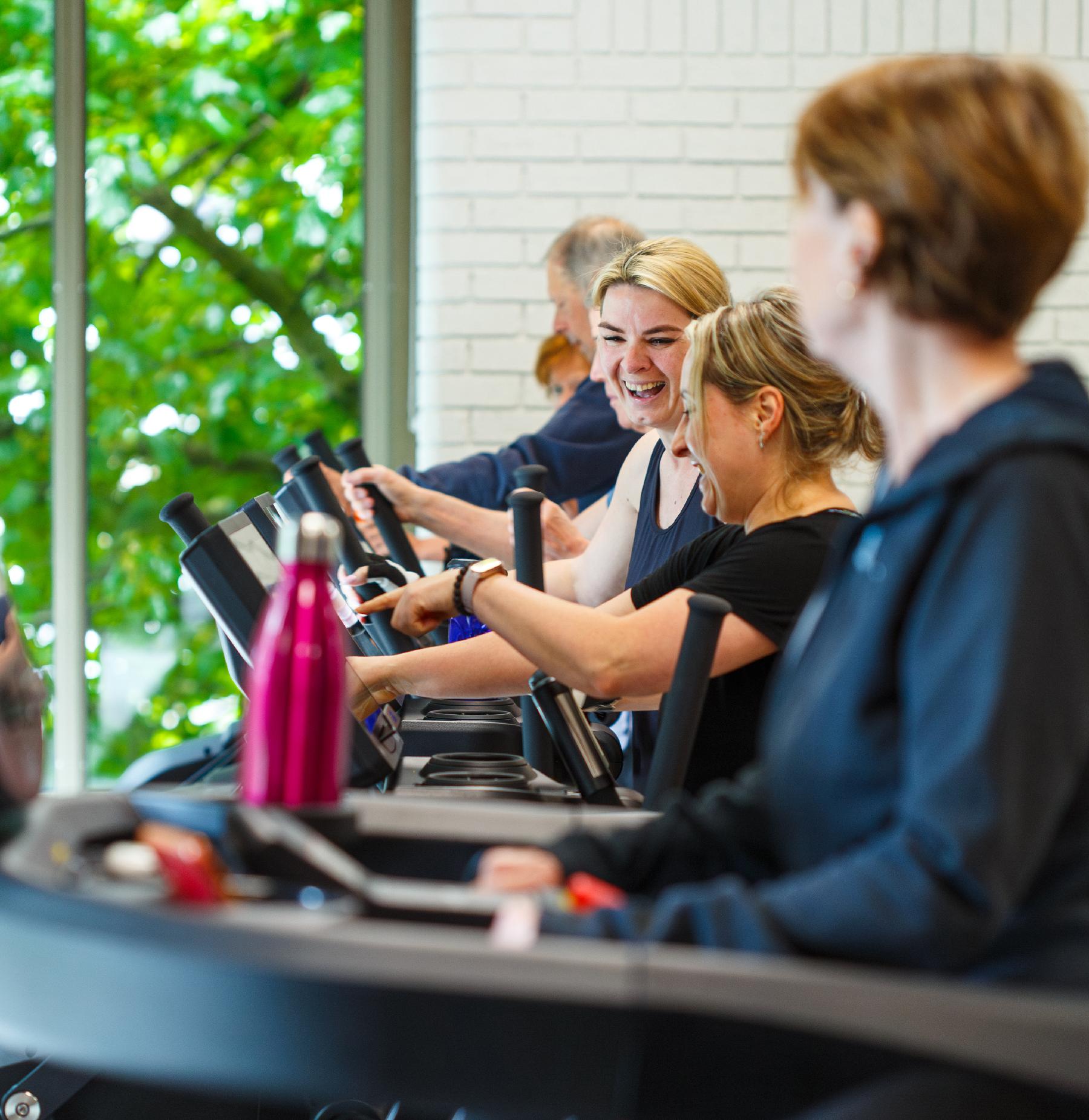
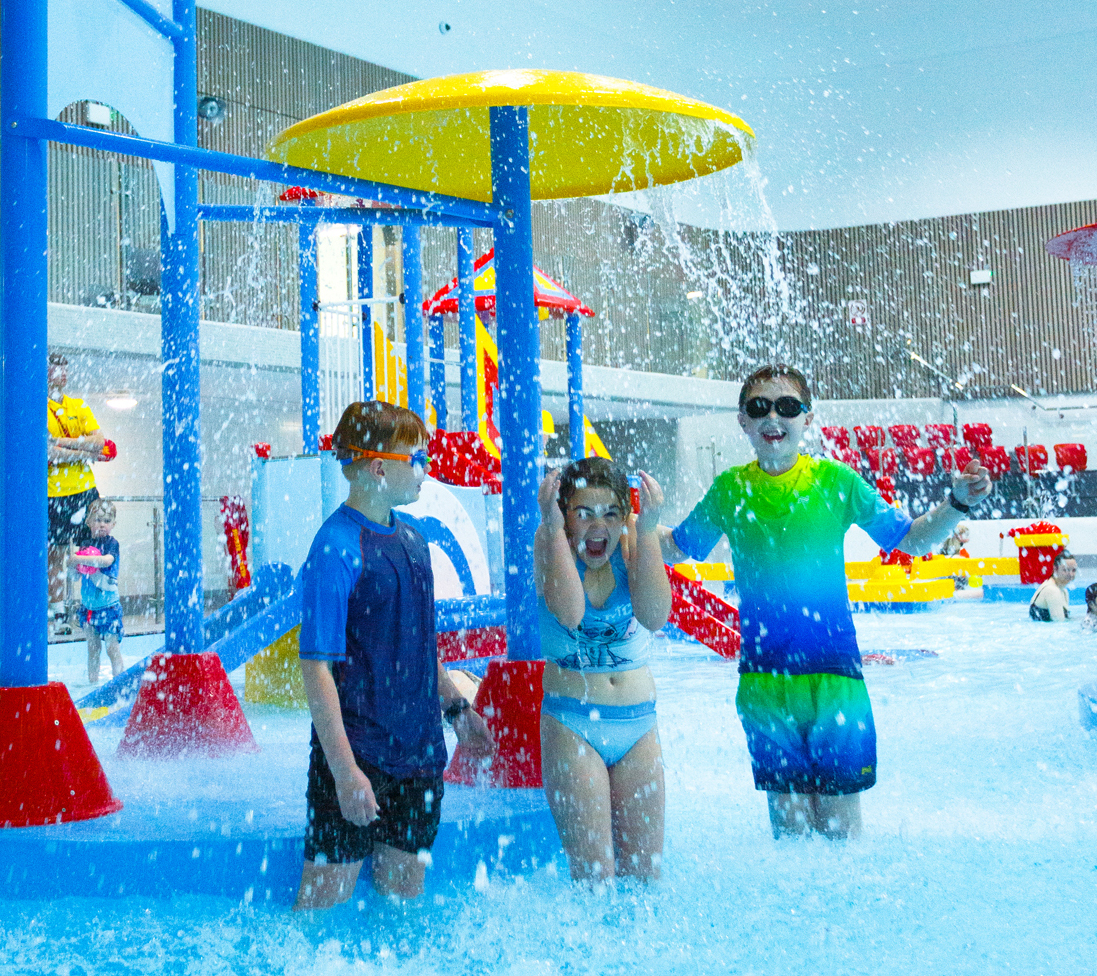
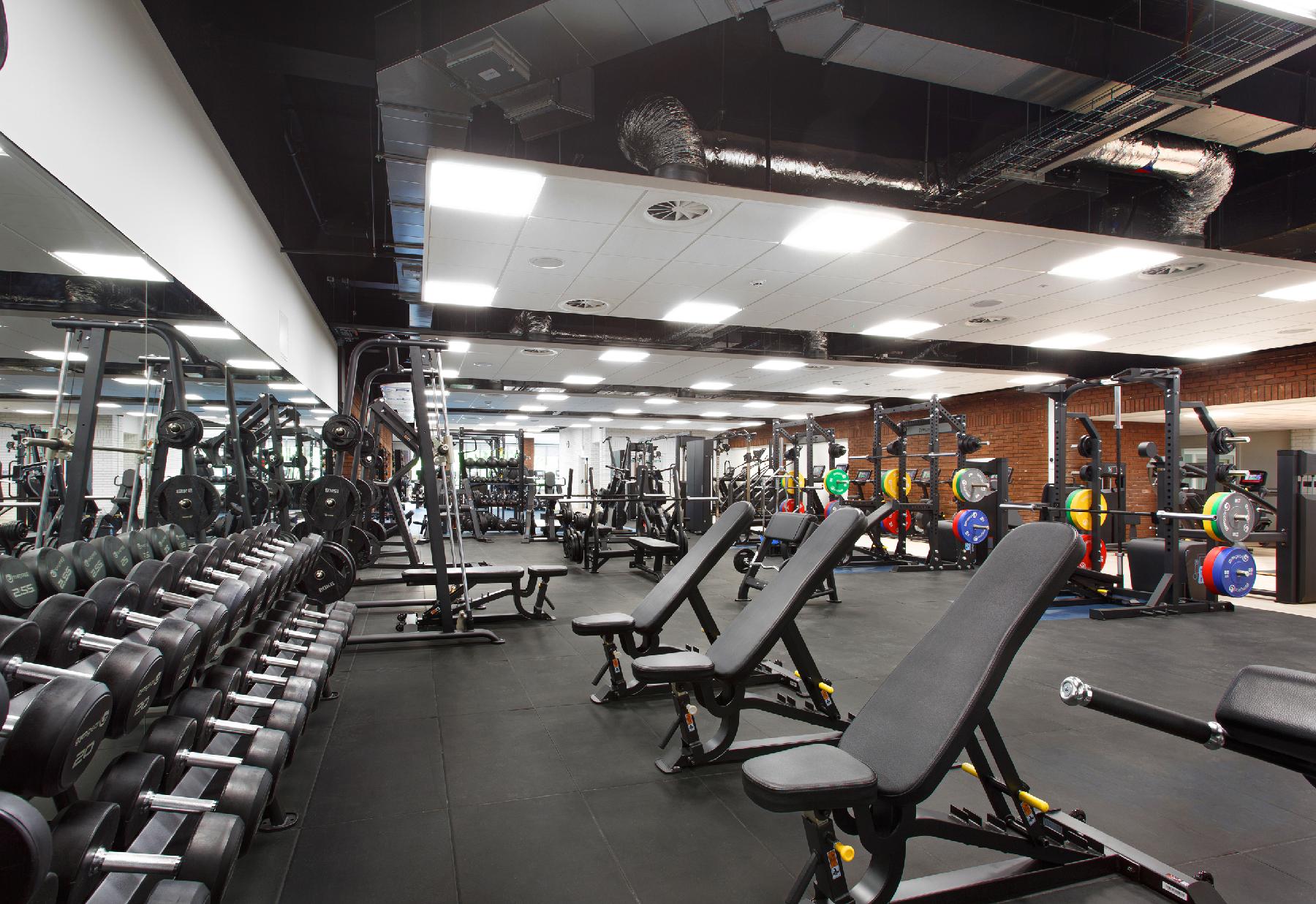
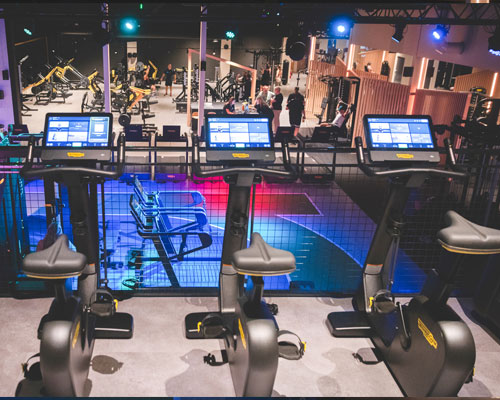
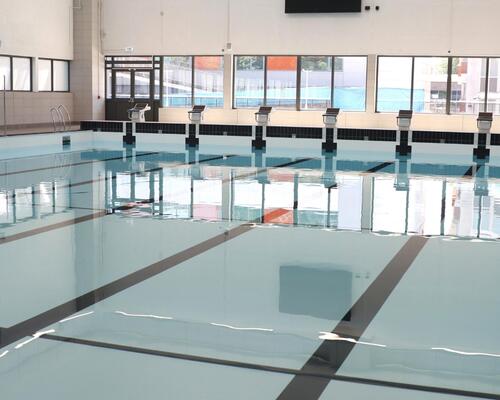
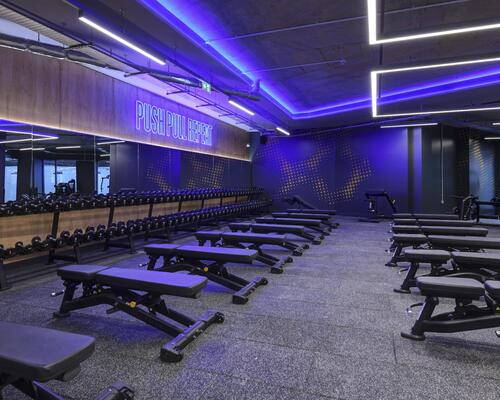
Our main site, Northgate Arena in Chester, has just been reopened after a £12m transformation, which included a fully refurbished leisure pool and training pool, the creation of new fitness spaces with air conditioning and transformed changing facilities for both the wet and the dry side. An express library has opened and we’re looking to co-locate other council services.
Ten years ago, the centre had in excess of 5,000 members and just prior to the refurbishment, it still had a membership level of around 3,700. We managed to retain a partial service during the refurbishment and retained 3,000 members, which has given us a great platform when we reopened. Initial feedback since reopening has been hugely positive and visits have exceeded expectations, particularly for swimming.
What are the characteristics of the area?
It’s fairly affluent, with some pockets of deprivation. The population is older than average for England and due to increase by another 8 per cent over the next seven or eight years. This adds a strain in terms of social care costs and the older people tend to live in the more rural areas where access to services is more of a challenge.
We serve a population of around 370,000 and of those we know that almost 90,000 visit us at least once a year – that’s about one in four of the local population. One in nine people living in the borough use our facilities for physical activity. So if we’re really trying to address population health, we need to work with other partners to encourage people to change their behaviours and become more physically active on a regular basis.
We work with other organisations to engage with the populations we’re not currently reaching, offering activities such as fitness classes and yoga in libraries. Another partnership is with Mersey Forest, linked to what’s called the Natural Health Service, organising health walks and toddler activities using our green spaces and parks.
We also work with local sports clubs, including Chester City Football Club, on a programme using football to support people who are suffering from dementia.
During 2025-26, we generated an estimated £24.7 million in social value through our services, programmes, workforce and partnership, this is £67,670 of social value created every day. So for every £1 of council investment there was a £7 return and we’re already improving on that.
The NHS neighborhood model creates a great opportunity for us to work in collaboration
Tell us about your success at the 2025 UK Active Awards
We won the Organisation of the Year, which is based on the nominations that you make across all the awards. This is the second time Brio has won it, which we’re very proud about.
We also won the Education Programme Award for our Swim Teacher Training Academy and Rising Stars programme. Like many operators, we faced a challenge with recruitment and retention of swimming teachers following COVID so we created our own bespoke training and development programme.
The Rising Stars element is what makes it stand out. When trying to recruit, we found that a lot of the college-age people who applied had an interest in sport, but lacked the interpersonal skills needed to deal with children in that environment, who need water confidence first. With the Rising Stars programme, young people from the age of 14 can volunteer to work alongside our swimming teachers to develop those necessary skills.
The Swim Teacher Training Academy has transformed our learn to swim programme and addressed the primary issue of having enough swimming teachers. It’s enabled us to expand our swimming lesson programme and get more young people – as well as adults – to become competent swimmers.
We’ve embraced AI, introducing a 24/7 chatbot that’s dealt with thousands of enquiries. It scores an average of 4.8 out of five in terms of satisfaction
Tell us more
We were also shortlisted for the Digital Transformation Award for our website, mobile app and AI-driven customer retention tools. We launched a three-year digital transformation strategy in April 2023 and the primary aim was to improve the digital customer journey. We had a number of systems, none of which spoke to one another and only our premier members could access the app, which had limited functionality.
Our new website transformed the customer digital booking journey. We saw 110 per cent growth in the use of our app and a massive shift in terms of the number of people booking their different activities online. It has led to better customer service, more bookings and has taken the pressure off the front-of-house staff so they can spend more time dealing with customers.
As a result our customer satisfaction levels are really strong and continue to improve. We now consistently have an organisational net promoter score in excess of 50.
We’ve also embraced AI, introducing a 24/7 chatbot that has been dealing with thousands of enquiries that would have otherwise have been coming through on phone calls. The chatbot scores an average of 4.8 out of five in terms of customer satisfaction.
We’ve worked with KeepMe around retention, to generate automated interactions with our members, identifying those who are not using our facilities and might be on the journey towards cancellation. The technology has allowed us to engage with our customers and reduce our monthly cancellations by 9 per cent.
We carried out the UK Active digital maturity assessment and from 2024 to 2025 it rose from a score of 50 to 65, which places us 20 points above the sector average.
What plans do you have for Brio going forward?
We’ve reduced the level of council investment over the last three years by 40 per cent and increased our turnover by 9 per cent. We plan to reduce the council investment even further, by growing our offer, as well as investing more in the social aspects of our work.
This year we signed off a new four-year strategy, called Great Futures Together, which launched in April to take us to the end of our council contract in 2030. Our vision is to inspire and empower people to move more and enjoy experiences that support communities and enable them to thrive. We’re intentionally moving away from the word “leisure” and “physical activity” because consultation showed that these can be off-putting words, whereas “movement” is inclusive.
The strategy is built on five pillars: Inspiring Places, Inspiring Partnerships, Inspiring Promotion and Inspiring Performance.
We want to further position Brio as a health solution partner. The NHS neighborhood model creates a great opportunity for us to work in collaboration. While health systems know how important prevention is, they’re currently wrapped up in treating the sick. Over the next few years, instead of us knocking on their door, we want to ensure we have the established relationships so that Brio is the automatic solution partner for the prevention agenda.
Editor's letter
Feedback
HCM People

HCM People
Profile

Opinion
Sponsored

Data

Obituary

Healthspan

Liability

First person

Tech

Profile

Profile

Research





















Tell us about Brio
Brio is a local authority trading company (Latco) operating across Cheshire West and Chester. It was established in 2011 when the historic two-tier system across Cheshire was consolidated to create one of the largest unitary authorities at that time.
Formerly Brio Leisure, we did a brand refresh last year dropping leisure, reflecting the fact that we deliver a wider range of services which includes entertainment and health and wellbeing.
We operate eight facilities, six of these are predominantly physical activity venues, one is a mixed physical activity and entertainment venue and the remaining one is a dedicated entertainment and meeting venue. Our primary hubs are located in the most densely populated areas of the borough – Chester, Ellesmere Port, Northwich and Winsford. Our secondary hubs are in the more rural areas such as Christleton, Frodsham, and Neston, which all have core leisure facilities but generally on a smaller scale. With the exception of one site, all of our hubs have swimming pools.
Our main site, Northgate Arena in Chester, has just been reopened after a £12m transformation, which included a fully refurbished leisure pool and training pool, the creation of new fitness spaces with air conditioning and transformed changing facilities for both the wet and the dry side. An express library has opened and we’re looking to co-locate other council services.
Ten years ago, the centre had in excess of 5,000 members and just prior to the refurbishment, it still had a membership level of around 3,700. We managed to retain a partial service during the refurbishment and retained 3,000 members, which has given us a great platform when we reopened. Initial feedback since reopening has been hugely positive and visits have exceeded expectations, particularly for swimming.
What are the characteristics of the area?
It’s fairly affluent, with some pockets of deprivation. The population is older than average for England and due to increase by another 8 per cent over the next seven or eight years. This adds a strain in terms of social care costs and the older people tend to live in the more rural areas where access to services is more of a challenge.
We serve a population of around 370,000 and of those we know that almost 90,000 visit us at least once a year – that’s about one in four of the local population. One in nine people living in the borough use our facilities for physical activity. So if we’re really trying to address population health, we need to work with other partners to encourage people to change their behaviours and become more physically active on a regular basis.
We work with other organisations to engage with the populations we’re not currently reaching, offering activities such as fitness classes and yoga in libraries. Another partnership is with Mersey Forest, linked to what’s called the Natural Health Service, organising health walks and toddler activities using our green spaces and parks.
We also work with local sports clubs, including Chester City Football Club, on a programme using football to support people who are suffering from dementia.
During 2025-26, we generated an estimated £24.7 million in social value through our services, programmes, workforce and partnership, this is £67,670 of social value created every day. So for every £1 of council investment there was a £7 return and we’re already improving on that.
The NHS neighborhood model creates a great opportunity for us to work in collaboration
Tell us about your success at the 2025 UK Active Awards
We won the Organisation of the Year, which is based on the nominations that you make across all the awards. This is the second time Brio has won it, which we’re very proud about.
We also won the Education Programme Award for our Swim Teacher Training Academy and Rising Stars programme. Like many operators, we faced a challenge with recruitment and retention of swimming teachers following COVID so we created our own bespoke training and development programme.
The Rising Stars element is what makes it stand out. When trying to recruit, we found that a lot of the college-age people who applied had an interest in sport, but lacked the interpersonal skills needed to deal with children in that environment, who need water confidence first. With the Rising Stars programme, young people from the age of 14 can volunteer to work alongside our swimming teachers to develop those necessary skills.
The Swim Teacher Training Academy has transformed our learn to swim programme and addressed the primary issue of having enough swimming teachers. It’s enabled us to expand our swimming lesson programme and get more young people – as well as adults – to become competent swimmers.
We’ve embraced AI, introducing a 24/7 chatbot that’s dealt with thousands of enquiries. It scores an average of 4.8 out of five in terms of satisfaction
Tell us more
We were also shortlisted for the Digital Transformation Award for our website, mobile app and AI-driven customer retention tools. We launched a three-year digital transformation strategy in April 2023 and the primary aim was to improve the digital customer journey. We had a number of systems, none of which spoke to one another and only our premier members could access the app, which had limited functionality.
Our new website transformed the customer digital booking journey. We saw 110 per cent growth in the use of our app and a massive shift in terms of the number of people booking their different activities online. It has led to better customer service, more bookings and has taken the pressure off the front-of-house staff so they can spend more time dealing with customers.
As a result our customer satisfaction levels are really strong and continue to improve. We now consistently have an organisational net promoter score in excess of 50.
We’ve also embraced AI, introducing a 24/7 chatbot that has been dealing with thousands of enquiries that would have otherwise have been coming through on phone calls. The chatbot scores an average of 4.8 out of five in terms of customer satisfaction.
We’ve worked with KeepMe around retention, to generate automated interactions with our members, identifying those who are not using our facilities and might be on the journey towards cancellation. The technology has allowed us to engage with our customers and reduce our monthly cancellations by 9 per cent.
We carried out the UK Active digital maturity assessment and from 2024 to 2025 it rose from a score of 50 to 65, which places us 20 points above the sector average.
What plans do you have for Brio going forward?
We’ve reduced the level of council investment over the last three years by 40 per cent and increased our turnover by 9 per cent. We plan to reduce the council investment even further, by growing our offer, as well as investing more in the social aspects of our work.
This year we signed off a new four-year strategy, called Great Futures Together, which launched in April to take us to the end of our council contract in 2030. Our vision is to inspire and empower people to move more and enjoy experiences that support communities and enable them to thrive. We’re intentionally moving away from the word “leisure” and “physical activity” because consultation showed that these can be off-putting words, whereas “movement” is inclusive.
The strategy is built on five pillars: Inspiring Places, Inspiring Partnerships, Inspiring Promotion and Inspiring Performance.
We want to further position Brio as a health solution partner. The NHS neighborhood model creates a great opportunity for us to work in collaboration. While health systems know how important prevention is, they’re currently wrapped up in treating the sick. Over the next few years, instead of us knocking on their door, we want to ensure we have the established relationships so that Brio is the automatic solution partner for the prevention agenda.
Editor's letter
Feedback
HCM People
HCM People
Profile
Opinion
Sponsored
Data
Obituary
Healthspan
Liability
First person
Tech
Profile
Profile
Research