






Editor's letter



For our readers who haven't come across it yet, what exactly is Run X?
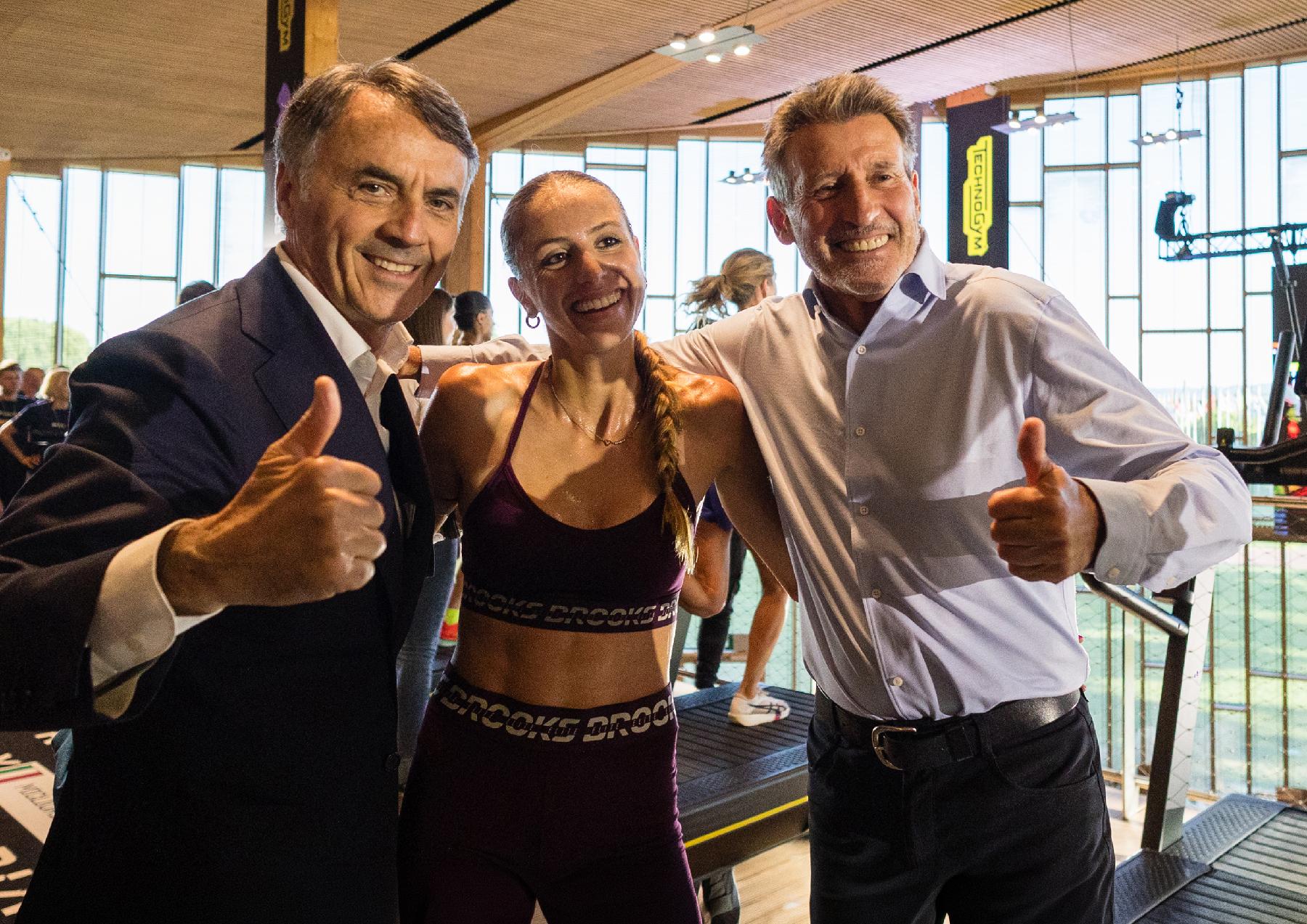
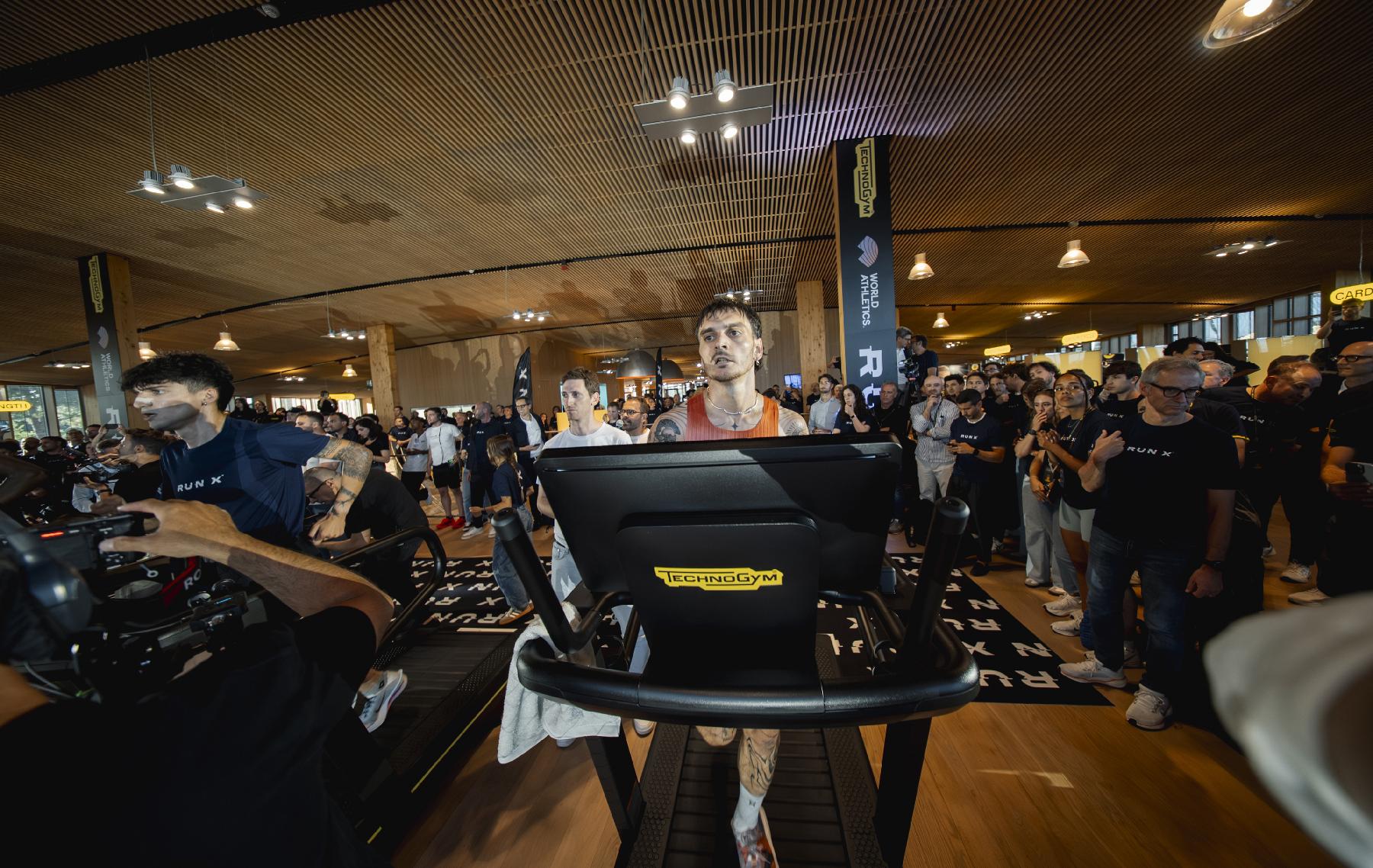
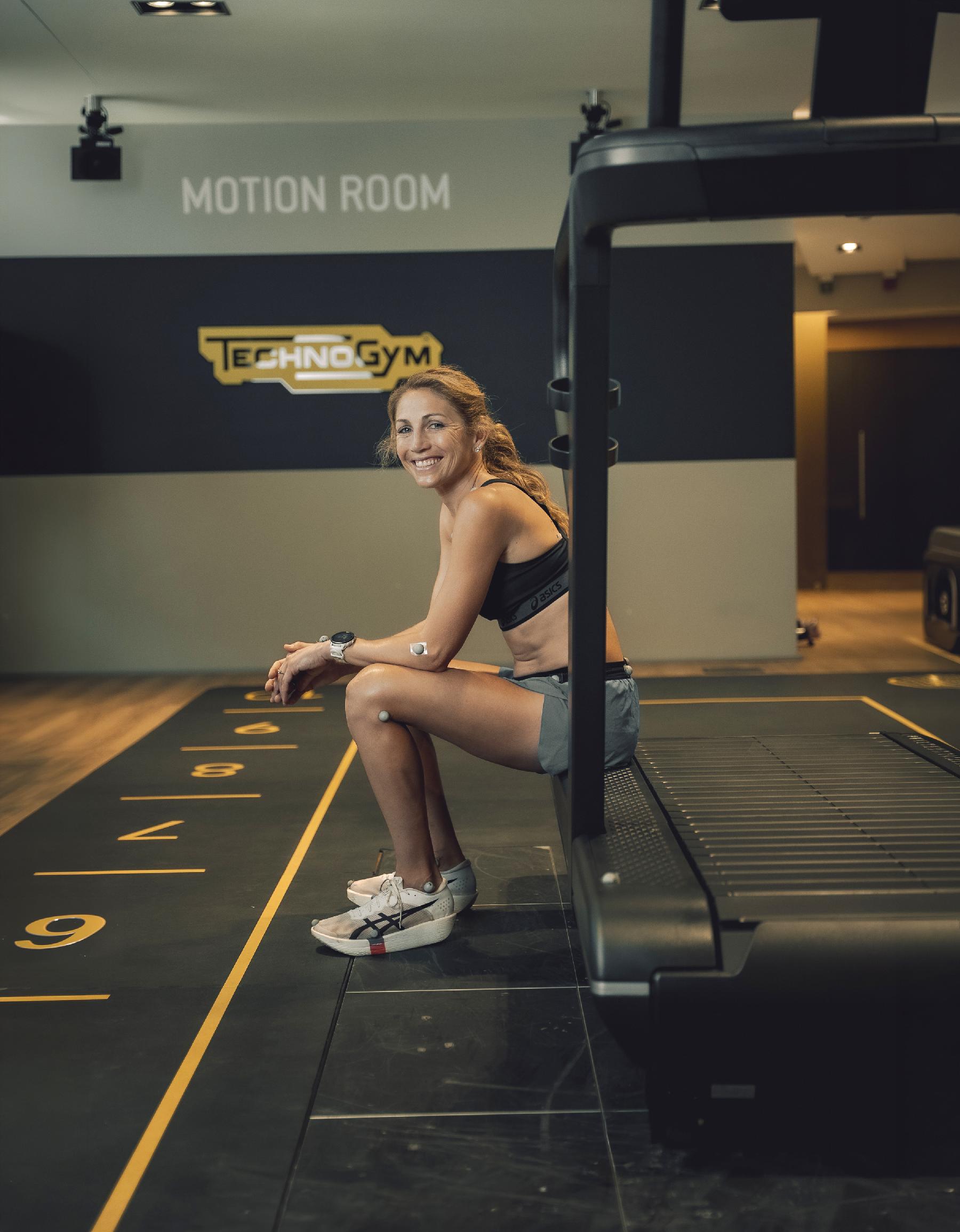
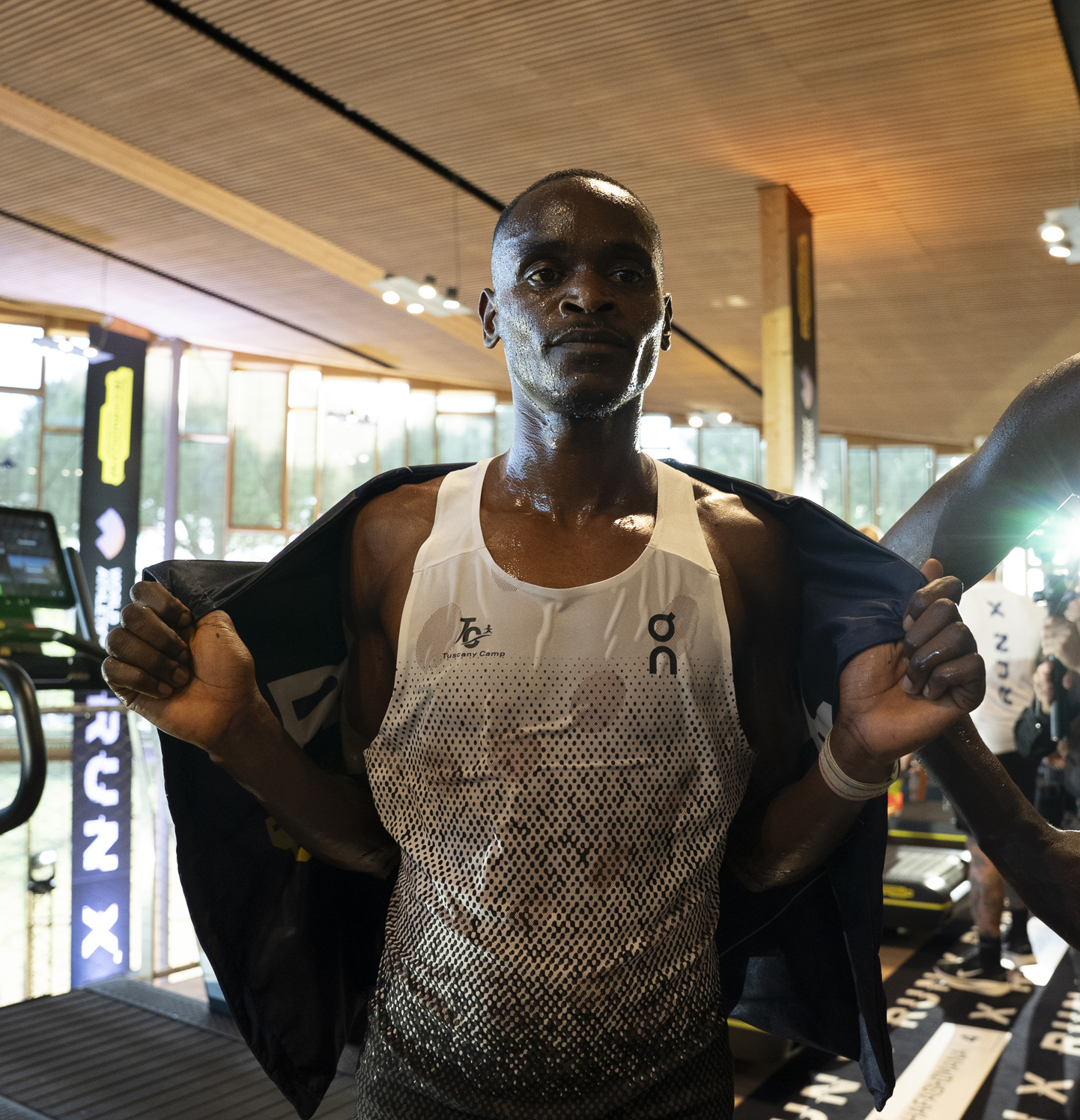
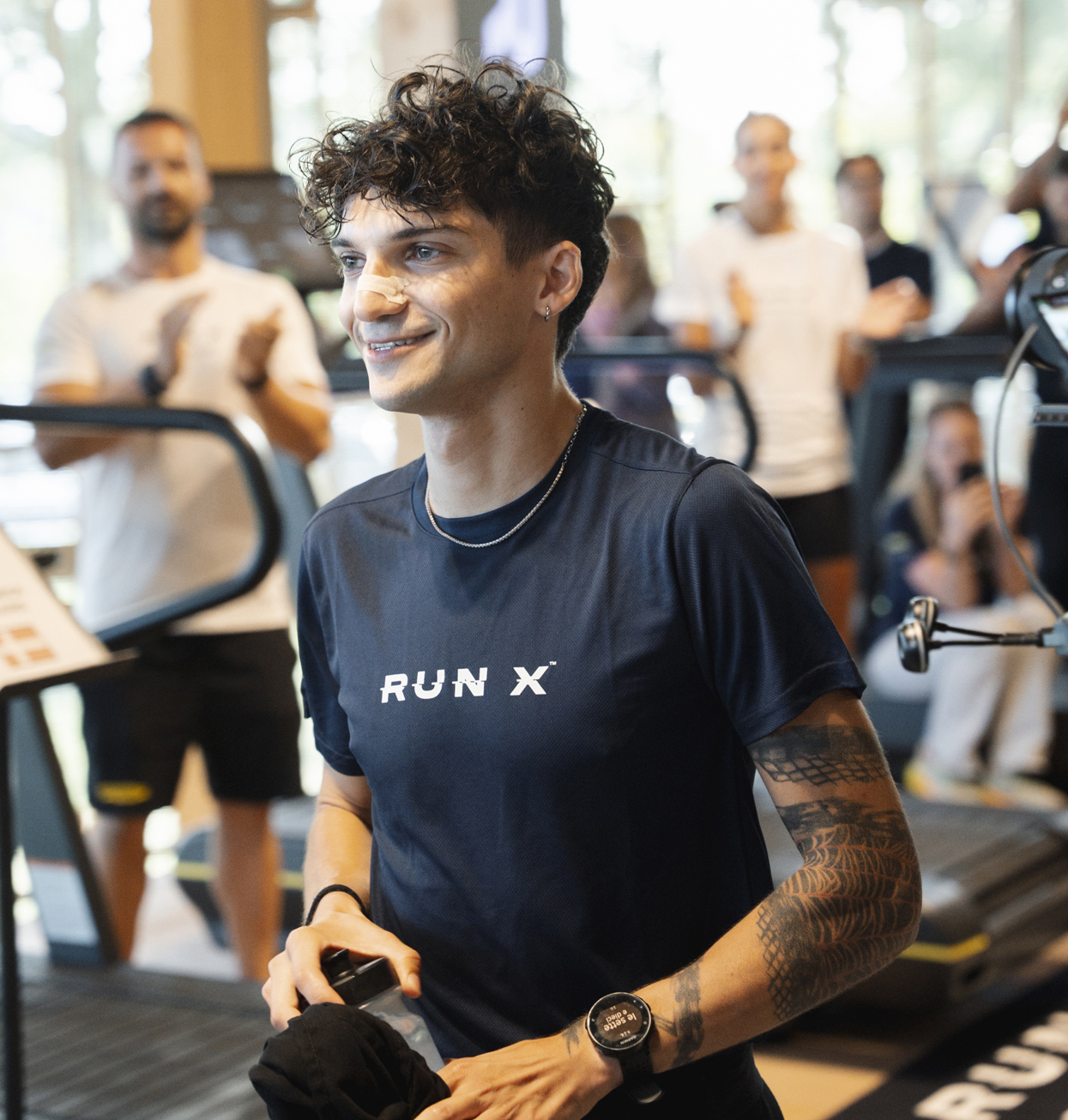
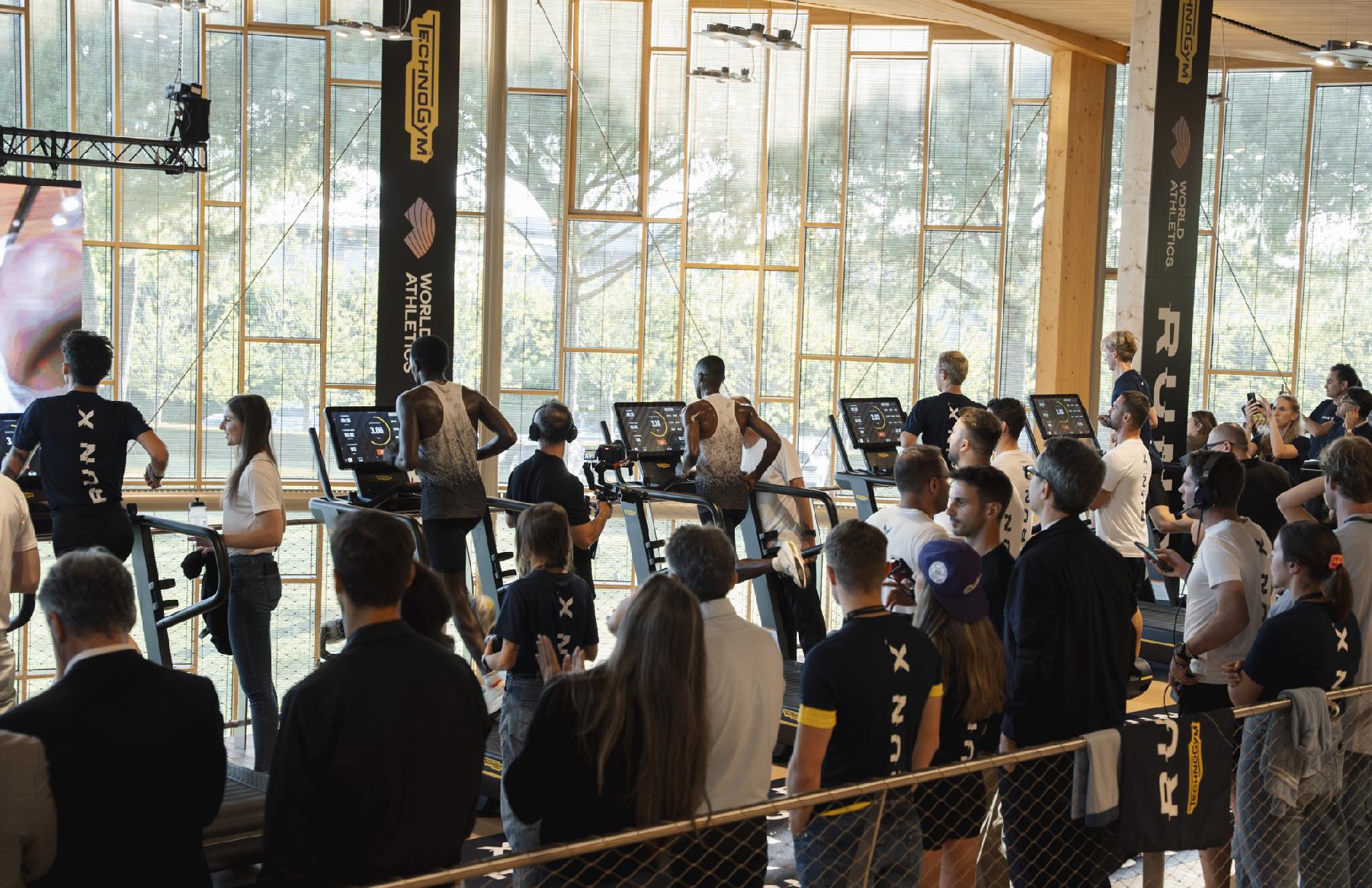
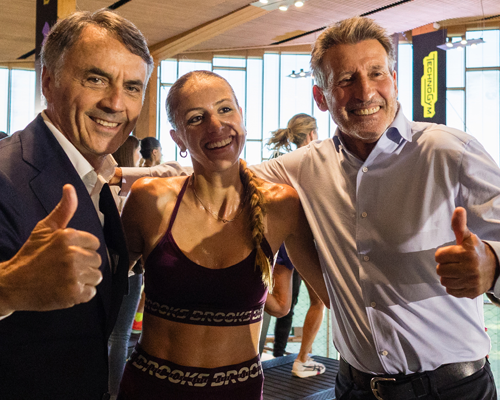
It’s a new global running competition created by World Athletics and Technogym that aims to connect recreational runners, health club members and the wider sport of athletics.
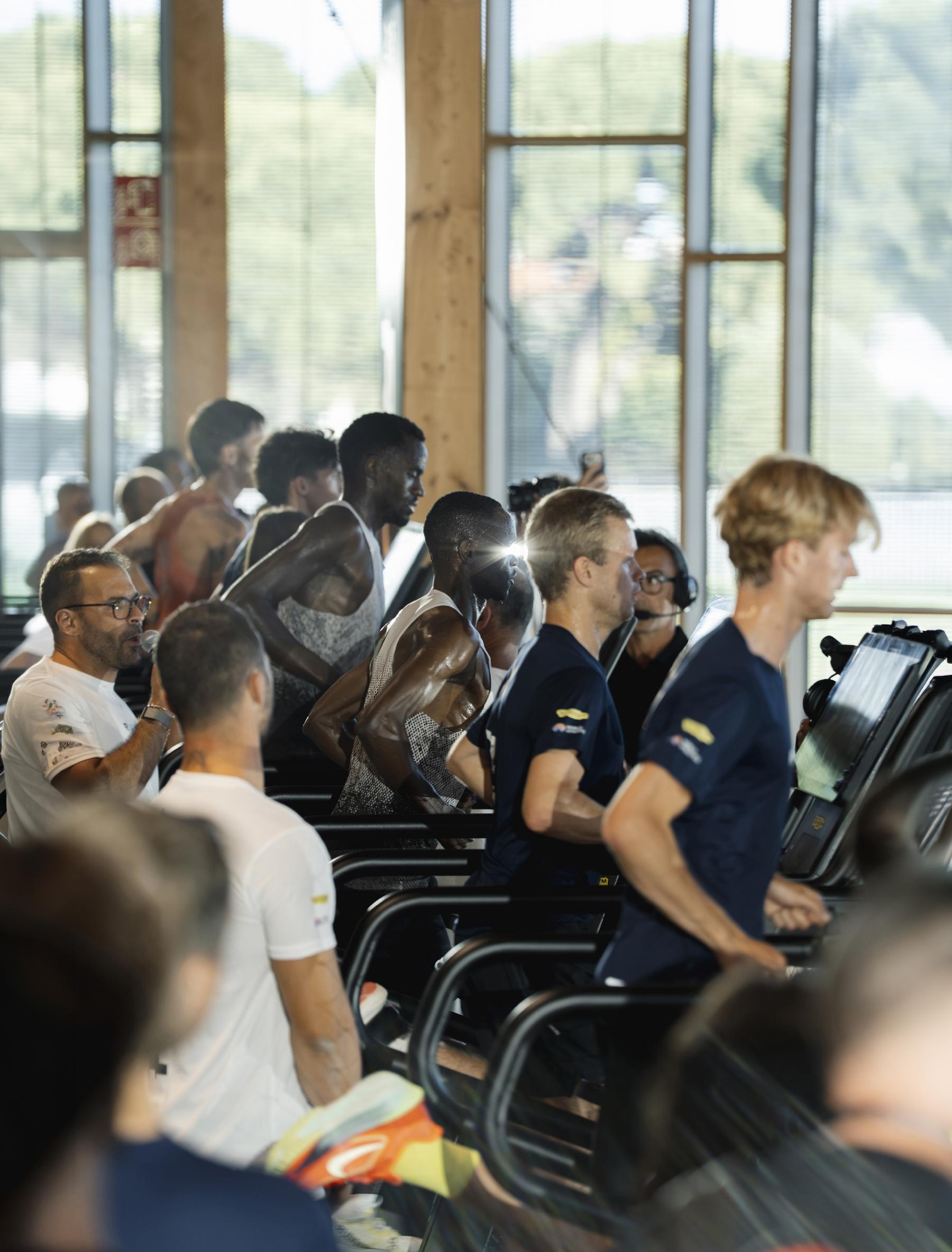
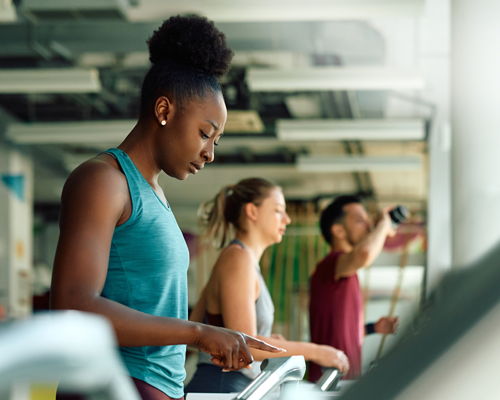
Participants complete a standardised 5km challenge on connected Technogym treadmills at participating health clubs, universities, hotels and corporate fitness facilities around the world. Their performances are verified through the Technogym ecosystem and ranked on local and global leaderboards, with qualification pathways leading to regional championships and a world final.
The concept is rooted in a simple idea. Millions of people run every day – whether outdoors or on treadmills – but many don't see themselves as connected to athletics. We wanted to create a format that meets people where they already are and provides a pathway that links participation, fitness and competition.
Run X is designed to make the sport of running more accessible while recognising that health clubs are now some of the most important places where people engage with physical activity.
What are the main objectives of Run X?
One of the major drags on global economies by 2030 will be physical inactivity. Roughly a third of the world's adults are projected to be inactive by then – we're talking about people struggling to climb a flight of stairs.
If you look at the UK, young people experience a dramatic reduction in physical activity between the ages of eight and 11. That's deeply concerning, so anything that encourages them into sensible, moderated and sustainable exercise has to be a positive development.
Running is particularly powerful because it's accessible. It doesn't require a specialist venue or a complicated infrastructure. It can be done almost anywhere. The challenge is getting more people started and then helping them stay active.
How did the collaboration come about?
Like most things in life, it started through relationships. I’m carbon-dating myself here, but in the late 1970s I used to train in Cesena, which is now the headquarters of Technogym.
Although Technogym didn’t formally come into existence until 1983, the genesis of the business was in Nerio Alessandri’s garage.
He had a vision to disrupt what was a formulaic equipment industry and was already thinking about how technology could transform the way people exercise.
I’ve known Nerio and the Technogym team for many years and we’ve stayed in regular contact. A while back, we started discussing how athletics could create a closer relationship with the wider health and fitness sector and that aligned perfectly with one of our biggest challenges.
Take a woman who breaks two hours in the UK’s Great North Run half marathon. In the middle of celebrating with family, friends and perhaps a charity she’s raised money for, does she feel she has anything in common with athletes such as Noah Lyles, Faith Kipyegon or Mondo Duplantis? Probably not, yet she’s part of the same running ecosystem.
That disconnect has always interested me because there are huge numbers of people who run regularly, whether outdoors or on treadmills, but who don’t necessarily see themselves as part of athletics.
I’ve always believed we need to take sport to people, rather than assuming they’ll come to us. We used to think people would come to our stadiums or sports centres because that’s where sport happened. If that world ever existed, it certainly doesn’t now.
One of my mantras has always been that we must do everything possible to democratise athletics, make it easier to understand and remove barriers to participation.
“Run X reflects our mission to engage more people in regular physical activity and make fitness centres the true hubs of sport, health and innovation.We are very proud of this partnership with World Athletics. RUN X will connect millions of runners with our partner fitness centres around the globe, while the Technogym Ecosystem serves as the driving force behind the competition” – Nerio Alessandri, founder and CEO, Technogym
Is there a role for education within Run X?
Very much so. People often think running is simply putting one foot in front of the other, but it’s actually a very technical activity.
You can make dramatic improvements to somebody’s ability to move better and stay active for longer with the right coaching.
Do you see closer collaboration developing between athletics and the fitness sector?
Yes, sport isn’t the answer to every social challenge, but it’s one of the most powerful tools we have for improving physical and mental wellbeing.
One of the concerns I have is the long-term reduction in youth services and community provision. As an international federation we’re increasingly looking at how our events can align with wider objectives around health, education and wellbeing.
I’ve seen examples of this all over the world. If we want active communities, we need to invest in the infrastructure that supports them.
Are you happy with the 2012 legacy?
Yes. Particularly when it comes to participation. This was always going to be the hardest part.
Major events are incredibly powerful because they inspire. In my experience they often have more impact than public information campaigns because people want to emulate success.
I remember running regularly before Beijing 2008. Back then my Sunday morning run was a fairly solitary experience. After the success of athletes such as Victoria Pendleton and Chris Hoy, suddenly roads were full of cyclists. I saw that change happen.
If you look at the sports that genuinely create an aerobic impact, more people are running, cycling and participating in endurance sport than ever before and that’s a hugely positive trend.
You've argued that obesity and inactivity require a broader response than healthcare alone
Absolutely. One of the mistakes we make is assuming obesity is primarily a medical issue. Health services deal with the consequences, but if you want to tackle the causes, you need a much broader approach.
Obesity is about tax and spend. It's about education. It's about transport. It's about policing. It's about planning. It touches so many parts of public life.
If governments believe reading is important, they zero-rate books. If they think children should be properly clothed, they don't charge VAT on their clothing. Yet we don't apply the same thinking to health and fitness.
You could make a reasonable case for giving tax advantages to health clubs, exercise equipment and bicycles, but even that only takes you so far.
During the work we did around Olympic legacy for London 2012, I spent a lot of time in schools in London. I'd ask children why they didn't walk to school. The answer was often that they had to cross gang boundaries.
I'd ask whether they owned a bike and the answer would be they couldn't afford one.
Those aren't healthcare issues. If people don't have access to safe spaces for activity, that's not a healthcare issue either. That's a planning issue. The key point is that inactivity is a complex challenge and it needs a genuinely cross-government response worldwide.
One of the most valuable pieces of work we did after London 2012 was bringing together different government departments to look at these issues collectively rather than treating them as isolated problems. We've drifted away from that way of thinking and returned to discussing obesity primarily through the healthcare lens, but that's not enough. Increasingly, many of the solutions will come from partnerships between sport, health, fitness and the commercial sector.
What role can running play as populations age?
We need to make movement a positive experience because that creates long-term engagement, and one of the biggest barriers to lifelong activity is often a poor experience of physical education at school.
Too often PE in schools has historically focused on identifying the best performers rather than helping everybody enjoy movement.
I’ve known many people who had a terrible experience of PE and didn’t return to exercise until much later in life through friends, clubs or social groups, when they learned to love it.
One of the encouraging developments in recent years has been the way health clubs have become much better at supporting older adults and people who are coming into exercise later in life. I’ll be 70 this year and I’m still running three or four times a week and doing strength training. The key is doing it intelligently.
You're involved in regeneration projects. What lessons have you learned about creating healthier places?
One of the concerns I have is that we're designing physical activity out of the built environment.
One of the biggest lessons is that you can't design communities in silos, you need transport, education, retail, housing, public space and opportunities for physical activity to be considered together.
Some of the work that came out of the London 2012 legacy programme focused on encouraging greater consideration of walkability and active design within architectural education. That's important because the places we create influence how people behave.
Whether you're planning a city, a neighbourhood or a housing development, the same principle applies: if we want people to be active, we need to create environments that make activity the easy choice.
Historically we've often built developments first and then tried to solve all the transport, education and community challenges afterwards. We need to reverse that thinking. If we genuinely want healthier populations, we need to start by designing healthier places.
More: www.technogym.com
✻ A collab between World Athletics and Technogym
✻ 5km treadmill challenge
✻ Global leaderboard
✻ Qualification from health clubs
✻ US$100,000 prize fund
✻ World final in Italy
✻ Opportunity for operators to host qualifying events
✻ Top performers will earn wildcard places at the 2027 World Athletics Road Running Championships.
✻ Health clubs, universities, hotels and corporate fitness facilities with connected Technogym treadmills can apply to become Run X centres
✻ October 2026: Global qualification opens at participating Run X venues worldwide.
✻ Late 2026 – early 2027: National and regional leaderboards determine qualification for the next stage of competition.
✻ Early 2027: Regional championships take place, bringing together the leading performers from each territory.
✻ March 2027: The inaugural Run X World Championship Final takes place at Technogym Village in Cesena, Italy.
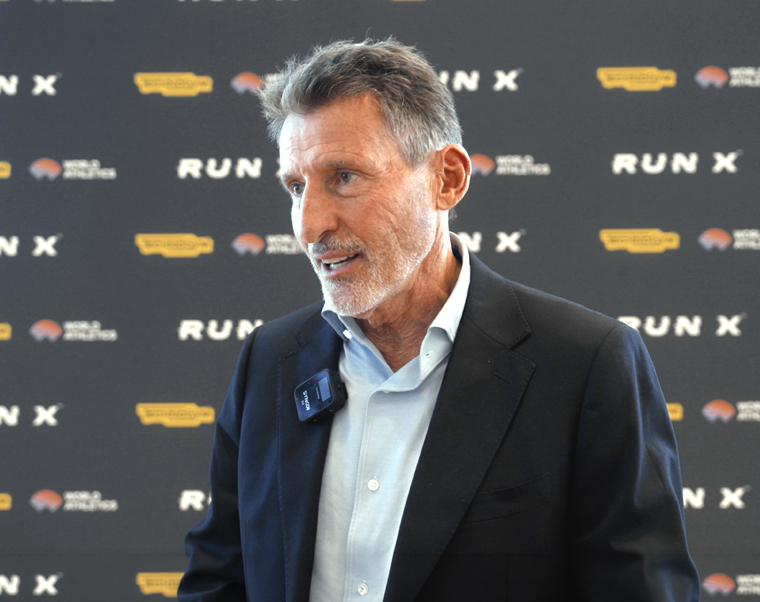
Watch Seb Coe interviewed www.HCMmag.com/sebcoeRX
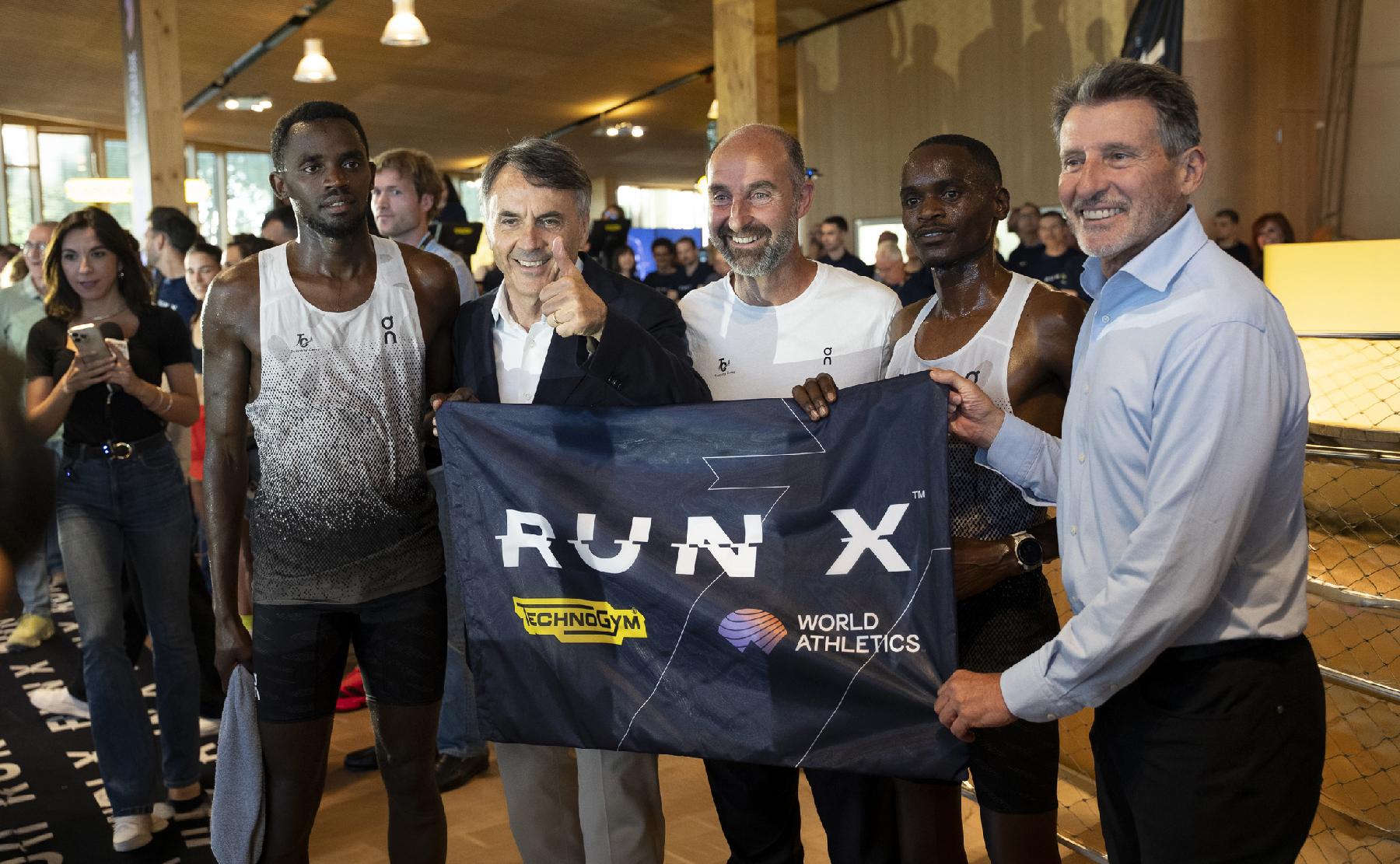
World Athletics and Technogym have launched Run X, a new global running competition that aims to bring organised sport and everyday fitness closer together.
Described as the world's first treadmill world championship, the initiative creates a pathway for gym users and recreational runners to compete through a standardised 5km challenge completed on connected Technogym treadmills.
For health club operators, the concept offers an opportunity to engage existing members, attract new participants and strengthen connections with the wider running community.
How does it work?
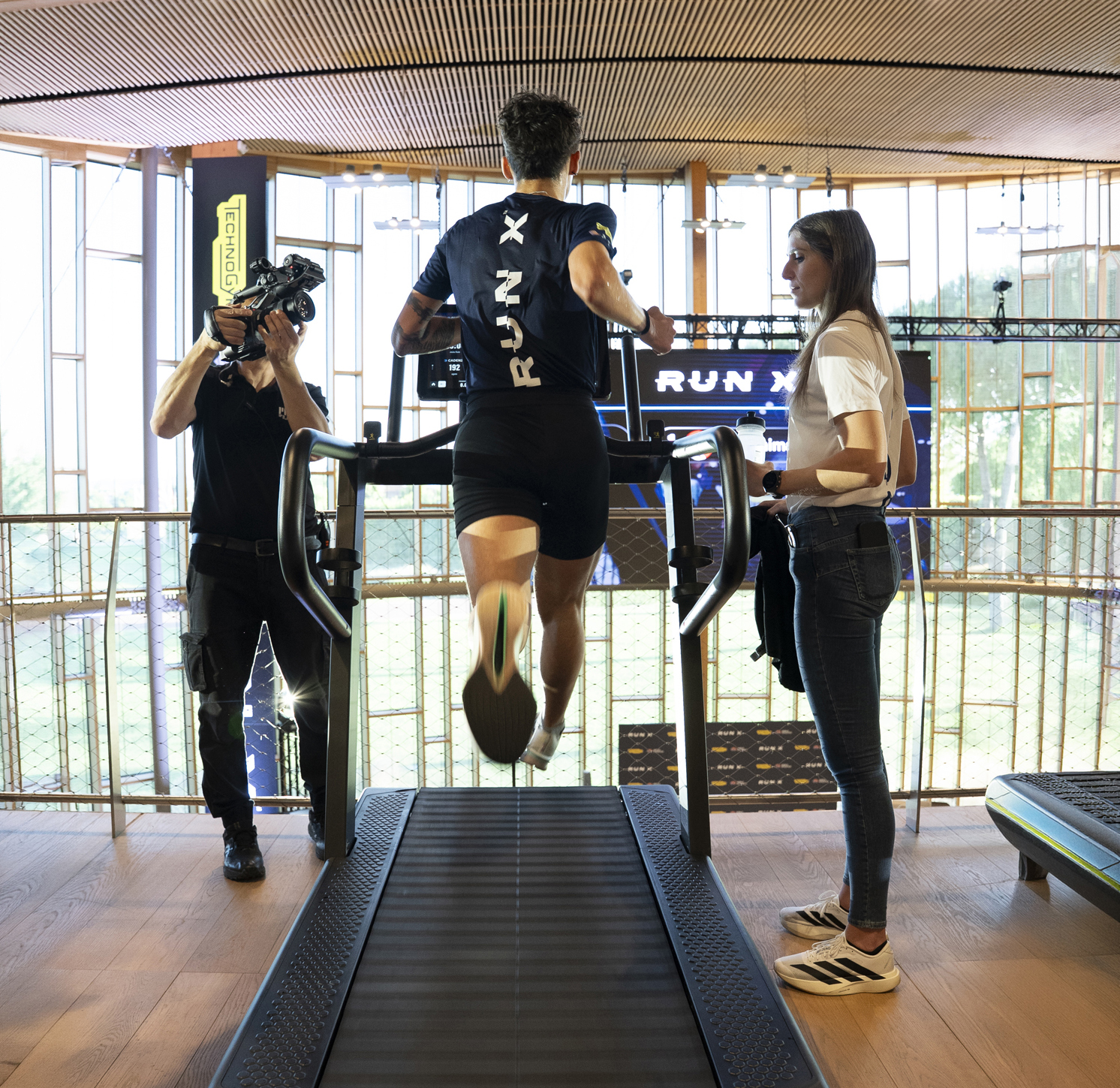
Participants complete a certified 5km run on a connected Technogym treadmill at an approved venue. Performances are verified through the Technogym Digital Ecosystem and uploaded to local and global leaderboards.
The competition begins with qualification rounds, with successful participants progressing to regional championships and ultimately a world final at Technogym Village in Cesena, Italy.
A US$100,000 prize fund and wildcard places at the 2027 World Athletics Road Running Championships add an elite performance element, but the concept is designed to be accessible to a broad range of participants rather than elite athletes alone.
Why is it relevant to health clubs?
Run X reflects a wider shift taking place across the fitness industry, where health clubs are increasingly becoming participation hubs rather than simply places to work out.
For operators, the initiative offers several potential benefits:
◼︎ Member engagement: Competitions, rankings and qualification pathways can provide new motivation for members
◼︎ Community building: Run X creates a shared goal that can unite runners, fitness enthusiasts and newcomers around a common experience.
◼︎ Retention opportunities: Structured challenges often increase attendance and help members maintain exercise habits over longer periods.
◼︎ New audiences: Recreational runners who may not currently belong to a health club could be encouraged to visit participating facilities.
◼︎ Digital integration: The competition highlights the growing role of connected equipment and data-driven fitness experiences.
What does it mean for the sector?
Sebastian Coe, president of World Athletics, sees Run X as part of a broader effort to "democratise" athletics and make it more accessible to people who may never set foot in a stadium.
The initiative also reflects a growing recognition that many of the most active communities are found in health clubs, fitness centres and corporate wellness facilities rather than traditional sporting environments.
How can clubs participate?
World Athletics and Technogym are inviting health clubs, universities, hotels and corporate fitness facilities with compatible Technogym treadmills to join the network of participating venues. Approved sites will be able to host qualification events and provide members with access to the competition platform.
Editor's letter
Feedback
HCM People
HCM People
Profile
Opinion
Sponsored
Data
Obituary
Healthspan
Liability
First person
Tech
Profile
Profile
Research














For our readers who haven't come across it yet, what exactly is Run X?
It’s a new global running competition created by World Athletics and Technogym that aims to connect recreational runners, health club members and the wider sport of athletics.
Participants complete a standardised 5km challenge on connected Technogym treadmills at participating health clubs, universities, hotels and corporate fitness facilities around the world. Their performances are verified through the Technogym ecosystem and ranked on local and global leaderboards, with qualification pathways leading to regional championships and a world final.
The concept is rooted in a simple idea. Millions of people run every day – whether outdoors or on treadmills – but many don't see themselves as connected to athletics. We wanted to create a format that meets people where they already are and provides a pathway that links participation, fitness and competition.
Run X is designed to make the sport of running more accessible while recognising that health clubs are now some of the most important places where people engage with physical activity.
What are the main objectives of Run X?
One of the major drags on global economies by 2030 will be physical inactivity. Roughly a third of the world's adults are projected to be inactive by then – we're talking about people struggling to climb a flight of stairs.
If you look at the UK, young people experience a dramatic reduction in physical activity between the ages of eight and 11. That's deeply concerning, so anything that encourages them into sensible, moderated and sustainable exercise has to be a positive development.
Running is particularly powerful because it's accessible. It doesn't require a specialist venue or a complicated infrastructure. It can be done almost anywhere. The challenge is getting more people started and then helping them stay active.
How did the collaboration come about?
Like most things in life, it started through relationships. I’m carbon-dating myself here, but in the late 1970s I used to train in Cesena, which is now the headquarters of Technogym.
Although Technogym didn’t formally come into existence until 1983, the genesis of the business was in Nerio Alessandri’s garage.
He had a vision to disrupt what was a formulaic equipment industry and was already thinking about how technology could transform the way people exercise.
I’ve known Nerio and the Technogym team for many years and we’ve stayed in regular contact. A while back, we started discussing how athletics could create a closer relationship with the wider health and fitness sector and that aligned perfectly with one of our biggest challenges.
Take a woman who breaks two hours in the UK’s Great North Run half marathon. In the middle of celebrating with family, friends and perhaps a charity she’s raised money for, does she feel she has anything in common with athletes such as Noah Lyles, Faith Kipyegon or Mondo Duplantis? Probably not, yet she’s part of the same running ecosystem.
That disconnect has always interested me because there are huge numbers of people who run regularly, whether outdoors or on treadmills, but who don’t necessarily see themselves as part of athletics.
I’ve always believed we need to take sport to people, rather than assuming they’ll come to us. We used to think people would come to our stadiums or sports centres because that’s where sport happened. If that world ever existed, it certainly doesn’t now.
One of my mantras has always been that we must do everything possible to democratise athletics, make it easier to understand and remove barriers to participation.
“Run X reflects our mission to engage more people in regular physical activity and make fitness centres the true hubs of sport, health and innovation.We are very proud of this partnership with World Athletics. RUN X will connect millions of runners with our partner fitness centres around the globe, while the Technogym Ecosystem serves as the driving force behind the competition” – Nerio Alessandri, founder and CEO, Technogym
Is there a role for education within Run X?
Very much so. People often think running is simply putting one foot in front of the other, but it’s actually a very technical activity.
You can make dramatic improvements to somebody’s ability to move better and stay active for longer with the right coaching.
Do you see closer collaboration developing between athletics and the fitness sector?
Yes, sport isn’t the answer to every social challenge, but it’s one of the most powerful tools we have for improving physical and mental wellbeing.
One of the concerns I have is the long-term reduction in youth services and community provision. As an international federation we’re increasingly looking at how our events can align with wider objectives around health, education and wellbeing.
I’ve seen examples of this all over the world. If we want active communities, we need to invest in the infrastructure that supports them.
Are you happy with the 2012 legacy?
Yes. Particularly when it comes to participation. This was always going to be the hardest part.
Major events are incredibly powerful because they inspire. In my experience they often have more impact than public information campaigns because people want to emulate success.
I remember running regularly before Beijing 2008. Back then my Sunday morning run was a fairly solitary experience. After the success of athletes such as Victoria Pendleton and Chris Hoy, suddenly roads were full of cyclists. I saw that change happen.
If you look at the sports that genuinely create an aerobic impact, more people are running, cycling and participating in endurance sport than ever before and that’s a hugely positive trend.
You've argued that obesity and inactivity require a broader response than healthcare alone
Absolutely. One of the mistakes we make is assuming obesity is primarily a medical issue. Health services deal with the consequences, but if you want to tackle the causes, you need a much broader approach.
Obesity is about tax and spend. It's about education. It's about transport. It's about policing. It's about planning. It touches so many parts of public life.
If governments believe reading is important, they zero-rate books. If they think children should be properly clothed, they don't charge VAT on their clothing. Yet we don't apply the same thinking to health and fitness.
You could make a reasonable case for giving tax advantages to health clubs, exercise equipment and bicycles, but even that only takes you so far.
During the work we did around Olympic legacy for London 2012, I spent a lot of time in schools in London. I'd ask children why they didn't walk to school. The answer was often that they had to cross gang boundaries.
I'd ask whether they owned a bike and the answer would be they couldn't afford one.
Those aren't healthcare issues. If people don't have access to safe spaces for activity, that's not a healthcare issue either. That's a planning issue. The key point is that inactivity is a complex challenge and it needs a genuinely cross-government response worldwide.
One of the most valuable pieces of work we did after London 2012 was bringing together different government departments to look at these issues collectively rather than treating them as isolated problems. We've drifted away from that way of thinking and returned to discussing obesity primarily through the healthcare lens, but that's not enough. Increasingly, many of the solutions will come from partnerships between sport, health, fitness and the commercial sector.
What role can running play as populations age?
We need to make movement a positive experience because that creates long-term engagement, and one of the biggest barriers to lifelong activity is often a poor experience of physical education at school.
Too often PE in schools has historically focused on identifying the best performers rather than helping everybody enjoy movement.
I’ve known many people who had a terrible experience of PE and didn’t return to exercise until much later in life through friends, clubs or social groups, when they learned to love it.
One of the encouraging developments in recent years has been the way health clubs have become much better at supporting older adults and people who are coming into exercise later in life. I’ll be 70 this year and I’m still running three or four times a week and doing strength training. The key is doing it intelligently.
You're involved in regeneration projects. What lessons have you learned about creating healthier places?
One of the concerns I have is that we're designing physical activity out of the built environment.
One of the biggest lessons is that you can't design communities in silos, you need transport, education, retail, housing, public space and opportunities for physical activity to be considered together.
Some of the work that came out of the London 2012 legacy programme focused on encouraging greater consideration of walkability and active design within architectural education. That's important because the places we create influence how people behave.
Whether you're planning a city, a neighbourhood or a housing development, the same principle applies: if we want people to be active, we need to create environments that make activity the easy choice.
Historically we've often built developments first and then tried to solve all the transport, education and community challenges afterwards. We need to reverse that thinking. If we genuinely want healthier populations, we need to start by designing healthier places.
More: www.technogym.com
✻ A collab between World Athletics and Technogym
✻ 5km treadmill challenge
✻ Global leaderboard
✻ Qualification from health clubs
✻ US$100,000 prize fund
✻ World final in Italy
✻ Opportunity for operators to host qualifying events
✻ Top performers will earn wildcard places at the 2027 World Athletics Road Running Championships.
✻ Health clubs, universities, hotels and corporate fitness facilities with connected Technogym treadmills can apply to become Run X centres
✻ October 2026: Global qualification opens at participating Run X venues worldwide.
✻ Late 2026 – early 2027: National and regional leaderboards determine qualification for the next stage of competition.
✻ Early 2027: Regional championships take place, bringing together the leading performers from each territory.
✻ March 2027: The inaugural Run X World Championship Final takes place at Technogym Village in Cesena, Italy.
Watch Seb Coe interviewed www.HCMmag.com/sebcoeRX
World Athletics and Technogym have launched Run X, a new global running competition that aims to bring organised sport and everyday fitness closer together.
Described as the world's first treadmill world championship, the initiative creates a pathway for gym users and recreational runners to compete through a standardised 5km challenge completed on connected Technogym treadmills.
For health club operators, the concept offers an opportunity to engage existing members, attract new participants and strengthen connections with the wider running community.
How does it work?
Participants complete a certified 5km run on a connected Technogym treadmill at an approved venue. Performances are verified through the Technogym Digital Ecosystem and uploaded to local and global leaderboards.
The competition begins with qualification rounds, with successful participants progressing to regional championships and ultimately a world final at Technogym Village in Cesena, Italy.
A US$100,000 prize fund and wildcard places at the 2027 World Athletics Road Running Championships add an elite performance element, but the concept is designed to be accessible to a broad range of participants rather than elite athletes alone.
Why is it relevant to health clubs?
Run X reflects a wider shift taking place across the fitness industry, where health clubs are increasingly becoming participation hubs rather than simply places to work out.
For operators, the initiative offers several potential benefits:
◼︎ Member engagement: Competitions, rankings and qualification pathways can provide new motivation for members
◼︎ Community building: Run X creates a shared goal that can unite runners, fitness enthusiasts and newcomers around a common experience.
◼︎ Retention opportunities: Structured challenges often increase attendance and help members maintain exercise habits over longer periods.
◼︎ New audiences: Recreational runners who may not currently belong to a health club could be encouraged to visit participating facilities.
◼︎ Digital integration: The competition highlights the growing role of connected equipment and data-driven fitness experiences.
What does it mean for the sector?
Sebastian Coe, president of World Athletics, sees Run X as part of a broader effort to "democratise" athletics and make it more accessible to people who may never set foot in a stadium.
The initiative also reflects a growing recognition that many of the most active communities are found in health clubs, fitness centres and corporate wellness facilities rather than traditional sporting environments.
How can clubs participate?
World Athletics and Technogym are inviting health clubs, universities, hotels and corporate fitness facilities with compatible Technogym treadmills to join the network of participating venues. Approved sites will be able to host qualification events and provide members with access to the competition platform.
Editor's letter
Feedback
HCM People
HCM People
Profile
Opinion
Sponsored
Data
Obituary
Healthspan
Liability
First person
Tech
Profile
Profile
Research