Editor's letter



The UK fitness and leisure sector has spent decades making the case that physical activity should be viewed as an essential part of healthcare rather than an optional leisure activity.
Now a new parliamentary report, Healthy Ageing – physical activity in an ageing society, suggests that message is finally getting through.
Published by the House of Commons Health and Social Care Committee – chaired by Layla Moran MP – following a parliamentary inquiry into healthy ageing, the report makes a compelling case for physical activity to play a much greater role in preventing ill health, maintaining independence and reducing pressure on health and social care services.
This matters because the UK is facing a demographic shift. People are living longer, but too many are spending their later years managing chronic conditions, loss of mobility and declining independence. At the same time, the NHS is under unprecedented strain and social care services are struggling to cope with growing demand.
Key matter for operators
Against this backdrop, the committee concludes that physical activity must become a central pillar of healthy ageing policy.
For operators, the most important aspect of the report is that it moves beyond simply encouraging people to be more active. Instead, it focuses on how physical activity can be integrated into healthcare delivery.
The committee calls for greater use of leisure and community infrastructure, recommends that Integrated Care Boards embed physical activity within population health strategies and highlights the potential of social prescribing to connect people with activity opportunities in their communities.
Taken together, these recommendations point towards a future where gyms, pools and leisure centres are recognised not simply as places where people exercise, but also as community health assets capable of being the base for the delivery of measurable health outcomes.
The report also highlights the role of evidence-based exercise programmes in addressing frailty, reducing falls and helping people maintain function as they age. These are all areas where many operators already have experience and expertise, yet provision remains patchy and commissioning inconsistent.
That inconsistency has long been one of the sector’s biggest frustrations. Across the UK there are excellent examples of operators working with healthcare partners to deliver preventative programmes, but too often these initiatives rely on local champions and short-term funding, rather than being embedded within mainstream healthcare pathways.
The report is significant in that it acknowledges the problem and points towards a more systematic approach.
Physical activity must become a central pillar of healthy ageing policy Implementation plans
Whether the UK government acts on the recommendations remains to be seen. Select committee reports don’t create policy and there’s a long history of good ideas failing to survive the transition from recommendation to implementation.
One big positive is that Layla Moran is committed to getting the report’s recommendations into action, while the direction of travel is also unmistakable. As healthcare systems increasingly focus on prevention, healthy ageing and reducing demand, physical activity is moving closer to the centre of the conversation.
For a sector that has spent years arguing that movement is medicine, this report represents an important milestone. More importantly, it strengthens the case for investment, commissioning and closer integration between healthcare and the operators already helping millions of people to stay active and well.
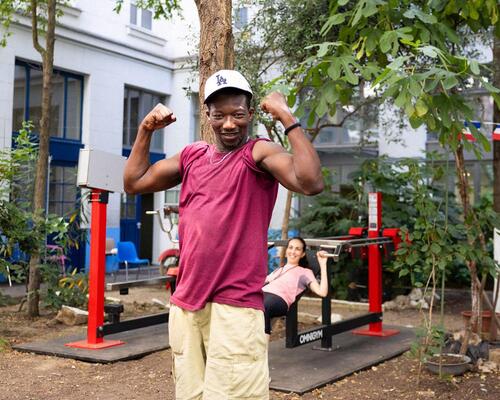
The report, Healthy Ageing – physical activity in an ageing society, was launched not in the House of Commons, but at the GreenGym in Abingdon – the constituency of Layla Moran, who is chair of the House of Commons Health and Social Care Committee.
[Green Gyms were launched by Dr William Bird and are voluntary groups involving people in physical activity within green environments, providing benefits for the community by improving footpaths and facilities on common land.]
Key points emphasised during the report launch include:
1. Strengthening links with partners outside the health system
The 10 Year Health Plan for England sets out the UK government’s vision for a new model of healthcare that prioritises prevention and delivers more care in people’s communities through a neighbourhood health service.
Collaboration with partners outside the health system can support and deliver physical activity-based interventions and activities for older people in their communities.
2. Building partnerships with the leisure and physical activity sector
Throughout the parliamentary inquiry we heard about the potential that the leisure and physical activity sector had to support the health service in delivering physical activity-based interventions and helping achieve the government’s ambition to shift care into the community.
The new report emphasises that the NHS and social care sectors – particularly the latter – need to change to incorporate physical activity, stressing how essential it is that they work more closely with the fitness industry.
Consumer preferences
At the launch, we were told that if offered a choice, 61 per cent of people would prefer to receive treatment or support for a health condition in a gym, leisure centre or pool, compared with 39 per cent preferring a hospital.
Where strong relationships existed at a local level between the NHS and the leisure and physical activity sector, there’s a wealth of evidence that these partnerships could support the delivery of care in community settings rather than hospitals
At the parliamentary inquiry, leaders from across local government and the fitness and leisure sector argued that the funding should be directed towards “the facilities that people rely on every day to stay active and healthy”.
Health is more than ‘merely the absence of disease’, as the WHO emphasised in 1948, and the NHS needs to work with other partners to deliver both the prevention of disease and improved outcomes, as well as delivering wellbeing.
The Healthy Ageing report also recognises the mental benefits of physical activity and with more than 8 million people on anti-depressants, a new strategy is needed, with the fitness industry playing a key part and the Treasury recognising that a health budget is much broader than the NHS budget.
Get the report at www.hcmmag.com/healthyageingreport
Editor's letter
Feedback
HCM People

HCM People

Profile

Opinion
Sponsored

Data

Obituary
Healthspan

Liability

First person

Tech

Profile
Profile

Research




























The UK fitness and leisure sector has spent decades making the case that physical activity should be viewed as an essential part of healthcare rather than an optional leisure activity.
Now a new parliamentary report, Healthy Ageing – physical activity in an ageing society, suggests that message is finally getting through.
Published by the House of Commons Health and Social Care Committee – chaired by Layla Moran MP – following a parliamentary inquiry into healthy ageing, the report makes a compelling case for physical activity to play a much greater role in preventing ill health, maintaining independence and reducing pressure on health and social care services.
This matters because the UK is facing a demographic shift. People are living longer, but too many are spending their later years managing chronic conditions, loss of mobility and declining independence. At the same time, the NHS is under unprecedented strain and social care services are struggling to cope with growing demand.
Key matter for operators
Against this backdrop, the committee concludes that physical activity must become a central pillar of healthy ageing policy.
For operators, the most important aspect of the report is that it moves beyond simply encouraging people to be more active. Instead, it focuses on how physical activity can be integrated into healthcare delivery.
The committee calls for greater use of leisure and community infrastructure, recommends that Integrated Care Boards embed physical activity within population health strategies and highlights the potential of social prescribing to connect people with activity opportunities in their communities.
Taken together, these recommendations point towards a future where gyms, pools and leisure centres are recognised not simply as places where people exercise, but also as community health assets capable of being the base for the delivery of measurable health outcomes.
The report also highlights the role of evidence-based exercise programmes in addressing frailty, reducing falls and helping people maintain function as they age. These are all areas where many operators already have experience and expertise, yet provision remains patchy and commissioning inconsistent.
That inconsistency has long been one of the sector’s biggest frustrations. Across the UK there are excellent examples of operators working with healthcare partners to deliver preventative programmes, but too often these initiatives rely on local champions and short-term funding, rather than being embedded within mainstream healthcare pathways.
The report is significant in that it acknowledges the problem and points towards a more systematic approach.
Physical activity must become a central pillar of healthy ageing policy Implementation plans
Whether the UK government acts on the recommendations remains to be seen. Select committee reports don’t create policy and there’s a long history of good ideas failing to survive the transition from recommendation to implementation.
One big positive is that Layla Moran is committed to getting the report’s recommendations into action, while the direction of travel is also unmistakable. As healthcare systems increasingly focus on prevention, healthy ageing and reducing demand, physical activity is moving closer to the centre of the conversation.
For a sector that has spent years arguing that movement is medicine, this report represents an important milestone. More importantly, it strengthens the case for investment, commissioning and closer integration between healthcare and the operators already helping millions of people to stay active and well.
The report, Healthy Ageing – physical activity in an ageing society, was launched not in the House of Commons, but at the GreenGym in Abingdon – the constituency of Layla Moran, who is chair of the House of Commons Health and Social Care Committee.
[Green Gyms were launched by Dr William Bird and are voluntary groups involving people in physical activity within green environments, providing benefits for the community by improving footpaths and facilities on common land.]
Key points emphasised during the report launch include:
1. Strengthening links with partners outside the health system
The 10 Year Health Plan for England sets out the UK government’s vision for a new model of healthcare that prioritises prevention and delivers more care in people’s communities through a neighbourhood health service.
Collaboration with partners outside the health system can support and deliver physical activity-based interventions and activities for older people in their communities.
2. Building partnerships with the leisure and physical activity sector
Throughout the parliamentary inquiry we heard about the potential that the leisure and physical activity sector had to support the health service in delivering physical activity-based interventions and helping achieve the government’s ambition to shift care into the community.
The new report emphasises that the NHS and social care sectors – particularly the latter – need to change to incorporate physical activity, stressing how essential it is that they work more closely with the fitness industry.
Consumer preferences
At the launch, we were told that if offered a choice, 61 per cent of people would prefer to receive treatment or support for a health condition in a gym, leisure centre or pool, compared with 39 per cent preferring a hospital.
Where strong relationships existed at a local level between the NHS and the leisure and physical activity sector, there’s a wealth of evidence that these partnerships could support the delivery of care in community settings rather than hospitals
At the parliamentary inquiry, leaders from across local government and the fitness and leisure sector argued that the funding should be directed towards “the facilities that people rely on every day to stay active and healthy”.
Health is more than ‘merely the absence of disease’, as the WHO emphasised in 1948, and the NHS needs to work with other partners to deliver both the prevention of disease and improved outcomes, as well as delivering wellbeing.
The Healthy Ageing report also recognises the mental benefits of physical activity and with more than 8 million people on anti-depressants, a new strategy is needed, with the fitness industry playing a key part and the Treasury recognising that a health budget is much broader than the NHS budget.
Get the report at www.hcmmag.com/healthyageingreport
Editor's letter
Feedback
HCM People
HCM People
Profile
Opinion
Sponsored
Data
Obituary
Healthspan
Liability
First person
Tech
Profile
Profile
Research