










GET HCM
magazine
Sign up for the FREE digital edition of HCM magazine and also get the HCM ezine and breaking news email alerts.
Not right now, thanksclose this window I've already subscribed!
Elevate Arena
Elevate Arena
Elevate Arena
Follow Health Club Management on Twitter Like Health Club Management on Facebook Join the discussion with Health Club Management on LinkedIn
FITNESS, HEALTH, WELLNESS

features

HCM Fitness trends

Kath Hudson and Liz Terry take a look at the top trends impacting the industry in 2026-27

Published in HCM Handbook 2026 issue 1
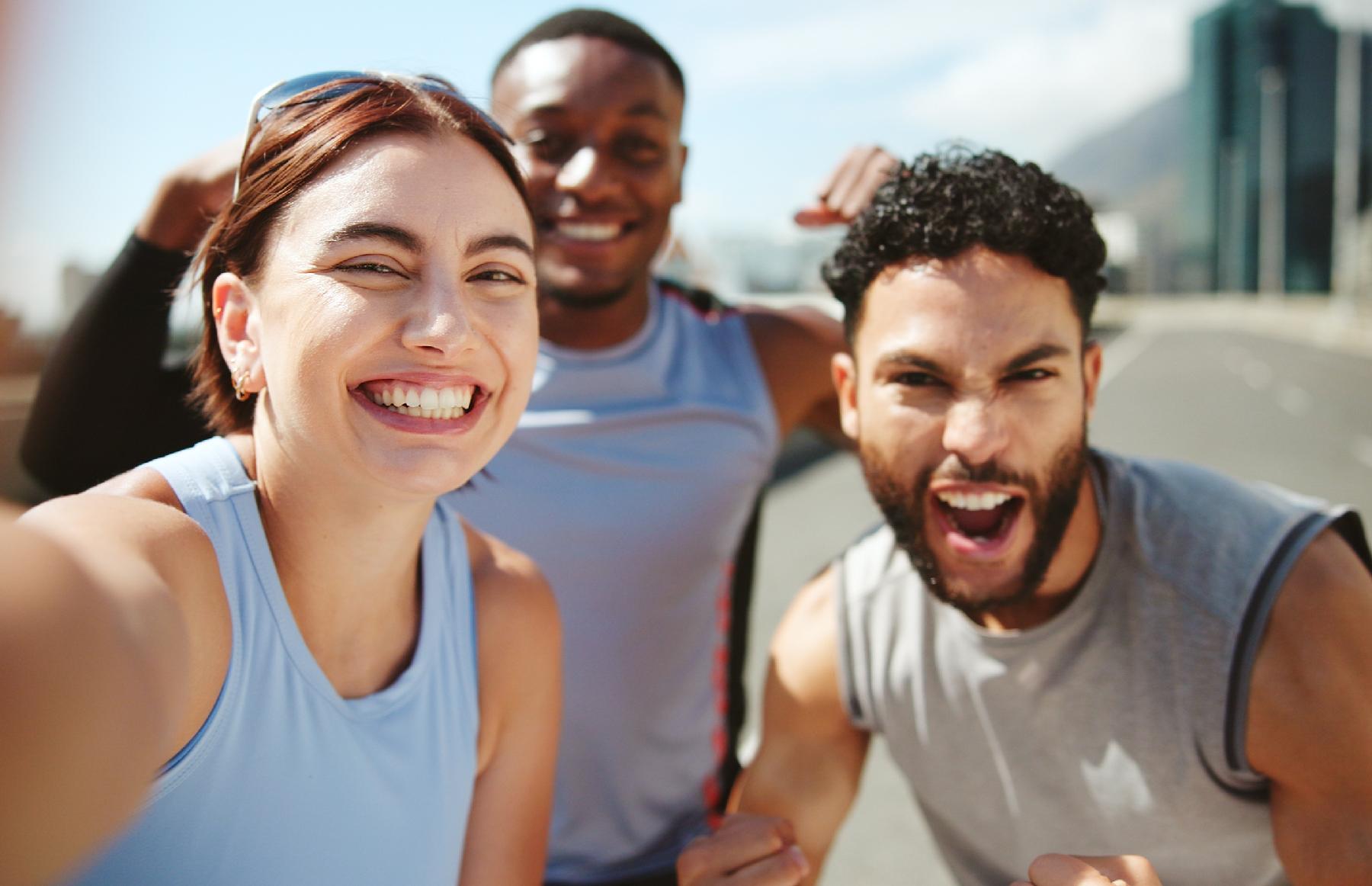
3 people posing for photograph
Optimistic mindsets are more healthy, and the brain can be trained this way / shutterstock /PeopleImages
1. NEURO WELLBEING

First highlighted by HCM Foresight in 2025, vagus nerve resets have gone mainstream, with a proliferation of devices that stimulate the body’s relaxation responses.

One example, the Nesa XSignal, uses microcurrents to stimulate autonomic nerve pathways. Delivered via electrodes on the wrists and ankles, the non-invasive treatment is already used in European healthcare settings and is offered at Lanserhof at The Arts Club in London to support clients experiencing burnout.

We expect this vagus nerve trend to evolve into a broader focus on neuro wellbeing and nervous system regulation.

Bioelectrical technology is only part of the picture. Sleep optimisation, breathwork, meditation, yoga, cold-water immersion, nature exposure and stress-management programmes are also gaining traction as evidence-based interventions.

We expect more health clubs to offer options supporting nervous system resilience and emotional regulation.

Neuro wellbeing and vagus nerve health are major trends
Neuro wellbeing and vagus nerve health are major trends / Shutterstock AI
2. PELVIC HEALTH

It’s two years since HCM first ran a feature flagging pelvic health as a future trend. This was followed by a dynamic presentation at the 2024 HCM Summit by The Well HQ’s Baz Moffat, who argued that all operators should be addressing this subject (www.HCMmag.com/Baz24).

Since then David Lloyd Leisure has worked with Moffat to develop its female health initiative and is aiming to introduce pelvic floor chairs, which use magnetic impulses to tone the pelvic floor muscles.

Pelvic floor issues are a common barrier to women taking part in exercise, but it’s not just women who need to look after their pelvic health. For both men and women, pelvic health underpins bowel function, sexual function, core stability, posture and movement efficiency.

There are now a number of pelvic chairs on the market, driving down prices and we predict it won’t be long before all premium health and fitness operators are offering them as a membership service.

Research also shows that integrated exercises such as squats, hip bridge, clams and lunges can be up to 56 per cent more effective at activating pelvic floor muscles than Kegel exercises – which have been the go-to medical solution for decades.

With appropriate training, we’d like to see instructors introducing a short focus on pelvic floor exercises into every class and training session, creating another bridge between exercise and healthcare and helping members build good habits.

Exercises such as lunges can be 56 per cent more effective than Kegels
Exercises such as lunges can be 56 per cent more effective than Kegels / shutterstock / miljan zivkovic
3. VIBRATION THERAPY

Originally developed to prevent muscle and bone atrophy in astronauts, vibration therapy uses mechanical oscillations to induce rapid muscle contractions that improve circulation and stimulate bone density.

Research has shown that regularly using vibration therapy also improves muscle strength, power, joint flexibility and range of motion, while highlighting its role in improving balance, proprioception and neuromuscular coordination.

There’s also increasing evidence that it can help to reduce falls, making it particularly relevant for use in healthy ageing programmes

Vibration systems cause adaptations in the nervous system which controls the muscles, improving both muscle and joint stability during movements. It also improves circulation and can help relieve pain, including headaches and musculoskeletal pain.

As interest grows in nervous system regulation, vibration technologies are increasingly being positioned as tools for both physical recovery and mental wellbeing.

The therapy is cited by Exos as a top recovery tool, only beaten by sleep, which – in turn – can also be aided by vibration therapy.

Recovery areas are being introduced by many gyms and HCM expects to see more widespread use of vibration therapy to complement the uptake of percussion therapy and add another training dimension to the gym floor.

Vibration training has been around for decades, but we believe the market is ready for mass adoption.

Exos uses vibration training as one of its prime recovery therapies
Exos uses vibration training as one of its prime recovery therapies / Exos
4. BRAIN TRAINING

Research recently showed that an optimistic mindset is associated with  lower rates of dementia. Great news for all those naturally happy people, but more gloom for those who are pre-disposed to their glass being half empty.

However, US freeskier, Eileen Gu, gave an empowering message at a press conference at the 2026 Winter Olympics press conference when she said: “You can control what and how you think and therefore you can control who you are.”

This is thanks to neuroplasticity and is especially true for young people, as the pre-frontal cortex of the brain continues forming until their mid-20s.

While eminently possible, rewiring the brain is not a quick or easy fix. It requires disciplined thinking, noticing brain spirals and switching them out; discarding unhelpful thoughts and stopping the rumination. It’s not simply positive thinking – which can lead to suppression – it’s about learning to respond from the conscious pre-frontal cortex, rather than being ruled by the amygdala that thinks we’re being chased by tigers.

Since ruminating on bad thoughts can have such a severe impact on health, this is an area which needs to be addressed, as it’s impacting many lives, as well as health services worldwide.

We expect operators to start collaborating with experts to offer brain training modalities to help members develop mindset strategies.

3 people posing for photograph
Optimistic mindsets are more healthy, and the brain can be trained this way / shutterstock /PeopleImages
5. GEN ALPHA

For decades, most health clubs set a minimum joining age of 16, but that’s changing and as operators look to build Gen Alpha member pipelines, many are introducing junior memberships, lowering age restrictions and creating dedicated experiences for younger users.

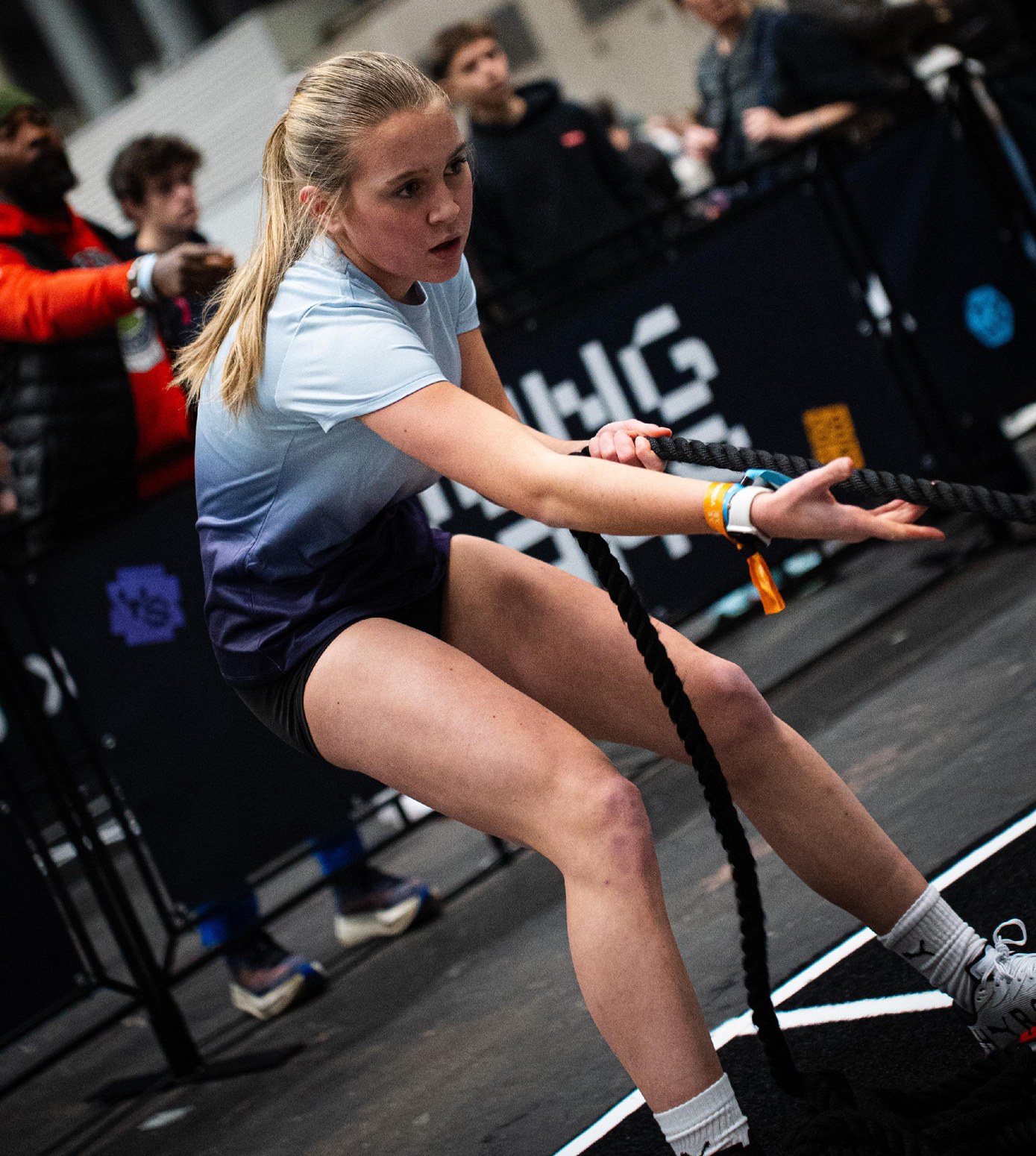
One of the strongest signals comes from Hyrox, which has adapted its format for younger participants through the launch of Hyrox Youngstars.

Designed for children and teens, the initiative introduces younger audiences to the brand through age-appropriate racing formats and also allows parents to compete alongside their children.

The model not only introduces young people to organised fitness, but also creates a pathway for operators to engage families as well as individual members.

Pendle Leisure Trust is targeting younger audiences through the installation of Lü, which transforms spaces into interactive activity environments.

Denbighshire Leisure Trust has invested in Pavigym’s Prama studio and offers a junior membership supported by free taster sessions.

Caerphilly County Borough Council has reduced the minimum age for resistance training to 14, while GLL offers adult and junior gym sessions that allow children as young as eight to attend with their caregivers.

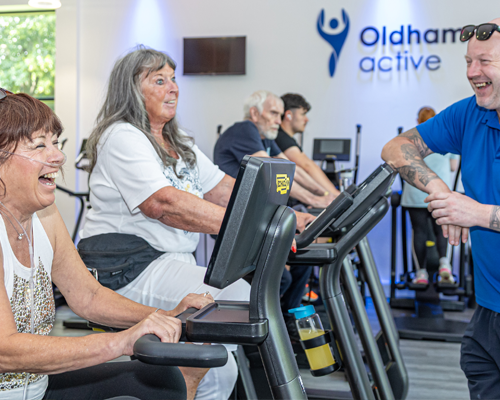
Having launched its young person’s membership in 2021, 20 per cent of Oldham Active’s members are now aged between 11 and 18.

We expect more operators to develop programming for younger audiences.

Hyrox Youngstars is for children over 14 years of age
Hyrox Youngstars is for children over 14 years of age / hyrox
 
6. GRIP STRENGTH

and forearm muscles – is a critical and trainable indicator of overall health, functional independence and longevity. A strong grip is associated with lower mortality risk and better cognitive function.

It’s associated with so many health outcomes because it’s the sum of nutrition, physical activity and illness and is increasingly being used as a marker of overall musculoskeletal strength and longevity.

A 2015 study published in The Lancet tested the grip strength of volunteers from 1965 to 1968 when they were between 56 and 68 years old and their survival was tracked for the next 44 years. Those who became centenarians were 2.5 times more likely to have had grip strength results in the highest thirds, compared to those who died before the age of 79.

Another study has shown that those with lower grip strength scores are more likely to have lower muscle mass, linked to decreased strength and mobility in later life and a greater likelihood of falling.

Research in cancer patients has shown that those with poorer grip strength are more likely to experience sudden weight loss which leads to worse survival outcomes. And a study in Brazil showed that teenagers who spent more time on their screens tended to have worse grip strength.

Although grip strength naturally decreases with age, training can improve it, including farmer’s carries; dead hangs and heavy compound lifts.

General resistance exercises improve muscle mass and maintain bone mineral density which also lead to better grip, so when health club members are lifting weights, they’re improving their long term health outcomes. We expect to see grip strength become a go-to test in gyms and more messaging around this.

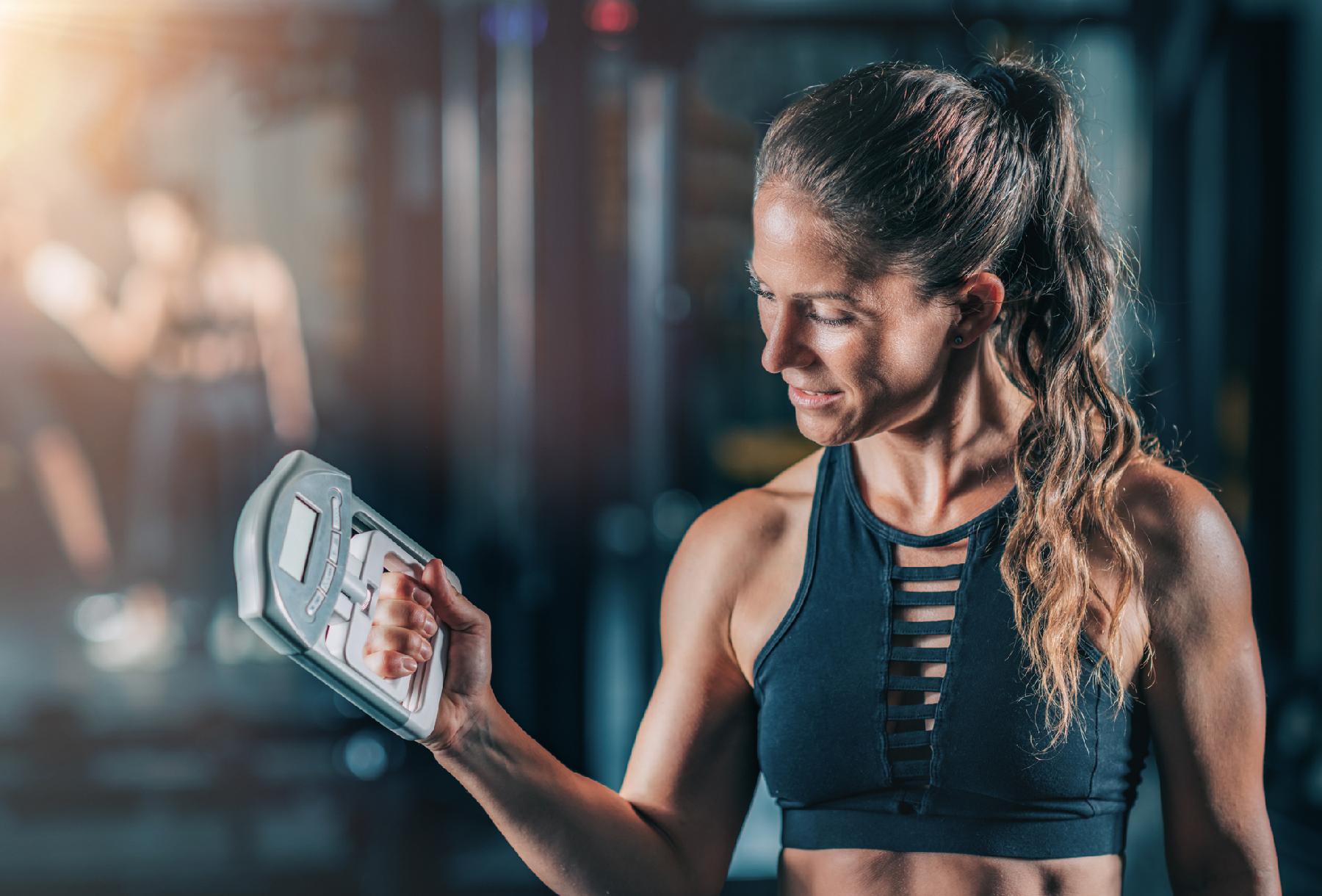
Health clubs will offer grip strength testing and training
Health clubs will offer grip strength testing and training / shutterstock / yajobchuk viacheslav
7. COLLECTIVE EFFERVESCENCE

Coined by sociologist Émile Durkheim, collective effervescence describes the sense of unity that emerges when people gather for a common purpose and synchronise their actions, thoughts and emotions.

It causes individuals to feel swept away, boosts social bonds and creates a feeling of connection that can evaporate mundane worries, heighten a sense of belonging and make people feel part of something larger than themselves.

In an increasingly digital world, this ability to create shared experiences is becoming one of the sector’s most valuable assets.

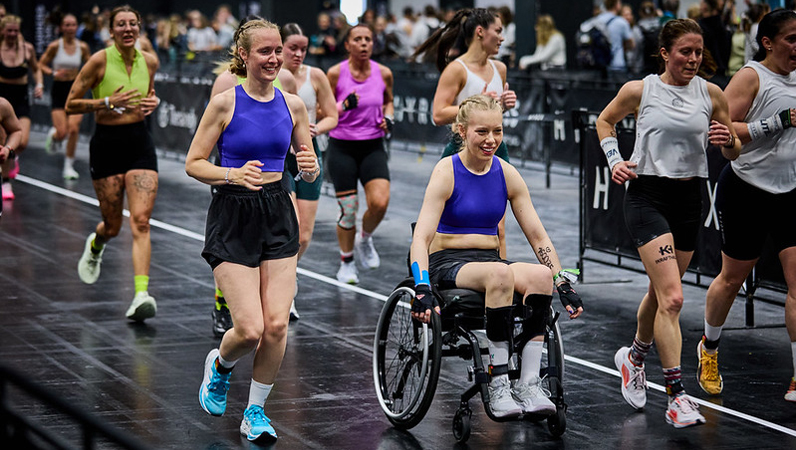
Nordic operator SATS continues to deliver strong results with a strategy built around group exercise. Collective effervescence is also a powerful driver of the Hyrox phenomenon, creating a unique buzz for competitors and spectators alike, while Les Mills is increasingly leaning into group dynamics, with formats such as Les Mills Ceremony attracting record participation.

HCM expects to see operators intentionally designing more opportunities for collective effervescence beyond traditional group exercise classes. Urban Gym Group launched the Trainmore Games this year – a knockout competition based around eight exercises; Studio Pilates International has launched The Pilates Games across its network of 130-plus studios; and Technogym has launched the RunX World Treadmill Championships in partnership with World Athletics. These initiatives create a sense of unity and excitement, while the training journey itself offers further opportunities for member engagement. As competition intensifies, operators that successfully foster collective effervescence will create communities and experiences that are difficult to replicate elsewhere.

Group running
People feel uplifted by special, shared events that heighten emotions / hyrox image by jannik hammes Fotografie
8. DATA CENTRES HEATING POOLS

Recent world events have proven that a more sustainable supply of energy is vital. While swimming pools are closing because of energy costs, data centres are costing the environment with their heavy energy and water use to keep computers cool. Using data centres to heat swimming pools is an obvious win and something which will hopefully trend as the technology is scaled.

LED Community Leisure in Devon is a trailblazer, having teamed up with Deep Green three years ago to run a “digital boiler” at Exmouth Leisure Centre that provides recycled heat. It saves more than £30,000 a year in running costs and reduces carbon emissions by 25.8 tonnes, keeping the 25 metre pool at around 30 degrees C.

The installation at Exmouth Leisure Centre contains 12 servers, Deep Green captures the heat and transfers it to the site’s hot water system. Around 96 per cent of the heat recycled is free and Deep Green also benefits from free cooling.

Mark Bjornsgaard, CEO of Deep Green, says: “By moving data centres from industrial warehouses into the hearts of communities, our digital boilers put waste heat to good use, saving local businesses thousands of pounds on energy bills and reducing their carbon footprint. Pools are just the start.”

The Olympic Aquatic Centre used for the 2024 Paris Olympics is heated by excess heat from a nearby data centre and Manchester’s Move Urmston leisure centre is expected to save £80,000 on energy and reduce carbon emissions by 50 tonnes annually by taking this approach.

Man swimming
Heating swimming pools via data centres would save on energy costs / shutterstock / peopleimages
9. THIRD AGE GYMS

While physical activity has wide ranging benefits for older generations including rehabilitation and protection against falls and frailty, gyms aren’t built with this demographic in mind. So it’s hardly surprising that not many septuagenarians see gyms as places for them.

UK charitable trust, Wave Active is blazing a trail with a gym format curated with older people and those living with long-term health conditions in mind. Co-designed with Innerva, Lilian’s Room – named after a former Wave Active client, Lilian Davis, who left the trust a legacy in her will – offers accessible exercise equipment, chair-based exercise sessions, as well as some high-tech solutions.

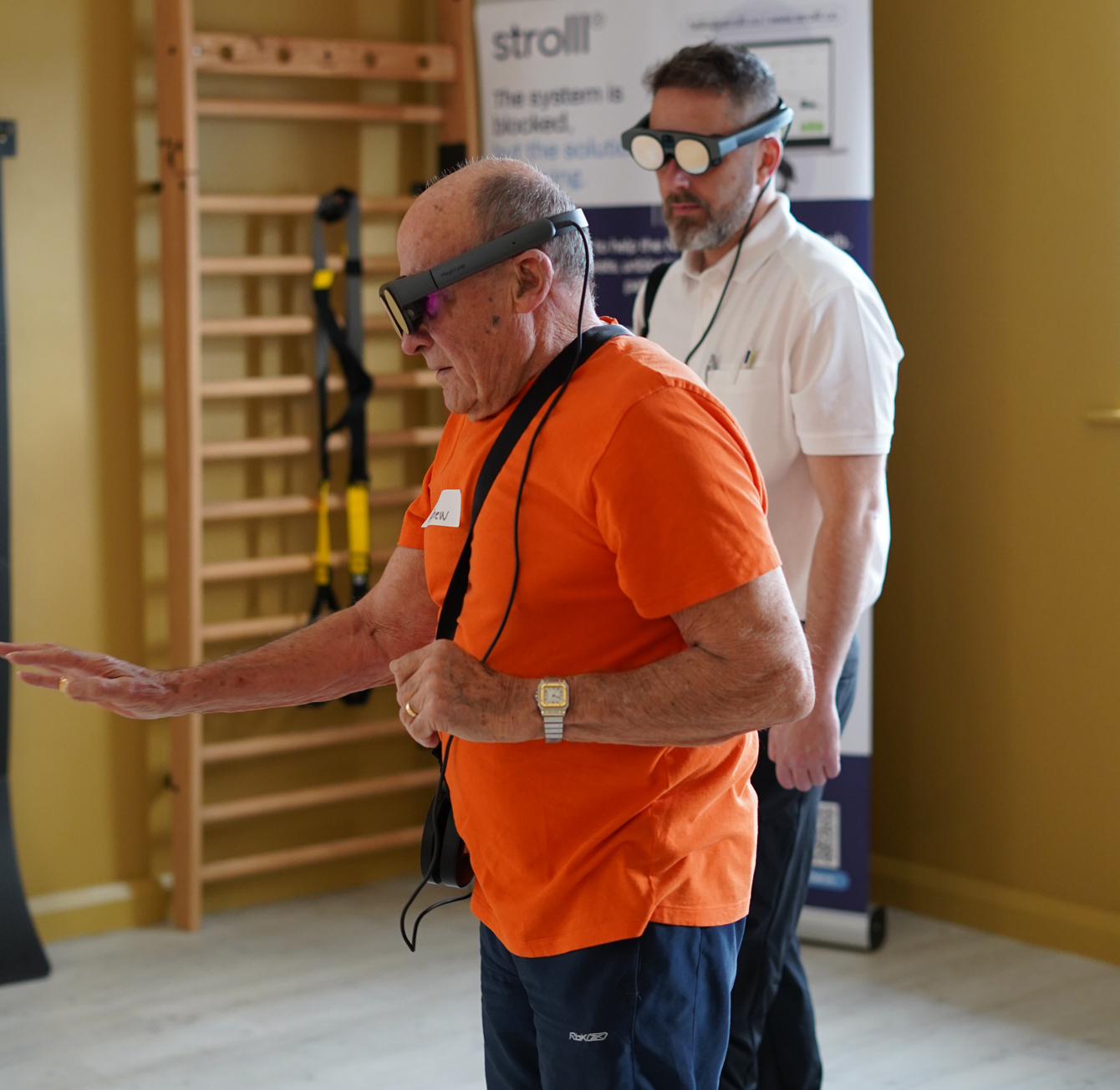
For the first time outside a clinical setting, Strolll is offered, which uses augmented reality to support those with neurological conditions with their balance, mobility and cognitive engagement. Interactive touchscreen tables, Tiny Tables, are also featured which help with stroke rehabilitation.

The staff are highly skilled, including a physiotherapist and a neuro physiotherapist, health practitioners and a health coach.

The gym is also working with the Acute Stroke Team at the local hospital to reduce the deconditioning of stroke patients while admitted, which will reduce blue-light returns to hospital.

“We know inactivity doesn’t have to be the case as you get older,” says Wave Active CEO, Duncan Kerr. “We just need to provide the space, relevant equipment and support to enable movement.”

Wave Active offers Strolll augmented reality for balance and cognitive engagement
Wave Active offers Strolll augmented reality for balance and cognitive engagement / wave active
10. VOCALISING

Studies have shown singing is an excellent stress reliever. It can improve heart rate and blood pressure, calm the nervous system and trigger the release of endorphins.

However, the benefits extend beyond singing alone. Growing interest in nervous system regulation is shining a spotlight on the power of vocalising more broadly, including humming, chanting, mantra repetition and toning. Many of these practices encourage slower breathing, stimulate the vagus nerve and create a sense of calm and connection.

Singing as part of a group develops social cohesion – a powerful antidote to the loneliness epidemic. Research has shown that complete strangers can form bonds after an hour of singing together and that participation in choirs can boost immune function. Singing is already being used by doctors in the UK to support people with anxiety, depression, chronic lung conditions, fibromyalgia and dementia.

Whether it’s chanting in yoga and meditation classes, humming during breathwork sessions, creating community choirs or hosting singing groups, HCM expects vocal wellness to become increasingly visible in the sector.

Belinda Steward, MD of Places Leisure, is a strong advocate, saying: “I plan my schedule around my Thursday night choir – for those 90 minutes I can completely escape life’s pressures.

“Leisure centres are places for people to be social as well as active and Places Leisure has spaces used by lots of organisations and charities. Singing unites people from all walks of life, if our centres can help facilitate that, we’re more than open to it.”

Everything from humming and chanting during yoga classes to singing can release endorphins
Everything from humming and chanting during yoga classes to singing can release endorphins / shutterstock / peopleimages
11. INTENTIONAL SPACES

The emergence of neuroaesthetics – the study of how aesthetic experiences affect the brain, physiology and behaviour – will have an impact on gym design, with spaces zoned for activity, or to support recovery.

Advances in non-invasive brain imaging, data science and AI have made it possible to observe how light, texture, colour, scale, rhythm and natural elements influence stress responses, cognition, emotional regulation and social connection.

Research shows that aesthetic experiences activate complex neurological and biological systems, often simultaneously. This means the design of a space can impact cortisol levels, a sense of belonging and recovery.

Biophilic design researcher, Bex Hamilton, believes many gyms and health clubs are unintentionally increasing stress rather than reducing it, saying: “We’ve designed gyms almost exclusively for stimulation – bright lighting, loud music, visual clutter, time pressure, mirrors everywhere. There’s nowhere for the nervous system to stand down. If members associate your environment with stress, even subconsciously, churn is inevitable.”

Biophilic principles, circadian lighting, acoustic dampening and natural materials are ways to help the nervous system to regulate and we predict more discussion around this going forward.

As gyms increasingly cross over with wellness, design is likely to become more nuanced. The Global Wellness Institute is already promoting this agenda having launched the Intentional Spaces Roadmap to scale evidence-based design for health, equity and wellbeing.

The HVN in West London, designed by Zynk
The HVN in West London, designed by Zynk / zynk
12. MEN’S MENTAL HEALTH

It’s no longer news that as many people are joining gyms for their mental health as their physical health, and it’s encouraging to see more operators quietly reaching out to support the mental health of men.

In 2023 there were 4,506 male suicides registered in England and Wales and suicide is the leading cause of death for men under 50 – the rates are highest among 50- to 54-year-olds.

This is an under-acknowledged critical health issue and gyms are an ideal place to support males of all ages by providing community, hope and a safe space to share.

Men often struggle to open up about how they’re feeling, even to those closest to them. A survey from craft beer company, Beavertown – which is campaigning on the issue – found that 90 per cent of men never talk about anything serious with their friends, and 67 per cent feel their mental health would benefit if they did.

Men’s groups are being established in a number of industry locations in the UK – Life Leisure has teamed up with suicide prevention charity, Andy’s Man Club to run a men’s group. Charitable trust, TMActive, has opened the Men’s Shed in East Peckham to tackle isolation and build community and Bristol skate park, Shredenhams runs Talk & Skate Sessions in collaboration with men’s mental health charity, Talk Club, inviting men to share how they’re feeling and skate it out.

Joe Marler fronted Beavertown’s recent mental health campaign
Joe Marler fronted Beavertown’s recent mental health campaign / beavertown
13. THE CLEAN ADVANTAGE

Cleaning might not be the sexiest of subjects but it is one area of operations which cannot be skimped on because it is vital for customer experience and therefore frequency of visits, retention and word of mouth reputation.

According to The Voice of the UK Gym Customer report from Total Fitness and CIL, cleanliness is a core expectation for members, with 60 per cent of respondents rating it as very or extremely important, with perceptions closely linked to staff presence. Cleaning staff were voted the most important staff members, even above fitness instructors.

Third Space prioritises cleaning and it shows. CEO, Colin Waggett, says: “It comes up frequently in our Net Promoter Surveys, second only to classes and is overwhelmingly positive. On the annual deeper member survey, members are asked to give three words that Third Space means to them.  Clean has been the number one word every time.”

Third Space aims to be as clean at the end of a morning peak as at the start and the science behind this is significant in terms of club design, equipment and cleaning products. Cleaning rotas are also dovetailed with class timetables.

The housekeeping teams are employed and trained as customer service teams. They are highly valued by members and the rest of the team and are highly engaged, especially at the annual Third Space Housekeeping Games.

There’s a science behind Third Space’s cleaning programme
There’s a science behind Third Space’s cleaning programme / third space
14. DIGITAL DETOX

As health clubs increasingly position themselves as places for recovery, connection and wellbeing, the constant presence of smartphones is coming under scrutiny. People are looking to health clubs and gyms not only to improve their physical health, but also to make friends, support their mental wellbeing and escape the distractions of daily life.

However, phones can undermine those goals. Whether it’s scrolling social media, answering emails between sets or spending more time looking at a screen than training, excessive use can reduce focus, disrupt social interaction and alter the atmosphere on the gym floor.

Operators are beginning to take notice. Shaun Traynor, founder of Kip – a tap-on device that disables distracting apps while still allowing access to music, workout-relevant apps and calls – believes phone use is becoming a growing friction point for members and staff alike.

“Phones lead to machines being occupied by someone not training and the energy on the gym floor dropping,” he says. “Most gym-goers know their phone is a distraction, they just need a reason and opportunity to put it down.”

Fitness First UK is one of the first operators to embrace the concept, offering Kip across its estate.

HCM expects to see more operators encouraging intentional phone use and creating environments that support focus, presence and human connection. As digital distractions become more pervasive, the ability to offer members a place to be fully engaged will become increasingly valued.

People scrolling at the gym ties up machines and makes the energy drop
People scrolling at the gym ties up machines and makes the energy drop / shutterstock / RomanSo
15. GONGMATIC

Health clubs are constantly looking for new ways to differentiate, but many wellness experiences are difficult to scale because they depend on highly trained practitioners. A new innovation called Gongmatic could change that.

Created by Grotta Sonora and developed by gong maker Madhava Carrara, sound alchemist Margherita Cioffi and art technologist Simon Morris, Gongmatic is an automated gong system that combines traditional gong therapy with modern technology.

First launched at Hagastrand, the Nordic wellness destination in Stockholm, it creates immersive sound experiences without requiring a specialist practitioner.

The timing is significant. As consumers become increasingly interested in nervous system regulation, recovery, mindfulness and sleep, operators are looking for experiences that complement exercise and broaden their wellness offering.

For health clubs, the appeal lies in both differentiation and operational simplicity. Automated sound therapy can be programmed throughout the day, creating a distinctive wellness experience that sits comfortably alongside recovery lounges, thermal facilities, breathwork sessions and meditation classes.

HCM expects technologies such as Gongmatic to open the door to a new category of automated wellness experiences. By making specialist therapies easier to deliver, they have the potential to help operators expand their offering, create new member experiences and strengthen their premium positioning.

Gongmatic has created an automated gong
Gongmatic has created an automated gong / Grotto Sonora
16. JOURNALLING

Writing down and working through stresses is proven to be an effective way of managing emotions and improving self-awareness, which is why we expect to see more operators following the example of Exos and Everyone Active, in offering journalling to members.

Research shows handwriting is linked with perceptual, motor and cognitive functions and stimulates areas of the brain that process memories and language, which could be significant in staving off dementia.

Tristan Rice, performance specialist at Exos uses journalling to help clients understand what is within their control: “You can’t control the questions asked in an interview, but you can rehearse how you talk through your experience. Writing it out by hand is even better, because it forces you to summarise your thoughts in a way that just thinking about them doesn’t. 

“Alternatively, you can use journalling to help make sense of an event, using prompts such as ‘what are the main points of what happened?’ ‘What role did I play?’ and ‘What are the key takeaways?’

“Doing this helps people to summarise and organise their memories of an experience, giving them permission to leave the past in the past and not ruminate on it needlessly. 

“Ultimately, journalling helps build the quality of awareness. This awareness of your experience and what you control gives you the tools to meet each moment collaboratively, ready to engage with presence and without judgement.”

Everyone Active is offering journalling
Everyone Active is offering journalling / shutterstock / cultura creative
17. NEXT LEVEL LEADERSHIP

As the industry continues to grow, diversify and bring in more varied demographics, the importance of developing the next wave of leaders is being acknowledged.

Many top global operators and suppliers are on board with EuropeActive’s Next Level Leaders programme which, in the words of Marcel Boot – EuropeActive president – aims to “not only read the future, but also to shape it”.

Operators, including SATS, Urban Gym Group, Jetts Fitness and The Gym Group are being intentional about creating an empowering company culture that encourages open communication and gives people the autonomy to do their jobs.

Total Fitness CEO, Sophie Lawler, is committed to giving her team the chance to shine. She says of her approach: “Initially I was appalled at the label ‘woman CEO’, but slowly I recognised it gave me permission to think deeply about how I could lead in a way of my own that felt more characterful and comfortable.

“I’m a social scientist in my head and a leader in my heart, so a blend of natural curiosity, a healthy level of insecurity, and a desire to light the way for others influences a culture that instinctively listens and thinks beyond what we think we know, and defrays recognition across the team.”

Wellness consultant, Mia Kyricos, advocates love as a powerful business strategy. “It delivers ROI in the most unexpected ways,” she says. “Managing strengths and accepting weaknesses achieves better goals. Given the pace of change and ambiguity in the marketplace, the one constant we have is our humanity.”

Kyricos says navigating challenges, change and even poor performance gets easier with open communication: “Asking people ‘What do you need to be successful?’, can unlock incredible insights between a manager and members of a team,” she says.

Sophie Lawler says curiosity shapes her leadership style
Sophie Lawler says curiosity shapes her leadership style / jack emmerson
18. SECOND SPACES

A 2025 MRP poll found almost half of young women feel lonely – not a demographic usually associated with isolation. At the same time, home working has reduced social interaction and many younger people are drinking less and socialising differently from previous generations.

As traditional places for meeting people decline, health clubs have an opportunity to fill the gap.

Traditionally, clubs at the premium end of the market have offered lounges, cafés and informal workspaces, enabling members to spend longer on-site. However, changing working patterns, rising levels of loneliness and the search for community are bringing similar concepts to the mid-market.

Places Leisure is watching the trend, having already noticed people attending a class, working for a few hours in the café and then taking a lunchtime swim. At its elevated sites, Everlast Gyms offers purpose-built laptop bars with charging points and comfortable seating.

“We frequently see members come to work out and then stay for a smoothie with their laptop,” says MD, Dan Summerson.

Independent club 3-1-5 offers workspaces and a breakfast bar. “Members who previously trained at peak times are now coming in earlier, training and returning to work, which eases pressure during busy periods,” says MD Deena Gillan.

HCM expects more clubs to evolve into destinations where people can work, socialise, exercise and belong. The result will be stronger communities, increased dwell time, additional secondary spend and deeper member loyalty.

Everlast Gyms is building in spaces for members to work from the club
Everlast Gyms is building in spaces for members to work from the club / everlast gyms
19. GLUTE TRAINING

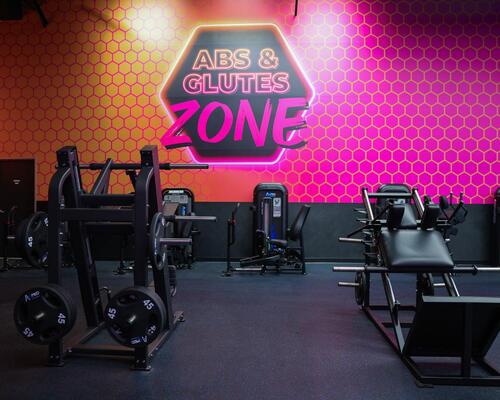
Glute zones are bubbling under as a trend and while aesthetics may drive interest among some consumers, the health benefits are significant. Weak glutes are associated with poor posture and can contribute to back, hip, knee and ankle problems by affecting the way the body moves and absorbs load.

For people with desk jobs, prolonged sitting can weaken the glute muscles, while for older adults, maintaining glute strength is important for mobility and balance.

As awareness grows of the role glutes play in movement, posture and joint health, glute training is moving from a niche pursuit to a mainstream fitness priority. The appeal is broad and glute zones are proving popular with men and women alike.

Fitness Worx Gyms began rolling out glute zones across its estate in partnership with Precor after a reconnaissance trip to the US. “Almost every gym we visited had a dedicated glute training area and what really stood out was how busy they all were – every machine was being used and trainers said the feedback had been huge,” says founder Jack Gibson.

“We’ve noticed the same since we started to roll them out and they’ve also had a strong impact from a recruitment point of view, helping us connect with a younger demographic.”

HCM expects suppliers to continue innovating with new glute-specific equipment, while operators invest in larger, more prominent glute zones and increasingly use them as a marketing and acquisition tool.

Fitness Worx Gyms is embracing the glute zone trend
Fitness Worx Gyms is embracing the glute zone trend / fitness worx gyms
20. AI FUTURES

Artificial intelligence is rapidly moving from novelty to necessity in the health and fitness sector, and while much of the attention has focused on AI-powered coaching and personalised workout programming, the biggest impact will be operational.

Health club owners are already using AI to streamline administration, automate customer service, optimise staffing, predict maintenance requirements and identify members at risk of cancelling.

As margins come under pressure, AI will offer opportunities to improve productivity and reduce costs.

The technology is also changing how consumers discover fitness services. Rather than searching for a gym by location alone, they’re increasingly using AI assistants to find solutions to specific health, fitness and wellbeing goals. This will require operators to develop stronger digital visibility and clearer positioning in order to remain discoverable.

HCM expects AI to become embedded across every aspect of the sector, with today’s fragmented software systems gradually evolving into integrated intelligence platforms covering all aspects of management and maintenance. However, as technology takes on more routine tasks, human qualities such as coaching, empathy, motivation and community-building will become ever more valuable.

The future of fitness will not be human versus AI – it will be human plus AI.

Man scrolling on phone
Consumers will increasingly use AI to find a gym that exactly suits their needs / rasheed kemy/unsplash
HCM Fitness Foresight: trends archive

See all the key fitness trends and predictions from each year since
2014 at 
www.fitnessforesight.com

HCM Handbook’s annual prediction of key trends, influences and opportunities coming down the tracks.
HCM magazine
Raphael Cuomo explores the powerful link between addiction, health and behaviour change
HCM magazine
Collaborations with the medical profession and greater aspirations around wellbeing are creating a need for more experts in our sector. It’s time to reboot our thinking around the workforce
HCM magazine
Small improvements to sleep, diet and physical activity have major benefits for the heart, according to new research from the University of Sydney
HCM magazine
I experienced a blissful feeling of joy I hadn’t felt since I was a kid
HCM magazine
As the entrepreneur who started Wexer, Fresh Fitness, Fitness DK and Repeat, as well as being a former elite athlete, Rasmus Ingerslev’s life looked perfect from the outside, but onthe inside it was a different story. He talks to Kath Hudson about healing old wounds
HCM promotional features
Sponsored
Starpool supports Olympic champion Marcell Jacobs, says Riccardo Turri
HCM promotional features
Sponsored
David Lloyd is stepping up its commitment to women’s health as it continues to explore what fit-for-purpose looks like for the female population
HCM promotional features
Sponsored
SnowDome Fitness has added 50 per cent more space with cutting-edge Technogym solutions
HCM promotional features
Sponsored
Greg Bradley looks at the shift towards strength training in gyms and advises on how operators can create the ultimate training environment
HCM promotional features
Sponsored
Find out how your gym can tap into the corporate wellness boom
HCM promotional features
Sponsored
Third Space partnered with IndigoFitness to deliver a bespoke training space for its new club at The Whiteley
HCM promotional features
Sponsored
EGYM has opened a new HQ in Paternoster Square, London and revealed a range of new launches
HCM promotional features
Promotion
Performance Health Systems, manufacturer of Power Plate, has a new CEO, with an ambitious vision for the company
HCM promotional features
Promotion
BLK BOX has been reimagining elite performance spaces for more than a decade. Founder and former athlete, Greg Bradley, tells us what it takes
HCM promotional features
Latest News
Global group exercise specialist, Les Mills, is inviting operators to sign up to its Workout ...
Latest News
Global luxury hospitality brand, Six Senses, has partnered with longevity healthcare provider, HUM2N, to launch ...
Latest News
Premium London health club, KX Chelsea, is gearing up to unveil its most significant redevelopment ...
Latest News
Researchers in the US have identified an antibody which could greatly reduce the loss of ...
Latest News
Peloton has made the strategic acquisition of Pilates start-up, Skōp, to support the expansion of ...
Latest News
Crunch Fitness has announced the launch of Crunch Reform Pilates – its own reformer concept ...
Latest News
The 20th State of the Industry Report from LeisureDB has revealed a resilient, expanding and ...
Latest News
Purpose Brands has announced its entry into the Italian market, having sold the franchise rights ...
Opinion
promotion
Strength training has moved from the margins to the mainstream.
Opinion: Building smarter strength spaces for today’s operators
Featured supplier news
Featured supplier news: Elevate 2026 to mark 10-year anniversary with biggest ever waterfront drinks reception
Elevate is set to celebrate its 10th anniversary in style this June, with organisers confirming the event’s largest-ever drinks reception as registrations continue to run more than 10% ahead of last year.
Featured supplier news
Featured supplier news: CoverMe extends matching service to personal training, rewriting how members and personal trainers connect
CoverMe, the global leader in fitness workforce management, today launches CoverMe PT, an on-demand personal training platform that connects the right personal trainer to the right client in under 10 seconds.
Company profiles
Company profile: Swim England
Swim England was the only governing body of swimming in the world when it was ...
Company profiles
Company profile: Safe Space Lockers
We provide a full turn-key solution for clients from design and consultation, through to bespoke ...
Supplier Showcases
Supplier Showcase - Future-proofing
Catalogue Gallery
Click on a catalogue to view it online
Featured press releases
ukactive press release: UK Active launches next phase of Digital Futures to support digital maturity across the physical activity sector
UK Active has announced the next phase of its Digital Futures programme, supporting organisations across the physical activity sector to develop their digital capability.
Featured press releases
The Fitness Group press release: The Fitness Group partners with Serco Leisure to deliver education and career pathways across UK leisure facilities
The Fitness Group, the UK's leading fitness education training provider, has announced a strategic partnership with Serco Leisure, one of the UK's leading national operators of leisure centres, destination venues and elite sporting facilities.
Directory
Water experiences and hydrotherapy solutions
Aquaform s.r.l.: Water experiences and hydrotherapy solutions
Fitness tracking platform
SpiviTech: Fitness tracking platform
Spa and beauty equipment
Oakworks Inc: Spa and beauty equipment
Hot tubs
MSpa International Ltd: Hot tubs
Industrial washing machines
Miele Company Limited: Industrial washing machines
Lockers
Crown Sports Lockers: Lockers
Property & Tenders
Stratford, East London.
Lee Valley Regional Park Authority
Property & Tenders
Y Felinheli, LL56 4QN
Newmark
Property & Tenders
Diary dates
21-24 Sep 2026
The Langham Huntington Pasadena , Pasadena, United States
Diary dates
06-08 Oct 2026
Messe Stuttgart, Stuttgart, Germany
Diary dates
22-22 Oct 2026
QEII Conference Centre, London,
Diary dates
26-29 Oct 2027
Koelnmesse Exhibition Centre, Cologne, Germany
Diary dates

features

HCM Fitness trends

Kath Hudson and Liz Terry take a look at the top trends impacting the industry in 2026-27

Published in HCM Handbook 2026 issue 1
3 people posing for photograph
Optimistic mindsets are more healthy, and the brain can be trained this way / shutterstock /PeopleImages
1. NEURO WELLBEING

First highlighted by HCM Foresight in 2025, vagus nerve resets have gone mainstream, with a proliferation of devices that stimulate the body’s relaxation responses.

One example, the Nesa XSignal, uses microcurrents to stimulate autonomic nerve pathways. Delivered via electrodes on the wrists and ankles, the non-invasive treatment is already used in European healthcare settings and is offered at Lanserhof at The Arts Club in London to support clients experiencing burnout.

We expect this vagus nerve trend to evolve into a broader focus on neuro wellbeing and nervous system regulation.

Bioelectrical technology is only part of the picture. Sleep optimisation, breathwork, meditation, yoga, cold-water immersion, nature exposure and stress-management programmes are also gaining traction as evidence-based interventions.

We expect more health clubs to offer options supporting nervous system resilience and emotional regulation.

Neuro wellbeing and vagus nerve health are major trends
Neuro wellbeing and vagus nerve health are major trends / Shutterstock AI
2. PELVIC HEALTH

It’s two years since HCM first ran a feature flagging pelvic health as a future trend. This was followed by a dynamic presentation at the 2024 HCM Summit by The Well HQ’s Baz Moffat, who argued that all operators should be addressing this subject (www.HCMmag.com/Baz24).

Since then David Lloyd Leisure has worked with Moffat to develop its female health initiative and is aiming to introduce pelvic floor chairs, which use magnetic impulses to tone the pelvic floor muscles.

Pelvic floor issues are a common barrier to women taking part in exercise, but it’s not just women who need to look after their pelvic health. For both men and women, pelvic health underpins bowel function, sexual function, core stability, posture and movement efficiency.

There are now a number of pelvic chairs on the market, driving down prices and we predict it won’t be long before all premium health and fitness operators are offering them as a membership service.

Research also shows that integrated exercises such as squats, hip bridge, clams and lunges can be up to 56 per cent more effective at activating pelvic floor muscles than Kegel exercises – which have been the go-to medical solution for decades.

With appropriate training, we’d like to see instructors introducing a short focus on pelvic floor exercises into every class and training session, creating another bridge between exercise and healthcare and helping members build good habits.
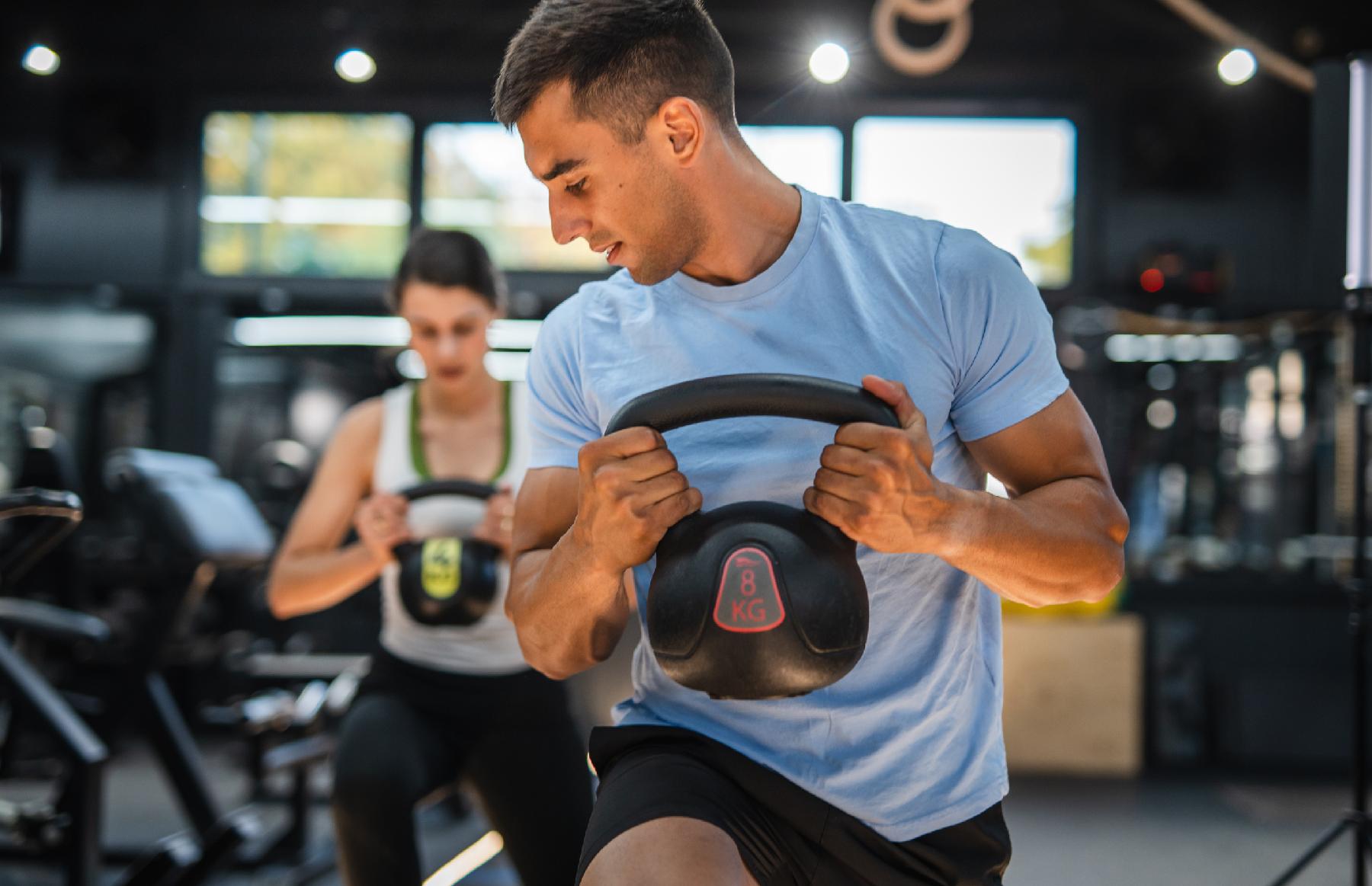
Exercises such as lunges can be 56 per cent more effective than Kegels
Exercises such as lunges can be 56 per cent more effective than Kegels / shutterstock / miljan zivkovic
3. VIBRATION THERAPY

Originally developed to prevent muscle and bone atrophy in astronauts, vibration therapy uses mechanical oscillations to induce rapid muscle contractions that improve circulation and stimulate bone density.

Research has shown that regularly using vibration therapy also improves muscle strength, power, joint flexibility and range of motion, while highlighting its role in improving balance, proprioception and neuromuscular coordination.

There’s also increasing evidence that it can help to reduce falls, making it particularly relevant for use in healthy ageing programmes

Vibration systems cause adaptations in the nervous system which controls the muscles, improving both muscle and joint stability during movements. It also improves circulation and can help relieve pain, including headaches and musculoskeletal pain.

As interest grows in nervous system regulation, vibration technologies are increasingly being positioned as tools for both physical recovery and mental wellbeing.

The therapy is cited by Exos as a top recovery tool, only beaten by sleep, which – in turn – can also be aided by vibration therapy.

Recovery areas are being introduced by many gyms and HCM expects to see more widespread use of vibration therapy to complement the uptake of percussion therapy and add another training dimension to the gym floor.

Vibration training has been around for decades, but we believe the market is ready for mass adoption.
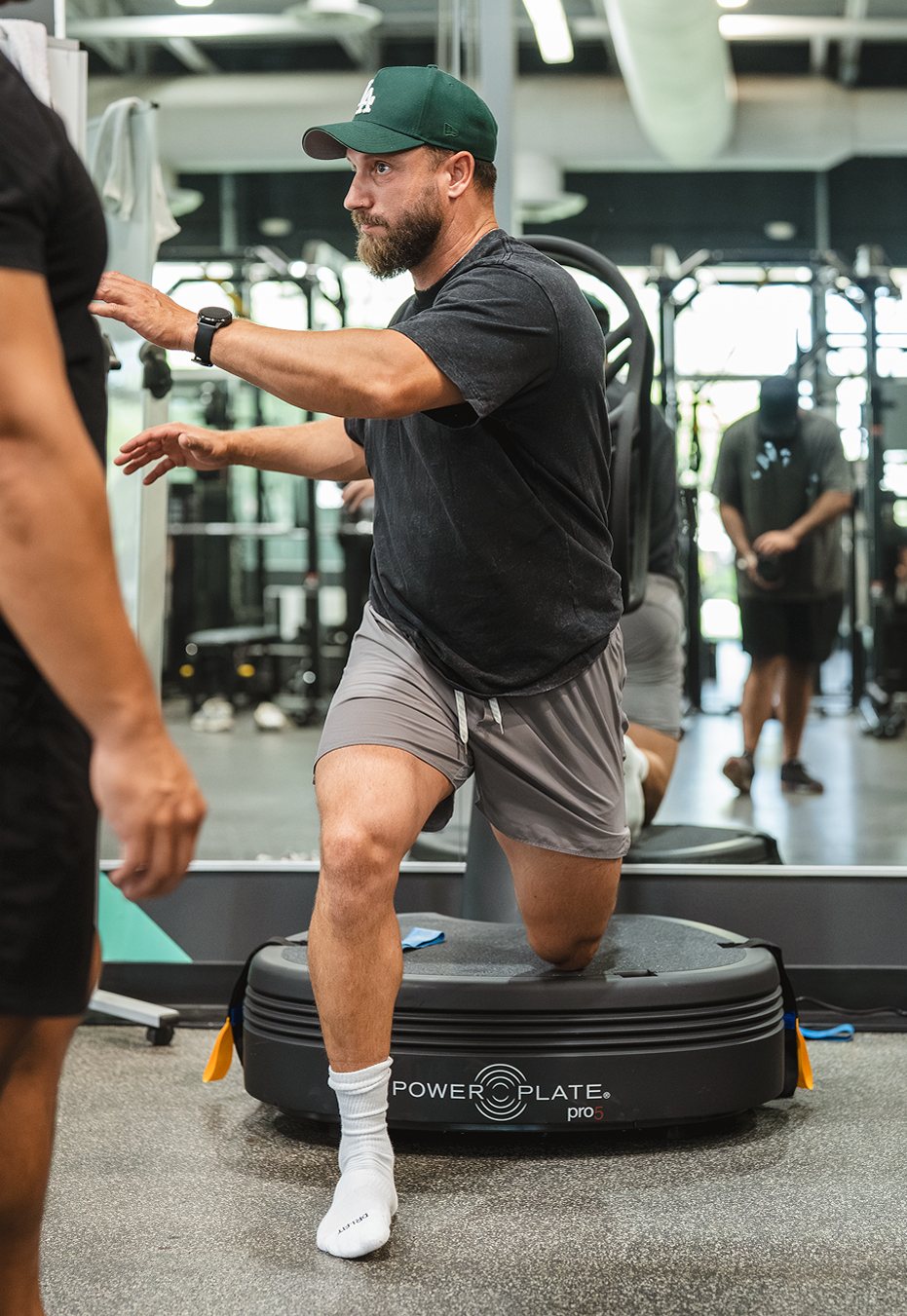
Exos uses vibration training as one of its prime recovery therapies
Exos uses vibration training as one of its prime recovery therapies / Exos
4. BRAIN TRAINING

Research recently showed that an optimistic mindset is associated with  lower rates of dementia. Great news for all those naturally happy people, but more gloom for those who are pre-disposed to their glass being half empty.

However, US freeskier, Eileen Gu, gave an empowering message at a press conference at the 2026 Winter Olympics press conference when she said: “You can control what and how you think and therefore you can control who you are.”

This is thanks to neuroplasticity and is especially true for young people, as the pre-frontal cortex of the brain continues forming until their mid-20s.

While eminently possible, rewiring the brain is not a quick or easy fix. It requires disciplined thinking, noticing brain spirals and switching them out; discarding unhelpful thoughts and stopping the rumination. It’s not simply positive thinking – which can lead to suppression – it’s about learning to respond from the conscious pre-frontal cortex, rather than being ruled by the amygdala that thinks we’re being chased by tigers.

Since ruminating on bad thoughts can have such a severe impact on health, this is an area which needs to be addressed, as it’s impacting many lives, as well as health services worldwide.

We expect operators to start collaborating with experts to offer brain training modalities to help members develop mindset strategies.

3 people posing for photograph
Optimistic mindsets are more healthy, and the brain can be trained this way / shutterstock /PeopleImages
5. GEN ALPHA

For decades, most health clubs set a minimum joining age of 16, but that’s changing and as operators look to build Gen Alpha member pipelines, many are introducing junior memberships, lowering age restrictions and creating dedicated experiences for younger users.

One of the strongest signals comes from Hyrox, which has adapted its format for younger participants through the launch of Hyrox Youngstars.

Designed for children and teens, the initiative introduces younger audiences to the brand through age-appropriate racing formats and also allows parents to compete alongside their children.

The model not only introduces young people to organised fitness, but also creates a pathway for operators to engage families as well as individual members.

Pendle Leisure Trust is targeting younger audiences through the installation of Lü, which transforms spaces into interactive activity environments.

Denbighshire Leisure Trust has invested in Pavigym’s Prama studio and offers a junior membership supported by free taster sessions.

Caerphilly County Borough Council has reduced the minimum age for resistance training to 14, while GLL offers adult and junior gym sessions that allow children as young as eight to attend with their caregivers.

Having launched its young person’s membership in 2021, 20 per cent of Oldham Active’s members are now aged between 11 and 18.

We expect more operators to develop programming for younger audiences.
Hyrox Youngstars is for children over 14 years of age
Hyrox Youngstars is for children over 14 years of age / hyrox
 
6. GRIP STRENGTH

and forearm muscles – is a critical and trainable indicator of overall health, functional independence and longevity. A strong grip is associated with lower mortality risk and better cognitive function.

It’s associated with so many health outcomes because it’s the sum of nutrition, physical activity and illness and is increasingly being used as a marker of overall musculoskeletal strength and longevity.

A 2015 study published in The Lancet tested the grip strength of volunteers from 1965 to 1968 when they were between 56 and 68 years old and their survival was tracked for the next 44 years. Those who became centenarians were 2.5 times more likely to have had grip strength results in the highest thirds, compared to those who died before the age of 79.

Another study has shown that those with lower grip strength scores are more likely to have lower muscle mass, linked to decreased strength and mobility in later life and a greater likelihood of falling.

Research in cancer patients has shown that those with poorer grip strength are more likely to experience sudden weight loss which leads to worse survival outcomes. And a study in Brazil showed that teenagers who spent more time on their screens tended to have worse grip strength.

Although grip strength naturally decreases with age, training can improve it, including farmer’s carries; dead hangs and heavy compound lifts.

General resistance exercises improve muscle mass and maintain bone mineral density which also lead to better grip, so when health club members are lifting weights, they’re improving their long term health outcomes. We expect to see grip strength become a go-to test in gyms and more messaging around this.
Health clubs will offer grip strength testing and training
Health clubs will offer grip strength testing and training / shutterstock / yajobchuk viacheslav
7. COLLECTIVE EFFERVESCENCE

Coined by sociologist Émile Durkheim, collective effervescence describes the sense of unity that emerges when people gather for a common purpose and synchronise their actions, thoughts and emotions.

It causes individuals to feel swept away, boosts social bonds and creates a feeling of connection that can evaporate mundane worries, heighten a sense of belonging and make people feel part of something larger than themselves.

In an increasingly digital world, this ability to create shared experiences is becoming one of the sector’s most valuable assets.

Nordic operator SATS continues to deliver strong results with a strategy built around group exercise. Collective effervescence is also a powerful driver of the Hyrox phenomenon, creating a unique buzz for competitors and spectators alike, while Les Mills is increasingly leaning into group dynamics, with formats such as Les Mills Ceremony attracting record participation.

HCM expects to see operators intentionally designing more opportunities for collective effervescence beyond traditional group exercise classes. Urban Gym Group launched the Trainmore Games this year – a knockout competition based around eight exercises; Studio Pilates International has launched The Pilates Games across its network of 130-plus studios; and Technogym has launched the RunX World Treadmill Championships in partnership with World Athletics. These initiatives create a sense of unity and excitement, while the training journey itself offers further opportunities for member engagement. As competition intensifies, operators that successfully foster collective effervescence will create communities and experiences that are difficult to replicate elsewhere.
Group running
People feel uplifted by special, shared events that heighten emotions / hyrox image by jannik hammes Fotografie
8. DATA CENTRES HEATING POOLS

Recent world events have proven that a more sustainable supply of energy is vital. While swimming pools are closing because of energy costs, data centres are costing the environment with their heavy energy and water use to keep computers cool. Using data centres to heat swimming pools is an obvious win and something which will hopefully trend as the technology is scaled.

LED Community Leisure in Devon is a trailblazer, having teamed up with Deep Green three years ago to run a “digital boiler” at Exmouth Leisure Centre that provides recycled heat. It saves more than £30,000 a year in running costs and reduces carbon emissions by 25.8 tonnes, keeping the 25 metre pool at around 30 degrees C.

The installation at Exmouth Leisure Centre contains 12 servers, Deep Green captures the heat and transfers it to the site’s hot water system. Around 96 per cent of the heat recycled is free and Deep Green also benefits from free cooling.

Mark Bjornsgaard, CEO of Deep Green, says: “By moving data centres from industrial warehouses into the hearts of communities, our digital boilers put waste heat to good use, saving local businesses thousands of pounds on energy bills and reducing their carbon footprint. Pools are just the start.”

The Olympic Aquatic Centre used for the 2024 Paris Olympics is heated by excess heat from a nearby data centre and Manchester’s Move Urmston leisure centre is expected to save £80,000 on energy and reduce carbon emissions by 50 tonnes annually by taking this approach.

Man swimming
Heating swimming pools via data centres would save on energy costs / shutterstock / peopleimages
9. THIRD AGE GYMS

While physical activity has wide ranging benefits for older generations including rehabilitation and protection against falls and frailty, gyms aren’t built with this demographic in mind. So it’s hardly surprising that not many septuagenarians see gyms as places for them.

UK charitable trust, Wave Active is blazing a trail with a gym format curated with older people and those living with long-term health conditions in mind. Co-designed with Innerva, Lilian’s Room – named after a former Wave Active client, Lilian Davis, who left the trust a legacy in her will – offers accessible exercise equipment, chair-based exercise sessions, as well as some high-tech solutions.

For the first time outside a clinical setting, Strolll is offered, which uses augmented reality to support those with neurological conditions with their balance, mobility and cognitive engagement. Interactive touchscreen tables, Tiny Tables, are also featured which help with stroke rehabilitation.

The staff are highly skilled, including a physiotherapist and a neuro physiotherapist, health practitioners and a health coach.

The gym is also working with the Acute Stroke Team at the local hospital to reduce the deconditioning of stroke patients while admitted, which will reduce blue-light returns to hospital.

“We know inactivity doesn’t have to be the case as you get older,” says Wave Active CEO, Duncan Kerr. “We just need to provide the space, relevant equipment and support to enable movement.”
Wave Active offers Strolll augmented reality for balance and cognitive engagement
Wave Active offers Strolll augmented reality for balance and cognitive engagement / wave active
10. VOCALISING

Studies have shown singing is an excellent stress reliever. It can improve heart rate and blood pressure, calm the nervous system and trigger the release of endorphins.

However, the benefits extend beyond singing alone. Growing interest in nervous system regulation is shining a spotlight on the power of vocalising more broadly, including humming, chanting, mantra repetition and toning. Many of these practices encourage slower breathing, stimulate the vagus nerve and create a sense of calm and connection.

Singing as part of a group develops social cohesion – a powerful antidote to the loneliness epidemic. Research has shown that complete strangers can form bonds after an hour of singing together and that participation in choirs can boost immune function. Singing is already being used by doctors in the UK to support people with anxiety, depression, chronic lung conditions, fibromyalgia and dementia.

Whether it’s chanting in yoga and meditation classes, humming during breathwork sessions, creating community choirs or hosting singing groups, HCM expects vocal wellness to become increasingly visible in the sector.

Belinda Steward, MD of Places Leisure, is a strong advocate, saying: “I plan my schedule around my Thursday night choir – for those 90 minutes I can completely escape life’s pressures.

“Leisure centres are places for people to be social as well as active and Places Leisure has spaces used by lots of organisations and charities. Singing unites people from all walks of life, if our centres can help facilitate that, we’re more than open to it.”
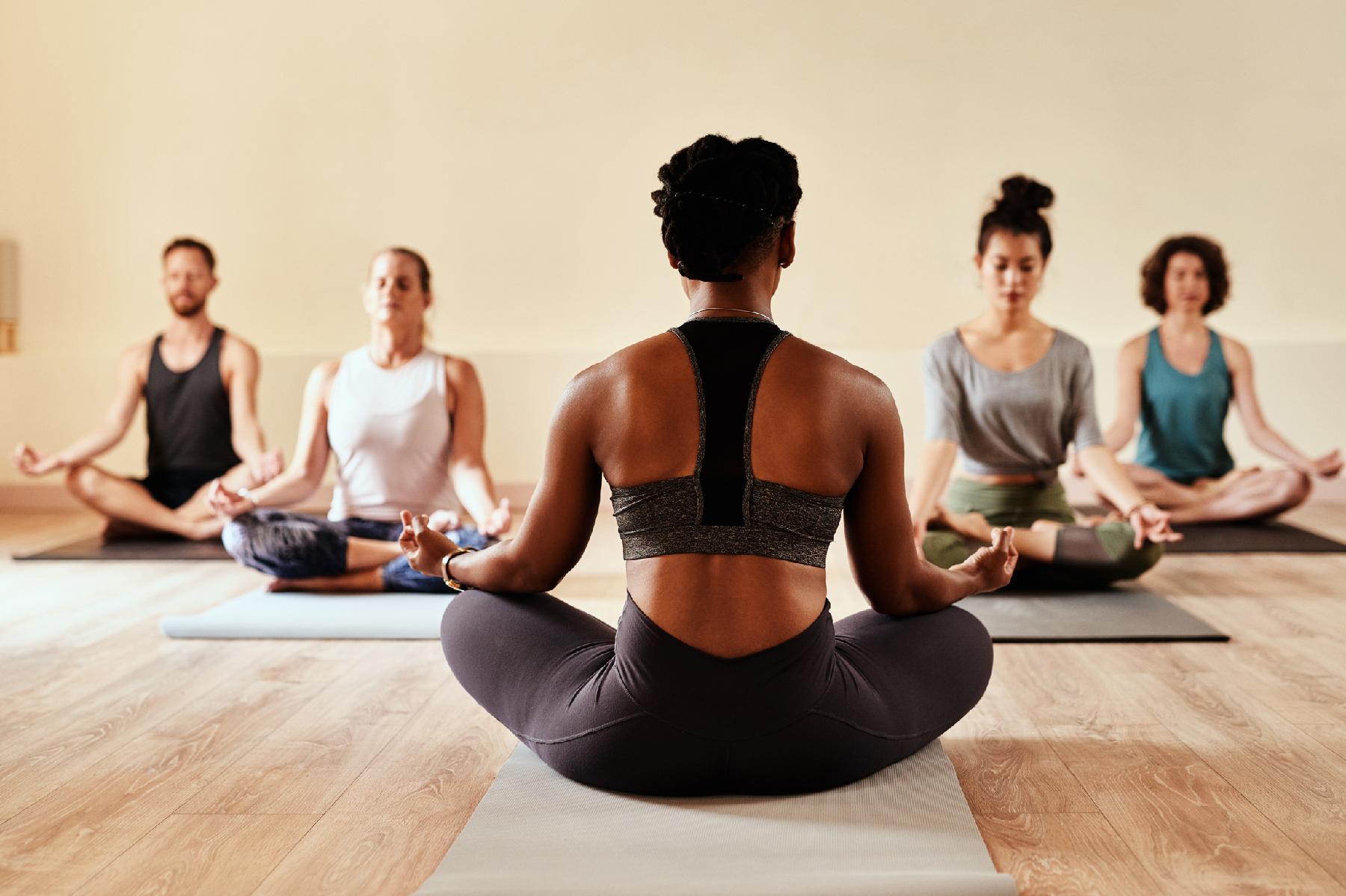
Everything from humming and chanting during yoga classes to singing can release endorphins
Everything from humming and chanting during yoga classes to singing can release endorphins / shutterstock / peopleimages
11. INTENTIONAL SPACES

The emergence of neuroaesthetics – the study of how aesthetic experiences affect the brain, physiology and behaviour – will have an impact on gym design, with spaces zoned for activity, or to support recovery.

Advances in non-invasive brain imaging, data science and AI have made it possible to observe how light, texture, colour, scale, rhythm and natural elements influence stress responses, cognition, emotional regulation and social connection.

Research shows that aesthetic experiences activate complex neurological and biological systems, often simultaneously. This means the design of a space can impact cortisol levels, a sense of belonging and recovery.

Biophilic design researcher, Bex Hamilton, believes many gyms and health clubs are unintentionally increasing stress rather than reducing it, saying: “We’ve designed gyms almost exclusively for stimulation – bright lighting, loud music, visual clutter, time pressure, mirrors everywhere. There’s nowhere for the nervous system to stand down. If members associate your environment with stress, even subconsciously, churn is inevitable.”

Biophilic principles, circadian lighting, acoustic dampening and natural materials are ways to help the nervous system to regulate and we predict more discussion around this going forward.

As gyms increasingly cross over with wellness, design is likely to become more nuanced. The Global Wellness Institute is already promoting this agenda having launched the Intentional Spaces Roadmap to scale evidence-based design for health, equity and wellbeing.
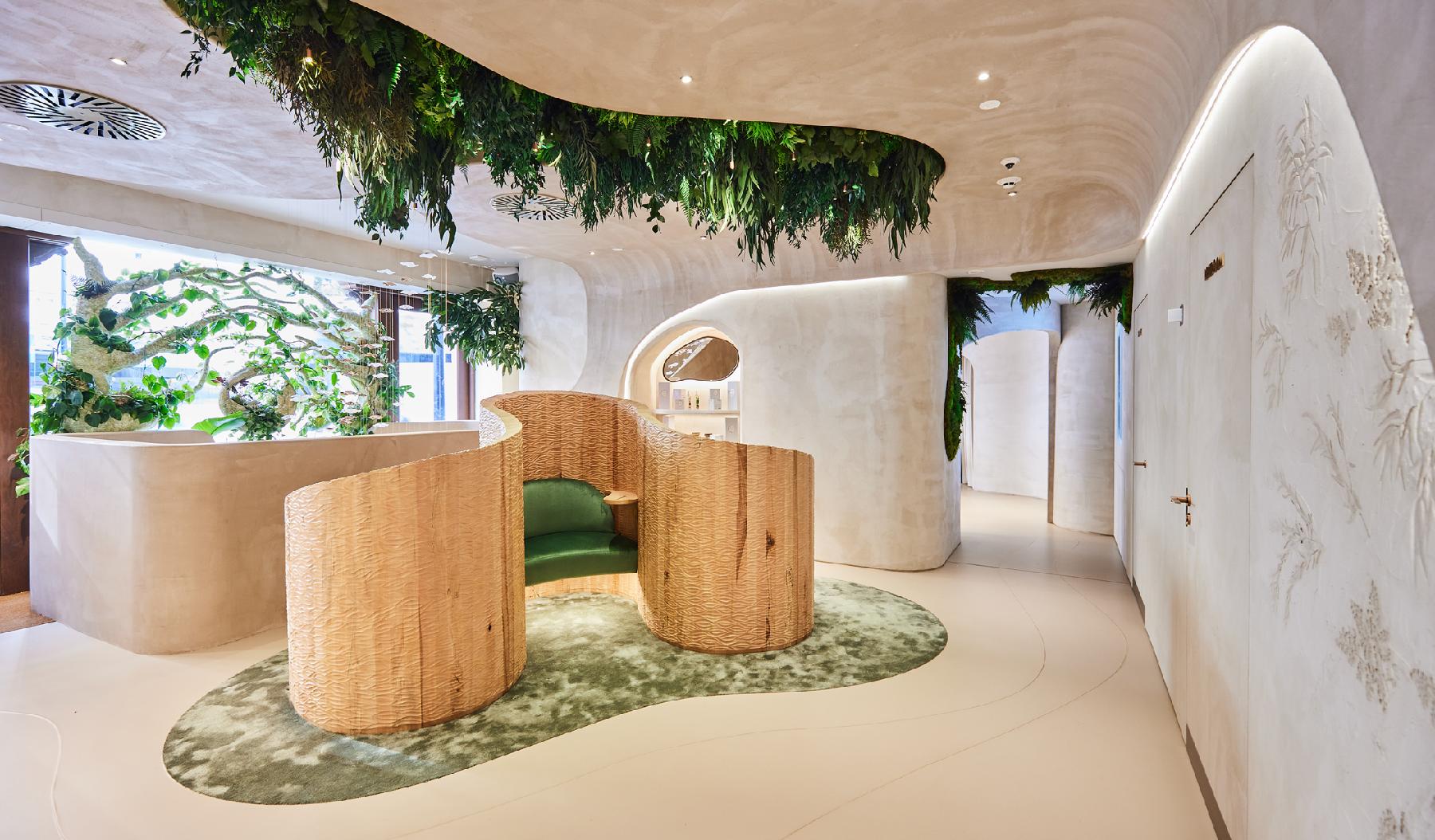
The HVN in West London, designed by Zynk
The HVN in West London, designed by Zynk / zynk
12. MEN’S MENTAL HEALTH

It’s no longer news that as many people are joining gyms for their mental health as their physical health, and it’s encouraging to see more operators quietly reaching out to support the mental health of men.

In 2023 there were 4,506 male suicides registered in England and Wales and suicide is the leading cause of death for men under 50 – the rates are highest among 50- to 54-year-olds.

This is an under-acknowledged critical health issue and gyms are an ideal place to support males of all ages by providing community, hope and a safe space to share.

Men often struggle to open up about how they’re feeling, even to those closest to them. A survey from craft beer company, Beavertown – which is campaigning on the issue – found that 90 per cent of men never talk about anything serious with their friends, and 67 per cent feel their mental health would benefit if they did.

Men’s groups are being established in a number of industry locations in the UK – Life Leisure has teamed up with suicide prevention charity, Andy’s Man Club to run a men’s group. Charitable trust, TMActive, has opened the Men’s Shed in East Peckham to tackle isolation and build community and Bristol skate park, Shredenhams runs Talk & Skate Sessions in collaboration with men’s mental health charity, Talk Club, inviting men to share how they’re feeling and skate it out.
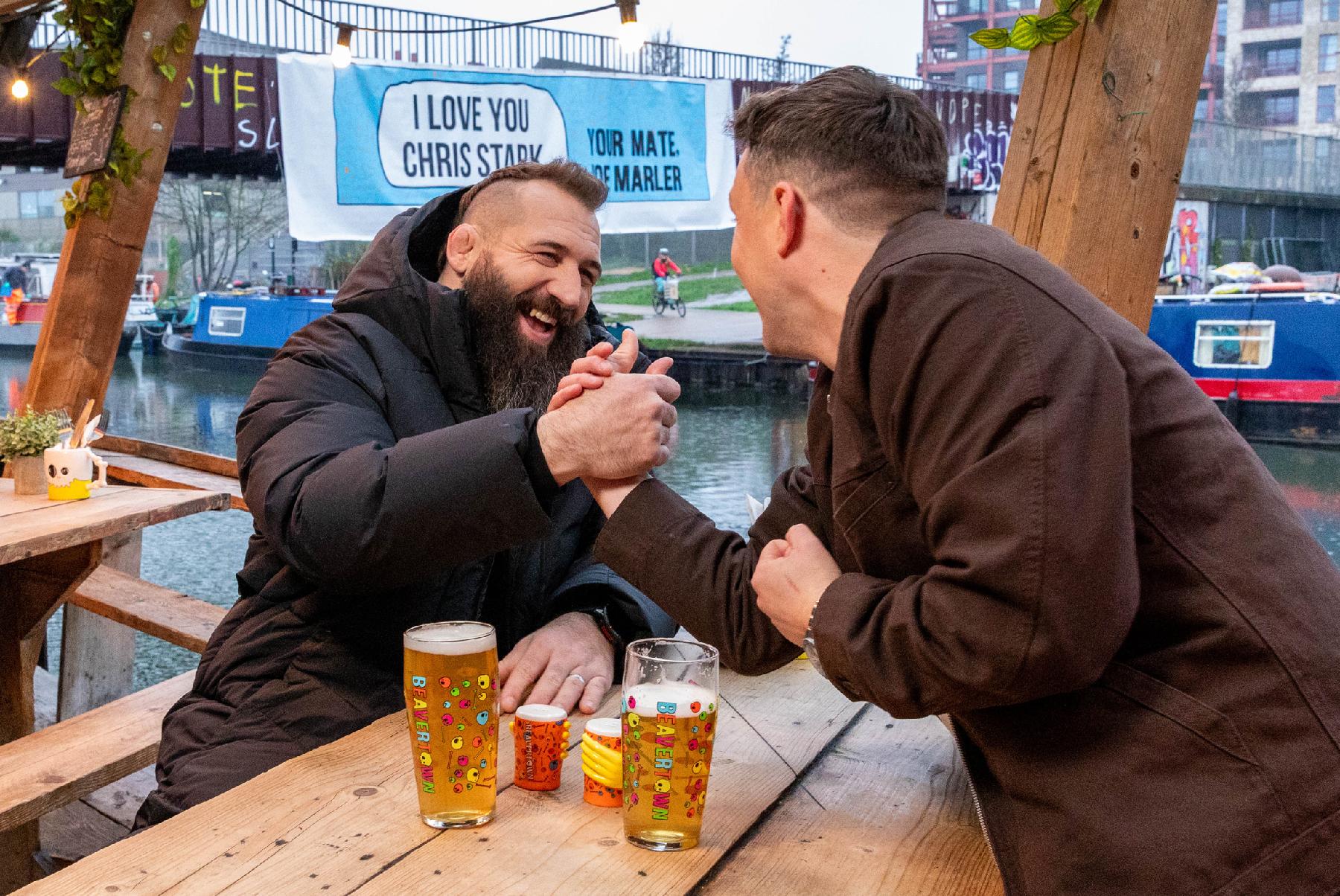
Joe Marler fronted Beavertown’s recent mental health campaign
Joe Marler fronted Beavertown’s recent mental health campaign / beavertown
13. THE CLEAN ADVANTAGE

Cleaning might not be the sexiest of subjects but it is one area of operations which cannot be skimped on because it is vital for customer experience and therefore frequency of visits, retention and word of mouth reputation.

According to The Voice of the UK Gym Customer report from Total Fitness and CIL, cleanliness is a core expectation for members, with 60 per cent of respondents rating it as very or extremely important, with perceptions closely linked to staff presence. Cleaning staff were voted the most important staff members, even above fitness instructors.

Third Space prioritises cleaning and it shows. CEO, Colin Waggett, says: “It comes up frequently in our Net Promoter Surveys, second only to classes and is overwhelmingly positive. On the annual deeper member survey, members are asked to give three words that Third Space means to them.  Clean has been the number one word every time.”

Third Space aims to be as clean at the end of a morning peak as at the start and the science behind this is significant in terms of club design, equipment and cleaning products. Cleaning rotas are also dovetailed with class timetables.

The housekeeping teams are employed and trained as customer service teams. They are highly valued by members and the rest of the team and are highly engaged, especially at the annual Third Space Housekeeping Games.
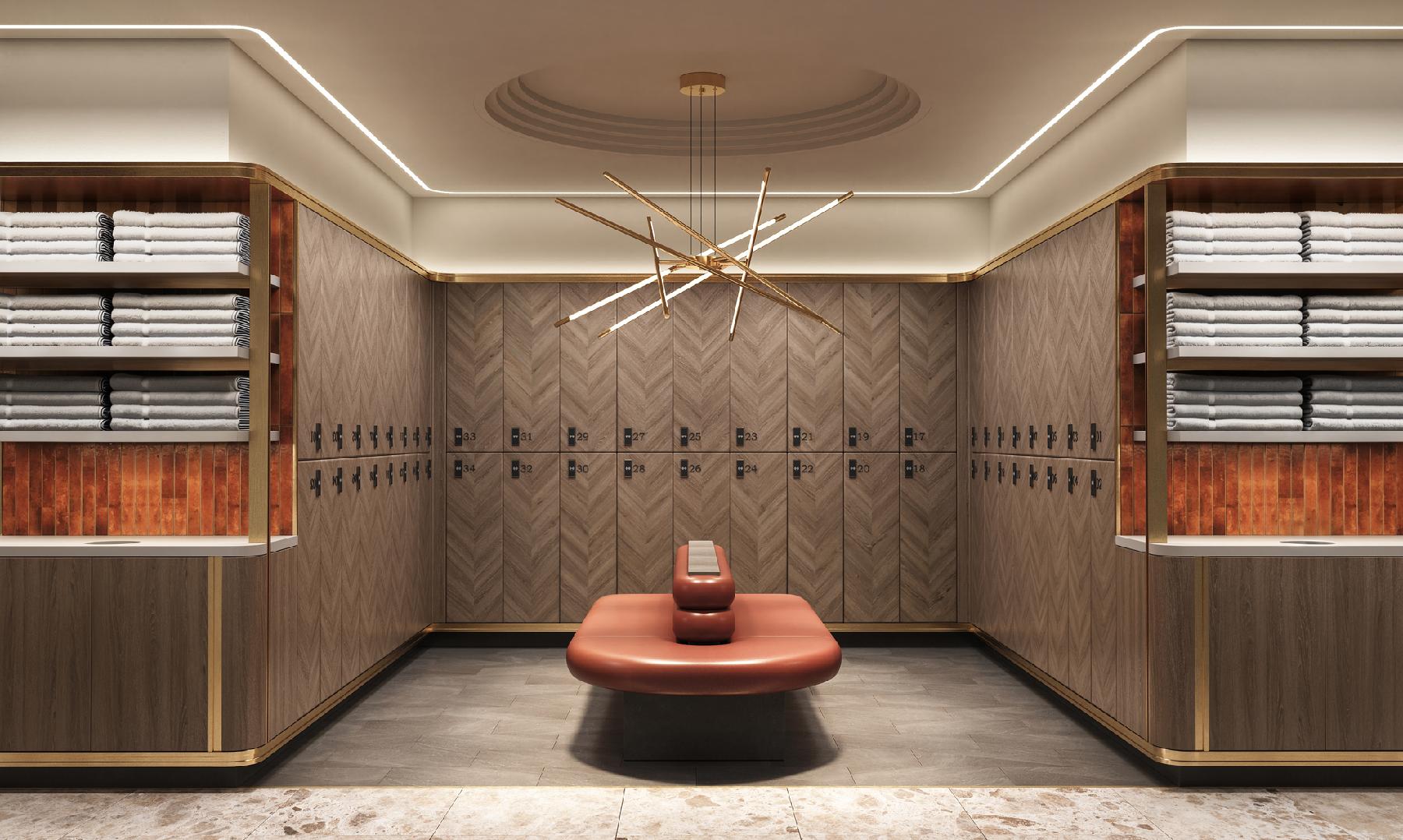
There’s a science behind Third Space’s cleaning programme
There’s a science behind Third Space’s cleaning programme / third space
14. DIGITAL DETOX

As health clubs increasingly position themselves as places for recovery, connection and wellbeing, the constant presence of smartphones is coming under scrutiny. People are looking to health clubs and gyms not only to improve their physical health, but also to make friends, support their mental wellbeing and escape the distractions of daily life.

However, phones can undermine those goals. Whether it’s scrolling social media, answering emails between sets or spending more time looking at a screen than training, excessive use can reduce focus, disrupt social interaction and alter the atmosphere on the gym floor.

Operators are beginning to take notice. Shaun Traynor, founder of Kip – a tap-on device that disables distracting apps while still allowing access to music, workout-relevant apps and calls – believes phone use is becoming a growing friction point for members and staff alike.

“Phones lead to machines being occupied by someone not training and the energy on the gym floor dropping,” he says. “Most gym-goers know their phone is a distraction, they just need a reason and opportunity to put it down.”

Fitness First UK is one of the first operators to embrace the concept, offering Kip across its estate.

HCM expects to see more operators encouraging intentional phone use and creating environments that support focus, presence and human connection. As digital distractions become more pervasive, the ability to offer members a place to be fully engaged will become increasingly valued.
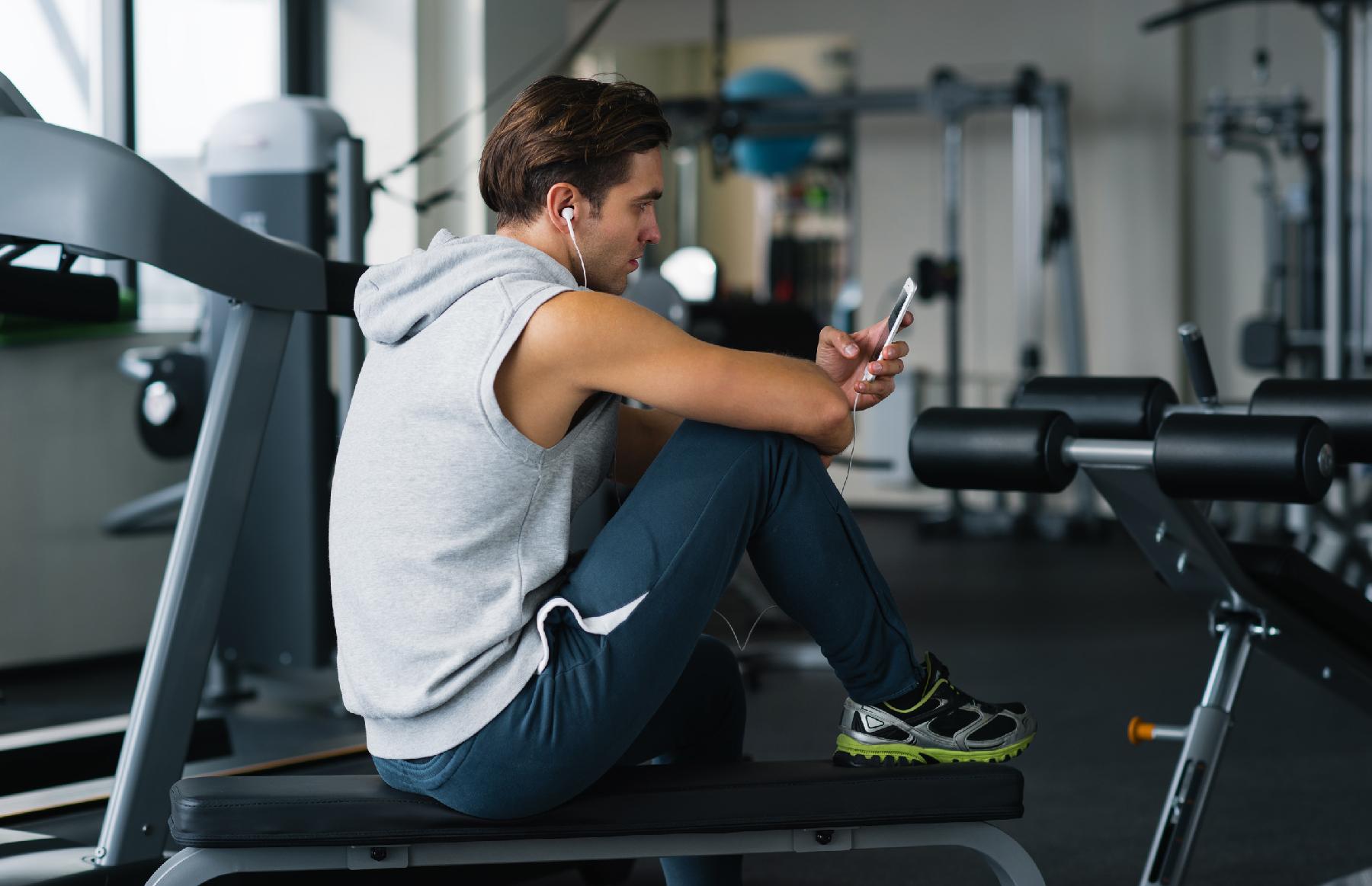
People scrolling at the gym ties up machines and makes the energy drop
People scrolling at the gym ties up machines and makes the energy drop / shutterstock / RomanSo
15. GONGMATIC

Health clubs are constantly looking for new ways to differentiate, but many wellness experiences are difficult to scale because they depend on highly trained practitioners. A new innovation called Gongmatic could change that.

Created by Grotta Sonora and developed by gong maker Madhava Carrara, sound alchemist Margherita Cioffi and art technologist Simon Morris, Gongmatic is an automated gong system that combines traditional gong therapy with modern technology.

First launched at Hagastrand, the Nordic wellness destination in Stockholm, it creates immersive sound experiences without requiring a specialist practitioner.

The timing is significant. As consumers become increasingly interested in nervous system regulation, recovery, mindfulness and sleep, operators are looking for experiences that complement exercise and broaden their wellness offering.

For health clubs, the appeal lies in both differentiation and operational simplicity. Automated sound therapy can be programmed throughout the day, creating a distinctive wellness experience that sits comfortably alongside recovery lounges, thermal facilities, breathwork sessions and meditation classes.

HCM expects technologies such as Gongmatic to open the door to a new category of automated wellness experiences. By making specialist therapies easier to deliver, they have the potential to help operators expand their offering, create new member experiences and strengthen their premium positioning.

Gongmatic has created an automated gong
Gongmatic has created an automated gong / Grotto Sonora
16. JOURNALLING

Writing down and working through stresses is proven to be an effective way of managing emotions and improving self-awareness, which is why we expect to see more operators following the example of Exos and Everyone Active, in offering journalling to members.

Research shows handwriting is linked with perceptual, motor and cognitive functions and stimulates areas of the brain that process memories and language, which could be significant in staving off dementia.

Tristan Rice, performance specialist at Exos uses journalling to help clients understand what is within their control: “You can’t control the questions asked in an interview, but you can rehearse how you talk through your experience. Writing it out by hand is even better, because it forces you to summarise your thoughts in a way that just thinking about them doesn’t. 

“Alternatively, you can use journalling to help make sense of an event, using prompts such as ‘what are the main points of what happened?’ ‘What role did I play?’ and ‘What are the key takeaways?’

“Doing this helps people to summarise and organise their memories of an experience, giving them permission to leave the past in the past and not ruminate on it needlessly. 

“Ultimately, journalling helps build the quality of awareness. This awareness of your experience and what you control gives you the tools to meet each moment collaboratively, ready to engage with presence and without judgement.”

Everyone Active is offering journalling
Everyone Active is offering journalling / shutterstock / cultura creative
17. NEXT LEVEL LEADERSHIP

As the industry continues to grow, diversify and bring in more varied demographics, the importance of developing the next wave of leaders is being acknowledged.

Many top global operators and suppliers are on board with EuropeActive’s Next Level Leaders programme which, in the words of Marcel Boot – EuropeActive president – aims to “not only read the future, but also to shape it”.

Operators, including SATS, Urban Gym Group, Jetts Fitness and The Gym Group are being intentional about creating an empowering company culture that encourages open communication and gives people the autonomy to do their jobs.

Total Fitness CEO, Sophie Lawler, is committed to giving her team the chance to shine. She says of her approach: “Initially I was appalled at the label ‘woman CEO’, but slowly I recognised it gave me permission to think deeply about how I could lead in a way of my own that felt more characterful and comfortable.

“I’m a social scientist in my head and a leader in my heart, so a blend of natural curiosity, a healthy level of insecurity, and a desire to light the way for others influences a culture that instinctively listens and thinks beyond what we think we know, and defrays recognition across the team.”

Wellness consultant, Mia Kyricos, advocates love as a powerful business strategy. “It delivers ROI in the most unexpected ways,” she says. “Managing strengths and accepting weaknesses achieves better goals. Given the pace of change and ambiguity in the marketplace, the one constant we have is our humanity.”

Kyricos says navigating challenges, change and even poor performance gets easier with open communication: “Asking people ‘What do you need to be successful?’, can unlock incredible insights between a manager and members of a team,” she says.
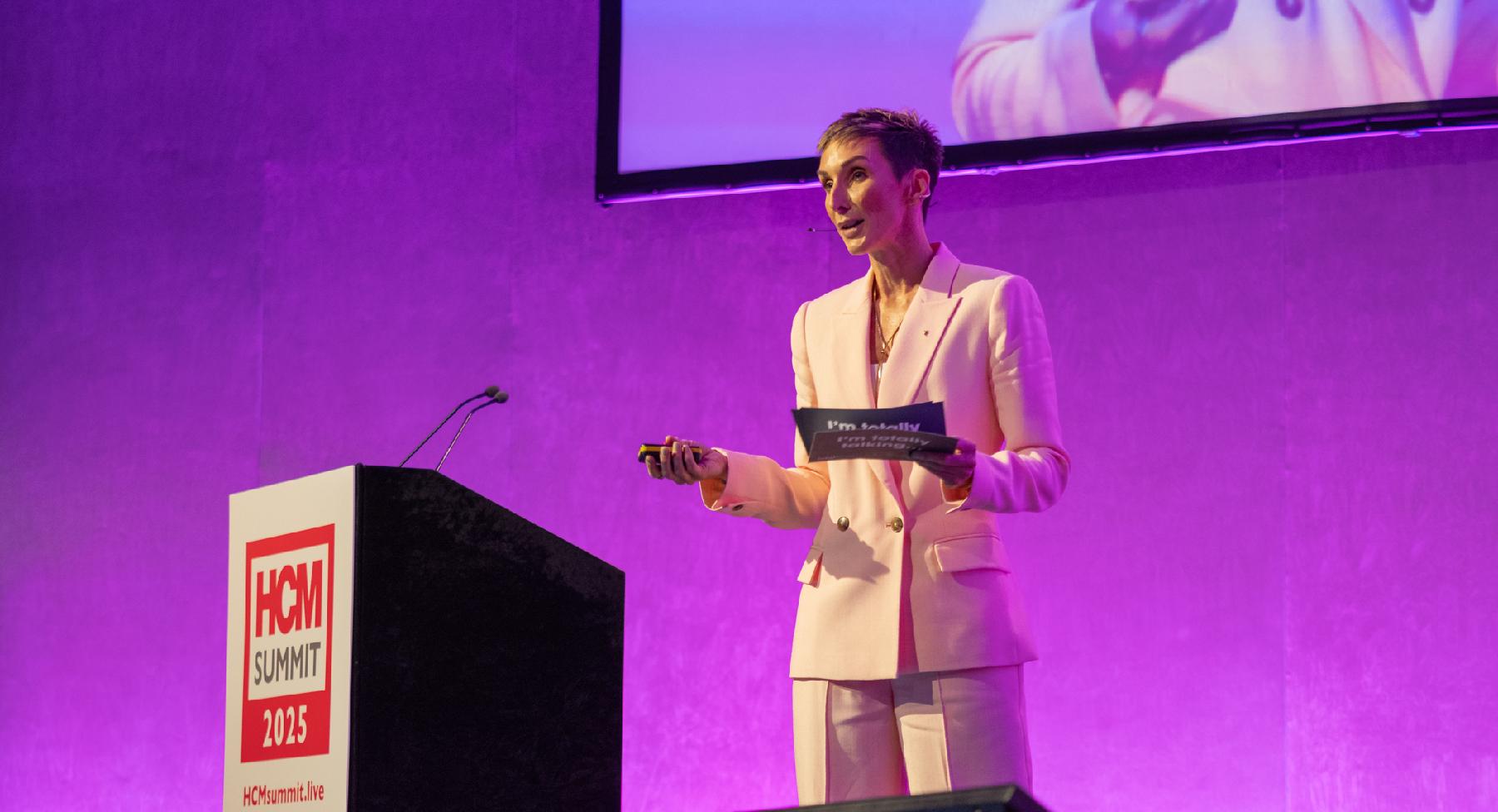
Sophie Lawler says curiosity shapes her leadership style
Sophie Lawler says curiosity shapes her leadership style / jack emmerson
18. SECOND SPACES

A 2025 MRP poll found almost half of young women feel lonely – not a demographic usually associated with isolation. At the same time, home working has reduced social interaction and many younger people are drinking less and socialising differently from previous generations.

As traditional places for meeting people decline, health clubs have an opportunity to fill the gap.

Traditionally, clubs at the premium end of the market have offered lounges, cafés and informal workspaces, enabling members to spend longer on-site. However, changing working patterns, rising levels of loneliness and the search for community are bringing similar concepts to the mid-market.

Places Leisure is watching the trend, having already noticed people attending a class, working for a few hours in the café and then taking a lunchtime swim. At its elevated sites, Everlast Gyms offers purpose-built laptop bars with charging points and comfortable seating.

“We frequently see members come to work out and then stay for a smoothie with their laptop,” says MD, Dan Summerson.

Independent club 3-1-5 offers workspaces and a breakfast bar. “Members who previously trained at peak times are now coming in earlier, training and returning to work, which eases pressure during busy periods,” says MD Deena Gillan.

HCM expects more clubs to evolve into destinations where people can work, socialise, exercise and belong. The result will be stronger communities, increased dwell time, additional secondary spend and deeper member loyalty.
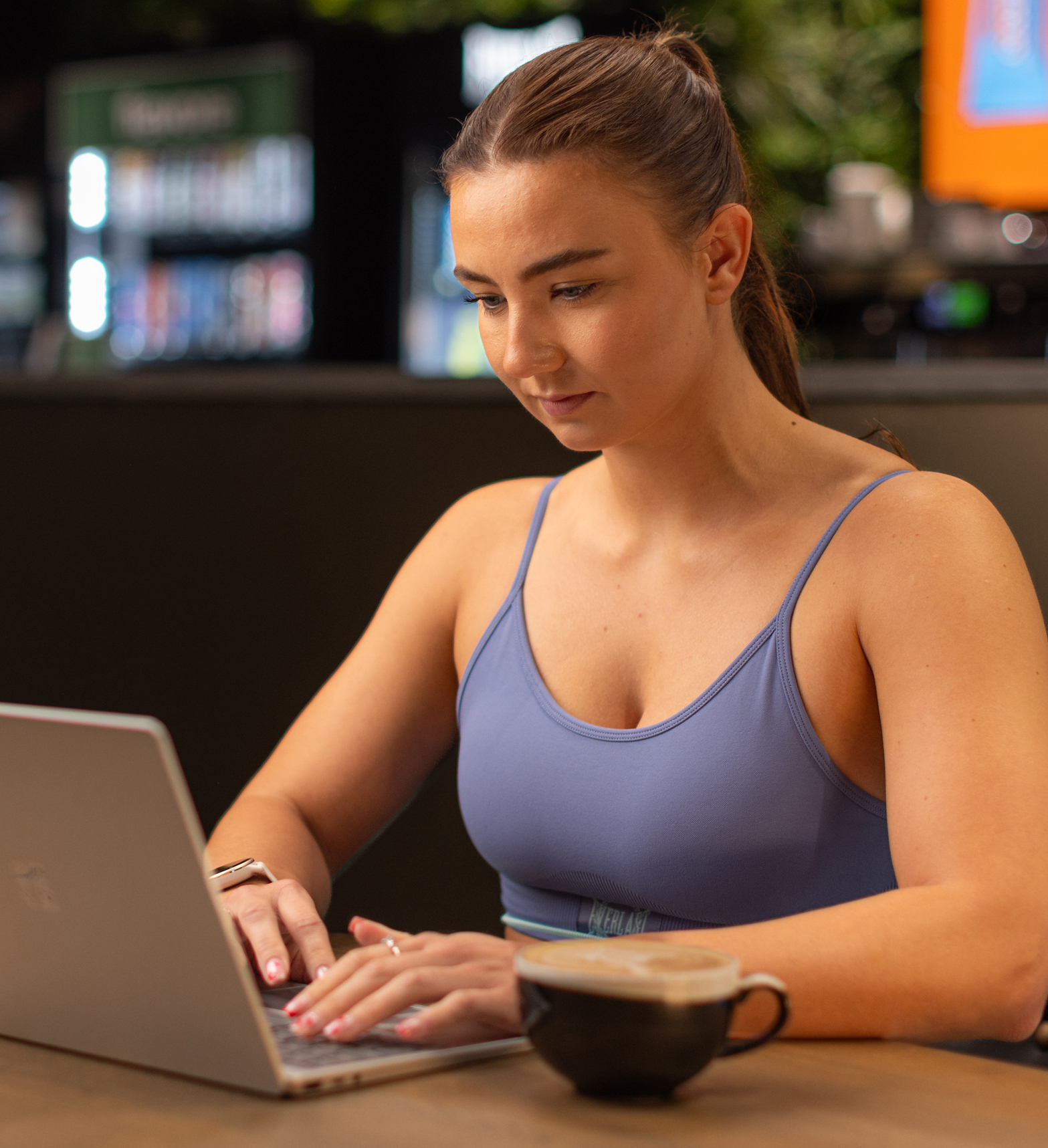
Everlast Gyms is building in spaces for members to work from the club
Everlast Gyms is building in spaces for members to work from the club / everlast gyms
19. GLUTE TRAINING

Glute zones are bubbling under as a trend and while aesthetics may drive interest among some consumers, the health benefits are significant. Weak glutes are associated with poor posture and can contribute to back, hip, knee and ankle problems by affecting the way the body moves and absorbs load.

For people with desk jobs, prolonged sitting can weaken the glute muscles, while for older adults, maintaining glute strength is important for mobility and balance.

As awareness grows of the role glutes play in movement, posture and joint health, glute training is moving from a niche pursuit to a mainstream fitness priority. The appeal is broad and glute zones are proving popular with men and women alike.

Fitness Worx Gyms began rolling out glute zones across its estate in partnership with Precor after a reconnaissance trip to the US. “Almost every gym we visited had a dedicated glute training area and what really stood out was how busy they all were – every machine was being used and trainers said the feedback had been huge,” says founder Jack Gibson.

“We’ve noticed the same since we started to roll them out and they’ve also had a strong impact from a recruitment point of view, helping us connect with a younger demographic.”

HCM expects suppliers to continue innovating with new glute-specific equipment, while operators invest in larger, more prominent glute zones and increasingly use them as a marketing and acquisition tool.
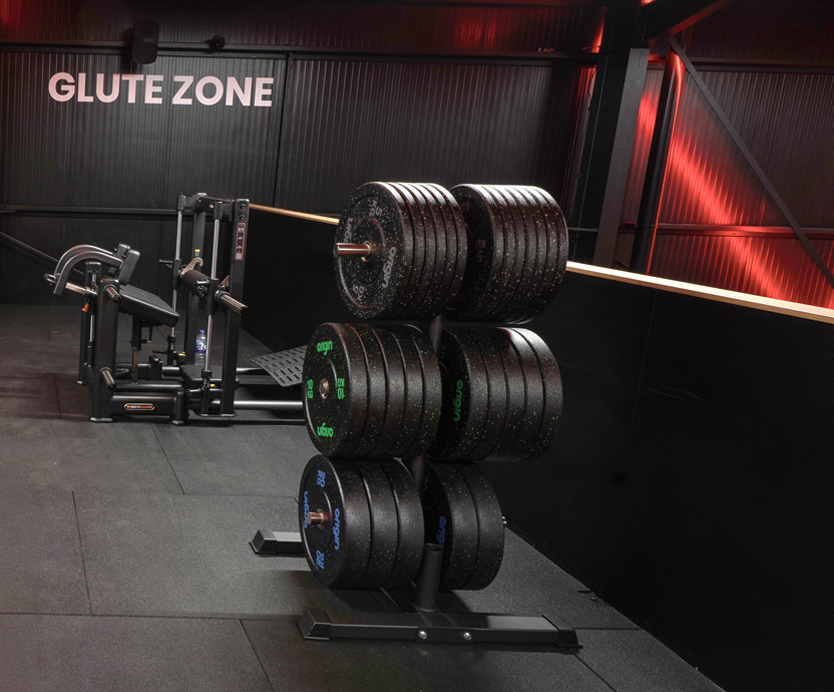
Fitness Worx Gyms is embracing the glute zone trend
Fitness Worx Gyms is embracing the glute zone trend / fitness worx gyms
20. AI FUTURES

Artificial intelligence is rapidly moving from novelty to necessity in the health and fitness sector, and while much of the attention has focused on AI-powered coaching and personalised workout programming, the biggest impact will be operational.

Health club owners are already using AI to streamline administration, automate customer service, optimise staffing, predict maintenance requirements and identify members at risk of cancelling.

As margins come under pressure, AI will offer opportunities to improve productivity and reduce costs.

The technology is also changing how consumers discover fitness services. Rather than searching for a gym by location alone, they’re increasingly using AI assistants to find solutions to specific health, fitness and wellbeing goals. This will require operators to develop stronger digital visibility and clearer positioning in order to remain discoverable.

HCM expects AI to become embedded across every aspect of the sector, with today’s fragmented software systems gradually evolving into integrated intelligence platforms covering all aspects of management and maintenance. However, as technology takes on more routine tasks, human qualities such as coaching, empathy, motivation and community-building will become ever more valuable.

The future of fitness will not be human versus AI – it will be human plus AI.
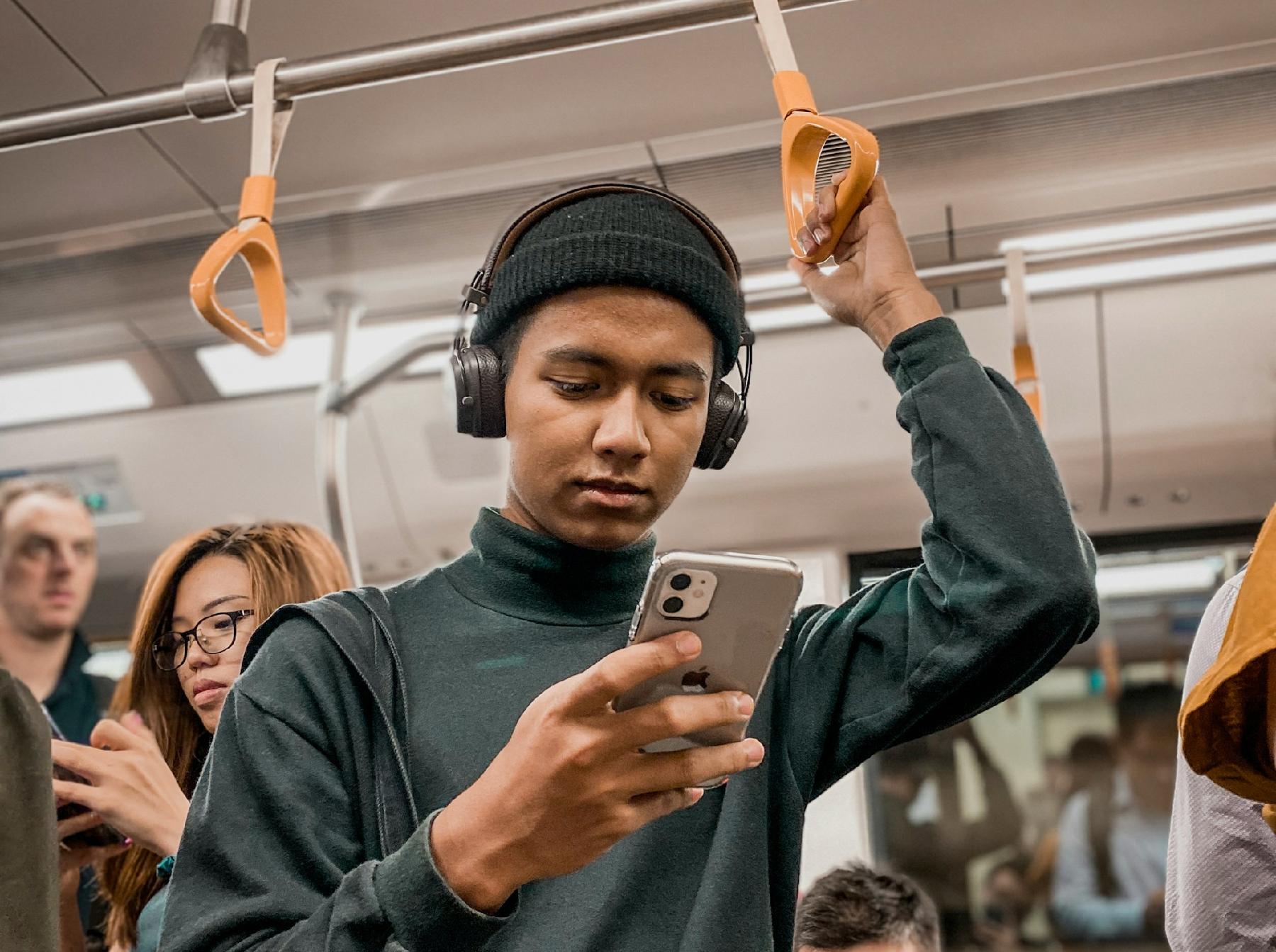
Man scrolling on phone
Consumers will increasingly use AI to find a gym that exactly suits their needs / rasheed kemy/unsplash
HCM Fitness Foresight: trends archive

See all the key fitness trends and predictions from each year since
2014 at 
www.fitnessforesight.com
HCM Handbook’s annual prediction of key trends, influences and opportunities coming down the tracks.
Latest News
Global group exercise specialist, Les Mills, is inviting operators to sign up to its Workout ...
Latest News
Global luxury hospitality brand, Six Senses, has partnered with longevity healthcare provider, HUM2N, to launch ...
Latest News
Premium London health club, KX Chelsea, is gearing up to unveil its most significant redevelopment ...
Latest News
Researchers in the US have identified an antibody which could greatly reduce the loss of ...
Latest News
Peloton has made the strategic acquisition of Pilates start-up, Skōp, to support the expansion of ...
Latest News
Crunch Fitness has announced the launch of Crunch Reform Pilates – its own reformer concept ...
Latest News
The 20th State of the Industry Report from LeisureDB has revealed a resilient, expanding and ...
Latest News
Purpose Brands has announced its entry into the Italian market, having sold the franchise rights ...
Latest News
Fitness First UK is integrating red light therapy into its yoga and Pilates classes through ...
Latest News
Nuffield Health has told HCM that it takes its responsibilities towards its colleagues seriously and ...
Latest News
Technogym has announced the launch of the Run X World Treadmill Championship, the first world ...
Opinion
promotion
Strength training has moved from the margins to the mainstream.
Opinion: Building smarter strength spaces for today’s operators
Featured supplier news
Featured supplier news: Elevate 2026 to mark 10-year anniversary with biggest ever waterfront drinks reception
Elevate is set to celebrate its 10th anniversary in style this June, with organisers confirming the event’s largest-ever drinks reception as registrations continue to run more than 10% ahead of last year.
Featured supplier news
Featured supplier news: CoverMe extends matching service to personal training, rewriting how members and personal trainers connect
CoverMe, the global leader in fitness workforce management, today launches CoverMe PT, an on-demand personal training platform that connects the right personal trainer to the right client in under 10 seconds.
Company profiles
Company profile: Swim England
Swim England was the only governing body of swimming in the world when it was ...
Company profiles
Company profile: Safe Space Lockers
We provide a full turn-key solution for clients from design and consultation, through to bespoke ...
Supplier Showcases
Supplier Showcase - Future-proofing
Catalogue Gallery
Click on a catalogue to view it online
Featured press releases
ukactive press release: UK Active launches next phase of Digital Futures to support digital maturity across the physical activity sector
UK Active has announced the next phase of its Digital Futures programme, supporting organisations across the physical activity sector to develop their digital capability.
Featured press releases
The Fitness Group press release: The Fitness Group partners with Serco Leisure to deliver education and career pathways across UK leisure facilities
The Fitness Group, the UK's leading fitness education training provider, has announced a strategic partnership with Serco Leisure, one of the UK's leading national operators of leisure centres, destination venues and elite sporting facilities.
Directory
Water experiences and hydrotherapy solutions
Aquaform s.r.l.: Water experiences and hydrotherapy solutions
Fitness tracking platform
SpiviTech: Fitness tracking platform
Spa and beauty equipment
Oakworks Inc: Spa and beauty equipment
Hot tubs
MSpa International Ltd: Hot tubs
Industrial washing machines
Miele Company Limited: Industrial washing machines
Lockers
Crown Sports Lockers: Lockers
Property & Tenders
Stratford, East London.
Lee Valley Regional Park Authority
Property & Tenders
Y Felinheli, LL56 4QN
Newmark
Property & Tenders
Diary dates
21-24 Sep 2026
The Langham Huntington Pasadena , Pasadena, United States
Diary dates
06-08 Oct 2026
Messe Stuttgart, Stuttgart, Germany
Diary dates
22-22 Oct 2026
QEII Conference Centre, London,
Diary dates
26-29 Oct 2027
Koelnmesse Exhibition Centre, Cologne, Germany
Diary dates
Search news, features & products:
Find a supplier:
Elevate Arena
Elevate Arena
Partner sites