Editor's letter


How did you originally get involved with F45?
I started a supplement company with Mark Wahlberg called Performance Inspired Nutrition. We’ve always been in tune with the sector because we sell to gyms.
I heard about F45 coming to the US and it piqued my interest – I thought we should sell them supplements or pursue a partnership. I’m big on partnerships.
I did due diligence and found I loved the concept. I described it as being similar to Disney, where people take photos in front of the sign – that's magic in a bottle and is hard to create. F45 had something special and I recognised that.
Through connections, Mark and I got a meeting in the back room of the Ellen DeGeneres show with the CFO of F45 and afterwards, Mark said, "We’ve got to make this happen. Let's figure out how to get involved".
We met with Adam Gilchrist and although there were other investment groups interested, they liked our ability to showcase Wahlberg and take them to the next level with our connections, so we raised US$110 million and won the investment.
Tell us about your relationship
In addition to Performance Inspired Nutrition, Mark and I are business partners in ventures from tequila to Wahlburgers restaurants. I was his CEO for everything outside TV and movies, so every pitch came to me.
The aim was not just to be passive investors; Mark likes to be involved and F45 fitted perfectly because he’s known for being in shape.
Frankly, however, he was too busy to be as valuable an asset as we’d hoped and so he stepped away as a shareholder about two years ago, as it just wasn’t working out.
What impact has it had to lose him?
I was surprised most people didn’t care. We hadn’t had franchisees flying in to sign up or people running into our studios as a result of his involvement.
Going forward, we need to focus on what truly resonates with the brand – such as the needs of our members – and not be star-struck and chasing people who don't move the needle.
Who’s replaced Mark Wahlberg and other celebrities in your marketing?
We're now focused on telling our members' stories. We find that’s more powerful.
We showcase those who are post-partum or have lost weight, for example. We're also focused on the mental health benefits of exercise – something I believe will separate us from the pack.
We want to move from being just a studio, to offering a full assortment of health, wellness, education, content and video.
It had been very frustrating to be on the sidelines as an investor, watching it all unravel and not being able to do anything about it
How did the pandemic impact the business?
Prior to 2020, we were riding a great wave of positivity and awareness and were celebrated by the members, the franchisees and the media. We could almost do no wrong.
The decision to go public in July 2021 was made because as lockdown eased, studios were ramping up faster than expected and we knew we had such a strong community we’d rebound faster than most.
How did you end up as CEO?
As you know, bad management created some issues – a lack of guardrails around spending and a lack of sophistication in managing the business as a public company. That led to temporary CEOs stepping in.
As an investor, I worked with the Kennedy Lewis Group – who had also put money in – to find a CEO.
Frankly, I didn't want to do the job, but when we couldn't find anyone, I was convinced – to my delight now – to take over.
By that stage I was very close to the business and becoming CEO fitted with my background.
I was really surprised at the lack of respect there had been for capital structures
Tell us more about that background
Being in private equity and venture capital for 13 years, I was involved in buying brands, fixing them and selling them, so taking on F45 was a challenge I was used to.
It's a little different from consumer goods, but still the same playbook: make sure you have the right people, the right strategy and the right culture and then focus on continued strategic, but sound, growth.
When you walked in and F45 was falling apart, how much runway did you have?
That's a great question, because I didn’t have any runway at all.
We had strong financial backers in Kennedy Lewis. But they were at a critical stage where they were very concerned about their investment and about things continuing to get worse.
We’d always had a great product and there were some franchisees doing well who didn't care what was going on in the stock market, but we were losing money and the management team was getting distracted and downtrodden.
We had no real focus and there was instability and that's never good.
To their credit, Kennedy Lewis recognised the cracks were showing and it was time to move fast, because the bleeding had to stop. Everybody needed to get back on track.
What solution was chosen?
In my first speech, I said to the team, we have a great product and a great brand, so we just need to fix the business stuff.
I knew I could fix it because I've been making money fixing things for a long time now.
For some of the team that hadn’t been through this kind of challenge, it was more difficult, but I instilled confidence in them by telling them, ‘I'm not an interim. We're going to work hard. I'm going to be right there with you, shoulder to shoulder and we're going to do whatever it takes to fix it, because it's fixable’.
We’re pressure-testing every concept we roll out and challenging every pound and dollar we spend
What did you see as CEO that you hadn't as an investor?
It had been very frustrating to be on the sidelines as an investor, watching it all happen and not being able to do anything about it, including the de-listing.
I was really surprised at the lack of respect there had been for capital structure and also frustrated, because I'm an operator and a marketer and I saw a lot of opportunities not being responded to that we’d originally wanted to pursue when we invested.
What were the initial challenges?
I kept hitting a brick wall with some of the ideas we wanted to pursue.
For example, I was advised not to focus on Pilates by a multitude of people, because F45 was bread and butter and everybody was nervous I'd be distracted or that I couldn't pull it off.
But I knew I could and quite frankly, I knew we needed to have more levers to pull for the franchisees and for growth and we needed a better story, so we launched FS8 and Vaura, which are both Pilates brands.
I believe in fate, and timing is everything. We’d been ignoring trends such as Pilates at the time I took over and the people who were telling me not to do it, didn't understand the potential and the demand, or the trends and how trends build.
With my background in supplements, I'm used to seeing trends and chasing them and being prepared for them, so I've been trained in this for a long time.
What immediate changes did you make?
I got into the weeds very fast. I signed up as a customer. Signed up as a potential franchisee. Went through the website, page by page. Went to all of our social media feeds page by page and wasn't bashful about tweaking literally everything and demanding that everybody in the senior team did the same.
It moved us down the road pretty fast.
We weren’t communicating with our members or taking an authoritative position with them and trying to create more engagement, so we fixed our app, we fixed the website. We started doing newsletters and emailing our members, we did polls – we pushed ourselves into their lives by giving information, asking for their opinions.
Then we evaluated the team to understand who was in the right position and who wasn’t.
How did the team review pan out?
The really big surprise was that we had a lot of really talented, dedicated people already in the business and that illustrated that they hadn’t had the strong leadership and support in the vision to take the company or their careers to the next level.
So we focused on introducing more creative thought processes throughout the organisation and empowering everybody to be a part of the growth and success.
People were very responsive, almost straight out of the gate, which was great. They saw I was there to help fix everything.
To their credit, a lot of them hung on in there. It was a rough period. Now we have people in the right positions and they’re extremely enthusiastic.
What was the impact?
Our results speak for themselves. We had the best average unit of volume in the history of the company last year and we’re growing month-on-month.
We continue to add Pilates businesses to help franchisees who are keen to expand, but don't want to have to drive three hours down the road to open another F45.
We've given them another great solution with FS8 and now they can have these two modalities side by side, which amplify each other and are on-trend.
Where are you now on the journey?
We have the first floor built. Now we're in what I call the ‘go! go! years’.
This industry is thriving, but we have to manage growth much better than we did before.
Part of F45's past problem was rapid expansion, which led to over-saturation.
Our hardest job now is making sure we can get the right people to support the system, because we've moved away from “sell, sell, sell” to “support, support, support”.
We're putting Standard Operation Procedures in place, modernising the management team and ensuring everything we do has an ROI tied to it.
We’re giving our members the opportunity to buy GLP-1s from us through our deal with an outside vendor called Dr B’s
You’ve rebranded the parent company…
We renamed our parent group, Fit House of Brands, so all modalities – F45, FS8 and Vaura and our recovery concept – sit underneath that brand.
There’ll be more concepts launching, so we needed a parent group name that covers everything.
What trends do you see?
Other parts of our portfolio are in the booze business and we see that declining. Dry January had the largest participation ever in the US last year and everybody says it's because of health and wellness, which is great for our brands.
People are turning towards our markets like never before. Some are thinking about taking GLP-1s, which cause muscle mass loss and want to offset that, while others just understand the importance of building muscle and flexibility and focusing on their health.
We’re positioning to be the go-to solution when they think about making that step to start working out.
How are trends guiding the development of your portfolio?
When you sit Pilates with the high-intensity F45 workouts, the combination strengthens franchise economics. We’re also adding in recovery, with infrared sauna, breathwork and stretching, to create a whole ecosystem.
We’re making a push into nutrition and retail so franchisees can enable members to find products that support their lifestyle while also enjoying more revenue streams.
Whatever stage in the journey people are at, we want to have a solution.
Will you create new brands for these elements?
Not necessarily – a lot of the new initiatives will permeate through the brands we have.
We may take F45 – because it's such a versatile brand – and add in a stretch class three times a week or invite members to come in and do breathwork, but everything's going to be focused on quality of life improvement, education and utilising our network of studios to add value for members.
We're not going to start chasing every shiny object. We know when things are meaningful.
We’re pressure-testing every concept we roll out and challenging every pound and dollar we spend.
Will members pay more for these extras?
No, the plan is to add value. That’s going to be a big win because the more touchpoints we have with members, the more valuable we are to them.
We want them to see the value of becoming a part of our universe, because we’re giving them more than they expected. We’re a premium business, we owe it to ourselves and to them to push ourselves to provide more.
How does this approach fit with the bigger picture?
The goal is for studios to move from a smaller to a larger footprint with the addition of new modalities.
We love the combination of F45 and FS8 sitting together, because there can be cross-pollination of membership. It also gives us more operational horsepower, with lower cost per square foot, better efficiencies for marketing and staffing.
Landlords like a bigger story, because franchisees are eating up more real estate, so we're more important.
What's the sweet spot in terms of size?
If we can get 5,000sq ft within a location, with the two main modalities combined with the recovery, nutrition and retail, that gives better value – say, 2,000sq ft per main modality, with 1,000sq ft for ancillary services.
What else will you add to the mix?
We've announced a multi-year partnership with Reebok, which has become the official supplier of performance footwear, apparel and wearables.
The collaboration includes access for members to the Reebok Smart Ring (www.reeboksmartring.com), which tracks training, recovery and lifestyle metrics and works in addition to F45's existing LionHeart system (www.f45training.com/f45-lionheart).
There are also custom F45 uniforms for staff and a co-branded apparel and footwear line for members, with more launching this year.
We’ll also collaborate with Reebok on co-branded workouts and events as part of the partnership.
We're going to have drop-ins of the type of apparel our members like to wear and we’ll stay in stock this time, unlike our previous retailing forays.
There’s a great commitment to apparel within F45, because it's one of the things we've missed.
When you respond to what people want and deliver a good product, it’s easier than creating a story from scratch
What else are you planning?
By the middle of 2026 we’ll be launching another modality in the hot training market, which we think will be a good complement to the rest of the portfolio.
The concept will be tied to our recovery story and will be more of a community or third space.
We also think sauna has potential – I'm a little uncertain about the cold plunge business and don't know how sustainable that will be. Saunas feel good to go into, but it's tough to get into a cold plunge, although it's a good story for us when it comes to the science of recovery, so we will continue to offer it.
We’ll also be dropping in different elements that make sense – sleep interventions, for example – and we’ll have a space for a ‘vendor of the month’.
We want to tie members’ in-studio experience back to their at-home experience. So, between our new app and website, we’re looking at how we encourage them, give discounts and offer at-home products. That’s going to be a part of our push going forward – engaging with them outside the studios.How is growth going across the globe?
Europe is a little bit slower than the US, which is ramping up faster than anywhere else.
This applies to all parts of the business – even the supplements. Creatine is crazy popular right now in the US, for example, while in the UK and Europe, sales are just starting to pick up.
Europeans aren’t so medicated...
It’s true – GLP-1s are a good example. Around 12 per cent of the US population is on them and that's predicted to go to 15 per cent in the next year, while in Europe enthusiasm has been more muted.
If Europe follows suit – as it does with most things – it will be big here too at some point and we want them to come to us, which is why we’re giving our members the opportunity to buy GLP-1s through our deal with an outside vendor called Dr B's (www.hcmmag.com/DrBs).
Our view is that if they’re interested in going on a journey with GLP-1s, why not hand this to our franchisees as a revenue stream? It's the same drug wherever they source it and we can support their journey with exercise interventions.
What proportion of your turnover is retail?
I think we can get 10 per cent of our revenue from retail. That would be an easy three-year target.
We also plan to create a multi-level marketing programme for trainers to make money when they sell product. We know almost 75 per cent of our members are taking supplements, for example.
We don't have that much space for retail, so we’ll find ways to navigate that, such as having samples of sportswear in-club and then box-shipping orders to members at home. We could also have a set-up with a QR code to buy in-club – shoes would be a great example
I grew up in an industry where I learned pretty fast that when you respond to what people want, have it in stock and deliver a good product, it's much easier than trying to create a story from scratch.
What are your growth goals?
We’ve currently got 1,500 locations in around 55 countries. In terms of growth, we're not a public company any more, so we don't have to report numbers. But I can share that we're aiming for close to 200 new studios a year globally. That's robust growth and we're just getting started.
You're going to see half the studios in the US and the rest split globally – growth areas will be Canada, New Zealand and Australia. Europe's going to be a harder nut to crack without having master franchises.
Tell us about your master franchises
Post-lockdown we realised we couldn't be everything to all our partners around the world. There was too much going on and we withdrew from some markets.
Now we're being more particular about who we bring into the system and when we go into a country, we have to make sure we can support our teams.
If we commit to do something, we're going to do it right. We’re putting a lot of structure around those we bring in and we’ve also got people on the ground to go in and support master franchisees.
How are you building the network?
Just because someone has run a successful group of studios, that doesn't necessarily mean they’ve got the capability to be a master franchisor. So it's a search process that can take time.
There are some important markets, such as China, where we haven't found that partner, so we’re on the hunt for capable master franchisees.
In the UK, we made the decision to bring in partners who were already proven, to basically be a de facto head office – so a master franchise.
We wouldn't appoint just anybody. We need to be sure they really understand the business and also have the franchising know-how.
How about the franchisees?
We’re very structured and focused on finding the people who have the skills and capital to grow with us.
We're also working to reduce the time from opening to franchisees getting a return.
We’ll continue to push that timeline down because the more profitable franchisees are, the more they'll want to come back for future sales.
What's your number one aim?
To be the most profitable studio business in the world by EBITDA. We’re working very hard at this and will be reporting results this year.
We’re one of the fastest growing franchise operations in the world from a unit perspective and when you look at our network metrics, they’re off the charts. We're very focused. l
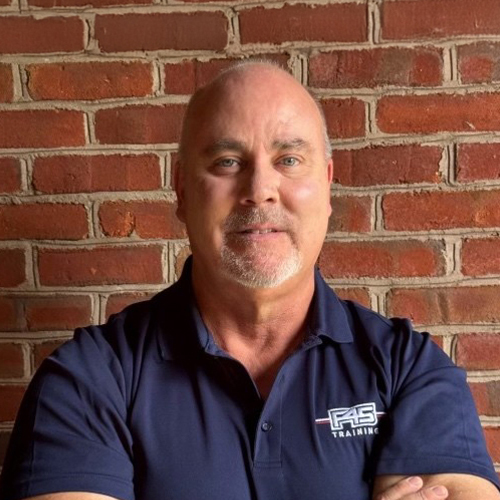
Mark Wahlberg and I got a meeting with F45 in the back room of the Ellen DeGeneres show and afterwards, Mark said, “We’ve got to make this happen” – Tom Dowd, CEO of F45
Average customer spend
• US$170/month
Member lifetime value
• 14 - 16 months
Franchise cost*
• From circa US$350,000
Sample of franchise cost breakdown*
• Circa US$150,000 cash
• Circa US$200k financed
Franchise fees
• 9%, made up of
• 7% royalty, plus
• 2% brand fund
* F45 franchises are typically funded through a mix of owner equity and third-party financing
Editor's letter

Feedback
HCM People
HCM People
Interview
Inclusion

DMCC

Insight

Talking point

Insight
Tech

Research













Total Fitness has released new research revealing how the expectations and motivations of ...

















How did you originally get involved with F45?
I started a supplement company with Mark Wahlberg called Performance Inspired Nutrition. We’ve always been in tune with the sector because we sell to gyms.
I heard about F45 coming to the US and it piqued my interest – I thought we should sell them supplements or pursue a partnership. I’m big on partnerships.
I did due diligence and found I loved the concept. I described it as being similar to Disney, where people take photos in front of the sign – that's magic in a bottle and is hard to create. F45 had something special and I recognised that.
Through connections, Mark and I got a meeting in the back room of the Ellen DeGeneres show with the CFO of F45 and afterwards, Mark said, "We’ve got to make this happen. Let's figure out how to get involved".
We met with Adam Gilchrist and although there were other investment groups interested, they liked our ability to showcase Wahlberg and take them to the next level with our connections, so we raised US$110 million and won the investment.
Tell us about your relationship
In addition to Performance Inspired Nutrition, Mark and I are business partners in ventures from tequila to Wahlburgers restaurants. I was his CEO for everything outside TV and movies, so every pitch came to me.
The aim was not just to be passive investors; Mark likes to be involved and F45 fitted perfectly because he’s known for being in shape.
Frankly, however, he was too busy to be as valuable an asset as we’d hoped and so he stepped away as a shareholder about two years ago, as it just wasn’t working out.
What impact has it had to lose him?
I was surprised most people didn’t care. We hadn’t had franchisees flying in to sign up or people running into our studios as a result of his involvement.
Going forward, we need to focus on what truly resonates with the brand – such as the needs of our members – and not be star-struck and chasing people who don't move the needle.
Who’s replaced Mark Wahlberg and other celebrities in your marketing?
We're now focused on telling our members' stories. We find that’s more powerful.
We showcase those who are post-partum or have lost weight, for example. We're also focused on the mental health benefits of exercise – something I believe will separate us from the pack.
We want to move from being just a studio, to offering a full assortment of health, wellness, education, content and video.
It had been very frustrating to be on the sidelines as an investor, watching it all unravel and not being able to do anything about it
How did the pandemic impact the business?
Prior to 2020, we were riding a great wave of positivity and awareness and were celebrated by the members, the franchisees and the media. We could almost do no wrong.
The decision to go public in July 2021 was made because as lockdown eased, studios were ramping up faster than expected and we knew we had such a strong community we’d rebound faster than most.
How did you end up as CEO?
As you know, bad management created some issues – a lack of guardrails around spending and a lack of sophistication in managing the business as a public company. That led to temporary CEOs stepping in.
As an investor, I worked with the Kennedy Lewis Group – who had also put money in – to find a CEO.
Frankly, I didn't want to do the job, but when we couldn't find anyone, I was convinced – to my delight now – to take over.
By that stage I was very close to the business and becoming CEO fitted with my background.
I was really surprised at the lack of respect there had been for capital structures
Tell us more about that background
Being in private equity and venture capital for 13 years, I was involved in buying brands, fixing them and selling them, so taking on F45 was a challenge I was used to.
It's a little different from consumer goods, but still the same playbook: make sure you have the right people, the right strategy and the right culture and then focus on continued strategic, but sound, growth.
When you walked in and F45 was falling apart, how much runway did you have?
That's a great question, because I didn’t have any runway at all.
We had strong financial backers in Kennedy Lewis. But they were at a critical stage where they were very concerned about their investment and about things continuing to get worse.
We’d always had a great product and there were some franchisees doing well who didn't care what was going on in the stock market, but we were losing money and the management team was getting distracted and downtrodden.
We had no real focus and there was instability and that's never good.
To their credit, Kennedy Lewis recognised the cracks were showing and it was time to move fast, because the bleeding had to stop. Everybody needed to get back on track.
What solution was chosen?
In my first speech, I said to the team, we have a great product and a great brand, so we just need to fix the business stuff.
I knew I could fix it because I've been making money fixing things for a long time now.
For some of the team that hadn’t been through this kind of challenge, it was more difficult, but I instilled confidence in them by telling them, ‘I'm not an interim. We're going to work hard. I'm going to be right there with you, shoulder to shoulder and we're going to do whatever it takes to fix it, because it's fixable’.
We’re pressure-testing every concept we roll out and challenging every pound and dollar we spend
What did you see as CEO that you hadn't as an investor?
It had been very frustrating to be on the sidelines as an investor, watching it all happen and not being able to do anything about it, including the de-listing.
I was really surprised at the lack of respect there had been for capital structure and also frustrated, because I'm an operator and a marketer and I saw a lot of opportunities not being responded to that we’d originally wanted to pursue when we invested.
What were the initial challenges?
I kept hitting a brick wall with some of the ideas we wanted to pursue.
For example, I was advised not to focus on Pilates by a multitude of people, because F45 was bread and butter and everybody was nervous I'd be distracted or that I couldn't pull it off.
But I knew I could and quite frankly, I knew we needed to have more levers to pull for the franchisees and for growth and we needed a better story, so we launched FS8 and Vaura, which are both Pilates brands.
I believe in fate, and timing is everything. We’d been ignoring trends such as Pilates at the time I took over and the people who were telling me not to do it, didn't understand the potential and the demand, or the trends and how trends build.
With my background in supplements, I'm used to seeing trends and chasing them and being prepared for them, so I've been trained in this for a long time.
What immediate changes did you make?
I got into the weeds very fast. I signed up as a customer. Signed up as a potential franchisee. Went through the website, page by page. Went to all of our social media feeds page by page and wasn't bashful about tweaking literally everything and demanding that everybody in the senior team did the same.
It moved us down the road pretty fast.
We weren’t communicating with our members or taking an authoritative position with them and trying to create more engagement, so we fixed our app, we fixed the website. We started doing newsletters and emailing our members, we did polls – we pushed ourselves into their lives by giving information, asking for their opinions.
Then we evaluated the team to understand who was in the right position and who wasn’t.
How did the team review pan out?
The really big surprise was that we had a lot of really talented, dedicated people already in the business and that illustrated that they hadn’t had the strong leadership and support in the vision to take the company or their careers to the next level.
So we focused on introducing more creative thought processes throughout the organisation and empowering everybody to be a part of the growth and success.
People were very responsive, almost straight out of the gate, which was great. They saw I was there to help fix everything.
To their credit, a lot of them hung on in there. It was a rough period. Now we have people in the right positions and they’re extremely enthusiastic.
What was the impact?
Our results speak for themselves. We had the best average unit of volume in the history of the company last year and we’re growing month-on-month.
We continue to add Pilates businesses to help franchisees who are keen to expand, but don't want to have to drive three hours down the road to open another F45.
We've given them another great solution with FS8 and now they can have these two modalities side by side, which amplify each other and are on-trend.
Where are you now on the journey?
We have the first floor built. Now we're in what I call the ‘go! go! years’.
This industry is thriving, but we have to manage growth much better than we did before.
Part of F45's past problem was rapid expansion, which led to over-saturation.
Our hardest job now is making sure we can get the right people to support the system, because we've moved away from “sell, sell, sell” to “support, support, support”.
We're putting Standard Operation Procedures in place, modernising the management team and ensuring everything we do has an ROI tied to it.
We’re giving our members the opportunity to buy GLP-1s from us through our deal with an outside vendor called Dr B’s
You’ve rebranded the parent company…
We renamed our parent group, Fit House of Brands, so all modalities – F45, FS8 and Vaura and our recovery concept – sit underneath that brand.
There’ll be more concepts launching, so we needed a parent group name that covers everything.
What trends do you see?
Other parts of our portfolio are in the booze business and we see that declining. Dry January had the largest participation ever in the US last year and everybody says it's because of health and wellness, which is great for our brands.
People are turning towards our markets like never before. Some are thinking about taking GLP-1s, which cause muscle mass loss and want to offset that, while others just understand the importance of building muscle and flexibility and focusing on their health.
We’re positioning to be the go-to solution when they think about making that step to start working out.
How are trends guiding the development of your portfolio?
When you sit Pilates with the high-intensity F45 workouts, the combination strengthens franchise economics. We’re also adding in recovery, with infrared sauna, breathwork and stretching, to create a whole ecosystem.
We’re making a push into nutrition and retail so franchisees can enable members to find products that support their lifestyle while also enjoying more revenue streams.
Whatever stage in the journey people are at, we want to have a solution.
Will you create new brands for these elements?
Not necessarily – a lot of the new initiatives will permeate through the brands we have.
We may take F45 – because it's such a versatile brand – and add in a stretch class three times a week or invite members to come in and do breathwork, but everything's going to be focused on quality of life improvement, education and utilising our network of studios to add value for members.
We're not going to start chasing every shiny object. We know when things are meaningful.
We’re pressure-testing every concept we roll out and challenging every pound and dollar we spend.
Will members pay more for these extras?
No, the plan is to add value. That’s going to be a big win because the more touchpoints we have with members, the more valuable we are to them.
We want them to see the value of becoming a part of our universe, because we’re giving them more than they expected. We’re a premium business, we owe it to ourselves and to them to push ourselves to provide more.
How does this approach fit with the bigger picture?
The goal is for studios to move from a smaller to a larger footprint with the addition of new modalities.
We love the combination of F45 and FS8 sitting together, because there can be cross-pollination of membership. It also gives us more operational horsepower, with lower cost per square foot, better efficiencies for marketing and staffing.
Landlords like a bigger story, because franchisees are eating up more real estate, so we're more important.
What's the sweet spot in terms of size?
If we can get 5,000sq ft within a location, with the two main modalities combined with the recovery, nutrition and retail, that gives better value – say, 2,000sq ft per main modality, with 1,000sq ft for ancillary services.
What else will you add to the mix?
We've announced a multi-year partnership with Reebok, which has become the official supplier of performance footwear, apparel and wearables.
The collaboration includes access for members to the Reebok Smart Ring (www.reeboksmartring.com), which tracks training, recovery and lifestyle metrics and works in addition to F45's existing LionHeart system (www.f45training.com/f45-lionheart).
There are also custom F45 uniforms for staff and a co-branded apparel and footwear line for members, with more launching this year.
We’ll also collaborate with Reebok on co-branded workouts and events as part of the partnership.
We're going to have drop-ins of the type of apparel our members like to wear and we’ll stay in stock this time, unlike our previous retailing forays.
There’s a great commitment to apparel within F45, because it's one of the things we've missed.
When you respond to what people want and deliver a good product, it’s easier than creating a story from scratch
What else are you planning?
By the middle of 2026 we’ll be launching another modality in the hot training market, which we think will be a good complement to the rest of the portfolio.
The concept will be tied to our recovery story and will be more of a community or third space.
We also think sauna has potential – I'm a little uncertain about the cold plunge business and don't know how sustainable that will be. Saunas feel good to go into, but it's tough to get into a cold plunge, although it's a good story for us when it comes to the science of recovery, so we will continue to offer it.
We’ll also be dropping in different elements that make sense – sleep interventions, for example – and we’ll have a space for a ‘vendor of the month’.
We want to tie members’ in-studio experience back to their at-home experience. So, between our new app and website, we’re looking at how we encourage them, give discounts and offer at-home products. That’s going to be a part of our push going forward – engaging with them outside the studios.How is growth going across the globe?
Europe is a little bit slower than the US, which is ramping up faster than anywhere else.
This applies to all parts of the business – even the supplements. Creatine is crazy popular right now in the US, for example, while in the UK and Europe, sales are just starting to pick up.
Europeans aren’t so medicated...
It’s true – GLP-1s are a good example. Around 12 per cent of the US population is on them and that's predicted to go to 15 per cent in the next year, while in Europe enthusiasm has been more muted.
If Europe follows suit – as it does with most things – it will be big here too at some point and we want them to come to us, which is why we’re giving our members the opportunity to buy GLP-1s through our deal with an outside vendor called Dr B's (www.hcmmag.com/DrBs).
Our view is that if they’re interested in going on a journey with GLP-1s, why not hand this to our franchisees as a revenue stream? It's the same drug wherever they source it and we can support their journey with exercise interventions.
What proportion of your turnover is retail?
I think we can get 10 per cent of our revenue from retail. That would be an easy three-year target.
We also plan to create a multi-level marketing programme for trainers to make money when they sell product. We know almost 75 per cent of our members are taking supplements, for example.
We don't have that much space for retail, so we’ll find ways to navigate that, such as having samples of sportswear in-club and then box-shipping orders to members at home. We could also have a set-up with a QR code to buy in-club – shoes would be a great example
I grew up in an industry where I learned pretty fast that when you respond to what people want, have it in stock and deliver a good product, it's much easier than trying to create a story from scratch.
What are your growth goals?
We’ve currently got 1,500 locations in around 55 countries. In terms of growth, we're not a public company any more, so we don't have to report numbers. But I can share that we're aiming for close to 200 new studios a year globally. That's robust growth and we're just getting started.
You're going to see half the studios in the US and the rest split globally – growth areas will be Canada, New Zealand and Australia. Europe's going to be a harder nut to crack without having master franchises.
Tell us about your master franchises
Post-lockdown we realised we couldn't be everything to all our partners around the world. There was too much going on and we withdrew from some markets.
Now we're being more particular about who we bring into the system and when we go into a country, we have to make sure we can support our teams.
If we commit to do something, we're going to do it right. We’re putting a lot of structure around those we bring in and we’ve also got people on the ground to go in and support master franchisees.
How are you building the network?
Just because someone has run a successful group of studios, that doesn't necessarily mean they’ve got the capability to be a master franchisor. So it's a search process that can take time.
There are some important markets, such as China, where we haven't found that partner, so we’re on the hunt for capable master franchisees.
In the UK, we made the decision to bring in partners who were already proven, to basically be a de facto head office – so a master franchise.
We wouldn't appoint just anybody. We need to be sure they really understand the business and also have the franchising know-how.
How about the franchisees?
We’re very structured and focused on finding the people who have the skills and capital to grow with us.
We're also working to reduce the time from opening to franchisees getting a return.
We’ll continue to push that timeline down because the more profitable franchisees are, the more they'll want to come back for future sales.
What's your number one aim?
To be the most profitable studio business in the world by EBITDA. We’re working very hard at this and will be reporting results this year.
We’re one of the fastest growing franchise operations in the world from a unit perspective and when you look at our network metrics, they’re off the charts. We're very focused. l
Mark Wahlberg and I got a meeting with F45 in the back room of the Ellen DeGeneres show and afterwards, Mark said, “We’ve got to make this happen” – Tom Dowd, CEO of F45
Average customer spend
• US$170/month
Member lifetime value
• 14 - 16 months
Franchise cost*
• From circa US$350,000
Sample of franchise cost breakdown*
• Circa US$150,000 cash
• Circa US$200k financed
Franchise fees
• 9%, made up of
• 7% royalty, plus
• 2% brand fund
* F45 franchises are typically funded through a mix of owner equity and third-party financing
Editor's letter
Feedback
HCM People
HCM People
Interview
Inclusion
DMCC
Insight
Talking point
Insight
Tech
Research
Total Fitness has released new research revealing how the expectations and motivations of ...