














Latest news
Total Fitness white paper reveals huge market for gyms that are aligned with women’s needs


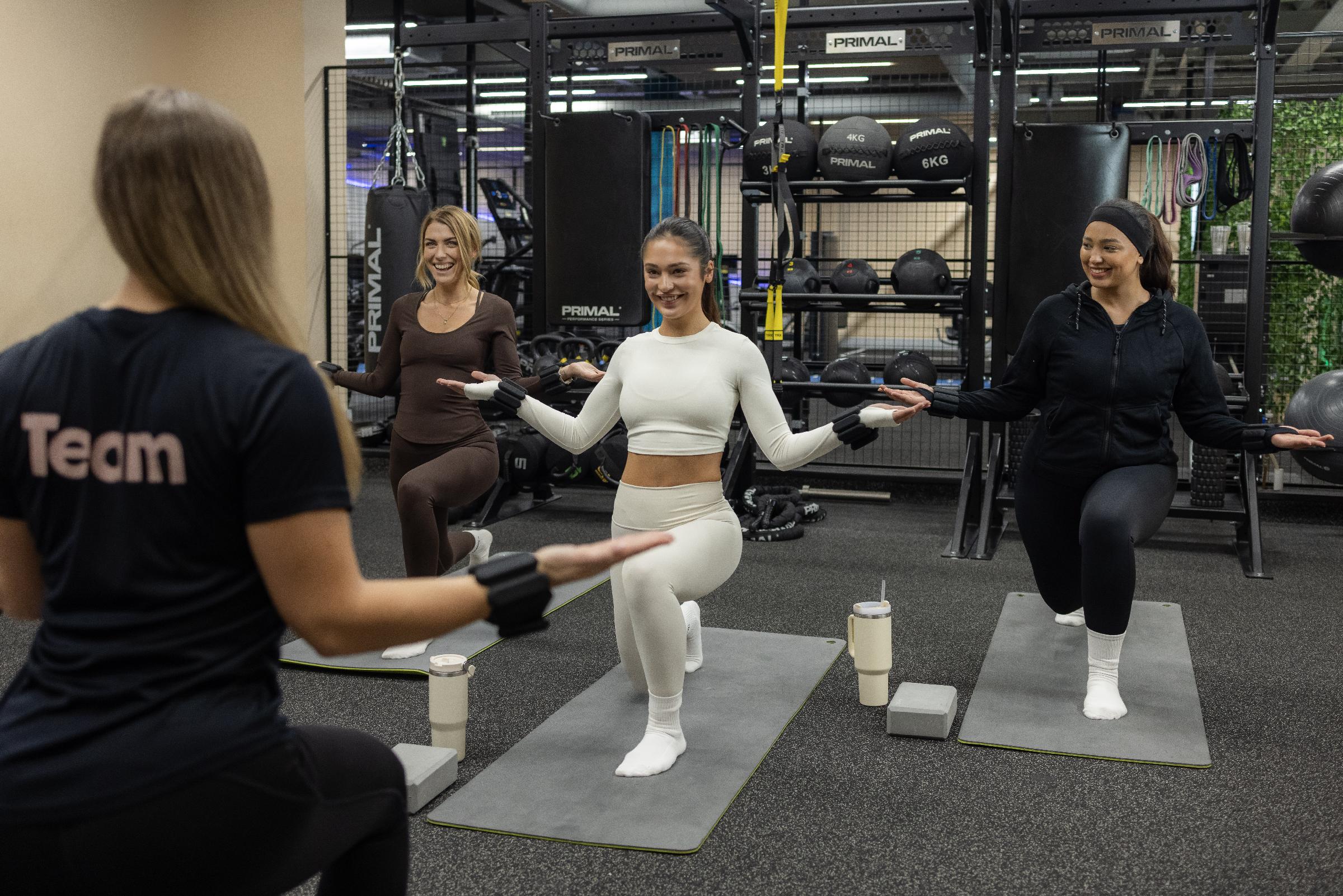
Large parts of the mainstream gym model still do not fit the realities of many women’s lives, according to the new white paper from UK mid-market operator, Total Fitness.
Women and the Gym: un-met needs and the role of women only spaces polled 5,091 UK adults in 2025 and the findings give a nuanced picture into how women interact with fitness facilities.
“It’s time to start talking about women and gyms well beyond the context of training modalities, glute builders and life-stage education,” says Total Fitness CEO, Sophie Lawler.
“There is a tough truth here: the mainstream gym environment, its membership structures and its equipment, have been designed in a way that silently excludes most women – their emotional needs are written out, unconsciously and unintentionally.”
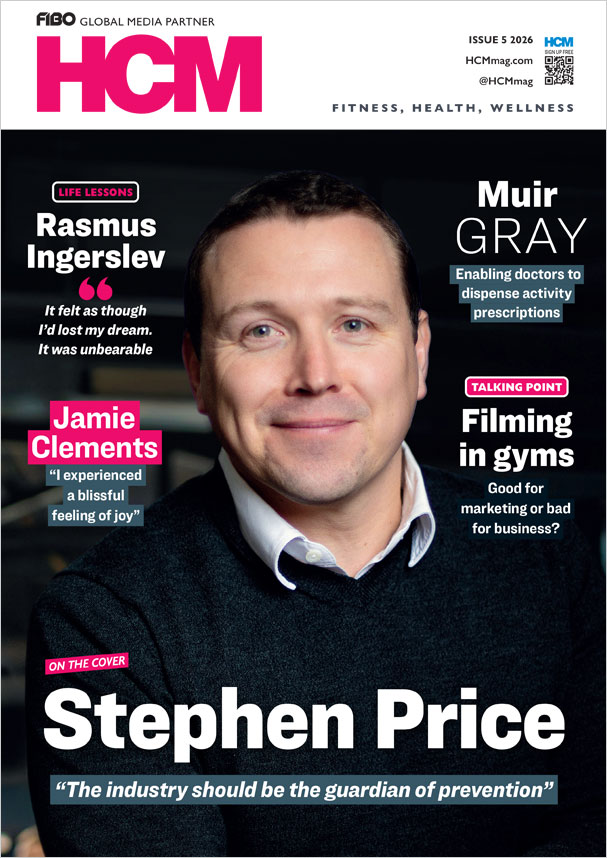
In an exclusive feature in the latest HCM, available today, the Total Fitness team share what isn’t working about the gym experience for women, as well as what they found does and have built into The Women’s Gym concept.
The report also highlights the huge opportunity presented by the women's market, finding that although 64 per cent of women in the UK are not members, two thirds of them would be interested in taking up a membership if thei offering aligned with their needs.
Writing in HCM, editor, Liz Terry, said: "We haven't seen numbers like this since the advent of the budget gym, when a new model unlocked huge growth in the market.
"Operators who respond to the needs of women at all their life stages could unlock a whole new cohort of customers and drive a wave of growth and market penetration."
One of the insights was that women feel the need to be “ready” before they join a gym, for example, by achieving a certain weight. This suggests that gyms either aren’t meeting women where they are, or the industry isn’t communicating the message well enough.
“If women feel they need to be ‘ready’ before they walk through the door, then we haven’t designed environments that truly support them,” says Kerry Curtis, Total Fitness’ chief commercial officer. “This is not a motivation gap – it’s a design challenge, and one we have a responsibility to solve.
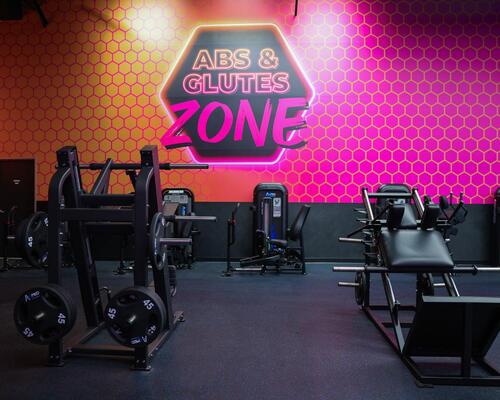
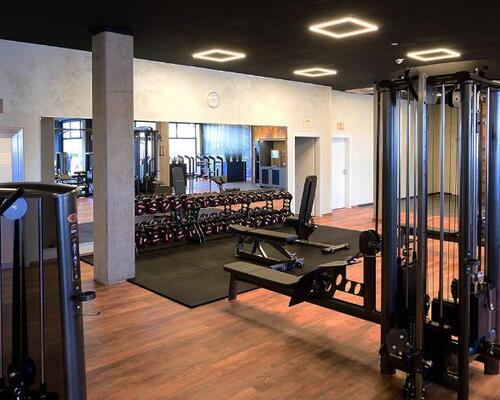
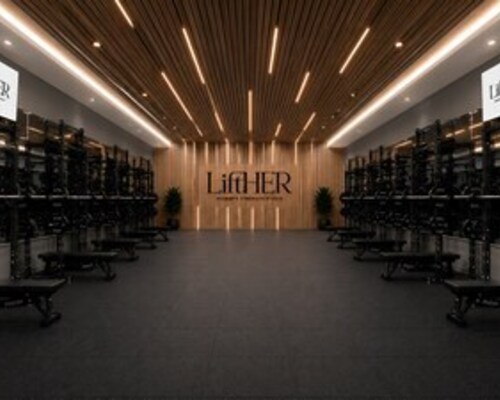
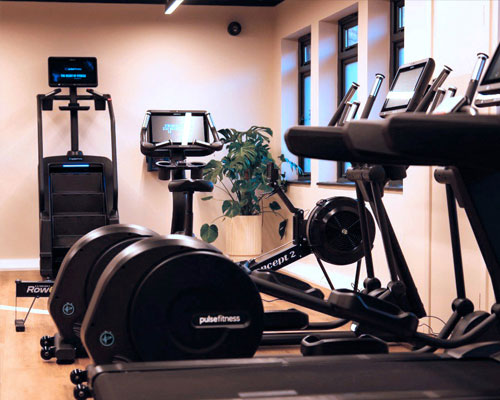
“For our Women’s Gyms that shows up in many ways such as familiar pieces of kit as soon as you walk through the door, calming colours and materials, mirror free workout areas, subtle privacy and staff as and when you need them.
“What we’ve seen through The Women’s Gym is that when you reduce the emotional and psychological barriers to entry, participation follows. It reinforces a simple but powerful truth: when women feel comfortable, they show up. A large factor in that comfort is space for our members, we have thoughtful capacity limits in place and have closed the membership sales for our Whitefield gym to stay true to that experience.
“What this research makes clear is that women’s relationship with fitness isn’t linear – it evolves with life. If our environments don’t flex with that reality, we risk losing them at the very moments they need us most. The opportunity is to design spaces that meet women where they are, not where we expect them to be.”
Adaptations deployed by Total Fitness for The Women's Gym included building bespoke vanity units and shower cubicles because none of the off-the-shelf products worked.
Head of property at Total Fitness, Graeme Dick, says: “We went bespoke so that we could design for need – no more standing on tiptoes to get close to the mirror or sharp elbows at the hairdryers. Doing that for one changing room is not cost efficient that's for sure, but we applied our resources thoughtfully where it matters.”
Read more: The feature and editor's letter are available to read in this month’s HCM at www.HCMmag.com/digital
Digital subscriptions are free. Sign up here.
Footnote: This white paper is the second batch of research that the UK mid-market operator has shared with the industry, following on from The Voice of the UK Gym Customer.
Latest news



















Stephen Price
Founder, SP&Co Group

Jamie Clements
The Breath Coach