







Editor's letter





From viral workouts to dramatic diet ‘hacks’, social media has become one of the most powerful influences on how people approach their health and fitness. But as the volume of content grows, so too do concerns about its credibility, accuracy and the potential consequences.
A recent study has found that almost 90 per cent of fitness and nutrition influencers on platforms such as TikTok and Instagram fail to sufficiently signpost potential risks behind the advice they share. This lack of transparency is fuelling the spread of misleading and potentially harmful information, often presented as quick fixes or life-changing transformations.
In response, leading awarding organisation for the physical activity sector, Active IQ, has launched a new industry-wide initiative called Trust Your Trainer. At the heart of the campaign is a manifesto urging social media companies to take greater responsibility for the role they play in shaping public health behaviours.
The challenge
The scale of the problem is significant. Research into so-called fitspiration videos on TikTok found most diet and exercise content is either misleading, inaccurate or promotes an unbalanced view of health.
In many cases, influencers with no recognised training are presenting complex physiological advice to millions of users, with no accountability, safeguards or evidence base.
Active IQ’s manifesto challenges this status quo by proposing a simple but powerful solution: a digital trustmark. This would allow users to clearly identify whether the person giving fitness advice holds a professional qualification. In an environment where anyone can position themselves as an ‘expert’, the trustmark aims to restore clarity, credibility and consumer confidence.
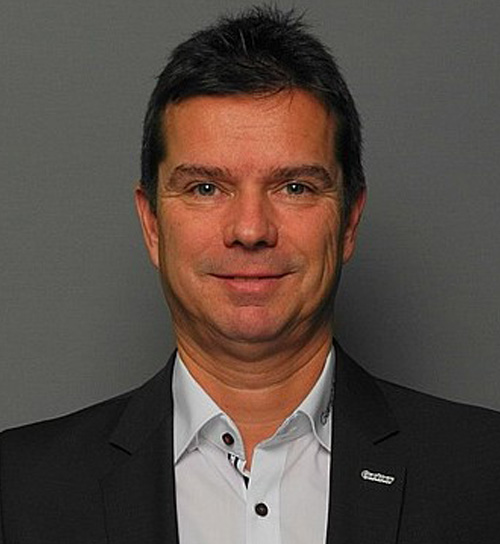
The initiative has already gained strong momentum across the sector, supported by industry leaders such as Active IQ Consultant and UK Active chair, David Stalker, who brings more than 35 years’ experience in the physical activity industry. His backing reflects growing concern among operators, trainers, and educators who see first-hand the impact of misinformation on clients’ physical and mental wellbeing.
Active IQ’s call for a trustmark represents a practical step towards protecting consumers and strengthening the long-term credibility of the fitness industry
Power of advice
Championing the campaign is Robyn Drummond, personal trainer, who has experienced first-hand how much harm misinformation can cause.
Drummond says: “Early in my career I learned just how damaging misleading online fitness advice can be. After following advice from influencers without proper qualifications, I developed an eating disorder and saw first-hand how easily people can be misled. Trust Your Trainer is a vital step for our industry, helping to ensure anyone seeking guidance can have confidence in the expertise behind it, not just the number of followers.”
For health club operators and fitness professionals, the campaign strikes at a critical issue. Members increasingly arrive with expectations shaped by social media trends, from extreme training regimes to unproven supplements. This can place professionals in the difficult position of having to help people ‘unlearn’ harmful advice before meaningful progress can begin.
A turning point
By championing qualified expertise, the Trust Your Trainer campaign reinforces the value of regulated training pathways and professional standards. It also offers a potential turning point in how digital fitness content is regulated, moving the conversation from popularity to professionalism.
The message is not about silencing social media, but about making it safer and more transparent.
In a world where algorithms often reward the loudest voices rather than the most informed, Active IQ’s call for a trustmark represents a practical step towards protecting consumers and strengthening the long-term credibility of the fitness industry.
As public reliance on online health content continues to grow, one thing is becoming clear. When it comes to fitness advice, expertise should matter more than followers. The future of digital wellbeing may well depend on learning to trust the trainer, not the trend.
More: www.activeiq.co.uk
Editor's letter
HCM People
HCM People
Interview
Sponsored

Talkback
Sponsored

Insight

Policy

Promotion

Sponsored

Life Lessons
Sponsored

Specifier
Sponsored

Recovery

Research


































From viral workouts to dramatic diet ‘hacks’, social media has become one of the most powerful influences on how people approach their health and fitness. But as the volume of content grows, so too do concerns about its credibility, accuracy and the potential consequences.
A recent study has found that almost 90 per cent of fitness and nutrition influencers on platforms such as TikTok and Instagram fail to sufficiently signpost potential risks behind the advice they share. This lack of transparency is fuelling the spread of misleading and potentially harmful information, often presented as quick fixes or life-changing transformations.
In response, leading awarding organisation for the physical activity sector, Active IQ, has launched a new industry-wide initiative called Trust Your Trainer. At the heart of the campaign is a manifesto urging social media companies to take greater responsibility for the role they play in shaping public health behaviours.
The challenge
The scale of the problem is significant. Research into so-called fitspiration videos on TikTok found most diet and exercise content is either misleading, inaccurate or promotes an unbalanced view of health.
In many cases, influencers with no recognised training are presenting complex physiological advice to millions of users, with no accountability, safeguards or evidence base.
Active IQ’s manifesto challenges this status quo by proposing a simple but powerful solution: a digital trustmark. This would allow users to clearly identify whether the person giving fitness advice holds a professional qualification. In an environment where anyone can position themselves as an ‘expert’, the trustmark aims to restore clarity, credibility and consumer confidence.
The initiative has already gained strong momentum across the sector, supported by industry leaders such as Active IQ Consultant and UK Active chair, David Stalker, who brings more than 35 years’ experience in the physical activity industry. His backing reflects growing concern among operators, trainers, and educators who see first-hand the impact of misinformation on clients’ physical and mental wellbeing.
Active IQ’s call for a trustmark represents a practical step towards protecting consumers and strengthening the long-term credibility of the fitness industry
Power of advice
Championing the campaign is Robyn Drummond, personal trainer, who has experienced first-hand how much harm misinformation can cause.
Drummond says: “Early in my career I learned just how damaging misleading online fitness advice can be. After following advice from influencers without proper qualifications, I developed an eating disorder and saw first-hand how easily people can be misled. Trust Your Trainer is a vital step for our industry, helping to ensure anyone seeking guidance can have confidence in the expertise behind it, not just the number of followers.”
For health club operators and fitness professionals, the campaign strikes at a critical issue. Members increasingly arrive with expectations shaped by social media trends, from extreme training regimes to unproven supplements. This can place professionals in the difficult position of having to help people ‘unlearn’ harmful advice before meaningful progress can begin.
A turning point
By championing qualified expertise, the Trust Your Trainer campaign reinforces the value of regulated training pathways and professional standards. It also offers a potential turning point in how digital fitness content is regulated, moving the conversation from popularity to professionalism.
The message is not about silencing social media, but about making it safer and more transparent.
In a world where algorithms often reward the loudest voices rather than the most informed, Active IQ’s call for a trustmark represents a practical step towards protecting consumers and strengthening the long-term credibility of the fitness industry.
As public reliance on online health content continues to grow, one thing is becoming clear. When it comes to fitness advice, expertise should matter more than followers. The future of digital wellbeing may well depend on learning to trust the trainer, not the trend.
More: www.activeiq.co.uk
Editor's letter
HCM People
HCM People
Interview
Sponsored
Talkback
Sponsored
Insight
Policy
Promotion
Sponsored
Life Lessons
Sponsored
Specifier
Sponsored
Recovery
Research