Editor's letter



The European fitness market has reached new highs, with revenues, memberships and club numbers all surpassing previous records, according to the latest report from EuropeActive and Deloitte.
The 13th edition of the European Health and Fitness Market Report 2026 provides a comprehensive annual analysis of developments in the European fitness industry and its wider ecosystem, drawing on insights from operators, consumers, intermediaries and suppliers across the region.
In addition to tracking market performance, the report offers detailed analysis of consumer fitness behaviour, including generational differences, the role of specialised facilities and evolving approaches to nutrition and supplementation. It also explores emerging themes such as weight-loss medications and longevity-focused lifestyles.
The findings are based on research conducted by Deloitte on behalf of EuropeActive, involving 11,250 consumers across 20 European countries, alongside analysis of operator performance and M&A activity over the past five years.
Growth accelerates
The European fitness market continued its strong growth trajectory in 2025, generating an estimated €39.1 billion in revenues, an increase of around 9 per cent year-on-year. This growth was driven by a combination of new club openings, rising membership numbers and ongoing price adjustments across many markets.
By the end of the year, the market had expanded to more than 67,500 clubs, an increase of around 3 per cent, serving approximately 75 million members – up 6 per cent. This upward trend is reflected in improving operator sentiment, with 83 per cent of European operators rating their current business situation as “good” in January 2026 – a rise of 19 percentage points when compared to January 2024.
The European fitness market hit €39.1 billion in 2025, with growth driven by expansion, pricing and demand
The sector’s largest operators continue to outperform the broader market and in 2025, the top 20 operators generated combined revenues of €7.96 billion, representing growth of 11 per cent year-on-year. All top 20 players reported revenue increases, supported by price adjustments and membership growth driven by both organic expansion and M&A activity.
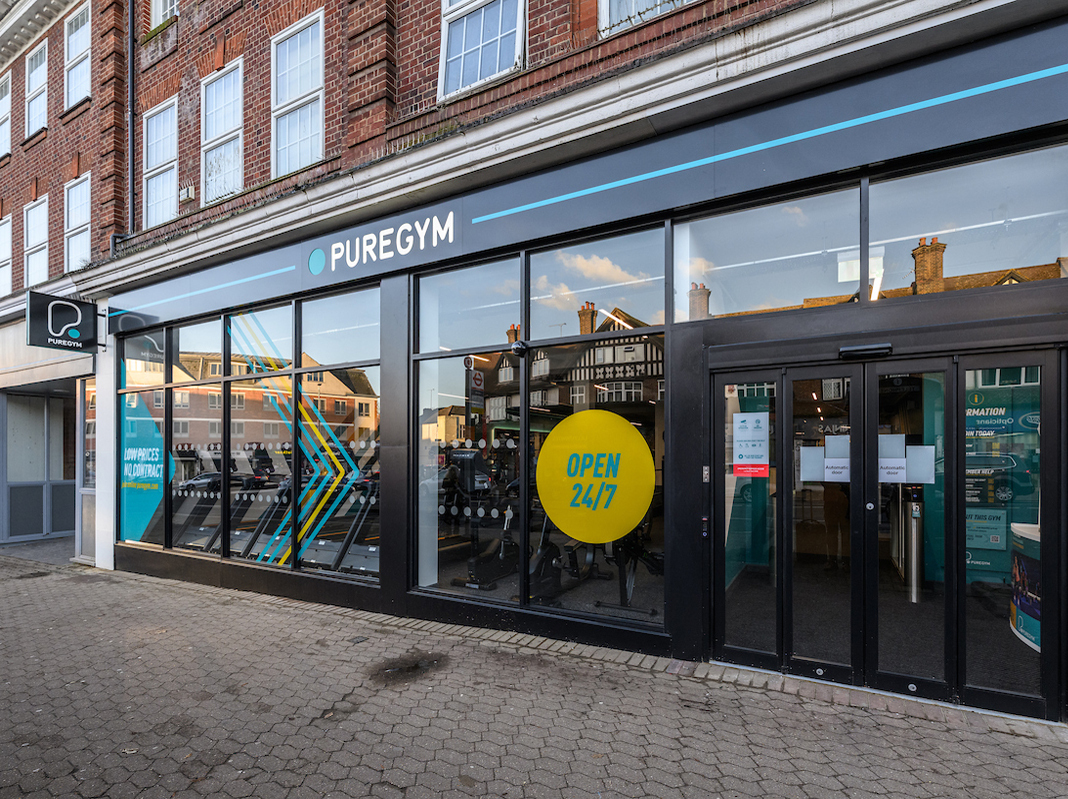
In terms of membership, Basic-Fit strengthened its position as Europe’s largest operator, reaching 5.8 million members, followed by PureGym with 2.1 million and RSG Group with 1.8 million.
Collectively, the top 20 operators served 20.9 million members by year-end, an increase of 16 per cent compared to 2024, while their combined club networks grew by 15 per cent to 7,607 locations.
On the consumer side, engagement with fitness remains high. Around two-thirds of Europeans report exercising at least once per week, reinforcing the position of exercise as a routine part of daily life.
At the same time, preferences around how and where people exercise are becoming more defined. Fitness facilities have strengthened their role, gaining six percentage points since January 2023, while home-based and outdoor activity continue to complement weekly routines.
Traditional fitness clubs remain the dominant training environment, with three-quarters of regular facility users reporting that they exercise in a fitness club. However, specialised concepts – including Pilates, yoga and CrossFit studios – are attracting smaller but distinct user groups, contributing to a more diversified and segmented market.
Membership has surpassed 75 million across Europe, as fitness becomes embedded in everyday life for consumers
Consumer behaviour varies significantly by age group. Younger consumers show higher engagement with digital fitness solutions and specialised studio formats, and are more likely to view fitness as part of their identity. Older cohorts, by contrast, remain more focused on traditional club environments.
While awareness of the benefits of physical activity is high across all demographics – with more than 80 per cent agreeing that exercise is an important component of a healthy lifestyle – fewer consumers translate this awareness into consistent behaviour when it requires meaningful changes to daily routines.
Lifestyle convergence
The report also identifies a growing link between participation and health behaviours: consumers who exercise regularly are more likely to maintain consistent nutritional habits and to use supplements, both for general health and to support training.
This suggests that, for engaged consumers, fitness is increasingly part of a wider lifestyle framework rather than a standalone activity.
Awareness of weight-loss medication is widespread, with 66 per cent familiar with the topic. However, usage remains low, at below 3 per cent.
Importantly, around two-thirds of those using such medications report exercising regularly, indicating that these treatments are generally being used alongside physical activity rather than as a replacement for it.
Growing interest in longevity
Longevity is emerging as a key theme shaping consumer priorities. When asked about the most important factors for maximising long-term health, respondents placed greatest emphasis on core lifestyle behaviours.
Regular physical exercise ranked highest among those people already engaged in fitness, while among non regular exercisers it ranked third. Across both groups, sleep quality and a balanced diet were also prioritised, while social, cognitive and preventative measures were seen as secondary contributors.
M&A activity continues to reflect the sector’s consolidation trend. In 2025, a total of 27 transactions were recorded involving operators with at least four clubs and majority share transfers, resulting in a change of ownership for 936 clubs across Europe.
The top 20 operators continue to outperform, using scale, pricing power and expansion to drive market leadership
While this represents a slight decline from the 30 M&A transactions recorded in 2024, activity remains well above the five-year average of 20 deals per year.
The deal of the year
The acquisition of clever fit by Basic-Fit was by far the largest deal of the year, accounting for 493 clubs – more than half of all clubs transferred. Other notable transactions include the acquisition of MAC Group (121 clubs) by Benefit Systems and the acquisition of Fit/One (45 clubs) by LifeFit Group.
Intermediaries and aggregators continue to play a central role in widening access to fitness services. While business models vary across Europe – from B2B partnerships to direct-to-consumer approaches – more operators are partnering with these types of platforms.
This is reflected in the growth in the number of aggregator partner locations, which increased by 14 per cent to reach 148,000 in 2025, driven largely by the addition of fitness and functional training facilities.
The outlook for Europe
Looking ahead, the European fitness market is becoming increasingly complex as the boundaries between fitness, health and lifestyle continue to blur. Operators are refining their positioning and propositions in response to more segmented demand and intensifying competition, particularly in urban markets.
At the same time, the overall direction of travel remains positive. Participation is stable, market fundamentals are strong and consolidation continues to create scale advantages for leading operators.
EuropeActive’s target of 100 million members by 2030 is moving closer as the market continues to expan
Against this backdrop, EuropeActive is maintaining its ambition of reaching 100 million members of health clubs across Europe by 2030 – a target that appears increasingly achievable as the sector continues to evolve.
• Find out more: www.europeactive.eu
✻ Basic-Fit: 5,785
✻ PureGym: 2,141
✻ RSG Group: 1,785
✻ Fitness Park Group: 1,380
✻ FitX: 990
✻ The Gym Group: 923
✻ DLL: 822
✻ SATS: 755
✻ LifeFit Group: 735
✻ All Inclusive Fitness: 653
*Clubs trading in Europe (000)
Source: European Health and Fitness Market Report 2026
Market size and growth
• €39.1 billion total market revenue (2025)
• 9 per cent year-on-year revenue growth
Market scale
• 75 million total members
• 67,500+ total clubs
• 3 per cent club growth
• 6 per cent membership growth
Operator sentiment
• 83 per cent operators rating business as ‘good’ (Jan 2026)
• +19 percentage points increase vs January 2024
Top 20 operators
• €7.96 billion combined revenue
• 11 per cent revenue growth
• 20.9 million total members
• 16 per cent membership growth
• 7,607 total clubs
• 15 per cent club network growth
Leading operators
• Basic-Fit 5.8 million members
• PureGym 2.1 million members
• RSG Group 1.8 million members
Intermediaries / aggregators
• 148,000 partner locations
• 14 per cent growth in partner locations Consumer behaviour
• ~66 per cent (two-thirds) exercise at least once per week
• 75 per cent (three-quarters) of facility users train in fitness clubs
Health, nutrition and GLP-1
• 66 per cent awareness of weight-loss medications
• <3 per cent usage of weight-loss medications
M&A activity
• 27 total transactions (2025)
• 936 clubs transferred
• 30 transactions in 2024 (record year)
• 20 five-year average transactions
Major deals
• 493 clubs (clever fit acquisition by Basic-Fit)
• 121 clubs (MAC Group acquisition by Benefit Systems)
• 45 clubs (FIT/ONE acquisition by LifeFit Group)
Source: European Health and Fitness Market Report 2026

✻ Basic-Fit: 2,151
✻ PureGym: 612
✻ RSG Group: 292
✻ Fitness Park Group: 403
✻ FItX: 112
✻ The Gym Group: 260
✻ DLL: 137
✻ SATS: 273
✻ LifeFit Group: 214
✻ All Inclusive Fitness: 172
*Clubs trading in Europe (000)
Source: European Health and Fitness Market Report 2026
Editor's letter

HCM People

HCM People

Interview

Sponsored

Talking point

Supplier Showcase

Research

Insight
Show preview

Insight

Specifier

Specifier

Research






































The European fitness market has reached new highs, with revenues, memberships and club numbers all surpassing previous records, according to the latest report from EuropeActive and Deloitte.
The 13th edition of the European Health and Fitness Market Report 2026 provides a comprehensive annual analysis of developments in the European fitness industry and its wider ecosystem, drawing on insights from operators, consumers, intermediaries and suppliers across the region.
In addition to tracking market performance, the report offers detailed analysis of consumer fitness behaviour, including generational differences, the role of specialised facilities and evolving approaches to nutrition and supplementation. It also explores emerging themes such as weight-loss medications and longevity-focused lifestyles.
The findings are based on research conducted by Deloitte on behalf of EuropeActive, involving 11,250 consumers across 20 European countries, alongside analysis of operator performance and M&A activity over the past five years.
Growth accelerates
The European fitness market continued its strong growth trajectory in 2025, generating an estimated €39.1 billion in revenues, an increase of around 9 per cent year-on-year. This growth was driven by a combination of new club openings, rising membership numbers and ongoing price adjustments across many markets.
By the end of the year, the market had expanded to more than 67,500 clubs, an increase of around 3 per cent, serving approximately 75 million members – up 6 per cent. This upward trend is reflected in improving operator sentiment, with 83 per cent of European operators rating their current business situation as “good” in January 2026 – a rise of 19 percentage points when compared to January 2024.
The European fitness market hit €39.1 billion in 2025, with growth driven by expansion, pricing and demand
The sector’s largest operators continue to outperform the broader market and in 2025, the top 20 operators generated combined revenues of €7.96 billion, representing growth of 11 per cent year-on-year. All top 20 players reported revenue increases, supported by price adjustments and membership growth driven by both organic expansion and M&A activity.
In terms of membership, Basic-Fit strengthened its position as Europe’s largest operator, reaching 5.8 million members, followed by PureGym with 2.1 million and RSG Group with 1.8 million.
Collectively, the top 20 operators served 20.9 million members by year-end, an increase of 16 per cent compared to 2024, while their combined club networks grew by 15 per cent to 7,607 locations.
On the consumer side, engagement with fitness remains high. Around two-thirds of Europeans report exercising at least once per week, reinforcing the position of exercise as a routine part of daily life.
At the same time, preferences around how and where people exercise are becoming more defined. Fitness facilities have strengthened their role, gaining six percentage points since January 2023, while home-based and outdoor activity continue to complement weekly routines.
Traditional fitness clubs remain the dominant training environment, with three-quarters of regular facility users reporting that they exercise in a fitness club. However, specialised concepts – including Pilates, yoga and CrossFit studios – are attracting smaller but distinct user groups, contributing to a more diversified and segmented market.
Membership has surpassed 75 million across Europe, as fitness becomes embedded in everyday life for consumers
Consumer behaviour varies significantly by age group. Younger consumers show higher engagement with digital fitness solutions and specialised studio formats, and are more likely to view fitness as part of their identity. Older cohorts, by contrast, remain more focused on traditional club environments.
While awareness of the benefits of physical activity is high across all demographics – with more than 80 per cent agreeing that exercise is an important component of a healthy lifestyle – fewer consumers translate this awareness into consistent behaviour when it requires meaningful changes to daily routines.
Lifestyle convergence
The report also identifies a growing link between participation and health behaviours: consumers who exercise regularly are more likely to maintain consistent nutritional habits and to use supplements, both for general health and to support training.
This suggests that, for engaged consumers, fitness is increasingly part of a wider lifestyle framework rather than a standalone activity.
Awareness of weight-loss medication is widespread, with 66 per cent familiar with the topic. However, usage remains low, at below 3 per cent.
Importantly, around two-thirds of those using such medications report exercising regularly, indicating that these treatments are generally being used alongside physical activity rather than as a replacement for it.
Growing interest in longevity
Longevity is emerging as a key theme shaping consumer priorities. When asked about the most important factors for maximising long-term health, respondents placed greatest emphasis on core lifestyle behaviours.
Regular physical exercise ranked highest among those people already engaged in fitness, while among non regular exercisers it ranked third. Across both groups, sleep quality and a balanced diet were also prioritised, while social, cognitive and preventative measures were seen as secondary contributors.
M&A activity continues to reflect the sector’s consolidation trend. In 2025, a total of 27 transactions were recorded involving operators with at least four clubs and majority share transfers, resulting in a change of ownership for 936 clubs across Europe.
The top 20 operators continue to outperform, using scale, pricing power and expansion to drive market leadership
While this represents a slight decline from the 30 M&A transactions recorded in 2024, activity remains well above the five-year average of 20 deals per year.
The deal of the year
The acquisition of clever fit by Basic-Fit was by far the largest deal of the year, accounting for 493 clubs – more than half of all clubs transferred. Other notable transactions include the acquisition of MAC Group (121 clubs) by Benefit Systems and the acquisition of Fit/One (45 clubs) by LifeFit Group.
Intermediaries and aggregators continue to play a central role in widening access to fitness services. While business models vary across Europe – from B2B partnerships to direct-to-consumer approaches – more operators are partnering with these types of platforms.
This is reflected in the growth in the number of aggregator partner locations, which increased by 14 per cent to reach 148,000 in 2025, driven largely by the addition of fitness and functional training facilities.
The outlook for Europe
Looking ahead, the European fitness market is becoming increasingly complex as the boundaries between fitness, health and lifestyle continue to blur. Operators are refining their positioning and propositions in response to more segmented demand and intensifying competition, particularly in urban markets.
At the same time, the overall direction of travel remains positive. Participation is stable, market fundamentals are strong and consolidation continues to create scale advantages for leading operators.
EuropeActive’s target of 100 million members by 2030 is moving closer as the market continues to expan
Against this backdrop, EuropeActive is maintaining its ambition of reaching 100 million members of health clubs across Europe by 2030 – a target that appears increasingly achievable as the sector continues to evolve.
• Find out more: www.europeactive.eu
✻ Basic-Fit: 5,785
✻ PureGym: 2,141
✻ RSG Group: 1,785
✻ Fitness Park Group: 1,380
✻ FitX: 990
✻ The Gym Group: 923
✻ DLL: 822
✻ SATS: 755
✻ LifeFit Group: 735
✻ All Inclusive Fitness: 653
*Clubs trading in Europe (000)
Source: European Health and Fitness Market Report 2026
Market size and growth
• €39.1 billion total market revenue (2025)
• 9 per cent year-on-year revenue growth
Market scale
• 75 million total members
• 67,500+ total clubs
• 3 per cent club growth
• 6 per cent membership growth
Operator sentiment
• 83 per cent operators rating business as ‘good’ (Jan 2026)
• +19 percentage points increase vs January 2024
Top 20 operators
• €7.96 billion combined revenue
• 11 per cent revenue growth
• 20.9 million total members
• 16 per cent membership growth
• 7,607 total clubs
• 15 per cent club network growth
Leading operators
• Basic-Fit 5.8 million members
• PureGym 2.1 million members
• RSG Group 1.8 million members
Intermediaries / aggregators
• 148,000 partner locations
• 14 per cent growth in partner locations Consumer behaviour
• ~66 per cent (two-thirds) exercise at least once per week
• 75 per cent (three-quarters) of facility users train in fitness clubs
Health, nutrition and GLP-1
• 66 per cent awareness of weight-loss medications
• <3 per cent usage of weight-loss medications
M&A activity
• 27 total transactions (2025)
• 936 clubs transferred
• 30 transactions in 2024 (record year)
• 20 five-year average transactions
Major deals
• 493 clubs (clever fit acquisition by Basic-Fit)
• 121 clubs (MAC Group acquisition by Benefit Systems)
• 45 clubs (FIT/ONE acquisition by LifeFit Group)
Source: European Health and Fitness Market Report 2026
✻ Basic-Fit: 2,151
✻ PureGym: 612
✻ RSG Group: 292
✻ Fitness Park Group: 403
✻ FItX: 112
✻ The Gym Group: 260
✻ DLL: 137
✻ SATS: 273
✻ LifeFit Group: 214
✻ All Inclusive Fitness: 172
*Clubs trading in Europe (000)
Source: European Health and Fitness Market Report 2026
Editor's letter
HCM People
HCM People
Interview
Sponsored
Talking point
Supplier Showcase
Research
Insight
Show preview
Insight
Specifier
Specifier
Research