













The Leisure Media Company Ltd
Follow Health Club Management on Twitter Like Health Club Management on Facebook Join the discussion with Health Club Management on LinkedIn
FITNESS, HEALTH, WELLNESS

features

Training: Rapid response

Are your teams trained to deal with cardiac incidents? Dr Dane Vishnubala tells HCM how preparation can make the difference between life and death
Published in Health Club Management 2023 issue 5
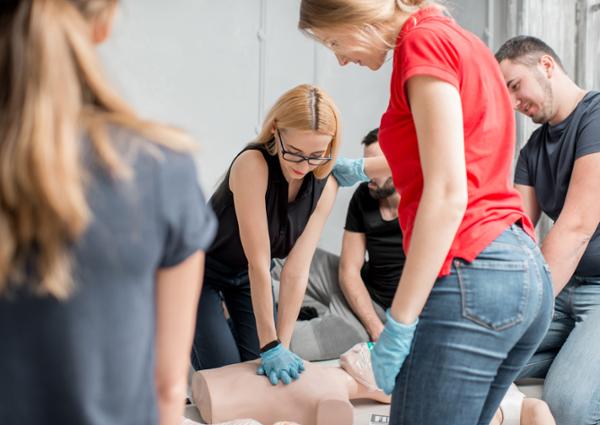
CPR is hard work, so it’s important to practice scenarios as a team / Photo: Shutterstock/RossHelen
Members who are feeling unwell should avoid strenuous exercise, as the heart takes the strain

In January this year, Damar Hamlin, a 24-year-old NFL player for the Buffalo Bills had a cardiac arrest after making a tackle. In a packed stadium, thousands watched as medical workers performed CPR and used a defibrillator to restore his heartbeat. Luckily, Damar was saved in hospital, but many others like him are not so lucky.

In the UK there are over 30,000 out-of-hospital cardiac arrests (OHCA) a year where emergency medical services attempt to resuscitate the victim. However, according to the British Heart Foundation, survival rate is low – just one in 10 people in the UK survive an OHCA. In the US, the number is 356,000 and the survival rate is the same at 10 per cent.

Although regular exercise helps strengthen the heart and lowers the risk of cardiovascular problems long-term, it’s true that in some people, strenuous exercise can increase the immediate risk of heart attack and sudden cardiac arrest.

Common advice for improving heart health is to get more exercise but what kind and how much? Amid a regular stream of news coverage such as Hamlin’s cardiac arrest, it can be difficult for the average person to feel reassured.

The scared sedentary
Dr Dane Vishnubala, chief medical officer at Active IQ says cardiac statistics shouldn’t scare people into being sedentary. Inaccurate myths about exercise and the heart have circulated for years, sometimes having a negative impact on people’s health.

Given fitness professionals are trusted with our health and wellbeing – especially in a gym environment – a common question Vishnubala encounters is around the responsibility of UK fitness operators to help prevent cardiac issues in gyms. Are PTs equipped to train people with heart conditions and would the fitness team at a gym be able to react quickly enough in the event of a cardiac arrest to influence the outcome?

What’s important, says Vishnubala, is ensuring operators and fitness professionals are qualified to train people safely in the benefits of exercise – as even for people with coronary artery disease or peripheral vascular disease, the benefits of exercise far outweigh the risks.

Training and Practice
In professional sports, athletes are given regular electrocardiograms (ECG) to determine their risk of sudden death from a heart problem. An ECG records electrical signals in the heart and is a common and painless test used to quickly detect heart problems and monitor the heart’s health.

For professional athletes, this is an important part of their preparation and training, but for the average gym-goer, this level of assessment when they sign up for a membership is not practical and while new members may fill out a Physical Activity Readiness Questionnaire (PAR-Q), any answers that indicate a possible heart condition will simply have them signposted back to a GP.

“For fitness professionals, it’s difficult to predict if a member will have a cardiac event in your facility,” says Vishnubala. “The best thing health club operators can do is ensure their team members are appropriately qualified and prepared to react in the event of an emergency.”

The exact numbers and training will look different for every facility, but Vishnubala recommends having as many staff members first-aid trained as possible. High-quality qualifications, such as Emergency First Aid at Work from organisations such as Active IQ, YMCA Fit and the Red Cross, are examples of training that provides people with the skills they need to respond to first aid situations and administer first aid in the workplace.

“If you’re a PT and something happens where you need to find a trained first aider to come and help, you’re losing time. For every minute’s delay in starting CPR, the success rate drops quickly. What if the first-aid trained staff member is tied up or unavailable, what would you do? If you’re a self-employed PT, this is even more challenging, as you’re on your own,” says Vishnubala.

“Of course, it may not be possible to have every single staff member trained, but it’s about looking for ways to mitigate risks in the event of an emergency.”

Simulating Emergencies in Real-Life
Reacting quickly in an emergency is critical and even if staff members hold the highest qualifications, skills are undeniably lost without regular practice. To keep skills sharp, Vishnubala recommends gyms conduct regular training sessions that simulate real-life emergencies to ensure staff members know how to react quickly if the worst were to happen.

“Most first-aid qualifications require renewal after three years,” Vishnubala explains. “If you haven’t practiced those skills since the day you received your qualification, you’ll forget them. It’s important for gyms to consider more regular internal training. This could be held monthly by getting together and running real-life scenarios. Imagine someone drops while running on a treadmill. What do you do? Who calls for help? Do your team members know where the defibrillator is and how to use it? Practise these drills so things run smoothly and roles and responsibilities are clear within the team. Quick decisions and reactions can mean the difference between life and death.”

Vishnubala says it’s important to mix up the scenarios and while learning the basics of CPR on a dummy is important, real life rarely happens exactly like that, so running through a variety of emergencies can help staff feel empowered and prepared.

“Many people don’t realise that CPR, when performed correctly, is hard work. After one or two sets of 30 compressions, you’ll be tired, so you’ll need someone else to step in to continue to ensure high-quality compressions until an ambulance arrives. It’s therefore important to practise these scenarios as a team.”

Can heart rate monitors help?
Technology has made data experts of many of us, especially when it comes to exercise. Many group exercise classes now encourage the use of heart rate monitors while working out and these can tell a user a lot about their exertion levels, recovery and in some cases, their general health.

However, according to Vishnubala, most wearables can’t identify the likelihood of the wearer having a cardiac event while exercising.

“Regrettably, if you have a heart condition that will be exacerbated by strenuous exercise, a heart rate monitor won’t provide any reliable warning signs,” says Vishnubala. Heart rate monitors are useful but using something such as rate of perceived exertion (RPE) can be just as useful in ascertaining approximate intensities.

Instead, Vishnubala encourages people to know the warning signs. Dizziness, fainting, chest pain, palpitations, significant breathlessness as well as a family history are all relevant. Should someone have any of these symptoms they should seek medical advice immediately. If they have a family history of heart problems or known underlying health conditions, they can talk to their doctor, as they may be able to refer them for further tests. If not, they need to be aware of how they’re feeling. If they have a temperature or you feel unwell, it’s wise to avoid strenuous exercise, as the heart will take the most strain. If they’ve recently recovered from illness – especially COVID – they could be at risk for myocarditis, a condition that causes inflammation of the heart. This is especially true of young men who have had the Moderna or Pfizer vaccine (www.hcmmag.com/vaccineheart).

“The notion of coming to the gym when you’re feeling unwell to ‘sweat it out’ is potentially dangerous,” says Vishnubala.

Exercise keeps your heart healthy
Stories of sudden cardiac arrests in young and seemingly healthy people can stir up fear, but the fact is, exercise helps keep your heart healthy. In fact, if you’ve suffered a cardiac event, exercise is often recommended as a way to recover. While it can be difficult to predict a cardiac event, the best course of action is for fitness operators to ensure they are properly trained and well-practised, should an emergency happen.

Photo: Peter Byrne

"Quick decisions and reactions can mean the difference between life and death" – Dr Dane Vishnubala

In brief

• The survival rate after a heart attack is 10 per cent, with 90 per cent losing their lives.

• Health club operators should train their teams so they know what to do in the event of a cardiac event.

• After initial training, staff should undergo regular simulations to keep skills up-to-date and ensure a coordinated response.

• CPR is hard work, so teams must work together to deliver high quality interventions.

• Heart rate monitors don’t typically predict heart attacks, although some wearables that track Strain, such as Whoop, can give an indication that not all is well.

• Everyone needs to be on the lookout for warning signs - dizziness, fainting, chest pain, palpitations and significant breathlessness.

• Family history can also indicate potential for issues.

• A return to exercise after a heart attack can help recovery.

Further reading:

• Intensive exercise following heart attack www.hcmmag.com/heartresearch

• Intensive exercise following aortic tear www.hcmmag.com/Aortictear
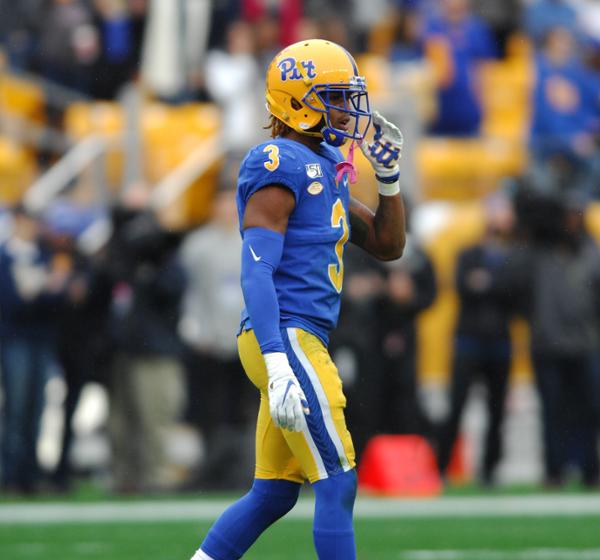
NFL player Damar Hamlin was brought back from a cardiac arrest / Photo: Shutterstock/1022 Project
https://www.leisureopportunities.co.uk/images/2023/883179_685812.jpg
Training your team so they’re prepared to deal with cardiac incidents could save lives, says Dr Dane Vishnubala
HCM magazine
HCM People

Stephen Price

Founder, SP&Co Group
Working in public health over the last few years has lit up parts of my brain again
HCM magazine
I experienced a blissful feeling of joy I hadn’t felt since I was a kid
HCM magazine
Strength training is evolving, driven by changing consumer preferences. Julie Cramer talks to innovators about how their products are meeting this demand
HCM magazine
Raphael Cuomo explores the powerful link between addiction, health and behaviour change
HCM magazine
Small improvements to sleep, diet and physical activity have major benefits for the heart, according to new research from the University of Sydney
HCM promotional features
Sponsored
Third Space partnered with IndigoFitness to deliver a bespoke training space for its new club at The Whiteley
HCM promotional features
Sponsored
Greg Bradley looks at the shift towards strength training in gyms and advises on how operators can create the ultimate training environment
HCM promotional features
Sponsored
SnowDome Fitness has added 50 per cent more space with cutting-edge Technogym solutions
HCM promotional features
Sponsored
Starpool supports Olympic champion Marcell Jacobs, says Riccardo Turri
HCM promotional features
Sponsored
Find out how your gym can tap into the corporate wellness boom
HCM promotional features
Sponsored
David Lloyd is stepping up its commitment to women’s health as it continues to explore what fit-for-purpose looks like for the female population
HCM promotional features
Sponsored
EGYM has opened a new HQ in Paternoster Square, London and revealed a range of new launches
HCM promotional features
Promotion
Performance Health Systems, manufacturer of Power Plate, has a new CEO, with an ambitious vision for the company
HCM promotional features
Sponsored
Pulse Fitness has created a new health club delivering an elevated wellness experience
HCM promotional features
Latest News
Nuffield Health has told HCM that it takes its responsibilities towards its colleagues seriously and ...
Latest News
Technogym has announced the launch of the Run X World Treadmill Championship, the first world ...
Latest News
Shocked by the UK loneliness statistics, charitable trust Mytime Active has been doubling down on ...
Latest News
Portugal’s leading operator, SC Fitness, is celebrating a milestone by reaching 100 gyms.  The company ...
Latest News
Australia’s fast-growing fitness network, Viva Leisure, is adding a low-cost gym brand to its already ...
Latest News
Speedflex has launched a strength training programme for 10 to 16-year-olds, to make it safer, ...
Latest News
Tewinbury Farm Hotel in Hertfordshire, UK is expanding its premium leisure proposition with the launch ...
Latest News

Work is underway in Madrid on one of Europe’s most significant multi-functional complexes, ...

Opinion
promotion
Strength training has moved from the margins to the mainstream.
Opinion: Building smarter strength spaces for today’s operators
Featured supplier news
Featured supplier news: Supporting long-term health: why whole body vibration belongs in clinical settings
As healthcare continues to shift towards prevention, there’s a growing focus on helping people stay active, independent and feeling good for longer.
Featured supplier news
Featured supplier news: Elevate 2026 to mark 10-year anniversary with biggest ever waterfront drinks reception
Elevate is set to celebrate its 10th anniversary in style this June, with organisers confirming the event’s largest-ever drinks reception as registrations continue to run more than 10% ahead of last year.
Company profiles
Company profile: Life Fitness/Hammer Strength
Life Fitness, Hammer Strength, and ICG are global leaders in premium fitness solutions, trusted by ...
Company profiles
Company profile: GLL
GLL
As the UK’s leading provider of both leisure centres and libraries we operate 379 locations ...
Supplier Showcases
Supplier Showcase - Future-proofing
Catalogue Gallery
Click on a catalogue to view it online
Featured press releases
GYMNATION press release: Massive ‘Good Luck’ message appears in Saudi Desert as Green Falcons head to World Cup
Passengers flying out of Riyadh this week have been treated to an extraordinary sight from the skies after GymNation unveiled a giant desert sand mural supporting the Saudi Arabia National Football Team ahead of the FIFA World Cup in the United States.
Featured press releases
BLK BOX press release: BLK BOX strengthens European growth with the appointment of Germany country manager Timo Garrels
BLK BOX is proud to welcome Timo Garrels as Germany country manager, marking another important step in the brand’s continued growth across Europe.
Directory
Spa and beauty equipment
Oakworks Inc: Spa and beauty equipment
Fitness tracking platform
SpiviTech: Fitness tracking platform
Hot tubs
MSpa International Ltd: Hot tubs
Water experiences and hydrotherapy solutions
Aquaform s.r.l.: Water experiences and hydrotherapy solutions
Industrial washing machines
Miele Company Limited: Industrial washing machines
Lockers
Crown Sports Lockers: Lockers
Property & Tenders
Stratford, East London.
Lee Valley Regional Park Authority
Property & Tenders
Y Felinheli, LL56 4QN
Newmark
Property & Tenders
Diary dates
13-13 Jun 2026
Worldwide, Various,
Diary dates
21-24 Sep 2026
The Langham Huntington Pasadena , Pasadena, United States
Diary dates
06-08 Oct 2026
Messe Stuttgart, Stuttgart, Germany
Diary dates
22-22 Oct 2026
QEII Conference Centre, London,
Diary dates
26-29 Oct 2027
Koelnmesse Exhibition Centre, Cologne, Germany
Diary dates

features

Training: Rapid response

Are your teams trained to deal with cardiac incidents? Dr Dane Vishnubala tells HCM how preparation can make the difference between life and death

Published in Health Club Management 2023 issue 5
CPR is hard work, so it’s important to practice scenarios as a team / Photo: Shutterstock/RossHelen
Members who are feeling unwell should avoid strenuous exercise, as the heart takes the strain

In January this year, Damar Hamlin, a 24-year-old NFL player for the Buffalo Bills had a cardiac arrest after making a tackle. In a packed stadium, thousands watched as medical workers performed CPR and used a defibrillator to restore his heartbeat. Luckily, Damar was saved in hospital, but many others like him are not so lucky.

In the UK there are over 30,000 out-of-hospital cardiac arrests (OHCA) a year where emergency medical services attempt to resuscitate the victim. However, according to the British Heart Foundation, survival rate is low – just one in 10 people in the UK survive an OHCA. In the US, the number is 356,000 and the survival rate is the same at 10 per cent.

Although regular exercise helps strengthen the heart and lowers the risk of cardiovascular problems long-term, it’s true that in some people, strenuous exercise can increase the immediate risk of heart attack and sudden cardiac arrest.

Common advice for improving heart health is to get more exercise but what kind and how much? Amid a regular stream of news coverage such as Hamlin’s cardiac arrest, it can be difficult for the average person to feel reassured.

The scared sedentary
Dr Dane Vishnubala, chief medical officer at Active IQ says cardiac statistics shouldn’t scare people into being sedentary. Inaccurate myths about exercise and the heart have circulated for years, sometimes having a negative impact on people’s health.

Given fitness professionals are trusted with our health and wellbeing – especially in a gym environment – a common question Vishnubala encounters is around the responsibility of UK fitness operators to help prevent cardiac issues in gyms. Are PTs equipped to train people with heart conditions and would the fitness team at a gym be able to react quickly enough in the event of a cardiac arrest to influence the outcome?

What’s important, says Vishnubala, is ensuring operators and fitness professionals are qualified to train people safely in the benefits of exercise – as even for people with coronary artery disease or peripheral vascular disease, the benefits of exercise far outweigh the risks.

Training and Practice
In professional sports, athletes are given regular electrocardiograms (ECG) to determine their risk of sudden death from a heart problem. An ECG records electrical signals in the heart and is a common and painless test used to quickly detect heart problems and monitor the heart’s health.

For professional athletes, this is an important part of their preparation and training, but for the average gym-goer, this level of assessment when they sign up for a membership is not practical and while new members may fill out a Physical Activity Readiness Questionnaire (PAR-Q), any answers that indicate a possible heart condition will simply have them signposted back to a GP.

“For fitness professionals, it’s difficult to predict if a member will have a cardiac event in your facility,” says Vishnubala. “The best thing health club operators can do is ensure their team members are appropriately qualified and prepared to react in the event of an emergency.”

The exact numbers and training will look different for every facility, but Vishnubala recommends having as many staff members first-aid trained as possible. High-quality qualifications, such as Emergency First Aid at Work from organisations such as Active IQ, YMCA Fit and the Red Cross, are examples of training that provides people with the skills they need to respond to first aid situations and administer first aid in the workplace.

“If you’re a PT and something happens where you need to find a trained first aider to come and help, you’re losing time. For every minute’s delay in starting CPR, the success rate drops quickly. What if the first-aid trained staff member is tied up or unavailable, what would you do? If you’re a self-employed PT, this is even more challenging, as you’re on your own,” says Vishnubala.

“Of course, it may not be possible to have every single staff member trained, but it’s about looking for ways to mitigate risks in the event of an emergency.”

Simulating Emergencies in Real-Life
Reacting quickly in an emergency is critical and even if staff members hold the highest qualifications, skills are undeniably lost without regular practice. To keep skills sharp, Vishnubala recommends gyms conduct regular training sessions that simulate real-life emergencies to ensure staff members know how to react quickly if the worst were to happen.

“Most first-aid qualifications require renewal after three years,” Vishnubala explains. “If you haven’t practiced those skills since the day you received your qualification, you’ll forget them. It’s important for gyms to consider more regular internal training. This could be held monthly by getting together and running real-life scenarios. Imagine someone drops while running on a treadmill. What do you do? Who calls for help? Do your team members know where the defibrillator is and how to use it? Practise these drills so things run smoothly and roles and responsibilities are clear within the team. Quick decisions and reactions can mean the difference between life and death.”

Vishnubala says it’s important to mix up the scenarios and while learning the basics of CPR on a dummy is important, real life rarely happens exactly like that, so running through a variety of emergencies can help staff feel empowered and prepared.

“Many people don’t realise that CPR, when performed correctly, is hard work. After one or two sets of 30 compressions, you’ll be tired, so you’ll need someone else to step in to continue to ensure high-quality compressions until an ambulance arrives. It’s therefore important to practise these scenarios as a team.”

Can heart rate monitors help?
Technology has made data experts of many of us, especially when it comes to exercise. Many group exercise classes now encourage the use of heart rate monitors while working out and these can tell a user a lot about their exertion levels, recovery and in some cases, their general health.

However, according to Vishnubala, most wearables can’t identify the likelihood of the wearer having a cardiac event while exercising.

“Regrettably, if you have a heart condition that will be exacerbated by strenuous exercise, a heart rate monitor won’t provide any reliable warning signs,” says Vishnubala. Heart rate monitors are useful but using something such as rate of perceived exertion (RPE) can be just as useful in ascertaining approximate intensities.

Instead, Vishnubala encourages people to know the warning signs. Dizziness, fainting, chest pain, palpitations, significant breathlessness as well as a family history are all relevant. Should someone have any of these symptoms they should seek medical advice immediately. If they have a family history of heart problems or known underlying health conditions, they can talk to their doctor, as they may be able to refer them for further tests. If not, they need to be aware of how they’re feeling. If they have a temperature or you feel unwell, it’s wise to avoid strenuous exercise, as the heart will take the most strain. If they’ve recently recovered from illness – especially COVID – they could be at risk for myocarditis, a condition that causes inflammation of the heart. This is especially true of young men who have had the Moderna or Pfizer vaccine (www.hcmmag.com/vaccineheart).

“The notion of coming to the gym when you’re feeling unwell to ‘sweat it out’ is potentially dangerous,” says Vishnubala.

Exercise keeps your heart healthy
Stories of sudden cardiac arrests in young and seemingly healthy people can stir up fear, but the fact is, exercise helps keep your heart healthy. In fact, if you’ve suffered a cardiac event, exercise is often recommended as a way to recover. While it can be difficult to predict a cardiac event, the best course of action is for fitness operators to ensure they are properly trained and well-practised, should an emergency happen.

Photo: Peter Byrne

"Quick decisions and reactions can mean the difference between life and death" – Dr Dane Vishnubala

In brief

• The survival rate after a heart attack is 10 per cent, with 90 per cent losing their lives.

• Health club operators should train their teams so they know what to do in the event of a cardiac event.

• After initial training, staff should undergo regular simulations to keep skills up-to-date and ensure a coordinated response.

• CPR is hard work, so teams must work together to deliver high quality interventions.

• Heart rate monitors don’t typically predict heart attacks, although some wearables that track Strain, such as Whoop, can give an indication that not all is well.

• Everyone needs to be on the lookout for warning signs - dizziness, fainting, chest pain, palpitations and significant breathlessness.

• Family history can also indicate potential for issues.

• A return to exercise after a heart attack can help recovery.

Further reading:

• Intensive exercise following heart attack www.hcmmag.com/heartresearch

• Intensive exercise following aortic tear www.hcmmag.com/Aortictear
NFL player Damar Hamlin was brought back from a cardiac arrest / Photo: Shutterstock/1022 Project
https://www.leisureopportunities.co.uk/images/2023/883179_685812.jpg
Training your team so they’re prepared to deal with cardiac incidents could save lives, says Dr Dane Vishnubala
Latest News
Nuffield Health has told HCM that it takes its responsibilities towards its colleagues seriously and ...
Latest News
Technogym has announced the launch of the Run X World Treadmill Championship, the first world ...
Latest News
Shocked by the UK loneliness statistics, charitable trust Mytime Active has been doubling down on ...
Latest News
Portugal’s leading operator, SC Fitness, is celebrating a milestone by reaching 100 gyms.  The company ...
Latest News
Australia’s fast-growing fitness network, Viva Leisure, is adding a low-cost gym brand to its already ...
Latest News
Speedflex has launched a strength training programme for 10 to 16-year-olds, to make it safer, ...
Latest News
Tewinbury Farm Hotel in Hertfordshire, UK is expanding its premium leisure proposition with the launch ...
Latest News

Work is underway in Madrid on one of Europe’s most significant multi-functional complexes, ...

Latest News
PureGym is encouraging people to step away from their screens and go for a walk, ...
Latest News
Small improvements to sleep, diet quality, and physical activity, made in combination lead to a ...
Latest News
Therme Manchester’s 28-acre development, which will include interconnected glass pavilions that measure 65,000sq m, will ...
Opinion
promotion
Strength training has moved from the margins to the mainstream.
Opinion: Building smarter strength spaces for today’s operators
Featured supplier news
Featured supplier news: Supporting long-term health: why whole body vibration belongs in clinical settings
As healthcare continues to shift towards prevention, there’s a growing focus on helping people stay active, independent and feeling good for longer.
Featured supplier news
Featured supplier news: Elevate 2026 to mark 10-year anniversary with biggest ever waterfront drinks reception
Elevate is set to celebrate its 10th anniversary in style this June, with organisers confirming the event’s largest-ever drinks reception as registrations continue to run more than 10% ahead of last year.
Company profiles
Company profile: Life Fitness/Hammer Strength
Life Fitness, Hammer Strength, and ICG are global leaders in premium fitness solutions, trusted by ...
Company profiles
Company profile: GLL
GLL
As the UK’s leading provider of both leisure centres and libraries we operate 379 locations ...
Supplier Showcases
Supplier Showcase - Future-proofing
Catalogue Gallery
Click on a catalogue to view it online
Featured press releases
GYMNATION press release: Massive ‘Good Luck’ message appears in Saudi Desert as Green Falcons head to World Cup
Passengers flying out of Riyadh this week have been treated to an extraordinary sight from the skies after GymNation unveiled a giant desert sand mural supporting the Saudi Arabia National Football Team ahead of the FIFA World Cup in the United States.
Featured press releases
BLK BOX press release: BLK BOX strengthens European growth with the appointment of Germany country manager Timo Garrels
BLK BOX is proud to welcome Timo Garrels as Germany country manager, marking another important step in the brand’s continued growth across Europe.
Directory
Spa and beauty equipment
Oakworks Inc: Spa and beauty equipment
Fitness tracking platform
SpiviTech: Fitness tracking platform
Hot tubs
MSpa International Ltd: Hot tubs
Water experiences and hydrotherapy solutions
Aquaform s.r.l.: Water experiences and hydrotherapy solutions
Industrial washing machines
Miele Company Limited: Industrial washing machines
Lockers
Crown Sports Lockers: Lockers
Property & Tenders
Stratford, East London.
Lee Valley Regional Park Authority
Property & Tenders
Y Felinheli, LL56 4QN
Newmark
Property & Tenders
Diary dates
13-13 Jun 2026
Worldwide, Various,
Diary dates
21-24 Sep 2026
The Langham Huntington Pasadena , Pasadena, United States
Diary dates
06-08 Oct 2026
Messe Stuttgart, Stuttgart, Germany
Diary dates
22-22 Oct 2026
QEII Conference Centre, London,
Diary dates
26-29 Oct 2027
Koelnmesse Exhibition Centre, Cologne, Germany
Diary dates
Search news, features & products:
Find a supplier:
The Leisure Media Company Ltd
Partner sites