






Editor's letter



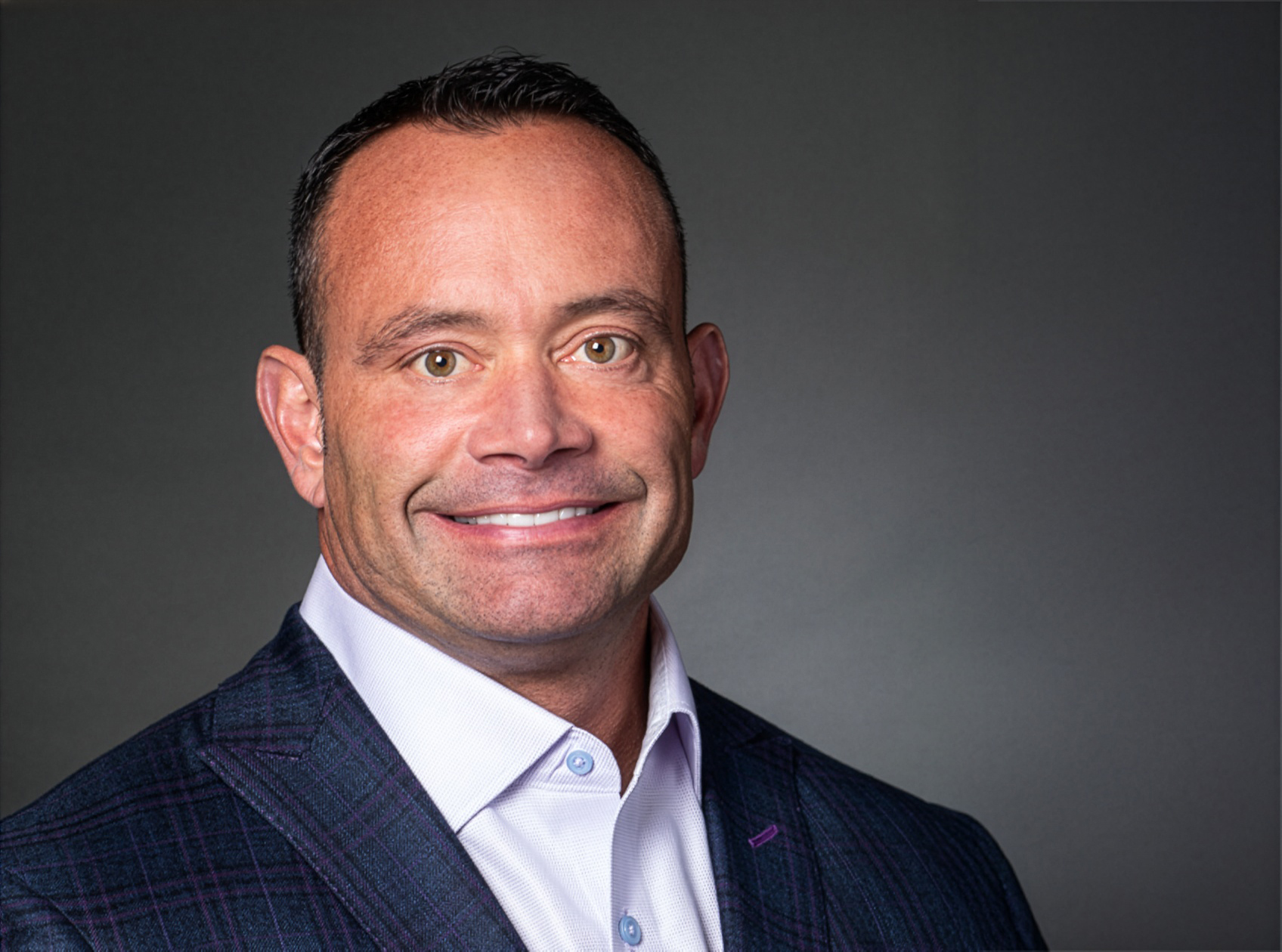
How does it feel to be back in the industry?
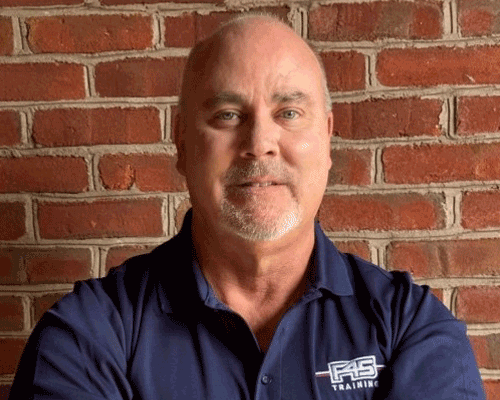
It feels great to be back in the fitness space – something I’m deeply passionate about, both personally and professionally.
I’m especially excited that Panobianco is a franchise company, much like Planet Fitness. I genuinely enjoy partnering with entrepreneurs and working as a team to grow a strong, scalable brand.
Tell us about the company
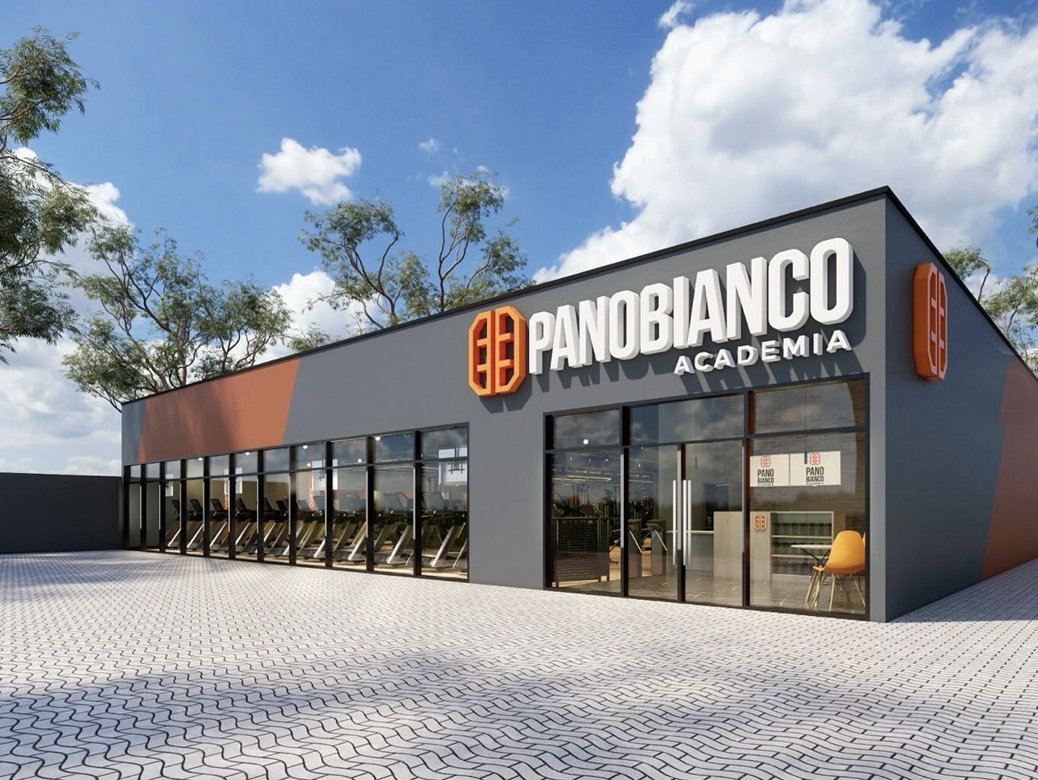
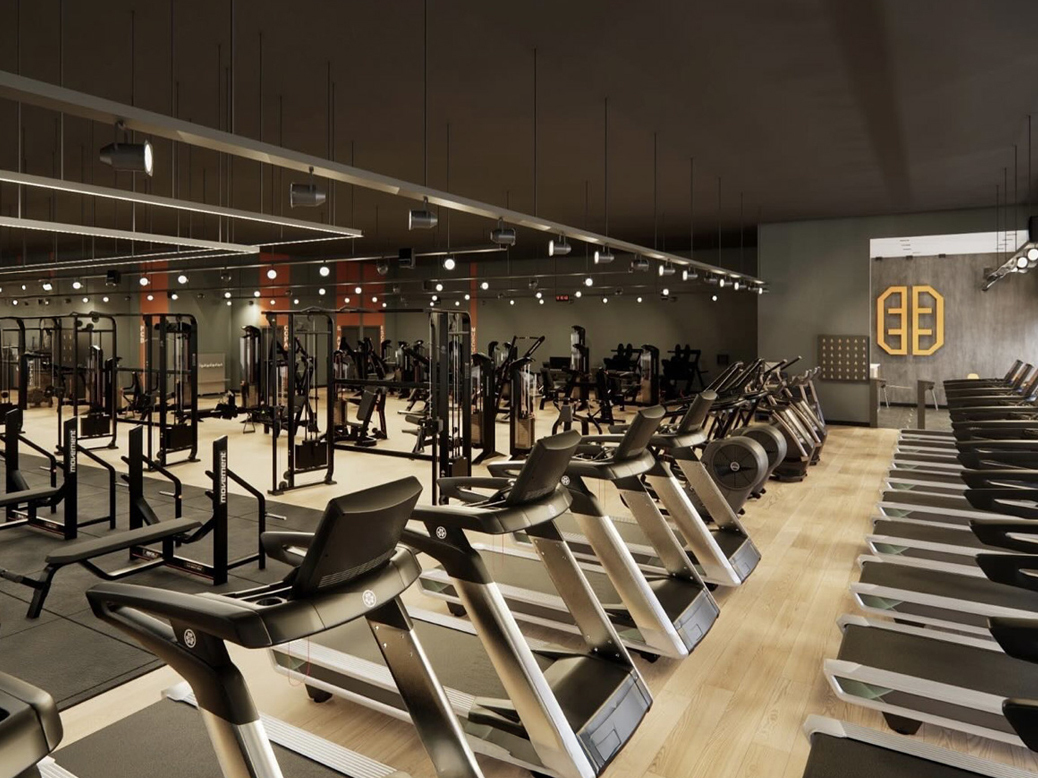
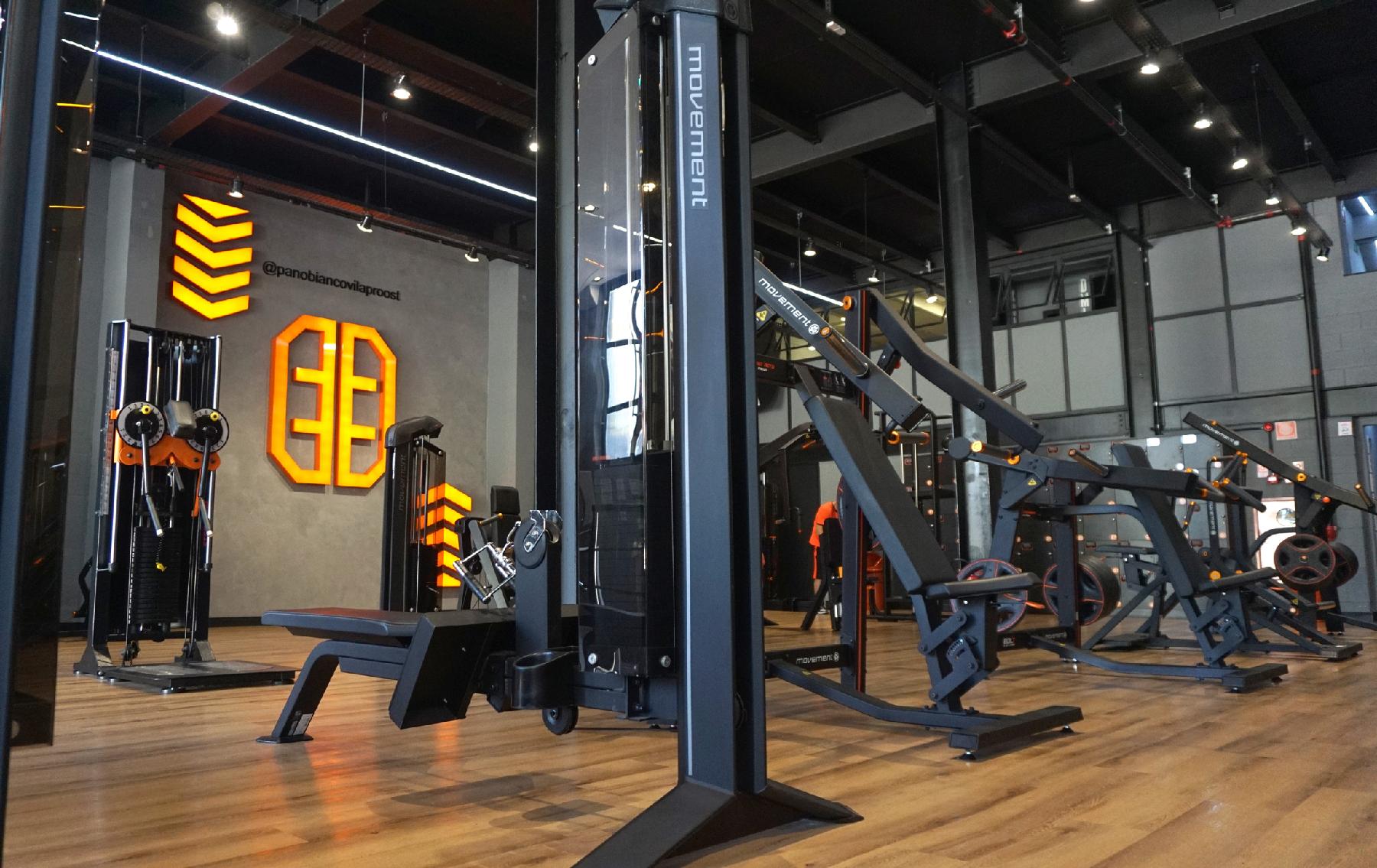
Panobianco delivers a low-cost, high-quality fitness experience. The clubs offer a great atmosphere – high energy, welcoming and accessible to people at all fitness levels, from beginners to experienced athletes.
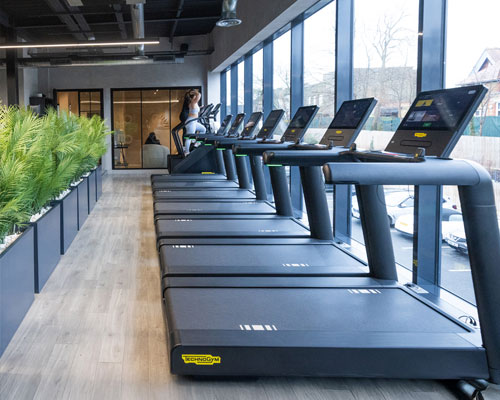
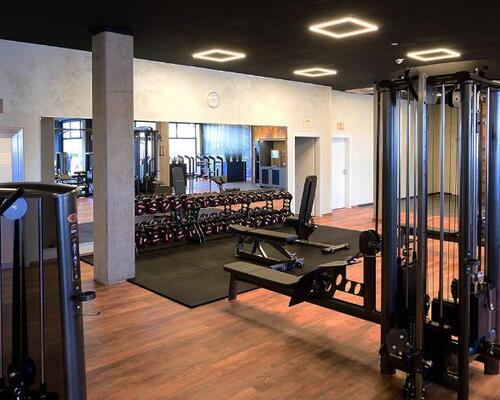
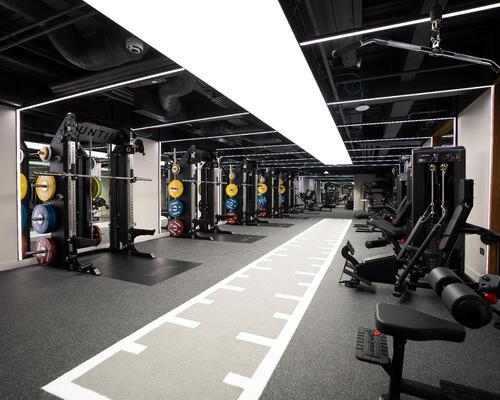
Locations feature both strength and cardio equipment, along with group exercise classes, and while some older locations require minor housekeeping updates, the majority of clubs are relatively new, due to the company’s accelerated growth over the past few years.
Each location is franchised by local entrepreneurs who build and operate clubs in their own communities, providing strong service and maintaining a hands-on, thoughtful approach to their locations. The royalty rate is 10 per cent and the marketing fund investment is 2 per cent.
Panobianco reminds me of Planet Fitness in 2010,when it was at the beginning of its most significant growth phase
The company’s strength lies in its solid foundation and a strong base of franchisees who are ready to grow. What may appear as weaknesses are truly opportunities. There are several key franchisor initiatives that, once implemented, will better support franchisees, drive unit-level profitability and ultimately fuel faster system-wide expansion.
Brand standards are monitored by our field team, who conduct site visits to evaluate service quality, cleanliness and operational consistency. They work with franchisees to identify gaps and develop action plans to bring locations back to brand standards.
Who is the leadership team?
CEO, Felipe Barth de Castro is a well-rounded executive who holds an MBA from MIT Sloan and brings a powerful combination of experience as both an entrepreneur and a corporate executive across Latin America.
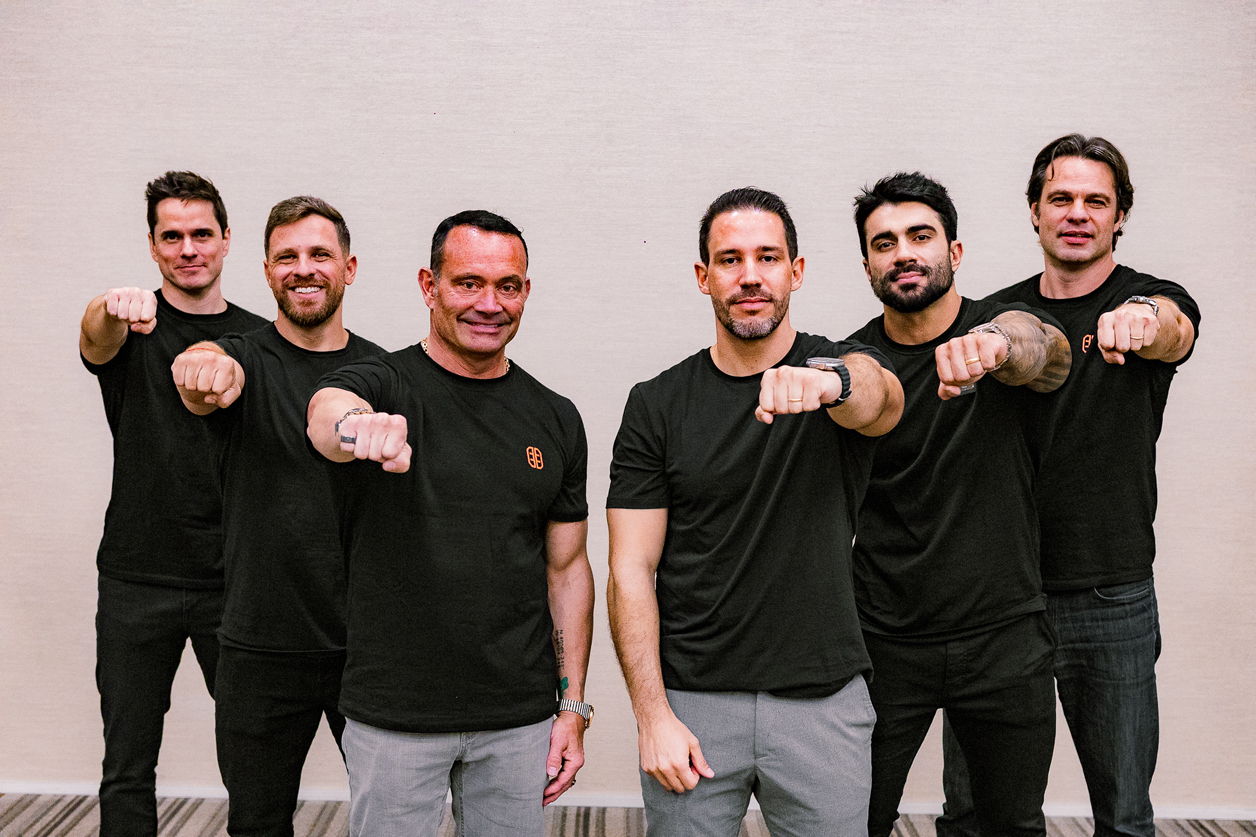
Under his guidance, we’re forming a 'team of stars' designed to make history in the Brazilian fitness market. This leadership team has been recently assembled and includes a new COO and head of expansion, Guilherme Rocha; head of legal and compliance, Cassio Alcantara and head of marketing, Celia Mizukosi. We’re currently recruiting an experienced CFO to complete the line-up early next year.
What’s the opportunity in Latin America?
It’s an exceptional market. People are passionate about fitness and exercise, yet there’s a clear lack of the right club at the right price point.
The opportunity is fundamentally about accessibility. In the US roughly 23 per cent of the population belongs to a gym, while in Latin America that figure is closer to 5 per cent or less, creating tremendous upside for Panobianco in the years ahead.
Tell us about the expansion into Mexico
Strategically, we treat our international operations as independent units. For example, we manage Brazil and Mexico separately. In Mexico, we’ve teamed up with a proven, experienced local entrepreneur, Gerardo Hernandez, who owns relevant equity. He’s building his own team locally with minimal reliance on Brazil, which offers the agility and local insight needed to succeed.
What’s your role?
I’m a board member and an investor in the business. While my role includes traditional board responsibilities, given the early stage of my involvement, I’m also deeply engaged in strategy and refining the franchisor’s operating model to help accelerate growth. In addition, I hold weekly mentoring calls with Felipe, Panobianco’s CEO, focused on leadership development and setting him up for long-term success.
Why is this an exciting opportunity?
I was introduced to the founding family and CEO by Cesar and Pietro at Wellhub. I have a longstanding relationship with Cesar and through his experience with Panobianco, he felt this would be a strong opportunity for me to help support and scale a compelling brand.
Panobianco today reminds me very much of Planet Fitness in 2010. At that time, Planet Fitness had approximately 400 locations – similar to where Panobianco is today – and that marked the beginning of its most significant growth phase. With the right strategic levers in place, I strongly believe I can help influence Panobianco’s trajectory in club development and membership growth.
We plan to end 2026 with approximately 600 locations and exceed 1,000 locations by the end of 2028. We’ve already opened our first location in Mexico, with additional Latin American markets under evaluation, as well as the US – a market I know extremely well.
What changes will you introduce?
Many of the most impactful changes are low-hanging opportunities, particularly around enhanced franchisee support in development, real estate, financing and marketing. Stronger support leads to higher franchisee satisfaction and profitability, which in turn drives continued expansion and faster scaling.
At this time, we’re fully focused on the existing Panobianco model. There’s significant opportunity within the current concept, and we’re intentionally avoiding distractions to ensure disciplined, effective scaling of the brand.
Digitalisation is one of the main challenges we face and we’ve identified it as a critical success factor for our strategy. To be transparent, this has historically been a weak point for Panobianco – the company previously sold only 2 per cent of its memberships through digital channels.
We’re actively working to change this by making key improvements to our website and e-commerce capabilities (such as three-click-purchase), along with revamping our digital marketing and conversion strategy. This is already working, and during our recent Black Friday promotion we saw digital membership sales rise to 22 per cent.
The majority of clubs are relatively new, due to the company’s accelerated growth over the past few years
Now we’re examining both the digital customer journey and the in-store experience to identify future investment opportunities. Our goal is to turn this area from a weakness into a core strength of the company.
What is the thinking behind the strategy of multi-unit franchises?
Committing franchisees to defined territories rather than single, one-off locations allows them to focus on building density within a market. This creates operational efficiencies, reduces cannibalisation and – most importantly – aligns annual unit growth. Franchisees are required to develop their territories with mandated yearly openings, giving the company clearer visibility into future growth.
What is the nature of your partnership with Wellhub?
It is a classic example of mutualism – a symbiosis where two entities work together and become significantly stronger for it. Wellhub helps us unlock a corporate client base we wouldn't otherwise reach by enabling companies to offer fitness benefits, which ultimately lowers the cost barrier for the end consumer.
Moreover, aggregators have become an intrinsic part of the Brazilian fitness ecosystem. Our vision is for Panobianco to be the primary anchor gym for Wellhub’s 'Basic' level – its most massive volume tier.
Finally, Wellhub is powerfully positioned to attract Gen Z, a generation that prefers the flexibility of being able to 'hop around' different fitness experiences. This makes the partnership a key channel for us to reach that demographic.
We’re seeing steady growth in this segment and if current trends continue, Gen Z will soon surpass Millennials to become the number one generation at Panobianco.
Digitalisation is one of the main challenges we face and we’ve identified it as a critical success factor. Our goal is to turn this area from a weakness into a core strength
Looking back, how do you feel now about your experience at Planet Fitness?
I’m proud of my experience at Planet Fitness. The chain began with a single location in 1992, where I worked the front desk. Over time, I worked every role in the business.
We transitioned to a franchise model in 2003 and spent nearly a decade refining it. By 2013, the system had grown to 600 locations, partnered with private equity, and went public less than three years later with over 1,000 locations in 2015.
I’ve lived the full lifecycle of scaling a franchise business, particularly in the fitness industry, which I’ve worked in for more than half my life.
Editor's letter

Feedback
HCM People
HCM People
Interview

Inclusion

DMCC

Insight

Talking point

Insight

Tech

Research



























How does it feel to be back in the industry?
It feels great to be back in the fitness space – something I’m deeply passionate about, both personally and professionally.
I’m especially excited that Panobianco is a franchise company, much like Planet Fitness. I genuinely enjoy partnering with entrepreneurs and working as a team to grow a strong, scalable brand.
Tell us about the company
Panobianco delivers a low-cost, high-quality fitness experience. The clubs offer a great atmosphere – high energy, welcoming and accessible to people at all fitness levels, from beginners to experienced athletes.
Locations feature both strength and cardio equipment, along with group exercise classes, and while some older locations require minor housekeeping updates, the majority of clubs are relatively new, due to the company’s accelerated growth over the past few years.
Each location is franchised by local entrepreneurs who build and operate clubs in their own communities, providing strong service and maintaining a hands-on, thoughtful approach to their locations. The royalty rate is 10 per cent and the marketing fund investment is 2 per cent.
Panobianco reminds me of Planet Fitness in 2010,when it was at the beginning of its most significant growth phase
The company’s strength lies in its solid foundation and a strong base of franchisees who are ready to grow. What may appear as weaknesses are truly opportunities. There are several key franchisor initiatives that, once implemented, will better support franchisees, drive unit-level profitability and ultimately fuel faster system-wide expansion.
Brand standards are monitored by our field team, who conduct site visits to evaluate service quality, cleanliness and operational consistency. They work with franchisees to identify gaps and develop action plans to bring locations back to brand standards.
Who is the leadership team?
CEO, Felipe Barth de Castro is a well-rounded executive who holds an MBA from MIT Sloan and brings a powerful combination of experience as both an entrepreneur and a corporate executive across Latin America.
Under his guidance, we’re forming a 'team of stars' designed to make history in the Brazilian fitness market. This leadership team has been recently assembled and includes a new COO and head of expansion, Guilherme Rocha; head of legal and compliance, Cassio Alcantara and head of marketing, Celia Mizukosi. We’re currently recruiting an experienced CFO to complete the line-up early next year.
What’s the opportunity in Latin America?
It’s an exceptional market. People are passionate about fitness and exercise, yet there’s a clear lack of the right club at the right price point.
The opportunity is fundamentally about accessibility. In the US roughly 23 per cent of the population belongs to a gym, while in Latin America that figure is closer to 5 per cent or less, creating tremendous upside for Panobianco in the years ahead.
Tell us about the expansion into Mexico
Strategically, we treat our international operations as independent units. For example, we manage Brazil and Mexico separately. In Mexico, we’ve teamed up with a proven, experienced local entrepreneur, Gerardo Hernandez, who owns relevant equity. He’s building his own team locally with minimal reliance on Brazil, which offers the agility and local insight needed to succeed.
What’s your role?
I’m a board member and an investor in the business. While my role includes traditional board responsibilities, given the early stage of my involvement, I’m also deeply engaged in strategy and refining the franchisor’s operating model to help accelerate growth. In addition, I hold weekly mentoring calls with Felipe, Panobianco’s CEO, focused on leadership development and setting him up for long-term success.
Why is this an exciting opportunity?
I was introduced to the founding family and CEO by Cesar and Pietro at Wellhub. I have a longstanding relationship with Cesar and through his experience with Panobianco, he felt this would be a strong opportunity for me to help support and scale a compelling brand.
Panobianco today reminds me very much of Planet Fitness in 2010. At that time, Planet Fitness had approximately 400 locations – similar to where Panobianco is today – and that marked the beginning of its most significant growth phase. With the right strategic levers in place, I strongly believe I can help influence Panobianco’s trajectory in club development and membership growth.
We plan to end 2026 with approximately 600 locations and exceed 1,000 locations by the end of 2028. We’ve already opened our first location in Mexico, with additional Latin American markets under evaluation, as well as the US – a market I know extremely well.
What changes will you introduce?
Many of the most impactful changes are low-hanging opportunities, particularly around enhanced franchisee support in development, real estate, financing and marketing. Stronger support leads to higher franchisee satisfaction and profitability, which in turn drives continued expansion and faster scaling.
At this time, we’re fully focused on the existing Panobianco model. There’s significant opportunity within the current concept, and we’re intentionally avoiding distractions to ensure disciplined, effective scaling of the brand.
Digitalisation is one of the main challenges we face and we’ve identified it as a critical success factor for our strategy. To be transparent, this has historically been a weak point for Panobianco – the company previously sold only 2 per cent of its memberships through digital channels.
We’re actively working to change this by making key improvements to our website and e-commerce capabilities (such as three-click-purchase), along with revamping our digital marketing and conversion strategy. This is already working, and during our recent Black Friday promotion we saw digital membership sales rise to 22 per cent.
The majority of clubs are relatively new, due to the company’s accelerated growth over the past few years
Now we’re examining both the digital customer journey and the in-store experience to identify future investment opportunities. Our goal is to turn this area from a weakness into a core strength of the company.
What is the thinking behind the strategy of multi-unit franchises?
Committing franchisees to defined territories rather than single, one-off locations allows them to focus on building density within a market. This creates operational efficiencies, reduces cannibalisation and – most importantly – aligns annual unit growth. Franchisees are required to develop their territories with mandated yearly openings, giving the company clearer visibility into future growth.
What is the nature of your partnership with Wellhub?
It is a classic example of mutualism – a symbiosis where two entities work together and become significantly stronger for it. Wellhub helps us unlock a corporate client base we wouldn't otherwise reach by enabling companies to offer fitness benefits, which ultimately lowers the cost barrier for the end consumer.
Moreover, aggregators have become an intrinsic part of the Brazilian fitness ecosystem. Our vision is for Panobianco to be the primary anchor gym for Wellhub’s 'Basic' level – its most massive volume tier.
Finally, Wellhub is powerfully positioned to attract Gen Z, a generation that prefers the flexibility of being able to 'hop around' different fitness experiences. This makes the partnership a key channel for us to reach that demographic.
We’re seeing steady growth in this segment and if current trends continue, Gen Z will soon surpass Millennials to become the number one generation at Panobianco.
Digitalisation is one of the main challenges we face and we’ve identified it as a critical success factor. Our goal is to turn this area from a weakness into a core strength
Looking back, how do you feel now about your experience at Planet Fitness?
I’m proud of my experience at Planet Fitness. The chain began with a single location in 1992, where I worked the front desk. Over time, I worked every role in the business.
We transitioned to a franchise model in 2003 and spent nearly a decade refining it. By 2013, the system had grown to 600 locations, partnered with private equity, and went public less than three years later with over 1,000 locations in 2015.
I’ve lived the full lifecycle of scaling a franchise business, particularly in the fitness industry, which I’ve worked in for more than half my life.
Editor's letter
Feedback
HCM People
HCM People
Interview
Inclusion
DMCC
Insight
Talking point
Insight
Tech
Research