

















features
Feedback: HCM Forum
Fuel the debate about issues and opportunities across the industry. We’d love to hear from you. Write to [email protected]



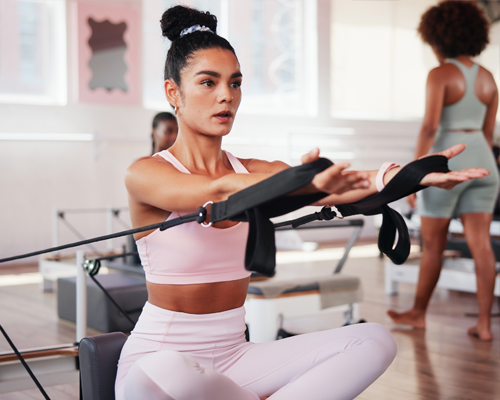
I fully support YouTube’s recent decision to limit recommendations of certain health and fitness videos to teenagers, especially those that idealise specific body types.
As a father of two daughters, one of whom is a teenager, I’m acutely aware of how repeated exposure to idealised imagery can deeply affect young people’s self-esteem. In today’s world, social media plays an outsized role in shaping teens’ self-perception, making it essential for platforms such as YouTube to take responsibility for guiding them toward healthier relationships with fitness and body image.
In my professional life, where I’m involved in content creation, I emphasise that there’s no such thing as a perfect body. Humans come in all sorts of different shapes and sizes and true wellness is about feeling strong, confident and healthy. While it’s important for young people to have access to fitness content and be encouraged to stay active, they mustn’t fall into harmful cycles of comparison or unrealistic expectations. YouTube’s decision is a positive step in protecting teens from these risks, but there’s still much more to be done.
The growing role of AI-generated content in wellness is another significant concern. As AI continues to grow in influence, there’s a danger fitness content will become less informed and more harmful, especially if it’s not created based on human expertise. Wellness is deeply personal and relying on AI-generated advice will see young people being misled.
AI is also being used to generate images and videos of ‘perfect’ young people, based on someone’s idea of perfection. Right now we can still tell what’s real, but soon that won’t be the case and this will accelerate the prevalence of unrealistic beauty standards and increase pressures on young people as they chase impossible standards that aren’t even human.
The human touch is crucial when it comes to delivering accurate and safe information – especially for young audiences – as the potential impact of unqualified fitness influencers is another major issue.
They may lack the necessary professional qualifications and experience but still hold significant sway over impressionable teens. Almost 50 per cent of teenage girls report frequent concerns about their bodies, a problem exacerbated by the pressure to conform to unrealistic ideals seen on social media.
Research from York University shows that taking just a one-week break from social media can improve self-esteem and body image, underscoring the harmful effects of constant exposure.
Alarmingly, this pressure has also been linked to an increase in elective cosmetic surgeries among teens, illustrating how deep these issues run.
Beyond the mental health consequences, there are serious physical health risks. Following advice or workout routines from unqualified influencers can lead to poor technique, overtraining or unsafe practices, resulting in injuries that could have long-term implications, so it’s crucial to counter their allure by elevating expert-led content that fosters body positivity, mental wellness and sustainable health habits.
While I applaud YouTube’s recent decision and those of platforms such as Instagram, which is starting to introduce safety features for teens, such as stricter privacy settings and limiting exposure to sensitive content, these are just the first steps.
The fitness industry should take the lead in creating a more responsible wellness culture.
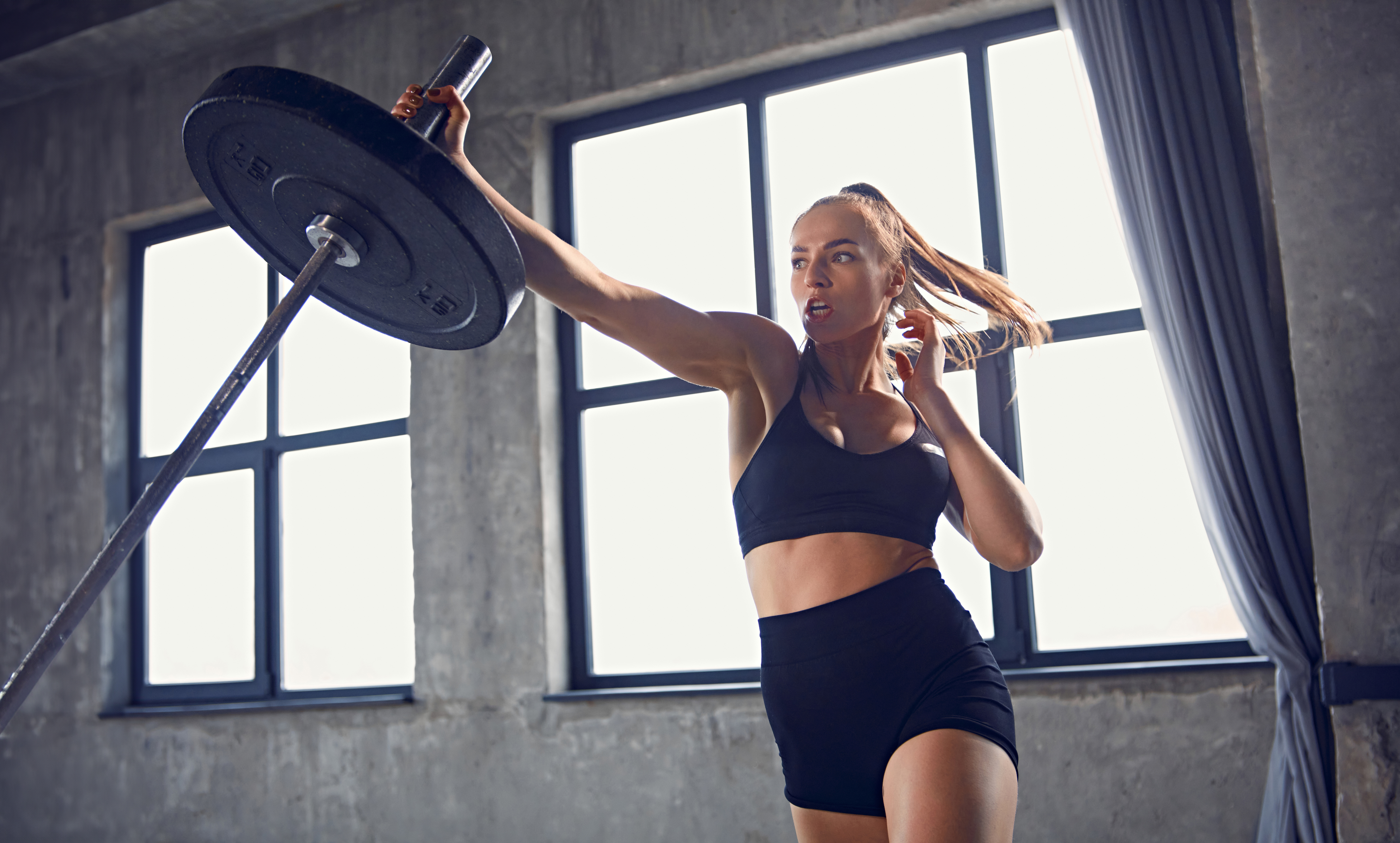
YouTube is to limit recommendations of certain health and fitness videos to teenagers, including those which ‘idealise’ certain body types.
The social media giant says 13- to 17-year-olds will still be able to search for and view fitness-related content, but will not be encouraged into repeated viewing of similar videos. It says it’s acting because of concerns that repeated exposure to such material can lead young people to develop negative beliefs about themselves.

I write in reference to your ‘call to action’ to the exercise community regarding GLP-1 medications and the absolute need for people to exercise while using these drugs (HCM issue 6 2024 www.hcmmag.com/GLP1training).
There are a few issues I’m observing while gearing up for the task of training professionals in the industry on the use of exercise and nutrition for those on weight loss drugs.
Firstly, few operators are embracing working with this group yet, but consumers on GLP-1s are already making their way into health clubs and many trainers don’t even know it. Liability issues aside, knowing about this medication and how to optimise exercise could prove to be one of the biggest selling points to position clubs as offering health expertise.
The method of delivery for GLP-1 medications is changing and the next wave of administration will be in small-dose sublinguals taken once or twice per day. This delivery method will bypass some of the side-effects of the injection method and allow for easier exercise training.
GLP-1 medications are now being touted as preventive measures for a number of chronic diseases. Time will tell if this is true, but the same preventive and therapeutic measures may exist with exercise and we’ve known this for decades.
The issue is to get and retain these new members by cultivating a level of emotional intelligence in the profession that recognises the issues related to weight loss and embrace these clients as long-term members of the club.
It’s certainly a challenge for the industry worldwide, but a challenge that should be met, as the benefits are many. However, it all starts with education – of the industry and then the clients.