














































press release: BLK BOX
What makes a great hotel gym design?
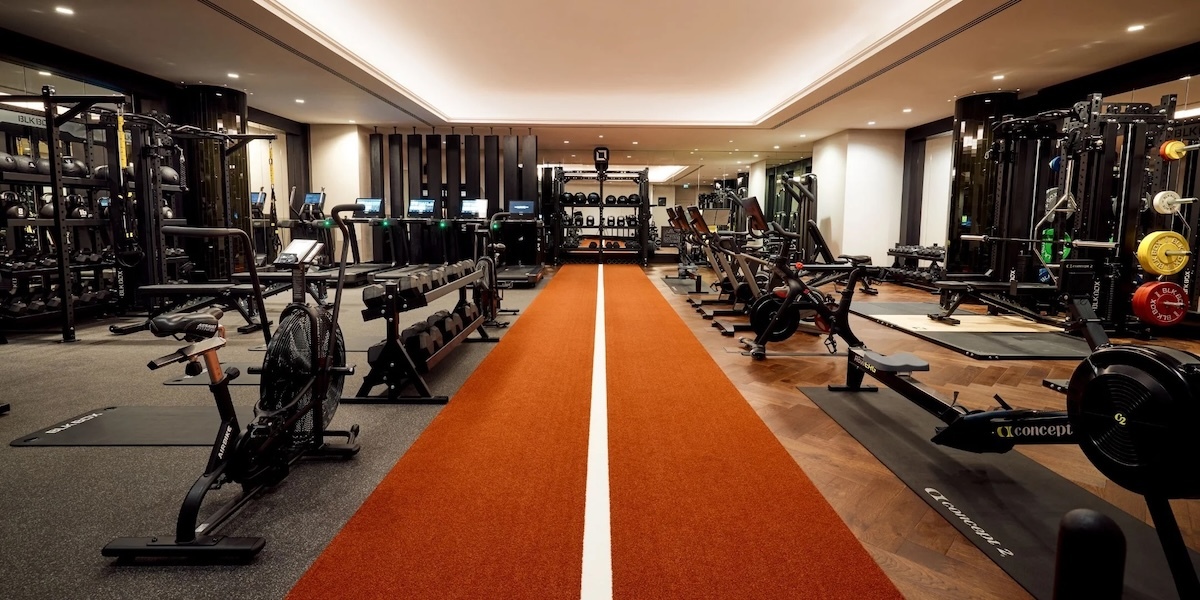
Hotel gyms are no longer an afterthought. They have become a key part of the guest experience and, increasingly, a deciding factor when travellers choose where to stay. Whether it is a business traveller maintaining routine or a leisure guest prioritising wellbeing, expectations have shifted.
As a result, fitness spaces within hotels are evolving beyond basic provision. A well-designed gym is no longer defined by the volume of equipment, but by how effectively the space supports performance, usability, and overall experience.
1. Function first: designing for real training
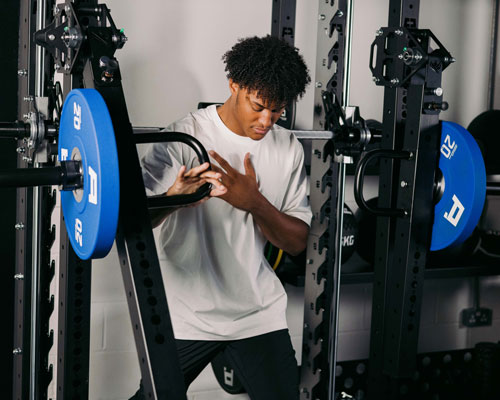
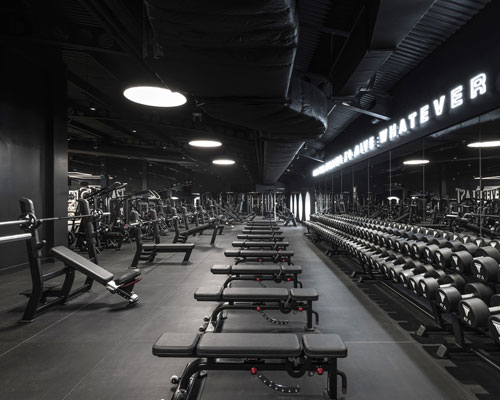
One of the most common pitfalls in hotel gym design is prioritising quantity over quality. Rows of cardio machines may create visual impact, but often fall short in delivering a meaningful training experience.
High-performing spaces instead focus on:
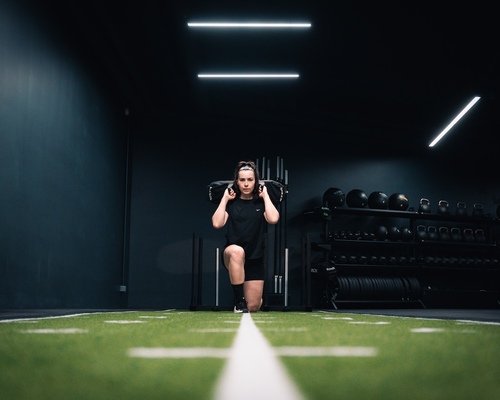
- Free weights and functional equipment
- Open floor space for movement
- Versatility across training styles
Guests increasingly expect the ability to train properly, not simply fill time. This requires equipment and layouts that support strength, conditioning, and efficient workouts.
2. Smart zoning creates better flow
Effective gym design should guide the user intuitively through the space.
Key zones typically include:
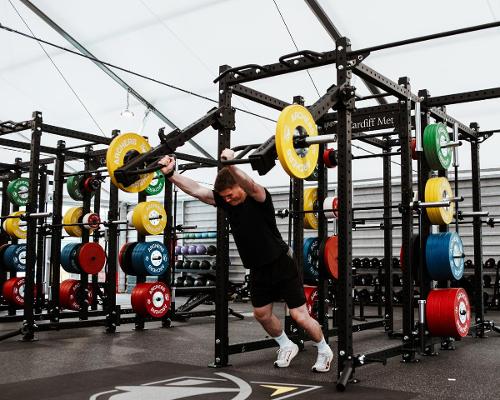
- A strength area with racks, benches, and plates
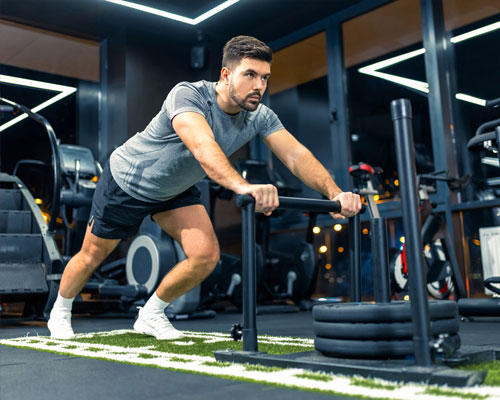
- Functional space for bodyweight and conditioning work
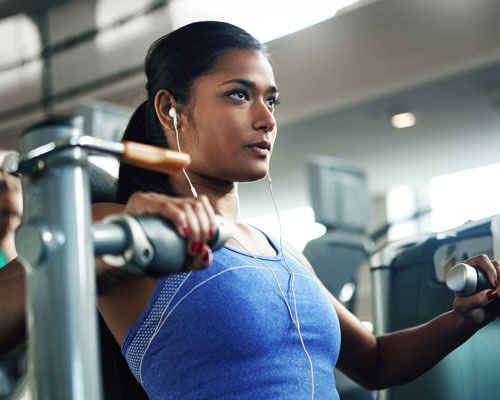
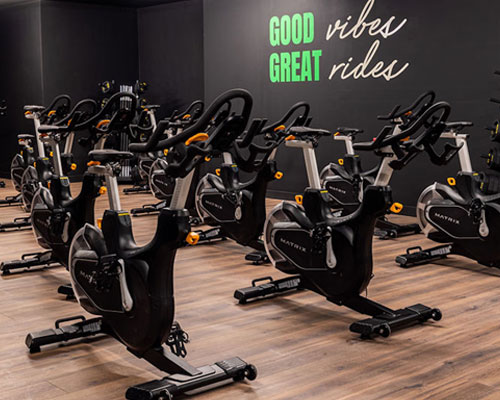
- Cardio provision that complements rather than dominates
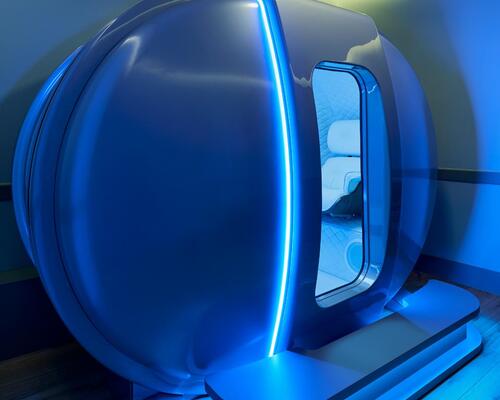
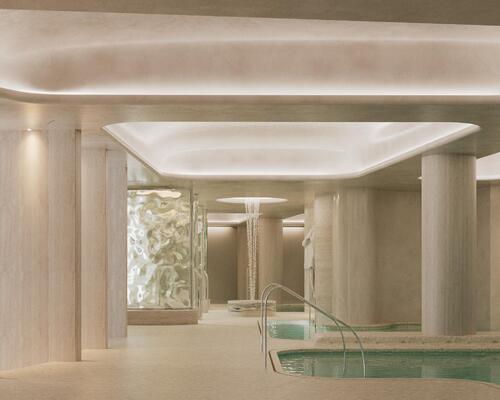
- A mobility or recovery area
Clear zoning reduces friction, improves safety, and enhances usability. Even in compact hotel gyms, layout often has a greater impact than overall size.
3. Quality over quantity
Equipment quality is immediately noticeable to guests. A smaller space fitted with premium equipment will consistently outperform a larger gym filled with lower-grade alternatives.
This is where considered specification becomes critical. High-quality, durable equipment not only enhances the training experience but also reflects the overall standard of the hotel.
4. Design that reflects the brand experience
A hotel gym should feel like a natural extension of the wider brand, rather than a secondary or overlooked space.
Key considerations include:
- Lighting that energises and enhances the environment
- Materials that align with the hotel’s interior design language
- Clean, uncluttered layouts
- A clear and consistent visual identity
5. Versatility for a diverse guest profile
Hotel gyms must cater to a wide range of users, including:
- Strength-focused individuals
- Casual or first-time gym users
- Time-conscious travellers
- Guests focused on recovery and mobility
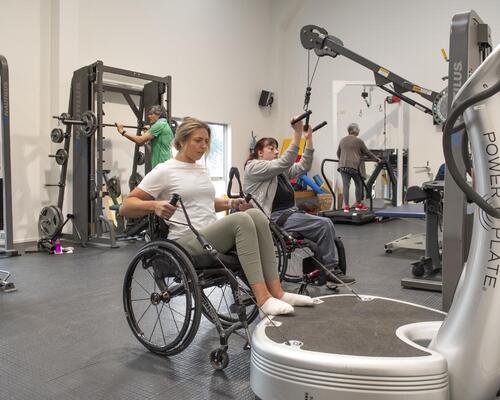
A successful space accommodates these needs without compromise. This typically includes adjustable equipment, multi-use training stations, and layouts that enable quick, effective sessions.
Why it matters more than ever
Wellness is no longer a niche offering within hospitality. It is an expectation.
A well-designed fitness space can:
- Increase guest satisfaction
- Encourage repeat bookings
- Strengthen overall brand perception
Hotels that invest in thoughtful, high-performance gym design are ultimately investing in the quality and consistency of the guest experience.









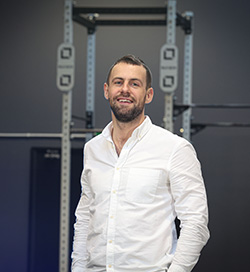

Gregory Bradley, founder/sales director
Miles Canning, marketing director
• Loughborough University,
• Irish Rugby,
• REPRESENT,
• Corinthia Hotels,
• PureGym, and
• Gymbox.
Our commitment to operational excellence ensures we meet the highest standards for our clients. We consistently deliver industry-leading production times, support, and service.
As we grow our business, we will sustainably expand our manufacturing footprint and resources. Our priority is to ensure responsible practices in our manufacturing processes, aligning with our commitment to a more sustainable future.
"This new location is an amazing environment, with plans to positively impact the community way beyond its perimeter walls. This new strength and conditioning studio will play a pivotal role in supporting this dream.
Working with Miles Canning, Gregory Bradley, and the rest of the BLK BOX team was an absolute joy, and I'm super proud of the legacy that we have left for Nike athletes and, of course, our local London communities, who deserve a premium space to get inspired and work out in."
– Bex Moorhouse, workplace design & connectivity director, Nike
"We believe our ongoing partnership with BLK BOX helps us further distinguish our offering in the global market. We have a very clear plan to deliver growth, and we believe our partnership with BLK BOX will help us achieve our aims.
We were very impressed with the functional training zone concept that BLK BOX collaborated with us on, and we are keen on building upon the partnership so we can continue to evolve our product offering for our members."
– Richard Annetts, head of gym format & equipment, PureGym
"For Powerbase, we aimed to collaborate with specialists in various areas, and BLK BOX emerged as the clear choice in the tender process for several reasons. Their extensive expertise in the performance market, coupled with their ability to glean insights from their work in other sectors, greatly benefits us.
While we were confident in our needs for the facility, partnering with a team that offered solutions and an agile engineering approach proved pivotal. We have tangible examples of innovation and collaboration in this facility, such as tailored accessible storage solutions designed to accommodate the mezzanine's pillars.”
– Rich Ellis, head of gyms and technical relationships, Loughborough University