Russian health club chain Planet Fitness has announced an aggressive expansion plan for 2007 that will see the chain both consolidate its presence in Moscow and St Petersburg and continue its regional expansion into Kazan and Samara.
The company plans to open at least nine new clubs within the next 12 months, covering a total of 16,000sq m and at an investment of US$15m (£7.8m).
Last month, clubs opened in Moscow and St Petersburg, with another club due to open in Moscow in May and two more sites to launch there in the third quarter of this year.
Six further clubs are planned for St Petersburg by the end of 2008, though details are yet to be revealed.
The newest clubs follow the company’s launch of its smaller club format, where the aim is to offer sites close to where people live and at a reasonable price – from US$43 (£22) per month.
Planet Fitness also has plans for three projects in Kazan and one club in Samara.
“The Planet Fitness clubs operating today in Kazan are oriented on the mid-price market,”explains director of regional projects Ivan Voitko.
“An evaluation of the market has encouraged us to implement new projects on different price categories – economy and premium.”
The company also plans to expand into Orenburg, Belgorod and Krasnodar by the end of the year.
Russian health club chain Planet Fitness has announced an aggressive expansion plan for 2007 that will see the chain both consolidate its presence in Moscow and St Petersburg and continue its regional expansion into Kazan and Samara.
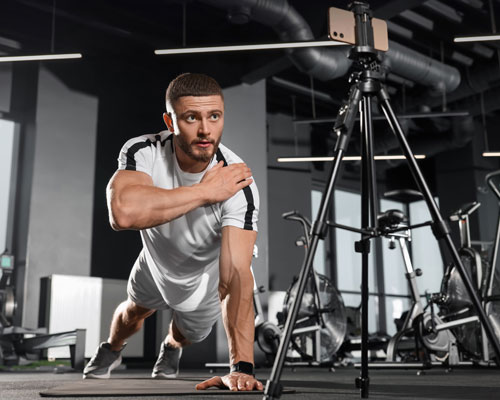
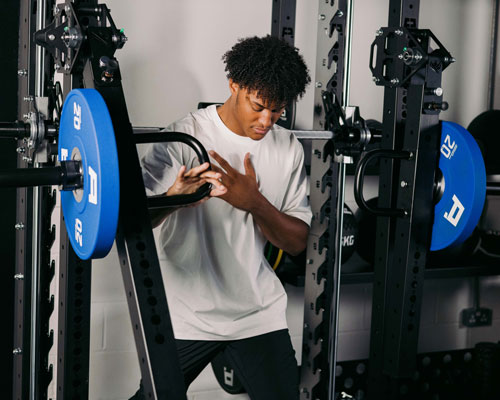
For every member with a tripod and a big following, there are others irritated at the way equipment is being hogged or wary they’ll be in the background on someone’s Insta feed. Do influencers offer valuable, free marketing or are they just a nuisance? Kath Hudson finds out how operators are responding
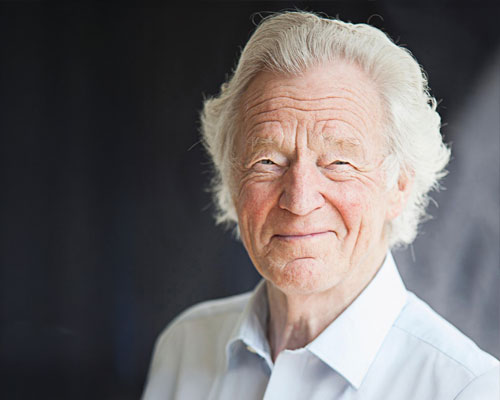
If the health service is to
survive, we must recognise
that it is a disease service
– and that wellbeing rests with
us, says the activity advocate
and healthy ageing champion.
He talks to Kate Cracknell
Active Blackpool is deploying Cornerstone Connect, a new digital interface allowing
disparate information from multiple systems to be aggregated into one dataset, to support
its focus on reducing health inequalities and improving healthy life expectancy.
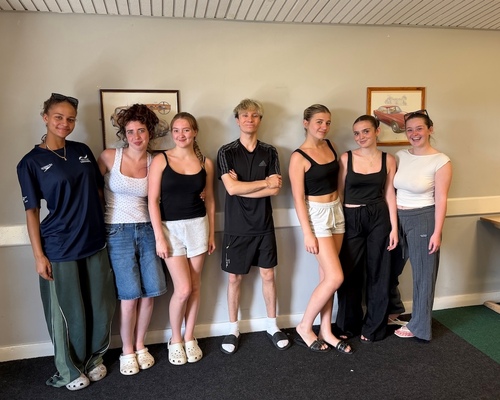
STA's The Ripple Effect initiative has reached an important milestone after learners
completed the charity's first fully funded swimming teacher training programme, resulting in
seven newly qualified swimming teachers.
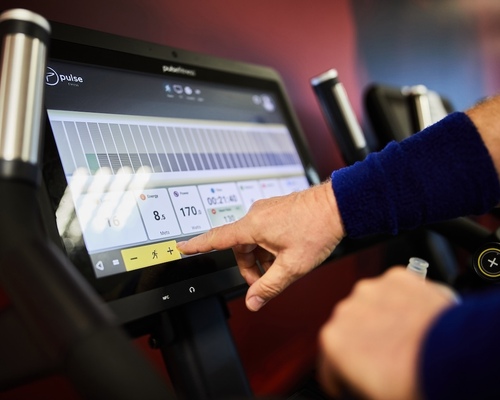
Pulse Fitness’ digital solution, Trakk, is helping Walsall Council transform community
health engagement into measurable outcomes by combining body composition tracking with
targeted physical activity interventions.
Russian health club chain Planet Fitness has announced an aggressive expansion plan for 2007 that will see the chain both consolidate its presence in Moscow and St Petersburg and continue its regional expansion into Kazan and Samara.
The company plans to open at least nine new clubs within the next 12 months, covering a total of 16,000sq m and at an investment of US$15m (£7.8m).
Last month, clubs opened in Moscow and St Petersburg, with another club due to open in Moscow in May and two more sites to launch there in the third quarter of this year.
Six further clubs are planned for St Petersburg by the end of 2008, though details are yet to be revealed.
The newest clubs follow the company’s launch of its smaller club format, where the aim is to offer sites close to where people live and at a reasonable price – from US$43 (£22) per month.
Planet Fitness also has plans for three projects in Kazan and one club in Samara.
“The Planet Fitness clubs operating today in Kazan are oriented on the mid-price market,”explains director of regional projects Ivan Voitko.
“An evaluation of the market has encouraged us to implement new projects on different price categories – economy and premium.”
The company also plans to expand into Orenburg, Belgorod and Krasnodar by the end of the year.
Russian health club chain Planet Fitness has announced an aggressive expansion plan for 2007 that will see the chain both consolidate its presence in Moscow and St Petersburg and continue its regional expansion into Kazan and Samara.
For every member with a tripod and a big following, there are others irritated at the way equipment is being hogged or wary they’ll be in the background on someone’s Insta feed. Do influencers offer valuable, free marketing or are they just a nuisance? Kath Hudson finds out how operators are responding
If the health service is to
survive, we must recognise
that it is a disease service
– and that wellbeing rests with
us, says the activity advocate
and healthy ageing champion.
He talks to Kate Cracknell
As the entrepreneur who started Wexer, Fresh Fitness, Fitness DK and Repeat, as well as being a former elite athlete, Rasmus Ingerslev’s life looked perfect from the outside, but onthe inside it was a different story. He talks to Kath Hudson about healing old wounds
Strength training is evolving,
driven by changing consumer
preferences. Julie Cramer talks
to innovators about how their
products are meeting this demand
Collaborations with the medical profession and greater aspirations around wellbeing are creating a need for more experts in our sector. It’s time to reboot our thinking around the workforce
Record market penetration in the UK
fitness sector masks a deeper shift
around consumer engagement, according
to a report from Grant Thornton and
UK Active, as Liz Terry reports
Active Blackpool is deploying Cornerstone Connect, a new digital interface allowing
disparate information from multiple systems to be aggregated into one dataset, to support
its focus on reducing health inequalities and improving healthy life expectancy.
STA's The Ripple Effect initiative has reached an important milestone after learners
completed the charity's first fully funded swimming teacher training programme, resulting in
seven newly qualified swimming teachers.
Pulse Fitness’ digital solution, Trakk, is helping Walsall Council transform community
health engagement into measurable outcomes by combining body composition tracking with
targeted physical activity interventions.