







Editor's letter



For years, the sector has championed the value of community, but as operators continue to tackle retention challenges, it’s time to ask if community alone is enough to influence long-term behaviour.
New findings from Myzone’s report, The State of Global Exercise Behaviour 2025, suggest there’s a more powerful concept operators should consider: social fitness.
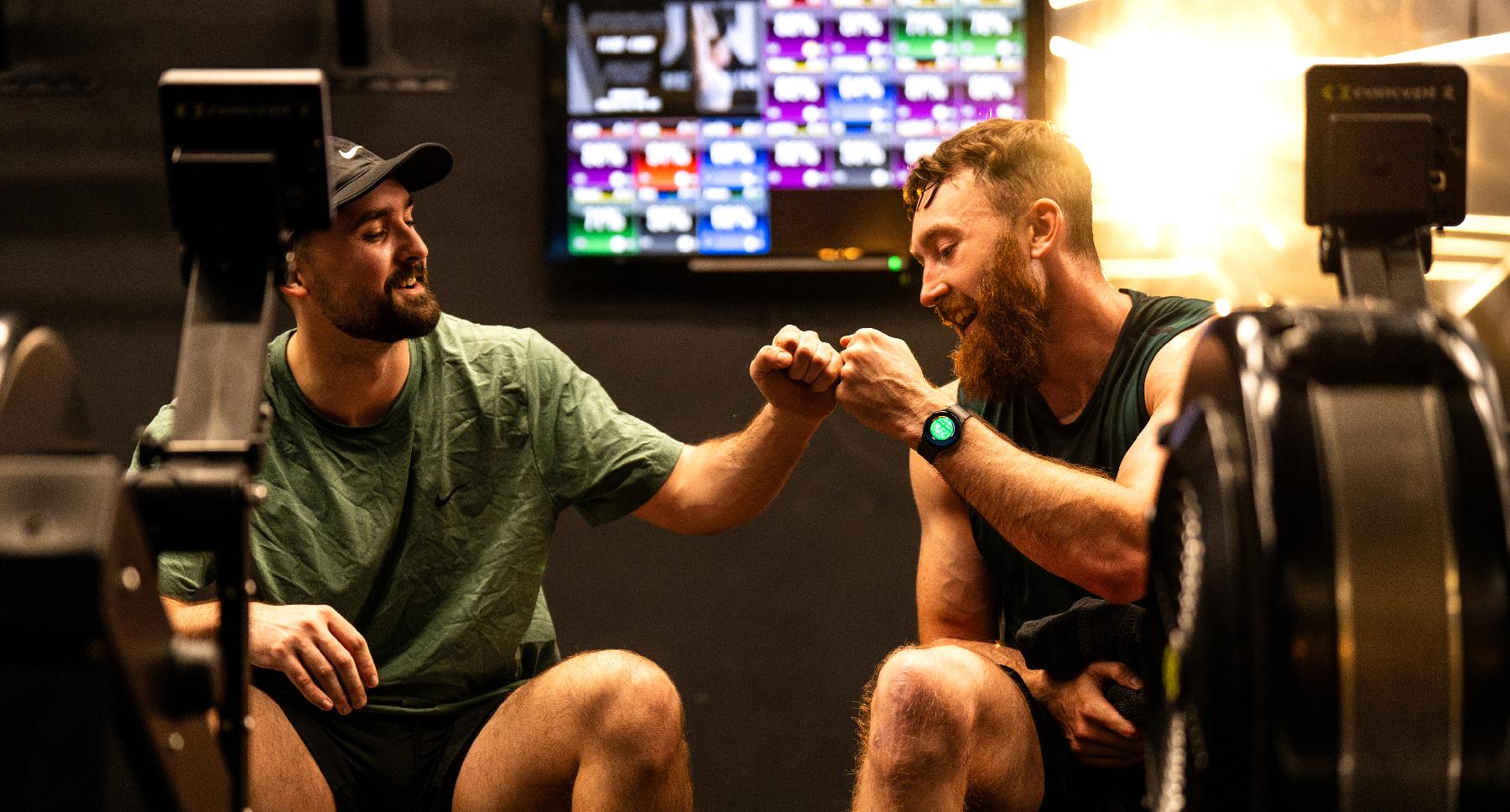
Social fitness takes people beyond being part of a community, giving them the ability to build, maintain and strengthen relationships through shared movement and activity, creating accountability, motivation and belonging that encourage people to keep coming back.
Drawing on aggregated user behaviour across gyms, home workouts, outdoor training and everyday movement, the report focuses on behaviour how people move, how often they return and what sustains engagement over time.
The value of social connections
One of the key findings is the impact of connection. Users with more than 10 social connections generate 47 per cent more Myzone Effort Points (MEPs) than those with fewer. This uplift is not linked to programming, access or ability, but to interaction and the motivational effect of shared participation.
Many clubs already foster a passive sense of community. Members may recognise familiar faces, attend the same classes or share the same training environment. But that doesn’t necessarily change behaviour.
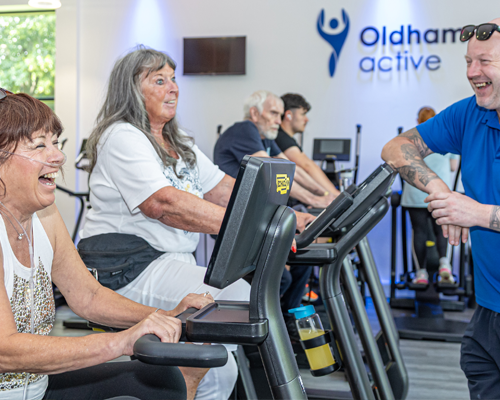
Social fitness is more active and intentional. It creates visibility around effort, encourages interaction and reinforces consistency through recognition and shared achievement. Rather than simply occupying the same space, members become participants in a collective experience.
From a behavioural science perspective, this aligns with one of the strongest predictors of long-term motivation: relatedness. Myzone motivation science advisor, Dr Heather McKee, explains: “People are more likely to repeat behaviours when they feel connected to others while doing them. That connection adds meaning, reinforces effort and creates accountability in a way programming alone cannot replicate.”
The effect becomes even more significant when looking at exercise consistency. Across global users, Myzone data shows an average of 3.5 workouts per week, widely regarded as the point at which exercise shifts from occasional participation to habit.
For many operators, achieving that level of consistency is the biggest challenge. The difference often lies in whether members have a reason to return beyond individual motivation. Social fitness provides that additional layer by embedding recognition, feedback and shared participation into the exercise experience.

People are more likely to repeat behaviours when they feel connected to others while doing them
Operators with a social focus
This can be seen in operators that have built social fitness into their model. One Anytime Fitness franchise group, operating 19 clubs across Connecticut and Wisconsin, shifted its focus from measurement towards motivation, embedding Myzone across every club and making member effort, measured through MEPs, a core KPI.
“We set a company-wide goal to hit 10 million MEPs in a year,” says fitness manager Donald DesPierre III. “It shows our teams and members exactly what matters: showing up and putting in the effort.”
The approach changed how members engaged. Effort became visible, recognised and shared, creating a stronger sense of collective participation. Challenges became central to the member experience and a way to keep people connected. During a snowstorm, the team launched a same-day challenge, encouraging members to stay active however they could. Participation didn’t decline; members adapted while remaining connected to the club experience.
The commercial results are significant. Coaching penetration across the franchise averages 15 per cent and reaches 30 per cent in some locations. Myzone users also average a 20-25 per cent longer length of stay than non-users.
Ultimately, engagement is behavioural. People repeat actions that feel rewarding, visible and socially reinforced. Traditional community supports that, but social fitness has the potential to strengthen it in a far more meaningful and measurable way.
● To download The State of Global Exercise Behaviour 2025 report free of charge, go to: www.hcmmag.com/myzoneEB25
Editor's letter
Feedback
HCM People

HCM People

Profile

Opinion

Sponsored

Data
Obituary

Healthspan

Liability

First person

Tech

Profile
Profile

Research


























For years, the sector has championed the value of community, but as operators continue to tackle retention challenges, it’s time to ask if community alone is enough to influence long-term behaviour.
New findings from Myzone’s report, The State of Global Exercise Behaviour 2025, suggest there’s a more powerful concept operators should consider: social fitness.
Social fitness takes people beyond being part of a community, giving them the ability to build, maintain and strengthen relationships through shared movement and activity, creating accountability, motivation and belonging that encourage people to keep coming back.
Drawing on aggregated user behaviour across gyms, home workouts, outdoor training and everyday movement, the report focuses on behaviour how people move, how often they return and what sustains engagement over time.
The value of social connections
One of the key findings is the impact of connection. Users with more than 10 social connections generate 47 per cent more Myzone Effort Points (MEPs) than those with fewer. This uplift is not linked to programming, access or ability, but to interaction and the motivational effect of shared participation.
Many clubs already foster a passive sense of community. Members may recognise familiar faces, attend the same classes or share the same training environment. But that doesn’t necessarily change behaviour.
Social fitness is more active and intentional. It creates visibility around effort, encourages interaction and reinforces consistency through recognition and shared achievement. Rather than simply occupying the same space, members become participants in a collective experience.
From a behavioural science perspective, this aligns with one of the strongest predictors of long-term motivation: relatedness. Myzone motivation science advisor, Dr Heather McKee, explains: “People are more likely to repeat behaviours when they feel connected to others while doing them. That connection adds meaning, reinforces effort and creates accountability in a way programming alone cannot replicate.”
The effect becomes even more significant when looking at exercise consistency. Across global users, Myzone data shows an average of 3.5 workouts per week, widely regarded as the point at which exercise shifts from occasional participation to habit.
For many operators, achieving that level of consistency is the biggest challenge. The difference often lies in whether members have a reason to return beyond individual motivation. Social fitness provides that additional layer by embedding recognition, feedback and shared participation into the exercise experience.
People are more likely to repeat behaviours when they feel connected to others while doing them
Operators with a social focus
This can be seen in operators that have built social fitness into their model. One Anytime Fitness franchise group, operating 19 clubs across Connecticut and Wisconsin, shifted its focus from measurement towards motivation, embedding Myzone across every club and making member effort, measured through MEPs, a core KPI.
“We set a company-wide goal to hit 10 million MEPs in a year,” says fitness manager Donald DesPierre III. “It shows our teams and members exactly what matters: showing up and putting in the effort.”
The approach changed how members engaged. Effort became visible, recognised and shared, creating a stronger sense of collective participation. Challenges became central to the member experience and a way to keep people connected. During a snowstorm, the team launched a same-day challenge, encouraging members to stay active however they could. Participation didn’t decline; members adapted while remaining connected to the club experience.
The commercial results are significant. Coaching penetration across the franchise averages 15 per cent and reaches 30 per cent in some locations. Myzone users also average a 20-25 per cent longer length of stay than non-users.
Ultimately, engagement is behavioural. People repeat actions that feel rewarding, visible and socially reinforced. Traditional community supports that, but social fitness has the potential to strengthen it in a far more meaningful and measurable way.
● To download The State of Global Exercise Behaviour 2025 report free of charge, go to: www.hcmmag.com/myzoneEB25
Editor's letter
Feedback
HCM People
HCM People
Profile
Opinion
Sponsored
Data
Obituary
Healthspan
Liability
First person
Tech
Profile
Profile
Research