









Les Mills
Les Mills
Les Mills
Follow Health Club Management on Twitter Like Health Club Management on Facebook Join the discussion with Health Club Management on LinkedIn
FITNESS, HEALTH, WELLNESS

features

Interview: Vidmantas Siugzdinis

The CEO of health club operator Impuls talks to Kate Cracknell about roll-out plans across the Baltics, and the potential for private equity to join the dots of healthy living
By Kate Cracknell | Published in Health Club Management 2016 issue 5
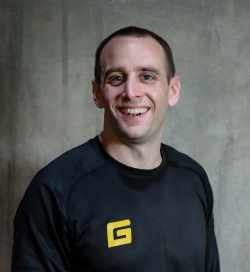
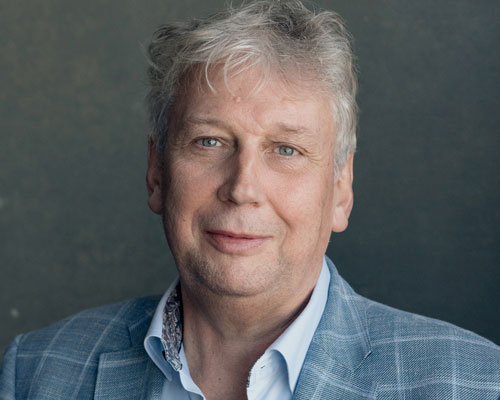
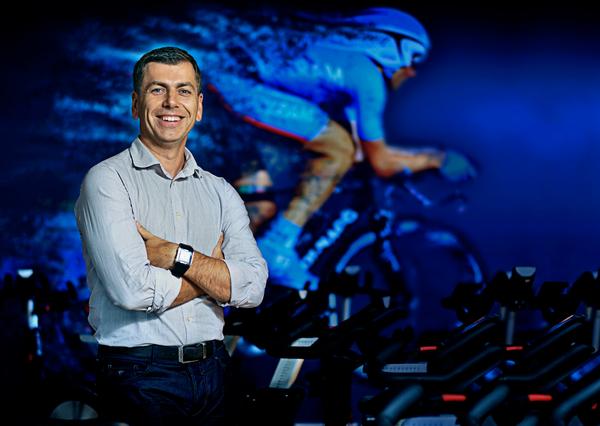
Vidmantas Siugzdinis
At some point, investors will start connecting sectors with ‘healthy lifestyle’ agendas. That’s the point at which a really interesting future awaits - Vidmantas Siugzdinis

Basically we want to be Scandinavia,” says Impuls CEO Vidmantas Siugzdinis, laughing, when I ask him about the aspirations and growth expectations of the Baltics’ fitness market.

“We already have a lot of connections with those countries generally. Estonia and Finland are in the same language group and have strong business connections, and Sweden is the biggest investor in Lithuania and Latvia. There’s also a lot of investment from Denmark. So it’s always those markets we look to – they’re the good examples of where we want to be in terms of happiness, income and so on.

“Similarly, when it comes to fitness, it isn’t really the well-established US or UK markets we look to emulate, because activity still isn’t the norm there. In Scandinavia, if you don’t exercise, there’s something wrong with you. It isn’t subject to your income – you can exercise at home, you can go for a run. It’s just something you do: you see everyone else doing it and that puts a social pressure on you to do it too.”

He continues: “I think we’re now at a turning point in Lithuania and the Baltics generally. In the last few years, we’ve reached a critical mass of people in the cities who run, cycle, exercise, go to the gym, and in a few years’ time I think it will be abnormal not to do that.

“That could be sped up even more if there were the slightest push from government – some sort of tax incentive, for example.

“We have an advantage in that our countries are small – the entire population of Lithuania is three million, and in Latvia it’s two million – so change can happen faster than it does elsewhere. We’re also not stuck in our ways when it comes to fitness, because it’s all quite new for us. In the US and UK, there are a lot of great examples but also a lot of bad examples, whereas we don’t know how to do it wrong – yet.

“So we’re at a tipping point, and the way we want to go is the Scandinavian way. Until recent times, we were afraid to even think we could be like them – they seemed light years ahead – but we’re not actually that different. I believe we can aspire to what we see happening in Scandinavia.”

Fitness in the Baltics
For now, what does the market look like in the Baltics – defined as Lithuania, Latvia and Estonia?

“Really there are only two big players in the Baltics at the moment: ourselves and MyFitness. MyFitness operates in Estonia and Latvia, whereas we’re in all three markets, but we have a similar total number of clubs in our estates. The third player is Atletika, which only operates in Latvia.

“Historically there’s been a problem with standards – lots of small clubs were set up almost as a hobby – but professionalism is improving across the sector and competition is getting tougher every month too.

“In fact, an interesting trend I’ve noticed is that individuals are effectively becoming brands, establishing themselves as leaders of fitness communities. We might not have premium boutique clubs in our markets yet, but there are nevertheless lots of small studios emerging – like small communities – which I think is good for the industry as it grows. Even these smaller operators can make their mark thanks to social media: they can do something interesting, something viral, without having to spend lots of money.”

He continues: “Meanwhile the Baltics are already mirroring some of the trends you see in western Europe: CrossFit is getting popular, for example, and everyone’s introducing functional training in their clubs.

“The lack of boutiques in our markets is down to people’s purchasing power – average income is much lower than in western Europe, so even a normal gym membership is a luxury purchase – as well as the fact we don’t have any large cities like New York or London.

“The Baltics simply aren’t very urbanised. In the capital cities, fitness penetration rates are anything up to 10 per cent, and I believe we can get to 15 per cent quite easily. But overall it’s less than 5 per cent in all three markets. However, I do believe there’s growth potential, especially if we target people in the 40- to 60-year-old bracket.

“At the moment, health club members are typically aged 20–40, with the 20- to 30-year-olds tending to favour the budget gyms and those aged 30 to 40 opting for full-service. But the new generation of 40-somethings have earned more money than their parents and grandparents before them. We’ve also embraced the notion of exercise as part of your life journey. So I think a middle class will form over the next 10 years, bringing with it its habits, its lifestyle, its life ideas – and this will drive growth for fitness clubs and exercise in general.

“So we’re very excited by the potential in the Baltics, and we’re always looking at new concepts. For now we have two – full-service Impuls and low-cost Lemon Gym – but we’re always looking around the world for new ideas.”

Introducing Impuls
So let’s hear more about Impuls, which Siugzdinis joined as CEO in 2012 at the request of private equity firm Baltcap, which had just acquired the family-owned company. What’s the story of the first pan-Baltic fitness operator?

“Impuls was founded in 2004, and when I joined the company in May 2012 it had eight full-service clubs across four cities in Lithuania. It had 15,000 members, but only 6 per cent of those were annual. ‘Retention’ wasn’t a word anyone used. There were no sales procedures. Everything was short-term and unstable.

“We now have a total of 19 clubs across Lithuania, Latvia and Estonia, with another three clubs opening imminently – but that growth only came once we had our structures and systems in place. We now have 35,000 members, of which 85–90 per cent are on long-term contracts.

“Our next project is to repay them for that loyalty: building our programming, our connections with members, the sense of community within our clubs.

“We’ve already started that process. For example, one of our group cycling instructors started taking members cycling outdoors and they established a team to compete in competitions. We’re now creating an Impuls Racing Team off the back of this, which will run across all of our clubs with studio classes, outdoor rides, competitions, family days and so on.

“We plan to do more initiatives like this, and we have an ‘idea bank’ and annual awards for the best ideas generated by our employees. That’s important, because you need a strong USP as the market becomes more competitive.

“When it comes to the big message, fitness has it pretty easy compared to other industries: we’re genuinely doing something good for the population, so we don’t have to be too inventive in our messaging. But as individual operators, we do have to find our own voices within that: what’s our speciality, how do we differ from everyone else, what path are we taking within this ‘healthy world’ message? And how will we spread that beyond our facilities and into people’s homes, onto TV screens and phone screens?”

Growth plans
He continues: “We’ve diversified our portfolio since 2012 too. Impuls remains our high-end brand – we call it a premium club, but if you use the UK as your benchmark it’s probably more comparable to a full-service, mid-market offering with a swimming pool. We currently have 12 Impuls clubs, all in Lithuania, and they charge around €40–60 a month.

“We also have our low-cost operation, Lemon Gym, which we launched in February 2014 in a bid to make fitness affordable for more people. We currently have five Lemon Gyms – four in Lithuania and one in Latvia – and will continue to grow that brand.

“Finally, we have the Arctic Sport Clubs brand in Estonia: two clubs which we acquired at the end of 2015. The offering there is very similar to that of Impuls, but for now the clubs will continue to operate under the well-established Arctic brand and we’ll work with the existing management team to grow the operation – a project that we will finance.

“Ultimately we’re planning to get to 40 clubs with at least 80,000 members by 2018, expanding across all three markets and both brands. I can see Impuls going into Latvia, and Lemon Gym will definitely go into Estonia as soon as we find the right locations. And overall I want to achieve more of a balance between the three markets in terms of numbers of clubs in each country.”

How about further afield – would he ever consider going into other markets beyond the Baltics? “Yes, we would. For the next two or three years we want to focus on embedding ourselves in the countries where we already operate, securing all the best locations while those markets are still developing. It’s very easy to succeed when you’re the only one doing something, but people are quick to follow and we don’t want to lose our advantage. We launched a budget gym brand at the beginning of 2014 and were at that point the only operator in the low-cost market; now there are already two others.

“Once we’ve reached 40 clubs though – depending on our shareholders from private equity firm Baltcap – further overseas development, especially within eastern Europe, is certainly a possibility.”

Co-operation and collaboration
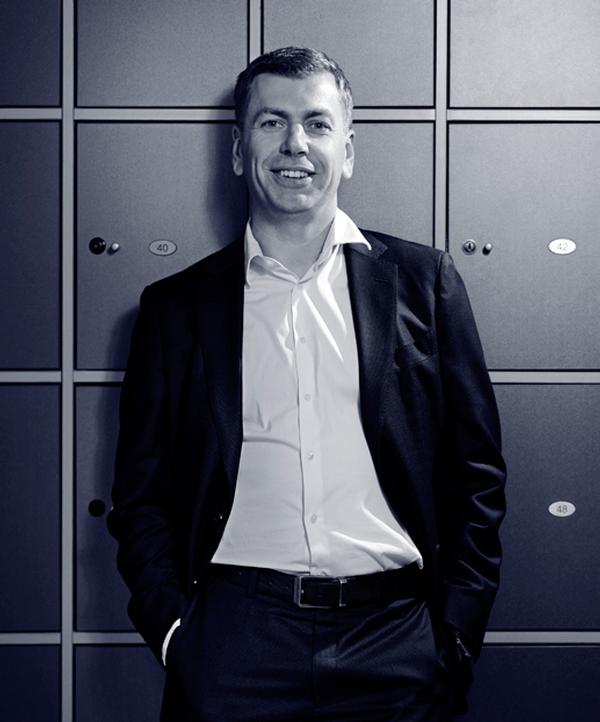
Vidmantas Siugzdinis

My background was in advertising, and then management of large event arenas, and it was always a bit of a closed shop – people didn’t really want to share information,” says Vidmantas Siugzdinis, CEO of pan-Baltic health club operator Impuls.

“Then I came to fitness and was surprised by how open everyone was. I think that’s partly because we all know we only have 10–15 per cent of our respective populations using our facilities, so there are plenty of opportunities and we’ll all benefit if we pool our knowledge and grow the market. I believe the equipment manufacturers are really helping in that process too.

“But I think the other factor in this openness is private equity, which is now investing heavily in fitness. When these investors come in, they ask a lot of very forthright questions: what’s your turnover, your EBITDA, your margin? They won’t invest without that information, so some of it becomes public knowledge, whereas before those are the sorts of figures operators wouldn’t want to reveal. Private equity is breaking down barriers.

“The growing involvement of private equity in our industry is going to break down other barriers too, bringing potentially collaborative sectors together. It isn’t happening yet, but I think at some point investors will start connecting sectors with ‘healthy lifestyle’ agendas – fitness, food, apparel and healthcare are obvious fits. And when these different industries join forces, pooling ideas and resources... that’s the point at which a really interesting future awaits.”
Sign up here to get HCM's weekly ezine and every issue of HCM magazine free on digital.
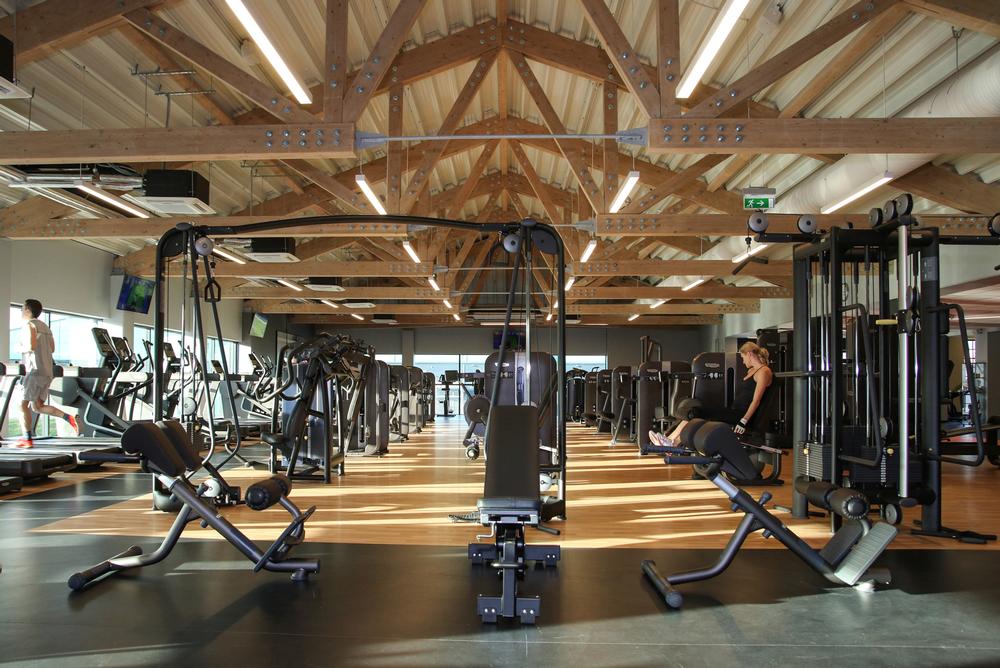
Impuls is a full-service brand, with 12 clubs currently in the portfolio
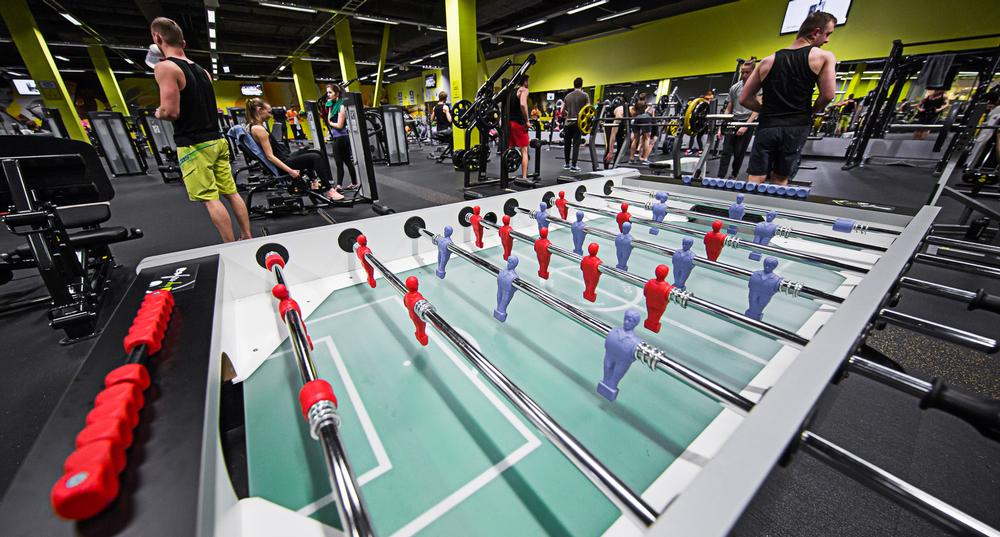
The low-cost Lemon Gym brand launched in February 2014
https://www.leisureopportunities.co.uk/images/856656_100969.jpg
Vidmantas Siugzdinis shares his experiences of creating the first pan-Baltic fitness operation
Vidmantas Siugzdinis, Implus Kate Cracknell, managing Editor, Health Club Management,Impuls, Lemon Gym, Baltics, Vidmantas Siugzdinis, Vidmantas, Kate Cracknell, Latvia, Lithuania, Estonia, private equity, Arctic
HCM magazine
For every member with a tripod and a big following, there are others irritated at the way equipment is being hogged or wary they’ll be in the background on someone’s Insta feed. Do influencers offer valuable, free marketing or are they just a nuisance? Kath Hudson finds out how operators are responding
HCM magazine
Collaborations with the medical profession and greater aspirations around wellbeing are creating a need for more experts in our sector. It’s time to reboot our thinking around the workforce
HCM magazine
Raphael Cuomo explores the powerful link between addiction, health and behaviour change
HCM magazine
As the entrepreneur who started Wexer, Fresh Fitness, Fitness DK and Repeat, as well as being a former elite athlete, Rasmus Ingerslev’s life looked perfect from the outside, but onthe inside it was a different story. He talks to Kath Hudson about healing old wounds
HCM magazine
I experienced a blissful feeling of joy I hadn’t felt since I was a kid
HCM promotional features
Sponsored
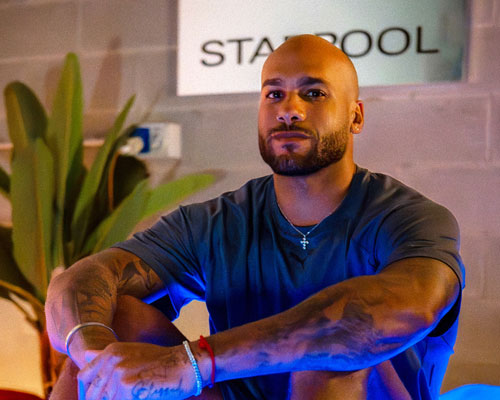
Starpool supports Olympic champion Marcell Jacobs, says Riccardo Turri
HCM promotional features
Sponsored
Third Space partnered with IndigoFitness to deliver a bespoke training space for its new club at The Whiteley
HCM promotional features
Sponsored
Find out how your gym can tap into the corporate wellness boom
HCM promotional features
Sponsored
Greg Bradley looks at the shift towards strength training in gyms and advises on how operators can create the ultimate training environment
HCM promotional features
Sponsored
David Lloyd is stepping up its commitment to women’s health as it continues to explore what fit-for-purpose looks like for the female population
HCM promotional features
Sponsored
SnowDome Fitness has added 50 per cent more space with cutting-edge Technogym solutions
HCM promotional features
Sponsored
EGYM has opened a new HQ in Paternoster Square, London and revealed a range of new launches
HCM promotional features
Promotion
BLK BOX has been reimagining elite performance spaces for more than a decade. Founder and former athlete, Greg Bradley, tells us what it takes
HCM promotional features
Sponsored
Active IQ is calling for greater accountability in online fitness advice with the launch of a new trustmark
HCM promotional features
Latest News
Elevate Arena is underway at London's Excel and the hot topic of AI was the ...
Latest News
PureGym Group has announced that group chief financial officer, Alex Wood, is taking over the ...
Latest News
Independent operator, Fitness Worx Gyms, is introducing private blood testing as a service to members. ...
Latest News
International industry lobbying associations are calling for physical activity and strength training to be deeply ...
Latest News
Global group exercise specialist, Les Mills, is inviting operators to sign up to its Workout ...
Latest News
Global luxury hospitality brand, Six Senses, has partnered with longevity healthcare provider, HUM2N, to launch ...
Latest News
Premium London health club, KX Chelsea, is gearing up to unveil its most significant redevelopment ...
Latest News
Researchers in the US have identified an antibody which could greatly reduce the loss of ...
Opinion
promotion
Strength training has moved from the margins to the mainstream.
Opinion: Building smarter strength spaces for today’s operators
Featured supplier news
Featured supplier news: Elevate 2026 to mark 10-year anniversary with biggest ever waterfront drinks reception
Elevate is set to celebrate its 10th anniversary in style this June, with organisers confirming the event’s largest-ever drinks reception as registrations continue to run more than 10% ahead of last year.
Featured supplier news
Featured supplier news: Supporting long-term health: why whole body vibration belongs in clinical settings
As healthcare continues to shift towards prevention, there’s a growing focus on helping people stay active, independent and feeling good for longer.
Company profiles
Company profile: PSLT Ltd
PSLT offer a range of new and refurbished fitness equipment being the UK supplier of ...
Company profiles
Company profile: ukactive
ukactive is the UK’s leading trade body for the physical activity sector, bringing together more ...
Supplier Showcases
Supplier Showcase - Future-proofing
Catalogue Gallery
Click on a catalogue to view it online
Featured press releases
Create PT press release: Create sets a new standard with its new personal training diploma
Create's new Personal Training Diploma is built on the depth, real-client practice and coaching judgement that turn a qualification into genuine readiness - taught as one continuous course so that every skill is reinforced and applied, not cleared once and forgotten.
Featured press releases
Leisure Energy press release: Studley Leisure Centre solar panel installation project begins
Stratford-on-Avon District Council is delighted to announce a new solar panel installation project at Studley Leisure Centre, marking an important step towards improving the sustainability of this valued community facility.
Directory
Lockers
Crown Sports Lockers: Lockers
Water experiences and hydrotherapy solutions
Aquaform s.r.l.: Water experiences and hydrotherapy solutions
Industrial washing machines
Miele Company Limited: Industrial washing machines
Hot tubs
MSpa International Ltd: Hot tubs
Fitness tracking platform
SpiviTech: Fitness tracking platform
Spa and beauty equipment
Oakworks Inc: Spa and beauty equipment
Property & Tenders
Stratford, East London.
Lee Valley Regional Park Authority
Property & Tenders
Y Felinheli, LL56 4QN
Newmark
Property & Tenders
Diary dates
22-23 Jun 2026
WX Wakefield , Wakefield, United Kingdom
Diary dates
21-24 Sep 2026
The Langham Huntington Pasadena , Pasadena, United States
Diary dates
06-08 Oct 2026
Messe Stuttgart, Stuttgart, Germany
Diary dates
22-22 Oct 2026
QEII Conference Centre, London,
Diary dates
26-29 Oct 2027
Koelnmesse Exhibition Centre, Cologne, Germany
Diary dates

features

Interview: Vidmantas Siugzdinis

The CEO of health club operator Impuls talks to Kate Cracknell about roll-out plans across the Baltics, and the potential for private equity to join the dots of healthy living

By Kate Cracknell | Published in Health Club Management 2016 issue 5
Vidmantas Siugzdinis
At some point, investors will start connecting sectors with ‘healthy lifestyle’ agendas. That’s the point at which a really interesting future awaits - Vidmantas Siugzdinis

Basically we want to be Scandinavia,” says Impuls CEO Vidmantas Siugzdinis, laughing, when I ask him about the aspirations and growth expectations of the Baltics’ fitness market.

“We already have a lot of connections with those countries generally. Estonia and Finland are in the same language group and have strong business connections, and Sweden is the biggest investor in Lithuania and Latvia. There’s also a lot of investment from Denmark. So it’s always those markets we look to – they’re the good examples of where we want to be in terms of happiness, income and so on.

“Similarly, when it comes to fitness, it isn’t really the well-established US or UK markets we look to emulate, because activity still isn’t the norm there. In Scandinavia, if you don’t exercise, there’s something wrong with you. It isn’t subject to your income – you can exercise at home, you can go for a run. It’s just something you do: you see everyone else doing it and that puts a social pressure on you to do it too.”

He continues: “I think we’re now at a turning point in Lithuania and the Baltics generally. In the last few years, we’ve reached a critical mass of people in the cities who run, cycle, exercise, go to the gym, and in a few years’ time I think it will be abnormal not to do that.

“That could be sped up even more if there were the slightest push from government – some sort of tax incentive, for example.

“We have an advantage in that our countries are small – the entire population of Lithuania is three million, and in Latvia it’s two million – so change can happen faster than it does elsewhere. We’re also not stuck in our ways when it comes to fitness, because it’s all quite new for us. In the US and UK, there are a lot of great examples but also a lot of bad examples, whereas we don’t know how to do it wrong – yet.

“So we’re at a tipping point, and the way we want to go is the Scandinavian way. Until recent times, we were afraid to even think we could be like them – they seemed light years ahead – but we’re not actually that different. I believe we can aspire to what we see happening in Scandinavia.”

Fitness in the Baltics
For now, what does the market look like in the Baltics – defined as Lithuania, Latvia and Estonia?

“Really there are only two big players in the Baltics at the moment: ourselves and MyFitness. MyFitness operates in Estonia and Latvia, whereas we’re in all three markets, but we have a similar total number of clubs in our estates. The third player is Atletika, which only operates in Latvia.

“Historically there’s been a problem with standards – lots of small clubs were set up almost as a hobby – but professionalism is improving across the sector and competition is getting tougher every month too.

“In fact, an interesting trend I’ve noticed is that individuals are effectively becoming brands, establishing themselves as leaders of fitness communities. We might not have premium boutique clubs in our markets yet, but there are nevertheless lots of small studios emerging – like small communities – which I think is good for the industry as it grows. Even these smaller operators can make their mark thanks to social media: they can do something interesting, something viral, without having to spend lots of money.”

He continues: “Meanwhile the Baltics are already mirroring some of the trends you see in western Europe: CrossFit is getting popular, for example, and everyone’s introducing functional training in their clubs.

“The lack of boutiques in our markets is down to people’s purchasing power – average income is much lower than in western Europe, so even a normal gym membership is a luxury purchase – as well as the fact we don’t have any large cities like New York or London.

“The Baltics simply aren’t very urbanised. In the capital cities, fitness penetration rates are anything up to 10 per cent, and I believe we can get to 15 per cent quite easily. But overall it’s less than 5 per cent in all three markets. However, I do believe there’s growth potential, especially if we target people in the 40- to 60-year-old bracket.

“At the moment, health club members are typically aged 20–40, with the 20- to 30-year-olds tending to favour the budget gyms and those aged 30 to 40 opting for full-service. But the new generation of 40-somethings have earned more money than their parents and grandparents before them. We’ve also embraced the notion of exercise as part of your life journey. So I think a middle class will form over the next 10 years, bringing with it its habits, its lifestyle, its life ideas – and this will drive growth for fitness clubs and exercise in general.

“So we’re very excited by the potential in the Baltics, and we’re always looking at new concepts. For now we have two – full-service Impuls and low-cost Lemon Gym – but we’re always looking around the world for new ideas.”

Introducing Impuls
So let’s hear more about Impuls, which Siugzdinis joined as CEO in 2012 at the request of private equity firm Baltcap, which had just acquired the family-owned company. What’s the story of the first pan-Baltic fitness operator?

“Impuls was founded in 2004, and when I joined the company in May 2012 it had eight full-service clubs across four cities in Lithuania. It had 15,000 members, but only 6 per cent of those were annual. ‘Retention’ wasn’t a word anyone used. There were no sales procedures. Everything was short-term and unstable.

“We now have a total of 19 clubs across Lithuania, Latvia and Estonia, with another three clubs opening imminently – but that growth only came once we had our structures and systems in place. We now have 35,000 members, of which 85–90 per cent are on long-term contracts.

“Our next project is to repay them for that loyalty: building our programming, our connections with members, the sense of community within our clubs.

“We’ve already started that process. For example, one of our group cycling instructors started taking members cycling outdoors and they established a team to compete in competitions. We’re now creating an Impuls Racing Team off the back of this, which will run across all of our clubs with studio classes, outdoor rides, competitions, family days and so on.

“We plan to do more initiatives like this, and we have an ‘idea bank’ and annual awards for the best ideas generated by our employees. That’s important, because you need a strong USP as the market becomes more competitive.

“When it comes to the big message, fitness has it pretty easy compared to other industries: we’re genuinely doing something good for the population, so we don’t have to be too inventive in our messaging. But as individual operators, we do have to find our own voices within that: what’s our speciality, how do we differ from everyone else, what path are we taking within this ‘healthy world’ message? And how will we spread that beyond our facilities and into people’s homes, onto TV screens and phone screens?”

Growth plans
He continues: “We’ve diversified our portfolio since 2012 too. Impuls remains our high-end brand – we call it a premium club, but if you use the UK as your benchmark it’s probably more comparable to a full-service, mid-market offering with a swimming pool. We currently have 12 Impuls clubs, all in Lithuania, and they charge around €40–60 a month.

“We also have our low-cost operation, Lemon Gym, which we launched in February 2014 in a bid to make fitness affordable for more people. We currently have five Lemon Gyms – four in Lithuania and one in Latvia – and will continue to grow that brand.

“Finally, we have the Arctic Sport Clubs brand in Estonia: two clubs which we acquired at the end of 2015. The offering there is very similar to that of Impuls, but for now the clubs will continue to operate under the well-established Arctic brand and we’ll work with the existing management team to grow the operation – a project that we will finance.

“Ultimately we’re planning to get to 40 clubs with at least 80,000 members by 2018, expanding across all three markets and both brands. I can see Impuls going into Latvia, and Lemon Gym will definitely go into Estonia as soon as we find the right locations. And overall I want to achieve more of a balance between the three markets in terms of numbers of clubs in each country.”

How about further afield – would he ever consider going into other markets beyond the Baltics? “Yes, we would. For the next two or three years we want to focus on embedding ourselves in the countries where we already operate, securing all the best locations while those markets are still developing. It’s very easy to succeed when you’re the only one doing something, but people are quick to follow and we don’t want to lose our advantage. We launched a budget gym brand at the beginning of 2014 and were at that point the only operator in the low-cost market; now there are already two others.

“Once we’ve reached 40 clubs though – depending on our shareholders from private equity firm Baltcap – further overseas development, especially within eastern Europe, is certainly a possibility.”

Co-operation and collaboration

Vidmantas Siugzdinis

My background was in advertising, and then management of large event arenas, and it was always a bit of a closed shop – people didn’t really want to share information,” says Vidmantas Siugzdinis, CEO of pan-Baltic health club operator Impuls.

“Then I came to fitness and was surprised by how open everyone was. I think that’s partly because we all know we only have 10–15 per cent of our respective populations using our facilities, so there are plenty of opportunities and we’ll all benefit if we pool our knowledge and grow the market. I believe the equipment manufacturers are really helping in that process too.

“But I think the other factor in this openness is private equity, which is now investing heavily in fitness. When these investors come in, they ask a lot of very forthright questions: what’s your turnover, your EBITDA, your margin? They won’t invest without that information, so some of it becomes public knowledge, whereas before those are the sorts of figures operators wouldn’t want to reveal. Private equity is breaking down barriers.

“The growing involvement of private equity in our industry is going to break down other barriers too, bringing potentially collaborative sectors together. It isn’t happening yet, but I think at some point investors will start connecting sectors with ‘healthy lifestyle’ agendas – fitness, food, apparel and healthcare are obvious fits. And when these different industries join forces, pooling ideas and resources... that’s the point at which a really interesting future awaits.”
Sign up here to get HCM's weekly ezine and every issue of HCM magazine free on digital.
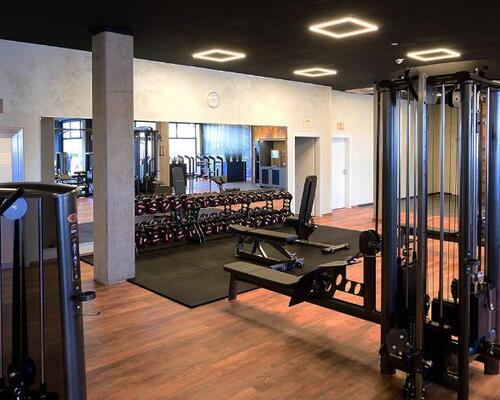
Impuls is a full-service brand, with 12 clubs currently in the portfolio
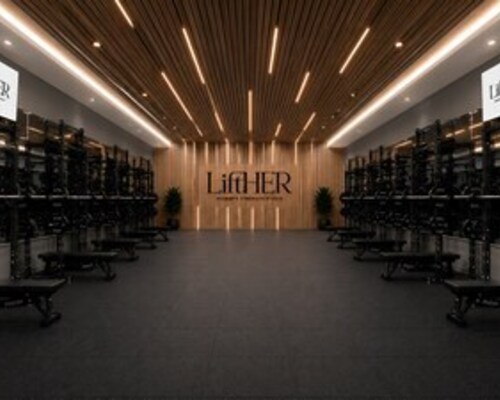
The low-cost Lemon Gym brand launched in February 2014
https://www.leisureopportunities.co.uk/images/856656_100969.jpg
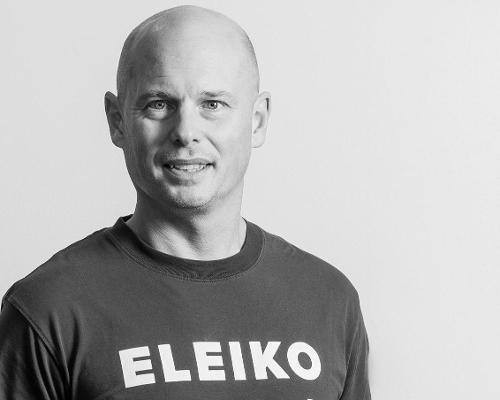
Vidmantas Siugzdinis shares his experiences of creating the first pan-Baltic fitness operation
Vidmantas Siugzdinis, Implus Kate Cracknell, managing Editor, Health Club Management,Impuls, Lemon Gym, Baltics, Vidmantas Siugzdinis, Vidmantas, Kate Cracknell, Latvia, Lithuania, Estonia, private equity, Arctic
Latest News
Elevate Arena is underway at London's Excel and the hot topic of AI was the ...
Latest News
PureGym Group has announced that group chief financial officer, Alex Wood, is taking over the ...
Latest News
Independent operator, Fitness Worx Gyms, is introducing private blood testing as a service to members. ...
Latest News
International industry lobbying associations are calling for physical activity and strength training to be deeply ...
Latest News
Global group exercise specialist, Les Mills, is inviting operators to sign up to its Workout ...
Latest News
Global luxury hospitality brand, Six Senses, has partnered with longevity healthcare provider, HUM2N, to launch ...
Latest News
Premium London health club, KX Chelsea, is gearing up to unveil its most significant redevelopment ...
Latest News
Researchers in the US have identified an antibody which could greatly reduce the loss of ...
Latest News
Peloton has made the strategic acquisition of Pilates start-up, Skōp, to support the expansion of ...
Latest News
Crunch Fitness has announced the launch of Crunch Reform Pilates – its own reformer concept ...
Latest News
The 20th State of the Industry Report from LeisureDB has revealed a resilient, expanding and ...
Opinion
promotion
Strength training has moved from the margins to the mainstream.
Opinion: Building smarter strength spaces for today’s operators
Featured supplier news
Featured supplier news: Elevate 2026 to mark 10-year anniversary with biggest ever waterfront drinks reception
Elevate is set to celebrate its 10th anniversary in style this June, with organisers confirming the event’s largest-ever drinks reception as registrations continue to run more than 10% ahead of last year.
Featured supplier news
Featured supplier news: Supporting long-term health: why whole body vibration belongs in clinical settings
As healthcare continues to shift towards prevention, there’s a growing focus on helping people stay active, independent and feeling good for longer.
Company profiles
Company profile: PSLT Ltd
PSLT offer a range of new and refurbished fitness equipment being the UK supplier of ...
Company profiles
Company profile: ukactive
ukactive is the UK’s leading trade body for the physical activity sector, bringing together more ...
Supplier Showcases
Supplier Showcase - Future-proofing
Catalogue Gallery
Click on a catalogue to view it online
Featured press releases
Create PT press release: Create sets a new standard with its new personal training diploma
Create's new Personal Training Diploma is built on the depth, real-client practice and coaching judgement that turn a qualification into genuine readiness - taught as one continuous course so that every skill is reinforced and applied, not cleared once and forgotten.
Featured press releases
Leisure Energy press release: Studley Leisure Centre solar panel installation project begins
Stratford-on-Avon District Council is delighted to announce a new solar panel installation project at Studley Leisure Centre, marking an important step towards improving the sustainability of this valued community facility.
Directory
Lockers
Crown Sports Lockers: Lockers
Water experiences and hydrotherapy solutions
Aquaform s.r.l.: Water experiences and hydrotherapy solutions
Industrial washing machines
Miele Company Limited: Industrial washing machines
Hot tubs
MSpa International Ltd: Hot tubs
Fitness tracking platform
SpiviTech: Fitness tracking platform
Spa and beauty equipment
Oakworks Inc: Spa and beauty equipment
Property & Tenders
Stratford, East London.
Lee Valley Regional Park Authority
Property & Tenders
Y Felinheli, LL56 4QN
Newmark
Property & Tenders
Diary dates
22-23 Jun 2026
WX Wakefield , Wakefield, United Kingdom
Diary dates
21-24 Sep 2026
The Langham Huntington Pasadena , Pasadena, United States
Diary dates
06-08 Oct 2026
Messe Stuttgart, Stuttgart, Germany
Diary dates
22-22 Oct 2026
QEII Conference Centre, London,
Diary dates
26-29 Oct 2027
Koelnmesse Exhibition Centre, Cologne, Germany
Diary dates
Search news, features & products:
Find a supplier:
Les Mills
Les Mills
Partner sites