












Elevate Arena
Elevate Arena
Elevate Arena
Follow Health Club Management on Twitter Like Health Club Management on Facebook Join the discussion with Health Club Management on LinkedIn
FITNESS, HEALTH, WELLNESS

features

Interview: Mike Farrar

Harnessing the healthcare network to further the fitness sector’s ambitions is the core purpose of UK Active’s new chair, as he explains to Kate Cracknell
Published in Health Club Management 2023 issue 2
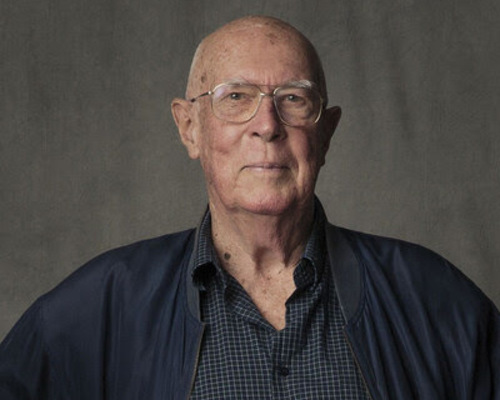
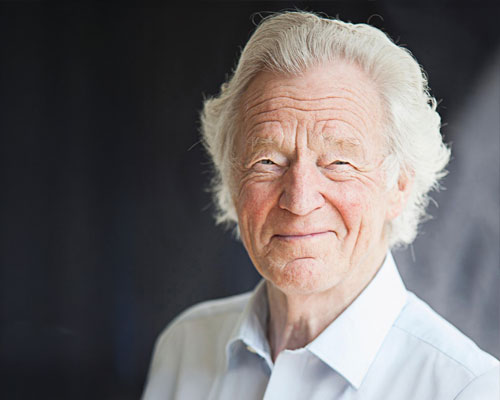
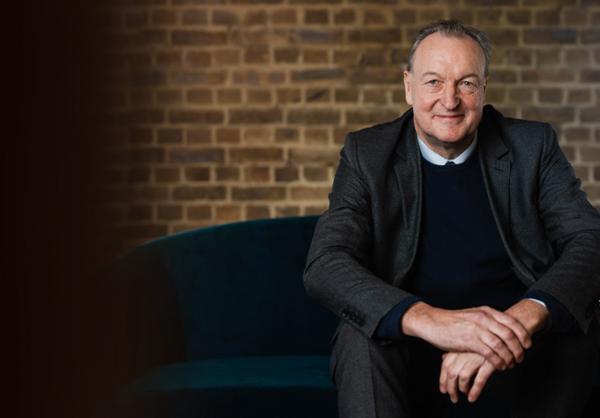
Farrar comes to the physical activity sector following a career in the health service / Photo: DANIEL LEWIS
I want to lift the sector, move it forward, stretch it, help it become what it really can be

You were previously CEO of the NHS Confederation. Tell us about its work
It’s the membership body for the whole of the NHS and it has three main functions. One is to influence and shape government policy. The next is to help its members network, share best practice and information to do their jobs better. And the third is to speak to the public on behalf of the NHS; if I were in that role now, I would be talking a lot about the need to reduce waiting lists and address industrial relations.

Its role is very similar to UK Active’s in many ways: convening, sharing best practice, speaking to government and trying to get an important message out to the public.

What drew you to the UK Active role?
I’ve always loved sport. Sadly I was only ever good enough to play semi-professionally rather than going full-time, but being involved in sports policy and sports management, supporting people to become brilliant at the elite end of the scale or simply get involved at the other end… It’s always been a passion and I’ve taken on related roles both nationally and locally.

But when the pandemic struck, a lot of the organisations I was involved with really needed a full-time chair for a while – someone who could help their CEOs lobby and campaign. I felt I couldn’t do that, so stood down and went to work for free at King’s Hospital in London.

I try to keep my moral compass in the right place – I do a lot of charity work generally – and wanted to do my bit to help.

As we began to come out of the pandemic, to the extent that we have, I was kicking my heels and felt a need to re-engage with sports and leisure. And then the role of UK Active chair came up.

There’s a real purpose to the role and the organisation, which is important to me: I have a strong sense of social justice, much of which comes from my health service and public sector work, and I’m not interested in doing things that don’t add value. I consider myself fortunate and privileged to have been offered the role.

How do you define UK Active’s sector?
Although I sometimes use ‘sports and leisure’ as a shortcut when I’m speaking I have the broadest definition of the physical activity sector and welcome the fact that UK Active is a broad church.

I also believe that – if our mission is to get more people, more active, more often – at some level we have to be agnostic about where and how people choose to do this. The message has to be about activity for all, to benefit your mental, physical and social health, as well as your employability.

Of course, we want to grow our sector and I believe everyone has a role to play. The private sector, with its strong focus on ROI, can be very clear and precise about its offer and has already done great work in creating a very good, at-scale, low-cost offering. Meanwhile, the public sector has some really interesting messages about being local, being connected to place, connecting with community groups and citizens and social prescribing. I think the public and private sectors can learn from each other, just as I’ve seen in other spheres, such as health and education.

How do we get five million more people active?
First, we absolutely need to be ambitious; it’s no good saying we want to be a little bit better than we are now.

Next, rather than just having an aspirational goal of five million and asking government for money to support us, we need to pinpoint the specific schemes we think will deliver those numbers and put a very specific case to each potential partner.

For example, if we connect better with social prescribing by ensuring GPs really understand our offer, it might bring half a million new exercisers. Then there are the universities, all competing for students, with sports facilities one of the key selling points. How can we help them develop their sports and leisure offer, and how many more customers might that bring us?

Other very interesting examples include musculoskeletal (MSK) programmes and cancer prehab and rehab, both of which are the subject of current UK Active pilot schemes (see boxout).

With an MSK programme, the mobility people get from exercise might mean they can wait a little longer for a knee or hip operation, or ease the pain to the point they don’t want the treatment any more. That’s going to be of huge appeal to a pressured NHS.

Meanwhile, we know the efficacy of chemotherapy can be enhanced by having an activity regime alongside it. Indeed, however you’re being treated for cancer, you’ll do better if you’re also maintaining a level of physical activity and getting cardiovascular benefit. So, we can ask what our sector can do to improve outcomes for people with cancer?

Child and adolescent mental health is another area I think we could really help. I don’t yet have the details of a specific programme, but it makes an awful lot of sense to get young people who were socially isolated during the pandemic back into communal activity. If we can bring them into UK Active member facilities – where they work with trainers and exercise around others – the reduction in social isolation will be massively important for a generation that’s really suffered.

So those are some specific areas we can explore, where I believe there’s untapped potential, but we also need to look at provision and inclusivity in our facilities. We must speak to three key groups: the unmotivated, who don’t want to engage in our current offering; the unable, which is about affordability, equality and access; and the unwelcome, who simply don’t see themselves represented at gyms and don’t have a good enough experience to return.

To attract these groups, we have to find new ways of speaking about what we do. We have to get better at representing people’s specific interests and to embrace whatever opportunities people do have to be active, rather than offering a standard product and expecting them to come to us. We have to build diversity in our communities, live our values at every touchpoint and be good at what we do, actually helping people achieve whatever goal they come to us with – and making sure they recognise their achievements.

Can our sector really be part of healthcare?
The need is clearly there in terms of the health, economic and social contribution our sector can make. Certainly the only way the NHS will get itself back on track is by working smarter, both in terms of its own staff’s health and, I believe, by offering some kind of support to every patient with a chronic condition. Of course, this is where physical activity comes in.

However, we have to be ready to grow in a smart way, looking at who’s prepared to fund our sector and making a far more precise business case to secure that funding. We can’t keep saying ‘get people to be active through working with us and in 10 years’ time you’ll have a healthier nation’. Of course that’s true, but it’s very hard for people – whether it’s government, education, the healthcare sector or any other potential partner – to react positively to that. It’s too broad and too long-term. They want to know how we can help them this week.

So instead of trying to persuade government to give less money to the health service and more to DCMS – which is a very hard argument to make – we have to pinpoint where we can make a difference and directly address potential partners, showing how we can help them spend their budgets effectively to get more for every pound invested.

We still need to lobby government directly – something UK Active does very effectively. Politicians are on the back foot and all over the place at the moment, trying to work miracles. Making a case to government gives people legitimacy to act, but we also need to create a new channel, going directly to opinion leaders in the health service to develop ‘demonstrator projects’ that others will follow.

It’s about speaking to CEOs in the health service and CEOs of large hospitals, to say ‘let’s give this a go’.

I know who has the need, the appetite, the bandwidth and who’s open to this conversation. Of the 50 most important people in the NHS at the moment, I have around 40 on speed dial and I want to bring that personal network to the job in a way that’s systematised, so it isn’t dependent on me.

We’re already speaking to Sir Jim Mackey, for example, who I see as a key influencer in the NHS in his role to reduce waiting lists, as well as Jonathon Marron, who heads the Office for Health Improvement and Disparities. We’re already on their radar with pilot projects that we want to scale up so they’re accessible nationally.

There will always be recalcitrant voices, of course, so we have to find the enthusiasts and start with them, proving we can move something in the right direction by working together.

In time, the people who thought they were the majority will realise they’re the minority – that others are enjoying benefits, such as reduced waiting lists, that they aren’t experiencing. And all of a sudden, they’ll come to us and ask ‘what was it you were offering again?’ We’ll reach a tipping point of active programmes and the rest will follow.

How do we make our case?
We will only connect if we speak to their in-tray. Looking at healthcare, at the moment that means showing how we can help with waiting lists, ambulance handovers and operating within their budgets.

Ambulance handovers are harder for us to directly impact, although we can take weight away from the ambulance service by supporting those with chronic conditions. But with waiting lists, we have a real opportunity to help.

There are around seven million people on a waiting list at the moment, yet the NHS is having to cancel too many operations on the day because people have become deconditioned while waiting and are no longer fit for their operation. Of course, for each cancellation, there’s somebody else waiting who could have had that slot. Instead, the list keeps growing.

This is where our musculoskeletal work is particularly interesting, not only supporting people who are on the list, but also those who might want to come off the list, because we can support them in a different way.

We can definitely help with budgets. With rising costs and growing demand, the NHS needs a 4.3 per cent annual rise in its budget just to stand still. For the last decade, it’s been 1.5 per cent. At the moment, it’s around 3.5 per cent. It means the health service needs to extract as much value as possible from every pound spent.

One immediate opportunity is that the NHS is currently spending around £4bn a year on locums and other temporary labour because its own staff are off sick. If our sector can put in place a big workplace programme to keep NHS staff in work – to keep them fit and well for their shifts, both physically and mentally – the saving will go straight to the bottom line of the NHS and it’s a win-win, also contributing to our ‘five million more people more active’ goal.

These are the conversations we’re having with senior figures in the NHS.

How ready is our sector for all this?
I can’t say we’re completely ready in every place, but everyone I’ve spoken to about the opportunity has been very enthusiastic and ready to do more.

In this respect, I’ve been hugely impressed by both the quality of the UK Active team and the vision of the sector’s leadership. I’ve had no push-back at all. In some sectors, faced with the sort of challenges we’re all facing right now, the best mindset you could hope for would be stoicism: “We will keep going.” In the fitness sector, I see organisations wanting to up their game to take on the challenges.

These new opportunities may require us to look at career progression, implementing some sort of skills escalator to help health club staff and PTs understand particular health conditions.

We’ll also need to share best practice to ensure operators across the sector – private and public, chains and independents – are delivering something that’s absolutely spot on if people are referred to us through social prescribing, for example.

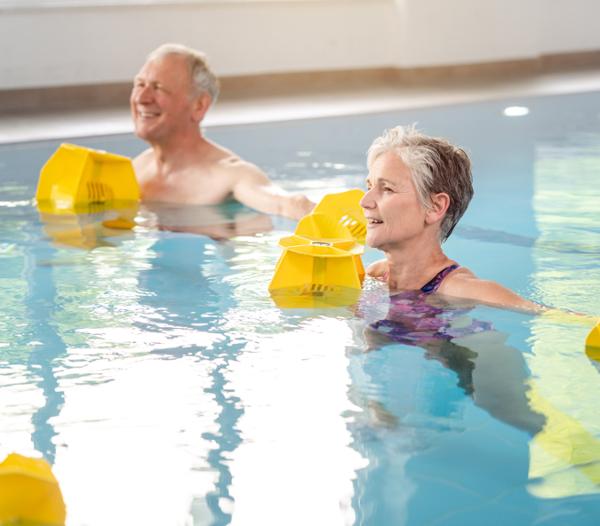
This could be things such as dementia-friendly swimming, which can fill a pool even in off-peak times.

So, we need to invest and evolve. However, as the need grows – and as businesses are increasingly judged on their social contribution – the commercial argument for heading in this direction becomes ever stronger.

Does anything else need to change?
One area where I think we can improve is data. First, we need to provide better feedback to potential customers about our impact. We all have this great purpose, but how many of us actually demonstrate that we’re doing something good?

It would be interesting to take a person-centred, self-assessment approach to measurement. We could then present numbers such as ‘X per cent of our members achieved their goal’ to give others confidence we can make a real difference. We need that feedback loop so people can see how effective we are at what we do.

We also need to gather the right data to make a strong business case to potential partners. At the moment, the data we’re counting doesn’t tend to focus on those who’d benefit most. If you look at national targets, for example – 3 x 30 minutes exercise per week and so on – we end up counting participants who were active anyway, rather than those who are inactive, perhaps socially isolated, absent from work, maybe even on benefits, with high sickness rates stemming from chronic physical and mental conditions. With support to get physically active, many of these individuals could be returned to the workforce. We need to show how we can do this and deliver strong social, economic and health value.

I’d like to see government joining up more. The challenge for us is that we get channelled through DCMS, but we also want to speak directly to the health department, the Treasury, local government, business and education. This means we need them to speak to each other, otherwise we come in as a smaller voice than the hospitals and the schools when really these are all part of our story.

My message to government is, ‘We’re already having joined-up conversations at an operational level. Could you please try and do the same?’

What drives you personally?
I want to lift the sector, move it forward, stretch it, help it become what it really can be. I want to change our image and reputation to a point where you could ask pretty much anyone and they’d agree we’re a service industry for everyone, that we support people to stay well, that we get more people involved and that we’re good at what we do. And I’m in it for as long as people want me to be involved.

But crucially, there’s always an element of social justice in my agenda. Would I be happy if, in five years’ time, we had five million more people active, but they were all from the highest end of the socioeconomic spectrum? Honestly, I would be slightly disappointed. Because for me, within UK Active’s five million goal, there’s a more subtle point about helping those with the greatest need – the people who should have access to our services, but currently don’t. I would absolutely love it if we could go some way to addressing that.
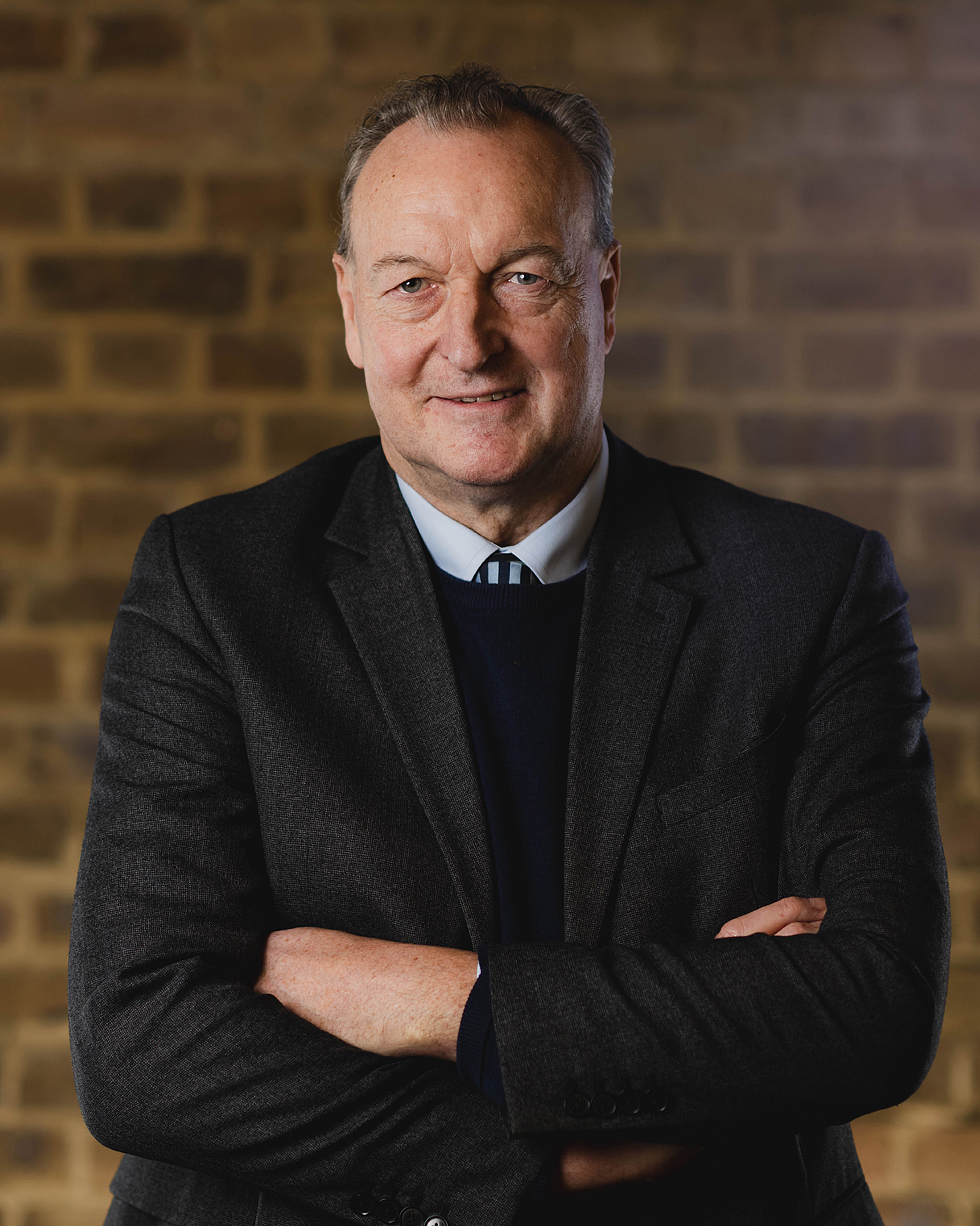
Mike Farrar is chair of UK Active / Photo: DANIEL LEWIS
What’s happening?

The new chair of UK Active, Mike Farrar, has laid out his vision for the organisation and the sector.

With his background in the NHS, he sees opportunities for the physical activity sector to make a difference to the crisis the NHS is currently experiencing

What can be done?

Farrar suggests the physical activity sector can help keep NHS staff fit to cut its £4bn a year locum bill

That people waiting for operations can be kept well so they’re ready for surgery, avoiding cancellations

That pilot programmes which have proven efficacy, such as cancer prehab and rehab and musculoskeletal can be rolled out nationally.

What’s he asking for?

Farrar wants government departments to be more joined up, so the physical activity sector can be ‘seen’ for its breadth and be able to transact with all relevant departments, which include sport and activity, health, the Treasury, local government, business and education

One key goal is five million people more active by 2030

He says career progression, including some sort of skills escalator, will be needed to ensure staff are ready to deliver services to medical standards

Fitness as healthcare
UK Active is working on a number of healthcare programmes and pilots that have the potential to be scaled nationally. Examples are…
1. Musculoskeletal (MSK) community hubs

This project aims to transform gyms, pools and leisure centres into MSK community hubs, linking to charities such as Arthritis Action and Versus Arthritis and delivering knee, hip and back rehabilitation via two evidence-based interventions: Good Boost and Escape-pain. Currently piloting in 15 sites, the goal is to expand to 100 in 2023.

2. Cancer prehab and rehab

The opportunity here is to take programmes, such as GM Cancer in Manchester, to national scale, delivering multi-modal pre-surgery ‘prehab’ and post-operative recovery programmes for cancer patients in a community leisure centre setting.

With a goal of improving quality of life and long-lasting post-operative outcomes for patients, these dual prongs can together optimise the health benefits of the treatment, reducing pressure on healthcare services throughout the cancer pathway.

Mini BIO Mike Farrar

Mike Farrar’s CV immediately commands respect: he’s been CEO of the NHS Confederation, chair of the National Strategic Health Authority Chief Executives’ Group and chair of both Sport England and Swim England.

He’s also honorary fellow of the Royal College of General Practitioners and the Royal College of Physicians, chair of Keele University and was sports and health tsar for London 2012... and now he’s chair of UK Active.
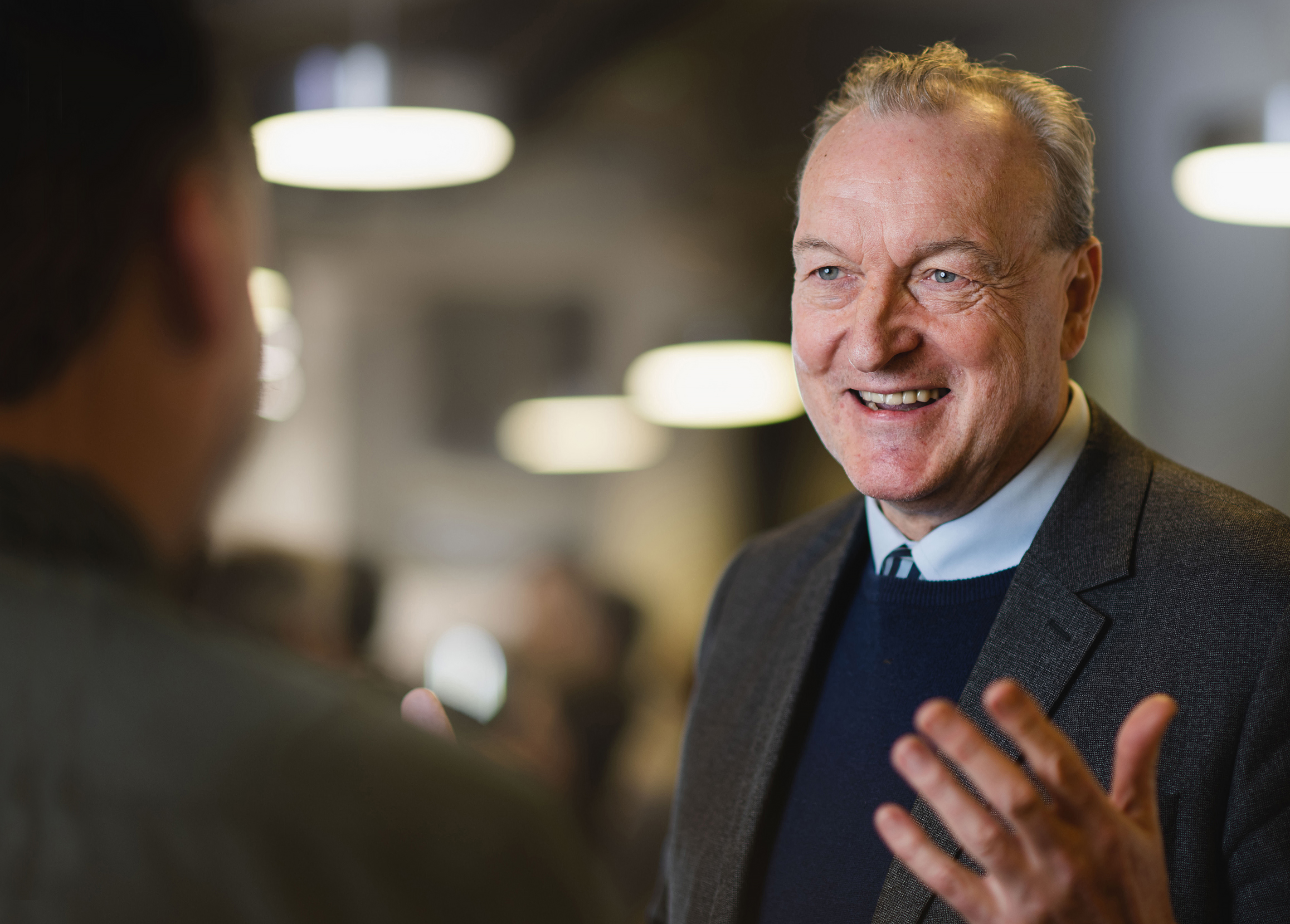

photo: DANIEL LEWIS
Farrar has a clear vision for ways in which the two sectors can collaborate to the benefit of both / Photo: Shutterstock/AYA images
Farrar sees critical role for the sector delivering prehab and rehab services for the NHS / Photo: Shutterstock / Roman Fenton
The aim is to reach a tipping point of active programmes to create demand from the NHS / Photo: Shutterstock/ Microgen
Farrar believes the industry needs to deliver more powerful proof of outcomes / Photo: Shutterstock/Marian Weyo
Dementia friendly swimming lessons can fill a pool, even at off-peak times / Photo: Shutterstock/ Kzenon
https://www.leisureopportunities.co.uk/images/2023/608348_354261.jpg
The new chair of UK Active talks to Kate Cracknell about his vision for the sector and opening up his address book to connect with senior players in health
HCM magazine
HCM People

Jamie Clements

The Breath Coach
I experienced a blissful feeling of joy I hadn’t felt since I was a kid
HCM magazine
Strength training is evolving, driven by changing consumer preferences. Julie Cramer talks to innovators about how their products are meeting this demand
HCM magazine
Raphael Cuomo explores the powerful link between addiction, health and behaviour change
HCM magazine
As the entrepreneur who started Wexer, Fresh Fitness, Fitness DK and Repeat, as well as being a former elite athlete, Rasmus Ingerslev’s life looked perfect from the outside, but onthe inside it was a different story. He talks to Kath Hudson about healing old wounds
HCM magazine
Collaborations with the medical profession and greater aspirations around wellbeing are creating a need for more experts in our sector. It’s time to reboot our thinking around the workforce
HCM promotional features
Sponsored
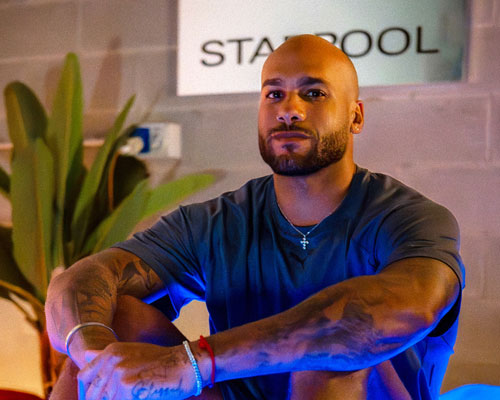
Starpool supports Olympic champion Marcell Jacobs, says Riccardo Turri
HCM promotional features
Sponsored
David Lloyd is stepping up its commitment to women’s health as it continues to explore what fit-for-purpose looks like for the female population
HCM promotional features
Sponsored
Third Space partnered with IndigoFitness to deliver a bespoke training space for its new club at The Whiteley
HCM promotional features
Sponsored
Find out how your gym can tap into the corporate wellness boom
HCM promotional features
Sponsored
Greg Bradley looks at the shift towards strength training in gyms and advises on how operators can create the ultimate training environment
HCM promotional features
Sponsored
SnowDome Fitness has added 50 per cent more space with cutting-edge Technogym solutions
HCM promotional features
Sponsored
EGYM has opened a new HQ in Paternoster Square, London and revealed a range of new launches
HCM promotional features
Sponsored
New launch, Salus House, elevates boutique wellness with high service levels and a partnership with Technogym
HCM promotional features
Promotion
BLK BOX has been reimagining elite performance spaces for more than a decade. Founder and former athlete, Greg Bradley, tells us what it takes
HCM promotional features
Latest News
Purpose Brands has announced its entry into the Italian market, having sold the franchise rights ...
Latest News
Fitness First UK is integrating red light therapy into its yoga and Pilates classes through ...
Latest News
Nuffield Health has told HCM that it takes its responsibilities towards its colleagues seriously and ...
Latest News
Technogym has announced the launch of the Run X World Treadmill Championship, the first world ...
Latest News
Shocked by the UK loneliness statistics, charitable trust Mytime Active has been doubling down on ...
Latest News
Portugal’s leading operator, SC Fitness, is celebrating a milestone by reaching 100 gyms.  The company ...
Latest News
Australia’s fast-growing fitness network, Viva Leisure, is adding a low-cost gym brand to its already ...
Latest News
Speedflex has launched a strength training programme for 10 to 16-year-olds, to make it safer, ...
Opinion
promotion
Strength training has moved from the margins to the mainstream.
Opinion: Building smarter strength spaces for today’s operators
Featured supplier news
Featured supplier news: Elevate 2026 to mark 10-year anniversary with biggest ever waterfront drinks reception
Elevate is set to celebrate its 10th anniversary in style this June, with organisers confirming the event’s largest-ever drinks reception as registrations continue to run more than 10% ahead of last year.
Featured supplier news
Featured supplier news: W3Fit EMEA celebrates its fifth anniversary
Celebrating its milestone 5th anniversary, W3Fit EMEA returns in 2026 with an unmissable gathering of the Health & Fitness industry’s most influential leaders.
Company profiles
Company profile: Balanced Body
Founded nearly 50 years ago, Balanced Body works with the highest quality materials, and pride ...
Company profiles
Company profile: Life Fitness/Hammer Strength
Life Fitness, Hammer Strength, and ICG are global leaders in premium fitness solutions, trusted by ...
Supplier Showcases
Supplier Showcase - Future-proofing
Catalogue Gallery
Click on a catalogue to view it online
Featured press releases
MyZone press release: Myzone global data reveals the building blocks of consistent exercise habits
A major new report from Myzone, the global leader in motivation technology for fitness, reveals how motivation becomes habit and how that transformation drives member retention and long-term business growth.
Featured press releases
GLL press release: GLL highlights the importance of drowning prevention to kids nationally as summer holidays near
School assemblies and water safety messages as part of swim lessons.   The UK's largest public pools and swim school operator, GLL, is providing timely activities during Drowning Prevention Week (13-20 June 2026) to raise awareness of water safety ahead of kids breaking up for the summer holidays.
Directory
Spa and beauty equipment
Oakworks Inc: Spa and beauty equipment
Fitness tracking platform
SpiviTech: Fitness tracking platform
Lockers
Crown Sports Lockers: Lockers
Industrial washing machines
Miele Company Limited: Industrial washing machines
Water experiences and hydrotherapy solutions
Aquaform s.r.l.: Water experiences and hydrotherapy solutions
Hot tubs
MSpa International Ltd: Hot tubs
Property & Tenders
Stratford, East London.
Lee Valley Regional Park Authority
Property & Tenders
Y Felinheli, LL56 4QN
Newmark
Property & Tenders
Diary dates
13-13 Jun 2026
Worldwide, Various,
Diary dates
21-24 Sep 2026
The Langham Huntington Pasadena , Pasadena, United States
Diary dates
06-08 Oct 2026
Messe Stuttgart, Stuttgart, Germany
Diary dates
22-22 Oct 2026
QEII Conference Centre, London,
Diary dates
26-29 Oct 2027
Koelnmesse Exhibition Centre, Cologne, Germany
Diary dates

features

Interview: Mike Farrar

Harnessing the healthcare network to further the fitness sector’s ambitions is the core purpose of UK Active’s new chair, as he explains to Kate Cracknell

Published in Health Club Management 2023 issue 2
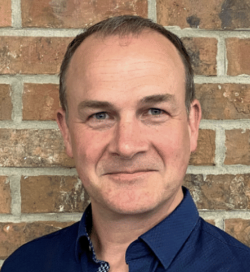
Farrar comes to the physical activity sector following a career in the health service / Photo: DANIEL LEWIS
I want to lift the sector, move it forward, stretch it, help it become what it really can be

You were previously CEO of the NHS Confederation. Tell us about its work
It’s the membership body for the whole of the NHS and it has three main functions. One is to influence and shape government policy. The next is to help its members network, share best practice and information to do their jobs better. And the third is to speak to the public on behalf of the NHS; if I were in that role now, I would be talking a lot about the need to reduce waiting lists and address industrial relations.

Its role is very similar to UK Active’s in many ways: convening, sharing best practice, speaking to government and trying to get an important message out to the public.

What drew you to the UK Active role?
I’ve always loved sport. Sadly I was only ever good enough to play semi-professionally rather than going full-time, but being involved in sports policy and sports management, supporting people to become brilliant at the elite end of the scale or simply get involved at the other end… It’s always been a passion and I’ve taken on related roles both nationally and locally.

But when the pandemic struck, a lot of the organisations I was involved with really needed a full-time chair for a while – someone who could help their CEOs lobby and campaign. I felt I couldn’t do that, so stood down and went to work for free at King’s Hospital in London.

I try to keep my moral compass in the right place – I do a lot of charity work generally – and wanted to do my bit to help.

As we began to come out of the pandemic, to the extent that we have, I was kicking my heels and felt a need to re-engage with sports and leisure. And then the role of UK Active chair came up.

There’s a real purpose to the role and the organisation, which is important to me: I have a strong sense of social justice, much of which comes from my health service and public sector work, and I’m not interested in doing things that don’t add value. I consider myself fortunate and privileged to have been offered the role.

How do you define UK Active’s sector?
Although I sometimes use ‘sports and leisure’ as a shortcut when I’m speaking I have the broadest definition of the physical activity sector and welcome the fact that UK Active is a broad church.

I also believe that – if our mission is to get more people, more active, more often – at some level we have to be agnostic about where and how people choose to do this. The message has to be about activity for all, to benefit your mental, physical and social health, as well as your employability.

Of course, we want to grow our sector and I believe everyone has a role to play. The private sector, with its strong focus on ROI, can be very clear and precise about its offer and has already done great work in creating a very good, at-scale, low-cost offering. Meanwhile, the public sector has some really interesting messages about being local, being connected to place, connecting with community groups and citizens and social prescribing. I think the public and private sectors can learn from each other, just as I’ve seen in other spheres, such as health and education.

How do we get five million more people active?
First, we absolutely need to be ambitious; it’s no good saying we want to be a little bit better than we are now.

Next, rather than just having an aspirational goal of five million and asking government for money to support us, we need to pinpoint the specific schemes we think will deliver those numbers and put a very specific case to each potential partner.

For example, if we connect better with social prescribing by ensuring GPs really understand our offer, it might bring half a million new exercisers. Then there are the universities, all competing for students, with sports facilities one of the key selling points. How can we help them develop their sports and leisure offer, and how many more customers might that bring us?

Other very interesting examples include musculoskeletal (MSK) programmes and cancer prehab and rehab, both of which are the subject of current UK Active pilot schemes (see boxout).

With an MSK programme, the mobility people get from exercise might mean they can wait a little longer for a knee or hip operation, or ease the pain to the point they don’t want the treatment any more. That’s going to be of huge appeal to a pressured NHS.

Meanwhile, we know the efficacy of chemotherapy can be enhanced by having an activity regime alongside it. Indeed, however you’re being treated for cancer, you’ll do better if you’re also maintaining a level of physical activity and getting cardiovascular benefit. So, we can ask what our sector can do to improve outcomes for people with cancer?

Child and adolescent mental health is another area I think we could really help. I don’t yet have the details of a specific programme, but it makes an awful lot of sense to get young people who were socially isolated during the pandemic back into communal activity. If we can bring them into UK Active member facilities – where they work with trainers and exercise around others – the reduction in social isolation will be massively important for a generation that’s really suffered.

So those are some specific areas we can explore, where I believe there’s untapped potential, but we also need to look at provision and inclusivity in our facilities. We must speak to three key groups: the unmotivated, who don’t want to engage in our current offering; the unable, which is about affordability, equality and access; and the unwelcome, who simply don’t see themselves represented at gyms and don’t have a good enough experience to return.

To attract these groups, we have to find new ways of speaking about what we do. We have to get better at representing people’s specific interests and to embrace whatever opportunities people do have to be active, rather than offering a standard product and expecting them to come to us. We have to build diversity in our communities, live our values at every touchpoint and be good at what we do, actually helping people achieve whatever goal they come to us with – and making sure they recognise their achievements.

Can our sector really be part of healthcare?
The need is clearly there in terms of the health, economic and social contribution our sector can make. Certainly the only way the NHS will get itself back on track is by working smarter, both in terms of its own staff’s health and, I believe, by offering some kind of support to every patient with a chronic condition. Of course, this is where physical activity comes in.

However, we have to be ready to grow in a smart way, looking at who’s prepared to fund our sector and making a far more precise business case to secure that funding. We can’t keep saying ‘get people to be active through working with us and in 10 years’ time you’ll have a healthier nation’. Of course that’s true, but it’s very hard for people – whether it’s government, education, the healthcare sector or any other potential partner – to react positively to that. It’s too broad and too long-term. They want to know how we can help them this week.

So instead of trying to persuade government to give less money to the health service and more to DCMS – which is a very hard argument to make – we have to pinpoint where we can make a difference and directly address potential partners, showing how we can help them spend their budgets effectively to get more for every pound invested.

We still need to lobby government directly – something UK Active does very effectively. Politicians are on the back foot and all over the place at the moment, trying to work miracles. Making a case to government gives people legitimacy to act, but we also need to create a new channel, going directly to opinion leaders in the health service to develop ‘demonstrator projects’ that others will follow.

It’s about speaking to CEOs in the health service and CEOs of large hospitals, to say ‘let’s give this a go’.

I know who has the need, the appetite, the bandwidth and who’s open to this conversation. Of the 50 most important people in the NHS at the moment, I have around 40 on speed dial and I want to bring that personal network to the job in a way that’s systematised, so it isn’t dependent on me.

We’re already speaking to Sir Jim Mackey, for example, who I see as a key influencer in the NHS in his role to reduce waiting lists, as well as Jonathon Marron, who heads the Office for Health Improvement and Disparities. We’re already on their radar with pilot projects that we want to scale up so they’re accessible nationally.

There will always be recalcitrant voices, of course, so we have to find the enthusiasts and start with them, proving we can move something in the right direction by working together.

In time, the people who thought they were the majority will realise they’re the minority – that others are enjoying benefits, such as reduced waiting lists, that they aren’t experiencing. And all of a sudden, they’ll come to us and ask ‘what was it you were offering again?’ We’ll reach a tipping point of active programmes and the rest will follow.

How do we make our case?
We will only connect if we speak to their in-tray. Looking at healthcare, at the moment that means showing how we can help with waiting lists, ambulance handovers and operating within their budgets.

Ambulance handovers are harder for us to directly impact, although we can take weight away from the ambulance service by supporting those with chronic conditions. But with waiting lists, we have a real opportunity to help.

There are around seven million people on a waiting list at the moment, yet the NHS is having to cancel too many operations on the day because people have become deconditioned while waiting and are no longer fit for their operation. Of course, for each cancellation, there’s somebody else waiting who could have had that slot. Instead, the list keeps growing.

This is where our musculoskeletal work is particularly interesting, not only supporting people who are on the list, but also those who might want to come off the list, because we can support them in a different way.

We can definitely help with budgets. With rising costs and growing demand, the NHS needs a 4.3 per cent annual rise in its budget just to stand still. For the last decade, it’s been 1.5 per cent. At the moment, it’s around 3.5 per cent. It means the health service needs to extract as much value as possible from every pound spent.

One immediate opportunity is that the NHS is currently spending around £4bn a year on locums and other temporary labour because its own staff are off sick. If our sector can put in place a big workplace programme to keep NHS staff in work – to keep them fit and well for their shifts, both physically and mentally – the saving will go straight to the bottom line of the NHS and it’s a win-win, also contributing to our ‘five million more people more active’ goal.

These are the conversations we’re having with senior figures in the NHS.

How ready is our sector for all this?
I can’t say we’re completely ready in every place, but everyone I’ve spoken to about the opportunity has been very enthusiastic and ready to do more.

In this respect, I’ve been hugely impressed by both the quality of the UK Active team and the vision of the sector’s leadership. I’ve had no push-back at all. In some sectors, faced with the sort of challenges we’re all facing right now, the best mindset you could hope for would be stoicism: “We will keep going.” In the fitness sector, I see organisations wanting to up their game to take on the challenges.

These new opportunities may require us to look at career progression, implementing some sort of skills escalator to help health club staff and PTs understand particular health conditions.

We’ll also need to share best practice to ensure operators across the sector – private and public, chains and independents – are delivering something that’s absolutely spot on if people are referred to us through social prescribing, for example.

This could be things such as dementia-friendly swimming, which can fill a pool even in off-peak times.

So, we need to invest and evolve. However, as the need grows – and as businesses are increasingly judged on their social contribution – the commercial argument for heading in this direction becomes ever stronger.

Does anything else need to change?
One area where I think we can improve is data. First, we need to provide better feedback to potential customers about our impact. We all have this great purpose, but how many of us actually demonstrate that we’re doing something good?

It would be interesting to take a person-centred, self-assessment approach to measurement. We could then present numbers such as ‘X per cent of our members achieved their goal’ to give others confidence we can make a real difference. We need that feedback loop so people can see how effective we are at what we do.

We also need to gather the right data to make a strong business case to potential partners. At the moment, the data we’re counting doesn’t tend to focus on those who’d benefit most. If you look at national targets, for example – 3 x 30 minutes exercise per week and so on – we end up counting participants who were active anyway, rather than those who are inactive, perhaps socially isolated, absent from work, maybe even on benefits, with high sickness rates stemming from chronic physical and mental conditions. With support to get physically active, many of these individuals could be returned to the workforce. We need to show how we can do this and deliver strong social, economic and health value.

I’d like to see government joining up more. The challenge for us is that we get channelled through DCMS, but we also want to speak directly to the health department, the Treasury, local government, business and education. This means we need them to speak to each other, otherwise we come in as a smaller voice than the hospitals and the schools when really these are all part of our story.

My message to government is, ‘We’re already having joined-up conversations at an operational level. Could you please try and do the same?’

What drives you personally?
I want to lift the sector, move it forward, stretch it, help it become what it really can be. I want to change our image and reputation to a point where you could ask pretty much anyone and they’d agree we’re a service industry for everyone, that we support people to stay well, that we get more people involved and that we’re good at what we do. And I’m in it for as long as people want me to be involved.

But crucially, there’s always an element of social justice in my agenda. Would I be happy if, in five years’ time, we had five million more people active, but they were all from the highest end of the socioeconomic spectrum? Honestly, I would be slightly disappointed. Because for me, within UK Active’s five million goal, there’s a more subtle point about helping those with the greatest need – the people who should have access to our services, but currently don’t. I would absolutely love it if we could go some way to addressing that.

Mike Farrar is chair of UK Active / Photo: DANIEL LEWIS
What’s happening?

The new chair of UK Active, Mike Farrar, has laid out his vision for the organisation and the sector.

With his background in the NHS, he sees opportunities for the physical activity sector to make a difference to the crisis the NHS is currently experiencing

What can be done?

Farrar suggests the physical activity sector can help keep NHS staff fit to cut its £4bn a year locum bill

That people waiting for operations can be kept well so they’re ready for surgery, avoiding cancellations

That pilot programmes which have proven efficacy, such as cancer prehab and rehab and musculoskeletal can be rolled out nationally.

What’s he asking for?

Farrar wants government departments to be more joined up, so the physical activity sector can be ‘seen’ for its breadth and be able to transact with all relevant departments, which include sport and activity, health, the Treasury, local government, business and education

One key goal is five million people more active by 2030

He says career progression, including some sort of skills escalator, will be needed to ensure staff are ready to deliver services to medical standards

Fitness as healthcare
UK Active is working on a number of healthcare programmes and pilots that have the potential to be scaled nationally. Examples are…
1. Musculoskeletal (MSK) community hubs

This project aims to transform gyms, pools and leisure centres into MSK community hubs, linking to charities such as Arthritis Action and Versus Arthritis and delivering knee, hip and back rehabilitation via two evidence-based interventions: Good Boost and Escape-pain. Currently piloting in 15 sites, the goal is to expand to 100 in 2023.

2. Cancer prehab and rehab

The opportunity here is to take programmes, such as GM Cancer in Manchester, to national scale, delivering multi-modal pre-surgery ‘prehab’ and post-operative recovery programmes for cancer patients in a community leisure centre setting.

With a goal of improving quality of life and long-lasting post-operative outcomes for patients, these dual prongs can together optimise the health benefits of the treatment, reducing pressure on healthcare services throughout the cancer pathway.

Mini BIO Mike Farrar

Mike Farrar’s CV immediately commands respect: he’s been CEO of the NHS Confederation, chair of the National Strategic Health Authority Chief Executives’ Group and chair of both Sport England and Swim England.

He’s also honorary fellow of the Royal College of General Practitioners and the Royal College of Physicians, chair of Keele University and was sports and health tsar for London 2012... and now he’s chair of UK Active.
photo: DANIEL LEWIS
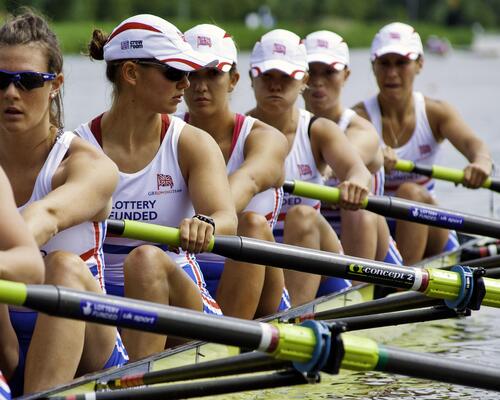
Farrar has a clear vision for ways in which the two sectors can collaborate to the benefit of both / Photo: Shutterstock/AYA images
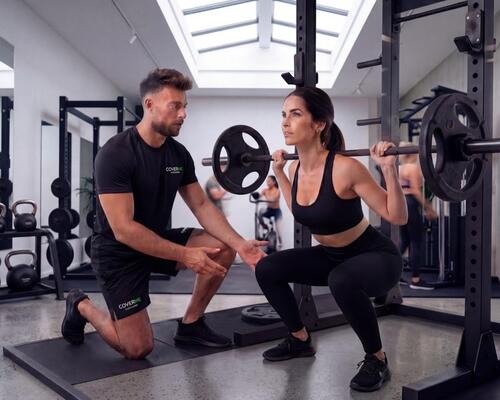
Farrar sees critical role for the sector delivering prehab and rehab services for the NHS / Photo: Shutterstock / Roman Fenton
The aim is to reach a tipping point of active programmes to create demand from the NHS / Photo: Shutterstock/ Microgen
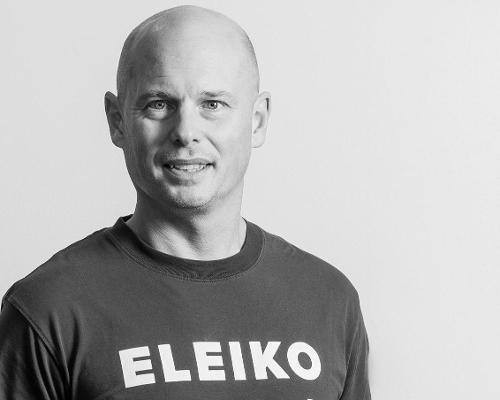
Farrar believes the industry needs to deliver more powerful proof of outcomes / Photo: Shutterstock/Marian Weyo
Dementia friendly swimming lessons can fill a pool, even at off-peak times / Photo: Shutterstock/ Kzenon
https://www.leisureopportunities.co.uk/images/2023/608348_354261.jpg
The new chair of UK Active talks to Kate Cracknell about his vision for the sector and opening up his address book to connect with senior players in health
Latest News
Purpose Brands has announced its entry into the Italian market, having sold the franchise rights ...
Latest News
Fitness First UK is integrating red light therapy into its yoga and Pilates classes through ...
Latest News
Nuffield Health has told HCM that it takes its responsibilities towards its colleagues seriously and ...
Latest News
Technogym has announced the launch of the Run X World Treadmill Championship, the first world ...
Latest News
Shocked by the UK loneliness statistics, charitable trust Mytime Active has been doubling down on ...
Latest News
Portugal’s leading operator, SC Fitness, is celebrating a milestone by reaching 100 gyms.  The company ...
Latest News
Australia’s fast-growing fitness network, Viva Leisure, is adding a low-cost gym brand to its already ...
Latest News
Speedflex has launched a strength training programme for 10 to 16-year-olds, to make it safer, ...
Latest News
Tewinbury Farm Hotel in Hertfordshire, UK is expanding its premium leisure proposition with the launch ...
Latest News

Work is underway in Madrid on one of Europe’s most significant multi-functional complexes, ...

Latest News
PureGym is encouraging people to step away from their screens and go for a walk, ...
Opinion
promotion
Strength training has moved from the margins to the mainstream.
Opinion: Building smarter strength spaces for today’s operators
Featured supplier news
Featured supplier news: Elevate 2026 to mark 10-year anniversary with biggest ever waterfront drinks reception
Elevate is set to celebrate its 10th anniversary in style this June, with organisers confirming the event’s largest-ever drinks reception as registrations continue to run more than 10% ahead of last year.
Featured supplier news
Featured supplier news: W3Fit EMEA celebrates its fifth anniversary
Celebrating its milestone 5th anniversary, W3Fit EMEA returns in 2026 with an unmissable gathering of the Health & Fitness industry’s most influential leaders.
Company profiles
Company profile: Balanced Body
Founded nearly 50 years ago, Balanced Body works with the highest quality materials, and pride ...
Company profiles
Company profile: Life Fitness/Hammer Strength
Life Fitness, Hammer Strength, and ICG are global leaders in premium fitness solutions, trusted by ...
Supplier Showcases
Supplier Showcase - Future-proofing
Catalogue Gallery
Click on a catalogue to view it online
Featured press releases
MyZone press release: Myzone global data reveals the building blocks of consistent exercise habits
A major new report from Myzone, the global leader in motivation technology for fitness, reveals how motivation becomes habit and how that transformation drives member retention and long-term business growth.
Featured press releases
GLL press release: GLL highlights the importance of drowning prevention to kids nationally as summer holidays near
School assemblies and water safety messages as part of swim lessons.   The UK's largest public pools and swim school operator, GLL, is providing timely activities during Drowning Prevention Week (13-20 June 2026) to raise awareness of water safety ahead of kids breaking up for the summer holidays.
Directory
Spa and beauty equipment
Oakworks Inc: Spa and beauty equipment
Fitness tracking platform
SpiviTech: Fitness tracking platform
Lockers
Crown Sports Lockers: Lockers
Industrial washing machines
Miele Company Limited: Industrial washing machines
Water experiences and hydrotherapy solutions
Aquaform s.r.l.: Water experiences and hydrotherapy solutions
Hot tubs
MSpa International Ltd: Hot tubs
Property & Tenders
Stratford, East London.
Lee Valley Regional Park Authority
Property & Tenders
Y Felinheli, LL56 4QN
Newmark
Property & Tenders
Diary dates
13-13 Jun 2026
Worldwide, Various,
Diary dates
21-24 Sep 2026
The Langham Huntington Pasadena , Pasadena, United States
Diary dates
06-08 Oct 2026
Messe Stuttgart, Stuttgart, Germany
Diary dates
22-22 Oct 2026
QEII Conference Centre, London,
Diary dates
26-29 Oct 2027
Koelnmesse Exhibition Centre, Cologne, Germany
Diary dates
Search news, features & products:
Find a supplier:
Elevate Arena
Elevate Arena
Partner sites