













GET HCM
magazine
Sign up for the FREE digital edition of HCM magazine and also get the HCM ezine and breaking news email alerts.
Not right now, thanksclose this window I've already subscribed!
Les Mills
Les Mills
Les Mills
Follow Health Club Management on Twitter Like Health Club Management on Facebook Join the discussion with Health Club Management on LinkedIn
FITNESS, HEALTH, WELLNESS

features

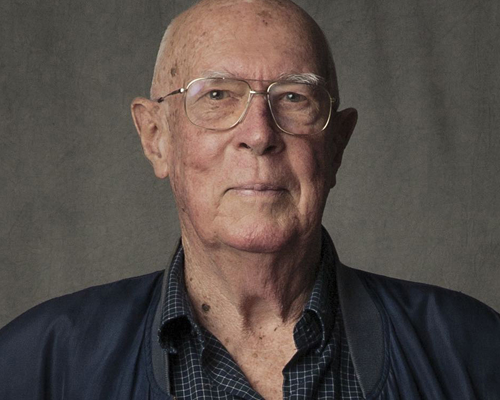
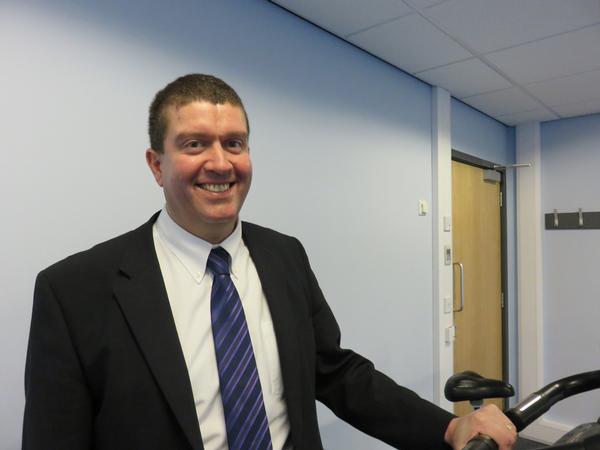
Interview - Dr John Morgan: Dr John Morgan

He’s hit the headlines recently for being the GP that recommends walking to his patients. Kate Cracknell finds out more about his ‘exercise is medicine’ philosophy, and why he thinks more GPs should follow suit
By Kate Cracknell | Published in Health Club Management 2014 issue 11
DR John Morgan
DR John Morgan
My patients cost the hospital £8,000 per 1,000 population, compared to £12,000–13,000 per 1,000 population for another local GP surgery of similar size and standing

I’ve been put down as the doctor who prescribes walking for the treatment and prevention of disease, but I’m fairly shocked about the response I’ve had to this. I don’t really do anything differently from what I think every GP should be doing,” says Dr John Morgan, commenting on the recent flurry of media interest in his exercise referral practices.

“I believe GPs should speak to all their patients about exercise. I see 280–300 NHS patients a week, and about 200 private patients, and I mention exercise to probably 80 per cent of them in one way or another. My view is that, if you mention it at every single point of contact with a patient, it will encourage them to incorporate activity into their daily lives.”

Exercise is medicine
He continues: “I mean, the evidence is irrefutable isn’t it – the benefits of exercise for so many different diseases. However, there’s evidence to suggest that, if you try and medicalise exercise to a whole population group, it can put them off. I therefore approach it from an individual patient basis – talking about exercise to each of the 40 patients who sit in front of me each day, about how it can help their general health as well as the problem they’ve come to see me about.

“If they’ve come to see me about something like high blood pressure it’s a natural fit, but even things like recurrent chest infections or some other minor condition – you encourage them to exercise, which improves and strengthens the heart and lungs, which means they don’t get the same infections next time. They see the health benefits themselves and it encourages them to keep exercising.”

But how does he squeeze it all in to a 10-minute consultation? “To be honest I don’t find it that difficult – I think we get too hung up on this 10-minute consultation model. In my mind it’s about using your time to the best effect. It’s having the mindset that exercise is a treatment from the word go.

“If the best effect is giving the patient a prescription for an antibiotic for a sore throat or a prescription for an anti-hypertension medication, all well and good. However, if you look at the studies, any tablets I might give them for their blood pressure are beaten hands down by losing weight and physical activity. So I tell them that. I show them graphs and charts that prove how combining physical activity with weight loss beats any kind of medication I can give them.

“Some patients won’t end up exercising for various reasons – I hear the usual excuses and I’ll try and come up with methods of overcoming those – but about 50 per cent of my patients will take me up on the offer of exercise, on the encouragement of exercise. Because honestly, the vast majority of patients don’t want to be on medication for the rest of their lives. They don’t want to be diagnosed with diabetes or hypertension in their early 50s and require medication every day for the next 30-odd years. So actually talking to them about that and giving them a real life option – the choice between taking medication and using exercise to treat and prevent disease… I find most of them want to take responsibility for their own health. Some will want the easier solution of a pill, but the vast majority are willing to give exercise a go.”

Integrated healthcare
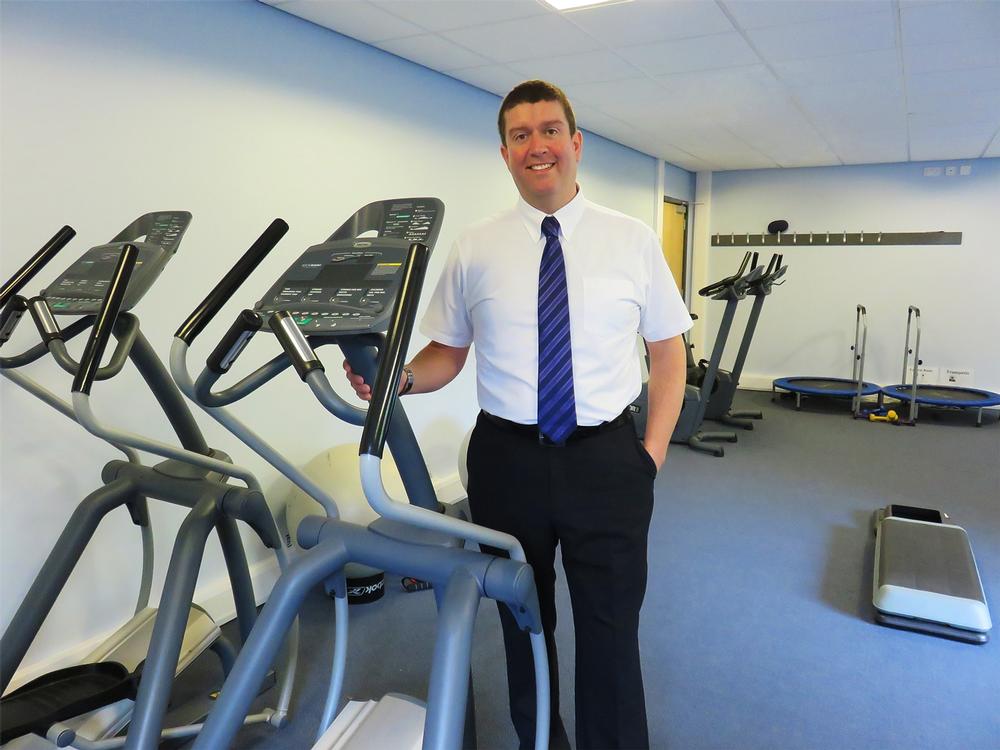
Morgan has been practising what he preaches for many years, based out of Wigan’s Pennygate Medical Centre. “Back in the day, when practice-based commissioning was starting – which was probably about 10 years ago – I built a gym in our practice. I used two fairly sizable rooms in our new building, one into which I put cardiovascular equipment and another where I mirrored the walls to use as an aerobics studio; we employed a REPS Level 4 trainer to come in and deliver exercise classes for us. That meant I could refer people directly into our own gym.
“The rationale was to try and make exercise inextricably linked with health – physically putting exercise facilities into the building to create a true health centre rather than a disease centre. I think too often the NHS concentrates on treating disease rather than promoting health.

“And it’s still going strong: ours is one of the few general practices in the country that has a cardiovascular gym and aerobics studio inside it. I walked past literally an hour ago and there were people using it.

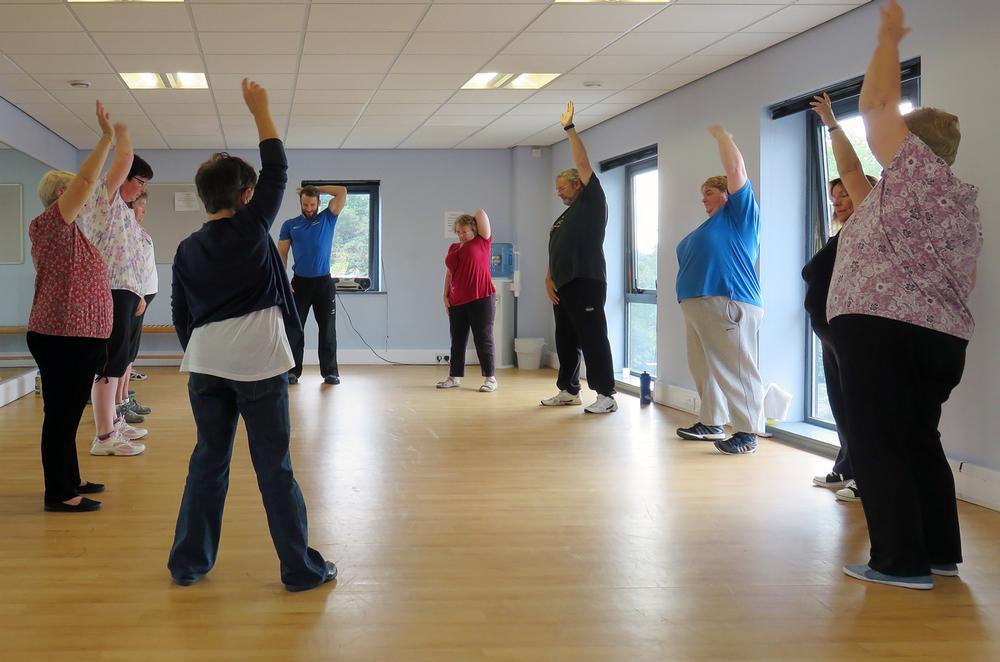
“We offer 12-week programmes, free of charge, after which we encourage people to progress into local facilities – especially the Active Living in Wigan scheme – to continue their exercise. And we’ve seen great results, including among genuinely sedentary, obese people and right through the age ranges.

“I remember one lady in her late 60s/early 70s who had never exercised in her life, and she turned up for her first exercise class in twin set and pearls. There are so many anecdotes like that. But people soon get used to it and the whole thing has ballooned: we have walking groups now too, which the patients have taken over and organise and lead themselves. Those are excellent for their social aspect too, and for the fact that people don’t really feel like they’re exercising – they enjoy it.

“The whole programme has really enhanced the physical and mental health of our patient population.”

Weight of evidence
And there’s data to prove it, including a 2012 audit of Morgan’s 12-week programme by students at Manchester University. So what were the results that most excited him?

“It was probably the self-reported change in mood: 92.5 per cent of participants said they’d experienced an improvement of mood. Also, 94 per cent of people reduced their blood pressure, independent of any medication.

“Meanwhile 81 per cent had decreased hospital admissions and GP consultations in the 12 months after the exercise programme compared to the previous 12 months. Not only that but my patients cost the hospital £8,000 per 1,000 population, compared to £12,000–13,000 per 1,000 population for another local GP surgery of similar size and standing. That’s a huge argument to prove the cost-effectiveness of exercise.

“Weight loss was also positive: 61 per cent of those doing our 12-week programme lost weight from exercising. I think that’s very interesting, because the lack of media advocacy with regard to exercise has been a problem over the years. Diet has been the only thing that’s been pushed, but exercise is also key.

“The other key finding was that 85 per cent of people changed the amount of exercise they did away from the class – they were continuing to exercise independently.

“The one thing the study didn’t do was look at a control group of people who hadn’t attended the exercise class, which would have made it a bit more robust. The quality of data therefore wouldn’t stand up in front of a medical conference – they could argue that the weather was nice that year and everyone went walking.

“So yes, it’s simple data, but if a health club were able to offer me similar data on their own programmes – for example, showing me a measurable improvement in a range of health markers – I’d be happy with that. And I think other GPs probably would be too. So I’d really encourage gyms to liaise with their local GPs and start this sort of programme.”

GP resistance
But therein lies a big part of the problem, as other GPs don’t seem as keen as Morgan to embrace physical activity. Why does he think that is?

“There’s always the issue of training, and the fact that medical schools focus on disease and treatment of disease rather than health and prevention of disease. Junior doctors need to be trained in the benefits of exercise and how to talk about it to their patients.

“Another big difficulty is where funding for ‘exercise as a benefit to health’ now sits. It would generally sit in the public health department, which is separate from the funding for general practice-commissioned activity. And that makes for a grey area, because although I fundamentally believe telling the whole population to exercise is a good thing, nothing beats sitting in front of the patient, explaining the benefits on a one-to-one basis.

“I personally think monies need to be transferred from public health into general practices with an attitude like ours. But of course there’s the issue of evidence, perceptions and quantifying the impact of your intervention. If you prescribe an anti-hypertension drug, for example, it’s generally accepted that any resulting reduction in blood pressure will be down to the drug. But if you don’t prescribe a drug and prescribe exercise instead, did you actually do anything to reduce that person’s blood pressure, assuming it reduces? Or has the person done it themselves?

“That’s always been the argument in terms of where the funding goes. Personally I’m not bothered about

the funding though. From my point of view, it’s the patient who’s in front of me at the time who matters.”

He continues: “I also think you need GPs with a strong work ethic. I’ve gone into various GP surgeries to teach and promote exercise, and frustratingly what I’ve tended to find is that they’ll put some nurses in front of me, but the GPs say they’re too busy. It can be a bit soul-destroying when you’re giving up your time to try and educate people.”

I mention ukactive’s pilot scheme in Essex, where exercise professionals were put into GP surgeries to act as an integrated part of the team. “Brilliant! That would be a fantastic model to roll out. But even if a full-time placement weren’t possible, health clubs could send instructors with behaviour change expertise into local GP surgeries to talk to GPs or even the patients themselves.

“We already work quite a bit with our local council facilities, but there’s no reason why private sector health clubs couldn’t get involved too. Maybe they could come to some agreement with the GPs to say they’ll charge half price for three months once people have finished their referral programmes. If they can give the GP some data – blood pressure before a three-month programme, blood pressure after, weight before and after – that could be a way forward.”

Exercise for all
So what would Morgan’s overall advice be to other GPs? “Push exercise at every opportunity – not only to those who need exercise referral for a specific health condition, but to everyone. Push exercise whenever you have a patient in front of you, particularly if a mum comes in with an obese kid, because it starts with that age.

“People need to see that exercise is important. That means education of the individual patients, but the professionals also have to engage with that education in the first place. I want to push the message far and wide that exercise acts on a cellular level in the body. It’s a natural treatment with huge benefits for your heart, lungs, mental health and so on. It combats stress too – something that causes the body to produce free radicals, which eventually cause cancer – by stimulating the body to produce antioxidants to quell free radicals. It’s not just in your head that you’ll feel better – it’s happening on a cellular level, and everyone can benefit.”

Sign up here to get HCM's weekly ezine and every issue of HCM magazine free on digital.
Morgan talks to 80 per cent of patients about exercise, including talking to parents about their kids / www.shutterstock.com/ Pressmaster
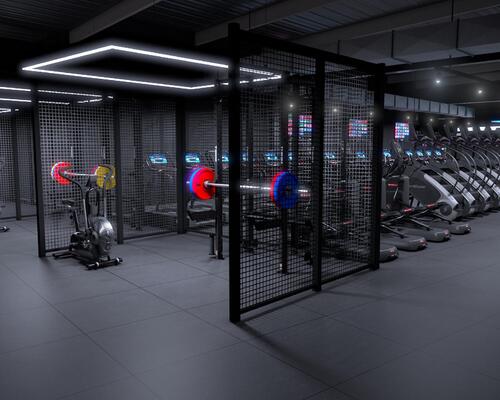
Morgan: “Ours is one of the few GP practices in the country with a cardiovascular gym inside it”
Morgan’s surgery runs 12-week in-house exercise programmes
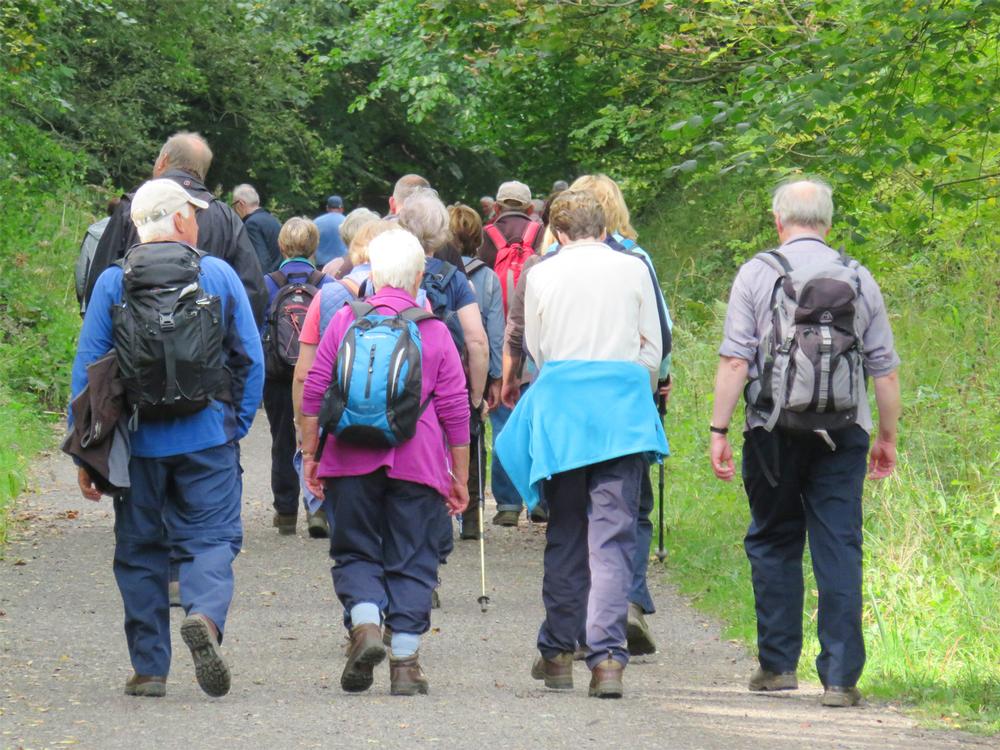
Morgan’s patients organise and lead their own walking group
https://www.leisureopportunities.co.uk/images/71561_821609.jpg
Kate Cracknell talks to the GP who hit the headlines for recommending walking to his patients, and finds out why he thinks more GPs should be following suit
Dr John Morgan,John Morgan, GP referral, Wigan, Pennygate, exercise is medicine
HCM magazine
If the health service is to survive, we must recognise that it is a disease service – and that wellbeing rests with us, says the activity advocate and healthy ageing champion. He talks to Kate Cracknell
HCM magazine
Strength training is evolving, driven by changing consumer preferences. Julie Cramer talks to innovators about how their products are meeting this demand
HCM magazine
For every member with a tripod and a big following, there are others irritated at the way equipment is being hogged or wary they’ll be in the background on someone’s Insta feed. Do influencers offer valuable, free marketing or are they just a nuisance? Kath Hudson finds out how operators are responding
HCM magazine
As the entrepreneur who started Wexer, Fresh Fitness, Fitness DK and Repeat, as well as being a former elite athlete, Rasmus Ingerslev’s life looked perfect from the outside, but onthe inside it was a different story. He talks to Kath Hudson about healing old wounds
HCM magazine
Small improvements to sleep, diet and physical activity have major benefits for the heart, according to new research from the University of Sydney
HCM promotional features
Sponsored
Starpool supports Olympic champion Marcell Jacobs, says Riccardo Turri
HCM promotional features
Sponsored
David Lloyd is stepping up its commitment to women’s health as it continues to explore what fit-for-purpose looks like for the female population
HCM promotional features
Sponsored
SnowDome Fitness has added 50 per cent more space with cutting-edge Technogym solutions
HCM promotional features
Sponsored
Find out how your gym can tap into the corporate wellness boom
HCM promotional features
Sponsored
Greg Bradley looks at the shift towards strength training in gyms and advises on how operators can create the ultimate training environment
HCM promotional features
Sponsored
Third Space partnered with IndigoFitness to deliver a bespoke training space for its new club at The Whiteley
HCM promotional features
Sponsored
EGYM has opened a new HQ in Paternoster Square, London and revealed a range of new launches
HCM promotional features
Promotion
Performance Health Systems, manufacturer of Power Plate, has a new CEO, with an ambitious vision for the company
HCM promotional features
Sponsored
Pulse Fitness has created a new health club delivering an elevated wellness experience
HCM promotional features
Latest News
Portugal’s leading operator, SC Fitness, is celebrating a milestone by reaching 100 gyms.  The company ...
Latest News
Australia’s fast-growing fitness network, Viva Leisure, is adding a low-cost gym brand to its already ...
Latest News
Speedflex has launched a strength training programme for 10 to 16-year-olds, to make it safer, ...
Latest News
Tewinbury Farm Hotel in Hertfordshire, UK is expanding its premium leisure proposition with the launch ...
Latest News

Work is underway in Madrid on one of Europe’s most significant multi-functional complexes, ...

Latest News
PureGym is encouraging people to step away from their screens and go for a walk, ...
Latest News
Small improvements to sleep, diet quality, and physical activity, made in combination lead to a ...
Latest News
Therme Manchester’s 28-acre development, which will include interconnected glass pavilions that measure 65,000sq m, will ...
Opinion
promotion
Strength training has moved from the margins to the mainstream.
Opinion: Building smarter strength spaces for today’s operators
Featured supplier news
Featured supplier news: Supporting long-term health: why whole body vibration belongs in clinical settings
As healthcare continues to shift towards prevention, there’s a growing focus on helping people stay active, independent and feeling good for longer.
Featured supplier news
Featured supplier news: W3Fit EMEA celebrates its fifth anniversary
Celebrating its milestone 5th anniversary, W3Fit EMEA returns in 2026 with an unmissable gathering of the Health & Fitness industry’s most influential leaders.
Company profiles
Company profile: Places Leisure
Places Leisure aims to enlighten our communities about the benefits of a healthy lifestyle in ...
Company profiles
Company profile: Escape Fitness Ltd
Escape Fitness has driven fitness innovation for 20+ years. Founded by engineer Richard Januszek and ...
Supplier Showcases
Supplier Showcase - Future-proofing
Catalogue Gallery
Click on a catalogue to view it online
Featured press releases
ukactive press release: Are they Fit for Office? UK Active and Technogym throw down the gauntlet to MPs
Hundreds of staff, MPs and Peers from across Westminster have signed up for the Fit for Office parliamentary physical activity challenge, which takes place throughout June and is hosted by ukactive and Technogym.
Featured press releases
Innerva press release: Lex Leisure’s power-assisted exercise suite smashes targets in record time
Crook Log Leisure Centre has more than doubled the membership target for its new power- assisted exercise suite in less than six months.
Directory
Fitness tracking platform
SpiviTech: Fitness tracking platform
Industrial washing machines
Miele Company Limited: Industrial washing machines
Water experiences and hydrotherapy solutions
Aquaform s.r.l.: Water experiences and hydrotherapy solutions
Hot tubs
MSpa International Ltd: Hot tubs
Lockers
Crown Sports Lockers: Lockers
Spa and beauty equipment
Oakworks Inc: Spa and beauty equipment
Property & Tenders
Stratford, East London.
Lee Valley Regional Park Authority
Property & Tenders
Y Felinheli, LL56 4QN
Newmark
Property & Tenders
Diary dates
13-13 Jun 2026
Worldwide, Various,
Diary dates
21-24 Sep 2026
The Langham Huntington Pasadena , Pasadena, United States
Diary dates
06-08 Oct 2026
Messe Stuttgart, Stuttgart, Germany
Diary dates
22-22 Oct 2026
QEII Conference Centre, London,
Diary dates
26-29 Oct 2027
Koelnmesse Exhibition Centre, Cologne, Germany
Diary dates

features

Interview - Dr John Morgan: Dr John Morgan

He’s hit the headlines recently for being the GP that recommends walking to his patients. Kate Cracknell finds out more about his ‘exercise is medicine’ philosophy, and why he thinks more GPs should follow suit

By Kate Cracknell | Published in Health Club Management 2014 issue 11
DR John Morgan
DR John Morgan
My patients cost the hospital £8,000 per 1,000 population, compared to £12,000–13,000 per 1,000 population for another local GP surgery of similar size and standing

I’ve been put down as the doctor who prescribes walking for the treatment and prevention of disease, but I’m fairly shocked about the response I’ve had to this. I don’t really do anything differently from what I think every GP should be doing,” says Dr John Morgan, commenting on the recent flurry of media interest in his exercise referral practices.

“I believe GPs should speak to all their patients about exercise. I see 280–300 NHS patients a week, and about 200 private patients, and I mention exercise to probably 80 per cent of them in one way or another. My view is that, if you mention it at every single point of contact with a patient, it will encourage them to incorporate activity into their daily lives.”

Exercise is medicine
He continues: “I mean, the evidence is irrefutable isn’t it – the benefits of exercise for so many different diseases. However, there’s evidence to suggest that, if you try and medicalise exercise to a whole population group, it can put them off. I therefore approach it from an individual patient basis – talking about exercise to each of the 40 patients who sit in front of me each day, about how it can help their general health as well as the problem they’ve come to see me about.

“If they’ve come to see me about something like high blood pressure it’s a natural fit, but even things like recurrent chest infections or some other minor condition – you encourage them to exercise, which improves and strengthens the heart and lungs, which means they don’t get the same infections next time. They see the health benefits themselves and it encourages them to keep exercising.”

But how does he squeeze it all in to a 10-minute consultation? “To be honest I don’t find it that difficult – I think we get too hung up on this 10-minute consultation model. In my mind it’s about using your time to the best effect. It’s having the mindset that exercise is a treatment from the word go.

“If the best effect is giving the patient a prescription for an antibiotic for a sore throat or a prescription for an anti-hypertension medication, all well and good. However, if you look at the studies, any tablets I might give them for their blood pressure are beaten hands down by losing weight and physical activity. So I tell them that. I show them graphs and charts that prove how combining physical activity with weight loss beats any kind of medication I can give them.

“Some patients won’t end up exercising for various reasons – I hear the usual excuses and I’ll try and come up with methods of overcoming those – but about 50 per cent of my patients will take me up on the offer of exercise, on the encouragement of exercise. Because honestly, the vast majority of patients don’t want to be on medication for the rest of their lives. They don’t want to be diagnosed with diabetes or hypertension in their early 50s and require medication every day for the next 30-odd years. So actually talking to them about that and giving them a real life option – the choice between taking medication and using exercise to treat and prevent disease… I find most of them want to take responsibility for their own health. Some will want the easier solution of a pill, but the vast majority are willing to give exercise a go.”

Integrated healthcare
Morgan has been practising what he preaches for many years, based out of Wigan’s Pennygate Medical Centre. “Back in the day, when practice-based commissioning was starting – which was probably about 10 years ago – I built a gym in our practice. I used two fairly sizable rooms in our new building, one into which I put cardiovascular equipment and another where I mirrored the walls to use as an aerobics studio; we employed a REPS Level 4 trainer to come in and deliver exercise classes for us. That meant I could refer people directly into our own gym.
“The rationale was to try and make exercise inextricably linked with health – physically putting exercise facilities into the building to create a true health centre rather than a disease centre. I think too often the NHS concentrates on treating disease rather than promoting health.

“And it’s still going strong: ours is one of the few general practices in the country that has a cardiovascular gym and aerobics studio inside it. I walked past literally an hour ago and there were people using it.

“We offer 12-week programmes, free of charge, after which we encourage people to progress into local facilities – especially the Active Living in Wigan scheme – to continue their exercise. And we’ve seen great results, including among genuinely sedentary, obese people and right through the age ranges.

“I remember one lady in her late 60s/early 70s who had never exercised in her life, and she turned up for her first exercise class in twin set and pearls. There are so many anecdotes like that. But people soon get used to it and the whole thing has ballooned: we have walking groups now too, which the patients have taken over and organise and lead themselves. Those are excellent for their social aspect too, and for the fact that people don’t really feel like they’re exercising – they enjoy it.

“The whole programme has really enhanced the physical and mental health of our patient population.”

Weight of evidence
And there’s data to prove it, including a 2012 audit of Morgan’s 12-week programme by students at Manchester University. So what were the results that most excited him?

“It was probably the self-reported change in mood: 92.5 per cent of participants said they’d experienced an improvement of mood. Also, 94 per cent of people reduced their blood pressure, independent of any medication.

“Meanwhile 81 per cent had decreased hospital admissions and GP consultations in the 12 months after the exercise programme compared to the previous 12 months. Not only that but my patients cost the hospital £8,000 per 1,000 population, compared to £12,000–13,000 per 1,000 population for another local GP surgery of similar size and standing. That’s a huge argument to prove the cost-effectiveness of exercise.

“Weight loss was also positive: 61 per cent of those doing our 12-week programme lost weight from exercising. I think that’s very interesting, because the lack of media advocacy with regard to exercise has been a problem over the years. Diet has been the only thing that’s been pushed, but exercise is also key.

“The other key finding was that 85 per cent of people changed the amount of exercise they did away from the class – they were continuing to exercise independently.

“The one thing the study didn’t do was look at a control group of people who hadn’t attended the exercise class, which would have made it a bit more robust. The quality of data therefore wouldn’t stand up in front of a medical conference – they could argue that the weather was nice that year and everyone went walking.

“So yes, it’s simple data, but if a health club were able to offer me similar data on their own programmes – for example, showing me a measurable improvement in a range of health markers – I’d be happy with that. And I think other GPs probably would be too. So I’d really encourage gyms to liaise with their local GPs and start this sort of programme.”

GP resistance
But therein lies a big part of the problem, as other GPs don’t seem as keen as Morgan to embrace physical activity. Why does he think that is?

“There’s always the issue of training, and the fact that medical schools focus on disease and treatment of disease rather than health and prevention of disease. Junior doctors need to be trained in the benefits of exercise and how to talk about it to their patients.

“Another big difficulty is where funding for ‘exercise as a benefit to health’ now sits. It would generally sit in the public health department, which is separate from the funding for general practice-commissioned activity. And that makes for a grey area, because although I fundamentally believe telling the whole population to exercise is a good thing, nothing beats sitting in front of the patient, explaining the benefits on a one-to-one basis.

“I personally think monies need to be transferred from public health into general practices with an attitude like ours. But of course there’s the issue of evidence, perceptions and quantifying the impact of your intervention. If you prescribe an anti-hypertension drug, for example, it’s generally accepted that any resulting reduction in blood pressure will be down to the drug. But if you don’t prescribe a drug and prescribe exercise instead, did you actually do anything to reduce that person’s blood pressure, assuming it reduces? Or has the person done it themselves?

“That’s always been the argument in terms of where the funding goes. Personally I’m not bothered about

the funding though. From my point of view, it’s the patient who’s in front of me at the time who matters.”

He continues: “I also think you need GPs with a strong work ethic. I’ve gone into various GP surgeries to teach and promote exercise, and frustratingly what I’ve tended to find is that they’ll put some nurses in front of me, but the GPs say they’re too busy. It can be a bit soul-destroying when you’re giving up your time to try and educate people.”

I mention ukactive’s pilot scheme in Essex, where exercise professionals were put into GP surgeries to act as an integrated part of the team. “Brilliant! That would be a fantastic model to roll out. But even if a full-time placement weren’t possible, health clubs could send instructors with behaviour change expertise into local GP surgeries to talk to GPs or even the patients themselves.

“We already work quite a bit with our local council facilities, but there’s no reason why private sector health clubs couldn’t get involved too. Maybe they could come to some agreement with the GPs to say they’ll charge half price for three months once people have finished their referral programmes. If they can give the GP some data – blood pressure before a three-month programme, blood pressure after, weight before and after – that could be a way forward.”

Exercise for all
So what would Morgan’s overall advice be to other GPs? “Push exercise at every opportunity – not only to those who need exercise referral for a specific health condition, but to everyone. Push exercise whenever you have a patient in front of you, particularly if a mum comes in with an obese kid, because it starts with that age.

“People need to see that exercise is important. That means education of the individual patients, but the professionals also have to engage with that education in the first place. I want to push the message far and wide that exercise acts on a cellular level in the body. It’s a natural treatment with huge benefits for your heart, lungs, mental health and so on. It combats stress too – something that causes the body to produce free radicals, which eventually cause cancer – by stimulating the body to produce antioxidants to quell free radicals. It’s not just in your head that you’ll feel better – it’s happening on a cellular level, and everyone can benefit.”
Sign up here to get HCM's weekly ezine and every issue of HCM magazine free on digital.
Morgan talks to 80 per cent of patients about exercise, including talking to parents about their kids / www.shutterstock.com/ Pressmaster
Morgan: “Ours is one of the few GP practices in the country with a cardiovascular gym inside it”

Morgan’s surgery runs 12-week in-house exercise programmes
Morgan’s patients organise and lead their own walking group
https://www.leisureopportunities.co.uk/images/71561_821609.jpg
Kate Cracknell talks to the GP who hit the headlines for recommending walking to his patients, and finds out why he thinks more GPs should be following suit
Dr John Morgan,John Morgan, GP referral, Wigan, Pennygate, exercise is medicine
Latest News
Portugal’s leading operator, SC Fitness, is celebrating a milestone by reaching 100 gyms.  The company ...
Latest News
Australia’s fast-growing fitness network, Viva Leisure, is adding a low-cost gym brand to its already ...
Latest News
Speedflex has launched a strength training programme for 10 to 16-year-olds, to make it safer, ...
Latest News
Tewinbury Farm Hotel in Hertfordshire, UK is expanding its premium leisure proposition with the launch ...
Latest News

Work is underway in Madrid on one of Europe’s most significant multi-functional complexes, ...

Latest News
PureGym is encouraging people to step away from their screens and go for a walk, ...
Latest News
Small improvements to sleep, diet quality, and physical activity, made in combination lead to a ...
Latest News
Therme Manchester’s 28-acre development, which will include interconnected glass pavilions that measure 65,000sq m, will ...
Latest News
The Yard Gym (TYG) is to become Nike Training’s official global training partner in a ...
Latest News
Everlast Gyms' York site has reopened following a refurbishment to bring it up to the ...
Latest News
Luxury hospitality and wellness pioneer Jeremy McCarthy has launched Leisure Alchemy, a digital platform that ...
Opinion
promotion
Strength training has moved from the margins to the mainstream.
Opinion: Building smarter strength spaces for today’s operators
Featured supplier news
Featured supplier news: Supporting long-term health: why whole body vibration belongs in clinical settings
As healthcare continues to shift towards prevention, there’s a growing focus on helping people stay active, independent and feeling good for longer.
Featured supplier news
Featured supplier news: W3Fit EMEA celebrates its fifth anniversary
Celebrating its milestone 5th anniversary, W3Fit EMEA returns in 2026 with an unmissable gathering of the Health & Fitness industry’s most influential leaders.
Company profiles
Company profile: Places Leisure
Places Leisure aims to enlighten our communities about the benefits of a healthy lifestyle in ...
Company profiles
Company profile: Escape Fitness Ltd
Escape Fitness has driven fitness innovation for 20+ years. Founded by engineer Richard Januszek and ...
Supplier Showcases
Supplier Showcase - Future-proofing
Catalogue Gallery
Click on a catalogue to view it online
Featured press releases
ukactive press release: Are they Fit for Office? UK Active and Technogym throw down the gauntlet to MPs
Hundreds of staff, MPs and Peers from across Westminster have signed up for the Fit for Office parliamentary physical activity challenge, which takes place throughout June and is hosted by ukactive and Technogym.
Featured press releases
Innerva press release: Lex Leisure’s power-assisted exercise suite smashes targets in record time
Crook Log Leisure Centre has more than doubled the membership target for its new power- assisted exercise suite in less than six months.
Directory
Fitness tracking platform
SpiviTech: Fitness tracking platform
Industrial washing machines
Miele Company Limited: Industrial washing machines
Water experiences and hydrotherapy solutions
Aquaform s.r.l.: Water experiences and hydrotherapy solutions
Hot tubs
MSpa International Ltd: Hot tubs
Lockers
Crown Sports Lockers: Lockers
Spa and beauty equipment
Oakworks Inc: Spa and beauty equipment
Property & Tenders
Stratford, East London.
Lee Valley Regional Park Authority
Property & Tenders
Y Felinheli, LL56 4QN
Newmark
Property & Tenders
Diary dates
13-13 Jun 2026
Worldwide, Various,
Diary dates
21-24 Sep 2026
The Langham Huntington Pasadena , Pasadena, United States
Diary dates
06-08 Oct 2026
Messe Stuttgart, Stuttgart, Germany
Diary dates
22-22 Oct 2026
QEII Conference Centre, London,
Diary dates
26-29 Oct 2027
Koelnmesse Exhibition Centre, Cologne, Germany
Diary dates
Search news, features & products:
Find a supplier:
Les Mills
Les Mills
Partner sites