











GET HCM
magazine
Sign up for the FREE digital edition of HCM magazine and also get the HCM ezine and breaking news email alerts.
Not right now, thanksclose this window I've already subscribed!
Follow Health Club Management on Twitter Like Health Club Management on Facebook Join the discussion with Health Club Management on LinkedIn
FITNESS, HEALTH, WELLNESS

features

Interview: Andreas Paulsen

Europe Active has reinvented itself over the last two years, rallying the European sector around a common purpose, putting in the groundwork to support its public health agenda and opening itself up to global collaboration. Its CEO talks to Kate Cracknell
Published in Health Club Management 2022 issue 3
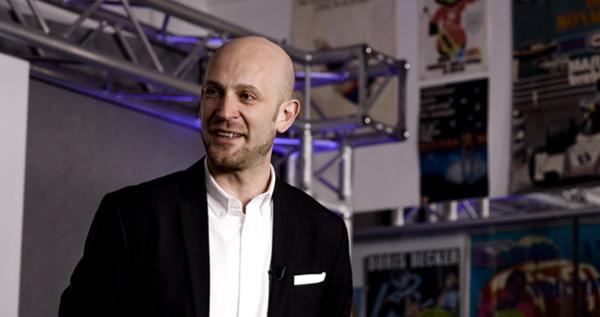
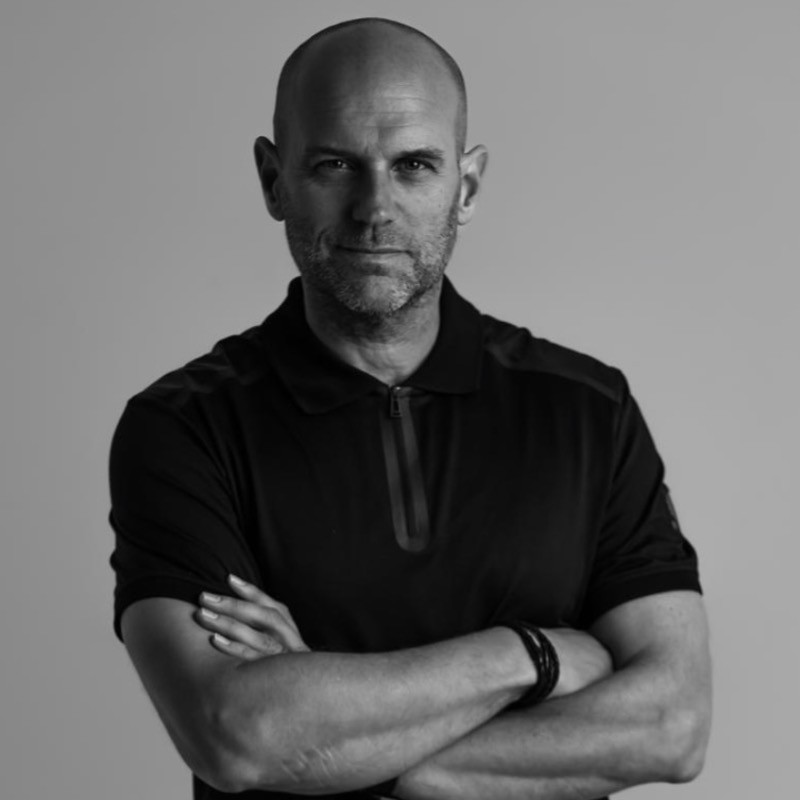
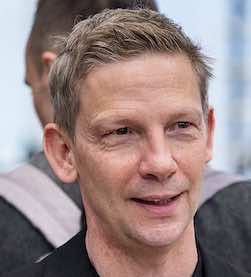
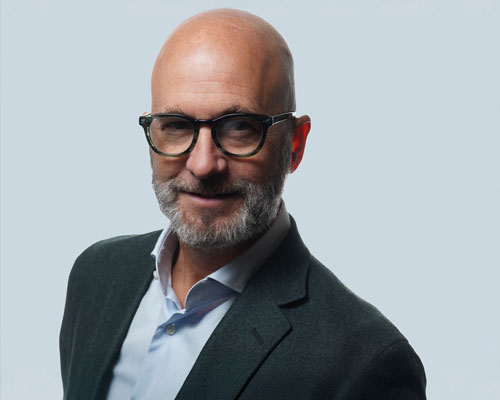
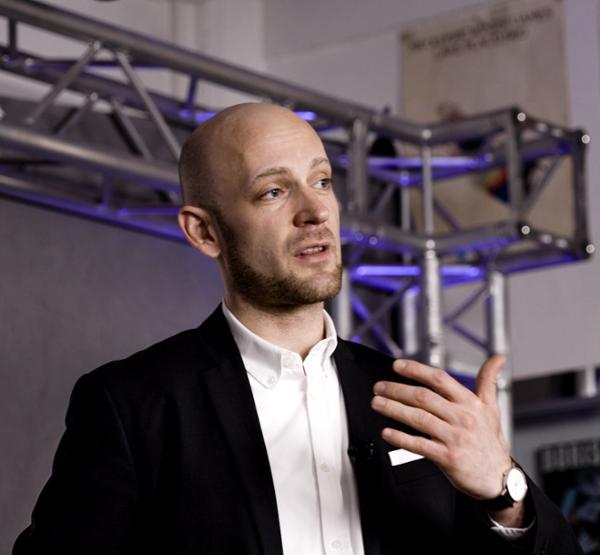
Paulsen says a whole new strategy was born out of the pandemic / Europe Active
We’re about public health and wellbeing in Europe. We’re an important part of Europe’s recovery

What’s your back story?
My background is in European Studies and Political Science, which I guess is quite unusual for our sector. I’m a history geek who occasionally still teaches political philosophy on the side and I’ve spent a lot of time in political circles.


However, in 2011 I had an opportunity to launch a new medical fitness concept with a group of physiotherapists, becoming MD of an operation called Fit&Sund. It now has about 40 clubs, but back then we were starting out and were looking for objective standards for our personal trainer qualifications. I came across the European Health & Fitness Association (EHFA) – as Europe Active was then known – and ran its standards past my Fit &Sund co-founders: a couple of academics, a medical doctor, a PhD in exercise physiology and a very high-level physiotherapist.

We all agreed they were good, so FIT&Sund joined up in 2011 – I became vice-chair of the Standards Council in 2012 and joined the board in 2015.

When the Europe Active leadership changed in 2019, the board asked David Stalker and me to take over; I became acting president in 2019 and was appointed CEO in April 2020.


Dave and I work well together, and with the Europe Active team, and in early 2020 we defined a strategy that not only addressed the immediate challenges, but also the longer-term and where we wanted to take both the sector and Europe Active.

And the immediate challenge was COVID-19?
Yes. We basically started flying this plane through a thunderstorm.

I care a lot about Europe Active and the national associations that are part of it, though, and I recalled Churchill’s words: ‘Never let a good crisis go to waste.’ When everything is up in the air, provided you have a strong enough mission, momentum and the right resources behind you, there’s a real chance for change.

I was determined that we’d make the best of it, so we used COVID as a window of opportunity to get the mandate from our supporters and our board to fundamentally transform things. The organisation had been set up by industry people, which I deeply respect, with the best of intentions but limited resources; it seemed like the right time to turn the page and become a proper trade association, a federation in Brussels, so we would have the right set-up for the future.

We rebuilt from within, establishing departments, clear responsibilities, separation of powers, new governance structures, transparency standards and so on.

We created a strong sense of purpose within the association. Our team understood the gravity of the situation, of course, but we also ensured they understood the great opportunity of the situation – that if we provided the right support to our small and medium-sized members and stakeholders, in particular, we could have a tremendously positive impact, helping them through the crisis.

We drove home the notion that ours isn’t just any sector. We’re about public health and wellbeing in Europe, and an important part of Europe’s recovery. And as a trade association, Europe Active is the existential backbone of that sector. We have to be there when people are struggling out in the field.

Understanding this was an important part of getting through the crisis. I believe the associations that came successfully through the pandemic – even expanding and building their momentum – were the ones that were able to create a sense of purpose around which their national sectors united.

What shape is Europe Active in now?
It may sound strange to say, as COVID has been terrible in so many ways, but I think it actually made it easier to be a trade association, provided you did it right. It made our value clearer than ever as the uniting force in the European sector, speaking to governments with one voice, sharing resources, creating common objectives and ultimately getting through it together.


And we came through it pretty well, even expanding our team and, with the help of some of the big players in our sector, investing in new projects such as the European DataHub and the new FitCert.eu standards (www.hcmmag.com/FitCert).

I’m hugely grateful to Dave Stalker as my close partner on this journey, and to the board and team of Europe Active for the way they came together.

I’m also grateful to the larger national associations in our network, who have shared their expertise with the smaller associations. We’ve grown our European community of national associations from 16 to 31 over the space of two years, and ukactive and other well-established national associations in Europe have provided invaluable public affairs resources and arguments to help our younger, less resource-rich associations.

What sort of impact?
Even in the depths of the crisis, we were already able to see how – in countries where the national associations had been able to position our sector as a public health solution – the likelihood of crippling restrictions was lower than in countries where we’re still seen as traditional fitness, sport and leisure.

If there’s one word that’s going to be even more important to our journey in the coming years than ‘health’, it’s ‘essential’. During COVID we realised that if you’re seen as an essential service, politicians will go a long way to keep you open.

And we’ve had some successes here already. Germany had its election last year, of course, and its new government programme mentions our sector as being essential to public health and physical activity levels. We’ve had official recognition by health authorities in the UK, Denmark, Netherlands and the region of Madrid too, but Germany’s is the clearest, most official, high-level example so far. And it’s important because it will spill into policy initiatives across Europe.

Meanwhile, at the launch of the European Week of Sport in Slovenia last September, Mariya Gabriel, the European Commissioner for Innovation, Research, Culture, Education and Youth recognised our sector as essential and important to physical activity in Europe for the first time.

How do we capitalise on this?
There’s a bright future beyond COVID, and we’re getting into that future as we speak. As populations age and are negatively affected by contemporary unhealthy lifestyles, healthcare systems will have to be fundamentally reformed towards preventative health. Countries simply won’t be able to afford them otherwise.


If our sector positions itself correctly, we will be recognised as an important part of that preventative healthcare mix.

This is the most important thing that we can do politically in the coming years, because there’s far more money and resources in health than in sport and leisure. Sport and leisure of course are fine – that’s where we have our historical roots – but to get beyond 10 and 20 per cent market penetration to 40, 50 per cent and beyond, we need to be considered public health. We need to be seen as essential to physical activity levels in Europe. That’s why it’s so important to climb up that list – that ladder of essentiality.

Put another way, while there’s nothing wrong per se in aesthetically defining fitness, our biggest value to society cannot be aesthetically defined. It’s defined by the positive effect of health-enhancing physical activity on physical, mental and social health and wellbeing.

That’s why a core topic at this year’s European Health and Fitness Forum in Cologne is the importance of building your business on health rather than sport and leisure – why this holds more promise for the future in terms of attracting more consumers, increasing societal impact and positively being on the radar of politicians.

As associations, we need to take this preventative health stance now, then encourage operators to make gradual changes. I’m not at all saying that clubs have to cut all ties with their history, but we need to keep moving forward in our messaging.

We also need to be willing to look at ourselves self-critically. When meeting with external stakeholders – political stakeholders, for example – we have to listen to their critique instead of just rejecting it. Once we understand why politicians look at us in a certain way, we can address any genuine issues and educate where perceptions are incorrect.

What’s the rationale behind your new club standards?
Our new FitCert.eu standards are about getting ready for business after COVID. We’ve previously had standards for people: our industry’s exercise professionals. FitCert.eu represents our first firm standards for places of business: a four-stage quality assurance system where quality assurers are actually out there assisting clubs in improving the standards of their facilities.

The average well-managed club in Europe will be totally fine in this new system, but the point is that it isn’t just based on trust. There’s on-the-ground quality assurance.

Some of it is obligatory, elsewhere we make recommendations. The objective is to secure a minimum standard and at the same time inspire our sector for the future, showing operators how our fitness and health clubs should develop in the coming years.

We’ve been positively surprised by how quickly some of the major operators have responded, with the likes of BasicFit, Pure Gym, Gym Group, David Lloyd Leisure, Solinca, Urban Fit, Fit & Sund, EVO, FitForFree, SportCity and GoFIT – together with some smaller operators – investing to become frontrunners in this scheme.

In our pilot, just under 300 clubs from nine European countries – Belgium, Denmark, Spain, France, Luxembourg, Netherlands, Norway, Portugal and the UK – will complete stage two, with our sampling conducted according to international standards, that means the whole estate is then accredited based on the sample. It means the pilot actually represents over 1,800 clubs across nine markets. We expect these standards to become the norm over the coming decade, with insurance companies and even government regulatory bodies taking them into account when they regulate our sector or issue insurance policies.

Are there any other new initiatives you’d like to mention?
I’d like to talk about the European DataHub, which we launched with 4Global last year to cost-effectively provide instant, reliable data for our sector. Predominantly covering the commercial sector in Europe, it’s one of our biggest investments ever and has been made possible by members of Europe Active’s President’s Councils, who’ve been incredibly supportive during the pandemic.

Data comes in directly from digital sources across our ecosystem – our members’ digital platforms and software – and can be used to monitor customer behaviours, for example. We’ll be able to see increases and decreases in memberships and how consumers and members of clubs shift between offerings; if it had been live during Omicron, we’d have been able to immediately see how many members we lost as a result, rather than having to manually draw down this data.

It’s about securing reliable data and research on which to base our decisions and business models, rather than gut feel. It’s also about better resourcing our public affairs initiatives, making sure the right arguments get to the right politicians and decision-making authorities.

For example – in partnership with universities represented on the Scientific Advisory Board of our new research unit, Think Active – we’ll be doing some socio-economic modelling on the data. The goal will be to better understand our sector’s social impact, asking questions such as: ‘If we significantly increase access to regular exercise for citizens of all backgrounds, what impact would that have on crime rates in this community?’

That, of course, requires other sets of data to be combined with ours, but doing this will allow us to far better demonstrate the direct and indirect impact of our sector in society. That’s what we want to do in the coming years, putting this knowledge into the hands of our public affairs people to, in turn, take to political stakeholders.

Would deeper global collaboration be beneficial?
During the pandemic, a lot of trade associations around the world not only grew stronger but also began to collaborate more closely than ever before. As a result, there’s now an informal network of associations around the world and I believe we have a unique opportunity to formalise that this year, turning it into a federation of associations that speaks with one voice globally.

If this happens, it should be a democratic body, not a semi-commercial business. It should be completely transparent and accountable – a forum of peers sitting around a table representing their respective continents and regions.

In this federation, Europe Active would represent Europe; I consider Europe to be my country and I don’t have any global ambitions beyond doing good for the whole sector. My ambitions for Europe Active are simply this: to improve the image of our sector, making sure we become a public health solution in the eyes of the majority of our societies; and to represent the European sector in the best way possible at the global table, including helping like-minded partners across the world.

So for me, a global federation represents a wonderful opportunity to help others – up-and-coming African associations, for example. I’d love to see a formal system for sharing resources and best practice.

It would also allow us to pool resources to achieve far greater impact: funding global rather than regional reports in collaboration with university partners around the world, for example, and creating much stronger campaigns for our sector.

There’s too much duplication of effort at the moment, and supporters are rightly asking why they’re having to pay multiple organisations to push the same global agenda.

From our perspective, we’re very happy to share. We already did so freely during COVID. We just want to do it in a fair way, with the same open spirit of collegiality across the board. Any federation must be based on trust and mutual respect: handshakes that say we believe in each other and our sector and that, in the spirit of partnership, we’ll pool our resources and do this together.

In the end, this is what our sector expects of us. Trade associations are expected to collaborate, not compete. We’re expected to show respect for our supporters by spending their resources as wisely as possible. We’re expected to be places of peace and representation that gather the entire ecosystem around agenda points that are common to everyone. I firmly hope, and indeed believe, that the formalisation of this global federation will happen.

Europe Active: Horizon 2025 Strategy

“Our vision and mission are unchanged since 2019/20,” says EuropeActive CEO Andreas Paulsen. “Our mission remains to promote the interests of all organisations that work towards getting more people, more active, more often, while our vision is to be the leading European voice for our sector.

“What’s new is our strategy and work programme for 2022–25 – a plan entitled Moving Forward Together – which builds on our mission and vision and aims to concretely fulfill the goals of our Horizon 2025 Sectoral Manifesto.

“There’s an introduction that covers some of the paradigm shifts, such as becoming a public health solution and securing reliable data we can put into the hands of our public affairs resources. The document is then divided into chapters, each representing one of Europe Active’s departments.

“Member Services covers how we look after members, especially in the commercial area, including events. Educational Services importantly covers research for the sector, standards, accreditation, quality-assurance and our strategy for upskilling our sector’s workforce. The EU and Public Affairs chapter addresses our general public affairs objectives, as well as how we step up and align our political representation and policy efforts in Brussels and in the national capitals of Europe, while Projects and Programmes looks at the EU-funded and EU-supported projects we either coordinate or are a partner in digitalisation, inclusion, environmental sustainability, education and skills, and so on.

Admin and Finance is mostly internally-focused, but in the name of transparency we want to show all Europe Active members and stakeholders how we’re going about building the best trade association team in the world.”
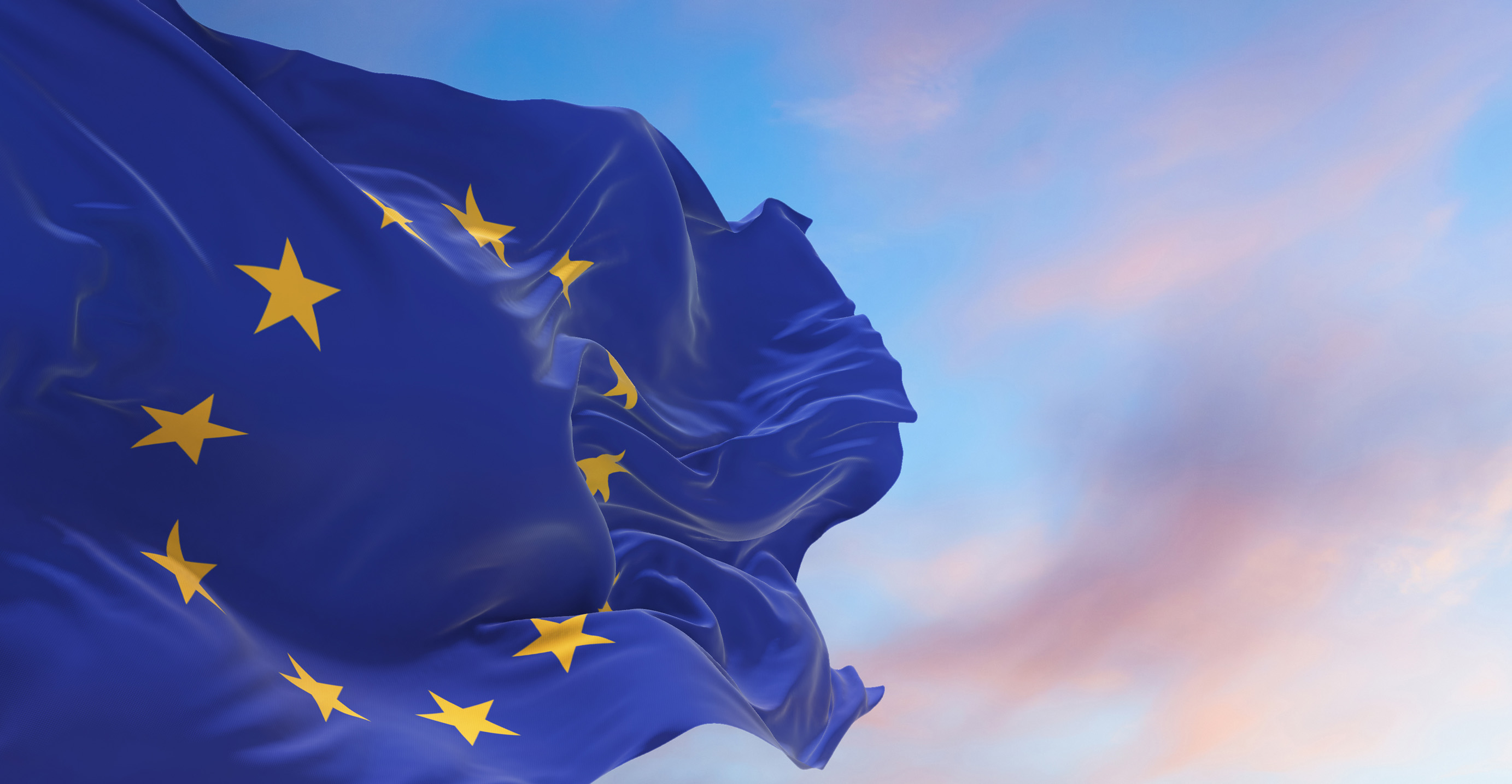
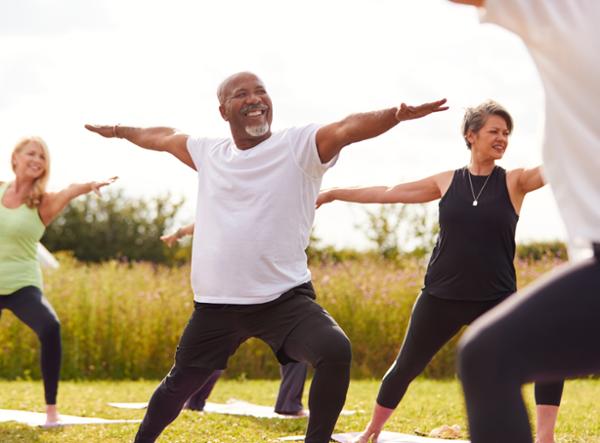
photo: shutterstock/Maxim Studio
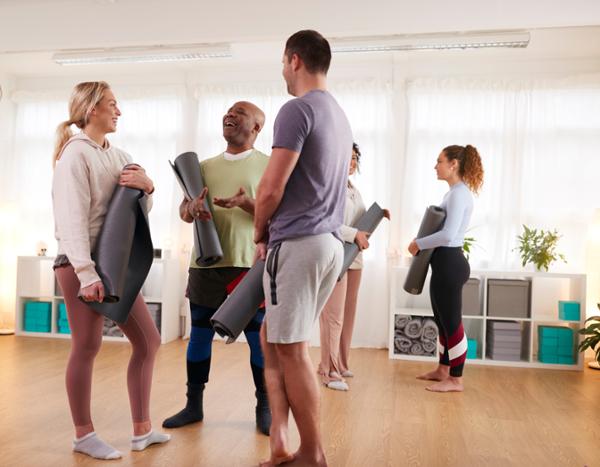
Positioning the sector as a public health solution is key / photo: shutterstock/Monkey Business Images
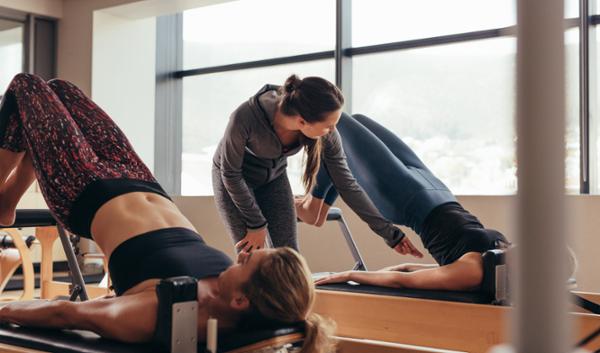
Fitcert.eu is a quality mark aimed at driving up industry standards / photo: shutterstock/Prostock-studio
A health focus should attract a wider segment of the community / photo: shutterstock/Monkey Business Images
A Europe-wide quality assurance system will raise sector confidence / photo: shutterstock/Jacob Lund
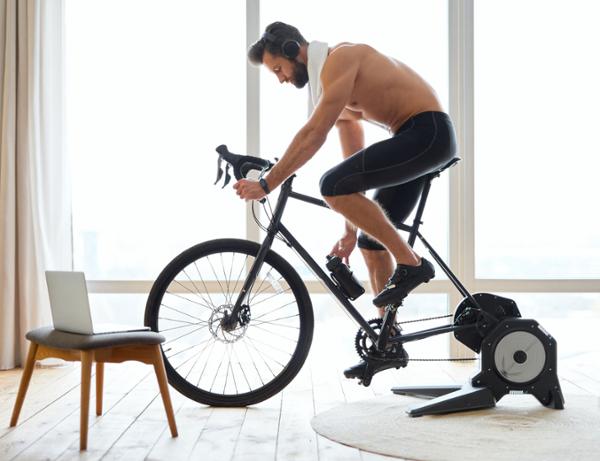
The European DataHub is gathering valuable consumer data from and for the whole sector / photo: shutterstock/Friends Stock
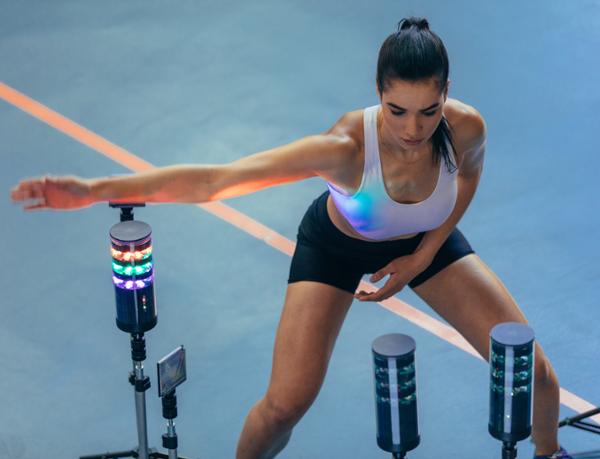
Post-COVID, the sector must be recognised as an essential service / photo: shutterstock/Jacob Lund
We need to eliminate duplication of effort, says Paulsen / Europe Active
https://www.leisureopportunities.co.uk/images/2022/239040_927928.jpg
Europe Active has reinvented itself over the pandemic, rallying the sector, progressing the public health agenda, and opening itself up to global collaboration. Its CEO talks to Kate Cracknell
HCM magazine
If the health service is to survive, we must recognise that it is a disease service – and that wellbeing rests with us, says the activity advocate and healthy ageing champion. He talks to Kate Cracknell
HCM magazine
I experienced a blissful feeling of joy I hadn’t felt since I was a kid
HCM magazine
HCM People

Stephen Price

Founder, SP&Co Group
Working in public health over the last few years has lit up parts of my brain again
HCM magazine
As the entrepreneur who started Wexer, Fresh Fitness, Fitness DK and Repeat, as well as being a former elite athlete, Rasmus Ingerslev’s life looked perfect from the outside, but onthe inside it was a different story. He talks to Kath Hudson about healing old wounds
HCM magazine
For every member with a tripod and a big following, there are others irritated at the way equipment is being hogged or wary they’ll be in the background on someone’s Insta feed. Do influencers offer valuable, free marketing or are they just a nuisance? Kath Hudson finds out how operators are responding
HCM promotional features
Sponsored
Third Space partnered with IndigoFitness to deliver a bespoke training space for its new club at The Whiteley
HCM promotional features
Sponsored
David Lloyd is stepping up its commitment to women’s health as it continues to explore what fit-for-purpose looks like for the female population
HCM promotional features
Sponsored
Starpool supports Olympic champion Marcell Jacobs, says Riccardo Turri
HCM promotional features
Sponsored
Greg Bradley looks at the shift towards strength training in gyms and advises on how operators can create the ultimate training environment
HCM promotional features
Sponsored
SnowDome Fitness has added 50 per cent more space with cutting-edge Technogym solutions
HCM promotional features
Sponsored
Find out how your gym can tap into the corporate wellness boom
HCM promotional features
Sponsored
EGYM has opened a new HQ in Paternoster Square, London and revealed a range of new launches
HCM promotional features
Promotion
Performance Health Systems, manufacturer of Power Plate, has a new CEO, with an ambitious vision for the company
HCM promotional features
Sponsored
Pulse Fitness has created a new health club delivering an elevated wellness experience
HCM promotional features
Latest News
Abu Dhabi-based investment firm Mubadala Capital has made a binding, fully financed €1 billion offer ...
Latest News
In a milestone moment, mental health has become a core part of CIMSPA’s occupational professional ...
Latest News
US high-value, low-price chain, Eos Fitness, has announced plans to pilot reformer Pilates in three ...
Latest News
Preventive healthcare company Neko Health has added body composition analysis to its full-body health scan ...
Latest News
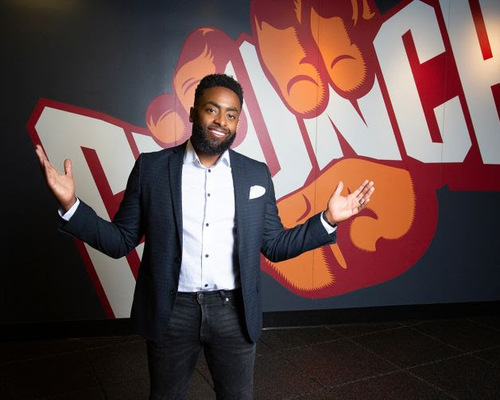
Chequan Lewis is the new CEO of Crunch Fitness, taking over from Jim Rowley, who ...
Latest News
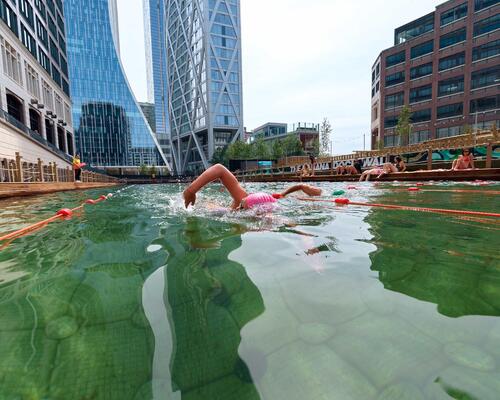
Sea Lanes Canary Wharf has officially opened. The 50-metre, six-lane pool, which uses the natural ...
Latest News
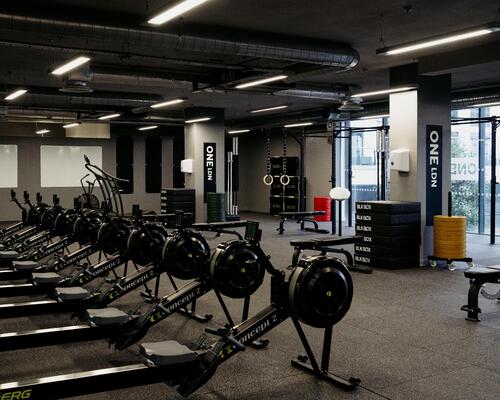
London-based high-performance fitness club, ONE LDN, is raising funds for a multi-site expansion across London, ...
Latest News
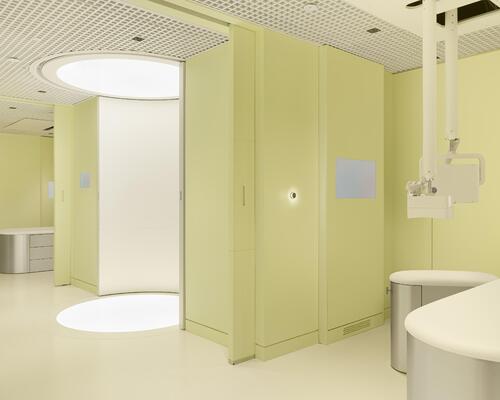
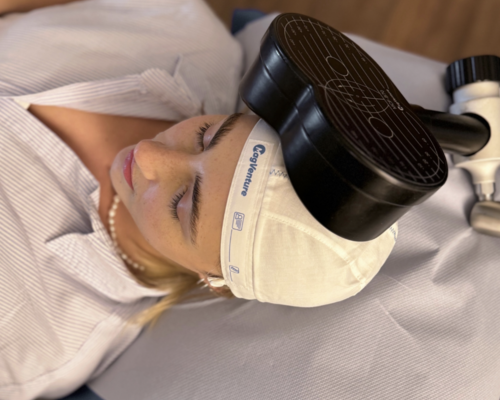
A new brain clinic has opened in London, which uses non-invasive brain stimulation to treat ...
Opinion
promotion
Strength training has moved from the margins to the mainstream.
Opinion: Building smarter strength spaces for today’s operators
Featured supplier news
Featured supplier news: Reaching the people most gyms miss: Bedford Gym & Swim Campaign delivers 410 new members
One of the biggest mistakes the fitness industry still makes is advertising almost exclusively to people who already look and live like gym members.
Featured supplier news
Featured supplier news: Cornerstone Connect helps Active Blackpool tackle health inequalities
Active Blackpool is deploying Cornerstone Connect, a new digital interface allowing disparate information from multiple systems to be aggregated into one dataset, to support its focus on reducing health inequalities and improving healthy life expectancy.
Company profiles
Company profile: Pure Energy Music
Pure Energy Music is a specialist music service built specifically for the fitness industry. Our ...
Company profiles
Company profile: Precor
Precor provides fitness and wellness equipment to all market segments, including commercial clubs/facilities, Hospitality, Residential, ...
Supplier Showcases
Supplier Showcase - Future-proofing
Catalogue Gallery
Click on a catalogue to view it online
Featured press releases
CoverMe press release: CoverMe and Jobs In. Fitness partner to create end-to-end talent solution
CoverMe, the UK’s leading fitness workforce management and recruitment platform, now gives operators access to talent for every level of their business, thanks to a new strategic partnership with Jobs In. Fitness.
Featured press releases
BLK BOX press release: Inside the build: Salt 
To bring their concept to life, Salt partnered with BLK BOX to design and equip a facility that would deliver a premium training experience while supporting the needs of a diverse and growing community.
Directory
Spa and beauty equipment
Oakworks Inc: Spa and beauty equipment
Hot tubs
MSpa International Ltd: Hot tubs
Lockers
Crown Sports Lockers: Lockers
Fitness tracking platform
SpiviTech: Fitness tracking platform
Industrial washing machines
Miele Company Limited: Industrial washing machines
Water experiences and hydrotherapy solutions
Aquaform s.r.l.: Water experiences and hydrotherapy solutions
Property & Tenders
Stratford, East London.
Lee Valley Regional Park Authority
Property & Tenders
Y Felinheli, LL56 4QN
Newmark
Property & Tenders
Diary dates
21-24 Sep 2026
The Langham Huntington Pasadena , Pasadena, United States
Diary dates
06-08 Oct 2026
Messe Stuttgart, Stuttgart, Germany
Diary dates
22-22 Oct 2026
QEII Conference Centre, London,
Diary dates
26-29 Oct 2027
Koelnmesse Exhibition Centre, Cologne, Germany
Diary dates

features

Interview: Andreas Paulsen

Europe Active has reinvented itself over the last two years, rallying the European sector around a common purpose, putting in the groundwork to support its public health agenda and opening itself up to global collaboration. Its CEO talks to Kate Cracknell

Published in Health Club Management 2022 issue 3
Paulsen says a whole new strategy was born out of the pandemic / Europe Active
We’re about public health and wellbeing in Europe. We’re an important part of Europe’s recovery

What’s your back story?
My background is in European Studies and Political Science, which I guess is quite unusual for our sector. I’m a history geek who occasionally still teaches political philosophy on the side and I’ve spent a lot of time in political circles.


However, in 2011 I had an opportunity to launch a new medical fitness concept with a group of physiotherapists, becoming MD of an operation called Fit&Sund. It now has about 40 clubs, but back then we were starting out and were looking for objective standards for our personal trainer qualifications. I came across the European Health & Fitness Association (EHFA) – as Europe Active was then known – and ran its standards past my Fit &Sund co-founders: a couple of academics, a medical doctor, a PhD in exercise physiology and a very high-level physiotherapist.

We all agreed they were good, so FIT&Sund joined up in 2011 – I became vice-chair of the Standards Council in 2012 and joined the board in 2015.

When the Europe Active leadership changed in 2019, the board asked David Stalker and me to take over; I became acting president in 2019 and was appointed CEO in April 2020.


Dave and I work well together, and with the Europe Active team, and in early 2020 we defined a strategy that not only addressed the immediate challenges, but also the longer-term and where we wanted to take both the sector and Europe Active.

And the immediate challenge was COVID-19?
Yes. We basically started flying this plane through a thunderstorm.

I care a lot about Europe Active and the national associations that are part of it, though, and I recalled Churchill’s words: ‘Never let a good crisis go to waste.’ When everything is up in the air, provided you have a strong enough mission, momentum and the right resources behind you, there’s a real chance for change.

I was determined that we’d make the best of it, so we used COVID as a window of opportunity to get the mandate from our supporters and our board to fundamentally transform things. The organisation had been set up by industry people, which I deeply respect, with the best of intentions but limited resources; it seemed like the right time to turn the page and become a proper trade association, a federation in Brussels, so we would have the right set-up for the future.

We rebuilt from within, establishing departments, clear responsibilities, separation of powers, new governance structures, transparency standards and so on.

We created a strong sense of purpose within the association. Our team understood the gravity of the situation, of course, but we also ensured they understood the great opportunity of the situation – that if we provided the right support to our small and medium-sized members and stakeholders, in particular, we could have a tremendously positive impact, helping them through the crisis.

We drove home the notion that ours isn’t just any sector. We’re about public health and wellbeing in Europe, and an important part of Europe’s recovery. And as a trade association, Europe Active is the existential backbone of that sector. We have to be there when people are struggling out in the field.

Understanding this was an important part of getting through the crisis. I believe the associations that came successfully through the pandemic – even expanding and building their momentum – were the ones that were able to create a sense of purpose around which their national sectors united.

What shape is Europe Active in now?
It may sound strange to say, as COVID has been terrible in so many ways, but I think it actually made it easier to be a trade association, provided you did it right. It made our value clearer than ever as the uniting force in the European sector, speaking to governments with one voice, sharing resources, creating common objectives and ultimately getting through it together.


And we came through it pretty well, even expanding our team and, with the help of some of the big players in our sector, investing in new projects such as the European DataHub and the new FitCert.eu standards (www.hcmmag.com/FitCert).

I’m hugely grateful to Dave Stalker as my close partner on this journey, and to the board and team of Europe Active for the way they came together.

I’m also grateful to the larger national associations in our network, who have shared their expertise with the smaller associations. We’ve grown our European community of national associations from 16 to 31 over the space of two years, and ukactive and other well-established national associations in Europe have provided invaluable public affairs resources and arguments to help our younger, less resource-rich associations.

What sort of impact?
Even in the depths of the crisis, we were already able to see how – in countries where the national associations had been able to position our sector as a public health solution – the likelihood of crippling restrictions was lower than in countries where we’re still seen as traditional fitness, sport and leisure.

If there’s one word that’s going to be even more important to our journey in the coming years than ‘health’, it’s ‘essential’. During COVID we realised that if you’re seen as an essential service, politicians will go a long way to keep you open.

And we’ve had some successes here already. Germany had its election last year, of course, and its new government programme mentions our sector as being essential to public health and physical activity levels. We’ve had official recognition by health authorities in the UK, Denmark, Netherlands and the region of Madrid too, but Germany’s is the clearest, most official, high-level example so far. And it’s important because it will spill into policy initiatives across Europe.

Meanwhile, at the launch of the European Week of Sport in Slovenia last September, Mariya Gabriel, the European Commissioner for Innovation, Research, Culture, Education and Youth recognised our sector as essential and important to physical activity in Europe for the first time.

How do we capitalise on this?
There’s a bright future beyond COVID, and we’re getting into that future as we speak. As populations age and are negatively affected by contemporary unhealthy lifestyles, healthcare systems will have to be fundamentally reformed towards preventative health. Countries simply won’t be able to afford them otherwise.


If our sector positions itself correctly, we will be recognised as an important part of that preventative healthcare mix.

This is the most important thing that we can do politically in the coming years, because there’s far more money and resources in health than in sport and leisure. Sport and leisure of course are fine – that’s where we have our historical roots – but to get beyond 10 and 20 per cent market penetration to 40, 50 per cent and beyond, we need to be considered public health. We need to be seen as essential to physical activity levels in Europe. That’s why it’s so important to climb up that list – that ladder of essentiality.

Put another way, while there’s nothing wrong per se in aesthetically defining fitness, our biggest value to society cannot be aesthetically defined. It’s defined by the positive effect of health-enhancing physical activity on physical, mental and social health and wellbeing.

That’s why a core topic at this year’s European Health and Fitness Forum in Cologne is the importance of building your business on health rather than sport and leisure – why this holds more promise for the future in terms of attracting more consumers, increasing societal impact and positively being on the radar of politicians.

As associations, we need to take this preventative health stance now, then encourage operators to make gradual changes. I’m not at all saying that clubs have to cut all ties with their history, but we need to keep moving forward in our messaging.

We also need to be willing to look at ourselves self-critically. When meeting with external stakeholders – political stakeholders, for example – we have to listen to their critique instead of just rejecting it. Once we understand why politicians look at us in a certain way, we can address any genuine issues and educate where perceptions are incorrect.

What’s the rationale behind your new club standards?
Our new FitCert.eu standards are about getting ready for business after COVID. We’ve previously had standards for people: our industry’s exercise professionals. FitCert.eu represents our first firm standards for places of business: a four-stage quality assurance system where quality assurers are actually out there assisting clubs in improving the standards of their facilities.

The average well-managed club in Europe will be totally fine in this new system, but the point is that it isn’t just based on trust. There’s on-the-ground quality assurance.

Some of it is obligatory, elsewhere we make recommendations. The objective is to secure a minimum standard and at the same time inspire our sector for the future, showing operators how our fitness and health clubs should develop in the coming years.

We’ve been positively surprised by how quickly some of the major operators have responded, with the likes of BasicFit, Pure Gym, Gym Group, David Lloyd Leisure, Solinca, Urban Fit, Fit & Sund, EVO, FitForFree, SportCity and GoFIT – together with some smaller operators – investing to become frontrunners in this scheme.

In our pilot, just under 300 clubs from nine European countries – Belgium, Denmark, Spain, France, Luxembourg, Netherlands, Norway, Portugal and the UK – will complete stage two, with our sampling conducted according to international standards, that means the whole estate is then accredited based on the sample. It means the pilot actually represents over 1,800 clubs across nine markets. We expect these standards to become the norm over the coming decade, with insurance companies and even government regulatory bodies taking them into account when they regulate our sector or issue insurance policies.

Are there any other new initiatives you’d like to mention?
I’d like to talk about the European DataHub, which we launched with 4Global last year to cost-effectively provide instant, reliable data for our sector. Predominantly covering the commercial sector in Europe, it’s one of our biggest investments ever and has been made possible by members of Europe Active’s President’s Councils, who’ve been incredibly supportive during the pandemic.

Data comes in directly from digital sources across our ecosystem – our members’ digital platforms and software – and can be used to monitor customer behaviours, for example. We’ll be able to see increases and decreases in memberships and how consumers and members of clubs shift between offerings; if it had been live during Omicron, we’d have been able to immediately see how many members we lost as a result, rather than having to manually draw down this data.

It’s about securing reliable data and research on which to base our decisions and business models, rather than gut feel. It’s also about better resourcing our public affairs initiatives, making sure the right arguments get to the right politicians and decision-making authorities.

For example – in partnership with universities represented on the Scientific Advisory Board of our new research unit, Think Active – we’ll be doing some socio-economic modelling on the data. The goal will be to better understand our sector’s social impact, asking questions such as: ‘If we significantly increase access to regular exercise for citizens of all backgrounds, what impact would that have on crime rates in this community?’

That, of course, requires other sets of data to be combined with ours, but doing this will allow us to far better demonstrate the direct and indirect impact of our sector in society. That’s what we want to do in the coming years, putting this knowledge into the hands of our public affairs people to, in turn, take to political stakeholders.

Would deeper global collaboration be beneficial?
During the pandemic, a lot of trade associations around the world not only grew stronger but also began to collaborate more closely than ever before. As a result, there’s now an informal network of associations around the world and I believe we have a unique opportunity to formalise that this year, turning it into a federation of associations that speaks with one voice globally.

If this happens, it should be a democratic body, not a semi-commercial business. It should be completely transparent and accountable – a forum of peers sitting around a table representing their respective continents and regions.

In this federation, Europe Active would represent Europe; I consider Europe to be my country and I don’t have any global ambitions beyond doing good for the whole sector. My ambitions for Europe Active are simply this: to improve the image of our sector, making sure we become a public health solution in the eyes of the majority of our societies; and to represent the European sector in the best way possible at the global table, including helping like-minded partners across the world.

So for me, a global federation represents a wonderful opportunity to help others – up-and-coming African associations, for example. I’d love to see a formal system for sharing resources and best practice.

It would also allow us to pool resources to achieve far greater impact: funding global rather than regional reports in collaboration with university partners around the world, for example, and creating much stronger campaigns for our sector.

There’s too much duplication of effort at the moment, and supporters are rightly asking why they’re having to pay multiple organisations to push the same global agenda.

From our perspective, we’re very happy to share. We already did so freely during COVID. We just want to do it in a fair way, with the same open spirit of collegiality across the board. Any federation must be based on trust and mutual respect: handshakes that say we believe in each other and our sector and that, in the spirit of partnership, we’ll pool our resources and do this together.

In the end, this is what our sector expects of us. Trade associations are expected to collaborate, not compete. We’re expected to show respect for our supporters by spending their resources as wisely as possible. We’re expected to be places of peace and representation that gather the entire ecosystem around agenda points that are common to everyone. I firmly hope, and indeed believe, that the formalisation of this global federation will happen.

Europe Active: Horizon 2025 Strategy

“Our vision and mission are unchanged since 2019/20,” says EuropeActive CEO Andreas Paulsen. “Our mission remains to promote the interests of all organisations that work towards getting more people, more active, more often, while our vision is to be the leading European voice for our sector.

“What’s new is our strategy and work programme for 2022–25 – a plan entitled Moving Forward Together – which builds on our mission and vision and aims to concretely fulfill the goals of our Horizon 2025 Sectoral Manifesto.

“There’s an introduction that covers some of the paradigm shifts, such as becoming a public health solution and securing reliable data we can put into the hands of our public affairs resources. The document is then divided into chapters, each representing one of Europe Active’s departments.

“Member Services covers how we look after members, especially in the commercial area, including events. Educational Services importantly covers research for the sector, standards, accreditation, quality-assurance and our strategy for upskilling our sector’s workforce. The EU and Public Affairs chapter addresses our general public affairs objectives, as well as how we step up and align our political representation and policy efforts in Brussels and in the national capitals of Europe, while Projects and Programmes looks at the EU-funded and EU-supported projects we either coordinate or are a partner in digitalisation, inclusion, environmental sustainability, education and skills, and so on.

Admin and Finance is mostly internally-focused, but in the name of transparency we want to show all Europe Active members and stakeholders how we’re going about building the best trade association team in the world.”
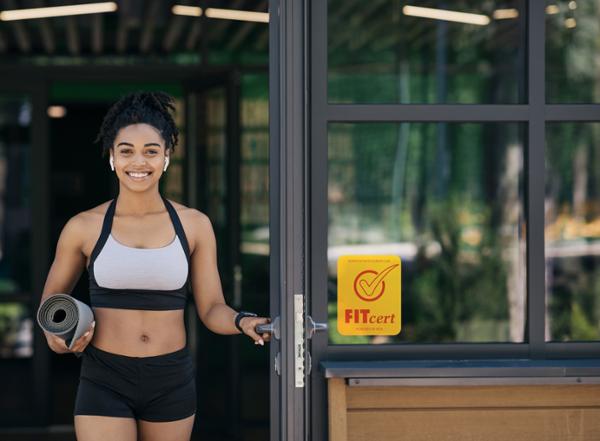
photo: shutterstock/Maxim Studio
Positioning the sector as a public health solution is key / photo: shutterstock/Monkey Business Images
Fitcert.eu is a quality mark aimed at driving up industry standards / photo: shutterstock/Prostock-studio
A health focus should attract a wider segment of the community / photo: shutterstock/Monkey Business Images
A Europe-wide quality assurance system will raise sector confidence / photo: shutterstock/Jacob Lund
The European DataHub is gathering valuable consumer data from and for the whole sector / photo: shutterstock/Friends Stock
Post-COVID, the sector must be recognised as an essential service / photo: shutterstock/Jacob Lund
We need to eliminate duplication of effort, says Paulsen / Europe Active
https://www.leisureopportunities.co.uk/images/2022/239040_927928.jpg
Europe Active has reinvented itself over the pandemic, rallying the sector, progressing the public health agenda, and opening itself up to global collaboration. Its CEO talks to Kate Cracknell
Latest News
Abu Dhabi-based investment firm Mubadala Capital has made a binding, fully financed €1 billion offer ...
Latest News
In a milestone moment, mental health has become a core part of CIMSPA’s occupational professional ...
Latest News
US high-value, low-price chain, Eos Fitness, has announced plans to pilot reformer Pilates in three ...
Latest News
Preventive healthcare company Neko Health has added body composition analysis to its full-body health scan ...
Latest News
Chequan Lewis is the new CEO of Crunch Fitness, taking over from Jim Rowley, who ...
Latest News
Sea Lanes Canary Wharf has officially opened. The 50-metre, six-lane pool, which uses the natural ...
Latest News
London-based high-performance fitness club, ONE LDN, is raising funds for a multi-site expansion across London, ...
Latest News
A new brain clinic has opened in London, which uses non-invasive brain stimulation to treat ...
Latest News
Good Boost’s digital exercise programmes are helping adults with MSK at a lower cost than ...
Latest News
With Prime Minister, Keir Starmer, announcing his resignation this morning and Andy Burnham as a ...
Latest News
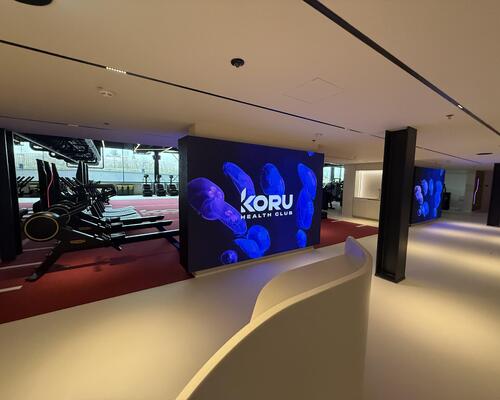
Koru Health Club launched recently within Luxembourg’s multi-experience destination, GRID X, which combines culture, retail ...
Opinion
promotion
Strength training has moved from the margins to the mainstream.
Opinion: Building smarter strength spaces for today’s operators
Featured supplier news
Featured supplier news: Reaching the people most gyms miss: Bedford Gym & Swim Campaign delivers 410 new members
One of the biggest mistakes the fitness industry still makes is advertising almost exclusively to people who already look and live like gym members.
Featured supplier news
Featured supplier news: Cornerstone Connect helps Active Blackpool tackle health inequalities
Active Blackpool is deploying Cornerstone Connect, a new digital interface allowing disparate information from multiple systems to be aggregated into one dataset, to support its focus on reducing health inequalities and improving healthy life expectancy.
Company profiles
Company profile: Pure Energy Music
Pure Energy Music is a specialist music service built specifically for the fitness industry. Our ...
Company profiles
Company profile: Precor
Precor provides fitness and wellness equipment to all market segments, including commercial clubs/facilities, Hospitality, Residential, ...
Supplier Showcases
Supplier Showcase - Future-proofing
Catalogue Gallery
Click on a catalogue to view it online
Featured press releases
CoverMe press release: CoverMe and Jobs In. Fitness partner to create end-to-end talent solution
CoverMe, the UK’s leading fitness workforce management and recruitment platform, now gives operators access to talent for every level of their business, thanks to a new strategic partnership with Jobs In. Fitness.
Featured press releases
BLK BOX press release: Inside the build: Salt 
To bring their concept to life, Salt partnered with BLK BOX to design and equip a facility that would deliver a premium training experience while supporting the needs of a diverse and growing community.
Directory
Spa and beauty equipment
Oakworks Inc: Spa and beauty equipment
Hot tubs
MSpa International Ltd: Hot tubs
Lockers
Crown Sports Lockers: Lockers
Fitness tracking platform
SpiviTech: Fitness tracking platform
Industrial washing machines
Miele Company Limited: Industrial washing machines
Water experiences and hydrotherapy solutions
Aquaform s.r.l.: Water experiences and hydrotherapy solutions
Property & Tenders
Stratford, East London.
Lee Valley Regional Park Authority
Property & Tenders
Y Felinheli, LL56 4QN
Newmark
Property & Tenders
Diary dates
21-24 Sep 2026
The Langham Huntington Pasadena , Pasadena, United States
Diary dates
06-08 Oct 2026
Messe Stuttgart, Stuttgart, Germany
Diary dates
22-22 Oct 2026
QEII Conference Centre, London,
Diary dates
26-29 Oct 2027
Koelnmesse Exhibition Centre, Cologne, Germany
Diary dates
Search news, features & products:
Find a supplier:
Partner sites