







Editor's letter


There’s always the tendency for older generations to be confused by youngsters and this is certainly the case with Generation Alpha. Born between 2010 and 2024 (we are now on to Generation Beta), Gen Alpha – nicknamed Generation Glass – are an intimidatingly tech-savvy bunch. They were the first cohort to grow up with phones in their hands and not to know the world without the internet.
One narrative is that technology is a massive danger to their health, leading to low activity levels, messed up dopamine levels and being continually switched-on. But according to researchers, GWI, which has spoken to 20,000 young people from 18 countries, this generation is mastering online self-preservation and is much better at tuning out negative internet content than us older generations might assume – or do ourselves as we doomscroll news.
The research also showed they’re looking for real-world experiences – there’s been a spike in cinema attendances because of the social buzz this offers. This represents a massive opportunity for the industry to provide a home for a generation of young people who are looking for exciting, real-world experiences in places where they feel welcome.
At 15, the eldest Gen Alpha’s are now old enough to join many gyms. How flexible is the industry prepared to be in letting them in? It would be wonderful if gyms and leisure centres could be the place to welcome in friendship groups on a Saturday afternoon, or after school, at the point when this cohort is getting its independence, rather than lose them to places such as McDonald’s, which is expert at engaging young people.
We ask experts who are successfully working with Gen Alpha for their insights…

The teenage years can be a fragile time of life and teenagers’ experience in your health club might influence how they’re going to exercise for the rest of their lives.
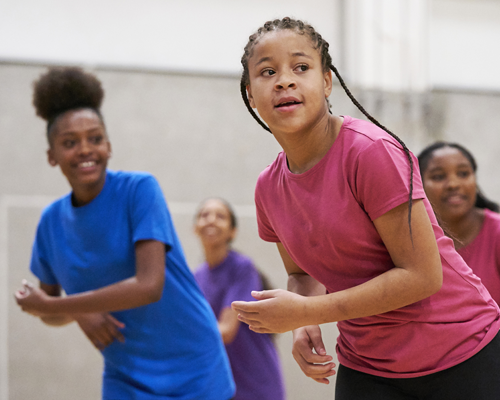
Helping Gen Alpha to move more means addressing a whole new generational culture. This cohort often travels in packs and their sense of self is closely connected to their friends. They need social support and activities which involve their friends.
Teenagers already receive toxic messages from social media that link exercise to appearance, so the health and fitness narrative should avoid putting across appearance-focused messages. Instead, we can provide positive messaging about how exercise makes you feel, how it improves your skills, body image and also the social aspects.
Gen Z and Gen Alpha can be very different in their energy. Members of Gen Z seem to be more cautious and more health‑focused. They grew up around a lot of serious social movements such as Black Lives Matter and Me Too, as well as the climate crisis, plastic pollution, COVID and the social media explosion of “the world’s screwed and you’ve got to fix it” messages.
Even though Gen Alpha have grown up with their phones, they’re still physiologically plastic enough to change
This is slowly making way for more solution‑driven messaging, which can be more effective and reduce anxiety in Gen Alpha who are showing signs of being more rebellious and brave.
Even though Gen Alpha have grown up with their phones, exercise can help influence growth and development as they’re still physiologically plastic enough to change after a few years of activity.
To engage with this cohort the activities need to be fun, social and designed with them in mind. Involve one or more instructors who specialise in youth and can coordinate a specialised programme to be even more effective.
Most importantly, get to know your local young people. Find out their interests, local trends, listen to them and implement their suggestions. Your gym could be the positive space where they feel supported and interact with adults who hear them – as opposed to telling them off. It could become the place where they can be themselves and feel safe, happy and confident.


Leisure centres provide a vibrant and dynamic space to socialise and exercise and have the capacity to become the youth clubs of tomorrow if programmed correctly.
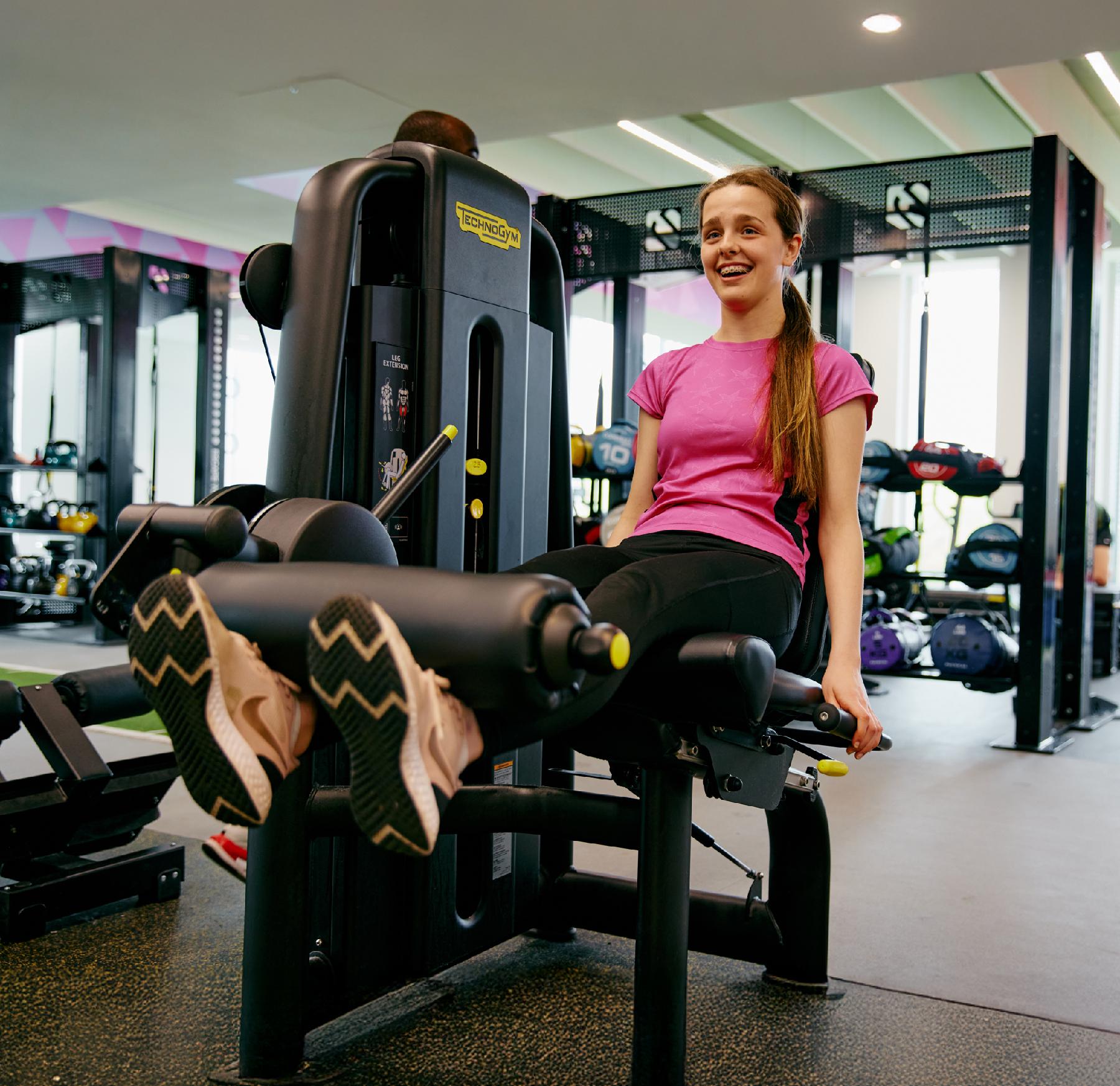
Junior memberships is the fastest growing part of the GLL memberships – we have more than 80,000 junior members and we value them greatly. Working out in the gym is their preferred activity, with more than 15,000 visits being recorded each week, followed by swimming and sports. We’re seeing a male to female split of 64 per cent to 36 per cent so we’re planning to introduce group exercise classes with a view to increasing female usage.
GLL has more than 80,000 junior members and we value them greatly
The majority of engagement is via word of mouth and attending the leisure centres with their peers – the experience is as much social as physical and our leisure centres provide a safe place for them to meet with friends while staying healthy.
In 2026 GLL is introducing adult and junior gym sessions which will allow 8- to 10-year-olds to use the gym with their caregivers. We’ll also be introducing junior-specific fitness classes; Les Mills Born to Move online and soft play access to keep younger children active.
Members of Generation Alpha have grown up with technology at their fingertips and they expect the same level of personalisation and engagement from their leisure activities.
They respond well to gamified experiences, digital integration and opportunities to track their progress. However, they also crave authentic social connections and collaborative activities with their peers. Our facilities aim to balance technology with genuine community-building, offering everything from app-based challenges to targeted group activities and social spaces where young people can come together.
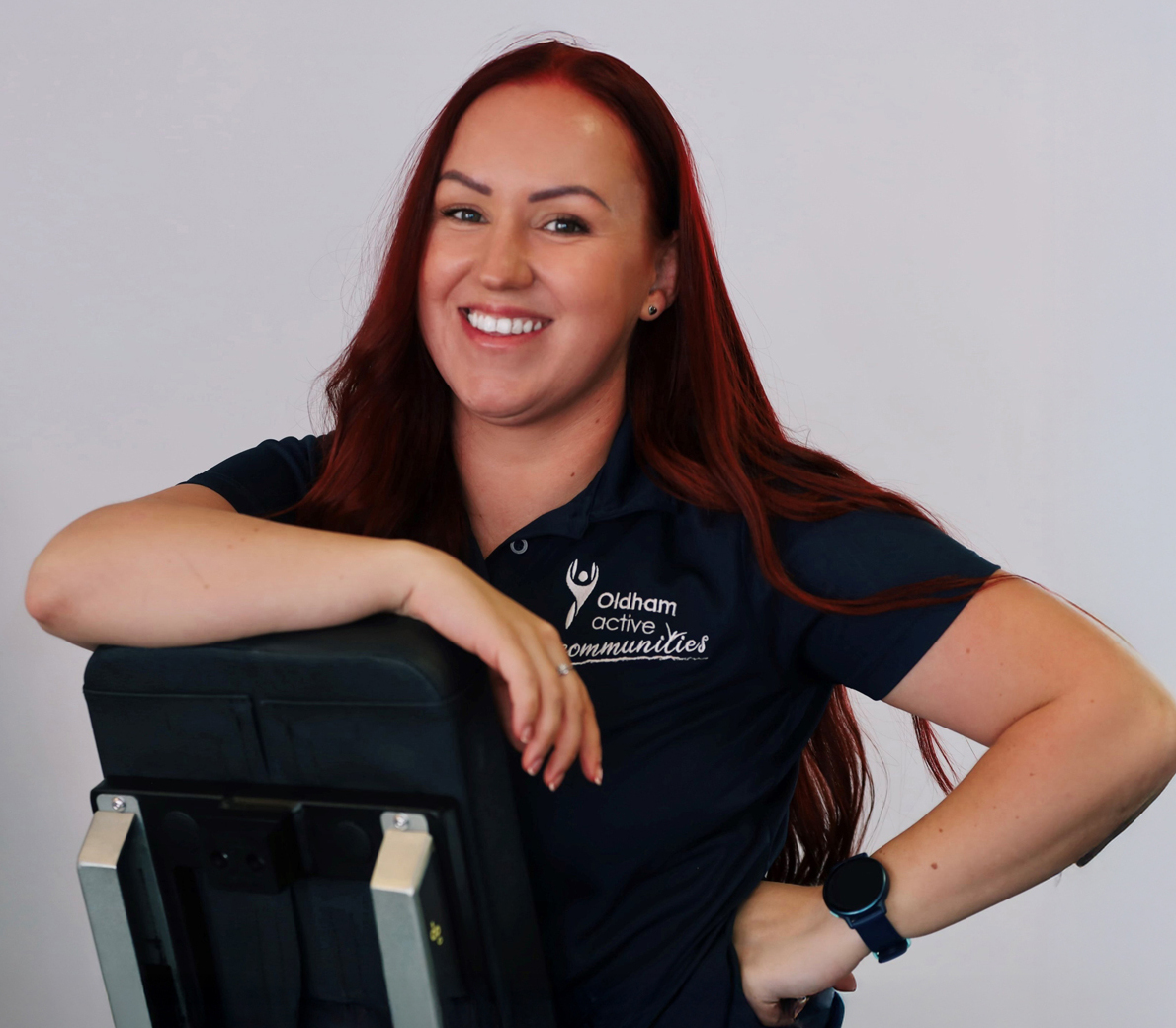
Oldham Active launched a young person’s membership in October 2021 and we’ve continually evolved the offer. Now 20 per cent of our members are aged between 11 and 18 and this continues to grow. We partnered with Oldham College to upskill 30 of our fitness staff in the Level 2 Qualification in Leading Physical Activity for Adolescents. This gives them the key skills to adapt physical training for young people and prepare programmes that take into consideration rapid physical changes, developing nervous systems, social challenges and young people’s different motivational drivers.
Our facilities aim to balance technology with genuine community-building
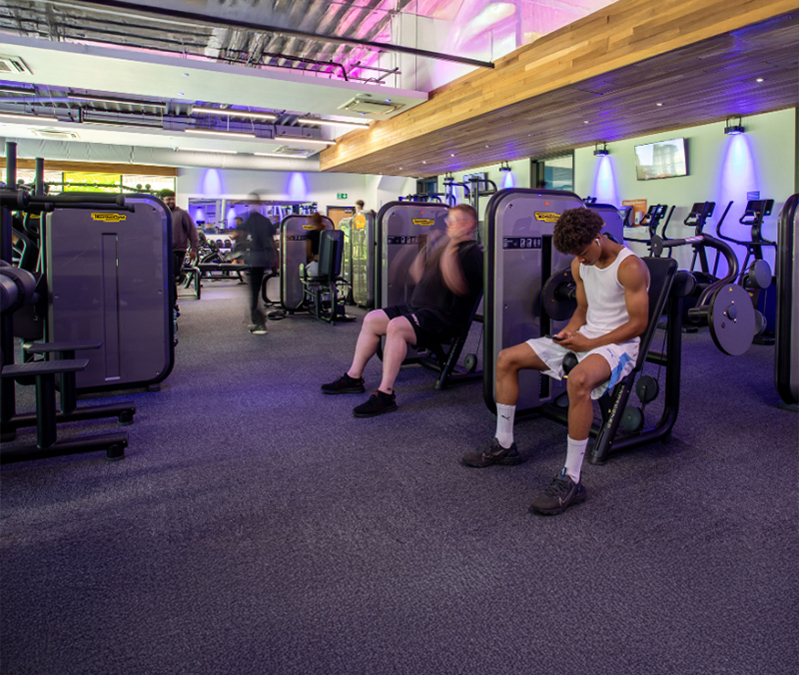
Mindful that young people may prefer not to participate in group exercise or work out alongside older adults, we recently created Blast – a fun, inclusive and engaging group fitness concept, using Technogym Skillmills, as well as SkiErgs, rowers, free-weights and other functional training kit. The Blast areas transform into functional training zones when the classes aren’t running and we’ve arranged the pin-loaded strength equipment so friends can work out side-by-side.
By dedicating specific spaces and timetabling around the typical school day, we make young people feel genuinely welcome. This approach also protects our other classes and timetables, ensuring our adult members feel comfortable too.
Gamification has been introduced to the Oldham Active app for those over the age of 14. They can complete challenges and receive badges for attending workouts and classes and unlock achievements for reaching milestones, like attending their 10th class or 50th gym visit. We’re looking to expand this with more age-appropriate rewards.

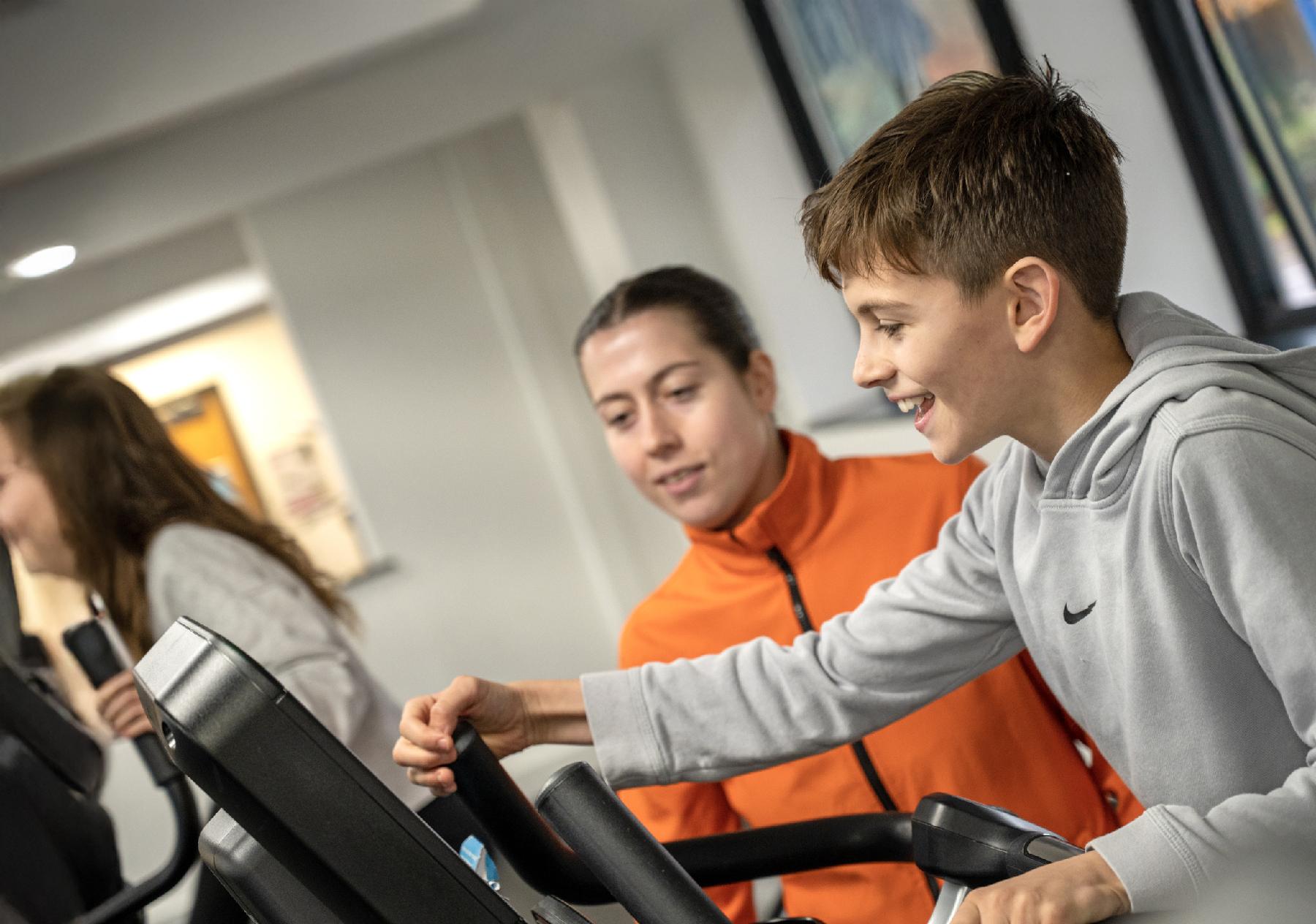
Horizon Leisure launched its after school activities programme – Thrive – in 2024. It’s designed to support young people up to the age of 15 with their physical and emotional development through a diverse range of activities and clubs.
As not all young people enjoy competitive sport, the programme aims to build friendships, enhance communication skills and boost confidence by allowing them to connect with their wellbeing in a more relaxed, informal environment. Activities and clubs include Junior Gym, Teen Hangout, Scooter Club and dodge ball, as well as boccia, family racket sports, non-contact boxing, pre-school gymnastics and more. During the summer holidays we introduced a special six-week ‘holiday Thrive’, where all swimming and clubs were just £2 per child per session from Monday to Friday.
The programme aims to build friendships and boost confidence by allowing young people to connect with their wellbeing in a relaxed, informal environment
All coaches receive in-house training specifically designed to support our sessions, with lead coaches required to hold a Multi Skills Level 2 qualification. We also provide ongoing professional development in areas of interest, ensuring our training evolves alongside the regularly updated timetable and Thrive programme.
Home schooling of Generation Alpha is on the rise, with an estimated 111,700 children in England alone being home educated at Autumn 2024 – a 20 per cent increase from the previous year. Leisure centres and health clubs are in a unique position to help home-schooling families meet PE requirements and provide social opportunities for home-schooled children.
We’ve worked hard to gain the trust of home education families who told us they wanted small, age-appropriate inclusive groups and guaranteed acceptance for all abilities. Over the last 18 months, Thrive’s home education programme has experienced remarkable growth, expanding to 13 specialist classes each week, with more than 100 young people. Activities include swimming, trampolining, gymnastics, junior gym and PE lessons delivered in partnership with Activ8Minds.
Editor's letter
Feedback
HCM People

HCM People
Interview

Inclusion

DMCC
Insight

Talking point
Insight
Tech
Research



























There’s always the tendency for older generations to be confused by youngsters and this is certainly the case with Generation Alpha. Born between 2010 and 2024 (we are now on to Generation Beta), Gen Alpha – nicknamed Generation Glass – are an intimidatingly tech-savvy bunch. They were the first cohort to grow up with phones in their hands and not to know the world without the internet.
One narrative is that technology is a massive danger to their health, leading to low activity levels, messed up dopamine levels and being continually switched-on. But according to researchers, GWI, which has spoken to 20,000 young people from 18 countries, this generation is mastering online self-preservation and is much better at tuning out negative internet content than us older generations might assume – or do ourselves as we doomscroll news.
The research also showed they’re looking for real-world experiences – there’s been a spike in cinema attendances because of the social buzz this offers. This represents a massive opportunity for the industry to provide a home for a generation of young people who are looking for exciting, real-world experiences in places where they feel welcome.
At 15, the eldest Gen Alpha’s are now old enough to join many gyms. How flexible is the industry prepared to be in letting them in? It would be wonderful if gyms and leisure centres could be the place to welcome in friendship groups on a Saturday afternoon, or after school, at the point when this cohort is getting its independence, rather than lose them to places such as McDonald’s, which is expert at engaging young people.
We ask experts who are successfully working with Gen Alpha for their insights…
The teenage years can be a fragile time of life and teenagers’ experience in your health club might influence how they’re going to exercise for the rest of their lives.
Helping Gen Alpha to move more means addressing a whole new generational culture. This cohort often travels in packs and their sense of self is closely connected to their friends. They need social support and activities which involve their friends.
Teenagers already receive toxic messages from social media that link exercise to appearance, so the health and fitness narrative should avoid putting across appearance-focused messages. Instead, we can provide positive messaging about how exercise makes you feel, how it improves your skills, body image and also the social aspects.
Gen Z and Gen Alpha can be very different in their energy. Members of Gen Z seem to be more cautious and more health‑focused. They grew up around a lot of serious social movements such as Black Lives Matter and Me Too, as well as the climate crisis, plastic pollution, COVID and the social media explosion of “the world’s screwed and you’ve got to fix it” messages.
Even though Gen Alpha have grown up with their phones, they’re still physiologically plastic enough to change
This is slowly making way for more solution‑driven messaging, which can be more effective and reduce anxiety in Gen Alpha who are showing signs of being more rebellious and brave.
Even though Gen Alpha have grown up with their phones, exercise can help influence growth and development as they’re still physiologically plastic enough to change after a few years of activity.
To engage with this cohort the activities need to be fun, social and designed with them in mind. Involve one or more instructors who specialise in youth and can coordinate a specialised programme to be even more effective.
Most importantly, get to know your local young people. Find out their interests, local trends, listen to them and implement their suggestions. Your gym could be the positive space where they feel supported and interact with adults who hear them – as opposed to telling them off. It could become the place where they can be themselves and feel safe, happy and confident.
Leisure centres provide a vibrant and dynamic space to socialise and exercise and have the capacity to become the youth clubs of tomorrow if programmed correctly.
Junior memberships is the fastest growing part of the GLL memberships – we have more than 80,000 junior members and we value them greatly. Working out in the gym is their preferred activity, with more than 15,000 visits being recorded each week, followed by swimming and sports. We’re seeing a male to female split of 64 per cent to 36 per cent so we’re planning to introduce group exercise classes with a view to increasing female usage.
GLL has more than 80,000 junior members and we value them greatly
The majority of engagement is via word of mouth and attending the leisure centres with their peers – the experience is as much social as physical and our leisure centres provide a safe place for them to meet with friends while staying healthy.
In 2026 GLL is introducing adult and junior gym sessions which will allow 8- to 10-year-olds to use the gym with their caregivers. We’ll also be introducing junior-specific fitness classes; Les Mills Born to Move online and soft play access to keep younger children active.
Members of Generation Alpha have grown up with technology at their fingertips and they expect the same level of personalisation and engagement from their leisure activities.
They respond well to gamified experiences, digital integration and opportunities to track their progress. However, they also crave authentic social connections and collaborative activities with their peers. Our facilities aim to balance technology with genuine community-building, offering everything from app-based challenges to targeted group activities and social spaces where young people can come together.
Oldham Active launched a young person’s membership in October 2021 and we’ve continually evolved the offer. Now 20 per cent of our members are aged between 11 and 18 and this continues to grow. We partnered with Oldham College to upskill 30 of our fitness staff in the Level 2 Qualification in Leading Physical Activity for Adolescents. This gives them the key skills to adapt physical training for young people and prepare programmes that take into consideration rapid physical changes, developing nervous systems, social challenges and young people’s different motivational drivers.
Our facilities aim to balance technology with genuine community-building
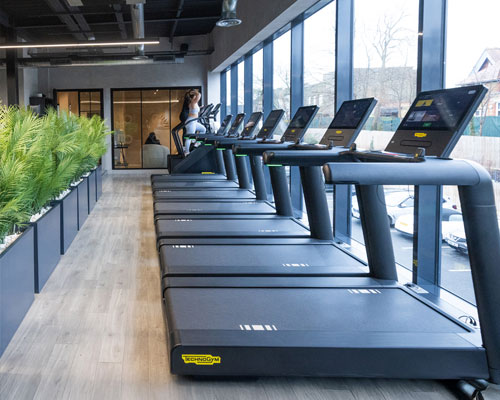
Mindful that young people may prefer not to participate in group exercise or work out alongside older adults, we recently created Blast – a fun, inclusive and engaging group fitness concept, using Technogym Skillmills, as well as SkiErgs, rowers, free-weights and other functional training kit. The Blast areas transform into functional training zones when the classes aren’t running and we’ve arranged the pin-loaded strength equipment so friends can work out side-by-side.
By dedicating specific spaces and timetabling around the typical school day, we make young people feel genuinely welcome. This approach also protects our other classes and timetables, ensuring our adult members feel comfortable too.
Gamification has been introduced to the Oldham Active app for those over the age of 14. They can complete challenges and receive badges for attending workouts and classes and unlock achievements for reaching milestones, like attending their 10th class or 50th gym visit. We’re looking to expand this with more age-appropriate rewards.
Horizon Leisure launched its after school activities programme – Thrive – in 2024. It’s designed to support young people up to the age of 15 with their physical and emotional development through a diverse range of activities and clubs.
As not all young people enjoy competitive sport, the programme aims to build friendships, enhance communication skills and boost confidence by allowing them to connect with their wellbeing in a more relaxed, informal environment. Activities and clubs include Junior Gym, Teen Hangout, Scooter Club and dodge ball, as well as boccia, family racket sports, non-contact boxing, pre-school gymnastics and more. During the summer holidays we introduced a special six-week ‘holiday Thrive’, where all swimming and clubs were just £2 per child per session from Monday to Friday.
The programme aims to build friendships and boost confidence by allowing young people to connect with their wellbeing in a relaxed, informal environment
All coaches receive in-house training specifically designed to support our sessions, with lead coaches required to hold a Multi Skills Level 2 qualification. We also provide ongoing professional development in areas of interest, ensuring our training evolves alongside the regularly updated timetable and Thrive programme.
Home schooling of Generation Alpha is on the rise, with an estimated 111,700 children in England alone being home educated at Autumn 2024 – a 20 per cent increase from the previous year. Leisure centres and health clubs are in a unique position to help home-schooling families meet PE requirements and provide social opportunities for home-schooled children.
We’ve worked hard to gain the trust of home education families who told us they wanted small, age-appropriate inclusive groups and guaranteed acceptance for all abilities. Over the last 18 months, Thrive’s home education programme has experienced remarkable growth, expanding to 13 specialist classes each week, with more than 100 young people. Activities include swimming, trampolining, gymnastics, junior gym and PE lessons delivered in partnership with Activ8Minds.
Editor's letter
Feedback
HCM People
HCM People
Interview
Inclusion
DMCC
Insight
Talking point
Insight
Tech
Research