









Latest news
Soma Space gets backing for its Movement for Mental Health programmes


The Soma Space, which uses a trauma-informed approach to getting people active, has been awarded a grant from the UK's National Lottery to extend its Movement for Mental Health programmes.
The £14k grant from the National Lottery Community Fund will allow The Soma Space, in Oswestry, UK, to extend its signature programming from six to eight weeks to 16 weeks, which will create a more sustainable relationship with exercise.
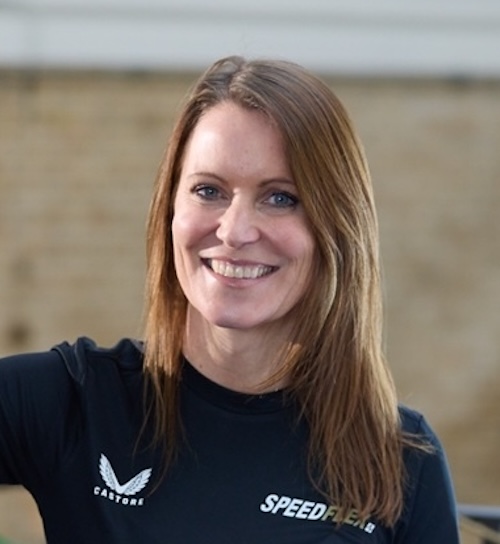
“Our programme offers a combination of movement and psycho education as a holistic intervention for those living with mental illness,” says Soma Space co-founder, Jo Hazell-Watkins. “Our goal is to introduce people to exercise, often for the first time, as a way of managing their mental health. We work with a trauma informed approach, which is a fundamental part of having a greater understanding of our clients.”
The Move for Mental Health programmes involve one weekly 90 minute session, during which participants are invited to check in about how they are doing, start a training and reflection journal to track progress and recognise how exercise can shift mood and psychological state. The sessions include an introduction to strength training, boxercise and Tai Chi, with the goal of helping them find a mode of exercise which they enjoy.
“We co-facilitate the groups as a mental health professional and a strength coach,” says Hazell-Watkins. “Between us we are able to support them fully in terms of their mental and physical health. The cost of this would usually be out of reach for our target population, so the funding is able to provide this specialised support to help them feel fully supported, at no cost to them.
“To start with, exercise is often anxiety-inducing and takes some adjustment physically, emotionally and socially. However, we have found that by the end of our eight-week course people really start to feel the benefit of regular exercise. Being able to double the length of the programme will increase the likelihood of people adhering to exercise longer term as they become more accustomed to it being part of their mental health care.”
The Soma Space accepts referrals from doctors, mental health professionals, local social prescribing networks and self referrals via the website. On average, 90 per cent of the clients progress to other groups paid for by purchasing memberships.
“We meet people at a point where they have asked for help from a doctor or other professionals and are living with mental health difficulties. This is usually social anxiety, depression, generalised anxiety and PTSD,” says Hazell-Watkins.
“The hardest part is for them to walk through the door to meet us prior to the course starting, and we never underestimate the significance of that. It's a huge ask of someone already struggling with low mood and anxiety to come into a new space, with people they don't know and move their bodies – it’s multiple layers of discomfort to contend with so we make it as simple and welcoming as possible.
“We take each person as an individual and work from where they are, not as a fitness client group who have to complete a specific number of reps, or sets at the same pace. The environment we have created is deliberately calm and minimal: no mirrors, frosted windows and basic equipment with no machines, loud music, or observers.
“Community is really important at The Soma Space. We have seen many friendships and training partnerships develop here. They all walked in the door from a similar place. Sharing a space where they don't feel they have to share their experiences but know others would understand if they did, adds to the feeling of safety and support.”
Find out more about trauma informed interventions in HCM's interview with Mariah Rooney, founder of Trauma Informed Weightlifting here.
Latest news




















Jamie Clements
The Breath Coach
Stephen Price
Founder, SP&Co Group

Deena Gillan
Chair of UK Active’s Independent Council and GM at 3-1-5
Phillip Mills
CEO, Les Mills