






Editor's letter



Congratulations on the appointment. How did it come about?
I joined the independent council in 2024, after meeting a representative from UK Active at the Physical Activity Forum in Scotland. I explained how I believed the trade association wasn’t representing independents very well, so they invited me to join the council to do something about it.
Until recently the council has been chaired by someone within UK Active, but they wanted to have a chair within the independent sector, to represent it at wider member councils and I was nominated.
What differentiates independent clubs?
The independent sector is so broad – there are large clubs such as 3-1-5 which have 8,000 members and there are small PT studios with 50 members – there’s so much variety, it can be difficult to represent us.
Reputational risk is far greater for independent clubs. In a small town or close-knit community, a single health and safety issue or perceived discrimination can be devastating.
As independents we rely heavily on trust, word of mouth and our local reputations. Unlike national chains, smaller operators don’t have the scale to absorb reputational damage – one incident can seriously threaten the business.
Many independent operators, particularly the smaller ones, are both the business owners and the frontline staff, juggling everything from coaching and sales to marketing and health and safety, constantly challenging time and capacity.
This is why the work UK Active does on standards and risk management is so critical for the independent sector.
One of the problems that independents have is they don’t have the economies of scale that private chains and public sector operators have. My club recently had a Legionella risk assessment, at cost of over £2,000. That’s a huge amount of money for a single site business, whereas bigger chains requiring multiple checks will be able to negotiate better prices.
What were your concerns?
I felt the independents were being overlooked, while the bigger voices of the private and public sectors were always heard. For example, during COVID some of the bigger chains and leisure centres got support that many of us in the independent sector didn’t get.
While 3-1-5 was closed, our outgoings every month totalled over £60,000 and our support was about £1,500 a month. We only survived because of the loyalty of our members who continued to donate a proportion of their fees and we sold some land.
I felt the independents were being overlooked, while the bigger voices of the private and public sectors were always heard
Some of the lobbying seemed to be less relevant for independents – such as VAT relief for public sector leisure centres. So the membership seemed expensive for the perceived benefits.
Has your opinion changed?
Yes, once I started to engage I realised that there is a lot of work that UK Active does that can benefit independent clubs and save them money.
The Active Standard presents an excellent opportunity for independent clubs to prove their expertise to members, the NHS and local businesses.
Signing up to The Active Standard shows you’re compliant, your team is qualified, and your health and safety is up to the required standards.
The work around legislation is also invaluable, as is the risk and standards work, because it allows operators to spot risks early.
These are all things that many independent club owners don’t have the time to research because they have so many other responsibilities, having UK Active there as a resource to provide information, advice and updates when legislation changes takes the guesswork out and saves time.
The organisation is also a valuable information resource when it comes to operational issues. For example, a few years ago I spent a substantial amount of time researching a transgender query before finding out that UK Active had published guidance note on it.
What are your aims while in the role?
I want to advocate for the independents. There’s so much expertise and so many dedicated people in the independent sector – they work hard because it’s their mortgage on the line and they’re passionate about changing lives.
I want to raise awareness of the work UK Active is doing to benefit independents and how the membership adds value. I also want to get more independents onto the council – at the moment there are only a small number of us, but the sector is so broad that we need more people to be engaged and allow us to represent the wide variety of clubs that are out there.
Then I want to speak to more people within the independent sector to find out their issues and do what I can to bring those to the forefront of discussions at UK Active. We want the sector to have one collective voice.
Another goal is to find a way to bring all the independents together to achieve collective buying power, so we can also benefit from economies of scale.
We’re already doing this with energy buying and now I’m working with UK Active to create a database of approved suppliers that will offer discounts to independent clubs.
There had been a blanket membership joining fee for independents, but a proposal is now before the UK Active board to make it more cost-effective for smaller operators to join.
Turning to your day job, what’s the 3-1-5 model?
3-1-5 opened in 2013, in Lancaster. The founder, Sean Thornton, was inspired by Joe Cirulli who said he was going to transform Gainesville from one of the most unhealthy populations in America to one of the healthiest and Sean wanted to do the same for Morecambe Bay.
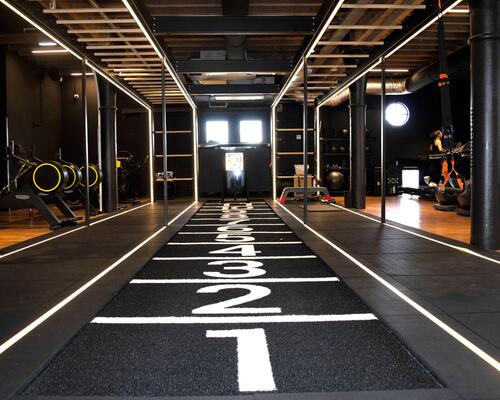
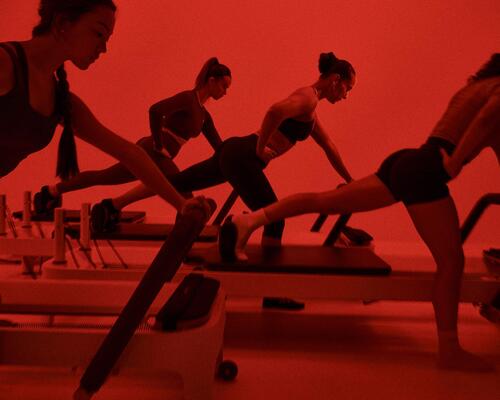
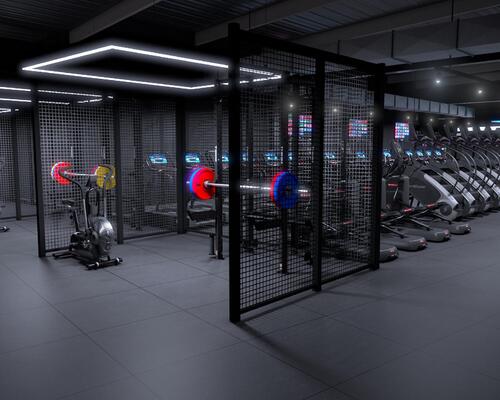
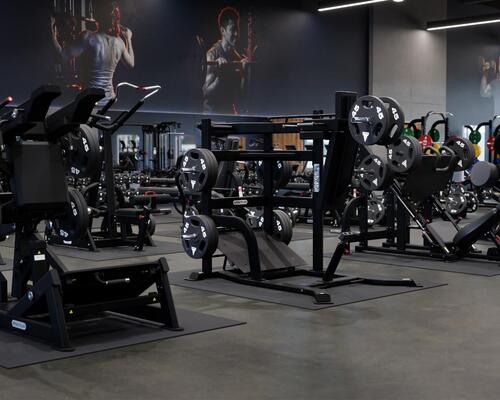
We’re 60,000sq ft and offer squash courts, table tennis, five studio areas – including a boutique HIIT studio and a reformer Pilates studio – and a large gym floor. We have three swimming pools and a swim school with about 1,700 children attending. With an additional 6,500 full members we see about 50,000 member visits a month.
We’re looking at opening an external mini studio for children and young people outside the club
Over the last couple of years we’ve been focusing heavily on wellness and longevity. We had Dr Hussain al-Zubadi train the team in GLP-1 meds recently. We’re seeing a lot of people joining who have taken GLP-1s on a self-prescribed basis. They come to us because they want to deal with the loose skin, or because having lost weight they feel confident enough to join a gym.
There are three different memberships. The standard (£69/month) for gym, classes, pool, squash and table tennis. The Club Plus (£94/month) membership that includes the boutique classes, regular body scans, small group strength training sessions, hydro massage and cryotherapy.
We also have strength programmes including Fearless Foundations – a six week beginner’s strength course. We offer glute-specific courses and introduction to lifting for both women and men.
Then there’s a third membership called Club Plus Re:Set (£194/month) which allows access to the sister recovery site, Re:Set Mind, Body and Soul. This is another business co-founded by Sean and Neil Spooner which has a hyperbaric chamber, red light therapy, EMS, a cryotherapy chamber, contrast therapy and flotation pods.
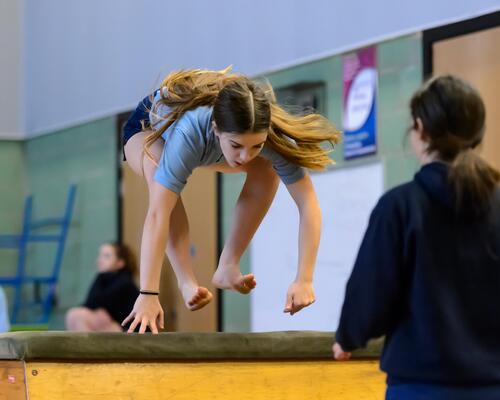
One of the things that we’re looking at now is how to improve our children and young person programme because we are seeing such a big influx in teenagers wanting to use the club. We’re looking at potentially opening an external mini studio for them outside the club.
Editor's letter
HCM People
HCM People
Interview

Sponsored

Talking point
Supplier Showcase
Research

Insight
Show preview

Insight

Specifier

Specifier

Research







Urban Gym Group has entered the Irish market with the acquisition of Iconic ...
Total Fitness has released new research revealing how the expectations and motivations of ...















Congratulations on the appointment. How did it come about?
I joined the independent council in 2024, after meeting a representative from UK Active at the Physical Activity Forum in Scotland. I explained how I believed the trade association wasn’t representing independents very well, so they invited me to join the council to do something about it.
Until recently the council has been chaired by someone within UK Active, but they wanted to have a chair within the independent sector, to represent it at wider member councils and I was nominated.
What differentiates independent clubs?
The independent sector is so broad – there are large clubs such as 3-1-5 which have 8,000 members and there are small PT studios with 50 members – there’s so much variety, it can be difficult to represent us.
Reputational risk is far greater for independent clubs. In a small town or close-knit community, a single health and safety issue or perceived discrimination can be devastating.
As independents we rely heavily on trust, word of mouth and our local reputations. Unlike national chains, smaller operators don’t have the scale to absorb reputational damage – one incident can seriously threaten the business.
Many independent operators, particularly the smaller ones, are both the business owners and the frontline staff, juggling everything from coaching and sales to marketing and health and safety, constantly challenging time and capacity.
This is why the work UK Active does on standards and risk management is so critical for the independent sector.
One of the problems that independents have is they don’t have the economies of scale that private chains and public sector operators have. My club recently had a Legionella risk assessment, at cost of over £2,000. That’s a huge amount of money for a single site business, whereas bigger chains requiring multiple checks will be able to negotiate better prices.
What were your concerns?
I felt the independents were being overlooked, while the bigger voices of the private and public sectors were always heard. For example, during COVID some of the bigger chains and leisure centres got support that many of us in the independent sector didn’t get.
While 3-1-5 was closed, our outgoings every month totalled over £60,000 and our support was about £1,500 a month. We only survived because of the loyalty of our members who continued to donate a proportion of their fees and we sold some land.
I felt the independents were being overlooked, while the bigger voices of the private and public sectors were always heard
Some of the lobbying seemed to be less relevant for independents – such as VAT relief for public sector leisure centres. So the membership seemed expensive for the perceived benefits.
Has your opinion changed?
Yes, once I started to engage I realised that there is a lot of work that UK Active does that can benefit independent clubs and save them money.
The Active Standard presents an excellent opportunity for independent clubs to prove their expertise to members, the NHS and local businesses.
Signing up to The Active Standard shows you’re compliant, your team is qualified, and your health and safety is up to the required standards.
The work around legislation is also invaluable, as is the risk and standards work, because it allows operators to spot risks early.
These are all things that many independent club owners don’t have the time to research because they have so many other responsibilities, having UK Active there as a resource to provide information, advice and updates when legislation changes takes the guesswork out and saves time.
The organisation is also a valuable information resource when it comes to operational issues. For example, a few years ago I spent a substantial amount of time researching a transgender query before finding out that UK Active had published guidance note on it.
What are your aims while in the role?
I want to advocate for the independents. There’s so much expertise and so many dedicated people in the independent sector – they work hard because it’s their mortgage on the line and they’re passionate about changing lives.
I want to raise awareness of the work UK Active is doing to benefit independents and how the membership adds value. I also want to get more independents onto the council – at the moment there are only a small number of us, but the sector is so broad that we need more people to be engaged and allow us to represent the wide variety of clubs that are out there.
Then I want to speak to more people within the independent sector to find out their issues and do what I can to bring those to the forefront of discussions at UK Active. We want the sector to have one collective voice.
Another goal is to find a way to bring all the independents together to achieve collective buying power, so we can also benefit from economies of scale.
We’re already doing this with energy buying and now I’m working with UK Active to create a database of approved suppliers that will offer discounts to independent clubs.
There had been a blanket membership joining fee for independents, but a proposal is now before the UK Active board to make it more cost-effective for smaller operators to join.
Turning to your day job, what’s the 3-1-5 model?
3-1-5 opened in 2013, in Lancaster. The founder, Sean Thornton, was inspired by Joe Cirulli who said he was going to transform Gainesville from one of the most unhealthy populations in America to one of the healthiest and Sean wanted to do the same for Morecambe Bay.
We’re 60,000sq ft and offer squash courts, table tennis, five studio areas – including a boutique HIIT studio and a reformer Pilates studio – and a large gym floor. We have three swimming pools and a swim school with about 1,700 children attending. With an additional 6,500 full members we see about 50,000 member visits a month.
We’re looking at opening an external mini studio for children and young people outside the club
Over the last couple of years we’ve been focusing heavily on wellness and longevity. We had Dr Hussain al-Zubadi train the team in GLP-1 meds recently. We’re seeing a lot of people joining who have taken GLP-1s on a self-prescribed basis. They come to us because they want to deal with the loose skin, or because having lost weight they feel confident enough to join a gym.
There are three different memberships. The standard (£69/month) for gym, classes, pool, squash and table tennis. The Club Plus (£94/month) membership that includes the boutique classes, regular body scans, small group strength training sessions, hydro massage and cryotherapy.
We also have strength programmes including Fearless Foundations – a six week beginner’s strength course. We offer glute-specific courses and introduction to lifting for both women and men.
Then there’s a third membership called Club Plus Re:Set (£194/month) which allows access to the sister recovery site, Re:Set Mind, Body and Soul. This is another business co-founded by Sean and Neil Spooner which has a hyperbaric chamber, red light therapy, EMS, a cryotherapy chamber, contrast therapy and flotation pods.
One of the things that we’re looking at now is how to improve our children and young person programme because we are seeing such a big influx in teenagers wanting to use the club. We’re looking at potentially opening an external mini studio for them outside the club.
Editor's letter
HCM People
HCM People
Interview
Sponsored
Talking point
Supplier Showcase
Research
Insight
Show preview
Insight
Specifier
Specifier
Research
Urban Gym Group has entered the Irish market with the acquisition of Iconic ...
Total Fitness has released new research revealing how the expectations and motivations of ...