














Latest news
NRG Gym continues rollout with Glasgow launch


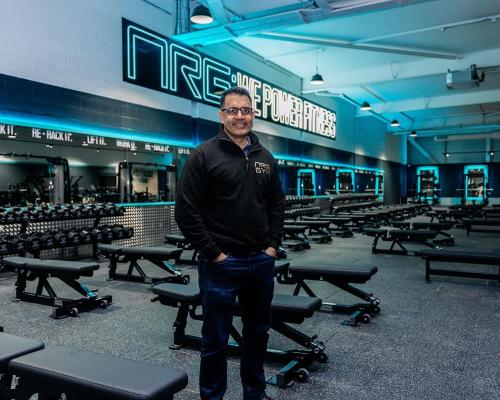
NRG Gyms recently opened its first gym in Scotland taking the portfolio up to 13.
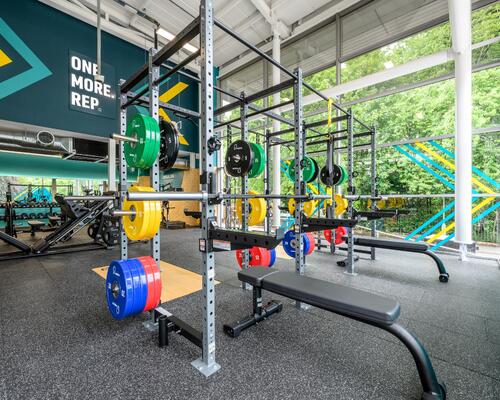
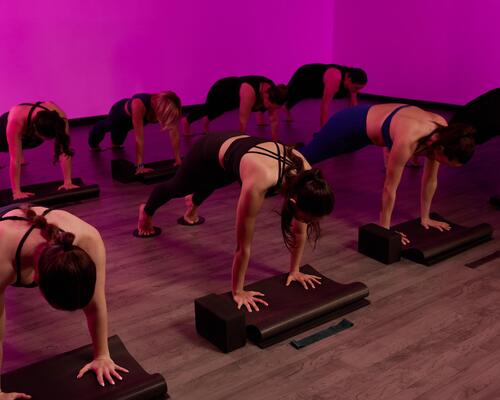
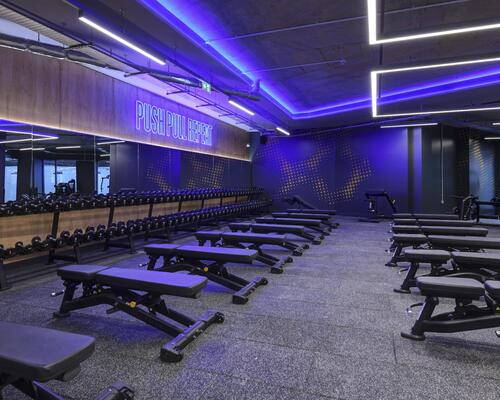
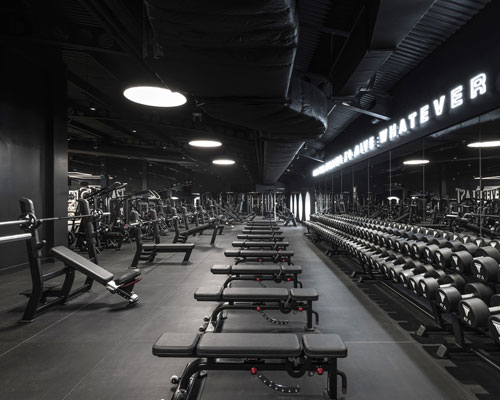
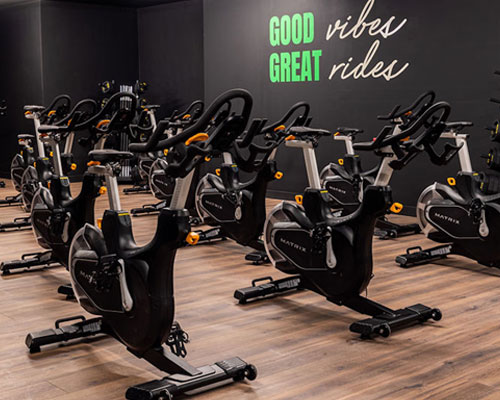
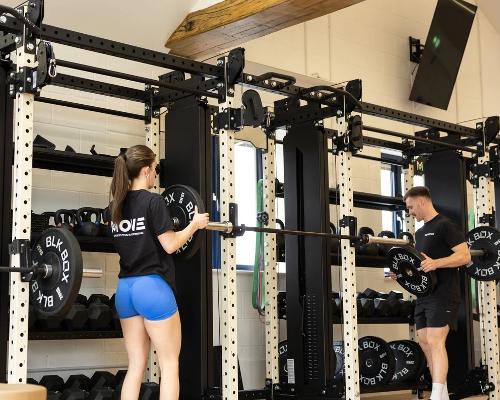
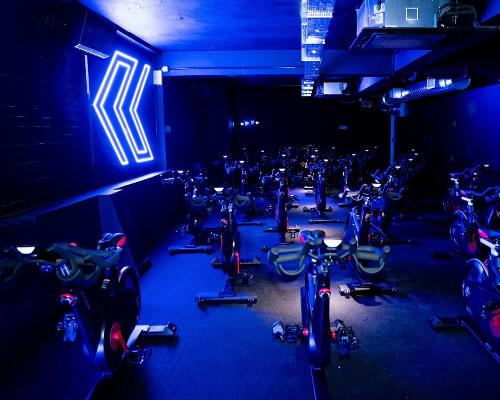
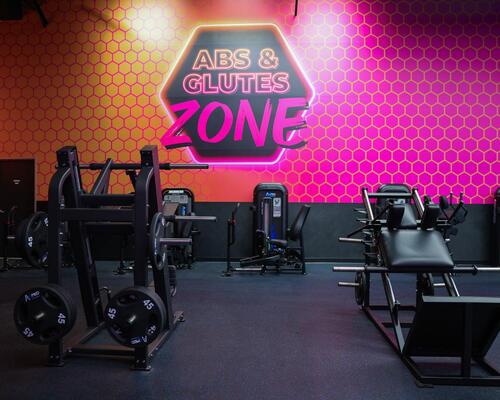
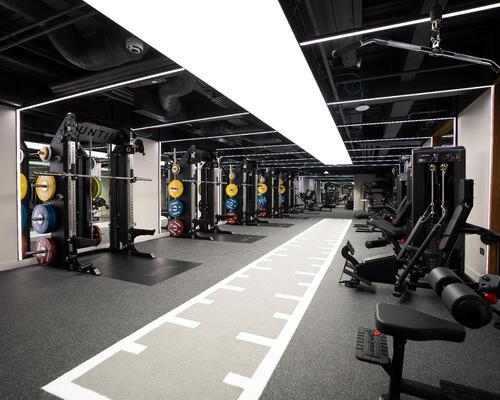
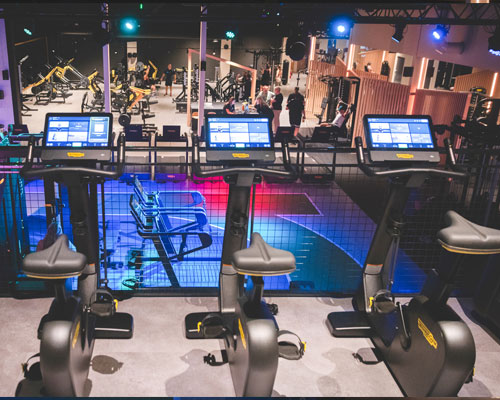
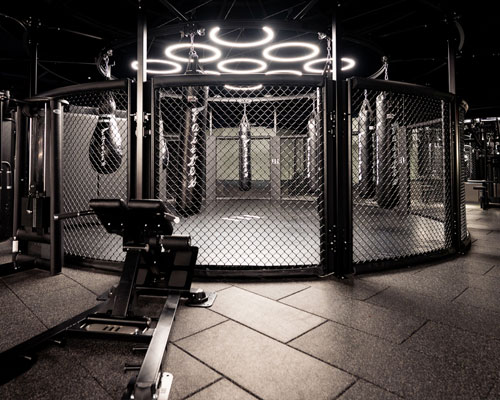
The Glasgow site spans 30,000 square feet and includes a gym with dedicated performance and female only zones; group exercise and indoor cycling studios and male and female saunas.
“We typically have one studio per club, but are moving up to two as a minimum,” NRG founder, Shafiq Ahmed told HCM. “Our sites range from 20,000 to 40,000 square feet, with about 15 to 20 per cent dedicated to cardio and the remainder being studios and functional areas.”
Ahmed launched the first gym in Gravesend, Kent in 2012. “I wanted to build a gym with great customer service, great gym equipment and a decent fit out,” he says. “The three pillars the company has been built on are community, aspiration and performance. We want to create an environment to inspire people to keep fit and be the best they can be.
“I’m very focused on using data to understand our customers and we regularly conduct insight to find out what features, colours and fit-outs resonate.”
Having taken on £4 million of investment from Puma Growth Partners in January, NRG is looking for opportunities to expand. In September it acquired Pump Gyms, which added five gyms to the estate that are now being integrated.
There are a further three gyms in the pipeline – for Nottingham, Liverpool and Warrington – and Ahmed says the company is on the hunt for small and large acquisitions while continuing the organic journey.
“If we can't give the consumer the full offering, we turn down the sites. We have to be very disciplined, the hardest part is saying no,” he says. “However, there is structural and systemic change in the demand for fitness.
“When I came into the industry, penetration was around 7.5 to 8 per cent and now it’s 17 per cent in the UK and in the US, some of the states are north of 30. That leads me to believe there is still comfortably another 10 to 15 per cent runway in the UK. There's a lot more to come over the next two decades.
“Medium-term we’re focused on around 25 to 35 sites. Long-term we’d like to be an international operation and have a minimum of 100 to 115 sites in the UK.”
Latest news












Matt Parker
MD, Brio
Shaun Grove
Owner, Stride Fitness