












The Leisure Media Company Ltd
Follow Health Club Management on Twitter Like Health Club Management on Facebook Join the discussion with Health Club Management on LinkedIn
FITNESS, HEALTH, WELLNESS

features

The Studio Sector: Lessons from boutiques

What’s driving the success of the boutique fitness studios, and how can other clubs emulate this? Stephen Tharrett and Mark Williamson of ClubIntel report
Published in Health Club Management 2016 issue 11
Consumers perceive specialisation as a badge of ‘best in class’ expertise
Having a brand that communicates a sense of tribe, clan or cult is vital in today’s world. Without it, brands will be anonymous in the minds of consumers

In 2015, a whopping 35 per cent of US consumers claimed to be users of boutique fitness studios – far more than the number of people who visited any of the more traditional forms of fitness facility. This according to IHRSA’s 2016 Health Club Consumer Report.

Little wonder, then, that a number of mainstream operators are already dipping a toe into the boutique market (see our two-part series on this topic in HCM Aug 16 and HCM Sept 16).

But even those who don’t have the time, money or inclination to venture into new sectors could take learnings from these shifts in consumer behaviour. Fitness professionals should strive to understand what’s driving the success of the boutiques, because at the heart of this success are value-drivers that nearly any fitness business can leverage to thrive in the future.

So what are the 10 factors behind the power of the boutiques?

1. Specialisation
In her book Riches in Niches, Susan Freeman says: “No matter what or whom we’re talking about, from movies to chiropractors to books to financial planners, the consumer hankers after specialisation”.

That hankering for specialisation also extends to the world of fitness, and is one of the primary forces fuelling the appeal and growth of boutique fitness studios. So why is specialisation such a powerful and influential force?

• First, by focusing on one product or experience, it frees the operator up to do it better than anyone else, and to very clearly target/meet the needs of a specific audience.

• Second, consumers perceive specialisation as a badge of expertise. They believe that with specialisation, talent is more focused and better qualified.

• Third, consumers associate specialisation with passion. They believe the people who offer specialised experiences love what they do, which lends an air of inspiration to the whole experience.

If you want to leverage the power of specialisation, you first need to discover where you can deliver this. Be open-minded about the core capabilities of your business, and be willing to explore what your customers want the most. The key is finding that perfect meeting point between what the consumer wants most and what your fitness business does best.

2. Tribalism
Seth Godin, in his book entitled Tribes: We Need You to Lead Us, says: “Smart organisations assemble tribes… And it turns out that it’s tribes – not money, not factories – that can change our world, that can change politics, that can align large numbers of people.” His point, and one espoused by many others in the business world, is that in today’s highly competitive and copycat business landscape, tribal-driven brands rule.

A tribe is a community of people bonded by a deeply held and shared sense of purpose, a compelling ideology around a given topic or practice, and a shared belief in each other. Tribes require leaders who walk and talk the ideology of the tribe. Tribes are enriched by rituals and traditions that celebrate their achievements, and that reinforce the common beliefs and purpose of the tribe. The philosophy of the tribe, and ultimately the brand, becomes the philosophy of the individual.

Seth Godin says tribes can change the world – so just think what they can do for a business. In the fitness industry, CrossFit and SoulCycle are all about the tribe. In fact, having a brand that communicates a sense of tribe, clan or cult is absolutely vital in today’s world – without it, brands will be anonymous in the minds of consumers.

3. High touch & results
Why is high-touch, results-driven coaching such an influential force for boutique studios? Well, it speaks to two of the most important needs that consumers have when it comes to purchasing a fitness membership or access to a club or studio.

First is achieving goals. In the work ClubIntel conducts for clubs, one of the questions we always ask is: ‘Has the club helped you achieve at least one of the goals you had when you joined?’ Members who say yes (scoring 5 on a 5-point scale) are the members who also say they love the club and will remain a member. Boutiques appear to fulfil this powerful need of consumers better than traditional fitness operators.

Second, today’s consumers want to know you care. Two questions we ask members in our surveys are: ‘Do you feel management cares about you?’ and ‘Do you feel the staff care about you?’

In both instances, when members sense a high level of caring, it correlates highly with a love for the club and a desire to spend more, remain longer and promote the club to friends and family.

If you want to leverage this unique power of boutiques, first begin by demonstrating you really care. Second, learn what each client seeks to achieve and provide a personal platform for them to achieve it.

4, Being local
Buying local has emerged as a powerful consumer purchasing trend. Whether it’s grocery stores offering locally grown fruit and vegetables, or a locally operated book store that allows its customers to sit down, have a coffee and browse til the sun goes down, being local has become the rage, and it continues to evolve.

Being local speaks to two very important drivers of purchasing decisions.

• First, consumers want and expect authenticity from the businesses they buy from. They expect the items or experiences they purchase to be real, and the people and businesses they buy from to be genuine. Authenticity is inexorably linked to trust. Being local speaks to authenticity.

• Second, today’s consumers have a heightened desire to buy local: they want to support those who live and work in the local community rather than sending their money elsewhere. When consumers purchase locally, they feel they’re giving back to their community – and consequently supporting those who make the community their home.

5. Real-time convenience
Convenience has become imperative in all consumer experiences – although as Ari Weissman of UX Magazine says: “In crafting customer experiences, the perception of convenience is as important as the actual benefits of saved time and effort.”

Not only is an actual reduction in the time and effort needed to interact with your brand vital – so too are consumers’ perceptions of how you will save them time and effort.

It’s here that boutique studios have a distinct competitive advantage over their more traditional competitors, with two key attributes that contribute to their real-time convenience.

Firstly, their specialisation means they’re able to offer what consumers want multiple times a day, every day of the week. While the client of a traditional fitness club might have to reorganise their schedule to take an 11.00am class, the client of a boutique studio knows if they miss the 11.00am class, they can take the same class at 1.00pm, 3.00pm, 5.00pm or 7.00pm.

Secondly, boutiques have really harnessed mobile, which today represents how the majority of consumers – in particular Millennials – seek out information and make a purchase. When consumers can go to their mobile phone to find, book and pay for their favourite class… what could be more convenient?

While it may not be feasible for more traditional fitness businesses to replicate the former without leaning on virtual classes, certainly it would be possible for most to up it a notch when it comes to the use of technology to improve both perceived and real-time convenience for consumers.

6. Iconic leadership
Former US president John Quincy Adams said of leadership: “If your actions inspire others to dream more, learn more, do more and become more, you’re a leader.”

An iconic leader is one who’s well recognised for their excellence – someone who, through their own actions, provides the vision and inspiration to engage the passions of their followers. They connect with their followers – and even more importantly, they help their followers to connect with each other.

Seth Godin effectively describes the influence of an iconic leader in the following quote: “Leaders lead when they take positions, when they connect with their tribe, and when they help the tribe connect to itself.”

7. Nimble & quick
Today, thanks to technology and shifting generational values, what consumers want and what they use can change in a blink of an eye. Trends that used to take years to evolve and make an impact can now emerge quickly; businesses must respond equally quickly if they want to leverage a trend for competitive advantage. Today’s great businesses must adapt like a chameleon to stay ahead of the crowd.

Our work with boutiques has shown them to be significantly quicker and more nimble than most traditional operators in how they respond to and leverage consumer trends, thanks to factors such as:

• Open-mindedness: Complacency and believing that what you’ve always done will continue to work going forward is the first barrier to nimbleness. As Albert Einstein so eloquently stated: “We cannot solve our problems with the same thinking we used when we created them.”

• Rapid decision-making: The first challenge to acting nimbly is reaching a decision quickly and then committing your resources to acting on that decision. In Silicon Valley they talk about failing fast. Others might say ‘succeeding fast’ – but however you express it, speed of action, assessment and implementation is key.

8. Intuitive and fun
Intuitive design has become an integral part of how businesses look at designing and delivering their products to consumers – particularly online experiences, where consumers expect whatever they do to be simple and self-explanatory.

An intuitively designed experience is one people immediately know how to use. It requires little to no thinking – only action.

Boutique fitness studios do an outstanding job in this respect. Boutique users don’t have to create their fitness regimen, they don’t have to build in progressions, and they don’t have to think what to do next; all they do is follow the coach and off they go. They get results without even having to think about how.

By adding fun to the mix, which boutiques do in a number of ways – making the experience entertaining and rewarding as well as easy – the formula becomes even more powerful. As US entrepreneur Tony Robbins says: “We aren’t in an information age – we’re in an entertainment age.”

Of course, boutiques aren’t the only fitness facilities that can offer fun or intuitive experiences – but their size, tribal nature, specialisation and leadership means they’re more likely to be able to leverage the entertainment element.

9. Asset-light
This refers to the principle and practice of not tying up significant amounts of capital (cash) in depreciable assets – such as facility improvements and equipment – or fixed operating liabilities such as rent. Asset-light businesses offer entrepreneurs and investors a lower barrier to entry (lower capital investment costs), better return on their assets, lower profit volatility, greater flexibility, and when scaled, additional cost savings.

The average boutique fitness studio – according to research by the Association of Fitness Studios (AFS) – is 3,700sq ft, with 75 per cent occupying less than 3,000sq ft. This is five or even 10 times smaller than the typical traditional fitness facility, meaning that the investment needed to develop a boutique facility is a pittance when compared to most big-box clubs.

10. Consumer-friendly pricing
Ecommerce, and the emergence of mobile as a discovery and purchase platform, has changed the consumer mindset when it comes to pricing. Consumers now expect to find the price of everything online. They also expect to be able to purchase a product how and when they want it.

In response to this, the majority of boutique fitness studios offer a host of ‘pay and use’ options, from single sessions to 20-class packs to unlimited monthly usage. There are no annual contracts, and in most instances, no agreement or contract of any kind.

Furthermore, boutique fitness studios are transparent in their pricing, with full details openly available on pretty much every website; consumers can easily compare classes and the associated prices before they make a purchase decision.

About the authors

Stephen Tharrett is a 35-year veteran of the fitness industry, having served in multiple leadership roles, including CEO of the Russian Fitness Group, SVP for ClubCorp and president of IHRSA. Mark Williamson has over 25 years’ experience in market research, working for some of the largest hospitality brands in the world.

Stephen and Mark are the co-founders of ClubIntel (www.club-intel.com), a brand insights firm based in the US. Stephen can be reached at [email protected]

To read this white paper in full, visit www.club-intel.com/whitepapers-and-reports/
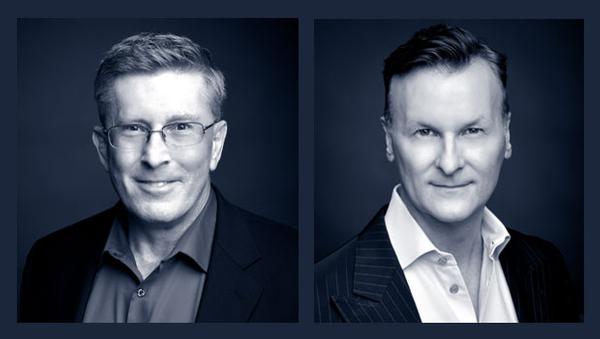
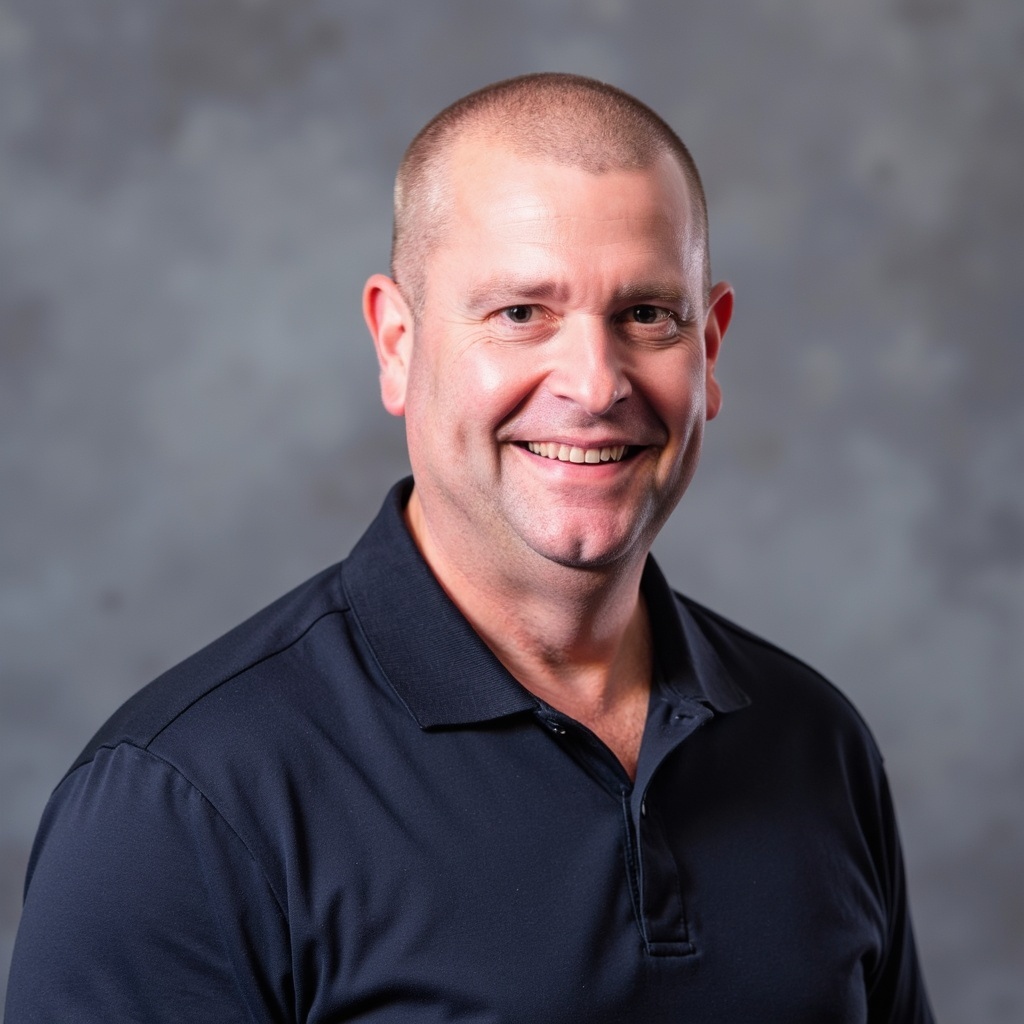
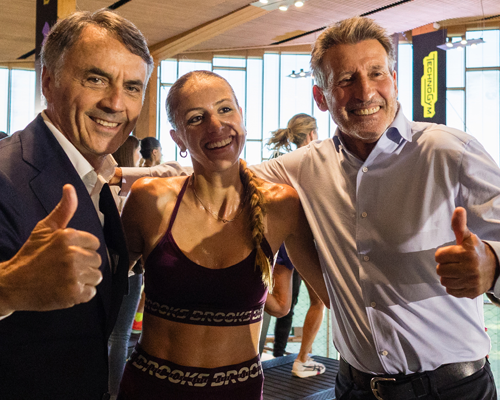
From left Stephen Tharrett and Mark Williamson
Sign up here to get HCM's weekly ezine and every issue of HCM magazine free on digital.
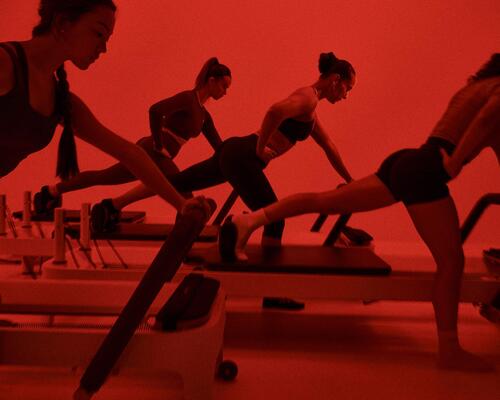
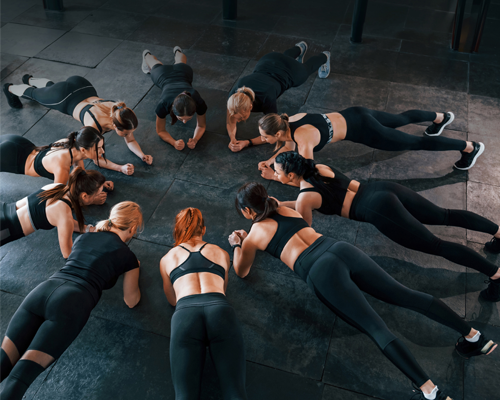
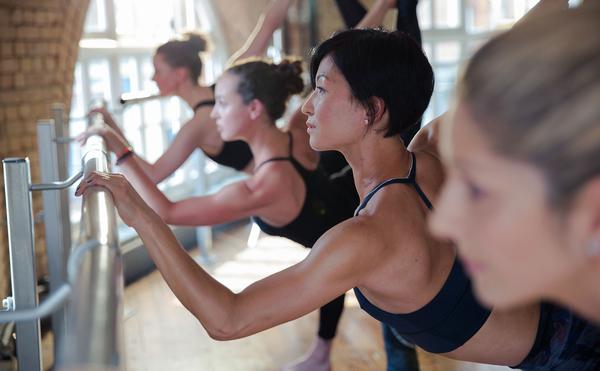
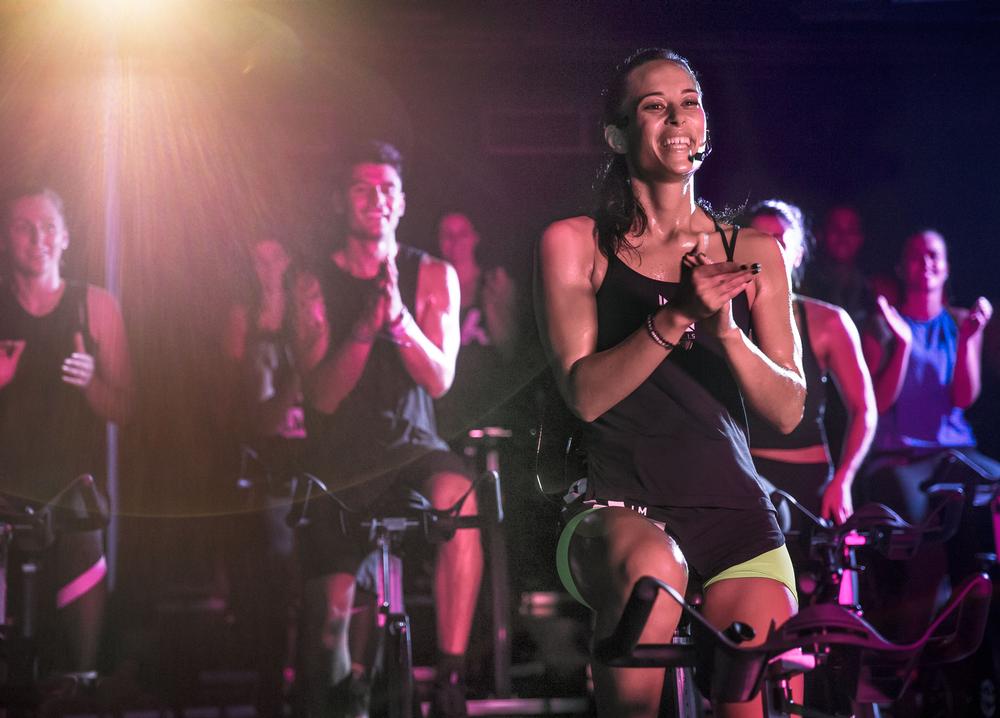
Les Mills classes are so successful because they bring together ‘tribes’ who share the same fitness ideologies
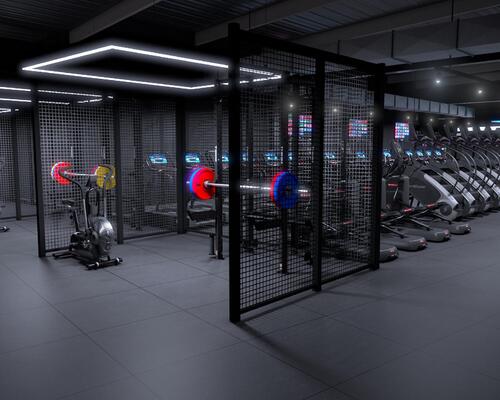
Boutique studios such as Les Mills’ Chain offer the convenience of the same class delivered many times each day
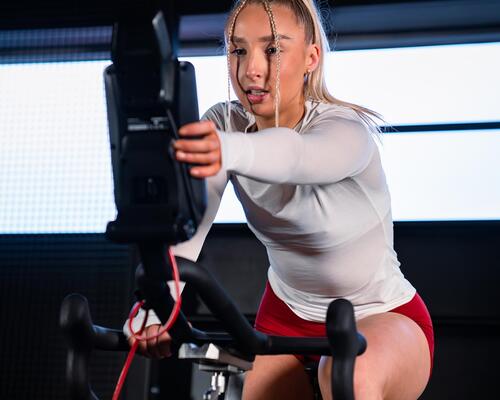
Millennials like to search, view and book classes via their mobiles / shutterstock
https://www.leisureopportunities.co.uk/images/938362_342394.jpg
What's driving the success of boutique fitness studios? Experts Stephen Tharrett and Mark Williamson of ClubIntel explain.
Stephen Tharrett and Mark Williamson from ClubIntel report,Stephen Tharrett, Mark Williamson, Clubintel, Susan Freeman, Seth Godin, Boutique Fitness, Soulcycle, Ari Weissman
HCM magazine
Small improvements to sleep, diet and physical activity have major benefits for the heart, according to new research from the University of Sydney
HCM magazine
HCM People

Stephen Price

Founder, SP&Co Group
Working in public health over the last few years has lit up parts of my brain again
HCM magazine
As the entrepreneur who started Wexer, Fresh Fitness, Fitness DK and Repeat, as well as being a former elite athlete, Rasmus Ingerslev’s life looked perfect from the outside, but onthe inside it was a different story. He talks to Kath Hudson about healing old wounds
HCM magazine
For every member with a tripod and a big following, there are others irritated at the way equipment is being hogged or wary they’ll be in the background on someone’s Insta feed. Do influencers offer valuable, free marketing or are they just a nuisance? Kath Hudson finds out how operators are responding
HCM magazine
Strength training is evolving, driven by changing consumer preferences. Julie Cramer talks to innovators about how their products are meeting this demand
HCM promotional features
Sponsored
Find out how your gym can tap into the corporate wellness boom
HCM promotional features
Sponsored
David Lloyd is stepping up its commitment to women’s health as it continues to explore what fit-for-purpose looks like for the female population
HCM promotional features
Sponsored
Starpool supports Olympic champion Marcell Jacobs, says Riccardo Turri
HCM promotional features
Sponsored
SnowDome Fitness has added 50 per cent more space with cutting-edge Technogym solutions
HCM promotional features
Sponsored
Third Space partnered with IndigoFitness to deliver a bespoke training space for its new club at The Whiteley
HCM promotional features
Sponsored
Greg Bradley looks at the shift towards strength training in gyms and advises on how operators can create the ultimate training environment
HCM promotional features
Sponsored
EGYM has opened a new HQ in Paternoster Square, London and revealed a range of new launches
HCM promotional features
Sponsored
Pulse Fitness has created a new health club delivering an elevated wellness experience
HCM promotional features
Sponsored
Active IQ is calling for greater accountability in online fitness advice with the launch of a new trustmark
HCM promotional features
Latest News
Australia’s fast-growing fitness network, Viva Leisure, is adding a low-cost gym brand to its already ...
Latest News
Speedflex has launched a strength training programme for 10 to 16-year-olds, to make it safer, ...
Latest News
Tewinbury Farm Hotel in Hertfordshire, UK is expanding its premium leisure proposition with the launch ...
Latest News

Work is underway in Madrid on one of Europe’s most significant multi-functional complexes, ...

Latest News
PureGym is encouraging people to step away from their screens and go for a walk, ...
Latest News
Small improvements to sleep, diet quality, and physical activity, made in combination lead to a ...
Latest News
Therme Manchester’s 28-acre development, which will include interconnected glass pavilions that measure 65,000sq m, will ...
Latest News
The Yard Gym (TYG) is to become Nike Training’s official global training partner in a ...
Opinion
promotion
Strength training has moved from the margins to the mainstream.
Opinion: Building smarter strength spaces for today’s operators
Featured supplier news
Featured supplier news: Supporting long-term health: why whole body vibration belongs in clinical settings
As healthcare continues to shift towards prevention, there’s a growing focus on helping people stay active, independent and feeling good for longer.
Featured supplier news
Featured supplier news: W3Fit EMEA celebrates its fifth anniversary
Celebrating its milestone 5th anniversary, W3Fit EMEA returns in 2026 with an unmissable gathering of the Health & Fitness industry’s most influential leaders.
Company profiles
Company profile: Parkwood Leisure
Parkwood Leisure provides bespoke management and professional support services for leisure, cultural, and health and ...
Company profiles
Company profile: Connect
Connect is a UK-based technology company redefining how the fitness and wellness industry builds digital ...
Supplier Showcases
Supplier Showcase - From nightclub to health club
Supplier Showcases
Supplier Showcase - Future-proofing
Catalogue Gallery
Click on a catalogue to view it online
Featured press releases
ukactive press release: Are they Fit for Office? UK Active and Technogym throw down the gauntlet to MPs
Hundreds of staff, MPs and Peers from across Westminster have signed up for the Fit for Office parliamentary physical activity challenge, which takes place throughout June and is hosted by ukactive and Technogym.
Featured press releases
Innerva press release: Lex Leisure’s power-assisted exercise suite smashes targets in record time
Crook Log Leisure Centre has more than doubled the membership target for its new power- assisted exercise suite in less than six months.
Directory
Lockers
Crown Sports Lockers: Lockers
Water experiences and hydrotherapy solutions
Aquaform s.r.l.: Water experiences and hydrotherapy solutions
Fitness tracking platform
SpiviTech: Fitness tracking platform
Spa and beauty equipment
Living Earth Crafts: Spa and beauty equipment
Industrial washing machines
Miele Company Limited: Industrial washing machines
Hot tubs
MSpa International Ltd: Hot tubs
Property & Tenders
Stratford, East London.
Lee Valley Regional Park Authority
Property & Tenders
Y Felinheli, LL56 4QN
Newmark
Property & Tenders
Diary dates
13-13 Jun 2026
Worldwide, Various,
Diary dates
21-24 Sep 2026
The Langham Huntington Pasadena , Pasadena, United States
Diary dates
06-08 Oct 2026
Messe Stuttgart, Stuttgart, Germany
Diary dates
22-22 Oct 2026
QEII Conference Centre, London,
Diary dates
26-29 Oct 2027
Koelnmesse Exhibition Centre, Cologne, Germany
Diary dates

features

The Studio Sector: Lessons from boutiques

What’s driving the success of the boutique fitness studios, and how can other clubs emulate this? Stephen Tharrett and Mark Williamson of ClubIntel report

Published in Health Club Management 2016 issue 11
Consumers perceive specialisation as a badge of ‘best in class’ expertise
Having a brand that communicates a sense of tribe, clan or cult is vital in today’s world. Without it, brands will be anonymous in the minds of consumers

In 2015, a whopping 35 per cent of US consumers claimed to be users of boutique fitness studios – far more than the number of people who visited any of the more traditional forms of fitness facility. This according to IHRSA’s 2016 Health Club Consumer Report.

Little wonder, then, that a number of mainstream operators are already dipping a toe into the boutique market (see our two-part series on this topic in HCM Aug 16 and HCM Sept 16).

But even those who don’t have the time, money or inclination to venture into new sectors could take learnings from these shifts in consumer behaviour. Fitness professionals should strive to understand what’s driving the success of the boutiques, because at the heart of this success are value-drivers that nearly any fitness business can leverage to thrive in the future.

So what are the 10 factors behind the power of the boutiques?

1. Specialisation
In her book Riches in Niches, Susan Freeman says: “No matter what or whom we’re talking about, from movies to chiropractors to books to financial planners, the consumer hankers after specialisation”.

That hankering for specialisation also extends to the world of fitness, and is one of the primary forces fuelling the appeal and growth of boutique fitness studios. So why is specialisation such a powerful and influential force?

• First, by focusing on one product or experience, it frees the operator up to do it better than anyone else, and to very clearly target/meet the needs of a specific audience.

• Second, consumers perceive specialisation as a badge of expertise. They believe that with specialisation, talent is more focused and better qualified.

• Third, consumers associate specialisation with passion. They believe the people who offer specialised experiences love what they do, which lends an air of inspiration to the whole experience.

If you want to leverage the power of specialisation, you first need to discover where you can deliver this. Be open-minded about the core capabilities of your business, and be willing to explore what your customers want the most. The key is finding that perfect meeting point between what the consumer wants most and what your fitness business does best.

2. Tribalism
Seth Godin, in his book entitled Tribes: We Need You to Lead Us, says: “Smart organisations assemble tribes… And it turns out that it’s tribes – not money, not factories – that can change our world, that can change politics, that can align large numbers of people.” His point, and one espoused by many others in the business world, is that in today’s highly competitive and copycat business landscape, tribal-driven brands rule.

A tribe is a community of people bonded by a deeply held and shared sense of purpose, a compelling ideology around a given topic or practice, and a shared belief in each other. Tribes require leaders who walk and talk the ideology of the tribe. Tribes are enriched by rituals and traditions that celebrate their achievements, and that reinforce the common beliefs and purpose of the tribe. The philosophy of the tribe, and ultimately the brand, becomes the philosophy of the individual.

Seth Godin says tribes can change the world – so just think what they can do for a business. In the fitness industry, CrossFit and SoulCycle are all about the tribe. In fact, having a brand that communicates a sense of tribe, clan or cult is absolutely vital in today’s world – without it, brands will be anonymous in the minds of consumers.

3. High touch & results
Why is high-touch, results-driven coaching such an influential force for boutique studios? Well, it speaks to two of the most important needs that consumers have when it comes to purchasing a fitness membership or access to a club or studio.

First is achieving goals. In the work ClubIntel conducts for clubs, one of the questions we always ask is: ‘Has the club helped you achieve at least one of the goals you had when you joined?’ Members who say yes (scoring 5 on a 5-point scale) are the members who also say they love the club and will remain a member. Boutiques appear to fulfil this powerful need of consumers better than traditional fitness operators.

Second, today’s consumers want to know you care. Two questions we ask members in our surveys are: ‘Do you feel management cares about you?’ and ‘Do you feel the staff care about you?’

In both instances, when members sense a high level of caring, it correlates highly with a love for the club and a desire to spend more, remain longer and promote the club to friends and family.

If you want to leverage this unique power of boutiques, first begin by demonstrating you really care. Second, learn what each client seeks to achieve and provide a personal platform for them to achieve it.

4, Being local
Buying local has emerged as a powerful consumer purchasing trend. Whether it’s grocery stores offering locally grown fruit and vegetables, or a locally operated book store that allows its customers to sit down, have a coffee and browse til the sun goes down, being local has become the rage, and it continues to evolve.

Being local speaks to two very important drivers of purchasing decisions.

• First, consumers want and expect authenticity from the businesses they buy from. They expect the items or experiences they purchase to be real, and the people and businesses they buy from to be genuine. Authenticity is inexorably linked to trust. Being local speaks to authenticity.

• Second, today’s consumers have a heightened desire to buy local: they want to support those who live and work in the local community rather than sending their money elsewhere. When consumers purchase locally, they feel they’re giving back to their community – and consequently supporting those who make the community their home.

5. Real-time convenience
Convenience has become imperative in all consumer experiences – although as Ari Weissman of UX Magazine says: “In crafting customer experiences, the perception of convenience is as important as the actual benefits of saved time and effort.”

Not only is an actual reduction in the time and effort needed to interact with your brand vital – so too are consumers’ perceptions of how you will save them time and effort.

It’s here that boutique studios have a distinct competitive advantage over their more traditional competitors, with two key attributes that contribute to their real-time convenience.

Firstly, their specialisation means they’re able to offer what consumers want multiple times a day, every day of the week. While the client of a traditional fitness club might have to reorganise their schedule to take an 11.00am class, the client of a boutique studio knows if they miss the 11.00am class, they can take the same class at 1.00pm, 3.00pm, 5.00pm or 7.00pm.

Secondly, boutiques have really harnessed mobile, which today represents how the majority of consumers – in particular Millennials – seek out information and make a purchase. When consumers can go to their mobile phone to find, book and pay for their favourite class… what could be more convenient?

While it may not be feasible for more traditional fitness businesses to replicate the former without leaning on virtual classes, certainly it would be possible for most to up it a notch when it comes to the use of technology to improve both perceived and real-time convenience for consumers.

6. Iconic leadership
Former US president John Quincy Adams said of leadership: “If your actions inspire others to dream more, learn more, do more and become more, you’re a leader.”

An iconic leader is one who’s well recognised for their excellence – someone who, through their own actions, provides the vision and inspiration to engage the passions of their followers. They connect with their followers – and even more importantly, they help their followers to connect with each other.

Seth Godin effectively describes the influence of an iconic leader in the following quote: “Leaders lead when they take positions, when they connect with their tribe, and when they help the tribe connect to itself.”

7. Nimble & quick
Today, thanks to technology and shifting generational values, what consumers want and what they use can change in a blink of an eye. Trends that used to take years to evolve and make an impact can now emerge quickly; businesses must respond equally quickly if they want to leverage a trend for competitive advantage. Today’s great businesses must adapt like a chameleon to stay ahead of the crowd.

Our work with boutiques has shown them to be significantly quicker and more nimble than most traditional operators in how they respond to and leverage consumer trends, thanks to factors such as:

• Open-mindedness: Complacency and believing that what you’ve always done will continue to work going forward is the first barrier to nimbleness. As Albert Einstein so eloquently stated: “We cannot solve our problems with the same thinking we used when we created them.”

• Rapid decision-making: The first challenge to acting nimbly is reaching a decision quickly and then committing your resources to acting on that decision. In Silicon Valley they talk about failing fast. Others might say ‘succeeding fast’ – but however you express it, speed of action, assessment and implementation is key.

8. Intuitive and fun
Intuitive design has become an integral part of how businesses look at designing and delivering their products to consumers – particularly online experiences, where consumers expect whatever they do to be simple and self-explanatory.

An intuitively designed experience is one people immediately know how to use. It requires little to no thinking – only action.

Boutique fitness studios do an outstanding job in this respect. Boutique users don’t have to create their fitness regimen, they don’t have to build in progressions, and they don’t have to think what to do next; all they do is follow the coach and off they go. They get results without even having to think about how.

By adding fun to the mix, which boutiques do in a number of ways – making the experience entertaining and rewarding as well as easy – the formula becomes even more powerful. As US entrepreneur Tony Robbins says: “We aren’t in an information age – we’re in an entertainment age.”

Of course, boutiques aren’t the only fitness facilities that can offer fun or intuitive experiences – but their size, tribal nature, specialisation and leadership means they’re more likely to be able to leverage the entertainment element.

9. Asset-light
This refers to the principle and practice of not tying up significant amounts of capital (cash) in depreciable assets – such as facility improvements and equipment – or fixed operating liabilities such as rent. Asset-light businesses offer entrepreneurs and investors a lower barrier to entry (lower capital investment costs), better return on their assets, lower profit volatility, greater flexibility, and when scaled, additional cost savings.

The average boutique fitness studio – according to research by the Association of Fitness Studios (AFS) – is 3,700sq ft, with 75 per cent occupying less than 3,000sq ft. This is five or even 10 times smaller than the typical traditional fitness facility, meaning that the investment needed to develop a boutique facility is a pittance when compared to most big-box clubs.

10. Consumer-friendly pricing
Ecommerce, and the emergence of mobile as a discovery and purchase platform, has changed the consumer mindset when it comes to pricing. Consumers now expect to find the price of everything online. They also expect to be able to purchase a product how and when they want it.

In response to this, the majority of boutique fitness studios offer a host of ‘pay and use’ options, from single sessions to 20-class packs to unlimited monthly usage. There are no annual contracts, and in most instances, no agreement or contract of any kind.

Furthermore, boutique fitness studios are transparent in their pricing, with full details openly available on pretty much every website; consumers can easily compare classes and the associated prices before they make a purchase decision.

About the authors

Stephen Tharrett is a 35-year veteran of the fitness industry, having served in multiple leadership roles, including CEO of the Russian Fitness Group, SVP for ClubCorp and president of IHRSA. Mark Williamson has over 25 years’ experience in market research, working for some of the largest hospitality brands in the world.

Stephen and Mark are the co-founders of ClubIntel (www.club-intel.com), a brand insights firm based in the US. Stephen can be reached at [email protected]

To read this white paper in full, visit www.club-intel.com/whitepapers-and-reports/
From left Stephen Tharrett and Mark Williamson
Sign up here to get HCM's weekly ezine and every issue of HCM magazine free on digital.
Les Mills classes are so successful because they bring together ‘tribes’ who share the same fitness ideologies
Boutique studios such as Les Mills’ Chain offer the convenience of the same class delivered many times each day
Millennials like to search, view and book classes via their mobiles / shutterstock
https://www.leisureopportunities.co.uk/images/938362_342394.jpg
What's driving the success of boutique fitness studios? Experts Stephen Tharrett and Mark Williamson of ClubIntel explain.
Stephen Tharrett and Mark Williamson from ClubIntel report,Stephen Tharrett, Mark Williamson, Clubintel, Susan Freeman, Seth Godin, Boutique Fitness, Soulcycle, Ari Weissman
Latest News
Australia’s fast-growing fitness network, Viva Leisure, is adding a low-cost gym brand to its already ...
Latest News
Speedflex has launched a strength training programme for 10 to 16-year-olds, to make it safer, ...

Latest News
Tewinbury Farm Hotel in Hertfordshire, UK is expanding its premium leisure proposition with the launch ...

Latest News

Work is underway in Madrid on one of Europe’s most significant multi-functional complexes, ...

Latest News
PureGym is encouraging people to step away from their screens and go for a walk, ...
Latest News
Small improvements to sleep, diet quality, and physical activity, made in combination lead to a ...
Latest News
Therme Manchester’s 28-acre development, which will include interconnected glass pavilions that measure 65,000sq m, will ...
Latest News
The Yard Gym (TYG) is to become Nike Training’s official global training partner in a ...
Latest News
Everlast Gyms' York site has reopened following a refurbishment to bring it up to the ...
Latest News
Luxury hospitality and wellness pioneer Jeremy McCarthy has launched Leisure Alchemy, a digital platform that ...
Latest News
A contrast therapy and breathwork facility called Reset has opened in Islington, London, in the ...
Opinion
promotion
Strength training has moved from the margins to the mainstream.
Opinion: Building smarter strength spaces for today’s operators
Featured supplier news
Featured supplier news: Supporting long-term health: why whole body vibration belongs in clinical settings
As healthcare continues to shift towards prevention, there’s a growing focus on helping people stay active, independent and feeling good for longer.
Featured supplier news
Featured supplier news: W3Fit EMEA celebrates its fifth anniversary
Celebrating its milestone 5th anniversary, W3Fit EMEA returns in 2026 with an unmissable gathering of the Health & Fitness industry’s most influential leaders.
Company profiles
Company profile: Parkwood Leisure
Parkwood Leisure provides bespoke management and professional support services for leisure, cultural, and health and ...
Company profiles
Company profile: Connect
Connect is a UK-based technology company redefining how the fitness and wellness industry builds digital ...
Supplier Showcases
Supplier Showcase - From nightclub to health club
Supplier Showcases
Supplier Showcase - Future-proofing
Catalogue Gallery
Click on a catalogue to view it online
Featured press releases
ukactive press release: Are they Fit for Office? UK Active and Technogym throw down the gauntlet to MPs
Hundreds of staff, MPs and Peers from across Westminster have signed up for the Fit for Office parliamentary physical activity challenge, which takes place throughout June and is hosted by ukactive and Technogym.
Featured press releases
Innerva press release: Lex Leisure’s power-assisted exercise suite smashes targets in record time
Crook Log Leisure Centre has more than doubled the membership target for its new power- assisted exercise suite in less than six months.
Directory
Lockers
Crown Sports Lockers: Lockers
Water experiences and hydrotherapy solutions
Aquaform s.r.l.: Water experiences and hydrotherapy solutions
Fitness tracking platform
SpiviTech: Fitness tracking platform
Spa and beauty equipment
Living Earth Crafts: Spa and beauty equipment
Industrial washing machines
Miele Company Limited: Industrial washing machines
Hot tubs
MSpa International Ltd: Hot tubs
Property & Tenders
Stratford, East London.
Lee Valley Regional Park Authority
Property & Tenders
Y Felinheli, LL56 4QN
Newmark
Property & Tenders
Diary dates
13-13 Jun 2026
Worldwide, Various,
Diary dates
21-24 Sep 2026
The Langham Huntington Pasadena , Pasadena, United States
Diary dates
06-08 Oct 2026
Messe Stuttgart, Stuttgart, Germany
Diary dates
22-22 Oct 2026
QEII Conference Centre, London,
Diary dates
26-29 Oct 2027
Koelnmesse Exhibition Centre, Cologne, Germany
Diary dates
Search news, features & products:
Find a supplier:
The Leisure Media Company Ltd
Partner sites