










Follow Health Club Management on Twitter Like Health Club Management on Facebook Join the discussion with Health Club Management on LinkedIn
FITNESS, HEALTH, WELLNESS

features

Insight: Healthier habits

Health charity, Nuffield, has committed to increasing support for people to be more proactive in managing their health in 2023, as Marc Holl, head of primary care, explains
Published in Health Club Management 2023 issue 2
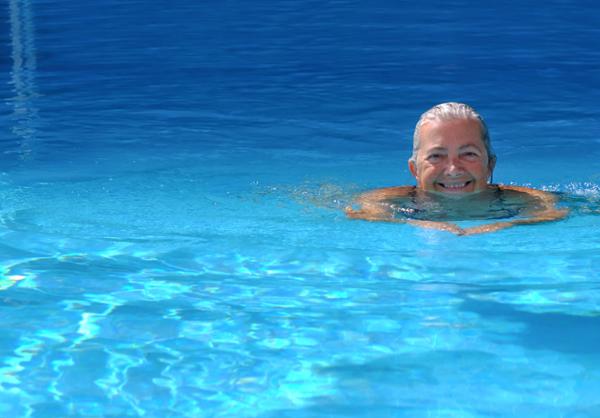
Nuffield surveyed 8,000 adults about their health habits / Photo: Shutterstock/Lucigerma
A paper published by the BMJ found that women were more likely to receive reduced access to healthcare than men

'Permacrisis' was Collins Dictionary’s word of the year for 2022, reflecting the overriding sense of society lurching from one crisis to another. From the cost of living crisis to the war in Ukraine, external circumstances undoubtedly impact both our mental and physical health, whether that be higher stress levels or a lack of motivation – and that’s without considering the long-lasting impacts of COVID-19.

In research released last year as part of the Nuffield Health Healthier Nation Index – a comprehensive survey of 8,000 adults in the UK – a third of people, (34 per cent) said their mental health had got worse in the previous year and a similar number (32 per cent) said their physical health had got worse. On top of this, the population averaged just 64 minutes of moderate exercise per week – 86 minutes less than the NHS recommendation of 150 minutes per week.

Nuffield is now on a mission to get everyone more active in 2023 and help people recognise and reap the benefits this can have on both mental and physical health.

Priorities for change
There are three key areas we’re focusing on to help.

Firstly, people must understand the challenges they’re facing when it comes to finding a sport or exercise that works for them. Whether it’s a lack of time or not knowing where to get started, people must feel empowered to make changes.

Secondly, we must take a connected approach to health, recognising how closely linked mental and physical wellbeing is and working to improve both. While we regularly discuss physical fitness, most people view mental health through the lens of ill health, rather than what we can do to proactively look after our mind as well as body and we must work to change this.

Finally, we understand that people may not know what to do or how to get started when it comes to their physical activity, so we want to raise awareness of the impact small, sustainable changes can have to build healthier habits both short- and long-term. That’s why we launched Find Time for Your Mind, a campaign aiming to encourage people to #find5 and spend just an five extra minutes a day exercising to improve their mental and physical health.

Understanding barriers to better health
While we can all start out with the best intentions when it comes to health and wellness, everyone faces barriers to achieving their goals. Understanding these is critical to overcoming them and helping everyone move more for the benefit of body and mind.

Our research found that only one in three adults were aware that the NHS recommends 150 minutes of moderate exercise a week, showing a clear knowledge gap which may go part way to explaining the low exercise figures – how can people be expected to hit the minimum requirement if they don’t know what it is?

Our survey showed various reasons for this inactivity; the most commonly cited barriers to exercise were lack of motivation (60 per cent), lack of time due to work (50 per cent), not knowing how to get started (32 per cent) and embarrassment (35 per cent).

These numbers rose significantly for women – 67 per cent said that lack of motivation was a barrier compared to 51 per cent of men, while 35 per cent didn’t know where to get started (compared to 28 per cent of men) and more than half of women (55 per cent) said that lack of time was a barrier, dropping to 46 per cent of men.

Discrimination against women
This research sparked a debate, with the disproportionate burden of caregiving responsibilities, sexism in sport, unpaid domestic roles and the impact of social media all raised as particular issues women face.

More broadly, a variety of studies show that women’s health outcomes are worse across the board. The UK has the largest female health gap in the G20, and the 12th largest globally. A paper published by the BMJ on access to care and services during the early parts of the pandemic also found that women were more likely to receive reduced access to healthcare than men [1].

Women are also more likely to struggle with mental health issues than men, for socio economic reasons [2].

We must continue to shine a spotlight on these issues this year to ensure that health outcomes are improved across the nation and that gender-based factors are also taken into account.

A connected health approach
One clear barrier to improving wellbeing is treating mental and physical health separately. The importance of taking a connected approach to health – working to improve physical and mental health in tandem rather than each in isolation – is supported by clear scientific evidence.

Studies have shown that exercise can boost overall wellbeing, with benefits including lowering blood pressure and heart rate, helping with sleep problems and reducing anxiety [3]. A Lancet Psychiatry journal study of 1.2 million people found that those who exercised regularly reported 1.5 fewer days of poor mental health per month than those who didn’t [4]. Despite this, only 27 per cent of adults surveyed are motivated to exercise by mental health benefits, and only half (53 per cent) think mental and physical health are equally important.

At present, discussions around mental health are often dominated by recommendations on avoiding ill health, and then treating it when it arises.

The key to this is proactivity. We need to move the focus from managing the symptoms of mental ill health to a more preventative approach, as we have seen play out successfully in other areas of healthcare, be that smoking, diabetes or heart disease. We must look at the root causes rather than the consequences of poor mental wellbeing, so this year we will be focusing on shifting conversations.

The emphasis must be on education, to allow everyone to be able to recognise and understand what mental fitness is, being able to reach our full potential and thrive in the everyday, and then providing support and advice on how people can proactively look after it.

While we can all, with reasonable accuracy, measure how physically fit we are, whether it’s how out of breath we are after running for the bus or how heavy our shopping bags feel, mental fitness is much more difficult to measure.

But if we incorporate it into daily/weekly/monthly habits, similarly to physical fitness, and make sure we maintain it regularly, we have a better chance of securing better mental health outcomes. Good mental health is far more than the absence of mental illness; it is reaching your full potential, leading a life of meaning and value and withstanding the challenges you face along the way.

Year round approach
Although January provides the ultimate opportunity for everyone to kickstart their mental fitness routines, we must focus on this all year round.

We’re proud to be partnering with our new ambassador, Kelly Holmes, to give everyone the tools they need to give their wellbeing a boost. She has widely acknowledged that sport saved her, gave her purpose and the ability to feel good about something and that when she wasn’t keeping her body healthy, she wasn’t keeping her mind healthy either – but it isn’t just elite athletes who feel this, everyone does.

The Healthier Nation Index research also showed that you don’t need to be running marathons to feel the benefit. Those who did zero minutes of activity per week reported poorer mental and physical health than people who did even the smallest amount. Something that seems so small, such as a short walk outdoors in a lunch break, can give an immediate boost to mental health.

The emphasis for this year is to encourage achievable lifestyle or habit changes to encourage the nation to move more for body and mind, enabling everyone to take a more proactive approach to their wellbeing.

Getting involved
The fitness sector has a huge role to play when it comes to improving the overall health of the nation, and it’s vital that we equip people to be able to improve their mental as well as physical fitness.

Healthier habits are built from making even the tiniest tweaks and as we navigate this continuing period of uncertainty, there has never been a better time to prioritise mental and physical wellbeing.

It’s promising that Sport England has announced its intention to shift towards a focus on active wellbeing and away from traditional fitness and leisure – but there’s still a long way to go.

Just five minutes a day can put people on a pathway back to better health, improving mental and physical fitness. A small but regular commitment overcomes the initial barrier of getting started and begins to develop healthy habits. We all have a role to play encouraging people to make small changes that have a huge impact.

Let 2023 be the year that we all take a proactive and connected approach to our emotional and physical wellbeing, as we look to recover from the pandemic and build a healthier nation together.

"Only one in three adults were aware of the recommended 150 minutes of exercise a week" – Marc Holl
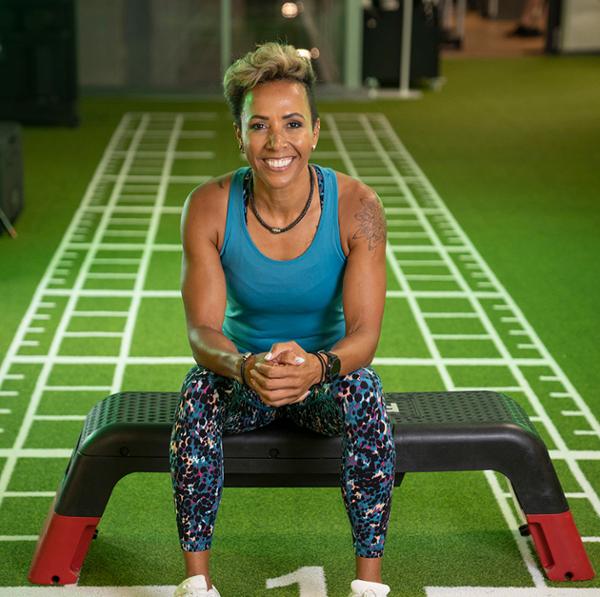
Olympian Kelly Holmes is a Nuffield health ambassador / Photo: Shutterstock/Daxiao Productions
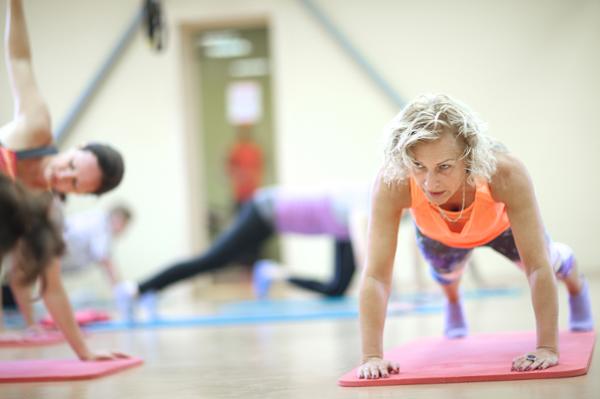
It’s important to work to improve physical and mental health in tandem / Photo: Shutterstock/Anna Jurkovska
Even a short walk was found to give a significant boost to mental health / Photo: Shutterstock/ PeopleImages.com
https://www.leisureopportunities.co.uk/images/2023/87019_21687.jpg
Research by Nuffield found women are routinely disadvantaged when it comes to health outcomes
HCM magazine
Small improvements to sleep, diet and physical activity have major benefits for the heart, according to new research from the University of Sydney
HCM magazine
Strength training is evolving, driven by changing consumer preferences. Julie Cramer talks to innovators about how their products are meeting this demand
HCM magazine
Raphael Cuomo explores the powerful link between addiction, health and behaviour change
HCM magazine
If the health service is to survive, we must recognise that it is a disease service – and that wellbeing rests with us, says the activity advocate and healthy ageing champion. He talks to Kate Cracknell
HCM magazine
I experienced a blissful feeling of joy I hadn’t felt since I was a kid
HCM promotional features
Sponsored
David Lloyd is stepping up its commitment to women’s health as it continues to explore what fit-for-purpose looks like for the female population
HCM promotional features
Sponsored
Greg Bradley looks at the shift towards strength training in gyms and advises on how operators can create the ultimate training environment
HCM promotional features
Sponsored
SnowDome Fitness has added 50 per cent more space with cutting-edge Technogym solutions
HCM promotional features
Sponsored
Third Space partnered with IndigoFitness to deliver a bespoke training space for its new club at The Whiteley
HCM promotional features
Sponsored
Starpool supports Olympic champion Marcell Jacobs, says Riccardo Turri
HCM promotional features
Sponsored
Find out how your gym can tap into the corporate wellness boom
HCM promotional features
Sponsored
EGYM has opened a new HQ in Paternoster Square, London and revealed a range of new launches
HCM promotional features
Sponsored
New launch, Salus House, elevates boutique wellness with high service levels and a partnership with Technogym
HCM promotional features
Promotion
Performance Health Systems, manufacturer of Power Plate, has a new CEO, with an ambitious vision for the company
HCM promotional features
Latest News
People taking GLP-1 weight loss medications such as Ozempic, Wegovy, Mounjaro and Zepbound may be ...
Latest News
Low-cost gym operator, PureGym, is trialling recovery zones at two of its UK sites, democratising ...
Latest News
In a milestone moment, mental health has become a core part of CIMSPA’s occupational professional ...
Latest News
US high-value, low-price chain, Eos Fitness, has announced plans to pilot reformer Pilates in three ...
Latest News
Preventive healthcare company Neko Health has added body composition analysis to its full-body health scan ...
Latest News
Chequan Lewis is the new CEO of Crunch Fitness, taking over from Jim Rowley, who ...
Latest News
Sea Lanes Canary Wharf has officially opened. The 50-metre, six-lane pool, which uses the natural ...
Latest News
London-based high-performance fitness club, ONE LDN, is raising funds for a multi-site expansion across London, ...
Opinion
promotion
Strength training has moved from the margins to the mainstream.
Opinion: Building smarter strength spaces for today’s operators
Featured supplier news
Featured supplier news: Cornerstone Connect helps Active Blackpool tackle health inequalities
Active Blackpool is deploying Cornerstone Connect, a new digital interface allowing disparate information from multiple systems to be aggregated into one dataset, to support its focus on reducing health inequalities and improving healthy life expectancy.
Featured supplier news
Featured supplier news: Supporting long-term health: why whole body vibration belongs in clinical settings
As healthcare continues to shift towards prevention, there’s a growing focus on helping people stay active, independent and feeling good for longer.
Company profiles
Company profile: Les Mills UK
Every week, millions of people get fit in 21,000 clubs, across 100 countries with the ...
Company profiles
Company profile: Serco Leisure
Serco Leisure Operating Limited is one of the UK’s leading national operators of leisure centres, ...
Supplier Showcases
Supplier Showcase - Future-proofing
Catalogue Gallery
Click on a catalogue to view it online
Featured press releases
Swim England press release: Swim England launches new Learn to Swim Growth Plan to support aquatic programme expansion
Swim England has strengthened its sector-leading Business Solutions offer with the launch of its Learn to Swim Growth Plan, designed to help aquatic providers unlock sustainable programme growth.
Featured press releases
CoverMe Ltd press release: CoverMe and Jobs In. Fitness partner to create end-to-end talent solution
CoverMe, the UK’s leading fitness workforce management and recruitment platform, has partnered with Jobs In. Fitness, the specialist executive search and advisory firm for the fitness and wellbeing sector, to give operators a single route to talent at every level – from frontline staffing to C-suite.
Directory
Spa and beauty equipment
Living Earth Crafts: Spa and beauty equipment
Water experiences and hydrotherapy solutions
Aquaform s.r.l.: Water experiences and hydrotherapy solutions
Lockers
Crown Sports Lockers: Lockers
Fitness tracking platform
SpiviTech: Fitness tracking platform
Industrial washing machines
Miele Company Limited: Industrial washing machines
Hot tubs
MSpa International Ltd: Hot tubs
Property & Tenders
Stratford, East London.
Lee Valley Regional Park Authority
Property & Tenders
Y Felinheli, LL56 4QN
Newmark
Property & Tenders
Diary dates
21-24 Sep 2026
The Langham Huntington Pasadena , Pasadena, United States
Diary dates
06-08 Oct 2026
Messe Stuttgart, Stuttgart, Germany
Diary dates
22-22 Oct 2026
QEII Conference Centre, London,
Diary dates
26-29 Oct 2027
Koelnmesse Exhibition Centre, Cologne, Germany
Diary dates

features

Insight: Healthier habits

Health charity, Nuffield, has committed to increasing support for people to be more proactive in managing their health in 2023, as Marc Holl, head of primary care, explains

Published in Health Club Management 2023 issue 2
Nuffield surveyed 8,000 adults about their health habits / Photo: Shutterstock/Lucigerma
A paper published by the BMJ found that women were more likely to receive reduced access to healthcare than men

'Permacrisis' was Collins Dictionary’s word of the year for 2022, reflecting the overriding sense of society lurching from one crisis to another. From the cost of living crisis to the war in Ukraine, external circumstances undoubtedly impact both our mental and physical health, whether that be higher stress levels or a lack of motivation – and that’s without considering the long-lasting impacts of COVID-19.

In research released last year as part of the Nuffield Health Healthier Nation Index – a comprehensive survey of 8,000 adults in the UK – a third of people, (34 per cent) said their mental health had got worse in the previous year and a similar number (32 per cent) said their physical health had got worse. On top of this, the population averaged just 64 minutes of moderate exercise per week – 86 minutes less than the NHS recommendation of 150 minutes per week.

Nuffield is now on a mission to get everyone more active in 2023 and help people recognise and reap the benefits this can have on both mental and physical health.

Priorities for change
There are three key areas we’re focusing on to help.

Firstly, people must understand the challenges they’re facing when it comes to finding a sport or exercise that works for them. Whether it’s a lack of time or not knowing where to get started, people must feel empowered to make changes.

Secondly, we must take a connected approach to health, recognising how closely linked mental and physical wellbeing is and working to improve both. While we regularly discuss physical fitness, most people view mental health through the lens of ill health, rather than what we can do to proactively look after our mind as well as body and we must work to change this.

Finally, we understand that people may not know what to do or how to get started when it comes to their physical activity, so we want to raise awareness of the impact small, sustainable changes can have to build healthier habits both short- and long-term. That’s why we launched Find Time for Your Mind, a campaign aiming to encourage people to #find5 and spend just an five extra minutes a day exercising to improve their mental and physical health.

Understanding barriers to better health
While we can all start out with the best intentions when it comes to health and wellness, everyone faces barriers to achieving their goals. Understanding these is critical to overcoming them and helping everyone move more for the benefit of body and mind.

Our research found that only one in three adults were aware that the NHS recommends 150 minutes of moderate exercise a week, showing a clear knowledge gap which may go part way to explaining the low exercise figures – how can people be expected to hit the minimum requirement if they don’t know what it is?

Our survey showed various reasons for this inactivity; the most commonly cited barriers to exercise were lack of motivation (60 per cent), lack of time due to work (50 per cent), not knowing how to get started (32 per cent) and embarrassment (35 per cent).

These numbers rose significantly for women – 67 per cent said that lack of motivation was a barrier compared to 51 per cent of men, while 35 per cent didn’t know where to get started (compared to 28 per cent of men) and more than half of women (55 per cent) said that lack of time was a barrier, dropping to 46 per cent of men.

Discrimination against women
This research sparked a debate, with the disproportionate burden of caregiving responsibilities, sexism in sport, unpaid domestic roles and the impact of social media all raised as particular issues women face.

More broadly, a variety of studies show that women’s health outcomes are worse across the board. The UK has the largest female health gap in the G20, and the 12th largest globally. A paper published by the BMJ on access to care and services during the early parts of the pandemic also found that women were more likely to receive reduced access to healthcare than men [1].

Women are also more likely to struggle with mental health issues than men, for socio economic reasons [2].

We must continue to shine a spotlight on these issues this year to ensure that health outcomes are improved across the nation and that gender-based factors are also taken into account.

A connected health approach
One clear barrier to improving wellbeing is treating mental and physical health separately. The importance of taking a connected approach to health – working to improve physical and mental health in tandem rather than each in isolation – is supported by clear scientific evidence.

Studies have shown that exercise can boost overall wellbeing, with benefits including lowering blood pressure and heart rate, helping with sleep problems and reducing anxiety [3]. A Lancet Psychiatry journal study of 1.2 million people found that those who exercised regularly reported 1.5 fewer days of poor mental health per month than those who didn’t [4]. Despite this, only 27 per cent of adults surveyed are motivated to exercise by mental health benefits, and only half (53 per cent) think mental and physical health are equally important.

At present, discussions around mental health are often dominated by recommendations on avoiding ill health, and then treating it when it arises.

The key to this is proactivity. We need to move the focus from managing the symptoms of mental ill health to a more preventative approach, as we have seen play out successfully in other areas of healthcare, be that smoking, diabetes or heart disease. We must look at the root causes rather than the consequences of poor mental wellbeing, so this year we will be focusing on shifting conversations.

The emphasis must be on education, to allow everyone to be able to recognise and understand what mental fitness is, being able to reach our full potential and thrive in the everyday, and then providing support and advice on how people can proactively look after it.

While we can all, with reasonable accuracy, measure how physically fit we are, whether it’s how out of breath we are after running for the bus or how heavy our shopping bags feel, mental fitness is much more difficult to measure.

But if we incorporate it into daily/weekly/monthly habits, similarly to physical fitness, and make sure we maintain it regularly, we have a better chance of securing better mental health outcomes. Good mental health is far more than the absence of mental illness; it is reaching your full potential, leading a life of meaning and value and withstanding the challenges you face along the way.

Year round approach
Although January provides the ultimate opportunity for everyone to kickstart their mental fitness routines, we must focus on this all year round.

We’re proud to be partnering with our new ambassador, Kelly Holmes, to give everyone the tools they need to give their wellbeing a boost. She has widely acknowledged that sport saved her, gave her purpose and the ability to feel good about something and that when she wasn’t keeping her body healthy, she wasn’t keeping her mind healthy either – but it isn’t just elite athletes who feel this, everyone does.

The Healthier Nation Index research also showed that you don’t need to be running marathons to feel the benefit. Those who did zero minutes of activity per week reported poorer mental and physical health than people who did even the smallest amount. Something that seems so small, such as a short walk outdoors in a lunch break, can give an immediate boost to mental health.

The emphasis for this year is to encourage achievable lifestyle or habit changes to encourage the nation to move more for body and mind, enabling everyone to take a more proactive approach to their wellbeing.

Getting involved
The fitness sector has a huge role to play when it comes to improving the overall health of the nation, and it’s vital that we equip people to be able to improve their mental as well as physical fitness.

Healthier habits are built from making even the tiniest tweaks and as we navigate this continuing period of uncertainty, there has never been a better time to prioritise mental and physical wellbeing.

It’s promising that Sport England has announced its intention to shift towards a focus on active wellbeing and away from traditional fitness and leisure – but there’s still a long way to go.

Just five minutes a day can put people on a pathway back to better health, improving mental and physical fitness. A small but regular commitment overcomes the initial barrier of getting started and begins to develop healthy habits. We all have a role to play encouraging people to make small changes that have a huge impact.

Let 2023 be the year that we all take a proactive and connected approach to our emotional and physical wellbeing, as we look to recover from the pandemic and build a healthier nation together.

"Only one in three adults were aware of the recommended 150 minutes of exercise a week" – Marc Holl
Olympian Kelly Holmes is a Nuffield health ambassador / Photo: Shutterstock/Daxiao Productions
It’s important to work to improve physical and mental health in tandem / Photo: Shutterstock/Anna Jurkovska

Even a short walk was found to give a significant boost to mental health / Photo: Shutterstock/ PeopleImages.com
https://www.leisureopportunities.co.uk/images/2023/87019_21687.jpg
Research by Nuffield found women are routinely disadvantaged when it comes to health outcomes
Latest News
People taking GLP-1 weight loss medications such as Ozempic, Wegovy, Mounjaro and Zepbound may be ...
Latest News
Low-cost gym operator, PureGym, is trialling recovery zones at two of its UK sites, democratising ...
Latest News
In a milestone moment, mental health has become a core part of CIMSPA’s occupational professional ...
Latest News
US high-value, low-price chain, Eos Fitness, has announced plans to pilot reformer Pilates in three ...
Latest News
Preventive healthcare company Neko Health has added body composition analysis to its full-body health scan ...
Latest News
Chequan Lewis is the new CEO of Crunch Fitness, taking over from Jim Rowley, who ...
Latest News
Sea Lanes Canary Wharf has officially opened. The 50-metre, six-lane pool, which uses the natural ...
Latest News
London-based high-performance fitness club, ONE LDN, is raising funds for a multi-site expansion across London, ...
Latest News
A new brain clinic has opened in London, which uses non-invasive brain stimulation to treat ...
Latest News
Good Boost’s digital exercise programmes are helping adults with MSK at a lower cost than ...
Latest News
With Prime Minister, Keir Starmer, announcing his resignation this morning and Andy Burnham as a ...
Opinion
promotion
Strength training has moved from the margins to the mainstream.
Opinion: Building smarter strength spaces for today’s operators
Featured supplier news
Featured supplier news: Cornerstone Connect helps Active Blackpool tackle health inequalities
Active Blackpool is deploying Cornerstone Connect, a new digital interface allowing disparate information from multiple systems to be aggregated into one dataset, to support its focus on reducing health inequalities and improving healthy life expectancy.
Featured supplier news
Featured supplier news: Supporting long-term health: why whole body vibration belongs in clinical settings
As healthcare continues to shift towards prevention, there’s a growing focus on helping people stay active, independent and feeling good for longer.
Company profiles
Company profile: Les Mills UK
Every week, millions of people get fit in 21,000 clubs, across 100 countries with the ...
Company profiles
Company profile: Serco Leisure
Serco Leisure Operating Limited is one of the UK’s leading national operators of leisure centres, ...
Supplier Showcases
Supplier Showcase - Future-proofing
Catalogue Gallery
Click on a catalogue to view it online
Featured press releases
Swim England press release: Swim England launches new Learn to Swim Growth Plan to support aquatic programme expansion
Swim England has strengthened its sector-leading Business Solutions offer with the launch of its Learn to Swim Growth Plan, designed to help aquatic providers unlock sustainable programme growth.
Featured press releases
CoverMe Ltd press release: CoverMe and Jobs In. Fitness partner to create end-to-end talent solution
CoverMe, the UK’s leading fitness workforce management and recruitment platform, has partnered with Jobs In. Fitness, the specialist executive search and advisory firm for the fitness and wellbeing sector, to give operators a single route to talent at every level – from frontline staffing to C-suite.
Directory
Spa and beauty equipment
Living Earth Crafts: Spa and beauty equipment
Water experiences and hydrotherapy solutions
Aquaform s.r.l.: Water experiences and hydrotherapy solutions
Lockers
Crown Sports Lockers: Lockers
Fitness tracking platform
SpiviTech: Fitness tracking platform
Industrial washing machines
Miele Company Limited: Industrial washing machines
Hot tubs
MSpa International Ltd: Hot tubs
Property & Tenders
Stratford, East London.
Lee Valley Regional Park Authority
Property & Tenders
Y Felinheli, LL56 4QN
Newmark
Property & Tenders
Diary dates
21-24 Sep 2026
The Langham Huntington Pasadena , Pasadena, United States
Diary dates
06-08 Oct 2026
Messe Stuttgart, Stuttgart, Germany
Diary dates
22-22 Oct 2026
QEII Conference Centre, London,
Diary dates
26-29 Oct 2027
Koelnmesse Exhibition Centre, Cologne, Germany
Diary dates
Search news, features & products:
Find a supplier:
Partner sites