



















Follow Health Club Management on Twitter Like Health Club Management on Facebook Join the discussion with Health Club Management on LinkedIn
FITNESS, HEALTH, WELLNESS

features

Heart rate training: Take it up a beat

What’s the future of heart rate training, and how do we embrace it?

Published in Health Club Management 2015 issue 7
Gyms must offer advice based on data from people’s devices

Heart rate training first hit the headlines in 1976, when the Finnish cross country ski team swept the board at the Winter Olympics after training this way. From then on it became popular among elite athletes, but cumbersome chest straps and baffling information made the uptake slow among the general public.

However, the conversation is certainly in full swing now thanks to operators like Orangetheory Fitness, which has put heart rate training at the centre of its offering. With growing awareness and fast evolving technology, where is heart rate training heading?

Liz Dickinson,

CEO,

Mio Fuse

Liz Dickinson
Liz Dickinson

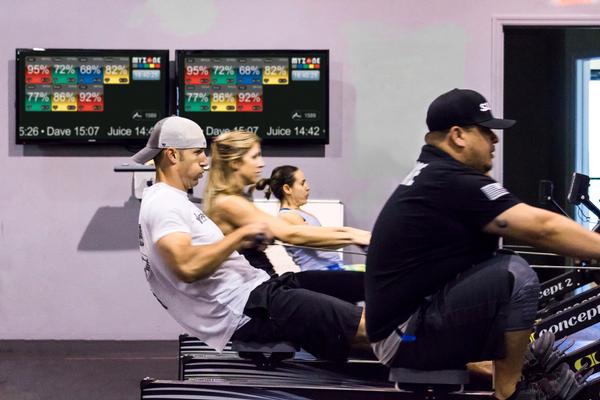
Heart rate training is set to become far more pervasive. Since the introduction of the wristband, apps are springing up teaching people how to understand heart rate training and group classes are using it, with heart rates displayed on a big screen. The technology is still fairly large and limited in terms of the activities it can measure, but in the not too distant future it will become smaller, with metrics to help with training optimisation, including oxygenation, respiration and hydration.

Hydration is important. Most people are dehydrated but don’t realise it – it can make them think they’re hungry. Oxygenation and respiration are metrics more relevant for the upper echelons: oxygenation measures the efficiency of your cardiovascular system, making sure you’re optimising exercise in such a way that you’re getting enough oxygen to feed your muscles.

We’re currently working with major clothing companies with a view to integrating the technology into clothes, so soon the monitoring of our vital statistics will become just another thing we take for granted.

As heart rate technology becomes more widespread, and in multiple forms, clubs need to be ready to take the data that streams from those devices and offer guidance and training advice. They could also change their programming so it’s more centred around heart rate. It will make a dramatic impact, because people will start to train efficiently instead of spending hours at the gym without seeing any benefit. They’ll see weight loss and increases in CV strength, which helps in all areas. It will really change the ability of the average person to get in shape.

The growth in this technology will lead to more apps and websites being developed to deliver coaching, so gyms would be well advised to create an app for themselves.

Dave Wright,

CEO,

MYZONE

Dave Wright
Dave Wright

Training at any intensity without available data is like driving your car without a dashboard. Heart rate data brings that knowledge to the forefront.

Credibility and data capture will be the focus going forward. Technology has moved on from being accelerometer-based, but even wrist-mounted heart rate monitors are not 100 per cent accurate – they use optical blood flow, shining a light through the wrist, and thus can’t accurately measure activities where the wrist moves erratically, such as functional training.

The issue the industry faces is that we need an accurate way of measuring heart rate data that’s both frictionless and credible. At the moment, technology doesn’t tend to tick both boxes, but it won’t take long before a chip is embedded into the skin to transmit data wirelessly. MYZONE is currently working with sports bra manufacturers such as Purelime, Victoria’s Secret and Clothing Plus to look at embedding sensors into the clothing: the MYZONE module would merely button onto the garment.

Wearable technology will give the NHS the ability to collate data in a frictionless manner and align with the CMO guidelines, which are based on intensity that can only be measured as a percentage of your maximum heart rate.

Upskilling is needed to make the most of this opportunity, as currently there are some common misconceptions – for example, people need to know that fitness is not determined by your maximum heart rate but by your resting heart rate and how quickly you recover after activity.
MYZONE is looking to embed sensors into sports bras and clothing

Simon Bateman,

MD,

HIIT Gym

Simon Bateman
Simon Bateman

Devices are set to become less obtrusive, so people won’t even notice they’re wearing them. One of the big pushes will be on making heart rate technology more accurate, as well as integrating with people’s daily lives so health clubs get a more holistic view of what their clients are doing away from the gym.

To do this, devices need to become easier to wear: there’s still evidence that, after the initial novelty, people get bored of wearing them and they end up in a drawer. But before long, heart rate monitors will become widely available in clothing, or as stickers on the skin. At this point, health clubs need to make sure they’re geared up for the changes the technology will bring. The key to success will be how well gym instructors can interpret the results. They will have to upskill and be confident in interpreting data and conveying it to clients in an understandable way.

Instructors will need to evolve into wellness coaches, becoming more involved in people’s lives and what they’re doing outside of the gym, and using this information to help them get better results. They will need to spend more time with clients, building trust and being more proactive about helping them work towards their goals, identifying necessary lifestyle changes and imparting nutritional advice.

Matt Bolam,

Head of training,

Speedflex

Matt Bolam
Matt Bolam

Going forward, the advances in wearable technology and the growing awareness of heart rate training will make it more ubiquitous, so people will be prepared to wear monitors around the clock.

One of the exciting aspects is that it will allow clubs to get a more holistic view of the member’s lifestyle and use this to improve training results, as well as adherence and retention. We’ll be able to analyse how they react to their day-to-day stresses and how stimulants, diet or lack of sleep affect them. From this, we can inform their training programmes, bringing in other disciplines if needed – such as yoga and meditation – and giving diet, nutrition and other lifestyle advice.

There’s also potential to use heart rate monitors to create new revenue streams by providing in-depth analysis. For example, if a member runs a 10k race and wants to improve on their result for the next one, the gym instructor could analyse their performance and make recommendations.
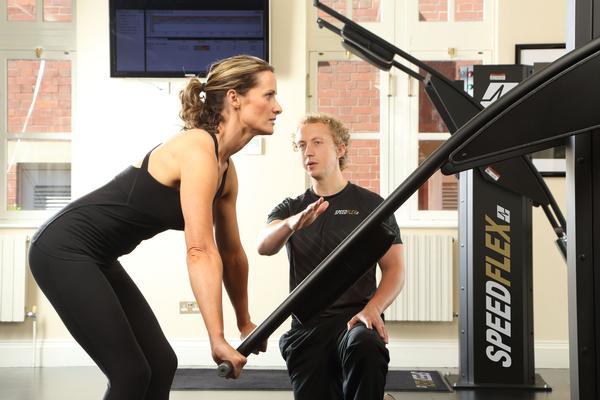
HR training enables in-depth fitness analysis

Lee Drabble,

UK gym floor experience manager ,

Fitness First

Lee Drabble
Lee Drabble

Having just opened our second BEAT location in London – a club within a club with heart rate training at the centre of the offering – we see heart rate training as a growing area. Monitors are cheap to buy and easy to store, and this style of training offers motivation and allows members to work out more efficiently to achieve results.

Going forward, what I’m most excited by isn’t the new technology but the new applications, which will allow us to train smarter and personalise data.

I think we’ll start to see heart rate training being put to wider uses, particularly weight loss. We worked on a couple of features for men’s consumer magazines and helped one guy lose 10 kilos in 10 weeks, and another lose 12 per cent body fat in six weeks. Heart rate training informed their programmes and identified the reasons they hadn’t been able to lose weight previously.

Everyone is different and needs to work at different intensities. One guy wasn’t losing weight because he wasn’t getting enough recovery time in his circuits class, so his body was eating muscle, not burning fat. It would be interesting to start using heart rate training in pilates and yoga classes too, as it would teach people to use their breath to control their heart rate.

Arron Williams,

Special projects,

Life Fitness

Arron Williams
Arron Williams

I don’t think there’s much of a bright future for heart rate training by itself. The positives are: it’s a useful way for novices to make endurance training more precise as an intensity metric; it can help keep you in the right training zone for endurance activities; it can provide biofeedback; it can help monitor a person’s progress; and it can also help prevent over-training.  

The cons of heart rate training are that it isn’t performance-relevant: pace and power are more relevant, reliable metrics for performance training. Secondly, HR max formulas contain a wide margin of error, with large deviations dependent on age and gender. Lack of sleep, emotional stress, diet and weather can all significantly affect heart rate.

Finally, there’s the issue of reliability and accuracy of heart rate monitors, particularly with some of the newer wearables.

In the future, a data-powered lifestyle will provide a host of metrics for tracking; heart rate will be just one of many metrics that help us optimise our health and wellbeing.

“In the future, a data-powered lifestyle will provide a host of metrics for tracking; heart rate will be just one”
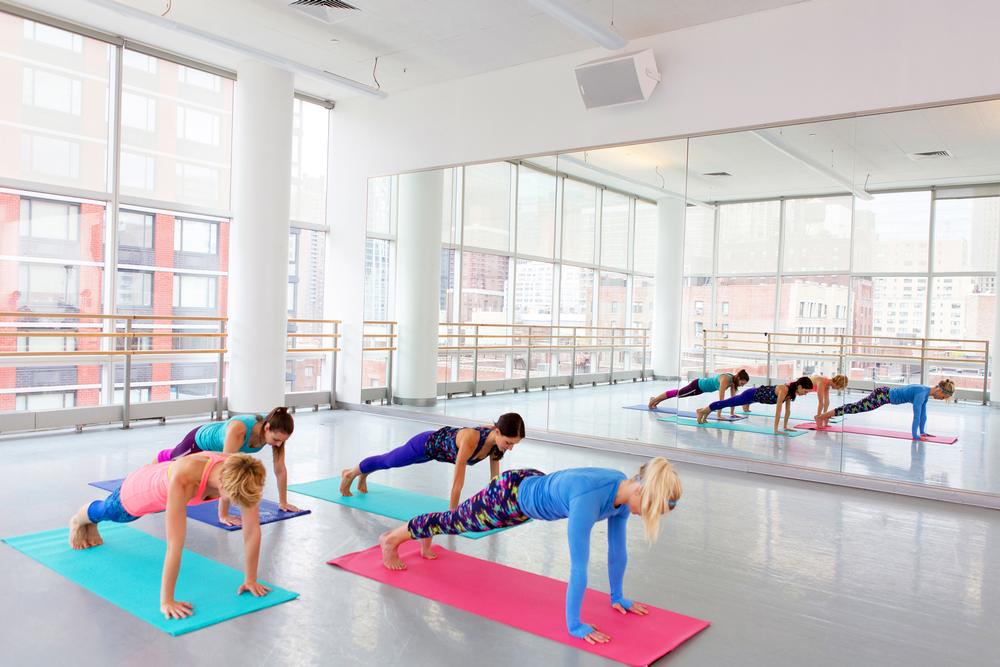

Sign up here to get HCM's weekly ezine and every issue of HCM magazine free on digital.
ClassPass has a network of over 5,000 clubs across the world, in the US, Canada and the UK
https://www.leisureopportunities.co.uk/images/693398_963785.jpg
What's the future of heart rate training? Hear from our expert panel
Liz Dickinson, Mio Fuse: CEO Dave Wright, MYZONE: CEO Simon Bateman, HIIT Gym: MD Matt Bolam, Speedflex: Head of training Lee Drabble, Fitness First: UK gym floor experience manager Arron Williams, Life Fitness: Special projects,Heart rate, Orangetheory Fitness, activity tracking, technology, Liz Dickinson, Mio Fuse, Dave Wright, MYZONE, Simon Bateman, HIIT Gym, Matt Bolam, Speedflex, Arron Williams, Life Fitness, Lee Drabble, Fitness First
HCM magazine
The fitness industry is mourning the passing of Les Mills, a founding father of fitness, as Kath Hudson reports
HCM magazine
Software suppliers explain how AI, automation and connected digital experiences can work for the good of operators and consumers
HCM magazine
The new CEO of UK Active talks to HCM about the gym-curious and why he believes the sector can double in size by the end of the next decade
HCM magazine
We’ve reduced the level of council investment over the last three years by 40 per cent and increased our turnover by 9 per cent
HCM magazine
People on weight loss drugs reduce their activity levels, according to a team at St John’s Hospital Illinois
HCM promotional features
Sponsored
Social fitness the missing link to member engagement, according to a new Myzone report
HCM promotional features
Sponsored
Starpool supports Olympic champion Marcell Jacobs, says Riccardo Turri
HCM promotional features
Sponsored
Find out how your gym can tap into the corporate wellness boom
HCM promotional features
Sponsored
David Lloyd is stepping up its commitment to women’s health as it continues to explore what fit-for-purpose looks like for the female population
HCM promotional features
Sponsored
Greg Bradley looks at the shift towards strength training in gyms and advises on how operators can create the ultimate training environment
HCM promotional features
Sponsored
SnowDome Fitness has added 50 per cent more space with cutting-edge Technogym solutions
HCM promotional features
Sponsored
Third Space partnered with IndigoFitness to deliver a bespoke training space for its new club at The Whiteley
HCM promotional features
Sponsored
EGYM has opened a new HQ in Paternoster Square, London and revealed a range of new launches
HCM promotional features
Latest News
Fitness First UK has raised the bar with its latest refurbishment, in Highbury, London, as ...
Latest News
TLee Spas and Wellness has revealed the design for a wellness destination concept for AI ...
Latest News

Urban Gym Group has entered the Irish market with the acquisition of Iconic ...

Latest News

Total Fitness has released new research revealing how the expectations and motivations of ...

Latest News
Wattbike has announced a new integration with EGYM, which enables the bikes to contribute to ...
Latest News
Les Mills has launched a reformer Pilates workout. The 45-minute workout blends traditional reformer movements ...
Latest News
The inaugural HCM Invest event has opened applications for pitching slots ahead of its launch ...
Latest News
Girls in the UK are missing out on 280 million hours of sport every year ...
Opinion
promotion
Strength training has moved from the margins to the mainstream.
Opinion: Building smarter strength spaces for today’s operators
Featured supplier news
Featured supplier news: Legends never die: four legends, four philosophies of life
Panatta brought together four of the most influential figures in bodybuilding history on the stage of RiminiWellness 2026: Phil Heath, Lee Haney, Ronnie Coleman and Hany Rambod.
Featured supplier news
Featured supplier news: Introducing a new era of Nautilus Leverage
Strength training has never been more important for member retention, facility differentiation and long-term commercial success.
Company profiles
Company profile: Swim England
Swim England was the only governing body of swimming in the world when it was ...
Company profiles
Company profile: Sporty Group AS
With more than 90 fitness centres across the country and more than 130.000 members, Sporty ...
Supplier Showcases
Supplier Showcase - From nightclub to health club
Supplier Showcases
Supplier Showcase - Future-proofing
Catalogue Gallery
Click on a catalogue to view it online
Featured press releases
GLL press release: 115 past and present GLL Sport Foundation athletes set to shine at the 2026 Commonwealth Games
As the Commonwealth Games return to Glasgow from 23 July to 2 August 2026, the GLL Sport Foundation (GSF) is proud to celebrate the remarkable achievement of 115 past and present supported athletes who have been selected to compete on one of the biggest stages in Commonwealth sport.
Featured press releases
PSLT press release: PSLT strengthens Smartfit UK expertise following specialist training at Smartfit USA headquarters
PSLT Fitness Solutions has reinforced its commitment to delivering industry-leading cognitive-motor training solutions across the UK after head of healthcare solutions, Tony Barry, completed an intensive specialist training programme with the Smartfit team in the United States
Directory
Hot tubs
MSpa International Ltd: Hot tubs
Fitness tracking platform
SpiviTech: Fitness tracking platform
Lockers
Crown Sports Lockers: Lockers
Spa and beauty equipment
Living Earth Crafts: Spa and beauty equipment
Industrial washing machines
Miele Company Limited: Industrial washing machines
Water experiences and hydrotherapy solutions
Aquaform s.r.l.: Water experiences and hydrotherapy solutions
Property & Tenders
Stratford, East London.
Lee Valley Regional Park Authority
Property & Tenders
Y Felinheli, LL56 4QN
Newmark
Property & Tenders
Diary dates
21-24 Sep 2026
The Langham Huntington Pasadena , Pasadena, United States
Diary dates
28-29 Sep 2026
Grand Ballroom, METT Singapore, Singapore
Diary dates
06-08 Oct 2026
Messe Stuttgart, Stuttgart, Germany
Diary dates
22-22 Oct 2026
QEII Conference Centre, London,
Diary dates
29-31 Oct 2026
Impact Exhibition & Convention Center Bangkok,Thailand, Bangkok, Thailand
Diary dates
29-31 Oct 2026
IMPACT Exhibition Center, Bangkok, Thailand , Bangkok, Thailand
Diary dates
14-15 Nov 2026
The Kromhouthal , Amsterdam, Netherlands
Diary dates
26-29 Oct 2027
Koelnmesse Exhibition Centre, Cologne, Germany
Diary dates

features

Heart rate training: Take it up a beat

What’s the future of heart rate training, and how do we embrace it?

Published in Health Club Management 2015 issue 7
Gyms must offer advice based on data from people’s devices

Heart rate training first hit the headlines in 1976, when the Finnish cross country ski team swept the board at the Winter Olympics after training this way. From then on it became popular among elite athletes, but cumbersome chest straps and baffling information made the uptake slow among the general public.

However, the conversation is certainly in full swing now thanks to operators like Orangetheory Fitness, which has put heart rate training at the centre of its offering. With growing awareness and fast evolving technology, where is heart rate training heading?

Liz Dickinson,

CEO,

Mio Fuse

Liz Dickinson
Liz Dickinson

Heart rate training is set to become far more pervasive. Since the introduction of the wristband, apps are springing up teaching people how to understand heart rate training and group classes are using it, with heart rates displayed on a big screen. The technology is still fairly large and limited in terms of the activities it can measure, but in the not too distant future it will become smaller, with metrics to help with training optimisation, including oxygenation, respiration and hydration.

Hydration is important. Most people are dehydrated but don’t realise it – it can make them think they’re hungry. Oxygenation and respiration are metrics more relevant for the upper echelons: oxygenation measures the efficiency of your cardiovascular system, making sure you’re optimising exercise in such a way that you’re getting enough oxygen to feed your muscles.

We’re currently working with major clothing companies with a view to integrating the technology into clothes, so soon the monitoring of our vital statistics will become just another thing we take for granted.

As heart rate technology becomes more widespread, and in multiple forms, clubs need to be ready to take the data that streams from those devices and offer guidance and training advice. They could also change their programming so it’s more centred around heart rate. It will make a dramatic impact, because people will start to train efficiently instead of spending hours at the gym without seeing any benefit. They’ll see weight loss and increases in CV strength, which helps in all areas. It will really change the ability of the average person to get in shape.

The growth in this technology will lead to more apps and websites being developed to deliver coaching, so gyms would be well advised to create an app for themselves.

Dave Wright,

CEO,

MYZONE

Dave Wright
Dave Wright

Training at any intensity without available data is like driving your car without a dashboard. Heart rate data brings that knowledge to the forefront.

Credibility and data capture will be the focus going forward. Technology has moved on from being accelerometer-based, but even wrist-mounted heart rate monitors are not 100 per cent accurate – they use optical blood flow, shining a light through the wrist, and thus can’t accurately measure activities where the wrist moves erratically, such as functional training.

The issue the industry faces is that we need an accurate way of measuring heart rate data that’s both frictionless and credible. At the moment, technology doesn’t tend to tick both boxes, but it won’t take long before a chip is embedded into the skin to transmit data wirelessly. MYZONE is currently working with sports bra manufacturers such as Purelime, Victoria’s Secret and Clothing Plus to look at embedding sensors into the clothing: the MYZONE module would merely button onto the garment.

Wearable technology will give the NHS the ability to collate data in a frictionless manner and align with the CMO guidelines, which are based on intensity that can only be measured as a percentage of your maximum heart rate.

Upskilling is needed to make the most of this opportunity, as currently there are some common misconceptions – for example, people need to know that fitness is not determined by your maximum heart rate but by your resting heart rate and how quickly you recover after activity.

MYZONE is looking to embed sensors into sports bras and clothing

Simon Bateman,

MD,

HIIT Gym

Simon Bateman
Simon Bateman

Devices are set to become less obtrusive, so people won’t even notice they’re wearing them. One of the big pushes will be on making heart rate technology more accurate, as well as integrating with people’s daily lives so health clubs get a more holistic view of what their clients are doing away from the gym.

To do this, devices need to become easier to wear: there’s still evidence that, after the initial novelty, people get bored of wearing them and they end up in a drawer. But before long, heart rate monitors will become widely available in clothing, or as stickers on the skin. At this point, health clubs need to make sure they’re geared up for the changes the technology will bring. The key to success will be how well gym instructors can interpret the results. They will have to upskill and be confident in interpreting data and conveying it to clients in an understandable way.

Instructors will need to evolve into wellness coaches, becoming more involved in people’s lives and what they’re doing outside of the gym, and using this information to help them get better results. They will need to spend more time with clients, building trust and being more proactive about helping them work towards their goals, identifying necessary lifestyle changes and imparting nutritional advice.

Matt Bolam,

Head of training,

Speedflex

Matt Bolam
Matt Bolam

Going forward, the advances in wearable technology and the growing awareness of heart rate training will make it more ubiquitous, so people will be prepared to wear monitors around the clock.

One of the exciting aspects is that it will allow clubs to get a more holistic view of the member’s lifestyle and use this to improve training results, as well as adherence and retention. We’ll be able to analyse how they react to their day-to-day stresses and how stimulants, diet or lack of sleep affect them. From this, we can inform their training programmes, bringing in other disciplines if needed – such as yoga and meditation – and giving diet, nutrition and other lifestyle advice.

There’s also potential to use heart rate monitors to create new revenue streams by providing in-depth analysis. For example, if a member runs a 10k race and wants to improve on their result for the next one, the gym instructor could analyse their performance and make recommendations.

HR training enables in-depth fitness analysis

Lee Drabble,

UK gym floor experience manager ,

Fitness First

Lee Drabble
Lee Drabble

Having just opened our second BEAT location in London – a club within a club with heart rate training at the centre of the offering – we see heart rate training as a growing area. Monitors are cheap to buy and easy to store, and this style of training offers motivation and allows members to work out more efficiently to achieve results.

Going forward, what I’m most excited by isn’t the new technology but the new applications, which will allow us to train smarter and personalise data.

I think we’ll start to see heart rate training being put to wider uses, particularly weight loss. We worked on a couple of features for men’s consumer magazines and helped one guy lose 10 kilos in 10 weeks, and another lose 12 per cent body fat in six weeks. Heart rate training informed their programmes and identified the reasons they hadn’t been able to lose weight previously.

Everyone is different and needs to work at different intensities. One guy wasn’t losing weight because he wasn’t getting enough recovery time in his circuits class, so his body was eating muscle, not burning fat. It would be interesting to start using heart rate training in pilates and yoga classes too, as it would teach people to use their breath to control their heart rate.

Arron Williams,

Special projects,

Life Fitness

Arron Williams
Arron Williams

I don’t think there’s much of a bright future for heart rate training by itself. The positives are: it’s a useful way for novices to make endurance training more precise as an intensity metric; it can help keep you in the right training zone for endurance activities; it can provide biofeedback; it can help monitor a person’s progress; and it can also help prevent over-training.  

The cons of heart rate training are that it isn’t performance-relevant: pace and power are more relevant, reliable metrics for performance training. Secondly, HR max formulas contain a wide margin of error, with large deviations dependent on age and gender. Lack of sleep, emotional stress, diet and weather can all significantly affect heart rate.

Finally, there’s the issue of reliability and accuracy of heart rate monitors, particularly with some of the newer wearables.

In the future, a data-powered lifestyle will provide a host of metrics for tracking; heart rate will be just one of many metrics that help us optimise our health and wellbeing.

“In the future, a data-powered lifestyle will provide a host of metrics for tracking; heart rate will be just one”

Sign up here to get HCM's weekly ezine and every issue of HCM magazine free on digital.
ClassPass has a network of over 5,000 clubs across the world, in the US, Canada and the UK
https://www.leisureopportunities.co.uk/images/693398_963785.jpg
What's the future of heart rate training? Hear from our expert panel
Liz Dickinson, Mio Fuse: CEO Dave Wright, MYZONE: CEO Simon Bateman, HIIT Gym: MD Matt Bolam, Speedflex: Head of training Lee Drabble, Fitness First: UK gym floor experience manager Arron Williams, Life Fitness: Special projects,Heart rate, Orangetheory Fitness, activity tracking, technology, Liz Dickinson, Mio Fuse, Dave Wright, MYZONE, Simon Bateman, HIIT Gym, Matt Bolam, Speedflex, Arron Williams, Life Fitness, Lee Drabble, Fitness First
Latest News
Fitness First UK has raised the bar with its latest refurbishment, in Highbury, London, as ...
Latest News
TLee Spas and Wellness has revealed the design for a wellness destination concept for AI ...
Latest News

Urban Gym Group has entered the Irish market with the acquisition of Iconic ...

Latest News

Total Fitness has released new research revealing how the expectations and motivations of ...
Latest News
Wattbike has announced a new integration with EGYM, which enables the bikes to contribute to ...
Latest News
Les Mills has launched a reformer Pilates workout. The 45-minute workout blends traditional reformer movements ...
Latest News
The inaugural HCM Invest event has opened applications for pitching slots ahead of its launch ...
Latest News
Girls in the UK are missing out on 280 million hours of sport every year ...
Latest News
According to research which tracked more than 147,000 people for 30 years, 90-120 minutes of ...
Latest News
Everlast Gyms expands its footprint outside of the UK this month with the imminent launch ...
Latest News
The UK's four Chief Medical Officers have published a refreshed edition of  Physical activity guidelines: ...
Opinion
promotion
Strength training has moved from the margins to the mainstream.
Opinion: Building smarter strength spaces for today’s operators
Featured supplier news
Featured supplier news: Legends never die: four legends, four philosophies of life
Panatta brought together four of the most influential figures in bodybuilding history on the stage of RiminiWellness 2026: Phil Heath, Lee Haney, Ronnie Coleman and Hany Rambod.
Featured supplier news
Featured supplier news: Introducing a new era of Nautilus Leverage
Strength training has never been more important for member retention, facility differentiation and long-term commercial success.
Company profiles
Company profile: Swim England
Swim England was the only governing body of swimming in the world when it was ...
Company profiles
Company profile: Sporty Group AS
With more than 90 fitness centres across the country and more than 130.000 members, Sporty ...
Supplier Showcases
Supplier Showcase - From nightclub to health club
Supplier Showcases
Supplier Showcase - Future-proofing
Catalogue Gallery
Click on a catalogue to view it online
Featured press releases
GLL press release: 115 past and present GLL Sport Foundation athletes set to shine at the 2026 Commonwealth Games
As the Commonwealth Games return to Glasgow from 23 July to 2 August 2026, the GLL Sport Foundation (GSF) is proud to celebrate the remarkable achievement of 115 past and present supported athletes who have been selected to compete on one of the biggest stages in Commonwealth sport.
Featured press releases
PSLT press release: PSLT strengthens Smartfit UK expertise following specialist training at Smartfit USA headquarters
PSLT Fitness Solutions has reinforced its commitment to delivering industry-leading cognitive-motor training solutions across the UK after head of healthcare solutions, Tony Barry, completed an intensive specialist training programme with the Smartfit team in the United States
Directory
Hot tubs
MSpa International Ltd: Hot tubs
Fitness tracking platform
SpiviTech: Fitness tracking platform
Lockers
Crown Sports Lockers: Lockers
Spa and beauty equipment
Living Earth Crafts: Spa and beauty equipment
Industrial washing machines
Miele Company Limited: Industrial washing machines
Water experiences and hydrotherapy solutions
Aquaform s.r.l.: Water experiences and hydrotherapy solutions
Property & Tenders
Stratford, East London.
Lee Valley Regional Park Authority
Property & Tenders
Y Felinheli, LL56 4QN
Newmark
Property & Tenders
Diary dates
21-24 Sep 2026
The Langham Huntington Pasadena , Pasadena, United States
Diary dates
28-29 Sep 2026
Grand Ballroom, METT Singapore, Singapore
Diary dates
06-08 Oct 2026
Messe Stuttgart, Stuttgart, Germany
Diary dates
22-22 Oct 2026
QEII Conference Centre, London,
Diary dates
29-31 Oct 2026
Impact Exhibition & Convention Center Bangkok,Thailand, Bangkok, Thailand
Diary dates
29-31 Oct 2026
IMPACT Exhibition Center, Bangkok, Thailand , Bangkok, Thailand
Diary dates
14-15 Nov 2026
The Kromhouthal , Amsterdam, Netherlands
Diary dates
26-29 Oct 2027
Koelnmesse Exhibition Centre, Cologne, Germany
Diary dates
Search news, features & products:
Find a supplier:
Partner sites