











GET HCM
magazine
Sign up for the FREE digital edition of HCM magazine and also get the HCM ezine and breaking news email alerts.
Not right now, thanksclose this window I've already subscribed!
Elevate Arena
Elevate Arena
Elevate Arena
Follow Health Club Management on Twitter Like Health Club Management on Facebook Join the discussion with Health Club Management on LinkedIn
FITNESS, HEALTH, WELLNESS

features

Everyone's talking about...: Global brands

What are the challenges faced by fitness brands looking to expand globally, and what’s the best model for international success? We ask our panel of experts

By Julie Cramer | Published in Health Club Management 2013 issue 10

While there are successful global brands in many industries, from fashion and beauty to hotel and restaurant chains, when you consider the health and fitness industry there are few, if any, brands that have been truly successful on a global scale.

After a phase of rapid expansion several years ago, Fitness First might be the closest a brand has come to enjoying the financial rewards of major global expansion. The business grew at a brisk pace across Europe, Asia, Australia and the Middle East – the latter under a licence – reaching a peak of over 500 clubs. But in recent years it’s sold its portfolio in Benelux, France, Spain and Italy and closed a significant number of clubs in the UK.

But it’s not only company-owned operations that have struggled: franchises have too. Curves, for example – once among the fastest-growing franchises in the world – has seen its estate shrink dramatically over recent years.

Was recession the only reason for these brands having to cut back, or did they just get too big, too soon? Is it simply not possible to scale a fitness brand globally? According to Tony de Leede, CEO of Fit n Fast in Australia, operating in overseas markets holds many challenges: “For example, the rejection rate on cheque-based accounts and credit cards in Asia is five to 10 times higher than in Western countries, so paid-in-full memberships are advisable.”

Are there any lessons to be learned from major global hotel chains, which seem to have achieved international expansion, even in very new markets, relatively easily? Or is this because their customers tend to be global travellers rather than local? Are the challenges for health clubs very different from hotels, as clubs must attract and retain an indigenous market?

Can clubs be global and local at the same time, and how do they adapt brand and service standards, management systems and recruitment to ensure their relevance in culturally diverse markets?

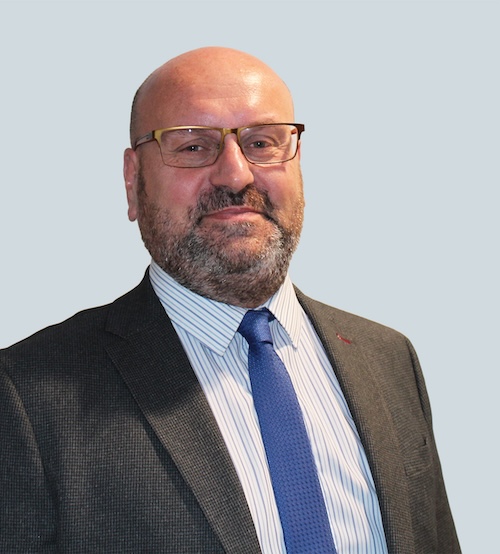
John Kersh,

VP of International development,

Anytime Fitness
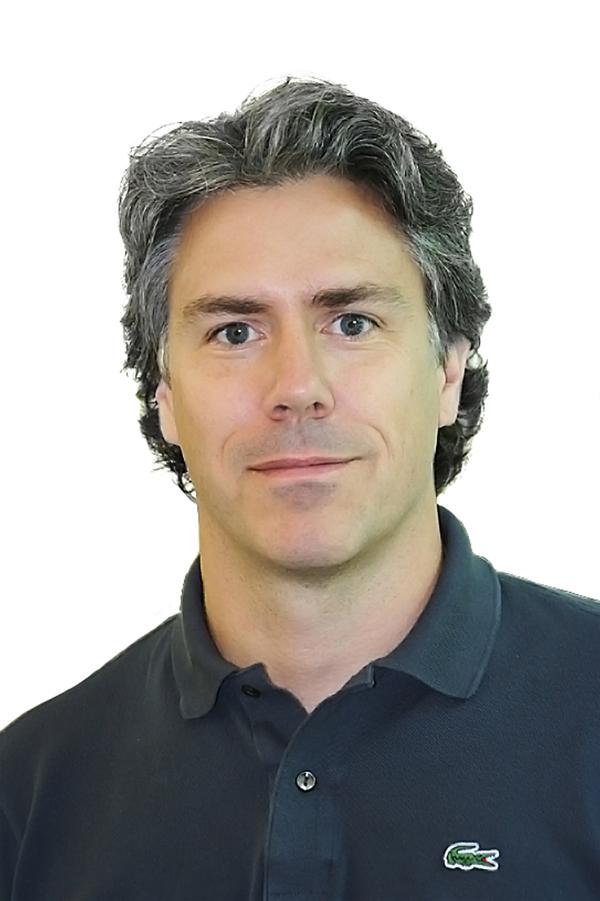
John Kersh
John Kersh

“International expansion is resource heavy and the risks are high, and even successful global brands in well-established industries aren’t immune to failure. In the franchising and licensing sector, even the likes of Burger King, Starbucks, Subway and other global F&B brands have been forced to pull out of numerous countries.

What major global brands have in common is that they’re actually a collection of local brands woven together with unifying systems, principles and marketing. They’re both global and local at the same time. The fitness industry is no different, and the economics of the business model itself can be significantly different across borders.

This is where the franchise model excels. Franchisees apply their culture and personality to the business, and go to great lengths to localise the offering to appeal to regional differences.

Ultimately, global expansion is not for the faint of heart or the undercapitalised. For a fitness company to gain global success, it will need to find great local partners in foreign markets who share its DNA, be open to adapting its model to local tastes, and be financially prepared for the process to take longer and cost more than planned.”

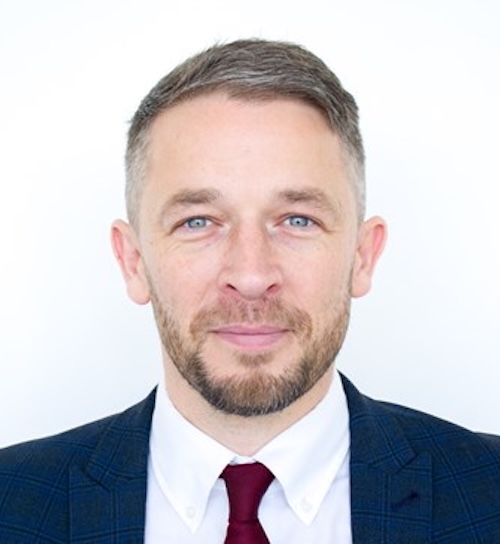
Brent Leffel,

President,

NeV
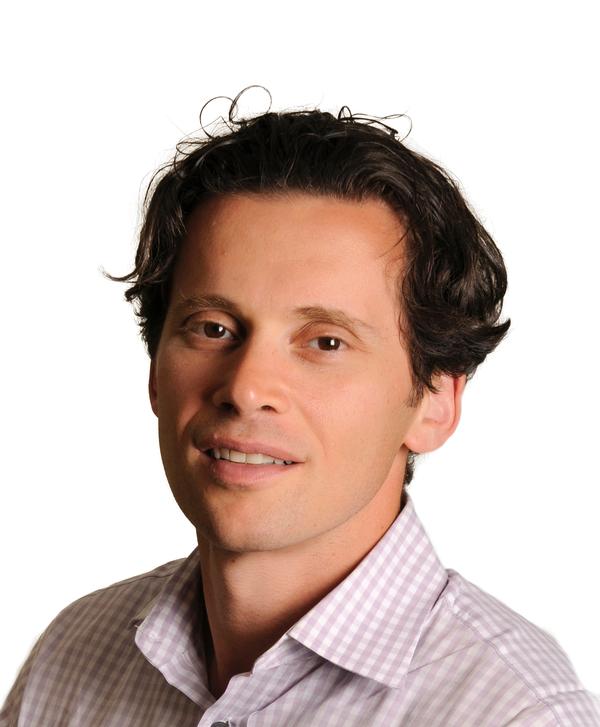
Brent Leffel
Brent Leffel

“Our chair Mark Mastrov has built fitness brands in virtually every market in the world, and the main considerations are always the same. Location, location, location, and the need to localise the brand – regardless of whether you’re selling a hotel room, gym membership or apparel.

We think branded fitness concepts are scaleable by applying a number of key principles: make strong real estate selections, and use the brand to create ‘sensationalism’ in the local market, build awareness and attract the best staff.

Remember that, while the brand may be the thing that first brings the customer through the door, it’s the culture and energy of a club and its points of differentiation such as programming that keep them coming back.

Transport your brand’s culture and energy so it resonates with the local market. One strategy is to create an online community for members, instructors and trainers to develop a link between the global brand and the local neighbourhood.

The fitness business is all about people, and NeV is focused on aligning with the right partners, gaining local connectivity, and accessing the ‘influencers’. Without this, global expansion of a fitness brand will fail.”

Tony De Leede,

CEO,

Fit n Fast
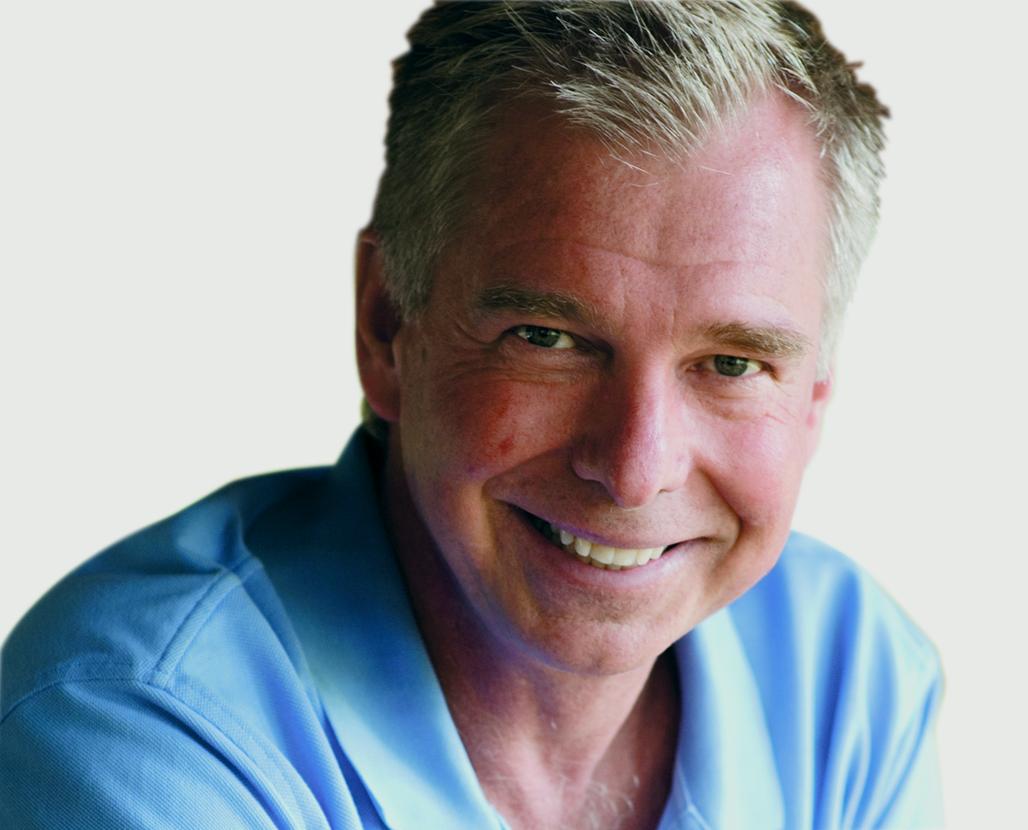
Tony De Leede
Tony De Leede

“Global expansion in the fitness industry is fraught with difficulties, and there still hasn’t been a big name that’s sustained major growth in overseas markets.

Fitness First was probably the closest that a large, company-owned group came to achieving significant global expansion, but each of its international regions went through their own highs and lows. In the first eight years, Fitness First Australia experienced amazing growth, accounting for a high percentage of the group’s overall profits from a 25 per cent share of the total clubs. Since then, the new owners have sold off around 20 per cent of the clubs, with a consequent reduction in overall profits.

Obviously there are major challenges around working in different languages and cultures. This is where you would think the franchise system might be more successful than a fitness business with company roots, as franchisees tend to be local people who are close to the community and work extremely hard at their business. And yet franchise fitness models also seem to have failed at a fairly strong rate around the world.

I feel that, because we’re still a very young industry, there’s no real history or consistency we can point to where we can say: ‘This is how it’s done.’”

Scott Lloyd,

CEO,

David Lloyd Leisure
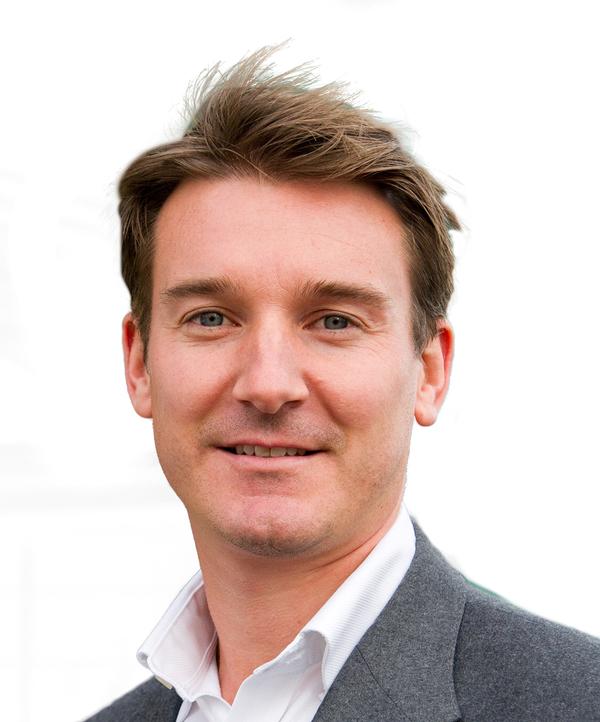
Scott Lloyd
Scott Lloyd

“As DLL specifically operates much larger, family-type facilities, our property, development and capital needs for expanding globally are going to be very different from, say, the budget clubs.

Firstly, our lead times will be much longer, but once sites are established they become quality assets delivering strong returns in high profile locations. As they are large, they also benefit from their own economies of scale and so are less dependent on the local infrastructure in this respect.

We want our future scaleability in global markets to more closely follow the funding and development models of the four- and five-star hotel chains. This model, which is still a new concept for the fitness sector, brings together management contracts and property investment partners in local territories.

While brand and operational standards can be replicated quite easily, tapping into local investment knowledge is key. There’s the added benefit that investors will tend to approach us with the best opportunities, rather than us having to put manpower on the ground to find the right places.

Where the model differs from the hotel chains is that, while those businesses serve a travelling public, global fitness brands must create strong member connections in all local markets.”
Sign up here to get HCM's weekly ezine and every issue of HCM magazine free on digital.
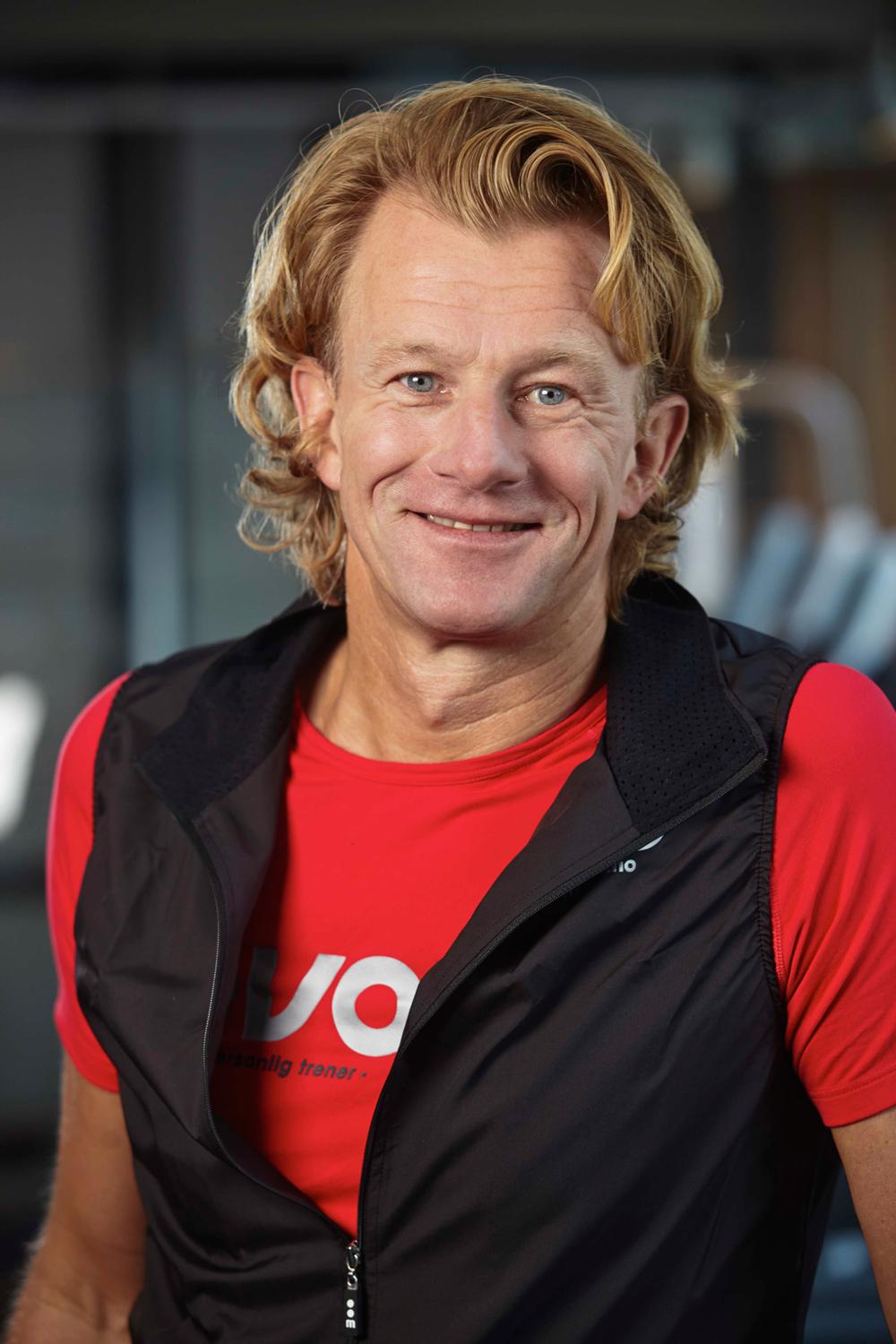
Bård Windingstad: CEO
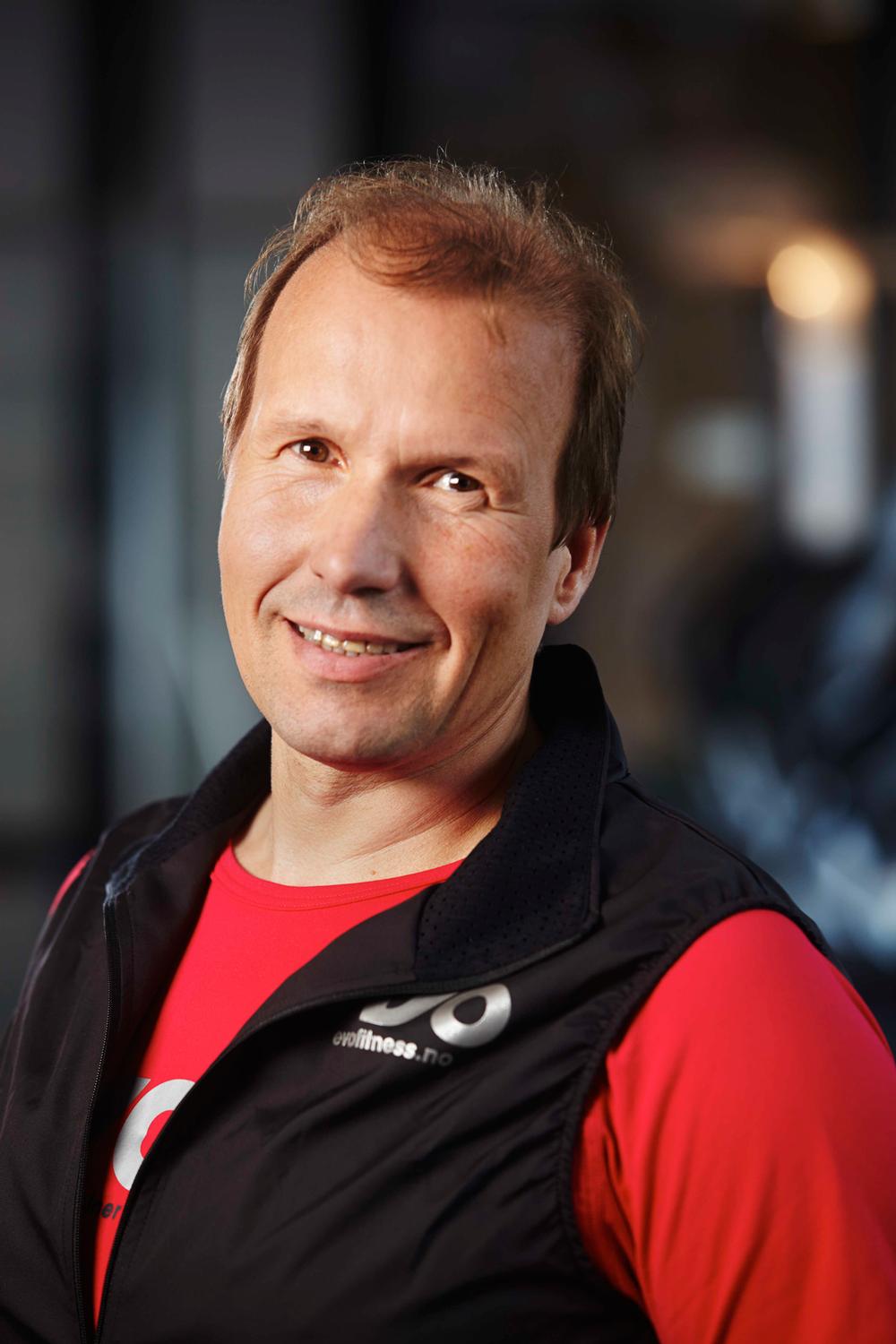
Peter Byman: International development
PT is currently booming in Norway, while group exercise is falling
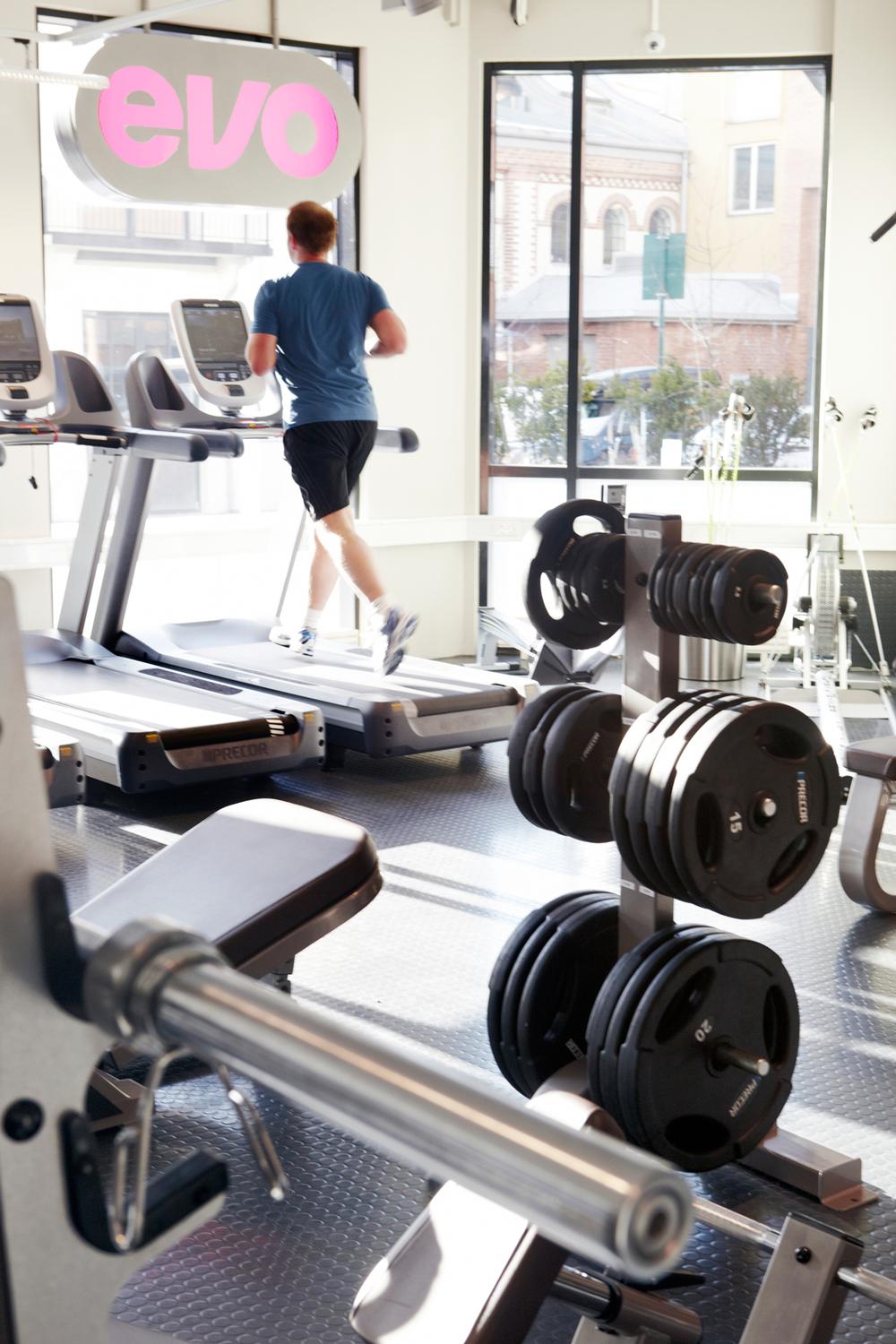
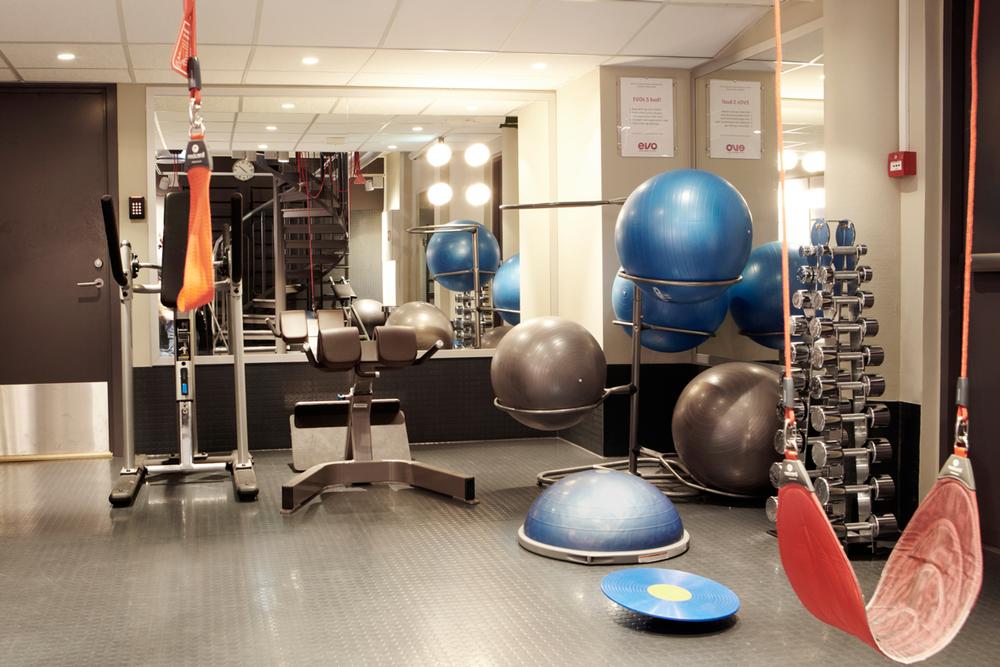
Compact training: Evo Fitness typically offers 
60 pieces of equipment 
in a 450sq m club
Compact training: Evo Fitness typically offers 60 pieces of equipment in a 450sq m club
Signs placed around the clubs reinforce the ‘feelgood’ rules and encourage members to be considerate
https://www.leisureopportunities.co.uk/images/HCM2013_10global.gif
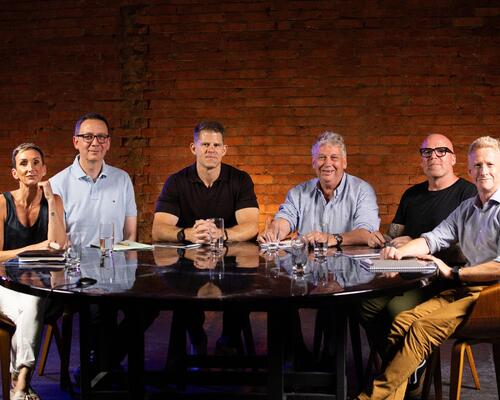
What are the challenges faced by fitness brands looking to expand globally? Is there an ideal model for international success? We ask our panel of experts
John Kersh, Anytime Fitness, Brent Leffel, NeV, Tony de Leede, Fit n Fast, scott lloyd David Lloyd Leisure,David Lloyd
HCM magazine
HCM People

Stephen Price

Founder, SP&Co Group
Working in public health over the last few years has lit up parts of my brain again
HCM magazine
Strength training is evolving, driven by changing consumer preferences. Julie Cramer talks to innovators about how their products are meeting this demand
HCM magazine
For every member with a tripod and a big following, there are others irritated at the way equipment is being hogged or wary they’ll be in the background on someone’s Insta feed. Do influencers offer valuable, free marketing or are they just a nuisance? Kath Hudson finds out how operators are responding
HCM magazine
Small improvements to sleep, diet and physical activity have major benefits for the heart, according to new research from the University of Sydney
HCM magazine
If the health service is to survive, we must recognise that it is a disease service – and that wellbeing rests with us, says the activity advocate and healthy ageing champion. He talks to Kate Cracknell
HCM promotional features
Sponsored
Starpool supports Olympic champion Marcell Jacobs, says Riccardo Turri
HCM promotional features
Sponsored
SnowDome Fitness has added 50 per cent more space with cutting-edge Technogym solutions
HCM promotional features
Sponsored
David Lloyd is stepping up its commitment to women’s health as it continues to explore what fit-for-purpose looks like for the female population
HCM promotional features
Sponsored
Greg Bradley looks at the shift towards strength training in gyms and advises on how operators can create the ultimate training environment
HCM promotional features
Sponsored
Third Space partnered with IndigoFitness to deliver a bespoke training space for its new club at The Whiteley
HCM promotional features
Sponsored
Find out how your gym can tap into the corporate wellness boom
HCM promotional features
Sponsored
EGYM has opened a new HQ in Paternoster Square, London and revealed a range of new launches
HCM promotional features
Sponsored
Pulse Fitness has created a new health club delivering an elevated wellness experience
HCM promotional features
Promotion
Performance Health Systems, manufacturer of Power Plate, has a new CEO, with an ambitious vision for the company
HCM promotional features
Latest News
Nuffield Health has told HCM that it takes its responsibilities towards its colleagues seriously and ...
Latest News
Technogym has announced the launch of the Run X World Treadmill Championship, the first world ...
Latest News
Shocked by the UK loneliness statistics, charitable trust Mytime Active has been doubling down on ...
Latest News
Portugal’s leading operator, SC Fitness, is celebrating a milestone by reaching 100 gyms.  The company ...
Latest News
Australia’s fast-growing fitness network, Viva Leisure, is adding a low-cost gym brand to its already ...
Latest News
Speedflex has launched a strength training programme for 10 to 16-year-olds, to make it safer, ...
Latest News
Tewinbury Farm Hotel in Hertfordshire, UK is expanding its premium leisure proposition with the launch ...
Latest News

Work is underway in Madrid on one of Europe’s most significant multi-functional complexes, ...

Opinion
promotion
Strength training has moved from the margins to the mainstream.
Opinion: Building smarter strength spaces for today’s operators
Featured supplier news
Featured supplier news: Supporting long-term health: why whole body vibration belongs in clinical settings
As healthcare continues to shift towards prevention, there’s a growing focus on helping people stay active, independent and feeling good for longer.
Featured supplier news
Featured supplier news: Elevate 2026 to mark 10-year anniversary with biggest ever waterfront drinks reception
Elevate is set to celebrate its 10th anniversary in style this June, with organisers confirming the event’s largest-ever drinks reception as registrations continue to run more than 10% ahead of last year.
Company profiles
Company profile: WellnessSpace Brands
WellnessSpace Brands provides innovative wellness solutions like HydroMassage, CryoLounge+, and RelaxSpace Pods— designed for convenient, ...
Company profiles
Company profile: Escape Fitness Ltd
Escape Fitness has driven fitness innovation for 20+ years. Founded by engineer Richard Januszek and ...
Supplier Showcases
Supplier Showcase - From nightclub to health club
Supplier Showcases
Supplier Showcase - Future-proofing
Catalogue Gallery
Click on a catalogue to view it online
Featured press releases
GYMNATION press release: Massive ‘Good Luck’ message appears in Saudi Desert as Green Falcons head to World Cup
Passengers flying out of Riyadh this week have been treated to an extraordinary sight from the skies after GymNation unveiled a giant desert sand mural supporting the Saudi Arabia National Football Team ahead of the FIFA World Cup in the United States.
Featured press releases
BLK BOX press release: BLK BOX strengthens European growth with the appointment of Germany country manager Timo Garrels
BLK BOX is proud to welcome Timo Garrels as Germany country manager, marking another important step in the brand’s continued growth across Europe.
Directory
Water experiences and hydrotherapy solutions
Aquaform s.r.l.: Water experiences and hydrotherapy solutions
Industrial washing machines
Miele Company Limited: Industrial washing machines
Hot tubs
MSpa International Ltd: Hot tubs
Lockers
Crown Sports Lockers: Lockers
Fitness tracking platform
SpiviTech: Fitness tracking platform
Spa and beauty equipment
Living Earth Crafts: Spa and beauty equipment
Property & Tenders
Stratford, East London.
Lee Valley Regional Park Authority
Property & Tenders
Y Felinheli, LL56 4QN
Newmark
Property & Tenders
Diary dates
13-13 Jun 2026
Worldwide, Various,
Diary dates
21-24 Sep 2026
The Langham Huntington Pasadena , Pasadena, United States
Diary dates
06-08 Oct 2026
Messe Stuttgart, Stuttgart, Germany
Diary dates
22-22 Oct 2026
QEII Conference Centre, London,
Diary dates
26-29 Oct 2027
Koelnmesse Exhibition Centre, Cologne, Germany
Diary dates

features

Everyone's talking about...: Global brands

What are the challenges faced by fitness brands looking to expand globally, and what’s the best model for international success? We ask our panel of experts

By Julie Cramer | Published in Health Club Management 2013 issue 10

While there are successful global brands in many industries, from fashion and beauty to hotel and restaurant chains, when you consider the health and fitness industry there are few, if any, brands that have been truly successful on a global scale.

After a phase of rapid expansion several years ago, Fitness First might be the closest a brand has come to enjoying the financial rewards of major global expansion. The business grew at a brisk pace across Europe, Asia, Australia and the Middle East – the latter under a licence – reaching a peak of over 500 clubs. But in recent years it’s sold its portfolio in Benelux, France, Spain and Italy and closed a significant number of clubs in the UK.

But it’s not only company-owned operations that have struggled: franchises have too. Curves, for example – once among the fastest-growing franchises in the world – has seen its estate shrink dramatically over recent years.

Was recession the only reason for these brands having to cut back, or did they just get too big, too soon? Is it simply not possible to scale a fitness brand globally? According to Tony de Leede, CEO of Fit n Fast in Australia, operating in overseas markets holds many challenges: “For example, the rejection rate on cheque-based accounts and credit cards in Asia is five to 10 times higher than in Western countries, so paid-in-full memberships are advisable.”

Are there any lessons to be learned from major global hotel chains, which seem to have achieved international expansion, even in very new markets, relatively easily? Or is this because their customers tend to be global travellers rather than local? Are the challenges for health clubs very different from hotels, as clubs must attract and retain an indigenous market?

Can clubs be global and local at the same time, and how do they adapt brand and service standards, management systems and recruitment to ensure their relevance in culturally diverse markets?

John Kersh,

VP of International development,

Anytime Fitness

John Kersh
John Kersh

“International expansion is resource heavy and the risks are high, and even successful global brands in well-established industries aren’t immune to failure. In the franchising and licensing sector, even the likes of Burger King, Starbucks, Subway and other global F&B brands have been forced to pull out of numerous countries.

What major global brands have in common is that they’re actually a collection of local brands woven together with unifying systems, principles and marketing. They’re both global and local at the same time. The fitness industry is no different, and the economics of the business model itself can be significantly different across borders.

This is where the franchise model excels. Franchisees apply their culture and personality to the business, and go to great lengths to localise the offering to appeal to regional differences.

Ultimately, global expansion is not for the faint of heart or the undercapitalised. For a fitness company to gain global success, it will need to find great local partners in foreign markets who share its DNA, be open to adapting its model to local tastes, and be financially prepared for the process to take longer and cost more than planned.”

Brent Leffel,

President,

NeV

Brent Leffel
Brent Leffel

“Our chair Mark Mastrov has built fitness brands in virtually every market in the world, and the main considerations are always the same. Location, location, location, and the need to localise the brand – regardless of whether you’re selling a hotel room, gym membership or apparel.

We think branded fitness concepts are scaleable by applying a number of key principles: make strong real estate selections, and use the brand to create ‘sensationalism’ in the local market, build awareness and attract the best staff.

Remember that, while the brand may be the thing that first brings the customer through the door, it’s the culture and energy of a club and its points of differentiation such as programming that keep them coming back.

Transport your brand’s culture and energy so it resonates with the local market. One strategy is to create an online community for members, instructors and trainers to develop a link between the global brand and the local neighbourhood.

The fitness business is all about people, and NeV is focused on aligning with the right partners, gaining local connectivity, and accessing the ‘influencers’. Without this, global expansion of a fitness brand will fail.”

Tony De Leede,

CEO,

Fit n Fast

Tony De Leede
Tony De Leede

“Global expansion in the fitness industry is fraught with difficulties, and there still hasn’t been a big name that’s sustained major growth in overseas markets.

Fitness First was probably the closest that a large, company-owned group came to achieving significant global expansion, but each of its international regions went through their own highs and lows. In the first eight years, Fitness First Australia experienced amazing growth, accounting for a high percentage of the group’s overall profits from a 25 per cent share of the total clubs. Since then, the new owners have sold off around 20 per cent of the clubs, with a consequent reduction in overall profits.

Obviously there are major challenges around working in different languages and cultures. This is where you would think the franchise system might be more successful than a fitness business with company roots, as franchisees tend to be local people who are close to the community and work extremely hard at their business. And yet franchise fitness models also seem to have failed at a fairly strong rate around the world.

I feel that, because we’re still a very young industry, there’s no real history or consistency we can point to where we can say: ‘This is how it’s done.’”

Scott Lloyd,

CEO,

David Lloyd Leisure

Scott Lloyd
Scott Lloyd

“As DLL specifically operates much larger, family-type facilities, our property, development and capital needs for expanding globally are going to be very different from, say, the budget clubs.

Firstly, our lead times will be much longer, but once sites are established they become quality assets delivering strong returns in high profile locations. As they are large, they also benefit from their own economies of scale and so are less dependent on the local infrastructure in this respect.

We want our future scaleability in global markets to more closely follow the funding and development models of the four- and five-star hotel chains. This model, which is still a new concept for the fitness sector, brings together management contracts and property investment partners in local territories.

While brand and operational standards can be replicated quite easily, tapping into local investment knowledge is key. There’s the added benefit that investors will tend to approach us with the best opportunities, rather than us having to put manpower on the ground to find the right places.

Where the model differs from the hotel chains is that, while those businesses serve a travelling public, global fitness brands must create strong member connections in all local markets.”
Sign up here to get HCM's weekly ezine and every issue of HCM magazine free on digital.
Bård Windingstad: CEO
Peter Byman: International development
PT is currently booming in Norway, while group exercise is falling
Compact training: Evo Fitness typically offers 
60 pieces of equipment 
in a 450sq m club
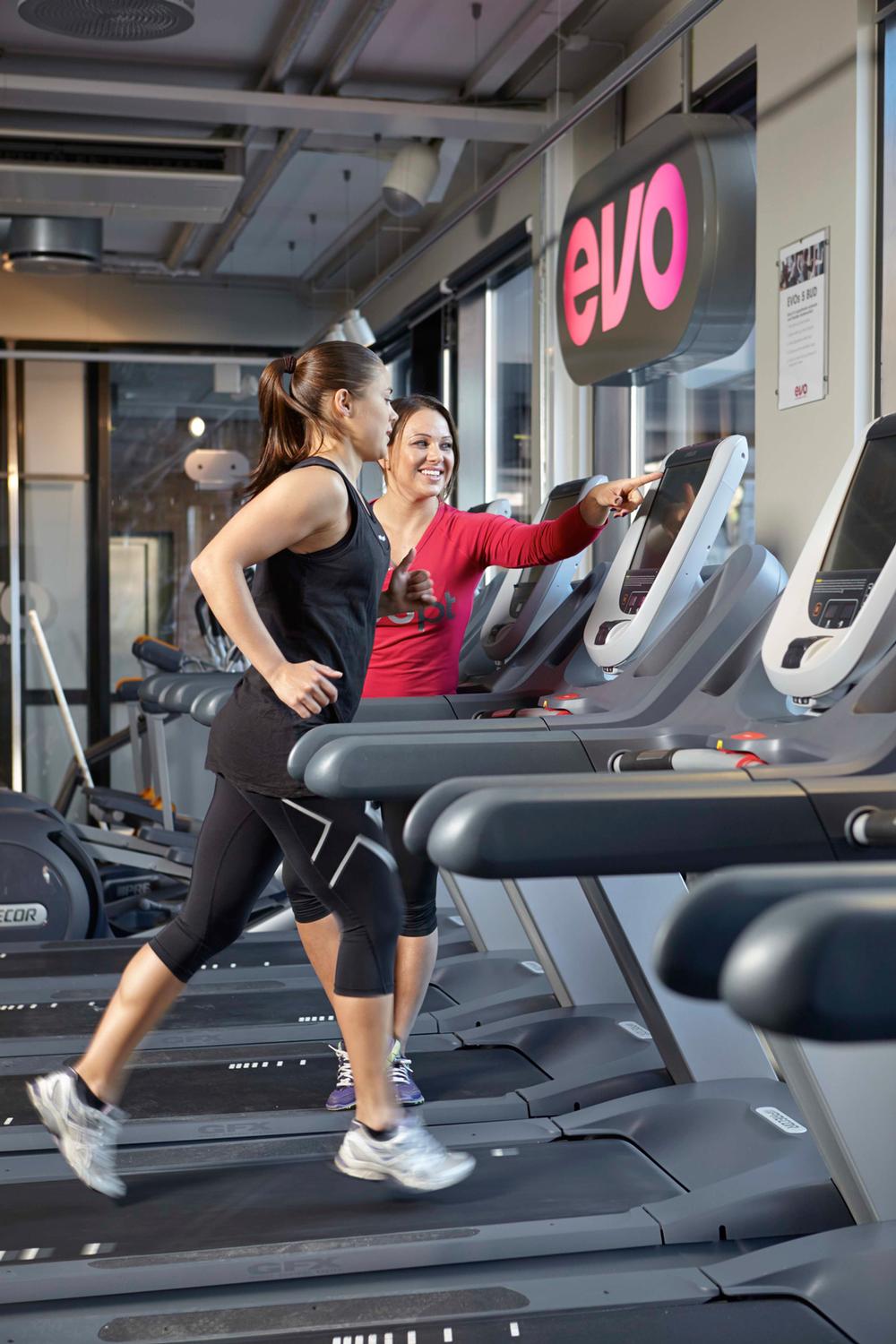
Compact training: Evo Fitness typically offers 60 pieces of equipment in a 450sq m club
Signs placed around the clubs reinforce the ‘feelgood’ rules and encourage members to be considerate
https://www.leisureopportunities.co.uk/images/HCM2013_10global.gif
What are the challenges faced by fitness brands looking to expand globally? Is there an ideal model for international success? We ask our panel of experts
John Kersh, Anytime Fitness, Brent Leffel, NeV, Tony de Leede, Fit n Fast, scott lloyd David Lloyd Leisure,David Lloyd
Latest News
Nuffield Health has told HCM that it takes its responsibilities towards its colleagues seriously and ...
Latest News
Technogym has announced the launch of the Run X World Treadmill Championship, the first world ...

Latest News
Shocked by the UK loneliness statistics, charitable trust Mytime Active has been doubling down on ...

Latest News
Portugal’s leading operator, SC Fitness, is celebrating a milestone by reaching 100 gyms.  The company ...
Latest News
Australia’s fast-growing fitness network, Viva Leisure, is adding a low-cost gym brand to its already ...
Latest News
Speedflex has launched a strength training programme for 10 to 16-year-olds, to make it safer, ...
Latest News
Tewinbury Farm Hotel in Hertfordshire, UK is expanding its premium leisure proposition with the launch ...
Latest News

Work is underway in Madrid on one of Europe’s most significant multi-functional complexes, ...

Latest News
PureGym is encouraging people to step away from their screens and go for a walk, ...
Latest News
Small improvements to sleep, diet quality, and physical activity, made in combination lead to a ...
Latest News
Therme Manchester’s 28-acre development, which will include interconnected glass pavilions that measure 65,000sq m, will ...
Opinion
promotion
Strength training has moved from the margins to the mainstream.
Opinion: Building smarter strength spaces for today’s operators
Featured supplier news
Featured supplier news: Supporting long-term health: why whole body vibration belongs in clinical settings
As healthcare continues to shift towards prevention, there’s a growing focus on helping people stay active, independent and feeling good for longer.
Featured supplier news
Featured supplier news: Elevate 2026 to mark 10-year anniversary with biggest ever waterfront drinks reception
Elevate is set to celebrate its 10th anniversary in style this June, with organisers confirming the event’s largest-ever drinks reception as registrations continue to run more than 10% ahead of last year.
Company profiles
Company profile: WellnessSpace Brands
WellnessSpace Brands provides innovative wellness solutions like HydroMassage, CryoLounge+, and RelaxSpace Pods— designed for convenient, ...
Company profiles
Company profile: Escape Fitness Ltd
Escape Fitness has driven fitness innovation for 20+ years. Founded by engineer Richard Januszek and ...
Supplier Showcases
Supplier Showcase - From nightclub to health club
Supplier Showcases
Supplier Showcase - Future-proofing
Catalogue Gallery
Click on a catalogue to view it online
Featured press releases
GYMNATION press release: Massive ‘Good Luck’ message appears in Saudi Desert as Green Falcons head to World Cup
Passengers flying out of Riyadh this week have been treated to an extraordinary sight from the skies after GymNation unveiled a giant desert sand mural supporting the Saudi Arabia National Football Team ahead of the FIFA World Cup in the United States.
Featured press releases
BLK BOX press release: BLK BOX strengthens European growth with the appointment of Germany country manager Timo Garrels
BLK BOX is proud to welcome Timo Garrels as Germany country manager, marking another important step in the brand’s continued growth across Europe.
Directory
Water experiences and hydrotherapy solutions
Aquaform s.r.l.: Water experiences and hydrotherapy solutions
Industrial washing machines
Miele Company Limited: Industrial washing machines
Hot tubs
MSpa International Ltd: Hot tubs
Lockers
Crown Sports Lockers: Lockers
Fitness tracking platform
SpiviTech: Fitness tracking platform
Spa and beauty equipment
Living Earth Crafts: Spa and beauty equipment
Property & Tenders
Stratford, East London.
Lee Valley Regional Park Authority
Property & Tenders
Y Felinheli, LL56 4QN
Newmark
Property & Tenders
Diary dates
13-13 Jun 2026
Worldwide, Various,
Diary dates
21-24 Sep 2026
The Langham Huntington Pasadena , Pasadena, United States
Diary dates
06-08 Oct 2026
Messe Stuttgart, Stuttgart, Germany
Diary dates
22-22 Oct 2026
QEII Conference Centre, London,
Diary dates
26-29 Oct 2027
Koelnmesse Exhibition Centre, Cologne, Germany
Diary dates
Search news, features & products:
Find a supplier:
Elevate Arena
Elevate Arena
Partner sites