



















Latest news
Parties go head-to-head over alcohol plans
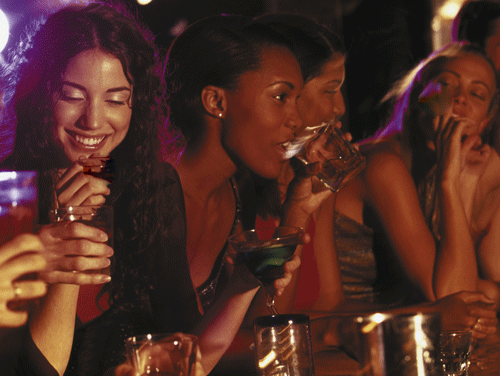
Both the Labour and the Conservative parties have set out their respective plans for dealing with alcohol abuse and anti-social behaviour.
Home secretary Alan Johnson set out five mandatory conditions, which will apply to all alcohol retailers to ensure "consistent good practice", including the prohibition of all-you-can-drink promotions. Other conditions will include the banning of 'dentist's chairs', where drink is poured directly into the mouth of customers, as well as the provision of free tap water, ensuring age verification policies are in place to prevent underage drinking and making sure smaller measures of beers, wines and spirits are available to increase consumer choice.
Johnson said: "Any premises that breach the mandatory code or any secondary conditions that have been imposed will face a range of possible sanctions, including losing their licence, having additional tough conditions imposed or, on summary conviction, a maximum £20,000 fine and/or six months imprisonment." The mandatory code will be introduced in two stages, with the first three conditions being implemented from 6 April. The remaining measures will come into effect from 1 October.
In response to Johnson's plans, British Beer and Pub Association chief executive Brigid Simmonds said: "Pubs are struggling and the country is in recession. This is not the time for the Home Office to be burying business in yet more unnecessary red tape. "All the powers needed to deal with problem premises already exist. The trouble is poor enforcement of the current laws. Just adding to that pile is unhelpful."
Meanwhile, shadow home secretary Chris Grayling has outlined plans to give local authorities and police forces stronger powers over licensing if the Conservatives win the next election. In a draft manifesto pledge, Grayling also proposed a tax hike on super-strength beers, ciders and alcopops, as well as a ban on supermarkets and off-licences selling alcohol below the cost price.
Grayling said: "Our proposed changes would put law back on the side of the citizen and get rid of some of the things that make law-abiding people so unhappy."
Latest news















Shaun Grove
Owner, Stride Fitness