















Latest news
Gensler’s Ian Mulcahey shares details of Baghdad Sustainable Forest Masterplan


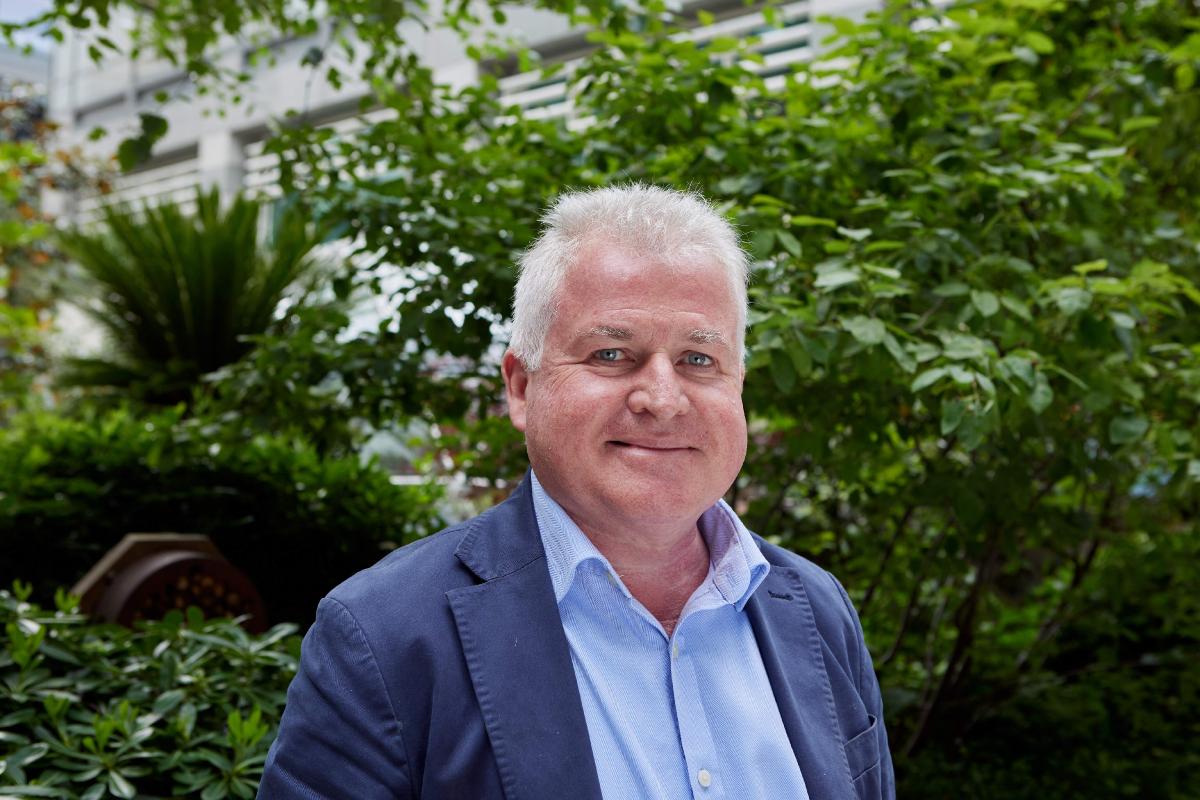
Ian Mulcahey, global director of cities at Gensler, says its masterplan for a former military camp near Baghdad could act as a model for the repair of cities globally.
As part of the rehabilitation of the Iraqi capital, the heavily polluted site will be transformed into an ecological and urban district.
Called Baghdad Sustainable Forests, it will feature an expansive network of forests, parks and green corridors.
Early proposals outline a series of themed forests – including arts and culture, health and wellness, kids and entertainment, and sport and fitness – each designed to cultivate unique experiences and support diverse community needs.
The masterplan is being developed in partnership with Emkanat, and reflects Iraq’s 2023–2030 National Environmental Strategy, which aims to restore degraded land and counter desertification.
“Healing is embedded as a key principle, both for the land and for the people,” said Mulcahey in an exclusive interview with CLADmag. “The masterplan focuses on restoring the environment through extensive planting and ecological restoration while simultaneously creating spaces where communities can be immersed in the forests and parks that will become new green lungs for Baghdad.
The development aims to restore a site filled with 45 million tonnes of waste. In its place, Gensler proposes a constellation of mixed-use ‘lifestyle villages’ woven carefully into the landscape. These will be connected by shaded streets and pedestrian-friendly plazas that encourage walking, cycling and e-scooter use, creating an accessible and human-centred public realm.
Collectively, the villages are planned to deliver around 1.5 million square metres of commercial and retail space, offering hubs for business, education and leisure.
A sequence of architectural gateways will define key entry points to the district. The most prominent will be the 260-metre-high Al Rasheed Gateway tower, envisioned as a striking vertical marker with a tapered, curved form rising from a rounded square base. Another significant intervention, the River Gateway, will reopen a previously inaccessible stretch of the Tigris River, reconnecting the site to one of Baghdad’s most historic natural assets. Additional landmarks, such as the 110-metre National Pavilion, signal the project’s ambition to become a symbol of renewal for the city.
“Culture is the beating heart of this project,” said Mulcahey. “Baghdad’s rich artistic and intellectual heritage has always been a source of identity and pride, and the design aims to amplify this spirit. By integrating leisure and culture in the parks and gathering spaces, the plan seeks to support wellbeing and communal healing.
“The biggest challenge for this site is its scale, comprising 1,000 hectares of disused land at the heart of the city. The existing landscape created specific challenges; it was arid, contaminated land within a harsh climate. Yet we saw an immense opportunity; a blank canvas for bold urban design. By blending the expertise of our urban designers and landscape architecture team, along with engineers and forest strategy consultants, we were able to quickly spot and mitigate challenges. What began as a degraded site now has powerful potential to economically renew the city.”
To read the full interview on digital, click here. To read online, click here.
To sign up for your complimentary copy of CLADmag, click here.

Latest news














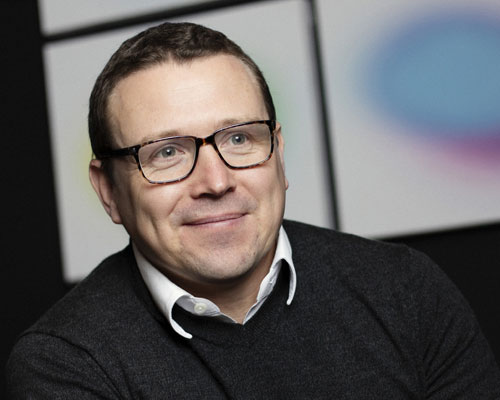
Stephen Price
Founder, SP&Co Group
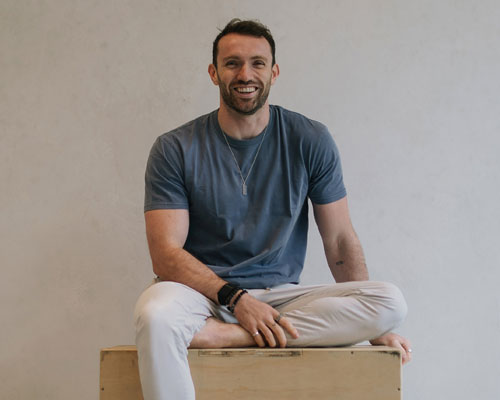
Jamie Clements
The Breath Coach