
















GET HCM
magazine
Sign up for the FREE digital edition of HCM magazine and also get the HCM ezine and breaking news email alerts.
Not right now, thanksclose this window I've already subscribed!
Follow Health Club Management on Twitter Like Health Club Management on Facebook Join the discussion with Health Club Management on LinkedIn
FITNESS, HEALTH, WELLNESS

features

Sports science: Exercise non-responders

We all know how important results are in motivating members. So what happens if people’s physiology means they struggle to get results in certain areas? Kristoph Thompson reports

By Kristoph Thompson | Published in Health Club Management 2013 issue 2
research shows the body’s ability to increase strength and muscle size also has a genetic component

Exercise non-responders: it seems an improbable term. Can it really be that there are people whose physiological make-up means they struggle to improve their fitness, despite regular training?

Although initial reviews of the research could be interpreted to show that exercise non-responders account for a significant proportion of members, most studies investigate just one of many possible adaptations to exercise. In fact, the good news is that, even if someone doesn’t respond in one area, such as VO2 max, they’re likely to respond in another.

Nevertheless, non-response is a phenomenon of which operators should be aware. Recognising an individual’s ability to respond to exercise across the various measures, and adapting programming where necessary, will be key to ensuring each member sees results and remains motivated.

Averages and outliers
Health-based research has historically dealt with averages, examining changes in the majority of subjects: when trying to produce a simple health promotion message, the most appropriate and practicable approach is to assess average change across groups of subjects. If the majority show a significant improvement, the intervention is deemed successful.

It’s generally accepted that for a given trait, the results will follow a bell curve, or normal distribution. The majority of individuals will lie in the middle, clustered around the average, with a small number located at either end with particularly high or low scores. The individuals at either end are known as outliers, and for the majority of research purposes are lumped together with the rest of the population, or in some cases ignored altogether.

We spent last summer watching the fantastic sporting exploits of the world’s best outliers – because the majority of Olympic teams are made up of the small percentage of people who possess exactly the right combination of physical and psychological attributes to reach the top. While we’re all aware of the lucky few with outstanding trainability – the ability to respond to and adapt to training – an understanding of those who make little or no adaptation to training has been developed relatively recently.

The research
The term ‘non-responder’ was first used by researchers looking into responses to altitude training. Studies reported that, although the majority of VO2 max scores increased as expected, a small number of subjects made no improvement.

A 1998 paper published in the Journal of Applied Physiology suggested that non-responsiveness could be attributed to a physiological pathway required for the necessary adaptations to take place. The authors suggested that genetic factors could be responsible for the differences noted as a result of this pathway, citing research conducted in 1978 as an explanation. The significance of the latest research, led by professor James Timmons of Loughborough University, is the ability to predict exercise non-responsiveness by taking a cheek swab DNA test.

Aerobic capacity
Prof Timmons explains that, for many of the physiological outcomes derived from regular aerobic training – such as increased aerobic capacity, enhanced endurance performance, improved insulin sensitivity and reduced blood pressure – there is a large range of observed improvements. No matter which of these measures are studied, non-responders are readily seen. For some of these variables, such as insulin sensitivity, some studies have found non-response to exceed 20 per cent of the study population.

Early attempts to explain individual differences, and the absence of improvements in VO2 max, suggested that these were related to programme compliance, or that the programmes themselves were inappropriately devised or supervised. However, Timmons’ studies showed that – despite tailoring exercise intensity to the individual participant, ensuring all sessions were supervised by exercise physiologists, including continuous and interval-style training and ensuring full programme compliance – around 20 per cent of all subjects demonstrated improvements in VO2 max of less than 5 per cent, compared to an average improvement of around 14 per cent.

Strength training
Research also shows that, while some people respond well to strength training, others barely respond. In some studies, certain subjects didn’t respond at all.

A 2005 University of Massachusetts study showed that 12 weeks of progressive dynamic exercise resulted in a wide range of responses. The worst responders actually lost 2 per cent of their muscle size and didn’t get any stronger; the best increased muscle size by 59 per cent and strength by 250 per cent. This isn’t the only study to show such results. Subsequent work at the University of Alabama showed that 16 weeks of progressive resistance training failed to bring about any gains in muscle size in 26 per cent of subjects. Both studies were conducted among healthy subjects, none of whom had undertaken any resistance training recently – ie improvements could realistically have been expected in all participants.

It was shown that gains in muscle size were related to satellite cells surrounding the muscle fibres. These cells respond to the microtrauma caused by resistance training, helping to regenerate damaged muscle tissue. Those who saw the greatest gains in muscle size had the highest levels of satellite cells, and an enhanced capacity to produce more satellite cells via training.

Work by both Dennis (2009) and Timmons (2011) also showed that the ability to respond to resistance training was influenced by the presence of certain genes. This body of research shows that the body’s ability to increase strength and muscle size has a genetic component and that, while some hit the genetic jackpot, others are much less fortunate.

Body composition
The emergence of an ‘obesity gene’ some years ago highlights the likelihood that a percentage of the population are more prone to weight gain and find it more difficult to lose weight. Previous research had already identified genetic influences. Early research by Bouchard (1990) involved overfeeding pairs of twins, resulting in a weight gain that varied wildly from 9.48lbs to 29.32lbs.

Bouchard and Tremblay (1990) estimate that 40 per cent of the variability in metabolic rate and energy expenditure is genetically related. Various authors have since shown the contribution numerous genes make to predisposition for weight gain. In fact, Tercjak (2010) suggests that over 100 genes influence obesity, while Faith (1999) found evidence that genes play a role in calorie intake.

What does this mean for exercisers?
At face value, the term ‘non-responder’ may be taken to mean that any positive adaptations to exercise are unachievable, and that exercise undertaken to improve health is a waste of time. Indeed, as previously mentioned, a superficial review of research offers an alarming figure of up to 30 per cent of members potentially classed as non- or low responders.

Thankfully this is far from the full picture: while it’s true that a large percentage of the population may be classed as a non-responder in one outcome measure, they are perfectly capable of making gains in others. This was the subject of a 2010 presentation published in the journal Acta Physiologica. The authors argued that, while an individual may not see much improvement in their VO2 max, there are hundreds of other potential adaptations that occur. They cite research published in 2009 by Vollaard and colleagues which showed that, although some subjects did not increase their VO2 max in response to aerobic exercise, they still showed positive adaptations at a muscular level.

“VO2 max is only one measure of fitness,” says Steve Collins, fitness manager at Freedom Leisure in the UK. “Besides, it’s been shown that VO2 max scores don’t determine who’s going to win a race – there are plenty of other factors that can influence performance.”

Therefore, a client with an interest in running, but with low VO2 max responsiveness, shouldn’t be discouraged from taking up the sport. “By improving their running technique, economy of movement or lactate threshold, it’s still possible to improve their running performance without a change in their VO2 max,” adds Collins.

What the research really highlights is the need for a bespoke approach to training. “What works for one individual more than likely won’t work for another,” says Daniel Sheppard from training provider Sideways8. “The genetic influence only serves to strengthen this point. Trainers and operators should be able to measure progress and have access to a range of alternative approaches to help a client reach their goals.”

Effective programming
With this in mind, if one approach isn’t working, it’s time to try something new in order to see results. “One person might respond to following the standard food pyramid to lose weight, but another may not. At this point it’s time to change your approach – as a trainer, you need to be flexible,” says Collins. “Maybe they will respond better to a low carbohydrate, moderate protein, high fat diet, or maybe they need less protein and more fat or intermittent fasting.

“This applies to training too: some people need less cardio, more weights. Everyone is human, but there are going to be some genetic variations. Don’t assume that what has worked for you will work for your clients as well.”

The ability to suggest a range of alternatives may, however, extend beyond the knowledge of the ‘average’ PT or instructor. “A good PT will have a thorough understanding of the wide range of different methods of training they can use. They will also understand the need for regular evaluation of how their client’s body is responding to the exercise and nutrition programme and adapt accordingly to reach their goals,” explains Dan Reilly, lead tutor at The Training Room personal trainer academy.

This need for a sound knowledge base extends beyond those working on the gym floor. “We recommend studio classes to a lot of our members because of the social element and the group support they offer,” explains Michelle Bletso, group fitness development manager for Everyone Active in the UK. “This means that group exercise instructors need to be communicating and interacting with members in the same way as PTs and gym instructors – they need to be able to suggest changes and progressions to their customers. I often see members doing two or three classes in a row. The instructor needs to challenge the member to work harder in the first class and push them outside of their comfort zone.”

And trying a different approach has been shown to work. Sisson and colleagues (2009) reported that, when the amount of exercise increased, the percentage of VO2 max non-responders went from 43 to 15 per cent. Knowing when, and how, to take a different tack can be the most challenging thing for staff.

Client monitoring
and feedback
In determining whether a particular approach is having the desired effect, regular assessments are needed. “We repeat our test measures every two to three weeks,” says Tom Whitehead, PR manager at UP Fitness. “One of the tools we use is Biosignature Modulation to assess hormonal balance within the body. This allows us to create a bespoke nutritional, supplement and exercise plan and make any changes every few weeks.”

“If you’re not assessing, you’re guessing,” adds Collins. “I use a functional movement screen, as this often highlights poor movement patterns that can hinder progress. Getting the fundamentals in place is necessary with some clients before they can make any progress.”

A PT will be able to closely monitor a client’s progress, but will regular gym-goers receive the same level of attention? “There’s no reason why not,” says Bletso. “It’s a case of raising the bar of expectations for all staff. We’ve developed our own tool to measure staff interactions with clients, because we know those following a programme are much more likely to reach their goals. We can track the length and quality of each interaction, and its impact on a client’s goals.”

Work with what you’ve got
Finding the right programme can be challenging for some, but that doesn’t mean exercise is a lost cause. “Nutrition, digestion, quality and quantity of sleep, and stress levels all influence how someone responds to training,” says Whitehead. “We can influence these – and when we do, people start seeing results.”

“Everyone can improve and respond. They may not be Mo Farah or Jess Ennis, but everyone can get fitter and stronger,” concludes Collins.

Nevertheless, in his 2011 paper Timmons says that, although the chances of being a non-responder for numerous traits is very low, it isn’t zero. When scaled to the human population as a whole, we can’t rule out the existence of tens of thousands of global non-responders. Identifying these individuals and helping them reach their goals is a wholly different challenge.

References

* Booth, F.W. and Laye, M.J. (2010). The future: genes, physical activity and health. Acta Physiol. 199:549-556

* Bouchard C, Tremblay A. (1990). Genetic effects in human energy expenditure components. Int. J. Obes. 14(1):49–55. Discussion:55–8

* Bouchard C, Tremblay A, Despres JP, Nadeau A, Lupien PJ, Theriault G, Dussault J, Moorjani S, Pinault S, Fournier G. (1990). The response to long-term overfeeding in identical twins. N Engl J Med. 322(21):1477–1482

* Chapman, R.F., Stray-Gunderson, J., Levine, B.J. (1998). Individual variation in response to altitude training. J Apply Physiol. 85:1448-1456

* Dennis RA, Zhu H, Kortebein PM, Bush HM, Harvey JF, Sullivan DH, Peterson CA. (2009). Muscle expression of genes associated with inflammation, growth, and remodeling is strongly correlated in older adults with resistance training outcomes. Physiol Genomics. 38(2):169-75

* Faith MS, Rha SS, Neale MC, Allison DB. (1999). Evidence for genetic influences on human energy intake: results from a twin study using measured observations. Behav Genet. 29:145–54

* Hubal, M.J., Gordish-Dressman, H., Thompson, P.D., Price, T.B., Hoffman, E.P., Angelopoulos, T.J., Gordon, P.M., Moyna, N.M., Pescatello, L.S., Visich, P.S., Zoeller, R.F., Seip, R.L., Clarkson, P.M. Variability in muscle size and strength gain after unilateral resistance training. Med Sci Sports Exerc 37: 964–972

* Scoggin, C.H., Doekel, R.D., Kruger, M.H., Zwillich, C.W., Weil, J.V. (1978). Familial aspects of decreased hypoxic drive in endurance athletes. J Appl Physiol. 44:464-464

* Sisson, S.B., Katzmarzyk, P.T., Earnest, C.P., Bouchard, C., Blair, S.N., Church, T.S. (2009). Volume of exercise and fitness nonresponse in sedentary, postmenopausal women. Med Sci Sports Exerc. 41(3):539-45

* Timmons JA. (2011). Variability in training-induced skeletal muscle adaptation. J Appl Physiol. 110(3):846-53

* Tercjak M, Luczynski W, Wawrusiewicz-Kurylonek N, Bossowski A. (2010). The role of FTO gene polymorphism in the pathogenesis of obesity. Pediatr Endocrinol Diabetes Metab 16(2) 109-13

Sign up here to get HCM's weekly ezine and every issue of HCM magazine free on digital.
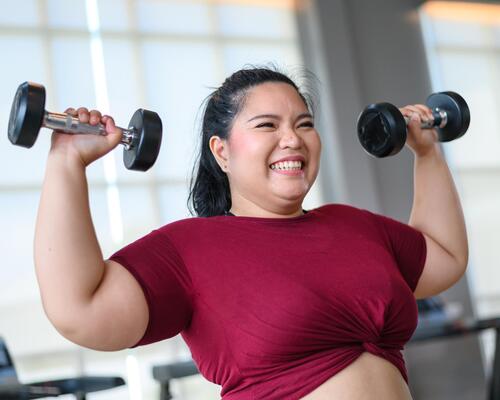
In one training study, the worst responders actually lost 2 per cent muscle size / © shutterstock.com
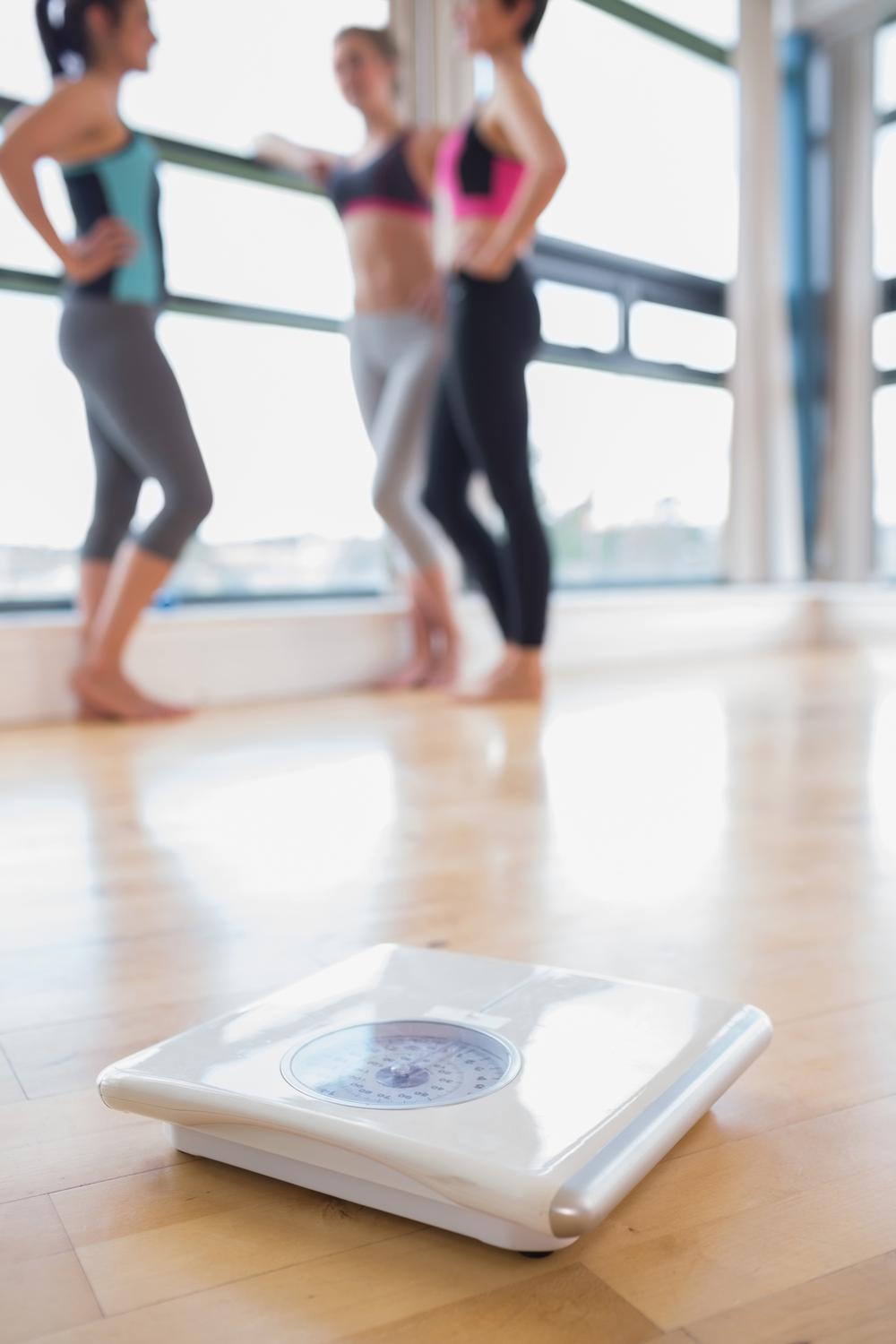
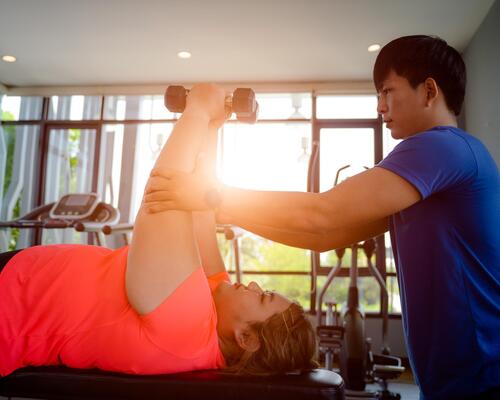
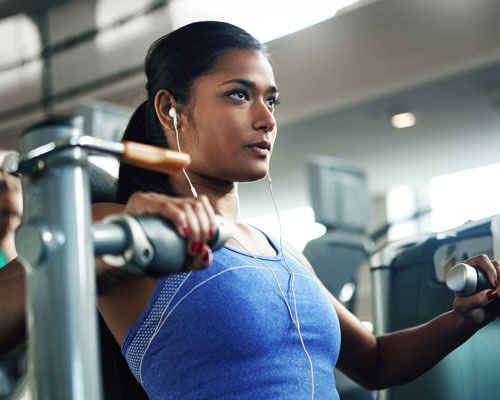
Gyms must recognise the ways in which individuals respond, and programme accordingly / © Andresr/shutterstock.com
Gyms must recognise the ways in which individuals respond, and programme accordingly / © Aleksandr Markin/shutterstock.com
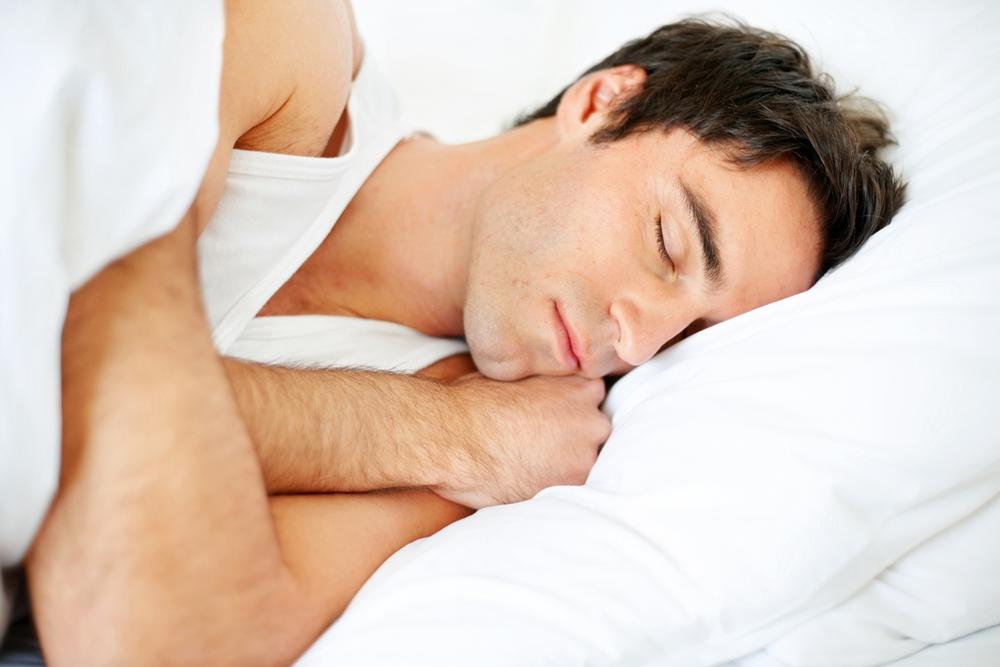
Factors such as sleep, nutrition and stress levels can all affect exercise response / © Yuri Arcurs/shutterstock.com
Factors such as sleep, nutrition and stress levels can all affect exercise response / © wavebreakmedia/shutterstock.com
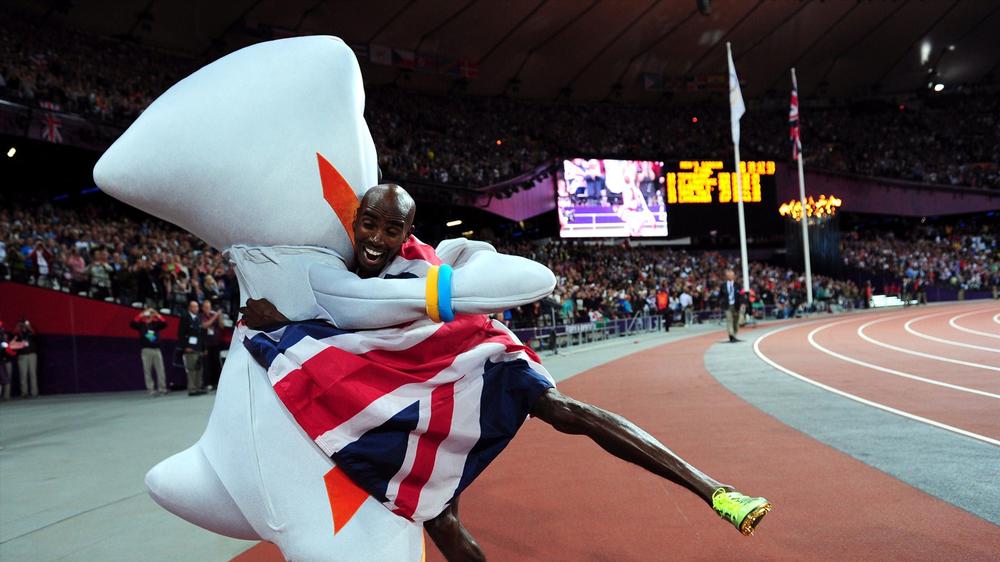
Not everyone will be a top athlete like Mo Farah, but all clients can get fitter and stronger / © gettyimages.com
https://www.leisureopportunities.co.uk/images/HCM2013_2science.gif
What happens if some members' genetic make-up means they won't get results from their workouts? Kristoph Thompson reports
EXERCISE SCIENCE,EXERCISE SCIENCE
HCM magazine
As the entrepreneur who started Wexer, Fresh Fitness, Fitness DK and Repeat, as well as being a former elite athlete, Rasmus Ingerslev’s life looked perfect from the outside, but onthe inside it was a different story. He talks to Kath Hudson about healing old wounds
HCM magazine
Small improvements to sleep, diet and physical activity have major benefits for the heart, according to new research from the University of Sydney
HCM magazine
If the health service is to survive, we must recognise that it is a disease service – and that wellbeing rests with us, says the activity advocate and healthy ageing champion. He talks to Kate Cracknell
HCM magazine
Raphael Cuomo explores the powerful link between addiction, health and behaviour change
HCM magazine
Collaborations with the medical profession and greater aspirations around wellbeing are creating a need for more experts in our sector. It’s time to reboot our thinking around the workforce
HCM promotional features
Sponsored
Third Space partnered with IndigoFitness to deliver a bespoke training space for its new club at The Whiteley
HCM promotional features
Sponsored
Find out how your gym can tap into the corporate wellness boom
HCM promotional features
Sponsored
Greg Bradley looks at the shift towards strength training in gyms and advises on how operators can create the ultimate training environment
HCM promotional features
Sponsored
Starpool supports Olympic champion Marcell Jacobs, says Riccardo Turri
HCM promotional features
Sponsored
David Lloyd is stepping up its commitment to women’s health as it continues to explore what fit-for-purpose looks like for the female population
HCM promotional features
Sponsored
SnowDome Fitness has added 50 per cent more space with cutting-edge Technogym solutions
HCM promotional features
Sponsored
EGYM has opened a new HQ in Paternoster Square, London and revealed a range of new launches
HCM promotional features
Sponsored
Pulse Fitness has created a new health club delivering an elevated wellness experience
HCM promotional features
Sponsored
Active IQ is calling for greater accountability in online fitness advice with the launch of a new trustmark
HCM promotional features
Latest News
Celebrating its 10th anniversary, Elevate has had its busiest show to date, with almost 200 ...
Latest News
A new report from Your Personal Training (YPT) suggests UK gym operators could be missing ...
Latest News
Eighty-four per cent of consumers now say wellness is a top priority in their lives, ...
Latest News
Elevate Arena is underway at London's Excel and the hot topic of AI was the ...
Latest News
PureGym Group has announced that group chief financial officer, Alex Wood, is taking over the ...
Latest News
Independent operator, Fitness Worx Gyms, is introducing private blood testing as a service to members. ...
Latest News
International industry lobbying associations are calling for physical activity and strength training to be deeply ...
Latest News
Global group exercise specialist, Les Mills, is inviting operators to sign up to its Workout ...
Opinion
promotion
Strength training has moved from the margins to the mainstream.
Opinion: Building smarter strength spaces for today’s operators
Featured supplier news
Featured supplier news: CoverMe extends matching service to personal training, rewriting how members and personal trainers connect
CoverMe, the global leader in fitness workforce management, today launches CoverMe PT, an on-demand personal training platform that connects the right personal trainer to the right client in under 10 seconds.
Featured supplier news
Featured supplier news: Elevate 2026 to mark 10-year anniversary with biggest ever waterfront drinks reception
Elevate is set to celebrate its 10th anniversary in style this June, with organisers confirming the event’s largest-ever drinks reception as registrations continue to run more than 10% ahead of last year.
Company profiles
Company profile: Balanced Body
Founded nearly 50 years ago, Balanced Body works with the highest quality materials, and pride ...
Company profiles
Company profile: CoverMe Ltd
CoverMe Fitness, an app for seamless, on-demand management and cover solutions for sports and fitness ...
Supplier Showcases
Supplier Showcase - Future-proofing
Catalogue Gallery
Click on a catalogue to view it online
Featured press releases
Create PT press release: Create sets a new standard with its new personal training diploma
Create's new Personal Training Diploma is built on the depth, real-client practice and coaching judgement that turn a qualification into genuine readiness - taught as one continuous course so that every skill is reinforced and applied, not cleared once and forgotten.
Featured press releases
Leisure Energy press release: Studley Leisure Centre solar panel installation project begins
Stratford-on-Avon District Council is delighted to announce a new solar panel installation project at Studley Leisure Centre, marking an important step towards improving the sustainability of this valued community facility.
Directory
Spa and beauty equipment
Oakworks Inc: Spa and beauty equipment
Fitness tracking platform
SpiviTech: Fitness tracking platform
Hot tubs
MSpa International Ltd: Hot tubs
Water experiences and hydrotherapy solutions
Aquaform s.r.l.: Water experiences and hydrotherapy solutions
Lockers
Crown Sports Lockers: Lockers
Industrial washing machines
Miele Company Limited: Industrial washing machines
Property & Tenders
Stratford, East London.
Lee Valley Regional Park Authority
Property & Tenders
Y Felinheli, LL56 4QN
Newmark
Property & Tenders
Diary dates
22-23 Jun 2026
WX Wakefield , Wakefield, United Kingdom
Diary dates
21-24 Sep 2026
The Langham Huntington Pasadena , Pasadena, United States
Diary dates
06-08 Oct 2026
Messe Stuttgart, Stuttgart, Germany
Diary dates
22-22 Oct 2026
QEII Conference Centre, London,
Diary dates
26-29 Oct 2027
Koelnmesse Exhibition Centre, Cologne, Germany
Diary dates

features

Sports science: Exercise non-responders

We all know how important results are in motivating members. So what happens if people’s physiology means they struggle to get results in certain areas? Kristoph Thompson reports

By Kristoph Thompson | Published in Health Club Management 2013 issue 2
research shows the body’s ability to increase strength and muscle size also has a genetic component

Exercise non-responders: it seems an improbable term. Can it really be that there are people whose physiological make-up means they struggle to improve their fitness, despite regular training?

Although initial reviews of the research could be interpreted to show that exercise non-responders account for a significant proportion of members, most studies investigate just one of many possible adaptations to exercise. In fact, the good news is that, even if someone doesn’t respond in one area, such as VO2 max, they’re likely to respond in another.

Nevertheless, non-response is a phenomenon of which operators should be aware. Recognising an individual’s ability to respond to exercise across the various measures, and adapting programming where necessary, will be key to ensuring each member sees results and remains motivated.

Averages and outliers
Health-based research has historically dealt with averages, examining changes in the majority of subjects: when trying to produce a simple health promotion message, the most appropriate and practicable approach is to assess average change across groups of subjects. If the majority show a significant improvement, the intervention is deemed successful.

It’s generally accepted that for a given trait, the results will follow a bell curve, or normal distribution. The majority of individuals will lie in the middle, clustered around the average, with a small number located at either end with particularly high or low scores. The individuals at either end are known as outliers, and for the majority of research purposes are lumped together with the rest of the population, or in some cases ignored altogether.

We spent last summer watching the fantastic sporting exploits of the world’s best outliers – because the majority of Olympic teams are made up of the small percentage of people who possess exactly the right combination of physical and psychological attributes to reach the top. While we’re all aware of the lucky few with outstanding trainability – the ability to respond to and adapt to training – an understanding of those who make little or no adaptation to training has been developed relatively recently.

The research
The term ‘non-responder’ was first used by researchers looking into responses to altitude training. Studies reported that, although the majority of VO2 max scores increased as expected, a small number of subjects made no improvement.

A 1998 paper published in the Journal of Applied Physiology suggested that non-responsiveness could be attributed to a physiological pathway required for the necessary adaptations to take place. The authors suggested that genetic factors could be responsible for the differences noted as a result of this pathway, citing research conducted in 1978 as an explanation. The significance of the latest research, led by professor James Timmons of Loughborough University, is the ability to predict exercise non-responsiveness by taking a cheek swab DNA test.

Aerobic capacity
Prof Timmons explains that, for many of the physiological outcomes derived from regular aerobic training – such as increased aerobic capacity, enhanced endurance performance, improved insulin sensitivity and reduced blood pressure – there is a large range of observed improvements. No matter which of these measures are studied, non-responders are readily seen. For some of these variables, such as insulin sensitivity, some studies have found non-response to exceed 20 per cent of the study population.

Early attempts to explain individual differences, and the absence of improvements in VO2 max, suggested that these were related to programme compliance, or that the programmes themselves were inappropriately devised or supervised. However, Timmons’ studies showed that – despite tailoring exercise intensity to the individual participant, ensuring all sessions were supervised by exercise physiologists, including continuous and interval-style training and ensuring full programme compliance – around 20 per cent of all subjects demonstrated improvements in VO2 max of less than 5 per cent, compared to an average improvement of around 14 per cent.

Strength training
Research also shows that, while some people respond well to strength training, others barely respond. In some studies, certain subjects didn’t respond at all.

A 2005 University of Massachusetts study showed that 12 weeks of progressive dynamic exercise resulted in a wide range of responses. The worst responders actually lost 2 per cent of their muscle size and didn’t get any stronger; the best increased muscle size by 59 per cent and strength by 250 per cent. This isn’t the only study to show such results. Subsequent work at the University of Alabama showed that 16 weeks of progressive resistance training failed to bring about any gains in muscle size in 26 per cent of subjects. Both studies were conducted among healthy subjects, none of whom had undertaken any resistance training recently – ie improvements could realistically have been expected in all participants.

It was shown that gains in muscle size were related to satellite cells surrounding the muscle fibres. These cells respond to the microtrauma caused by resistance training, helping to regenerate damaged muscle tissue. Those who saw the greatest gains in muscle size had the highest levels of satellite cells, and an enhanced capacity to produce more satellite cells via training.

Work by both Dennis (2009) and Timmons (2011) also showed that the ability to respond to resistance training was influenced by the presence of certain genes. This body of research shows that the body’s ability to increase strength and muscle size has a genetic component and that, while some hit the genetic jackpot, others are much less fortunate.

Body composition
The emergence of an ‘obesity gene’ some years ago highlights the likelihood that a percentage of the population are more prone to weight gain and find it more difficult to lose weight. Previous research had already identified genetic influences. Early research by Bouchard (1990) involved overfeeding pairs of twins, resulting in a weight gain that varied wildly from 9.48lbs to 29.32lbs.

Bouchard and Tremblay (1990) estimate that 40 per cent of the variability in metabolic rate and energy expenditure is genetically related. Various authors have since shown the contribution numerous genes make to predisposition for weight gain. In fact, Tercjak (2010) suggests that over 100 genes influence obesity, while Faith (1999) found evidence that genes play a role in calorie intake.

What does this mean for exercisers?
At face value, the term ‘non-responder’ may be taken to mean that any positive adaptations to exercise are unachievable, and that exercise undertaken to improve health is a waste of time. Indeed, as previously mentioned, a superficial review of research offers an alarming figure of up to 30 per cent of members potentially classed as non- or low responders.

Thankfully this is far from the full picture: while it’s true that a large percentage of the population may be classed as a non-responder in one outcome measure, they are perfectly capable of making gains in others. This was the subject of a 2010 presentation published in the journal Acta Physiologica. The authors argued that, while an individual may not see much improvement in their VO2 max, there are hundreds of other potential adaptations that occur. They cite research published in 2009 by Vollaard and colleagues which showed that, although some subjects did not increase their VO2 max in response to aerobic exercise, they still showed positive adaptations at a muscular level.

“VO2 max is only one measure of fitness,” says Steve Collins, fitness manager at Freedom Leisure in the UK. “Besides, it’s been shown that VO2 max scores don’t determine who’s going to win a race – there are plenty of other factors that can influence performance.”

Therefore, a client with an interest in running, but with low VO2 max responsiveness, shouldn’t be discouraged from taking up the sport. “By improving their running technique, economy of movement or lactate threshold, it’s still possible to improve their running performance without a change in their VO2 max,” adds Collins.

What the research really highlights is the need for a bespoke approach to training. “What works for one individual more than likely won’t work for another,” says Daniel Sheppard from training provider Sideways8. “The genetic influence only serves to strengthen this point. Trainers and operators should be able to measure progress and have access to a range of alternative approaches to help a client reach their goals.”

Effective programming
With this in mind, if one approach isn’t working, it’s time to try something new in order to see results. “One person might respond to following the standard food pyramid to lose weight, but another may not. At this point it’s time to change your approach – as a trainer, you need to be flexible,” says Collins. “Maybe they will respond better to a low carbohydrate, moderate protein, high fat diet, or maybe they need less protein and more fat or intermittent fasting.

“This applies to training too: some people need less cardio, more weights. Everyone is human, but there are going to be some genetic variations. Don’t assume that what has worked for you will work for your clients as well.”

The ability to suggest a range of alternatives may, however, extend beyond the knowledge of the ‘average’ PT or instructor. “A good PT will have a thorough understanding of the wide range of different methods of training they can use. They will also understand the need for regular evaluation of how their client’s body is responding to the exercise and nutrition programme and adapt accordingly to reach their goals,” explains Dan Reilly, lead tutor at The Training Room personal trainer academy.

This need for a sound knowledge base extends beyond those working on the gym floor. “We recommend studio classes to a lot of our members because of the social element and the group support they offer,” explains Michelle Bletso, group fitness development manager for Everyone Active in the UK. “This means that group exercise instructors need to be communicating and interacting with members in the same way as PTs and gym instructors – they need to be able to suggest changes and progressions to their customers. I often see members doing two or three classes in a row. The instructor needs to challenge the member to work harder in the first class and push them outside of their comfort zone.”

And trying a different approach has been shown to work. Sisson and colleagues (2009) reported that, when the amount of exercise increased, the percentage of VO2 max non-responders went from 43 to 15 per cent. Knowing when, and how, to take a different tack can be the most challenging thing for staff.

Client monitoring
and feedback
In determining whether a particular approach is having the desired effect, regular assessments are needed. “We repeat our test measures every two to three weeks,” says Tom Whitehead, PR manager at UP Fitness. “One of the tools we use is Biosignature Modulation to assess hormonal balance within the body. This allows us to create a bespoke nutritional, supplement and exercise plan and make any changes every few weeks.”

“If you’re not assessing, you’re guessing,” adds Collins. “I use a functional movement screen, as this often highlights poor movement patterns that can hinder progress. Getting the fundamentals in place is necessary with some clients before they can make any progress.”

A PT will be able to closely monitor a client’s progress, but will regular gym-goers receive the same level of attention? “There’s no reason why not,” says Bletso. “It’s a case of raising the bar of expectations for all staff. We’ve developed our own tool to measure staff interactions with clients, because we know those following a programme are much more likely to reach their goals. We can track the length and quality of each interaction, and its impact on a client’s goals.”

Work with what you’ve got
Finding the right programme can be challenging for some, but that doesn’t mean exercise is a lost cause. “Nutrition, digestion, quality and quantity of sleep, and stress levels all influence how someone responds to training,” says Whitehead. “We can influence these – and when we do, people start seeing results.”

“Everyone can improve and respond. They may not be Mo Farah or Jess Ennis, but everyone can get fitter and stronger,” concludes Collins.

Nevertheless, in his 2011 paper Timmons says that, although the chances of being a non-responder for numerous traits is very low, it isn’t zero. When scaled to the human population as a whole, we can’t rule out the existence of tens of thousands of global non-responders. Identifying these individuals and helping them reach their goals is a wholly different challenge.

References

* Booth, F.W. and Laye, M.J. (2010). The future: genes, physical activity and health. Acta Physiol. 199:549-556

* Bouchard C, Tremblay A. (1990). Genetic effects in human energy expenditure components. Int. J. Obes. 14(1):49–55. Discussion:55–8

* Bouchard C, Tremblay A, Despres JP, Nadeau A, Lupien PJ, Theriault G, Dussault J, Moorjani S, Pinault S, Fournier G. (1990). The response to long-term overfeeding in identical twins. N Engl J Med. 322(21):1477–1482

* Chapman, R.F., Stray-Gunderson, J., Levine, B.J. (1998). Individual variation in response to altitude training. J Apply Physiol. 85:1448-1456

* Dennis RA, Zhu H, Kortebein PM, Bush HM, Harvey JF, Sullivan DH, Peterson CA. (2009). Muscle expression of genes associated with inflammation, growth, and remodeling is strongly correlated in older adults with resistance training outcomes. Physiol Genomics. 38(2):169-75

* Faith MS, Rha SS, Neale MC, Allison DB. (1999). Evidence for genetic influences on human energy intake: results from a twin study using measured observations. Behav Genet. 29:145–54

* Hubal, M.J., Gordish-Dressman, H., Thompson, P.D., Price, T.B., Hoffman, E.P., Angelopoulos, T.J., Gordon, P.M., Moyna, N.M., Pescatello, L.S., Visich, P.S., Zoeller, R.F., Seip, R.L., Clarkson, P.M. Variability in muscle size and strength gain after unilateral resistance training. Med Sci Sports Exerc 37: 964–972

* Scoggin, C.H., Doekel, R.D., Kruger, M.H., Zwillich, C.W., Weil, J.V. (1978). Familial aspects of decreased hypoxic drive in endurance athletes. J Appl Physiol. 44:464-464

* Sisson, S.B., Katzmarzyk, P.T., Earnest, C.P., Bouchard, C., Blair, S.N., Church, T.S. (2009). Volume of exercise and fitness nonresponse in sedentary, postmenopausal women. Med Sci Sports Exerc. 41(3):539-45

* Timmons JA. (2011). Variability in training-induced skeletal muscle adaptation. J Appl Physiol. 110(3):846-53

* Tercjak M, Luczynski W, Wawrusiewicz-Kurylonek N, Bossowski A. (2010). The role of FTO gene polymorphism in the pathogenesis of obesity. Pediatr Endocrinol Diabetes Metab 16(2) 109-13
Sign up here to get HCM's weekly ezine and every issue of HCM magazine free on digital.
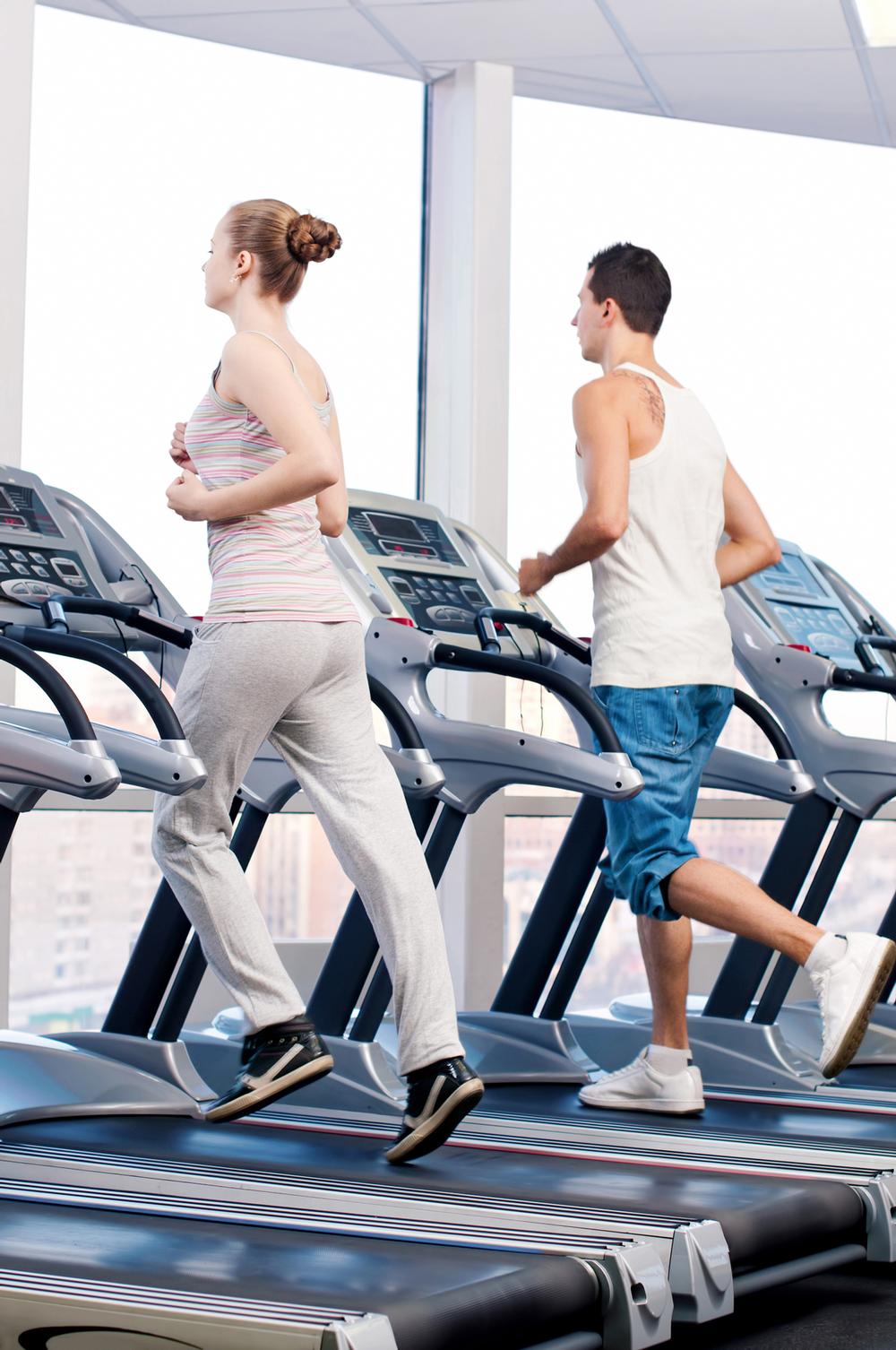
In one training study, the worst responders actually lost 2 per cent muscle size / © shutterstock.com
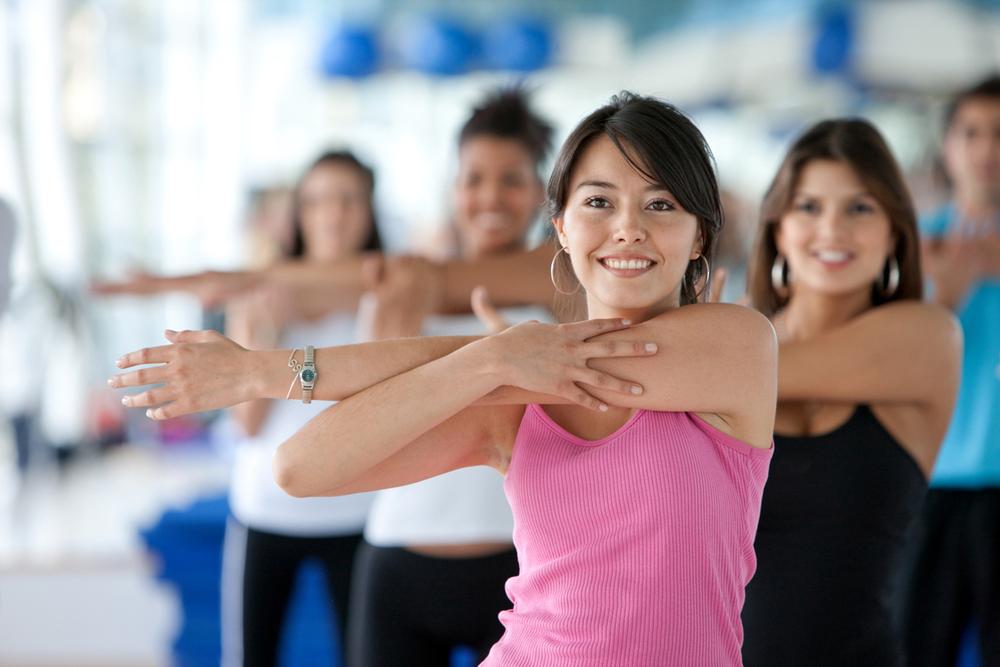
Gyms must recognise the ways in which individuals respond, and programme accordingly / © Andresr/shutterstock.com
Gyms must recognise the ways in which individuals respond, and programme accordingly / © Aleksandr Markin/shutterstock.com
Factors such as sleep, nutrition and stress levels can all affect exercise response / © Yuri Arcurs/shutterstock.com
Factors such as sleep, nutrition and stress levels can all affect exercise response / © wavebreakmedia/shutterstock.com
Not everyone will be a top athlete like Mo Farah, but all clients can get fitter and stronger / © gettyimages.com
https://www.leisureopportunities.co.uk/images/HCM2013_2science.gif
What happens if some members' genetic make-up means they won't get results from their workouts? Kristoph Thompson reports
EXERCISE SCIENCE,EXERCISE SCIENCE
Latest News
Celebrating its 10th anniversary, Elevate has had its busiest show to date, with almost 200 ...
Latest News
A new report from Your Personal Training (YPT) suggests UK gym operators could be missing ...
Latest News
Eighty-four per cent of consumers now say wellness is a top priority in their lives, ...
Latest News
Elevate Arena is underway at London's Excel and the hot topic of AI was the ...
Latest News
PureGym Group has announced that group chief financial officer, Alex Wood, is taking over the ...
Latest News
Independent operator, Fitness Worx Gyms, is introducing private blood testing as a service to members. ...
Latest News
International industry lobbying associations are calling for physical activity and strength training to be deeply ...
Latest News
Global group exercise specialist, Les Mills, is inviting operators to sign up to its Workout ...
Latest News
Global luxury hospitality brand, Six Senses, has partnered with longevity healthcare provider, HUM2N, to launch ...
Latest News
Premium London health club, KX Chelsea, is gearing up to unveil its most significant redevelopment ...
Latest News
Researchers in the US have identified an antibody which could greatly reduce the loss of ...
Opinion
promotion
Strength training has moved from the margins to the mainstream.
Opinion: Building smarter strength spaces for today’s operators
Featured supplier news
Featured supplier news: CoverMe extends matching service to personal training, rewriting how members and personal trainers connect
CoverMe, the global leader in fitness workforce management, today launches CoverMe PT, an on-demand personal training platform that connects the right personal trainer to the right client in under 10 seconds.
Featured supplier news
Featured supplier news: Elevate 2026 to mark 10-year anniversary with biggest ever waterfront drinks reception
Elevate is set to celebrate its 10th anniversary in style this June, with organisers confirming the event’s largest-ever drinks reception as registrations continue to run more than 10% ahead of last year.
Company profiles
Company profile: Balanced Body
Founded nearly 50 years ago, Balanced Body works with the highest quality materials, and pride ...
Company profiles
Company profile: CoverMe Ltd
CoverMe Fitness, an app for seamless, on-demand management and cover solutions for sports and fitness ...
Supplier Showcases
Supplier Showcase - Future-proofing
Catalogue Gallery
Click on a catalogue to view it online
Featured press releases
Create PT press release: Create sets a new standard with its new personal training diploma
Create's new Personal Training Diploma is built on the depth, real-client practice and coaching judgement that turn a qualification into genuine readiness - taught as one continuous course so that every skill is reinforced and applied, not cleared once and forgotten.
Featured press releases
Leisure Energy press release: Studley Leisure Centre solar panel installation project begins
Stratford-on-Avon District Council is delighted to announce a new solar panel installation project at Studley Leisure Centre, marking an important step towards improving the sustainability of this valued community facility.
Directory
Spa and beauty equipment
Oakworks Inc: Spa and beauty equipment
Fitness tracking platform
SpiviTech: Fitness tracking platform
Hot tubs
MSpa International Ltd: Hot tubs
Water experiences and hydrotherapy solutions
Aquaform s.r.l.: Water experiences and hydrotherapy solutions
Lockers
Crown Sports Lockers: Lockers
Industrial washing machines
Miele Company Limited: Industrial washing machines
Property & Tenders
Stratford, East London.
Lee Valley Regional Park Authority
Property & Tenders
Y Felinheli, LL56 4QN
Newmark
Property & Tenders
Diary dates
22-23 Jun 2026

WX Wakefield , Wakefield, United Kingdom
Diary dates
21-24 Sep 2026
The Langham Huntington Pasadena , Pasadena, United States
Diary dates
06-08 Oct 2026
Messe Stuttgart, Stuttgart, Germany
Diary dates
22-22 Oct 2026
QEII Conference Centre, London,
Diary dates
26-29 Oct 2027
Koelnmesse Exhibition Centre, Cologne, Germany
Diary dates
Search news, features & products:
Find a supplier:
Partner sites