








Editor's letter





We live in a society saturated with addiction – a relentless cycle of stimulation and reward that defines ordinary life.
Binge eating, compulsive phone checking, nightly glasses of wine, doomscrolling, sugar, caffeine consumption, porn use, social media validation and manufactured outrage are not fringe behaviours, they’re normalised, common and often invisible to us.
However, they’re not invisible to our cells and what we crave and how often we give in to cravings leaves a trace, a molecular record that persists long after the moment of indulgence has passed.
You don’t need to be a smoker to leave a scar, you only need to repeat a behaviour often enough that your biology begins to adapt to it. That’s the threshold where risk begins to take hold and what we do regularly – including what we consume, rehearse and rely on – ultimately defines the internal environment in which our cells live.
Cancer is an opportunist. It thrives in environments that have been altered by craving.
About addiction
For a long time, we understood addiction primarily as a behaviour. At best, we saw it as a neurological condition, rooted in the brain’s reward circuitry. But that definition is no longer sufficient and new research has made it clear that addiction is not confined to the brain, it’s systemic.
The same feedback loops that compel a person to repeat a behaviour also impact immune function, inflammation, metabolic regulation and gene expression. These are not abstract connections, they’re quantifiable and over time, they matter deeply.
Cancer is an opportunist. It thrives in environments that have been altered by cravings
The early effects of addiction may seem insignificant – a mild increase in cortisol. A transient rise in insulin. Slight suppression of natural killer cell activity. But these are not isolated events, they’re signals that the body is being nudged out of balance and when addictive behaviours accumulate – especially when they layer on top of each other – the body’s ability to return to equilibrium becomes impaired.
The role of dopamine
Repeated use of substances, exposure to emotionally numbing behaviours and reliance on high-reward, low-effort stimulation activate the dopamine system.
Dopamine is a neurotransmitter essential to learning, motivation and survival, but in an environment engineered for overstimulation, this system becomes overwhelmed. What was designed to help us pursue food, shelter and connection now compels us to pursue novelty, escape and control.
The consequences are not limited to mood or motivation. They ripple outward, altering metabolic health, hormone cycles, and immune response.
The example of sugar
Take sugar as an example. Regular sugar consumption keeps insulin levels elevated and stimulates insulin-like Growth Factor 1, or IGF-1, a hormone that promotes cell growth and proliferation. In short bursts, these responses are normal. In chronic states, they become problematic. Cells begin to divide more rapidly. The rate of mutation increases. The balance between cell growth and cell death begins to tilt.
Many of the foods that drive these responses are also inflammatory – refined carbohydrates, trans fats and processed additives don’t simply provide calories, they trigger low-grade immune activity, which in turn, creates a state of constant background inflammation.

Prevention needs to focus on behaviours most people can control with modest effort
This state is not intense enough to feel like an infection, but it is persistent enough to alter how the body responds to real threats, yet sugar is rarely discussed as an addictive substance. We joke about our ‘sweet tooth’, but the term ‘addiction’ is reserved for behaviours we consider dangerous or stigmatised, such as drug taking, or smoking.
However, cancer cells don’t respect those distinctions, They don’t care whether a behaviour is socially acceptable or not, they just care about the environment in which they’re allowed to grow.
We often think of cancer as a genetic accident. A cell mutates, begins to divide uncontrollably and escapes detection. This story is true for some, but not all and it omits an important question: what makes the body permissive to that escape? Why does the immune system – which identifies and eliminates abnormal cells every day – begin to miss its targets? Why do repair systems fail to correct damaged DNA? Why does cellular growth shift from regulated to rebellious?
These shifts do not occur in isolation. They occur in the context of repeated signaling. When we act on a craving, especially one that overrides our awareness or our intention, we reinforce a pattern that involves surges of cortisol, suppression of certain immune functions, spikes in glucose and temporary reductions in antioxidant activity. The human body is built to withstand these shifts occasionally, but when these stressors become chronic, they create a biological terrain that welcomes cellular disorder and if we have a genetic pre-disposition, then that further increases the risk.
From comfort to imbalance
Addiction isn’t just about what we do, it’s about what our bodies become accustomed to. It’s an exposure, repeated until it becomes internalised.
The conditions that allow cancer to grow often begin long before any cell turns malignant. They begin with inflammation that never fully resolves, with sleep that’s chronically disrupted, with stress that’s absorbed instead of expressed and with metabolic signals that remain slightly elevated for years. And these conditions, more often than not, are sustained by behaviours that once brought comfort but now bring imbalance.
Craving, like pain, is a signal. When we act on that craving without awareness, repeatedly, habitually and compulsively, we train the body to expect more of the same and the body – ever adaptable – responds. It lowers its guard in places where it once stood firm, adjusts thresholds and rewires expectations. What used to be a moment of indulgence becomes a state of being. And that state – if it persists long enough – changes what the body is prepared to defend against and opens the way for disease to take hold.

Reversing the trend
Fortunately, the opposite is also true. Just as the body adapts to repeated exposure, it can also adapt to new patterns. When we reduce inflammatory foods, the markers of inflammation fall. When we sleep consistently, cortisol normalises and melatonin rises. When we interrupt the loop of compulsive reward-seeking, dopamine sensitivity can be restored. Immune function improves, gene expression shifts. The scars, while real, are often reversible.
These changes don’t happen overnight. The body needs time to repair what has been slowly eroded. Telomeres, the protective caps on the ends of chromosomes, can lengthen again with sustained lifestyle changes. Mitochondria, the cellular engines that produce energy, can become more efficient. Inflammatory cytokines can return to baseline. Even epigenetic modifications – the chemical tags that turn genes on or off – can shift in response to environment and behaviour. Extensive research in nutrition, sleep medicine, psychoneuroimmunology, and oncology supports these observations.
Small repeated constraints restore sensitivity to normal rewards
Effective prevention strategies
Prevention needs to focus on behaviours most people can control with modest effort, such as sleep timing, morning light, meal ordering and regular movement. Stable cues re-train physiology and reduce the pull of high-reward stimuli.
Smoother glucose dynamics and steadier cortisol curves reduce urges and unplanned snacking and when it comes to nutrition, it’s better to pay attention to structure rather than fetishising single nutrients. Food order, protein sufficiency and high fibre intake lower volatility, improve adherence and keep the focus on physiological targets that matter for risk.
Many people already know what to do, but knowing often fails. Small, repeated constraints restore sensitivity to normal rewards: change the inputs and the state follows. Change the state and choices get easier. l
Raphael Cuomo is the author of Crave: The Hidden Biology of Addiction and Cancer.
Order your copy at www.hcmmag.com/Crave
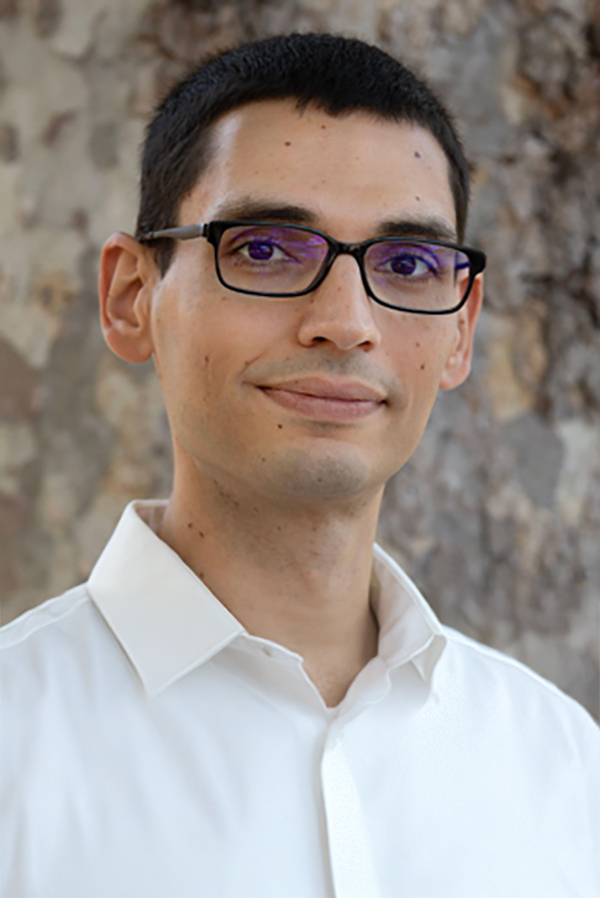
Raphael Cuomo is a biomedical scientist at the UC San Diego School of Medicine studying the impacts of lifestyle factors on risk for chronic diseases.
Scientific principle Cuomo’s Paradox, which states that what is healthy for preventing a disease might not be what’s best for surviving it, was proposed by Cuomo.

Editor's letter

HCM People
HCM People

Sponsored
Interview

Sponsored

Talking point

Sponsored

Research

Sponsored

Life Lessons

Sponsored

Strength

Supplier Showcase

Sponsored

Research




































We live in a society saturated with addiction – a relentless cycle of stimulation and reward that defines ordinary life.
Binge eating, compulsive phone checking, nightly glasses of wine, doomscrolling, sugar, caffeine consumption, porn use, social media validation and manufactured outrage are not fringe behaviours, they’re normalised, common and often invisible to us.
However, they’re not invisible to our cells and what we crave and how often we give in to cravings leaves a trace, a molecular record that persists long after the moment of indulgence has passed.
You don’t need to be a smoker to leave a scar, you only need to repeat a behaviour often enough that your biology begins to adapt to it. That’s the threshold where risk begins to take hold and what we do regularly – including what we consume, rehearse and rely on – ultimately defines the internal environment in which our cells live.
Cancer is an opportunist. It thrives in environments that have been altered by craving.
About addiction
For a long time, we understood addiction primarily as a behaviour. At best, we saw it as a neurological condition, rooted in the brain’s reward circuitry. But that definition is no longer sufficient and new research has made it clear that addiction is not confined to the brain, it’s systemic.
The same feedback loops that compel a person to repeat a behaviour also impact immune function, inflammation, metabolic regulation and gene expression. These are not abstract connections, they’re quantifiable and over time, they matter deeply.
Cancer is an opportunist. It thrives in environments that have been altered by cravings
The early effects of addiction may seem insignificant – a mild increase in cortisol. A transient rise in insulin. Slight suppression of natural killer cell activity. But these are not isolated events, they’re signals that the body is being nudged out of balance and when addictive behaviours accumulate – especially when they layer on top of each other – the body’s ability to return to equilibrium becomes impaired.
The role of dopamine
Repeated use of substances, exposure to emotionally numbing behaviours and reliance on high-reward, low-effort stimulation activate the dopamine system.
Dopamine is a neurotransmitter essential to learning, motivation and survival, but in an environment engineered for overstimulation, this system becomes overwhelmed. What was designed to help us pursue food, shelter and connection now compels us to pursue novelty, escape and control.
The consequences are not limited to mood or motivation. They ripple outward, altering metabolic health, hormone cycles, and immune response.
The example of sugar
Take sugar as an example. Regular sugar consumption keeps insulin levels elevated and stimulates insulin-like Growth Factor 1, or IGF-1, a hormone that promotes cell growth and proliferation. In short bursts, these responses are normal. In chronic states, they become problematic. Cells begin to divide more rapidly. The rate of mutation increases. The balance between cell growth and cell death begins to tilt.
Many of the foods that drive these responses are also inflammatory – refined carbohydrates, trans fats and processed additives don’t simply provide calories, they trigger low-grade immune activity, which in turn, creates a state of constant background inflammation.
Prevention needs to focus on behaviours most people can control with modest effort
This state is not intense enough to feel like an infection, but it is persistent enough to alter how the body responds to real threats, yet sugar is rarely discussed as an addictive substance. We joke about our ‘sweet tooth’, but the term ‘addiction’ is reserved for behaviours we consider dangerous or stigmatised, such as drug taking, or smoking.
However, cancer cells don’t respect those distinctions, They don’t care whether a behaviour is socially acceptable or not, they just care about the environment in which they’re allowed to grow.
We often think of cancer as a genetic accident. A cell mutates, begins to divide uncontrollably and escapes detection. This story is true for some, but not all and it omits an important question: what makes the body permissive to that escape? Why does the immune system – which identifies and eliminates abnormal cells every day – begin to miss its targets? Why do repair systems fail to correct damaged DNA? Why does cellular growth shift from regulated to rebellious?
These shifts do not occur in isolation. They occur in the context of repeated signaling. When we act on a craving, especially one that overrides our awareness or our intention, we reinforce a pattern that involves surges of cortisol, suppression of certain immune functions, spikes in glucose and temporary reductions in antioxidant activity. The human body is built to withstand these shifts occasionally, but when these stressors become chronic, they create a biological terrain that welcomes cellular disorder and if we have a genetic pre-disposition, then that further increases the risk.
From comfort to imbalance
Addiction isn’t just about what we do, it’s about what our bodies become accustomed to. It’s an exposure, repeated until it becomes internalised.
The conditions that allow cancer to grow often begin long before any cell turns malignant. They begin with inflammation that never fully resolves, with sleep that’s chronically disrupted, with stress that’s absorbed instead of expressed and with metabolic signals that remain slightly elevated for years. And these conditions, more often than not, are sustained by behaviours that once brought comfort but now bring imbalance.
Craving, like pain, is a signal. When we act on that craving without awareness, repeatedly, habitually and compulsively, we train the body to expect more of the same and the body – ever adaptable – responds. It lowers its guard in places where it once stood firm, adjusts thresholds and rewires expectations. What used to be a moment of indulgence becomes a state of being. And that state – if it persists long enough – changes what the body is prepared to defend against and opens the way for disease to take hold.
Reversing the trend
Fortunately, the opposite is also true. Just as the body adapts to repeated exposure, it can also adapt to new patterns. When we reduce inflammatory foods, the markers of inflammation fall. When we sleep consistently, cortisol normalises and melatonin rises. When we interrupt the loop of compulsive reward-seeking, dopamine sensitivity can be restored. Immune function improves, gene expression shifts. The scars, while real, are often reversible.
These changes don’t happen overnight. The body needs time to repair what has been slowly eroded. Telomeres, the protective caps on the ends of chromosomes, can lengthen again with sustained lifestyle changes. Mitochondria, the cellular engines that produce energy, can become more efficient. Inflammatory cytokines can return to baseline. Even epigenetic modifications – the chemical tags that turn genes on or off – can shift in response to environment and behaviour. Extensive research in nutrition, sleep medicine, psychoneuroimmunology, and oncology supports these observations.
Small repeated constraints restore sensitivity to normal rewards
Effective prevention strategies
Prevention needs to focus on behaviours most people can control with modest effort, such as sleep timing, morning light, meal ordering and regular movement. Stable cues re-train physiology and reduce the pull of high-reward stimuli.
Smoother glucose dynamics and steadier cortisol curves reduce urges and unplanned snacking and when it comes to nutrition, it’s better to pay attention to structure rather than fetishising single nutrients. Food order, protein sufficiency and high fibre intake lower volatility, improve adherence and keep the focus on physiological targets that matter for risk.
Many people already know what to do, but knowing often fails. Small, repeated constraints restore sensitivity to normal rewards: change the inputs and the state follows. Change the state and choices get easier. l
Raphael Cuomo is the author of Crave: The Hidden Biology of Addiction and Cancer.
Order your copy at www.hcmmag.com/Crave
Raphael Cuomo is a biomedical scientist at the UC San Diego School of Medicine studying the impacts of lifestyle factors on risk for chronic diseases.
Scientific principle Cuomo’s Paradox, which states that what is healthy for preventing a disease might not be what’s best for surviving it, was proposed by Cuomo.
Editor's letter
HCM People
HCM People
Sponsored
Interview
Sponsored
Talking point
Sponsored
Research
Sponsored
Life Lessons
Sponsored
Strength
Supplier Showcase
Sponsored
Research