

















features
Life Lessons: Hagen Wingertszahn
The joint CEO of RSG Group was thrust into the limelight on the death of Rainer Schaller in 2022. He tells Kath Hudson how a leap of faith earlier in his career gave him the courage to go forward


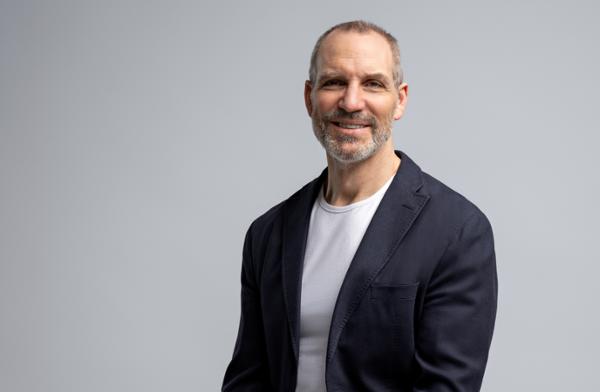
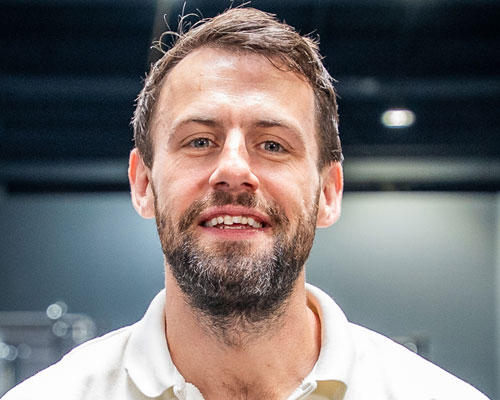
Hagen Wingertszahn was handed a monumental challenge in December 2022, when he was appointed joint CEO of global operator, RSG Group, alongside Dr Jobst Müller-Trimbusch.
Their appointment followed the untimely death of RSG founder, Rainer Schaller and his family in a plane crash in Costa Rica on 21 October 2022.
Schaller was an almost impossible act to follow and the change was a huge transition for Wingertszahn and Müller-Trimbusch and the entire company.
Looking back, Wingertszahn says times when he forced himself out of his comfort zone earlier in his career and learned to deal with change gave him the skills he needed to step up to the top job at RSG under such tragic and destabilising circumstances.
Over the last two years since they took over as join CEOs, Wingertszahn and Müller-Trimbusch have not only held the company steady, they’ve also worked effectively together to drive it forward, forging a business which is acknowledged to be one of the best-run in the sector. “We intend to remain one of the most successful fitness companies in the world,” Wingertszahn told HCM shortly after becoming joint CEO.
I started my career as a personal training and fitness manager at Fitness First Germany and grew with the company, taking on a number of roles and eventually becoming COO.
The biggest challenge of my career was changing employers after more than 20 years.
I had a lot of loyalty towards Fitness First and was grateful for the trust placed in me during my career, so it was a wrench when I chose to leave in 2017 to take up the role of business manager of Germany for RSG Group.
The move was initially a challenge on a number of levels. Not least because it involved relocating from Frankfurt to Berlin, which was a culture shock. Loyalty and consistency are very high on my personality profile, whereas change is more difficult for me. Everything was so different from what I’d been used to: a new city and a new company which was set up with different structures from what I’d been used to and had a unique culture I’d never experienced before.
My role was also different and I found I had to make a name for myself again and prove myself. It felt as though I was basically starting from scratch.
But once I make a decision, I’m 100 per cent all-in and always try to take the most direct route from A to B, even if that means I sometimes bang my head against the wall. So I got stuck in.
Putting the ego aside
It was a very important experience to feel I was starting over, because it taught me to become more humble, to put my ego aside and to be open to new things. It was a very instructive and valuable process and experience.
I’ve learned a lot over the last seven years. In addition to professional learning and successes, I’ve also been able to develop personally and become more resilient. Change processes have become easier for me and making a transition after 20 years certainly contributed to this.
If I had the chance, I’d tell my younger self that joining the RSG Group and moving to Berlin didn’t have to mean I had to leave the past behind completely. I’ve discovered it’s possible to keep the things that are important to you and still move forward.
It can be scary to relocate after a long time, but I advise anyone thinking of making a move to ask themselves whether the work is still satisfying or whether they’re staying out of sheer convenience. If it’s satisfying, then don’t walk away from a good thing, but if you’re staying for convenience, then seriously consider making a change, no matter what age you are or how good the position you’re in if you feel the new situation could genuinely be better.
I underestimated the power of new impulses. Younger employees are further ahead of us in this respect. They change jobs more often and, as is so often the case, there is no black and white, everything has its pros and cons.
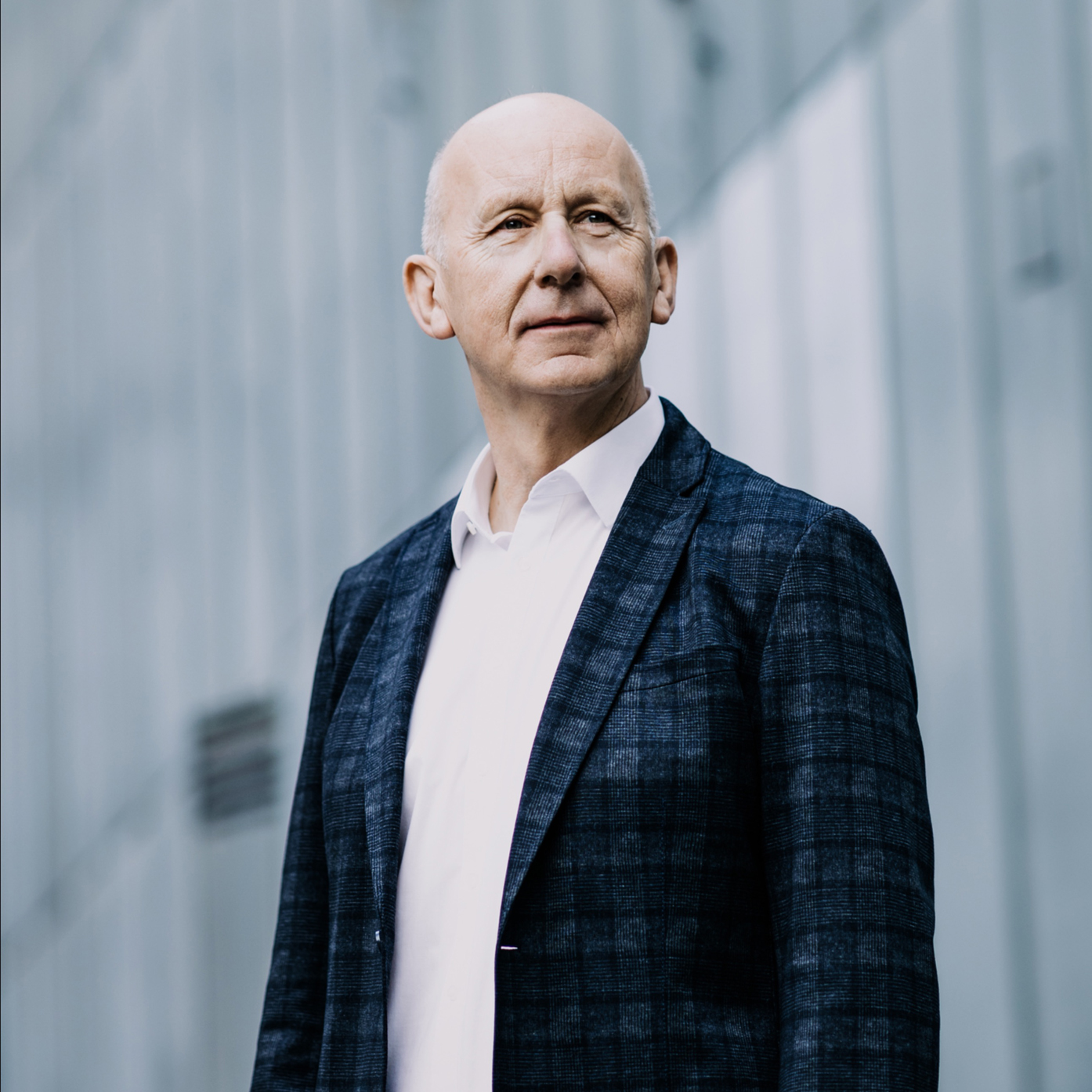
In an HCM interview last year, Wingertszahn says one of the big jobs after taking over as CEO was to restructure the company to focus on fitness brands, making RSG Group one of the world’s leading fitness companies and being recognised as a trendsetter.
Wingertszahn and Müller-Trimbusch are making it more tightly focused around its big-hitting IPs including McFit, Gold’s Gym and John Reed and also continuing to expand in Europe. They also welcomed Rainer Schaller’s brother and heir, Gerd Schaller, as the third CEO of the business (10.12.24)
In terms of movement in the portfolio, in the last two years RSG Group sold its Spanish portfolio of more than 40 McFit gyms and five Holmes Place sites to Basic-Fit and set about revamping McFit.
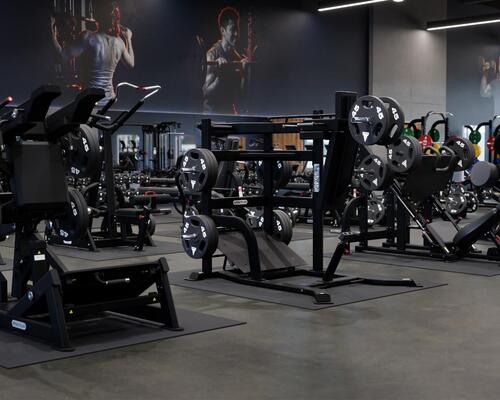
After being piloted last year, the redesign of the 25-year-old flagship brand is being rolled out across the estate. The bright and friendly new style uses materials, such as steel, concrete and wood. A separate women’s area has been added, including equipment such as a booty booster and standing abduction. With 230 studios in Germany, Austria and Italy, McFit is one of Europe’s largest fitness communities.
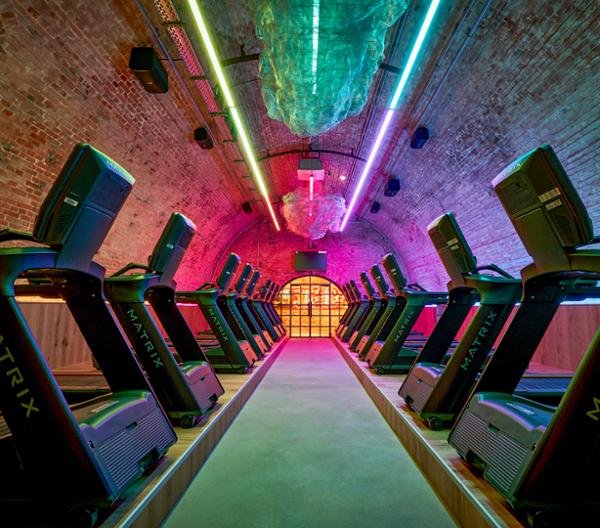
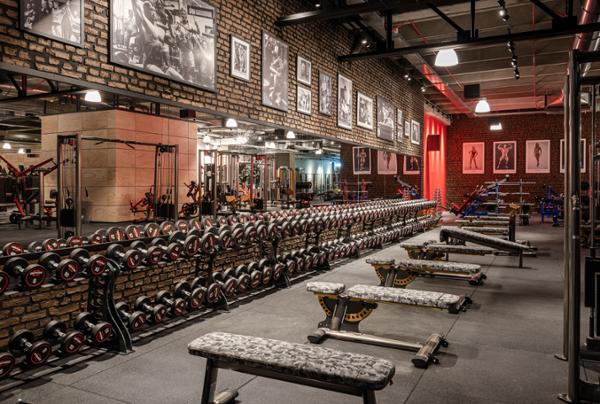
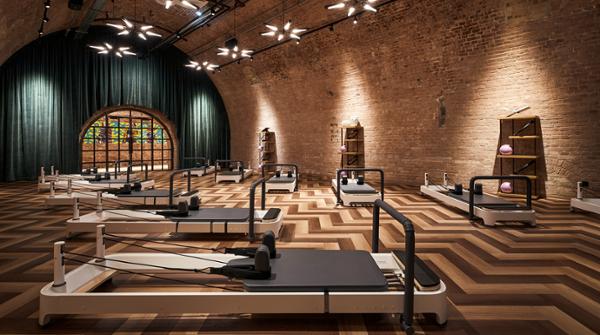
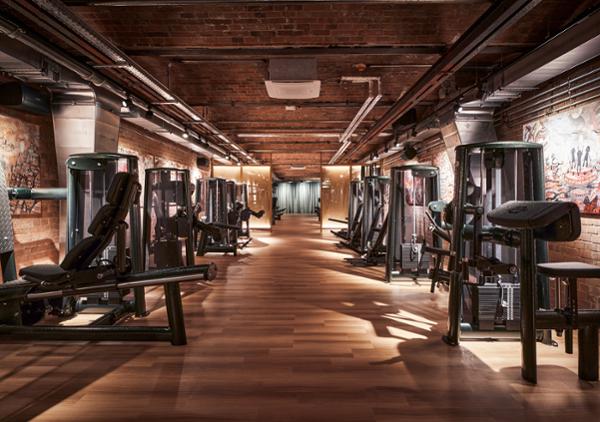
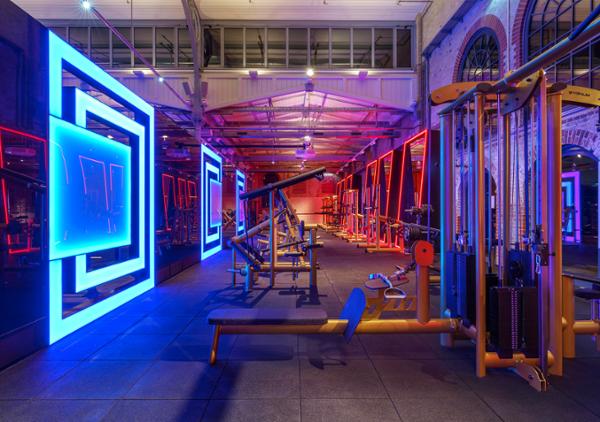
RSG Group is also looking for more opportunities to develop its high-end brand, John Reed. World cities are on the hit list, with clubs already open in Budapest, Prague, Venice, Zurich, Istanbul, Paris, Los Angeles and Vienna.
RSG is selective about sites which must fit the brief from both a location and architectural point of view to deliver the concept of training art and music. For example, its 49th site, in Berlin, is in a former slaughterhouse with seven metre high ceilings.
Heimat, RSG’s country club brand, which launched in LA in 2022, was slated by Rainer Schaller for rollout, but has so far stuck with one location.

Private investment company Franchise Equity Partners has acquired Bravo Fit, the Planet Fitness ...

Midtown Athletic Club has launched a new community tennis initiative honouring the legacy ...

Urban Gym Group has entered the Irish market with the acquisition of Iconic ...
Total Fitness has released new research revealing how the expectations and motivations of ...