
















features
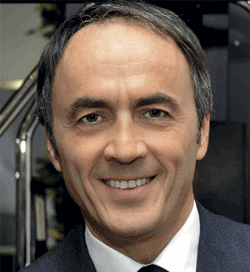
Interview: Philippe Herbette
With 400 locations and plans to enter new markets in 2026, Fitness Park Group’s growth shows no signs of slowing. Yet its president is not in a hurry, he tells Kate Cracknell


Tell us about your background
My personal fitness journey started as an athlete in 1986. By 1993, I was French bodybuilding champion.
I opened my first gym in 1994 and each year, would sell my current gym to open a bigger, better one. I continued to do this until 2015, although after a while I didn’t always have to sell one gym to build another and I grew my portfolio to four gyms.
In 2015, I acquired Groupe Moving, a franchise business that owned the Fitness Park, Club Moving, Lady Moving, Moving Express and Garden Gym brands. I brought my four clubs into the group and rebranded the business as Fitness Park.
I believe together we can change the world
Why did you rebrand?
Groupe Moving was founded in 1986 and its former owner was in his 70s when he sold the business. It was a bit old-school, not really in line with what consumers wanted any more and it wasn’t performing particularly strongly: revenues in 2015 were just €25m from around 200 clubs, of which approximately 30 were Fitness Park and 170 a mix of the other brands.
We shuttered all the brands other than Fitness Park – with its low-cost model, this was the brand with currency – and rebranded the whole business to Fitness Park Group. I believe HVLP [high value, low price] to be the best model in the fitness industry, looking to Planet Fitness as one of my primary inspirations, so this became our exclusive focus.
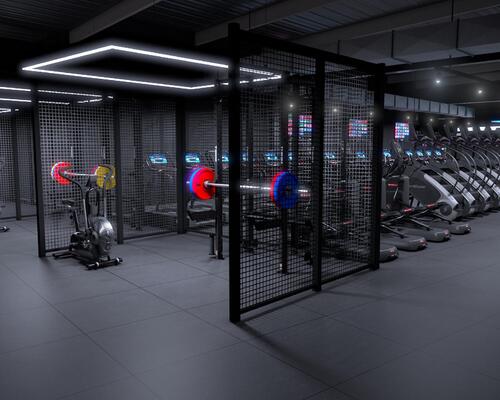
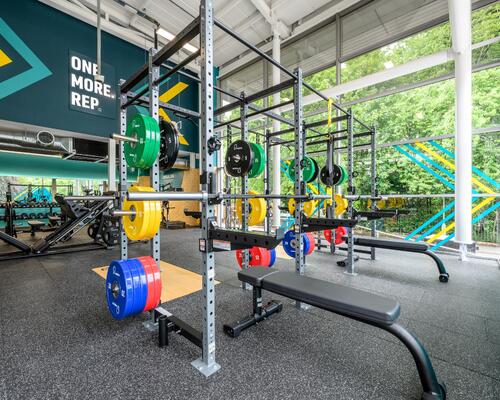
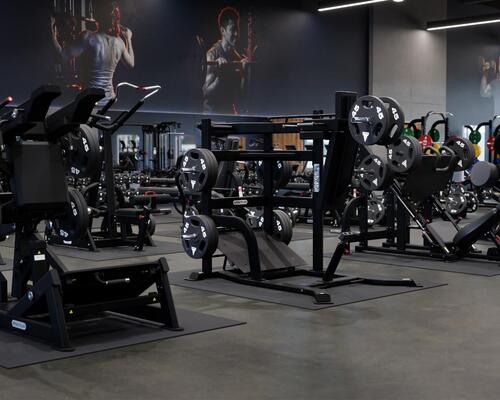
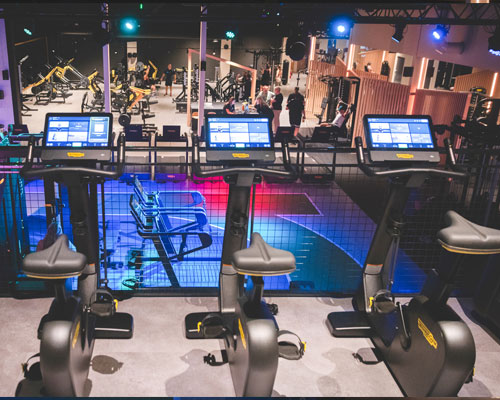
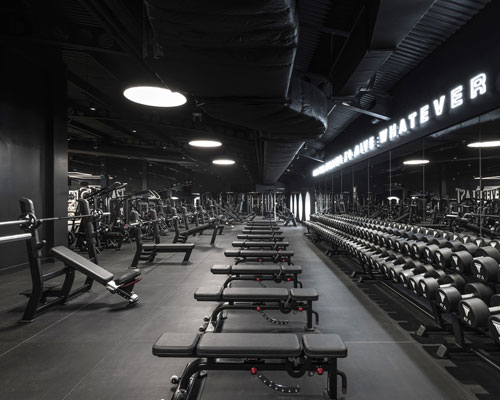
Our main challenge was that while Fitness Park was low price, it wasn’t especially high value at that time. We set about addressing this through design, marketing, product evolution and equipment, partnering with Technogym as our key supplier – alongside Hammer Strength, Eleiko, Gym 80 and others – and creating a contemporary, value-added offering with lots of strength, lifting platforms, functional zones with turf tracks and so on.
With the ‘high value’ part of the equation now in place, revenues accelerated. In 2025, 400 Fitness Park clubs delivered €500m in revenue – and we’ve done it without really changing the price. Membership used to cost €29.99 a month. We now charge €30.
Our main challenge was that while Fitness Park was low price, it wasn’t high value, so we set about addressing this
What is Fitness Park’s USP?
In this competitive market, it’s hard to create a USP in the product itself. When we began, we were among the first to install lifting platforms, for example and to use dark colour schemes, but now everyone’s following the same trends.
We innovate to differentiate. We have team members in the UK testing out equipment and concepts. We pilot new activities several times a year – programming, equipment, recovery and more – to see what our members enjoy.
We had long discussions before we partnered with Technogym. We didn’t just want good prices and good service. We also wanted to ensure its R&D department was willing and able to keep up with our growth and our ideas for innovation and evolution.
I do think our user experience is a strong one, with technology that makes everything simple for our members: in just a few clicks, you can book a class, bring a friend, change your membership package or update your payment method.
Another feature is our ability to deliver all of this at a low price: as mentioned, we’ve greatly enhanced the product without changing the price. Our scale enables this – and there aren’t many other big groups that can compete.
The quality of our teams and our franchisees is also a strength. We’re very careful who we partner with, taking time to get to know every potential franchisee, making sure we understand each other and that their beliefs match those of our company. That’s so important, because I’m not building this company on my own. We’re all building it together.
I think my personal ethos is a USP. I’m passionate about fitness and I’ve built this group with a lot of patience. My priority has always been to build a very high-quality group with the best possible product for just €30 a month.
For €30 a month, members have full reciprocal access to every Fitness Park gym in the network. We don’t compensate franchisees for welcoming members from other clubs
Do all members pay the same rate?
For €30 a month, members have full reciprocal access to every Fitness Park in the network. At first, this made for challenging conversations with franchisees, because we don’t compensate them for welcoming members from other clubs. Over time, however, they’ve seen their home members benefiting from visiting other Fitness Park clubs and everyone is happy with the agreement.
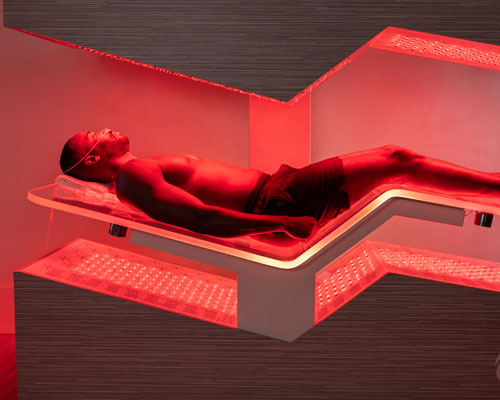
We also offer a VIP membership, Carte Ultimate, which costs an additional €20 a month. This provides access to group exercise classes – around four or five a day, as we need to maintain our low-cost model – as well as drinks, Boditrax and a recovery area with Theraguns, red light therapy, cryotherapy, hydro-massage and compression therapy, plus more innovations to come.
Around 40 per cent of our members have upgraded to this membership tier. This additional yield has obviously contributed to our revenue growth, but it’s also down to having a lot more clubs and a lot more members: our membership base has reached 1.4 million.
Our buoyant performance enabled us to secure €280m from Carlyle Global Credit, which had identified under-investment in the European fitness market as an issue
How has the brand grown?
We started with around 45 Fitness Park clubs in 2015: the 30 existing sites, plus around 15 new or converted Moving clubs. That might sound low given there were around 200 in total, but many of Groupe Moving’s franchisees were getting to retirement age by 2015 and decided not to renew. Others became independent and still operate under the Club Moving brand.
From those 45 clubs in 2015, we’ve now reached 400 – 300 in France and 100 internationally. The majority of our international locations are in Spain and Morocco, but we’ve also just entered Portugal – we have one club there so far – and also have clubs in French Guiana, Guadeloupe, Martinique, Réunion and New Caledonia.
Of the 400 clubs, 25 per cent are corporately-owned – all in France – and 75 per cent are franchised. This high level of corporate ownership reflects our growth strategy so far, which has seen us buy clubs back from our franchisees – not because they wanted to exit, but because they could use that cash injection to open more sites. As an example, if we buy 20 sites from our franchisees, they can use the money to open 40–50 gyms by adding debt leverage.
This has been an important contributor to our growth to date, but it will become less of a driver in the future. Most existing franchisees are now large enough to self-fund their growth, while new partners will need to come in with sufficient financial backing to fund their own expansion. We’re already slowing down on buy-backs.
We can grow by 100 clubs a year for the next 10 years. Next are Italy and Belgium, both of which we will enter in 2026
You recently received €280m in funding…
Our buoyant performance and strong figures enabled us to secure €280m from Carlyle Global Credit, a US-based fund that was looking to invest in the fitness sector – and in Europe specifically, having identified under-investment in the European fitness market. As one of the top 10 fitness groups in the world, Fitness Park was a perfect fit; there aren’t many large fitness groups in Europe.
The funding was a refinancing of existing debt after five years with our previous investor, allowing us to maintain our debt-to-turnover ratio.
The €280m will enable the continued development of the Fitness Park business, including entering new markets – we plan to start with a handful of corporately-owned sites before franchising – and carrying on with our buy-back strategy in the short term. We have the full trust of Carlyle Global Credit to run our business with autonomy.
What next in terms of growth?
I believe we can grow by another 100 Fitness Park clubs a year for the next 10 years. Some of that growth will come from our existing markets: we currently have around 70 clubs in Spain and I think we can do 300 more, while in France I think we have space for perhaps 200 more.
Next for us are Italy and Belgium, both of which we will enter in the first half of 2026. We have a very strong head office and great support systems, giving us the confidence to enter more than one market at a time.
We’re also actively looking at the rest of Europe. The UK and Germany are both large markets and very interesting to us. We’ll go to Asia one day, but not yet.
We’re already in early conversations for the US, Canada, the Middle East and Africa, although I don’t expect those to come to fruition for a few years yet; when we’re dealing with prospective new franchisees, we really take our time to get to know them and understand the market.
Certainly new markets don’t have to be French-speaking, as our success in Spain has shown. Nevertheless, when we’re considering a new country, we do try to speak to any French service industry brands that operate there. It doesn’t dictate where we go, but understanding their experiences can inform how we go there – the nuances that can help shape our success in that market.
In all honesty, though, we’re not especially focused on any particular country and we’re not in a hurry. I absolutely believe people will still be going to gyms in 30 years, so we have time. Above all, we want to do it well.
Tell us about your the work of your charitable foundation
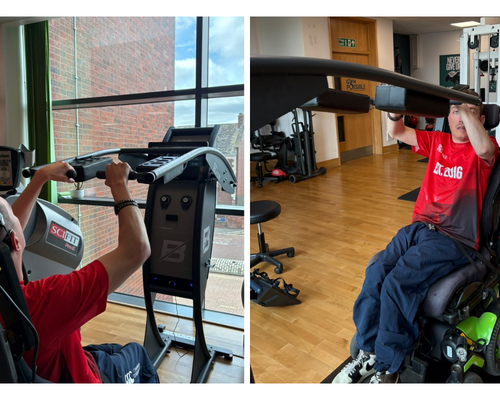
Inspired and supported by the Fondation de France, the country’s leading philanthropy network, we created our own charitable organisation: the Fitness Park Foundation. Our mission is to unlock access to fitness – and with it, the life-changing power of physical activity – for those who wouldn’t otherwise be able to come to our clubs.
We believe that whatever your challenges are, whether it’s a disability or hitting particularly tough times, exercise can always help. We work with those most in need, numbering around 1,000 individuals. It’s a hugely important initiative.
What motivates you?
Besides my passion for fitness and my desire to do things really well, I’m motivated by the opportunity to help people fulfil their professional dreams of becoming an entrepreneur.
I’ve been there myself, building my own gyms 30 years ago. To me, it’s a huge privilege to now help others do the same thing. In my eyes, I’m not the only head of Fitness Park. There are hundreds of franchisees who own and lead their own companies thanks to this brand. I believe that together, we can change the world.