











The Leisure Media Company Ltd
Follow Health Club Management on Twitter Like Health Club Management on Facebook Join the discussion with Health Club Management on LinkedIn
FITNESS, HEALTH, WELLNESS

features

Interview: Evo Fitness

Bård Windingstad and Peter Byman of Nordic operation Evo Fitness speak to Kate Cracknell about their small format club concept with PT and IT at its heart

By Kate Cracknell | Published in Health Club Management 2013 issue 10
In a market such as Norway, where the cities are small, a high churn rate just doesn’t work

“We’d love to do an interview, but you’ll need to come and visit us. That’s the only way you’ll understand our concept.” So began my conversations with Nordic operator Evo Fitness earlier this year.

Only by seeing the clubs for myself, they continued, would I be able to fully appreciate what they meant by ‘compact training’ – the new category of small footprint premium club that Evo Fitness believes it has invented. In spite of its affordable prices Evo was categorically not, stressed its founders, a budget offering. “This is our communications challenge,” added CEO Bård Windingstad. “How do we make it clear that ours are not budget clubs but boutique gyms?”

Having heard the claim of ‘premium low-cost’ many times, I was intrigued to see what it was about Evo Fitness that had led its management to stake out new territory for the brand – so off to Oslo I went.

‘Compact premium’
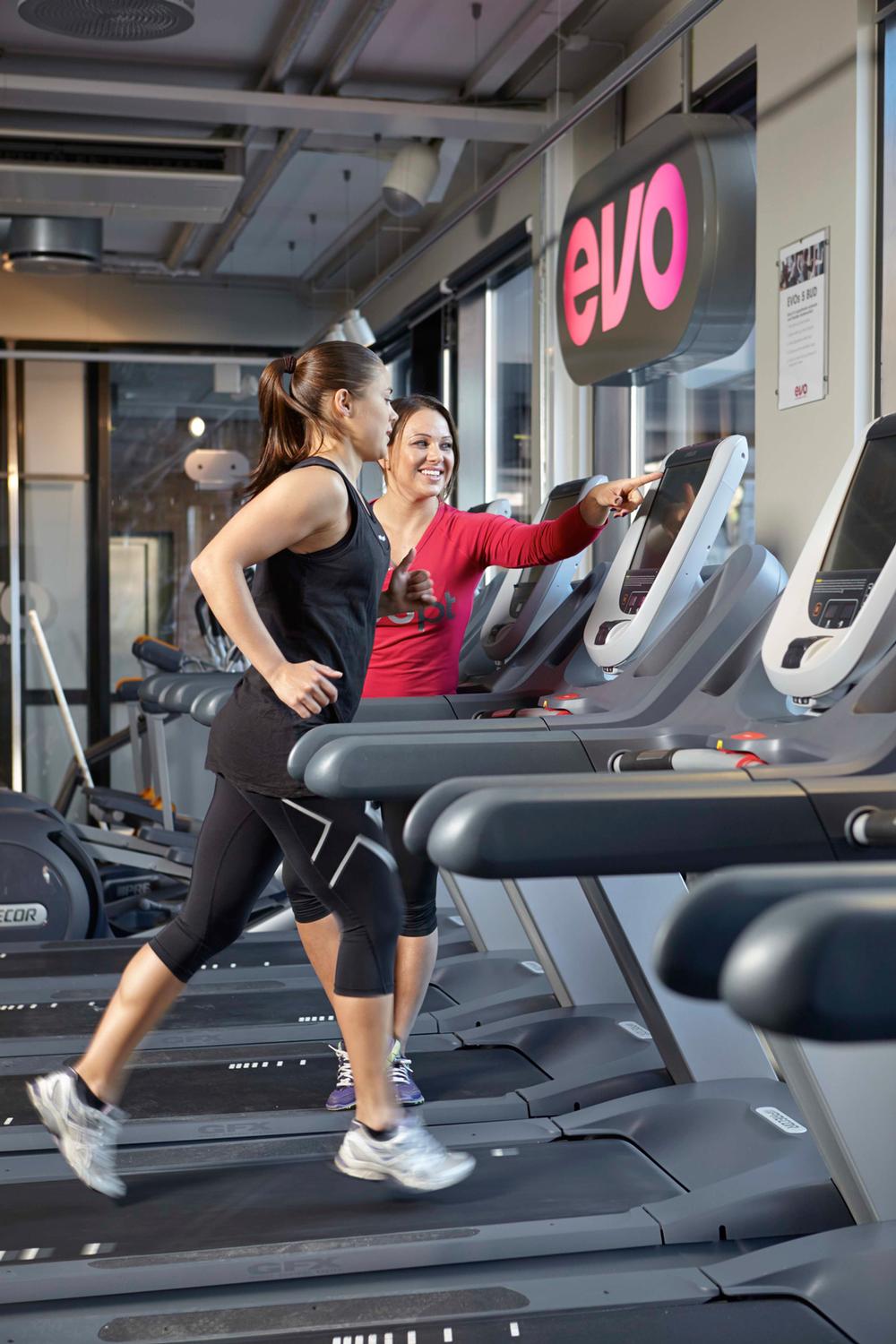
Although the flagship site measures almost 600sq m, Evo Fitness sites typically occupy a footprint of 450sq m, focusing primarily on residential areas. Compact: check.

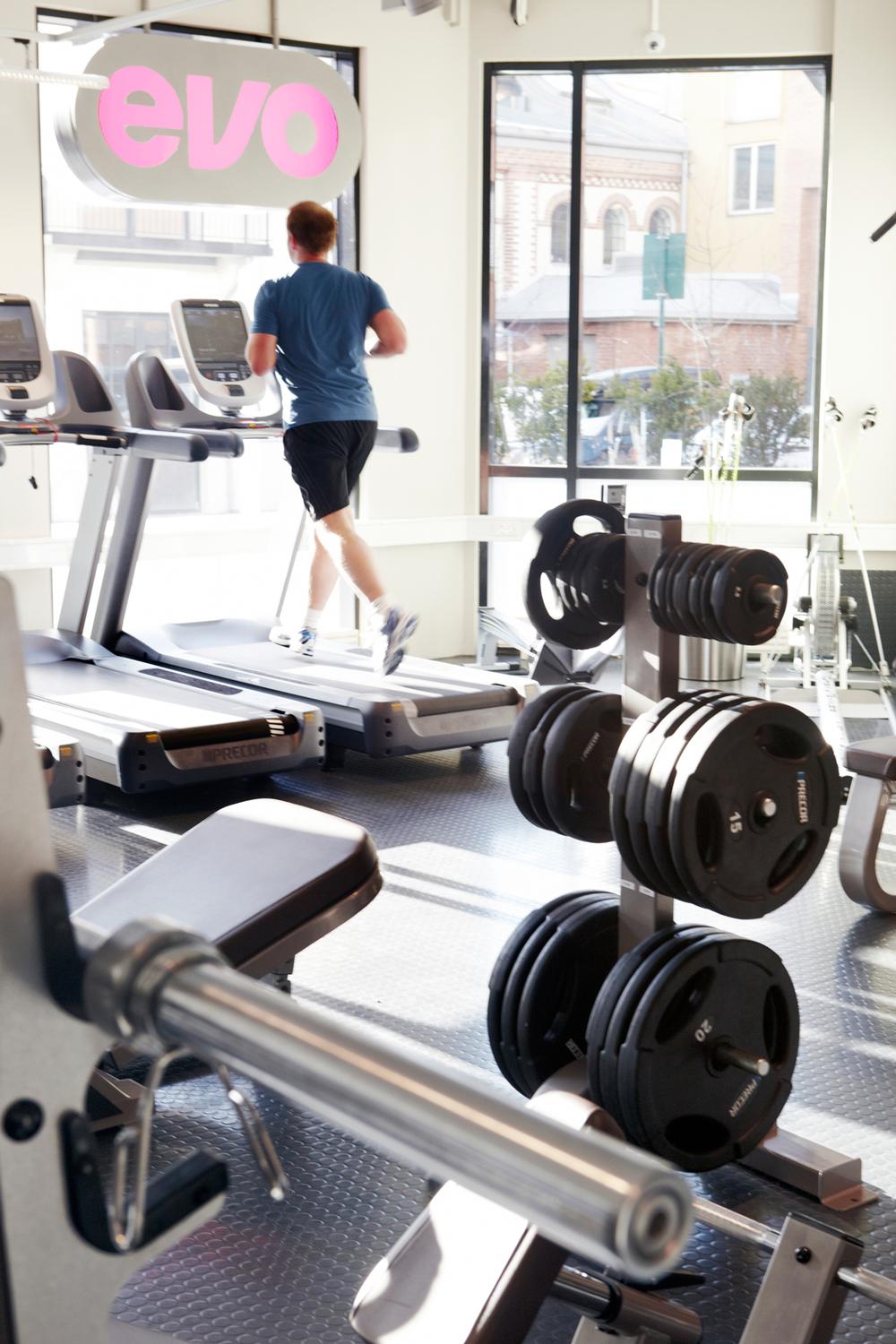
But what makes them premium? Certainly they all feature top of the range equipment, mostly from Precor but with seven Technogym sites across the estate. But that in itself doesn’t make the clubs high-end: budget operators also tend to invest in quality equipment that stands up to intensive use.

There is, however, a sense of calm and social etiquette in Evo clubs, resulting in an atmosphere more akin to a high-end club than a busy budget gym. There’s no frenetic feel and noise levels are low. The décor itself is also soothing, with lots of wood and earthy tones throughout. “We wanted to create a space where people felt comfortable, so we used an interior designer who usually only works on private homes,” says Windingstad.

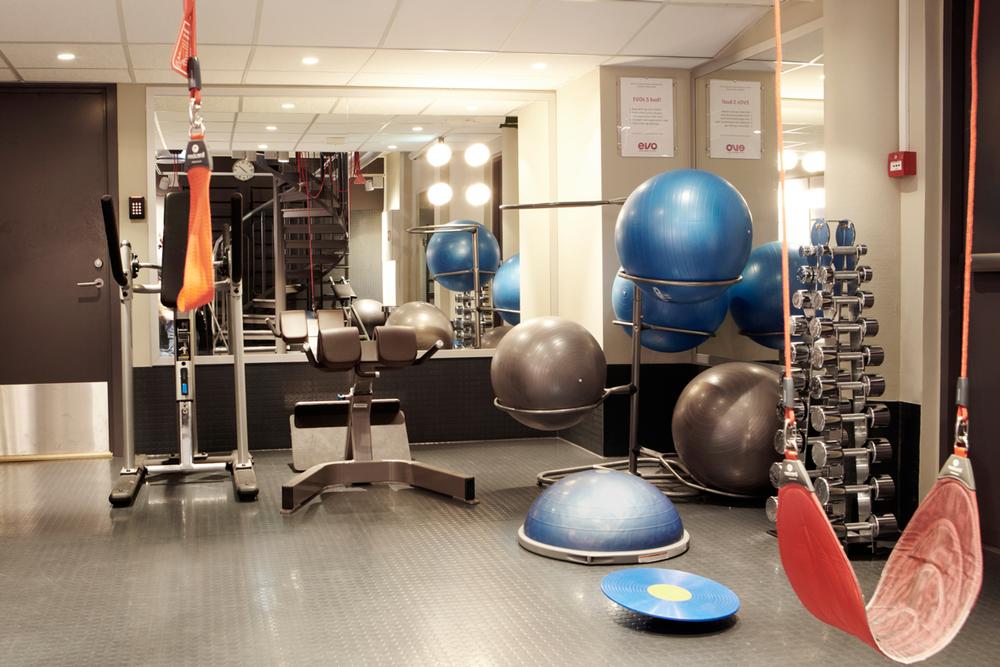
There’s a round leather sofa as you enter each club, where members are asked to remove their outdoor shoes and store them on the shelving provided – only indoor shoes are allowed in the gym itself. This is one of the ‘feelgood rules’ which are explained on collaboratively-worded notices in the clubs – other rules include putting weights back and cleaning machines after use, keeping belongings in a locker, keeping noise levels low, and not hogging equipment.

Evo has also paid attention to a sense that’s often overlooked: smell. Lockers are located outside the changing rooms so the changing facilities themselves don’t smell, and PTs will even diplomatically speak to members whose gym kit is in need of a wash. “We had one instance where the press latched onto this, but the public came out in our defence,” says Windingstad. “Ultimately people want to work out with other polite members in a pleasant environment.”

So what happens if members don’t follow the rules? “We stop their memberships,” says Windingstad. “In July for example, in addition to cancelling the memberships of anyone who hadn’t paid, we threw out 20 members who didn’t follow the rules. We want to attract the right sort of members to ensure everyone using our gyms has an enjoyable workout.”

Driving loyalty
The sense of calm in the clubs has been reinforced by a strategic decision not to overcrowd the gym floors. Windingstad explains: “We analysed 200,000 individual training sessions to determine the characteristics that distinguish members who leave from members who stay. Some of it was predictable: older people and regular exercisers are more loyal. So are members who were introduced to the club by their friends, members who use more than one of our clubs, and members who freeze their memberships – that’s possible for up to six months.

“But the really interesting finding related to occupancy levels. We found that we could measure members’ likelihood to churn based on how many other members worked out at the same time as them. The risk of drop-out was higher when there was only one other member, more or less consistently falling from there until it reached the optimum level – for our 60-station sites, that proved to be 35 other people. After that it began to go up again, because availability of equipment began to drop – and customer satisfaction with it.

“But our model means we only need 750 members to break even – going forward our goal is to get that as low as 400 – so it’s not a volume game for us. In a market such as Norway, where cities are small, the high churn model just doesn’t work in any case.

“We’ve worked out that anything over 1,600 members isn’t actually more profitable for us, because we have to replace more lost members, plus costs such as cleaning also go up. We therefore cap numbers at 1,700.”

USP #1: IT
“Our model revolves around two key elements: PT and IT,” continues Windingstad. But while many clubs – notably the budget operators – use technology to streamline processes and cut costs, the way Evo Fitness has incorporated IT takes it up a notch, actually adding to the premium feel with a cool, gadget-like approach.

Even if you’re not a member, you can turn up at any club and immediately get a day pass access code for NOK150 (£16, €13) by texting DROPIN to 2040 – Evo has signed deals with all of the mobile networks to facilitate this.

But as monthly membership only costs NOK295 (£32, €37), it makes financial sense to join – and this is done exclusively online, as Evo employs no sales staff. The moment someone signs up, they receive a text with an access code that’s valid for 28 days. Within those 28 days, they must sign up to one of three weekly inductions where they’ll be given their RFID key – activated either online or via the member’s mobile phone – to access the club.

“Members manage their whole membership online, from joining and leaving to booking PT or checking their payment history,” says Windingstad. “We have 30,000 members supported by 0.5 of a customer support person at HQ.”

Meanwhile the access gates are just part of a hi-tech security system in all sites, with CCTV and emergency call buttons to speak to security at any point. The security company also goes to all clubs twice a day, unlocking the doors at 5.00am and, at midnight, checking and closing the clubs for the night. “We will spend NOK10m (£1.01m, €1.27m) on security in 2013,” says Windingstad.

The ‘inspiring engineer’
All of this will appeal to those who like their gadgets, but the other customer benefit is speed and efficiency of service. That service may not be delivered by live staff, but it works. In a sector that so often falls down on its service standards, that’s not to be sniffed at – Evo members know what they’ve bought into, and it’s delivered consistently.

“We appeal to a wide range of people, from CEOs to celebs, young professionals to educated families,” says Windingstad. “What unites them is that they’re all well educated and could easily afford a high-end, full-service club – many of our gyms are located right next to such clubs – but they choose to come to us. We give them what they want and we reinforce this with brand standards that focus on reliability, honesty, dedication, value and quality.”

He continues: “We were inspired by three brands: ‘the engineer’ IKEA, ‘the inspirer’ H&M and ‘the rebel’ airline operator norwegian.com. We were more of a rebel when we first launched, challenging the norms: why do you have to offer a pre-joining tour, why do you need reception staff, why do weekend opening hours have to be limited, why do members have to pay for facilities they don’t use? But now we position ourselves as the ‘inspiring engineer’, offering an uplifting environment where everything just works with no fuss.

“We don’t over-promise, there are no ‘get fit guarantees’, and we’re not trying to be the centre of our members’ universe. We just do what we do well. We focus as much on what we don’t do as what we do do – we have no childcare and no group exercise, for example, as it just wouldn’t be cost-effective in our model, which focuses on driving as high a yield as possible per square metre.

“We’re flexible too: members can cancel at any point, even the last day of the month, effective from the following month. We don’t make it hard for them to leave because we know they could well come back to us at some point: in our exit survey, 90 per cent of departing members rate us between four and six out of six for overall satisfaction.”

USP #2: PT
Although IT does much of the work that gym staff would normally do, Evo clubs aren’t entirely unmanned: PTs must commit to certain shifts to ensure there’s someone at the club most of the time, although they can then do as many additional hours as they want.

PTs also have to take responsibility for the club, which isn’t something they might normally expect in their job description. They must ensure the club is clean at all times (cleaners also come in twice a day), the air conditioning doesn’t smell, the sound is at a comfortable level, equipment is working, and there aren’t bottlenecks or queues for the kit. “We compare it to chefs looking after their kitchen,” says Windingstad. “If everything in the gym is in order, the PTs will be able to run better sessions and be more successful.”

In return, PTs are entitled to hold on to a significantly higher proportion of their income than is the norm. And the member profile means there’s a good uptake of personal training: in 2013, the top-performing clubs are expected to bring in PT revenues that equate to as much as 80 per cent of the membership-based income. “PT is booming in Norway at the moment, while group exercise is falling. If PTs put in the hours, they can make very good money indeed,” says Windingstad.

“Because of this, we can be very selective with our PT recruitment. We want PTs with great people skills who will happily talk to members, even if they’re not their clients.”

And from a business perspective, as well as manning the club, the PTs also help drive loyalty. In mid-2012, Evo Fitness profiled its members to identify likely lapsers. It then ran a lottery, offering prizes of six PT sessions to be taken over the course of two months, with many of the possible lapsers among the winners. “By the end of the two months, winners previously identified as possible lapsers were half as likely to churn as those in lower-risk groups,” says Windingstad. “This reinforces our exit survey data: people do mostly leave because they’re not getting results, or don’t know what to do, and PT can help address this.”

Future plans
Off the back of its success, Evo Fitness has just launched a franchise offering which will be the focus of the brand’s expansion going forward – certainly internationally, but also potentially within Norway.

Evo aims to sell franchises in clusters rather than single sites, with the first agreement already signed: premium health club operator Fressi will roll out Evo-branded clubs in Finland alongside its 11 full-service facilities, with plans for 25 sites over five years – an opportunity for the operator to broaden its business base.

Other possible markets are yet to be identified, but fitness penetration rates will be one of the factors analysed.

“We wouldn’t consider countries where the penetration rate is lower than 2 per cent, as this is when the market is just beginning and progress is slow,” says international development director Peter Byman. “Between 2 per cent and around 8–10 per cent, growth is driven by the premium sector. It’s after this point that the market changes, exploding into a number of different models based on segmentation, which allows the market to grow again. This is where the opportunity lies for brands such as Evo Fitness.”

But there will also be more owned sites in Norway. By the time of my visit in mid-2013, Evo had opened 30 clubs in 37 months and was set to reach 36 or 37 by the end of the year. The longer-term aim is to reach 65 owned clubs by 2016.

There’s also a desire to broaden the offering, as Windingstad explains: “We want to move from fitness facility to fitness facilitator, running outdoor activities in the summer and using technology to build communities and encourage members to exercise outside of our clubs.”

Evo Fitness certainly seems to be setting its ambitions high – and with good reason, judging by its performance to date. So what’s the secret of that success? Windingstad smiles: “Ultimately we have no secrets apart from hard work and good technology.”

Evo Fitness – facts & figures

Founders: Bård Windingstad, Peter Byman, Kim Jordsjö

Number of clubs: Set to reach 36 or 37 in Norway by the end of 2013, plus three in Finland

First club launched: 4 January 2010, in Oslo

Monthly membership: NOK295 (£32, €37) in Norway, and €39.90
in Finland. Joining fees are NOK100 and €10 respectively

Positioning: ‘Compact training’
Sign up here to get HCM's weekly ezine and every issue of HCM magazine free on digital.
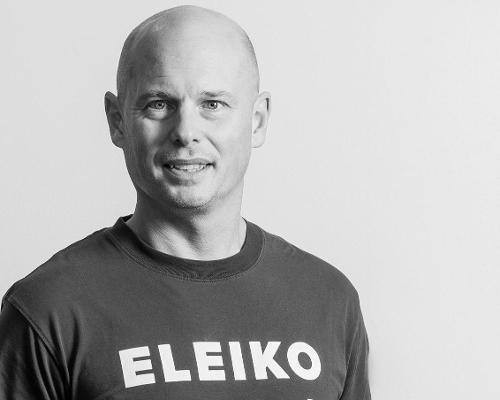
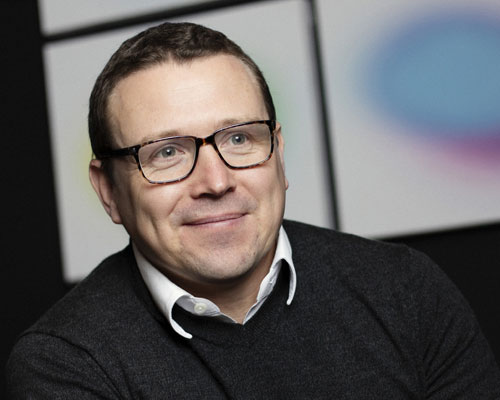
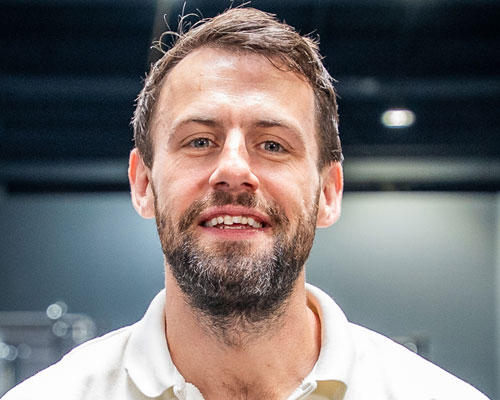
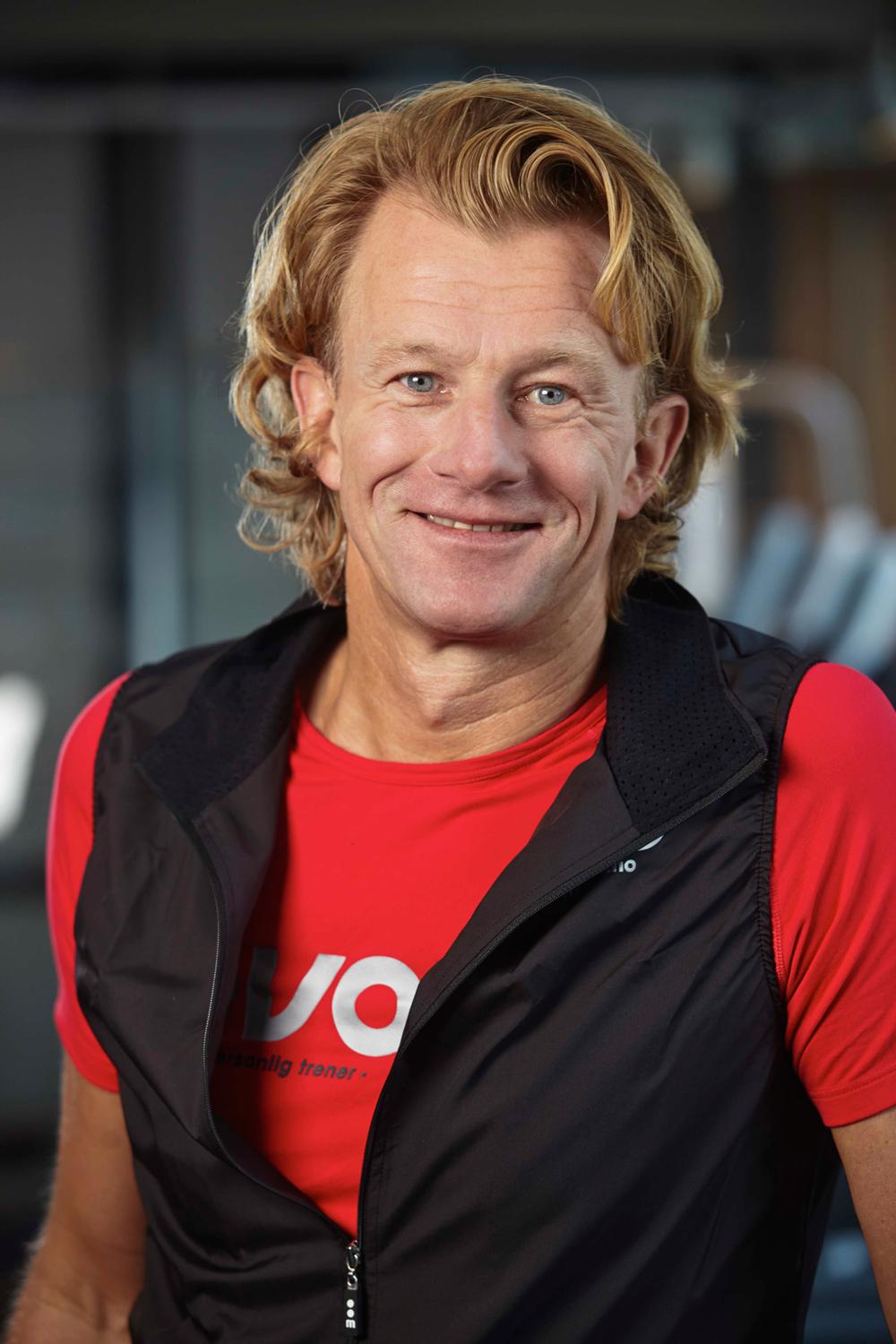
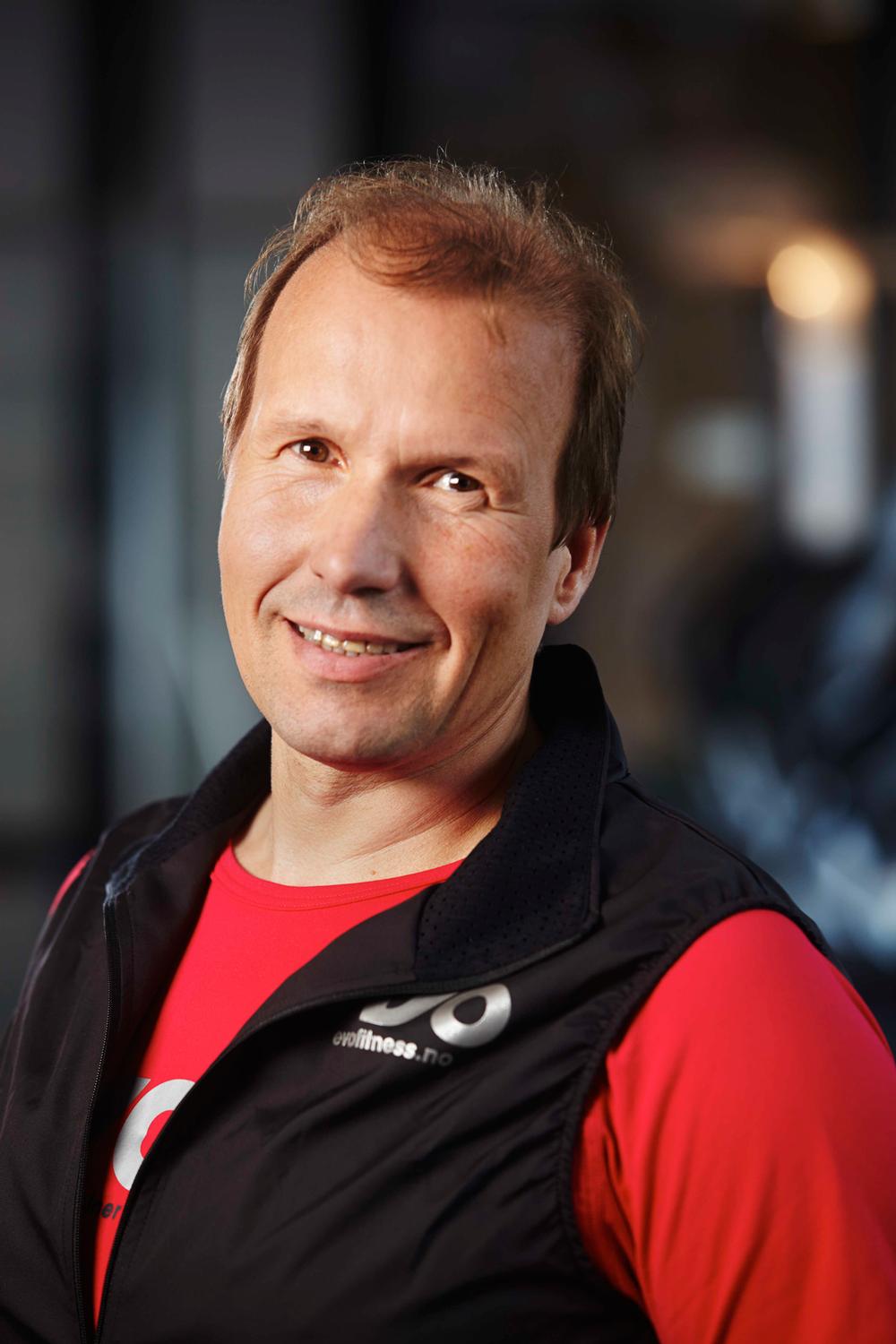
Bård Windingstad: CEO
Peter Byman: International development
PT is currently booming in Norway, while group exercise is falling
Compact training: Evo Fitness typically offers 
60 pieces of equipment 
in a 450sq m club
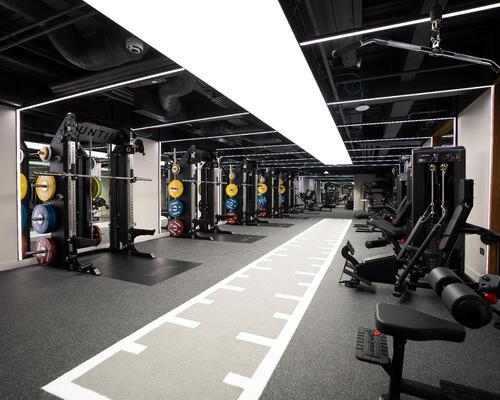
Compact training: Evo Fitness typically offers 60 pieces of equipment in a 450sq m club
Signs placed around the clubs reinforce the ‘feelgood’ rules and encourage members to be considerate
https://www.leisureopportunities.co.uk/images/HCM2013_10evo.gif
Bård Windingstad and Peter Byman, founders of Evo Fitness in Norway, explain to Kate Cracknell how personal training and IT lie at the very heart of their business model
Bård Windingstad, Peter Byman, Evo Fitness,Evo Fitness, Norway, Precor, personal training, IT, compact training
HCM magazine
As the entrepreneur who started Wexer, Fresh Fitness, Fitness DK and Repeat, as well as being a former elite athlete, Rasmus Ingerslev’s life looked perfect from the outside, but onthe inside it was a different story. He talks to Kath Hudson about healing old wounds
HCM magazine
I experienced a blissful feeling of joy I hadn’t felt since I was a kid
HCM magazine
Raphael Cuomo explores the powerful link between addiction, health and behaviour change
HCM magazine
Small improvements to sleep, diet and physical activity have major benefits for the heart, according to new research from the University of Sydney
HCM magazine
Collaborations with the medical profession and greater aspirations around wellbeing are creating a need for more experts in our sector. It’s time to reboot our thinking around the workforce
HCM promotional features
Sponsored
Find out how your gym can tap into the corporate wellness boom
HCM promotional features
Sponsored
Greg Bradley looks at the shift towards strength training in gyms and advises on how operators can create the ultimate training environment
HCM promotional features
Sponsored
Starpool supports Olympic champion Marcell Jacobs, says Riccardo Turri
HCM promotional features
Sponsored
SnowDome Fitness has added 50 per cent more space with cutting-edge Technogym solutions
HCM promotional features
Sponsored
David Lloyd is stepping up its commitment to women’s health as it continues to explore what fit-for-purpose looks like for the female population
HCM promotional features
Sponsored
Third Space partnered with IndigoFitness to deliver a bespoke training space for its new club at The Whiteley
HCM promotional features
Sponsored
EGYM has opened a new HQ in Paternoster Square, London and revealed a range of new launches
HCM promotional features
Sponsored
New launch, Salus House, elevates boutique wellness with high service levels and a partnership with Technogym
HCM promotional features
Promotion
Performance Health Systems, manufacturer of Power Plate, has a new CEO, with an ambitious vision for the company
HCM promotional features
Latest News
Nuffield Health has told HCM that it takes its responsibilities towards its colleagues seriously and ...
Latest News
Technogym has announced the launch of the Run X World Treadmill Championship, the first world ...
Latest News
Shocked by the UK loneliness statistics, charitable trust Mytime Active has been doubling down on ...
Latest News
Portugal’s leading operator, SC Fitness, is celebrating a milestone by reaching 100 gyms.  The company ...
Latest News
Australia’s fast-growing fitness network, Viva Leisure, is adding a low-cost gym brand to its already ...
Latest News
Speedflex has launched a strength training programme for 10 to 16-year-olds, to make it safer, ...
Latest News
Tewinbury Farm Hotel in Hertfordshire, UK is expanding its premium leisure proposition with the launch ...
Latest News

Work is underway in Madrid on one of Europe’s most significant multi-functional complexes, ...

Opinion
promotion
Strength training has moved from the margins to the mainstream.
Opinion: Building smarter strength spaces for today’s operators
Featured supplier news
Featured supplier news: Supporting long-term health: why whole body vibration belongs in clinical settings
As healthcare continues to shift towards prevention, there’s a growing focus on helping people stay active, independent and feeling good for longer.
Featured supplier news
Featured supplier news: Reaching the people most gyms miss: Bedford Gym & Swim Campaign delivers 410 new members
One of the biggest mistakes the fitness industry still makes is advertising almost exclusively to people who already look and live like gym members.
Company profiles
Company profile: We Work Well Inc
We Work Well is a global premier hosted buyer event company, connecting high-level executives from ...
Company profiles
Company profile: Absolute Performance
Absolute Performance is one of the UK’s leading gym design and installation companies. We install ...
Supplier Showcases
Supplier Showcase - Future-proofing
Catalogue Gallery
Click on a catalogue to view it online
Featured press releases
BLK BOX press release: BLK BOX strengthens European growth with the appointment of Germany country manager Timo Garrels
BLK BOX is proud to welcome Timo Garrels as Germany country manager, marking another important step in the brand’s continued growth across Europe.
Featured press releases
Technogym press release: Great success for Technogym’s “Let’s Move & Donate Food” campaign: one million meals donated
Thanks to the participation of 150,000 people across 141 countries, the social campaign surpassed one billion Moves collected, which were converted into a donation of one million school meals to support children in need.
Directory
Fitness tracking platform
SpiviTech: Fitness tracking platform
Industrial washing machines
Miele Company Limited: Industrial washing machines
Spa and beauty equipment
Living Earth Crafts: Spa and beauty equipment
Water experiences and hydrotherapy solutions
Aquaform s.r.l.: Water experiences and hydrotherapy solutions
Lockers
Crown Sports Lockers: Lockers
Hot tubs
MSpa International Ltd: Hot tubs
Property & Tenders
Stratford, East London.
Lee Valley Regional Park Authority
Property & Tenders
Y Felinheli, LL56 4QN
Newmark
Property & Tenders
Diary dates
13-13 Jun 2026
Worldwide, Various,
Diary dates
21-24 Sep 2026
The Langham Huntington Pasadena , Pasadena, United States
Diary dates
06-08 Oct 2026
Messe Stuttgart, Stuttgart, Germany
Diary dates
22-22 Oct 2026
QEII Conference Centre, London,
Diary dates
26-29 Oct 2027
Koelnmesse Exhibition Centre, Cologne, Germany
Diary dates

features

Interview: Evo Fitness

Bård Windingstad and Peter Byman of Nordic operation Evo Fitness speak to Kate Cracknell about their small format club concept with PT and IT at its heart

By Kate Cracknell | Published in Health Club Management 2013 issue 10
In a market such as Norway, where the cities are small, a high churn rate just doesn’t work

“We’d love to do an interview, but you’ll need to come and visit us. That’s the only way you’ll understand our concept.” So began my conversations with Nordic operator Evo Fitness earlier this year.

Only by seeing the clubs for myself, they continued, would I be able to fully appreciate what they meant by ‘compact training’ – the new category of small footprint premium club that Evo Fitness believes it has invented. In spite of its affordable prices Evo was categorically not, stressed its founders, a budget offering. “This is our communications challenge,” added CEO Bård Windingstad. “How do we make it clear that ours are not budget clubs but boutique gyms?”

Having heard the claim of ‘premium low-cost’ many times, I was intrigued to see what it was about Evo Fitness that had led its management to stake out new territory for the brand – so off to Oslo I went.

‘Compact premium’
Although the flagship site measures almost 600sq m, Evo Fitness sites typically occupy a footprint of 450sq m, focusing primarily on residential areas. Compact: check.

But what makes them premium? Certainly they all feature top of the range equipment, mostly from Precor but with seven Technogym sites across the estate. But that in itself doesn’t make the clubs high-end: budget operators also tend to invest in quality equipment that stands up to intensive use.

There is, however, a sense of calm and social etiquette in Evo clubs, resulting in an atmosphere more akin to a high-end club than a busy budget gym. There’s no frenetic feel and noise levels are low. The décor itself is also soothing, with lots of wood and earthy tones throughout. “We wanted to create a space where people felt comfortable, so we used an interior designer who usually only works on private homes,” says Windingstad.

There’s a round leather sofa as you enter each club, where members are asked to remove their outdoor shoes and store them on the shelving provided – only indoor shoes are allowed in the gym itself. This is one of the ‘feelgood rules’ which are explained on collaboratively-worded notices in the clubs – other rules include putting weights back and cleaning machines after use, keeping belongings in a locker, keeping noise levels low, and not hogging equipment.

Evo has also paid attention to a sense that’s often overlooked: smell. Lockers are located outside the changing rooms so the changing facilities themselves don’t smell, and PTs will even diplomatically speak to members whose gym kit is in need of a wash. “We had one instance where the press latched onto this, but the public came out in our defence,” says Windingstad. “Ultimately people want to work out with other polite members in a pleasant environment.”

So what happens if members don’t follow the rules? “We stop their memberships,” says Windingstad. “In July for example, in addition to cancelling the memberships of anyone who hadn’t paid, we threw out 20 members who didn’t follow the rules. We want to attract the right sort of members to ensure everyone using our gyms has an enjoyable workout.”

Driving loyalty
The sense of calm in the clubs has been reinforced by a strategic decision not to overcrowd the gym floors. Windingstad explains: “We analysed 200,000 individual training sessions to determine the characteristics that distinguish members who leave from members who stay. Some of it was predictable: older people and regular exercisers are more loyal. So are members who were introduced to the club by their friends, members who use more than one of our clubs, and members who freeze their memberships – that’s possible for up to six months.

“But the really interesting finding related to occupancy levels. We found that we could measure members’ likelihood to churn based on how many other members worked out at the same time as them. The risk of drop-out was higher when there was only one other member, more or less consistently falling from there until it reached the optimum level – for our 60-station sites, that proved to be 35 other people. After that it began to go up again, because availability of equipment began to drop – and customer satisfaction with it.

“But our model means we only need 750 members to break even – going forward our goal is to get that as low as 400 – so it’s not a volume game for us. In a market such as Norway, where cities are small, the high churn model just doesn’t work in any case.

“We’ve worked out that anything over 1,600 members isn’t actually more profitable for us, because we have to replace more lost members, plus costs such as cleaning also go up. We therefore cap numbers at 1,700.”

USP #1: IT
“Our model revolves around two key elements: PT and IT,” continues Windingstad. But while many clubs – notably the budget operators – use technology to streamline processes and cut costs, the way Evo Fitness has incorporated IT takes it up a notch, actually adding to the premium feel with a cool, gadget-like approach.

Even if you’re not a member, you can turn up at any club and immediately get a day pass access code for NOK150 (£16, €13) by texting DROPIN to 2040 – Evo has signed deals with all of the mobile networks to facilitate this.

But as monthly membership only costs NOK295 (£32, €37), it makes financial sense to join – and this is done exclusively online, as Evo employs no sales staff. The moment someone signs up, they receive a text with an access code that’s valid for 28 days. Within those 28 days, they must sign up to one of three weekly inductions where they’ll be given their RFID key – activated either online or via the member’s mobile phone – to access the club.

“Members manage their whole membership online, from joining and leaving to booking PT or checking their payment history,” says Windingstad. “We have 30,000 members supported by 0.5 of a customer support person at HQ.”

Meanwhile the access gates are just part of a hi-tech security system in all sites, with CCTV and emergency call buttons to speak to security at any point. The security company also goes to all clubs twice a day, unlocking the doors at 5.00am and, at midnight, checking and closing the clubs for the night. “We will spend NOK10m (£1.01m, €1.27m) on security in 2013,” says Windingstad.

The ‘inspiring engineer’
All of this will appeal to those who like their gadgets, but the other customer benefit is speed and efficiency of service. That service may not be delivered by live staff, but it works. In a sector that so often falls down on its service standards, that’s not to be sniffed at – Evo members know what they’ve bought into, and it’s delivered consistently.

“We appeal to a wide range of people, from CEOs to celebs, young professionals to educated families,” says Windingstad. “What unites them is that they’re all well educated and could easily afford a high-end, full-service club – many of our gyms are located right next to such clubs – but they choose to come to us. We give them what they want and we reinforce this with brand standards that focus on reliability, honesty, dedication, value and quality.”

He continues: “We were inspired by three brands: ‘the engineer’ IKEA, ‘the inspirer’ H&M and ‘the rebel’ airline operator norwegian.com. We were more of a rebel when we first launched, challenging the norms: why do you have to offer a pre-joining tour, why do you need reception staff, why do weekend opening hours have to be limited, why do members have to pay for facilities they don’t use? But now we position ourselves as the ‘inspiring engineer’, offering an uplifting environment where everything just works with no fuss.

“We don’t over-promise, there are no ‘get fit guarantees’, and we’re not trying to be the centre of our members’ universe. We just do what we do well. We focus as much on what we don’t do as what we do do – we have no childcare and no group exercise, for example, as it just wouldn’t be cost-effective in our model, which focuses on driving as high a yield as possible per square metre.

“We’re flexible too: members can cancel at any point, even the last day of the month, effective from the following month. We don’t make it hard for them to leave because we know they could well come back to us at some point: in our exit survey, 90 per cent of departing members rate us between four and six out of six for overall satisfaction.”

USP #2: PT
Although IT does much of the work that gym staff would normally do, Evo clubs aren’t entirely unmanned: PTs must commit to certain shifts to ensure there’s someone at the club most of the time, although they can then do as many additional hours as they want.

PTs also have to take responsibility for the club, which isn’t something they might normally expect in their job description. They must ensure the club is clean at all times (cleaners also come in twice a day), the air conditioning doesn’t smell, the sound is at a comfortable level, equipment is working, and there aren’t bottlenecks or queues for the kit. “We compare it to chefs looking after their kitchen,” says Windingstad. “If everything in the gym is in order, the PTs will be able to run better sessions and be more successful.”

In return, PTs are entitled to hold on to a significantly higher proportion of their income than is the norm. And the member profile means there’s a good uptake of personal training: in 2013, the top-performing clubs are expected to bring in PT revenues that equate to as much as 80 per cent of the membership-based income. “PT is booming in Norway at the moment, while group exercise is falling. If PTs put in the hours, they can make very good money indeed,” says Windingstad.

“Because of this, we can be very selective with our PT recruitment. We want PTs with great people skills who will happily talk to members, even if they’re not their clients.”

And from a business perspective, as well as manning the club, the PTs also help drive loyalty. In mid-2012, Evo Fitness profiled its members to identify likely lapsers. It then ran a lottery, offering prizes of six PT sessions to be taken over the course of two months, with many of the possible lapsers among the winners. “By the end of the two months, winners previously identified as possible lapsers were half as likely to churn as those in lower-risk groups,” says Windingstad. “This reinforces our exit survey data: people do mostly leave because they’re not getting results, or don’t know what to do, and PT can help address this.”

Future plans
Off the back of its success, Evo Fitness has just launched a franchise offering which will be the focus of the brand’s expansion going forward – certainly internationally, but also potentially within Norway.

Evo aims to sell franchises in clusters rather than single sites, with the first agreement already signed: premium health club operator Fressi will roll out Evo-branded clubs in Finland alongside its 11 full-service facilities, with plans for 25 sites over five years – an opportunity for the operator to broaden its business base.

Other possible markets are yet to be identified, but fitness penetration rates will be one of the factors analysed.

“We wouldn’t consider countries where the penetration rate is lower than 2 per cent, as this is when the market is just beginning and progress is slow,” says international development director Peter Byman. “Between 2 per cent and around 8–10 per cent, growth is driven by the premium sector. It’s after this point that the market changes, exploding into a number of different models based on segmentation, which allows the market to grow again. This is where the opportunity lies for brands such as Evo Fitness.”

But there will also be more owned sites in Norway. By the time of my visit in mid-2013, Evo had opened 30 clubs in 37 months and was set to reach 36 or 37 by the end of the year. The longer-term aim is to reach 65 owned clubs by 2016.

There’s also a desire to broaden the offering, as Windingstad explains: “We want to move from fitness facility to fitness facilitator, running outdoor activities in the summer and using technology to build communities and encourage members to exercise outside of our clubs.”

Evo Fitness certainly seems to be setting its ambitions high – and with good reason, judging by its performance to date. So what’s the secret of that success? Windingstad smiles: “Ultimately we have no secrets apart from hard work and good technology.”

Evo Fitness – facts & figures

Founders: Bård Windingstad, Peter Byman, Kim Jordsjö

Number of clubs: Set to reach 36 or 37 in Norway by the end of 2013, plus three in Finland

First club launched: 4 January 2010, in Oslo

Monthly membership: NOK295 (£32, €37) in Norway, and €39.90
in Finland. Joining fees are NOK100 and €10 respectively

Positioning: ‘Compact training’
Sign up here to get HCM's weekly ezine and every issue of HCM magazine free on digital.
Bård Windingstad: CEO
Peter Byman: International development
PT is currently booming in Norway, while group exercise is falling
Compact training: Evo Fitness typically offers 
60 pieces of equipment 
in a 450sq m club
Compact training: Evo Fitness typically offers 60 pieces of equipment in a 450sq m club
Signs placed around the clubs reinforce the ‘feelgood’ rules and encourage members to be considerate

https://www.leisureopportunities.co.uk/images/HCM2013_10evo.gif
Bård Windingstad and Peter Byman, founders of Evo Fitness in Norway, explain to Kate Cracknell how personal training and IT lie at the very heart of their business model
Bård Windingstad, Peter Byman, Evo Fitness,Evo Fitness, Norway, Precor, personal training, IT, compact training
Latest News
Nuffield Health has told HCM that it takes its responsibilities towards its colleagues seriously and ...
Latest News
Technogym has announced the launch of the Run X World Treadmill Championship, the first world ...
Latest News
Shocked by the UK loneliness statistics, charitable trust Mytime Active has been doubling down on ...
Latest News
Portugal’s leading operator, SC Fitness, is celebrating a milestone by reaching 100 gyms.  The company ...
Latest News
Australia’s fast-growing fitness network, Viva Leisure, is adding a low-cost gym brand to its already ...
Latest News
Speedflex has launched a strength training programme for 10 to 16-year-olds, to make it safer, ...
Latest News
Tewinbury Farm Hotel in Hertfordshire, UK is expanding its premium leisure proposition with the launch ...
Latest News

Work is underway in Madrid on one of Europe’s most significant multi-functional complexes, ...

Latest News
PureGym is encouraging people to step away from their screens and go for a walk, ...
Latest News
Small improvements to sleep, diet quality, and physical activity, made in combination lead to a ...
Latest News
Therme Manchester’s 28-acre development, which will include interconnected glass pavilions that measure 65,000sq m, will ...
Opinion
promotion
Strength training has moved from the margins to the mainstream.
Opinion: Building smarter strength spaces for today’s operators
Featured supplier news
Featured supplier news: Supporting long-term health: why whole body vibration belongs in clinical settings
As healthcare continues to shift towards prevention, there’s a growing focus on helping people stay active, independent and feeling good for longer.
Featured supplier news
Featured supplier news: Reaching the people most gyms miss: Bedford Gym & Swim Campaign delivers 410 new members
One of the biggest mistakes the fitness industry still makes is advertising almost exclusively to people who already look and live like gym members.
Company profiles
Company profile: We Work Well Inc
We Work Well is a global premier hosted buyer event company, connecting high-level executives from ...
Company profiles
Company profile: Absolute Performance
Absolute Performance is one of the UK’s leading gym design and installation companies. We install ...
Supplier Showcases
Supplier Showcase - Future-proofing
Catalogue Gallery
Click on a catalogue to view it online
Featured press releases
BLK BOX press release: BLK BOX strengthens European growth with the appointment of Germany country manager Timo Garrels
BLK BOX is proud to welcome Timo Garrels as Germany country manager, marking another important step in the brand’s continued growth across Europe.
Featured press releases
Technogym press release: Great success for Technogym’s “Let’s Move & Donate Food” campaign: one million meals donated
Thanks to the participation of 150,000 people across 141 countries, the social campaign surpassed one billion Moves collected, which were converted into a donation of one million school meals to support children in need.
Directory
Fitness tracking platform
SpiviTech: Fitness tracking platform
Industrial washing machines
Miele Company Limited: Industrial washing machines
Spa and beauty equipment
Living Earth Crafts: Spa and beauty equipment
Water experiences and hydrotherapy solutions
Aquaform s.r.l.: Water experiences and hydrotherapy solutions
Lockers
Crown Sports Lockers: Lockers
Hot tubs
MSpa International Ltd: Hot tubs
Property & Tenders
Stratford, East London.
Lee Valley Regional Park Authority
Property & Tenders
Y Felinheli, LL56 4QN
Newmark
Property & Tenders
Diary dates
13-13 Jun 2026
Worldwide, Various,
Diary dates
21-24 Sep 2026
The Langham Huntington Pasadena , Pasadena, United States
Diary dates
06-08 Oct 2026
Messe Stuttgart, Stuttgart, Germany
Diary dates
22-22 Oct 2026
QEII Conference Centre, London,
Diary dates
26-29 Oct 2027
Koelnmesse Exhibition Centre, Cologne, Germany
Diary dates
Search news, features & products:
Find a supplier:
The Leisure Media Company Ltd
Partner sites