


















Follow Health Club Management on Twitter Like Health Club Management on Facebook Join the discussion with Health Club Management on LinkedIn
FITNESS, HEALTH, WELLNESS

features

Interview: Eric Falardeau

Fitness, health and wellness is one of today’s most dynamic consumer sectors, says McKinsey’s global fitness and wellness lead. He shares insights with Kate Cracknell

Published in Health Club Management 2024 issue 7
Falardeau will be speaking at the HCM Summit
The best experiences come from gyms that have empowered their teams to listen, help and build community

Tell us about your team at McKinsey.
It’s very global. We have colleagues with fitness and wellness experience and expertise across continents. We also have colleagues with the most relevant functional expertise to the sector and in many cases, with past experience in fitness – for example, having worked in areas such as pricing and revenue management, artificial intelligence, innovation and product design.

What’s the scope of your work?
We conduct research – including our annual Future of Wellness report – covering the US, UK, Brazil, China and Germany. It monitors the evolution of how consumers interpret overall health and wellness – not just movement, but also beauty, sleep, rest, recovery and nutrition – and looks at how that’s changing, both in terms of attitudes and behaviours.

How embedded are you in the sector?
We do a lot of consultancy work for individual clients: there are a number of fitness chains that – faced with increased competition over the last 10 years – have felt on the back foot. They come to us to establish the best ways to respond to the rapid growth of competition – whether that be digital disruptors or operators launching new health club business models.

There’s a big question for a lot of these players, which is: how strong is my value proposition? Do I need to cut prices? Do I need to invest in my product?

This is where we can leverage our revenue management approach and our pricing and promotions expertise, because membership can be immensely flexible – operators can choose what to include within different tiers.

We use a broader strategic lens to understand how consumers are making their choices, but the core of the work involves building a simulator that allows us to optimise membership tiers and pricing for that specific operator.

We then accompany each client through the execution of its new pricing strategy, because how you present the different options to members – whether digitally or through an in-club sales force, for example – has a huge impact on what consumers choose.

What other areas to you work in?
Another thing we do is deep dive into geospatial analytics, helping operators understand where they should open their next 15 clubs – or their next 100. We also do due diligence, establishing the inherent quality of an asset that someone’s potentially looking to buy.

Our teams are increasingly looking at AI – one of the biggest opportunities in the sector – to establish ways in which information can inform business decisions and how AI and digital touchpoints can be used to increasingly personalise the experience – one member at a time – and improve retention in a cost-efficient way or greatly improve marketing effectiveness.

These are just a few examples, to give a flavour of the types of projects we work on, but every challenge demands a fresh approach.

What does your consumer insight tell you?
When we talk to fitness consumers for our research and insight work, there’s a very clear recognition and understanding of there fundamentally being two tiers in the health club sector: firstly value propositions – relatively low prices with simpler offerings – and then premium options. They don’t see four or five tiers in the market as some operators do.

However, there’s scope to expand this if operators can get their offering right – consumers will choose a brand based on the net total value of the experience that’s delivered to them, rather than price alone.

We see an interesting opportunity to differentiate at the lower end of the market. In the US, the Nordics, Turkey and increasingly in Spain, for example, there are already players coming in at a slightly higher price point – somewhere between the entry-price point propositions and the premium end and as fitness becomes such a core part of people’s lives and personal identities, operators are finding the space to charge a little more and give people more, by investing in the offering and the community.

They’re not trying to do everything the premium operators are doing, but they’re leaning in to key trends for services that their members are seeking and then delivering a lot of value by really excelling in these areas.

It’s a clear opportunity, because fitness is definitely not a commoditised category: for each individual consumer it’s their chosen solution to have their own moment, to be healthy in their own way – with their community or alone – with nuances in proposition and experience that identify it as being for people ‘like them’ and they’re willing to pay for such a personal choice and such an important moment.

So this is very far from the definition of a commodity and we firmly believe there’s room in the sector for more than one proposition to win.

How can investors and operators be sure about a value proposition?
In the world of discretionary offerings and increasingly competitive catchment areas, operators must earn being someone’s choice. If they offer an inferior value proposition – the same product, or at least with no discernible difference, for a higher price – of course they’ll have a difficult time winning.

Part of the beauty of this industry is people’s passion, their inclination to innovate and launch new things. But this means that sometimes value propositions and business models aren’t tested enough before they’re put out there. That, to me, is by far the biggest challenge for investors and the nature of the sector means it’s likely to remain so.

Business models and value propositions should be stress-tested. When businesses fail, it isn’t because fitness isn’t attractive. It’s more likely that the value proposition wasn’t strong enough, or perhaps it was too firmly anchored to a particular trend to be defendable in the long-term – this has happened quite a lot in the boutique segment.

What are you seeing in the boutique market?
It’s the market segment that’s had the most tumultuous time over the last few years, but the relevance of the model is still strong.

If every detail is delivered optimally, consumers still seek out boutiques and choose to pay for them, so they definitely have reason to exist – albeit the longevity of value propositions can be a challenge in such a competitive, trend-led sector.

What’s changed, as we know, are people’s life patterns, with hybrid working impacting footfall at boutiques in city centre locations. Even looking forward, it seems hybrid working is here to stay for a large set of job types and this has important implications. Studios must continue to evolve their marketing strategies to meet this reality.

They must also understand the implications of the scaling of aggregators, especially those that go through employers. As smaller businesses, boutiques have often needed a marketing partner and the aggregators have stepped into that role. But we’re asking how that plays out going forward?

Over the next 10 years, I see boutiques changing their models to gain a marketing advantage, either grouping up to engage consumers in different ways and harnessing a larger body of customer data – some players are already doing this – or finding better ways to partner with aggregators.

Either way, marketing will become more and more important as a capability in these types of businesses. Understanding the path to the consumer will define the winners in the next 10 years.

What trends has your research identified?
The lines are now blurred between the different dimensions of wellness. From movement to recovery, wearables to nutrition, people don’t make one choice. They bring things together to enhance their outcomes.

We talk about consumers having an omni-routine in which each individual crafts their own answer out of various health and wellness offerings.

People also now understand that outcomes are multi-dimensional: that it’s about mental wellbeing as much as about physical results.

I’m not a fan of buzzwords, but ‘health is wealth’ is definitely one that resonates with what I see, both when we’re looking at the consumer data and when we’re talking to our operator clients.

People’s relationship with movement is also much healthier than it used to be. Gone are the days of fitness as a purely aesthetic pursuit. It’s now seen as part of a balanced, healthy lifestyle.

And there are notable opportunities for innovation. These result from big gaps between the degree to which things matter to people, and the degree to which current offerings meet those needs. Sleep and recovery are great examples – there’s definitely space there for innovation.

Personalisation is another interesting area. It relies on consumers being comfortable with sharing data and we’re seeing a lot more openness in this respect. People are recognising that their objectives, their bodies, their realities and routines differ greatly from one individual to the next, so they understand the benefits of personalisation and they’re more happy to share data to get this.

Probably the thing that’s surprises me most, however, is the degree to which younger cohorts of consumers are really diving into all of this. Fitness isn’t just a thing they do. It’s part of their identity. We’re seeing this globally and it bodes very well for the sector.

Are operators responding to these trends?
In aggregate they’re doing OK, but there’s still so much more that can be done to drive the industry forward.

We’re seeing a lot of operators looking at trends and asking if they represent new monetisation opportunities, so this is very positive – given the broader definition of wellness, for example, can they incorporate new ancillary services? But then you go into some health clubs and they feel sterile, intimidating and unwelcoming, so more change is needed.

Let’s do a comparison with Starbucks – not a perfect analogy, but a thought-provoking one.

Coffee as a category has undergone huge changes over the last few decades. It’s no longer about the rational delivery of a liquid that will give you heat and energy. It’s about being an experience and a moment that matters: one of the most important moments in the morning routine for many people.

As a result, it’s taken on new societal meaning and this has impacted the average price point.

This has happened because leaders, such as Starbucks, fully committed to the belief in being a third place and creating a differentiated offering with a range of options that delights consumers.

If Starbucks can do this, imagine what a health club could be like if operators really committed to creating a third place and harnessed all these learnings.

How should a club be designed if it has this aspiration, rather than simply being a location where people find the weights they need to do their workouts? What should it feel like to enter a club that’s a welcoming place for ‘people like you’? How could every single thing in that club coherently reinforce that impression and feeling?

What Starbucks has achieved and the economic value it’s created from evolving the consumer net experience – all in a sector with far less opportunity to differentiate propositions than fitness – is incredible.

This is what health club operators have the opportunity to do – create different value propositions within the sector to radically improve their business models and their ability to scale and increase prices in a way that consumers feel is fair.

What’s your advice when it comes to AI?
In the fitness sector, there’s an opportunity to become less ‘push, push, push’ and more ‘pull when you need me’.

AI is a key ingredient here, redefining what’s possible by using data to identify audiences at the precise moment they’re receptive, then personalising the message to focus on the exact elements of the offering they’ll be interested in.

In fact, leveraging information is one of the biggest opportunities for the sector generally. You get so many clues about how a person is feeling and what you can do to bring them back on track, presenting a huge opportunity to improve the experience through personalisation.

The market leaders are already moving from logical theory to the smart application of AI, one step at a time, but now the whole sector must commit to this. It’s going to be game-changing for both business and societal outcomes and it’s the thing I have my eye on most keenly.

What other opportunities do you see?
The human component is really important; the best experiences come from gyms that have empowered their teams to listen, help and build community, but all too often that isn’t done. In so many gyms, you can almost see the ‘to do’ list on team members’ minds – all the other jobs they have to do besides talking to members. I don’t think the sector has done a great job of elevating what it means to be an employee.

It’s a challenge, but I also see it as one of the sector’s great opportunities – fostering the best possible teams at scale across all sizes of organisations.

I’ll go back to the Starbucks analogy. Don’t blame high staff turnover on instructors all being young. It used to be that Starbucks staff were just young people pouring coffee and saying goodbye, but now they’re baristas delivering a high-level of service.

There are plenty of opportunities to change staffing in the fitness sector too. When you talk to people about why they’re proud to work in the sector it always goes straight to social impact. At an individual level, they’re very conscious of it. It drives their motivation and it’s one of the most beautiful things about having the chance to work in this market, but the small degree to which leaders lean into that narrative makes this a missed opportunity.

Preserve humility – it’s what will drive continued innovation and improvement – but be louder in your pride for what you dedicate yourself to every single day. Lean into it more meaningfully.

What motivates you personally?
Consulting is a fascinating profession – every day, I get to help fantastic companies and people achieve their objectives – and fitness and wellness in particular have always been a personal interest.

I then look at the business problems worth solving and see so much opportunity for the fitness sector to innovate – to better support people in living the active lives they wish they lived. It’s one of the most exciting current global challenges I could wish to partake in.

There are great tailwinds and so many opportunities. It makes this one of the most exciting consumer discretionary sectors to be a part of.

Read the report: Future of Wellness www.hcmmag.com/futureofwellness24

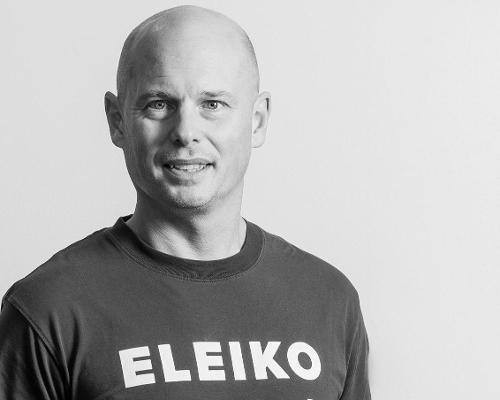
PHOTO: McKinsey / NEAL HARDIE PHOTOGRAPH

Eric Falardeau from McKinsey will be a keynote speaker at the HCM Summit on 24 October in London. Find out more at www.HCMsummit.live

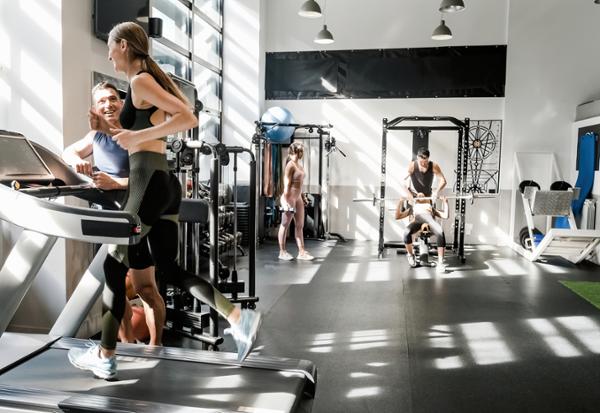
“We firmly believe there’s room in the sector for more than one proposition to win”, says Falardeau / photo: Shutterstock / muse studio
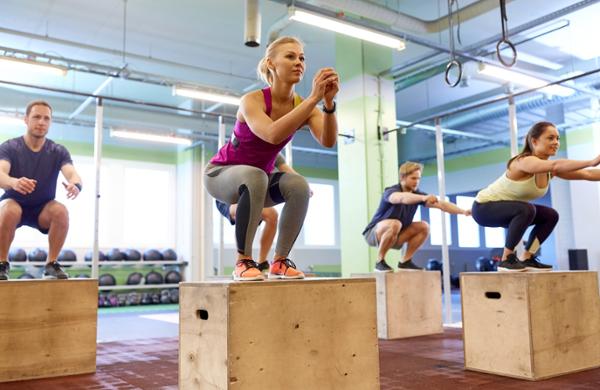
Young people are embracing fitness and healthy lifestyles as part of their identity / photo: Shutterstock / insta_photos
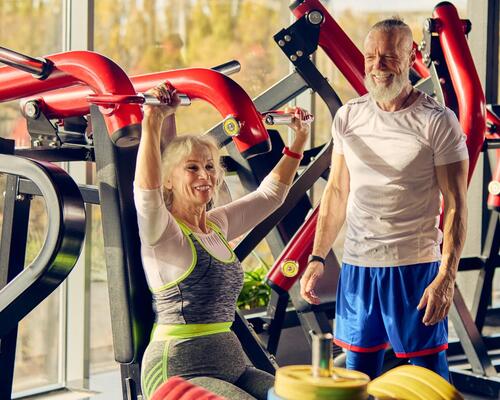
AI is being used to customise the health club experience / photo: Shutterstock / Daniel Megias
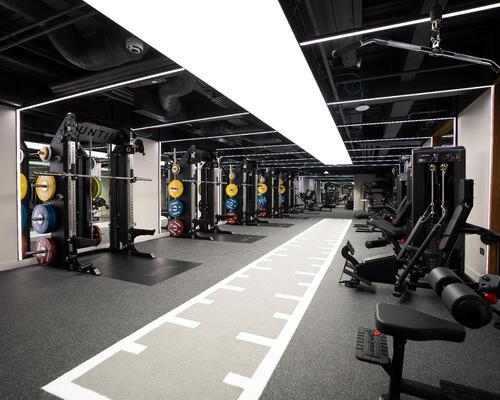
“Understanding the path to the consumer will define the winners in the next 10 years’” says Falardeau / photo: Shutterstock/Ground Picture
https://www.leisureopportunities.co.uk/images/2024/278410_826803.jpg
The sector has huge room to grow, the McKinsey global lead tells Kate Cracknell
HCM magazine
Collaborations with the medical profession and greater aspirations around wellbeing are creating a need for more experts in our sector. It’s time to reboot our thinking around the workforce
HCM magazine
Small improvements to sleep, diet and physical activity have major benefits for the heart, according to new research from the University of Sydney
HCM magazine
For every member with a tripod and a big following, there are others irritated at the way equipment is being hogged or wary they’ll be in the background on someone’s Insta feed. Do influencers offer valuable, free marketing or are they just a nuisance? Kath Hudson finds out how operators are responding
HCM magazine
HCM People

Stephen Price

Founder, SP&Co Group
Working in public health over the last few years has lit up parts of my brain again
HCM magazine
As the entrepreneur who started Wexer, Fresh Fitness, Fitness DK and Repeat, as well as being a former elite athlete, Rasmus Ingerslev’s life looked perfect from the outside, but onthe inside it was a different story. He talks to Kath Hudson about healing old wounds
HCM promotional features
Sponsored
Find out how your gym can tap into the corporate wellness boom
HCM promotional features
Sponsored
David Lloyd is stepping up its commitment to women’s health as it continues to explore what fit-for-purpose looks like for the female population
HCM promotional features
Sponsored
Third Space partnered with IndigoFitness to deliver a bespoke training space for its new club at The Whiteley
HCM promotional features
Sponsored
Starpool supports Olympic champion Marcell Jacobs, says Riccardo Turri
HCM promotional features
Sponsored
SnowDome Fitness has added 50 per cent more space with cutting-edge Technogym solutions
HCM promotional features
Sponsored
Greg Bradley looks at the shift towards strength training in gyms and advises on how operators can create the ultimate training environment
HCM promotional features
Sponsored
EGYM has opened a new HQ in Paternoster Square, London and revealed a range of new launches
HCM promotional features
Sponsored
Pulse Fitness has created a new health club delivering an elevated wellness experience
HCM promotional features
Sponsored
Active IQ is calling for greater accountability in online fitness advice with the launch of a new trustmark
HCM promotional features
Latest News
Longevity is the most important motivator for today’s exercisers and social connection is key, according ...
Latest News
Until has opened its fourth club at Canary Wharf, in the iconic YY London building. ...
Latest News
Ben Allen has been appointed managing director at Common Bond. Having set the company up ...
Latest News
Les Mills, whose name became synonymous with one of the world's leading fitness brands, has ...
Latest News
People taking GLP-1 weight loss medications such as Ozempic, Wegovy, Mounjaro and Zepbound may be ...
Latest News
Low-cost gym operator, PureGym, is trialling recovery zones at two of its UK sites, democratising ...
Latest News
In a milestone moment, mental health has become a core part of CIMSPA’s occupational professional ...
Latest News
US high-value, low-price chain, Eos Fitness, has announced plans to pilot reformer Pilates in three ...
Opinion
promotion
Strength training has moved from the margins to the mainstream.
Opinion: Building smarter strength spaces for today’s operators
Featured supplier news
Featured supplier news: CoverMe extends matching service to personal training, rewriting how members and personal trainers connect
CoverMe, the global leader in fitness workforce management, today launches CoverMe PT, an on-demand personal training platform that connects the right personal trainer to the right client in under 10 seconds.
Featured supplier news
Featured supplier news: Supporting long-term health: why whole body vibration belongs in clinical settings
As healthcare continues to shift towards prevention, there’s a growing focus on helping people stay active, independent and feeling good for longer.
Company profiles
Company profile: TechnoAlpin Indoor
TechnoAlpin Indoor offers expert consultation for indoor snow concepts, assisting customers with the integration of ...
Company profiles
Company profile: Precor
Precor provides fitness and wellness equipment to all market segments, including commercial clubs/facilities, Hospitality, Residential, ...
Supplier Showcases
Supplier Showcase - From nightclub to health club
Supplier Showcases
Supplier Showcase - Future-proofing
Catalogue Gallery
Click on a catalogue to view it online
Featured press releases
Swimming Teachers' Association (STA) press release: STA Safeguarding programme for aquatic professionals awarded CIMSPA endorsement and CPD points
STA is pleased to announce that its Safeguarding Children and Adults at Risk CPD has been endorsed by the Chartered Institute for the Management of Sport and Physical Activity (CIMSPA) against both the Safeguarding and Protecting Children and Safeguarding Adults technical specialism professional standards.
Featured press releases
CoverMe Ltd press release: CoverMe and Jobs In. Fitness partner to create end-to-end talent solution
CoverMe, the UK’s leading fitness workforce management and recruitment platform, has partnered with Jobs In. Fitness, the specialist executive search and advisory firm for the fitness and wellbeing sector, to give operators a single route to talent at every level – from frontline staffing to C-suite.
Directory
Fitness tracking platform
SpiviTech: Fitness tracking platform
Hot tubs
MSpa International Ltd: Hot tubs
Industrial washing machines
Miele Company Limited: Industrial washing machines
Spa and beauty equipment
Living Earth Crafts: Spa and beauty equipment
Lockers
Crown Sports Lockers: Lockers
Water experiences and hydrotherapy solutions
Aquaform s.r.l.: Water experiences and hydrotherapy solutions
Property & Tenders
Stratford, East London.
Lee Valley Regional Park Authority
Property & Tenders
Y Felinheli, LL56 4QN
Newmark
Property & Tenders
Diary dates
21-24 Sep 2026
The Langham Huntington Pasadena , Pasadena, United States
Diary dates
06-08 Oct 2026
Messe Stuttgart, Stuttgart, Germany
Diary dates
22-22 Oct 2026
QEII Conference Centre, London,
Diary dates
26-29 Oct 2027
Koelnmesse Exhibition Centre, Cologne, Germany
Diary dates

features

Interview: Eric Falardeau

Fitness, health and wellness is one of today’s most dynamic consumer sectors, says McKinsey’s global fitness and wellness lead. He shares insights with Kate Cracknell

Published in Health Club Management 2024 issue 7
Falardeau will be speaking at the HCM Summit
The best experiences come from gyms that have empowered their teams to listen, help and build community

Tell us about your team at McKinsey.
It’s very global. We have colleagues with fitness and wellness experience and expertise across continents. We also have colleagues with the most relevant functional expertise to the sector and in many cases, with past experience in fitness – for example, having worked in areas such as pricing and revenue management, artificial intelligence, innovation and product design.

What’s the scope of your work?
We conduct research – including our annual Future of Wellness report – covering the US, UK, Brazil, China and Germany. It monitors the evolution of how consumers interpret overall health and wellness – not just movement, but also beauty, sleep, rest, recovery and nutrition – and looks at how that’s changing, both in terms of attitudes and behaviours.

How embedded are you in the sector?
We do a lot of consultancy work for individual clients: there are a number of fitness chains that – faced with increased competition over the last 10 years – have felt on the back foot. They come to us to establish the best ways to respond to the rapid growth of competition – whether that be digital disruptors or operators launching new health club business models.

There’s a big question for a lot of these players, which is: how strong is my value proposition? Do I need to cut prices? Do I need to invest in my product?

This is where we can leverage our revenue management approach and our pricing and promotions expertise, because membership can be immensely flexible – operators can choose what to include within different tiers.

We use a broader strategic lens to understand how consumers are making their choices, but the core of the work involves building a simulator that allows us to optimise membership tiers and pricing for that specific operator.

We then accompany each client through the execution of its new pricing strategy, because how you present the different options to members – whether digitally or through an in-club sales force, for example – has a huge impact on what consumers choose.

What other areas to you work in?
Another thing we do is deep dive into geospatial analytics, helping operators understand where they should open their next 15 clubs – or their next 100. We also do due diligence, establishing the inherent quality of an asset that someone’s potentially looking to buy.

Our teams are increasingly looking at AI – one of the biggest opportunities in the sector – to establish ways in which information can inform business decisions and how AI and digital touchpoints can be used to increasingly personalise the experience – one member at a time – and improve retention in a cost-efficient way or greatly improve marketing effectiveness.

These are just a few examples, to give a flavour of the types of projects we work on, but every challenge demands a fresh approach.

What does your consumer insight tell you?
When we talk to fitness consumers for our research and insight work, there’s a very clear recognition and understanding of there fundamentally being two tiers in the health club sector: firstly value propositions – relatively low prices with simpler offerings – and then premium options. They don’t see four or five tiers in the market as some operators do.

However, there’s scope to expand this if operators can get their offering right – consumers will choose a brand based on the net total value of the experience that’s delivered to them, rather than price alone.

We see an interesting opportunity to differentiate at the lower end of the market. In the US, the Nordics, Turkey and increasingly in Spain, for example, there are already players coming in at a slightly higher price point – somewhere between the entry-price point propositions and the premium end and as fitness becomes such a core part of people’s lives and personal identities, operators are finding the space to charge a little more and give people more, by investing in the offering and the community.

They’re not trying to do everything the premium operators are doing, but they’re leaning in to key trends for services that their members are seeking and then delivering a lot of value by really excelling in these areas.

It’s a clear opportunity, because fitness is definitely not a commoditised category: for each individual consumer it’s their chosen solution to have their own moment, to be healthy in their own way – with their community or alone – with nuances in proposition and experience that identify it as being for people ‘like them’ and they’re willing to pay for such a personal choice and such an important moment.

So this is very far from the definition of a commodity and we firmly believe there’s room in the sector for more than one proposition to win.

How can investors and operators be sure about a value proposition?
In the world of discretionary offerings and increasingly competitive catchment areas, operators must earn being someone’s choice. If they offer an inferior value proposition – the same product, or at least with no discernible difference, for a higher price – of course they’ll have a difficult time winning.

Part of the beauty of this industry is people’s passion, their inclination to innovate and launch new things. But this means that sometimes value propositions and business models aren’t tested enough before they’re put out there. That, to me, is by far the biggest challenge for investors and the nature of the sector means it’s likely to remain so.

Business models and value propositions should be stress-tested. When businesses fail, it isn’t because fitness isn’t attractive. It’s more likely that the value proposition wasn’t strong enough, or perhaps it was too firmly anchored to a particular trend to be defendable in the long-term – this has happened quite a lot in the boutique segment.

What are you seeing in the boutique market?
It’s the market segment that’s had the most tumultuous time over the last few years, but the relevance of the model is still strong.

If every detail is delivered optimally, consumers still seek out boutiques and choose to pay for them, so they definitely have reason to exist – albeit the longevity of value propositions can be a challenge in such a competitive, trend-led sector.

What’s changed, as we know, are people’s life patterns, with hybrid working impacting footfall at boutiques in city centre locations. Even looking forward, it seems hybrid working is here to stay for a large set of job types and this has important implications. Studios must continue to evolve their marketing strategies to meet this reality.

They must also understand the implications of the scaling of aggregators, especially those that go through employers. As smaller businesses, boutiques have often needed a marketing partner and the aggregators have stepped into that role. But we’re asking how that plays out going forward?

Over the next 10 years, I see boutiques changing their models to gain a marketing advantage, either grouping up to engage consumers in different ways and harnessing a larger body of customer data – some players are already doing this – or finding better ways to partner with aggregators.

Either way, marketing will become more and more important as a capability in these types of businesses. Understanding the path to the consumer will define the winners in the next 10 years.

What trends has your research identified?
The lines are now blurred between the different dimensions of wellness. From movement to recovery, wearables to nutrition, people don’t make one choice. They bring things together to enhance their outcomes.

We talk about consumers having an omni-routine in which each individual crafts their own answer out of various health and wellness offerings.

People also now understand that outcomes are multi-dimensional: that it’s about mental wellbeing as much as about physical results.

I’m not a fan of buzzwords, but ‘health is wealth’ is definitely one that resonates with what I see, both when we’re looking at the consumer data and when we’re talking to our operator clients.

People’s relationship with movement is also much healthier than it used to be. Gone are the days of fitness as a purely aesthetic pursuit. It’s now seen as part of a balanced, healthy lifestyle.

And there are notable opportunities for innovation. These result from big gaps between the degree to which things matter to people, and the degree to which current offerings meet those needs. Sleep and recovery are great examples – there’s definitely space there for innovation.

Personalisation is another interesting area. It relies on consumers being comfortable with sharing data and we’re seeing a lot more openness in this respect. People are recognising that their objectives, their bodies, their realities and routines differ greatly from one individual to the next, so they understand the benefits of personalisation and they’re more happy to share data to get this.

Probably the thing that’s surprises me most, however, is the degree to which younger cohorts of consumers are really diving into all of this. Fitness isn’t just a thing they do. It’s part of their identity. We’re seeing this globally and it bodes very well for the sector.

Are operators responding to these trends?
In aggregate they’re doing OK, but there’s still so much more that can be done to drive the industry forward.

We’re seeing a lot of operators looking at trends and asking if they represent new monetisation opportunities, so this is very positive – given the broader definition of wellness, for example, can they incorporate new ancillary services? But then you go into some health clubs and they feel sterile, intimidating and unwelcoming, so more change is needed.

Let’s do a comparison with Starbucks – not a perfect analogy, but a thought-provoking one.

Coffee as a category has undergone huge changes over the last few decades. It’s no longer about the rational delivery of a liquid that will give you heat and energy. It’s about being an experience and a moment that matters: one of the most important moments in the morning routine for many people.

As a result, it’s taken on new societal meaning and this has impacted the average price point.

This has happened because leaders, such as Starbucks, fully committed to the belief in being a third place and creating a differentiated offering with a range of options that delights consumers.

If Starbucks can do this, imagine what a health club could be like if operators really committed to creating a third place and harnessed all these learnings.

How should a club be designed if it has this aspiration, rather than simply being a location where people find the weights they need to do their workouts? What should it feel like to enter a club that’s a welcoming place for ‘people like you’? How could every single thing in that club coherently reinforce that impression and feeling?

What Starbucks has achieved and the economic value it’s created from evolving the consumer net experience – all in a sector with far less opportunity to differentiate propositions than fitness – is incredible.

This is what health club operators have the opportunity to do – create different value propositions within the sector to radically improve their business models and their ability to scale and increase prices in a way that consumers feel is fair.

What’s your advice when it comes to AI?
In the fitness sector, there’s an opportunity to become less ‘push, push, push’ and more ‘pull when you need me’.

AI is a key ingredient here, redefining what’s possible by using data to identify audiences at the precise moment they’re receptive, then personalising the message to focus on the exact elements of the offering they’ll be interested in.

In fact, leveraging information is one of the biggest opportunities for the sector generally. You get so many clues about how a person is feeling and what you can do to bring them back on track, presenting a huge opportunity to improve the experience through personalisation.

The market leaders are already moving from logical theory to the smart application of AI, one step at a time, but now the whole sector must commit to this. It’s going to be game-changing for both business and societal outcomes and it’s the thing I have my eye on most keenly.

What other opportunities do you see?
The human component is really important; the best experiences come from gyms that have empowered their teams to listen, help and build community, but all too often that isn’t done. In so many gyms, you can almost see the ‘to do’ list on team members’ minds – all the other jobs they have to do besides talking to members. I don’t think the sector has done a great job of elevating what it means to be an employee.

It’s a challenge, but I also see it as one of the sector’s great opportunities – fostering the best possible teams at scale across all sizes of organisations.

I’ll go back to the Starbucks analogy. Don’t blame high staff turnover on instructors all being young. It used to be that Starbucks staff were just young people pouring coffee and saying goodbye, but now they’re baristas delivering a high-level of service.

There are plenty of opportunities to change staffing in the fitness sector too. When you talk to people about why they’re proud to work in the sector it always goes straight to social impact. At an individual level, they’re very conscious of it. It drives their motivation and it’s one of the most beautiful things about having the chance to work in this market, but the small degree to which leaders lean into that narrative makes this a missed opportunity.

Preserve humility – it’s what will drive continued innovation and improvement – but be louder in your pride for what you dedicate yourself to every single day. Lean into it more meaningfully.

What motivates you personally?
Consulting is a fascinating profession – every day, I get to help fantastic companies and people achieve their objectives – and fitness and wellness in particular have always been a personal interest.

I then look at the business problems worth solving and see so much opportunity for the fitness sector to innovate – to better support people in living the active lives they wish they lived. It’s one of the most exciting current global challenges I could wish to partake in.

There are great tailwinds and so many opportunities. It makes this one of the most exciting consumer discretionary sectors to be a part of.
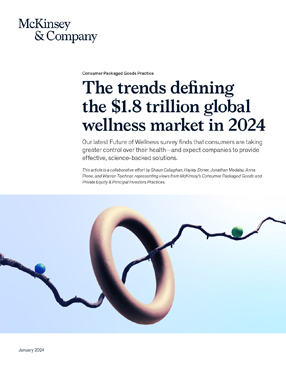
Read the report: Future of Wellness www.hcmmag.com/futureofwellness24
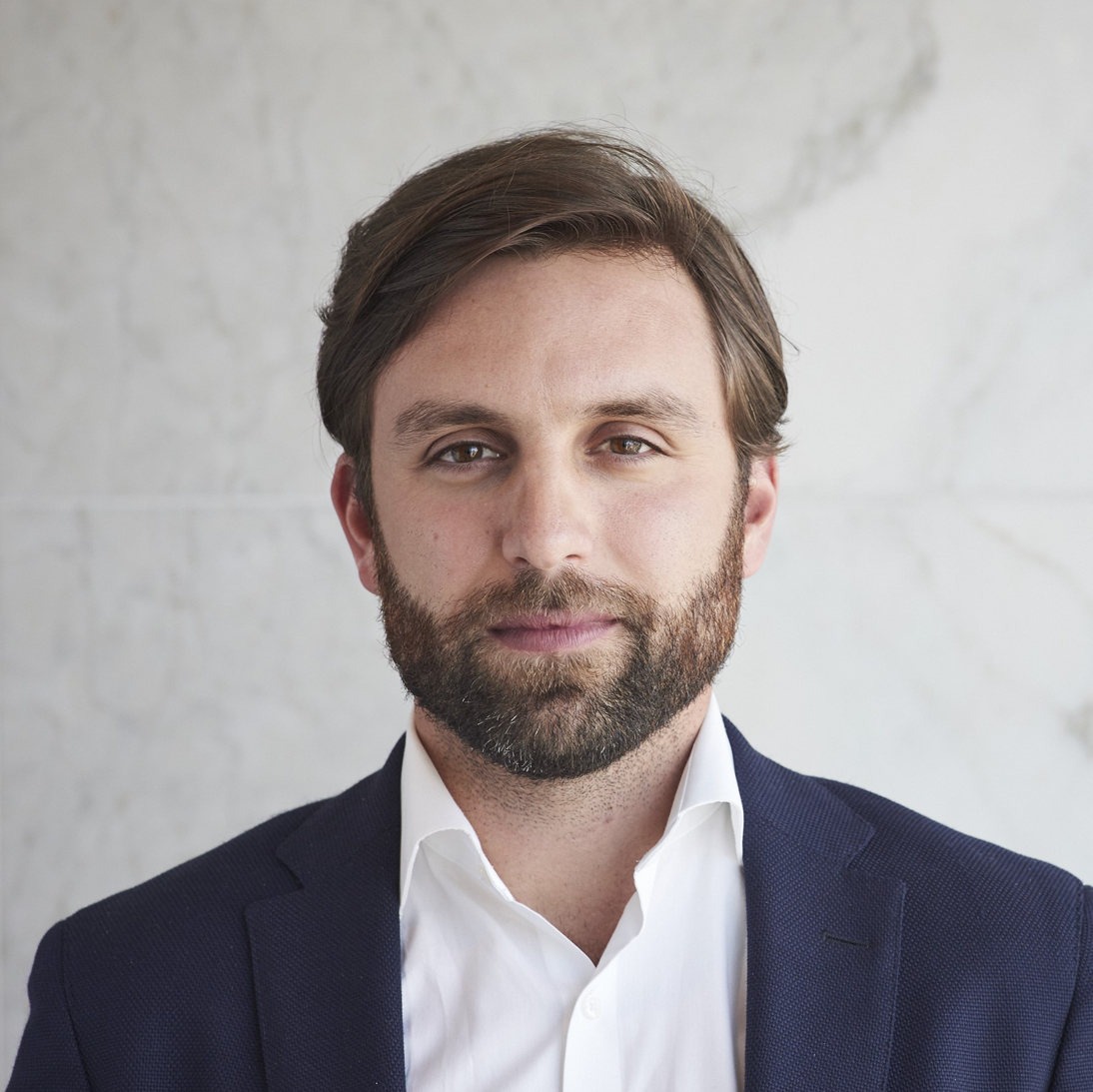
PHOTO: McKinsey / NEAL HARDIE PHOTOGRAPH

Eric Falardeau from McKinsey will be a keynote speaker at the HCM Summit on 24 October in London. Find out more at www.HCMsummit.live


“We firmly believe there’s room in the sector for more than one proposition to win”, says Falardeau / photo: Shutterstock / muse studio
Young people are embracing fitness and healthy lifestyles as part of their identity / photo: Shutterstock / insta_photos
AI is being used to customise the health club experience / photo: Shutterstock / Daniel Megias
“Understanding the path to the consumer will define the winners in the next 10 years’” says Falardeau / photo: Shutterstock/Ground Picture
https://www.leisureopportunities.co.uk/images/2024/278410_826803.jpg
The sector has huge room to grow, the McKinsey global lead tells Kate Cracknell
Latest News
Longevity is the most important motivator for today’s exercisers and social connection is key, according ...
Latest News
Until has opened its fourth club at Canary Wharf, in the iconic YY London building. ...
Latest News
Ben Allen has been appointed managing director at Common Bond. Having set the company up ...
Latest News
Les Mills, whose name became synonymous with one of the world's leading fitness brands, has ...
Latest News
People taking GLP-1 weight loss medications such as Ozempic, Wegovy, Mounjaro and Zepbound may be ...
Latest News
Low-cost gym operator, PureGym, is trialling recovery zones at two of its UK sites, democratising ...
Latest News
In a milestone moment, mental health has become a core part of CIMSPA’s occupational professional ...
Latest News
US high-value, low-price chain, Eos Fitness, has announced plans to pilot reformer Pilates in three ...
Latest News
Preventive healthcare company Neko Health has added body composition analysis to its full-body health scan ...

Latest News
Chequan Lewis is the new CEO of Crunch Fitness, taking over from Jim Rowley, who ...
Latest News
Sea Lanes Canary Wharf has officially opened. The 50-metre, six-lane pool, which uses the natural ...
Opinion
promotion
Strength training has moved from the margins to the mainstream.
Opinion: Building smarter strength spaces for today’s operators
Featured supplier news
Featured supplier news: CoverMe extends matching service to personal training, rewriting how members and personal trainers connect
CoverMe, the global leader in fitness workforce management, today launches CoverMe PT, an on-demand personal training platform that connects the right personal trainer to the right client in under 10 seconds.
Featured supplier news
Featured supplier news: Supporting long-term health: why whole body vibration belongs in clinical settings
As healthcare continues to shift towards prevention, there’s a growing focus on helping people stay active, independent and feeling good for longer.
Company profiles
Company profile: TechnoAlpin Indoor
TechnoAlpin Indoor offers expert consultation for indoor snow concepts, assisting customers with the integration of ...
Company profiles
Company profile: Precor
Precor provides fitness and wellness equipment to all market segments, including commercial clubs/facilities, Hospitality, Residential, ...
Supplier Showcases
Supplier Showcase - From nightclub to health club
Supplier Showcases
Supplier Showcase - Future-proofing
Catalogue Gallery
Click on a catalogue to view it online
Featured press releases
Swimming Teachers' Association (STA) press release: STA Safeguarding programme for aquatic professionals awarded CIMSPA endorsement and CPD points
STA is pleased to announce that its Safeguarding Children and Adults at Risk CPD has been endorsed by the Chartered Institute for the Management of Sport and Physical Activity (CIMSPA) against both the Safeguarding and Protecting Children and Safeguarding Adults technical specialism professional standards.
Featured press releases
CoverMe Ltd press release: CoverMe and Jobs In. Fitness partner to create end-to-end talent solution
CoverMe, the UK’s leading fitness workforce management and recruitment platform, has partnered with Jobs In. Fitness, the specialist executive search and advisory firm for the fitness and wellbeing sector, to give operators a single route to talent at every level – from frontline staffing to C-suite.

Directory
Fitness tracking platform
SpiviTech: Fitness tracking platform
Hot tubs
MSpa International Ltd: Hot tubs
Industrial washing machines
Miele Company Limited: Industrial washing machines
Spa and beauty equipment
Living Earth Crafts: Spa and beauty equipment
Lockers
Crown Sports Lockers: Lockers
Water experiences and hydrotherapy solutions
Aquaform s.r.l.: Water experiences and hydrotherapy solutions
Property & Tenders
Stratford, East London.
Lee Valley Regional Park Authority
Property & Tenders
Y Felinheli, LL56 4QN
Newmark
Property & Tenders
Diary dates
21-24 Sep 2026
The Langham Huntington Pasadena , Pasadena, United States
Diary dates
06-08 Oct 2026
Messe Stuttgart, Stuttgart, Germany
Diary dates
22-22 Oct 2026
QEII Conference Centre, London,
Diary dates
26-29 Oct 2027
Koelnmesse Exhibition Centre, Cologne, Germany
Diary dates
Search news, features & products:
Find a supplier:
Partner sites