












GET HCM
magazine
Sign up for the FREE digital edition of HCM magazine and also get the HCM ezine and breaking news email alerts.
Not right now, thanksclose this window I've already subscribed!
Les Mills
Les Mills
Les Mills
Follow Health Club Management on Twitter Like Health Club Management on Facebook Join the discussion with Health Club Management on LinkedIn
FITNESS, HEALTH, WELLNESS

features

Interview: Dennis Pellikaan

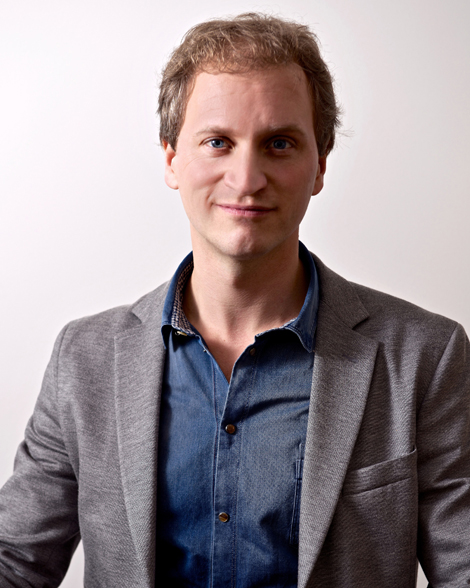
The co-owner and company director of Pellikaan in the Netherlands talks to Kate Cracknell about rental models, integrating medical and fitness offerings, and differentiation through service

By Kate Cracknell | Published in Health Club Management 2013 issue 4
We wanted to create what we call our ‘3Cs’ approach – a philosophy of cure, care and control – by fully integrating medical expertise into our club offering

My view is that, across the whole of the Netherlands, the fitness sector needs to get better at delivering the product people are actually asking for,” says Dennis Pellikaan, company director and co-owner, along with brother Patrick, of family-owned Pellikaan – a company that encompasses health club operations as well as construction (see The Pellikaan Story, p33). “That means better goal-setting, for example, really getting people into the habit of being active. But most of all it’s about creating a service culture.”

He continues: “Patrick and I have grown up in our family’s fitness facilities. I also used to work at the Harbour Club in London, UK. So sport and physical activity really runs through our veins – but not to the point that we’ve lost touch with the mindset of our members. In fact, that’s what drives me: I always strive to look through the eyes of the consumer.

“Not everyone is sports-mad – we know it’s an effort for people to get active – and we therefore focus on the total experience at our health clubs, doing everything we can to make them places in which people want to spend time. Service levels are key to that, and this is an area in which we aim to constantly improve, learning not only from other health and fitness businesses but also from restaurants and hotels, for example.”

Taking on the budget gyms
This focus on service is particularly important in the Netherlands, says Pellikaan, where the budget sector has taken a firm grip: “Our facilities are beautiful and very extensive, and we invest heavily in maintaining their high quality. But our membership fees, which average around €65 a month, put us very much at the top end of the market. We therefore aim to differentiate ourselves on more than just our facilities, with a strong focus on lifestyle as well as complementary, value-added offerings. However, we believe the only real way to set ourselves apart from the budget sector is by focusing on service.”

Pellikaan continues: “Most gym operators in the Netherlands are either converting their clubs to a budget model or else launching a budget arm to their business. And the low-cost sector is doing very well here – it’s all but killed off the mid-market.

“We’re perfectly happy with that, as it puts our product firmly where we want it to be: at the premium end of the market. However, the budget clubs’ product isn’t bad, which makes it hard for us to compete for members who are only interested in fitness: if all they want is a gym, they’re not going to pay €65 a month when they could be paying €15.”

A new medical offering
Nevertheless, Pellikaan’s focus for now is on continuing to justify his clubs’ premium price tag. “It’s about adding value to the membership, trying to attract a different type of person to the club – someone who’s still willing to pay our prices in exchange for the facilities we offer,” he says. “Our medical health clinics are a good example of this – they are bringing people to our clubs who never would have joined or visited before.”

Originally launched in 2010 and currently available at three sites, both for members and non-members, the medical offering is designed to broaden the health club model to address what Pellikaan sees as the two key trends in society: an ageing population, and the growing issue of obesity.

“We already had in-house physiotherapists, but essentially they just rented a room – there wasn’t any real connection between our product and their expertise or facilities. We wanted to create what we call our ‘3Cs’ approach – a philosophy of cure, care and control – by fully integrating medical expertise into the offering at our clubs.

“Our medical centre model comprises on average six or eight consultation rooms rented out to physiotherapists, nutritionists, psychologists, oncologists, podiatrists and so on. We offer vitality checks (V-Checks – see HCM Oct 10, p29), obesity programmes, special physiotherapy for cyclists. We even go into local companies to offer fitness advice and occupational health checks.

“It’s been a deliberate decision that all our medical professionals are local people – we don’t have agreements at a national level to cover all our clubs. We want people who are proactive within our clubs, marketing their services to our members. But we also want people who have strong streams of business locally – relationships with nearby hockey clubs, tennis clubs and so on – as this brings new prospects into our facilities.”

Pellikaan continues: “The biggest challenge, of course, is to create a seamless connection between the fitness and medical elements of our offering. We’re trying to treat the medical health team in the same way as we do our reception, sales or F&B teams, meeting on a monthly basis so everyone’s fully briefed on what everyone else is doing.

“But we also work together on developing programmes that involve everyone in the club, and that everyone feels ownership of. We don’t leave it to the medical professionals to introduce their own, standalone initiatives – we take the lead to ensure the bigger commercial picture is taken into account. Where do our staff come in? What information are we sharing with our fitness team when a member has a V-Check, for example, to help them put together a good programme for that member?

“It’s about creating and constantly refining the communication channels between medical and fitness, as well as evolving training ideas together as a team.”

The medical centre concept will now be rolled out to the other clubs – two this year and the sixth in 2014 – once, explains Pellikaan, the right medical professionals have been found. “That’s not easy, because the market in Holland has changed a lot,” he explains. “The government is trying to cut healthcare costs, and of course insurance companies still want to make their margins, which means consumers are having to pick up more of the costs themselves. Physiotherapists, nutritionists and so on are reporting a drop in demand of around 15–20 per cent as a direct result of this. They’re therefore more hesitant about committing to paying rent to us. Once our centres get up and running they go very well, and we get lots of interest from local professionals. But finding the right people in the first place takes time.”

The effort is worthwhile though, as Pellikaan explains: “The medical offering is very important for our brand as a whole. As I explained before, we need to differentiate our offering and add value to our facilities and product, and a medical health clinic is a great way of doing that. It generates a lot of publicity and makes the club more professional in the eyes of the consumer.”

A rental model
Although the medical centres are performing well, the income from renting out the space remains small when compared with membership revenues. However, says Pellikaan: “We have big clubs and we weren’t effectively using all of the space, so the rental model makes perfect sense.”

There’s also an additional bonus for the clubs’ bottom line: “With the medical centres, not only do we get rental revenues, but we’re also slowly seeing income from personal training going up due to referrals from the medical centres.”

Meanwhile, a partnership with national childcare provider Kinderstad has provided the clubs with an additional rental-based revenue stream. “Children represent a key opportunity for the health and fitness sector,” says Pellikaan. “However, although our health clubs are very family-orientated, we decided we should stick to what we do best and bring in a third party to run our daycare offering.

“Kinderstad has dedicated areas within our clubs to run after-school clubs for kids while their parents are still at work. That also allows it to introduce sports into its offering, using our facilities – which again brings in additional revenue for us, as the kids pay for sports sessions, swimming lessons, karate and so on.”

Given the large footprint of the Pellikaan clubs, are there any plans for further rental-based agreements? “Yes,” says Pellikaan. “I’m currently busy working on a deal with a big dental operation. If I’m honest, that’s purely a commercial venture: although there’s some synergy between dentistry and the rest of our medical offering, there’s no real connection with our health club facilities. Really it’s just about driving revenue from our spare square metres. That said, if it helps the member in some way – through convenience of location for example – then it’s one more way of adding perceived value to our offering.”

Future plans
So if we project forward 10 years, where does Pellikaan see the company? “I’d definitely like to have more clubs – around three or four in that sort of timeframe, perhaps one of which could be international. We have considered going into markets such as Belgium, for example.

“I think our focus on families and children will continue to grow, as will our medical offering and our programming for the older population. And no doubt we’ll continue to enhance our offering in ways we’re already working on, to ensure it remains relevant in the future: improving service for our members, introducing IT to help deliver results, cutting costs, introducing much more measurement across all departments to ensure we’re being as effective and efficient as we can be.

“Ultimately I don’t see obstacles. I just see opportunities. Patrick and I are both still young – he’s 40 and I’m 35 – and we have a lot of appetite for this industry. We’re both very, very positive about the future.”

The Pellikaan Story

“The Pellikaan business began with my grandfather,” says Dennis Pellikaan. “He used to play for the Dutch football team and was very into sports, so when his football career ended and he launched his construction company, he focused heavily on building sports facilities for the local councils – swimming pools, sports halls and so on.

“Then, 36 years ago, he started his own multi-functional tennis centre – a concept he’d seen in the US. He built and operated the facility and the model proved a success in the Dutch market, so he built more – not only in Holland, but also in Germany and Belgium, where he also had construction companies.

“The clubs attracted all the top tennis players: David Lloyd, for example, played for my grandfather’s first team in the Netherlands. In fact, it was this experience that encouraged David to go back to the UK and build a tennis club just like my grandfather’s. At the time we didn’t have a construction company in the UK, so we didn’t build the first ever David Lloyd club, but we built the second and still build a lot of their facilities for them now.

“In the end, my grandfather operated three facilities of his own – big tennis clubs with indoor courts, squash, a restaurant – which at the time were unique in Holland. Of course, the product has evolved a lot since then to become the full-service health club offering we have nowadays, but that’s how it all started 36 years ago.”

He continues: “My grandfather continued to run the clubs when he retired. Meanwhile my father took over the construction business, building clubs for the likes of David Lloyd Leisure in the UK. My father soon realised the tennis club model wasn’t really evolving any more, so he decided to introduce to Holland the model he’d seen working in the UK: the full health club offering with a monthly membership. The first such facility opened in Amersfoort 20 years ago. It still had indoor and outdoor tennis, as well as squash, but now it also had 1,000sq m of fitness, two aerobics studios, a swimming pool, sauna and so on.

“Fast-forward to today and we now have seven clubs in the Netherlands: six branded as Club Pellikaan, with a seventh – an older-style tennis club – due to be overhauled and rebranded as a Club Pellikaan in the next couple of years. We had wanted to do it sooner, but the economic crisis delayed the project. For now, we’ve created a budget gym on-site, so there is at least a fitness offering.”

Pellikaan concludes: “There continues to be great synergy between the construction company and the health club business, because both parties have the same expertise in operations. The construction people understand how the clubs work and the whole co-operative relationship works very well.”
Sign up here to get HCM's weekly ezine and every issue of HCM magazine free on digital.
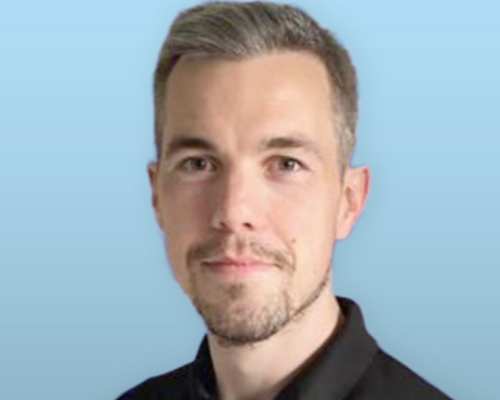
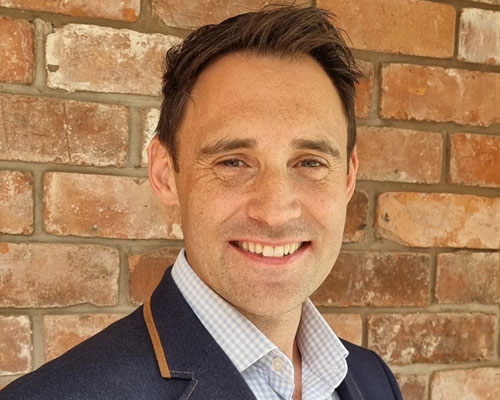
Dennis Pellikaan
Dennis Pellikaan
Pellikaan operates at the premium end of the market
Pellikaan was the first company to bring the full health club offer to Holland 20 years ago
There are six Pellikaan clubs, with a seventh to follow after a rebrand
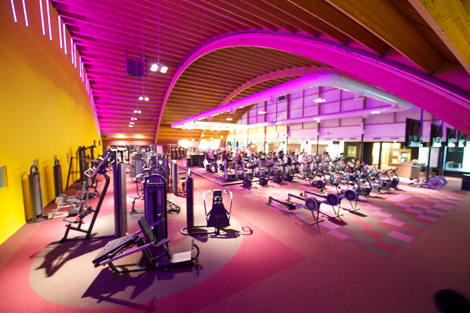
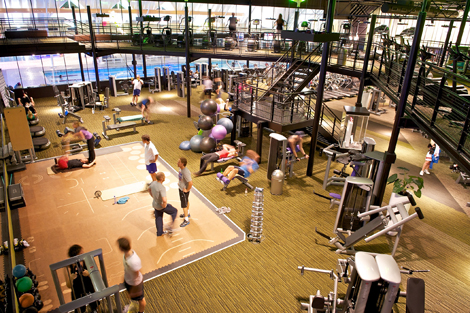
The clubs offer a wide range of facilities – but service remains the USP
A partnership with a national childcare provider has created new revenue streams
After-school clubs bring in extra business
https://www.leisureopportunities.co.uk/images/HCM2013_4interview.gif
The co-owner and director of Dutch health club operator and construction company Pellikaan talks to Kate Cracknell about integrating fitness and medical offerings
Dennis Pellikaan, Pellikaan,Netherlands, medical, rental model
HCM magazine
For every member with a tripod and a big following, there are others irritated at the way equipment is being hogged or wary they’ll be in the background on someone’s Insta feed. Do influencers offer valuable, free marketing or are they just a nuisance? Kath Hudson finds out how operators are responding
HCM magazine
If the health service is to survive, we must recognise that it is a disease service – and that wellbeing rests with us, says the activity advocate and healthy ageing champion. He talks to Kate Cracknell
HCM magazine
Raphael Cuomo explores the powerful link between addiction, health and behaviour change
HCM magazine
As the entrepreneur who started Wexer, Fresh Fitness, Fitness DK and Repeat, as well as being a former elite athlete, Rasmus Ingerslev’s life looked perfect from the outside, but onthe inside it was a different story. He talks to Kath Hudson about healing old wounds
HCM magazine
Strength training is evolving, driven by changing consumer preferences. Julie Cramer talks to innovators about how their products are meeting this demand
HCM promotional features
Sponsored
Find out how your gym can tap into the corporate wellness boom
HCM promotional features
Sponsored
SnowDome Fitness has added 50 per cent more space with cutting-edge Technogym solutions
HCM promotional features
Sponsored
Greg Bradley looks at the shift towards strength training in gyms and advises on how operators can create the ultimate training environment
HCM promotional features
Sponsored
Starpool supports Olympic champion Marcell Jacobs, says Riccardo Turri
HCM promotional features
Sponsored
Third Space partnered with IndigoFitness to deliver a bespoke training space for its new club at The Whiteley
HCM promotional features
Sponsored
David Lloyd is stepping up its commitment to women’s health as it continues to explore what fit-for-purpose looks like for the female population
HCM promotional features
Sponsored
EGYM has opened a new HQ in Paternoster Square, London and revealed a range of new launches
HCM promotional features
Sponsored
The industry is embracing consumer-facing tech. Now it’s time to streamline back-of-house systems with Orbit4, says Daniel Jones
HCM promotional features
Sponsored
Pulse Fitness has created a new health club delivering an elevated wellness experience
HCM promotional features
Latest News
Purpose Brands has announced its entry into the Italian market, having sold the franchise rights ...
Latest News
Fitness First UK is integrating red light therapy into its yoga and Pilates classes through ...
Latest News
Nuffield Health has told HCM that it takes its responsibilities towards its colleagues seriously and ...
Latest News
Technogym has announced the launch of the Run X World Treadmill Championship, the first world ...
Latest News
Shocked by the UK loneliness statistics, charitable trust Mytime Active has been doubling down on ...
Latest News
Portugal’s leading operator, SC Fitness, is celebrating a milestone by reaching 100 gyms.  The company ...
Latest News
Australia’s fast-growing fitness network, Viva Leisure, is adding a low-cost gym brand to its already ...
Latest News
Speedflex has launched a strength training programme for 10 to 16-year-olds, to make it safer, ...
Opinion
promotion
Strength training has moved from the margins to the mainstream.
Opinion: Building smarter strength spaces for today’s operators
Featured supplier news
Featured supplier news: Reaching the people most gyms miss: Bedford Gym & Swim Campaign delivers 410 new members
One of the biggest mistakes the fitness industry still makes is advertising almost exclusively to people who already look and live like gym members.
Featured supplier news
Featured supplier news: Supporting long-term health: why whole body vibration belongs in clinical settings
As healthcare continues to shift towards prevention, there’s a growing focus on helping people stay active, independent and feeling good for longer.
Company profiles
Company profile: Life Fitness/Hammer Strength
Life Fitness, Hammer Strength, and ICG are global leaders in premium fitness solutions, trusted by ...
Company profiles
Company profile: EGYM UK Ltd
EGYM partners with companies to improve employee health by providing access to fitness and health ...
Supplier Showcases
Supplier Showcase - Future-proofing
Catalogue Gallery
Click on a catalogue to view it online
Featured press releases
MyZone press release: Myzone global data reveals the building blocks of consistent exercise habits
A major new report from Myzone, the global leader in motivation technology for fitness, reveals how motivation becomes habit and how that transformation drives member retention and long-term business growth.
Featured press releases
GLL press release: GLL highlights the importance of drowning prevention to kids nationally as summer holidays near
School assemblies and water safety messages as part of swim lessons.   The UK's largest public pools and swim school operator, GLL, is providing timely activities during Drowning Prevention Week (13-20 June 2026) to raise awareness of water safety ahead of kids breaking up for the summer holidays.
Directory
Spa and beauty equipment
Living Earth Crafts: Spa and beauty equipment
Industrial washing machines
Miele Company Limited: Industrial washing machines
Lockers
Crown Sports Lockers: Lockers
Water experiences and hydrotherapy solutions
Aquaform s.r.l.: Water experiences and hydrotherapy solutions
Fitness tracking platform
SpiviTech: Fitness tracking platform
Hot tubs
MSpa International Ltd: Hot tubs
Property & Tenders
Stratford, East London.
Lee Valley Regional Park Authority
Property & Tenders
Y Felinheli, LL56 4QN
Newmark
Property & Tenders
Diary dates
13-13 Jun 2026
Worldwide, Various,
Diary dates
21-24 Sep 2026
The Langham Huntington Pasadena , Pasadena, United States
Diary dates
06-08 Oct 2026
Messe Stuttgart, Stuttgart, Germany
Diary dates
22-22 Oct 2026
QEII Conference Centre, London,
Diary dates
26-29 Oct 2027
Koelnmesse Exhibition Centre, Cologne, Germany
Diary dates

features

Interview: Dennis Pellikaan

The co-owner and company director of Pellikaan in the Netherlands talks to Kate Cracknell about rental models, integrating medical and fitness offerings, and differentiation through service

By Kate Cracknell | Published in Health Club Management 2013 issue 4
We wanted to create what we call our ‘3Cs’ approach – a philosophy of cure, care and control – by fully integrating medical expertise into our club offering

My view is that, across the whole of the Netherlands, the fitness sector needs to get better at delivering the product people are actually asking for,” says Dennis Pellikaan, company director and co-owner, along with brother Patrick, of family-owned Pellikaan – a company that encompasses health club operations as well as construction (see The Pellikaan Story, p33). “That means better goal-setting, for example, really getting people into the habit of being active. But most of all it’s about creating a service culture.”

He continues: “Patrick and I have grown up in our family’s fitness facilities. I also used to work at the Harbour Club in London, UK. So sport and physical activity really runs through our veins – but not to the point that we’ve lost touch with the mindset of our members. In fact, that’s what drives me: I always strive to look through the eyes of the consumer.

“Not everyone is sports-mad – we know it’s an effort for people to get active – and we therefore focus on the total experience at our health clubs, doing everything we can to make them places in which people want to spend time. Service levels are key to that, and this is an area in which we aim to constantly improve, learning not only from other health and fitness businesses but also from restaurants and hotels, for example.”

Taking on the budget gyms
This focus on service is particularly important in the Netherlands, says Pellikaan, where the budget sector has taken a firm grip: “Our facilities are beautiful and very extensive, and we invest heavily in maintaining their high quality. But our membership fees, which average around €65 a month, put us very much at the top end of the market. We therefore aim to differentiate ourselves on more than just our facilities, with a strong focus on lifestyle as well as complementary, value-added offerings. However, we believe the only real way to set ourselves apart from the budget sector is by focusing on service.”

Pellikaan continues: “Most gym operators in the Netherlands are either converting their clubs to a budget model or else launching a budget arm to their business. And the low-cost sector is doing very well here – it’s all but killed off the mid-market.

“We’re perfectly happy with that, as it puts our product firmly where we want it to be: at the premium end of the market. However, the budget clubs’ product isn’t bad, which makes it hard for us to compete for members who are only interested in fitness: if all they want is a gym, they’re not going to pay €65 a month when they could be paying €15.”

A new medical offering
Nevertheless, Pellikaan’s focus for now is on continuing to justify his clubs’ premium price tag. “It’s about adding value to the membership, trying to attract a different type of person to the club – someone who’s still willing to pay our prices in exchange for the facilities we offer,” he says. “Our medical health clinics are a good example of this – they are bringing people to our clubs who never would have joined or visited before.”

Originally launched in 2010 and currently available at three sites, both for members and non-members, the medical offering is designed to broaden the health club model to address what Pellikaan sees as the two key trends in society: an ageing population, and the growing issue of obesity.

“We already had in-house physiotherapists, but essentially they just rented a room – there wasn’t any real connection between our product and their expertise or facilities. We wanted to create what we call our ‘3Cs’ approach – a philosophy of cure, care and control – by fully integrating medical expertise into the offering at our clubs.

“Our medical centre model comprises on average six or eight consultation rooms rented out to physiotherapists, nutritionists, psychologists, oncologists, podiatrists and so on. We offer vitality checks (V-Checks – see HCM Oct 10, p29), obesity programmes, special physiotherapy for cyclists. We even go into local companies to offer fitness advice and occupational health checks.

“It’s been a deliberate decision that all our medical professionals are local people – we don’t have agreements at a national level to cover all our clubs. We want people who are proactive within our clubs, marketing their services to our members. But we also want people who have strong streams of business locally – relationships with nearby hockey clubs, tennis clubs and so on – as this brings new prospects into our facilities.”

Pellikaan continues: “The biggest challenge, of course, is to create a seamless connection between the fitness and medical elements of our offering. We’re trying to treat the medical health team in the same way as we do our reception, sales or F&B teams, meeting on a monthly basis so everyone’s fully briefed on what everyone else is doing.

“But we also work together on developing programmes that involve everyone in the club, and that everyone feels ownership of. We don’t leave it to the medical professionals to introduce their own, standalone initiatives – we take the lead to ensure the bigger commercial picture is taken into account. Where do our staff come in? What information are we sharing with our fitness team when a member has a V-Check, for example, to help them put together a good programme for that member?

“It’s about creating and constantly refining the communication channels between medical and fitness, as well as evolving training ideas together as a team.”

The medical centre concept will now be rolled out to the other clubs – two this year and the sixth in 2014 – once, explains Pellikaan, the right medical professionals have been found. “That’s not easy, because the market in Holland has changed a lot,” he explains. “The government is trying to cut healthcare costs, and of course insurance companies still want to make their margins, which means consumers are having to pick up more of the costs themselves. Physiotherapists, nutritionists and so on are reporting a drop in demand of around 15–20 per cent as a direct result of this. They’re therefore more hesitant about committing to paying rent to us. Once our centres get up and running they go very well, and we get lots of interest from local professionals. But finding the right people in the first place takes time.”

The effort is worthwhile though, as Pellikaan explains: “The medical offering is very important for our brand as a whole. As I explained before, we need to differentiate our offering and add value to our facilities and product, and a medical health clinic is a great way of doing that. It generates a lot of publicity and makes the club more professional in the eyes of the consumer.”

A rental model
Although the medical centres are performing well, the income from renting out the space remains small when compared with membership revenues. However, says Pellikaan: “We have big clubs and we weren’t effectively using all of the space, so the rental model makes perfect sense.”

There’s also an additional bonus for the clubs’ bottom line: “With the medical centres, not only do we get rental revenues, but we’re also slowly seeing income from personal training going up due to referrals from the medical centres.”

Meanwhile, a partnership with national childcare provider Kinderstad has provided the clubs with an additional rental-based revenue stream. “Children represent a key opportunity for the health and fitness sector,” says Pellikaan. “However, although our health clubs are very family-orientated, we decided we should stick to what we do best and bring in a third party to run our daycare offering.

“Kinderstad has dedicated areas within our clubs to run after-school clubs for kids while their parents are still at work. That also allows it to introduce sports into its offering, using our facilities – which again brings in additional revenue for us, as the kids pay for sports sessions, swimming lessons, karate and so on.”

Given the large footprint of the Pellikaan clubs, are there any plans for further rental-based agreements? “Yes,” says Pellikaan. “I’m currently busy working on a deal with a big dental operation. If I’m honest, that’s purely a commercial venture: although there’s some synergy between dentistry and the rest of our medical offering, there’s no real connection with our health club facilities. Really it’s just about driving revenue from our spare square metres. That said, if it helps the member in some way – through convenience of location for example – then it’s one more way of adding perceived value to our offering.”

Future plans
So if we project forward 10 years, where does Pellikaan see the company? “I’d definitely like to have more clubs – around three or four in that sort of timeframe, perhaps one of which could be international. We have considered going into markets such as Belgium, for example.

“I think our focus on families and children will continue to grow, as will our medical offering and our programming for the older population. And no doubt we’ll continue to enhance our offering in ways we’re already working on, to ensure it remains relevant in the future: improving service for our members, introducing IT to help deliver results, cutting costs, introducing much more measurement across all departments to ensure we’re being as effective and efficient as we can be.

“Ultimately I don’t see obstacles. I just see opportunities. Patrick and I are both still young – he’s 40 and I’m 35 – and we have a lot of appetite for this industry. We’re both very, very positive about the future.”

The Pellikaan Story

“The Pellikaan business began with my grandfather,” says Dennis Pellikaan. “He used to play for the Dutch football team and was very into sports, so when his football career ended and he launched his construction company, he focused heavily on building sports facilities for the local councils – swimming pools, sports halls and so on.

“Then, 36 years ago, he started his own multi-functional tennis centre – a concept he’d seen in the US. He built and operated the facility and the model proved a success in the Dutch market, so he built more – not only in Holland, but also in Germany and Belgium, where he also had construction companies.

“The clubs attracted all the top tennis players: David Lloyd, for example, played for my grandfather’s first team in the Netherlands. In fact, it was this experience that encouraged David to go back to the UK and build a tennis club just like my grandfather’s. At the time we didn’t have a construction company in the UK, so we didn’t build the first ever David Lloyd club, but we built the second and still build a lot of their facilities for them now.

“In the end, my grandfather operated three facilities of his own – big tennis clubs with indoor courts, squash, a restaurant – which at the time were unique in Holland. Of course, the product has evolved a lot since then to become the full-service health club offering we have nowadays, but that’s how it all started 36 years ago.”

He continues: “My grandfather continued to run the clubs when he retired. Meanwhile my father took over the construction business, building clubs for the likes of David Lloyd Leisure in the UK. My father soon realised the tennis club model wasn’t really evolving any more, so he decided to introduce to Holland the model he’d seen working in the UK: the full health club offering with a monthly membership. The first such facility opened in Amersfoort 20 years ago. It still had indoor and outdoor tennis, as well as squash, but now it also had 1,000sq m of fitness, two aerobics studios, a swimming pool, sauna and so on.

“Fast-forward to today and we now have seven clubs in the Netherlands: six branded as Club Pellikaan, with a seventh – an older-style tennis club – due to be overhauled and rebranded as a Club Pellikaan in the next couple of years. We had wanted to do it sooner, but the economic crisis delayed the project. For now, we’ve created a budget gym on-site, so there is at least a fitness offering.”

Pellikaan concludes: “There continues to be great synergy between the construction company and the health club business, because both parties have the same expertise in operations. The construction people understand how the clubs work and the whole co-operative relationship works very well.”
Sign up here to get HCM's weekly ezine and every issue of HCM magazine free on digital.
Dennis Pellikaan
Dennis Pellikaan
Pellikaan operates at the premium end of the market
Pellikaan was the first company to bring the full health club offer to Holland 20 years ago
There are six Pellikaan clubs, with a seventh to follow after a rebrand
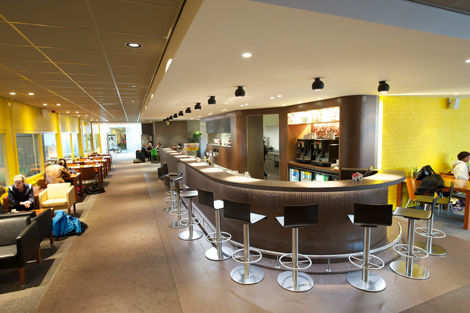
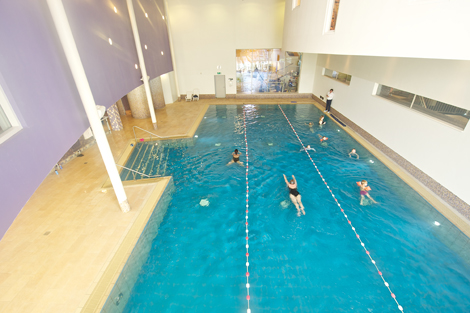
The clubs offer a wide range of facilities – but service remains the USP
A partnership with a national childcare provider has created new revenue streams
After-school clubs bring in extra business
https://www.leisureopportunities.co.uk/images/HCM2013_4interview.gif
The co-owner and director of Dutch health club operator and construction company Pellikaan talks to Kate Cracknell about integrating fitness and medical offerings
Dennis Pellikaan, Pellikaan,Netherlands, medical, rental model
Latest News
Purpose Brands has announced its entry into the Italian market, having sold the franchise rights ...
Latest News
Fitness First UK is integrating red light therapy into its yoga and Pilates classes through ...
Latest News
Nuffield Health has told HCM that it takes its responsibilities towards its colleagues seriously and ...
Latest News
Technogym has announced the launch of the Run X World Treadmill Championship, the first world ...
Latest News
Shocked by the UK loneliness statistics, charitable trust Mytime Active has been doubling down on ...
Latest News
Portugal’s leading operator, SC Fitness, is celebrating a milestone by reaching 100 gyms.  The company ...
Latest News
Australia’s fast-growing fitness network, Viva Leisure, is adding a low-cost gym brand to its already ...
Latest News
Speedflex has launched a strength training programme for 10 to 16-year-olds, to make it safer, ...
Latest News
Tewinbury Farm Hotel in Hertfordshire, UK is expanding its premium leisure proposition with the launch ...
Latest News

Work is underway in Madrid on one of Europe’s most significant multi-functional complexes, ...

Latest News
PureGym is encouraging people to step away from their screens and go for a walk, ...
Opinion
promotion
Strength training has moved from the margins to the mainstream.
Opinion: Building smarter strength spaces for today’s operators
Featured supplier news
Featured supplier news: Reaching the people most gyms miss: Bedford Gym & Swim Campaign delivers 410 new members
One of the biggest mistakes the fitness industry still makes is advertising almost exclusively to people who already look and live like gym members.
Featured supplier news
Featured supplier news: Supporting long-term health: why whole body vibration belongs in clinical settings
As healthcare continues to shift towards prevention, there’s a growing focus on helping people stay active, independent and feeling good for longer.
Company profiles
Company profile: Life Fitness/Hammer Strength
Life Fitness, Hammer Strength, and ICG are global leaders in premium fitness solutions, trusted by ...
Company profiles
Company profile: EGYM UK Ltd
EGYM partners with companies to improve employee health by providing access to fitness and health ...
Supplier Showcases
Supplier Showcase - Future-proofing
Catalogue Gallery
Click on a catalogue to view it online
Featured press releases
MyZone press release: Myzone global data reveals the building blocks of consistent exercise habits
A major new report from Myzone, the global leader in motivation technology for fitness, reveals how motivation becomes habit and how that transformation drives member retention and long-term business growth.
Featured press releases
GLL press release: GLL highlights the importance of drowning prevention to kids nationally as summer holidays near
School assemblies and water safety messages as part of swim lessons.   The UK's largest public pools and swim school operator, GLL, is providing timely activities during Drowning Prevention Week (13-20 June 2026) to raise awareness of water safety ahead of kids breaking up for the summer holidays.
Directory
Spa and beauty equipment
Living Earth Crafts: Spa and beauty equipment
Industrial washing machines
Miele Company Limited: Industrial washing machines
Lockers
Crown Sports Lockers: Lockers
Water experiences and hydrotherapy solutions
Aquaform s.r.l.: Water experiences and hydrotherapy solutions
Fitness tracking platform
SpiviTech: Fitness tracking platform
Hot tubs
MSpa International Ltd: Hot tubs
Property & Tenders
Stratford, East London.
Lee Valley Regional Park Authority
Property & Tenders
Y Felinheli, LL56 4QN
Newmark
Property & Tenders
Diary dates
13-13 Jun 2026
Worldwide, Various,
Diary dates
21-24 Sep 2026
The Langham Huntington Pasadena , Pasadena, United States
Diary dates
06-08 Oct 2026
Messe Stuttgart, Stuttgart, Germany
Diary dates
22-22 Oct 2026
QEII Conference Centre, London,
Diary dates
26-29 Oct 2027
Koelnmesse Exhibition Centre, Cologne, Germany
Diary dates
Search news, features & products:
Find a supplier:
Les Mills
Les Mills
Partner sites