



















features
Event report: HCM Summit 2025
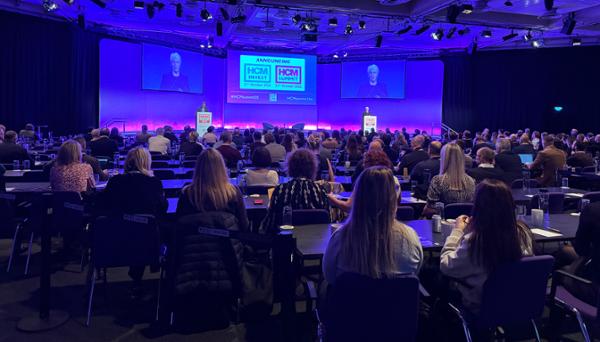
The HCM Summit 2025 took place on 23 October at the Queen Elizabeth II Centre in London’s Westminster. Kath Hudson and Katie Barnes give a flavour of the day


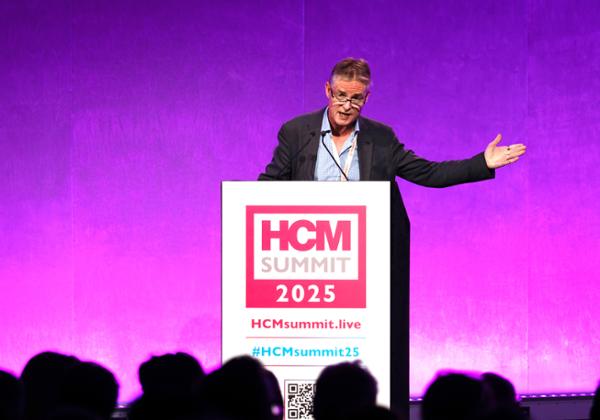
Twelve inspirational keynote HCM Summit speakers gave insights on a range of topics, including investment, leadership, consumer trends and future directions for the industry.
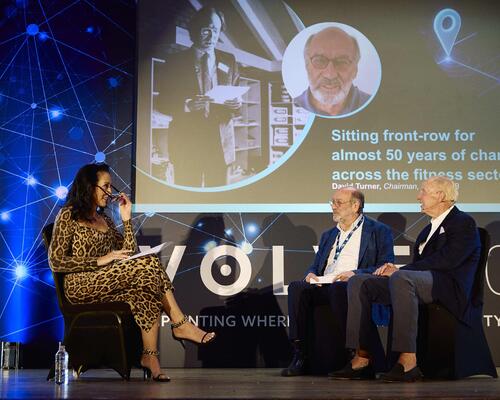
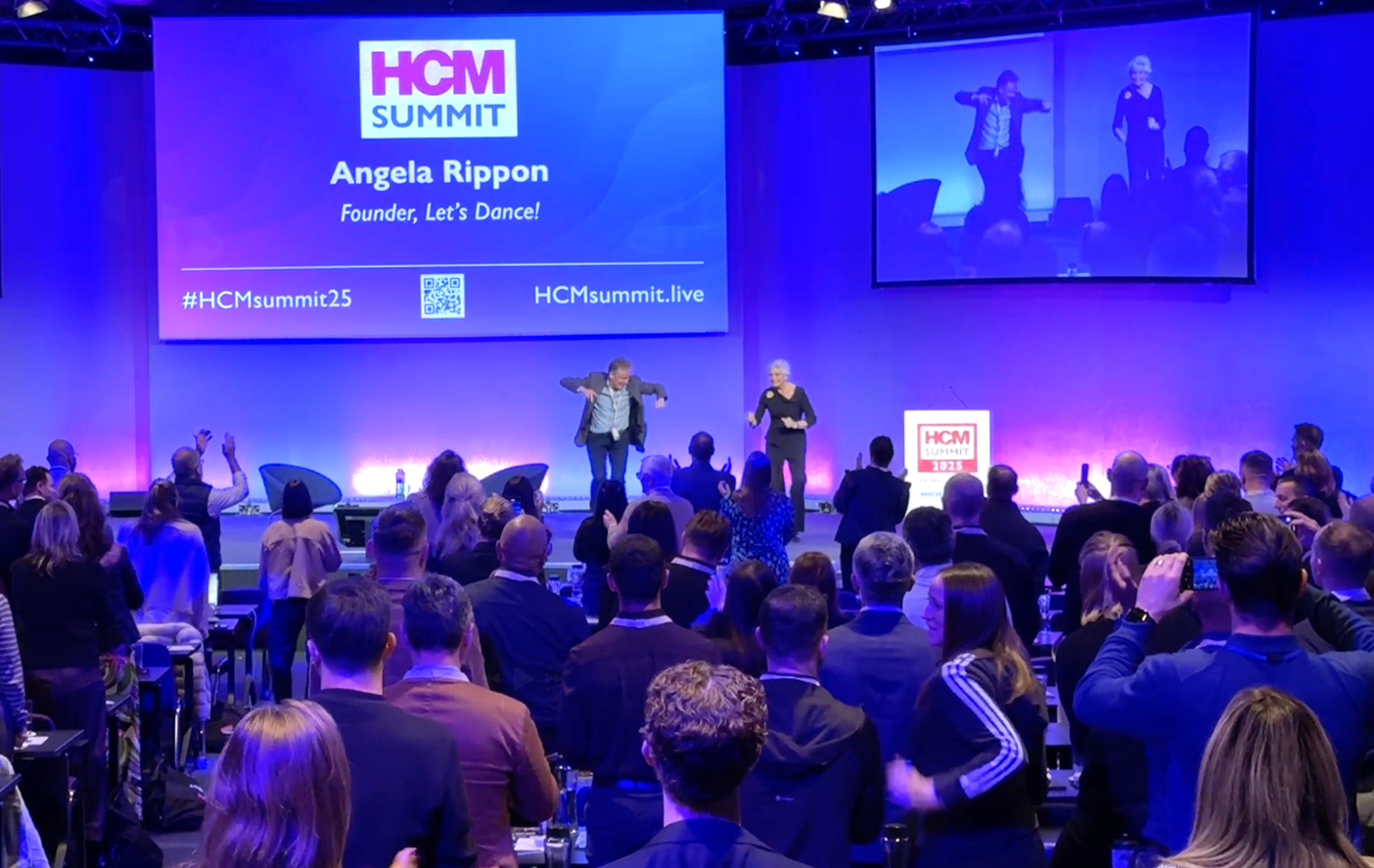
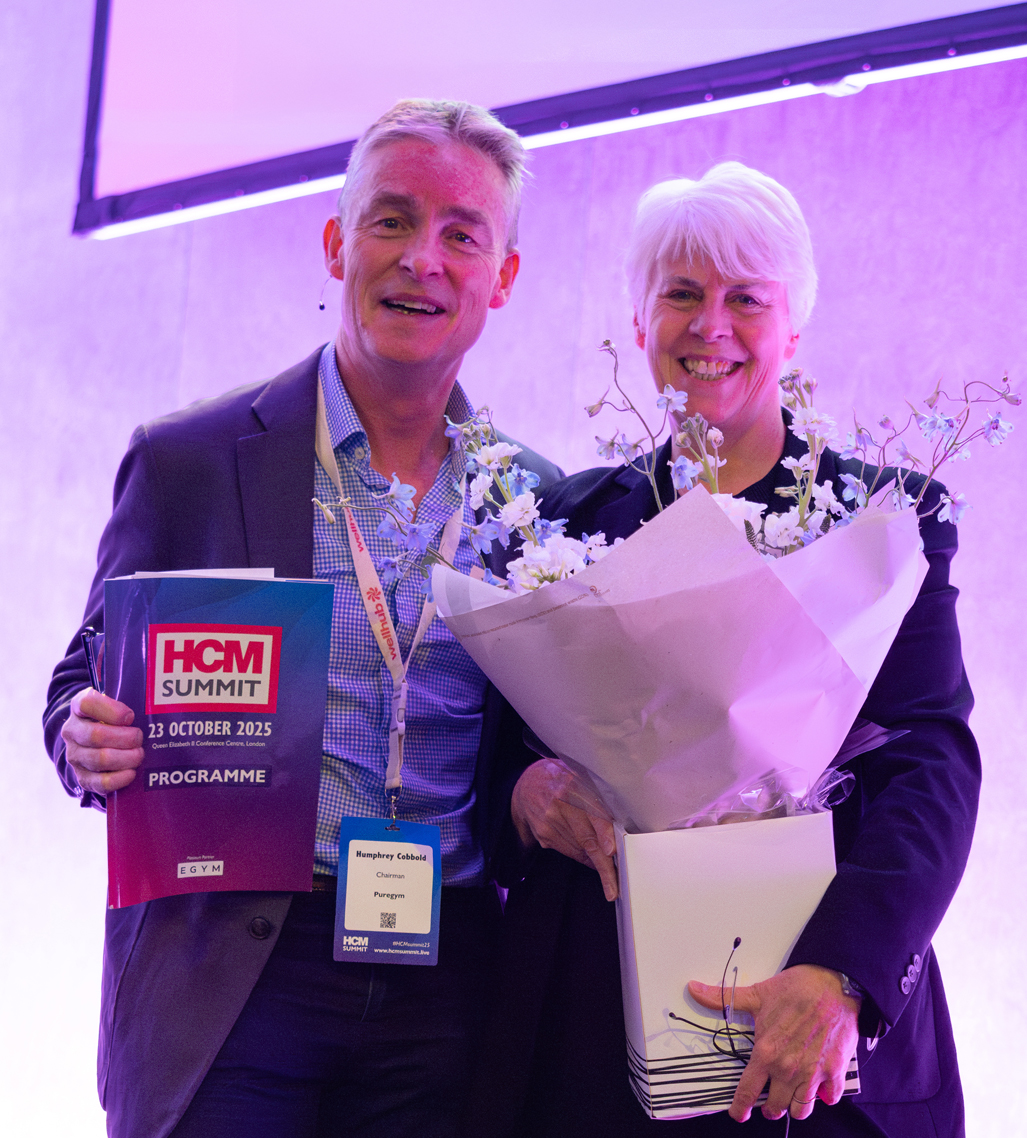
PureGym chair, Humphrey Cobbold did a fantastic job at chairing the event and stole the show with some unforgettable impromptu dance moves on-stage with the legendary Angela Rippon.
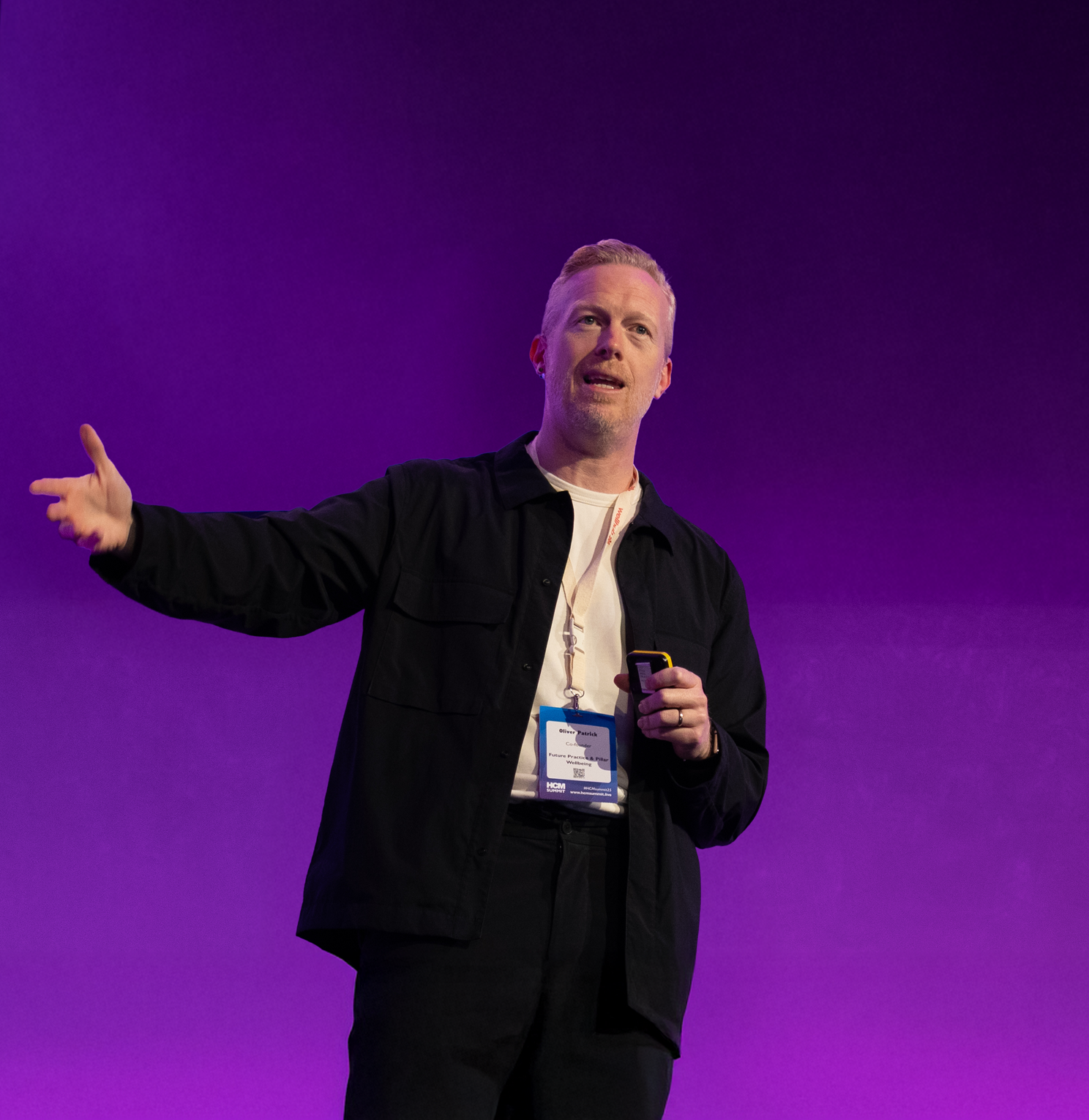
“People don’t feel well and are looking for roadmaps,” said Oli Patrick. He opened the summit by talking about the consumer appetite for testing and the opportunities and pitfalls of this space, as people are getting overwhelmed by data and don’t know how to use it to improve their health.
“You don’t get healthier from a health test, it’s what you do with it that makes the difference,” he said. “Data doesn’t solve the problem, behaviour does.
“Wellness burnout is prolific – 63 per cent of people feel powerless about improving their wellbeing.”
Patrick pointed out that the opportunity is ripe for the fitness industry to own this space but warned that before selling a service, teams must be fully trained.
“At the moment there’s a gap between information and execution,” he said. “You could help your members change through the behaviours you’re selling.
“As a sector we need to grab the opportunity to prove we’re valuable, to become ‘the’ wellbeing sector and the true pre-disease marketplace. No one currently owns lifestyle and the health and fitness industry could own this space.”
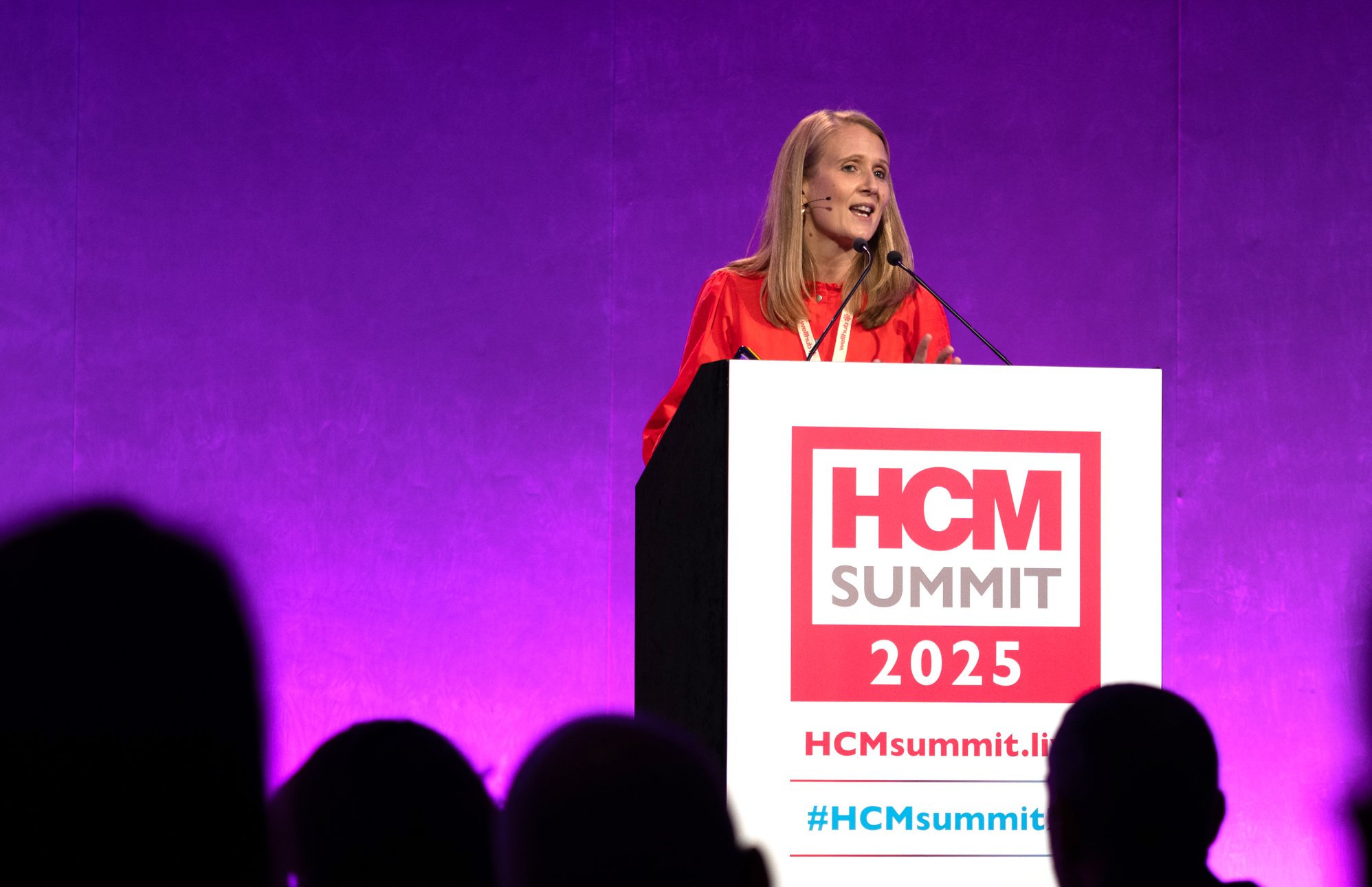
Dynamics are shifting in favour of the health club industry, according to Passmore. Young people are drinking far less than before, with increasing numbers now socialising in gyms rather than pubs. Society is also placing much greater importance on wellbeing and the UK government’s 10-year Health Plan underlines the need to work with businesses and local authorities to create a healthier country.
“We should be hugely excited about these guidelines,” she said, “but it’s not going to land in our laps – we need to grab these opportunities with both hands.”
Passmore also lifted the lid on some of PureGym’s strategic thinking which has been used to scale growth quickly – BOLT (Best of Latest Thinking) is one key technique employed by PureGym and Passmore gave examples of elements of the business in their various stages of development, from the original BOLT 1 to the current iteration, which is BOLT 4.
She also discussed the value of pursuing a strategy based on marginal gains, giving examples of how this has enabled PureGym to scale and roll out.
Watch Rebecca Passmore's presentation at HCM Summit 2025 here
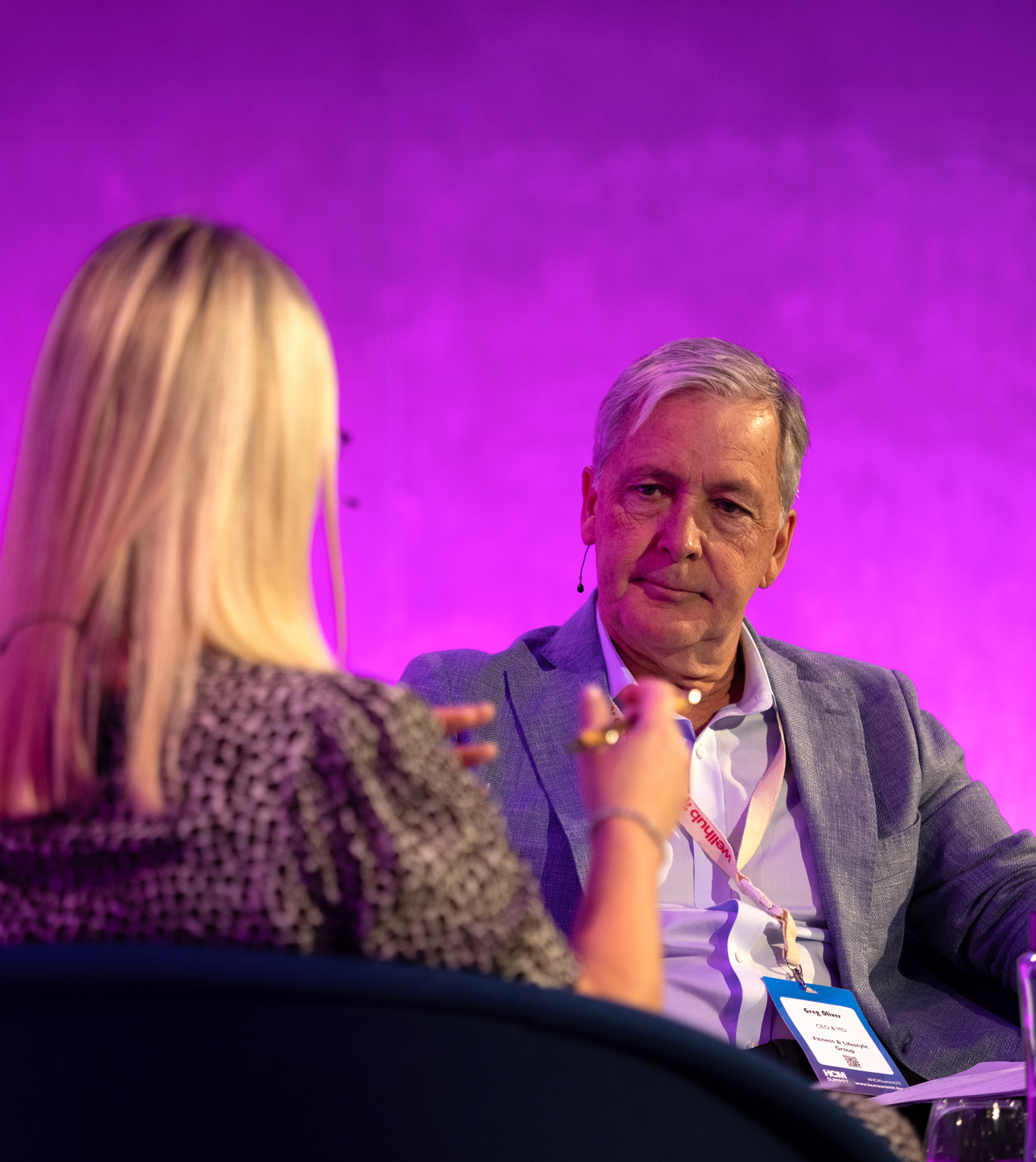
Oliver flew in from Australia to be interviewed on stage by HCM’s editor-at-large, Kate Cracknell.
He talked about how FLG used the pandemic to redefine the offering and work out how the company would respond to the future consumer. This involved looking at the efficiency of the floorspace and what members were and weren’t valuing and adjusting the offering accordingly.
This had led to a successful pivot whereby day care facilities which were underutilised have been redeveloped at Pilates studios, for example.
This was the precursor to the announcement that FLG is creating a new market sector which it’s calling Premium Value.
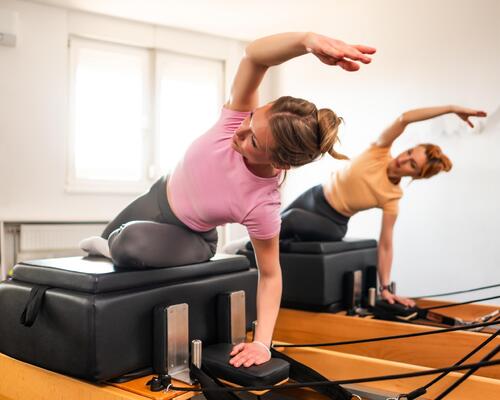
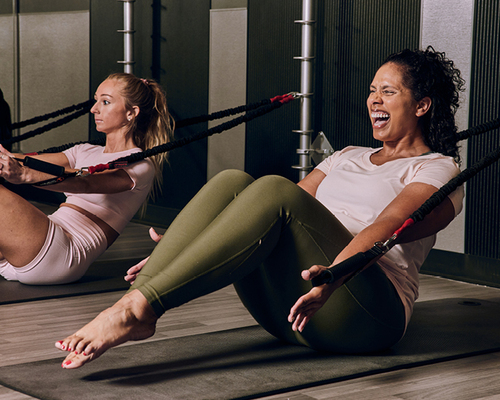
This is characterised by boutique-quality programming around three modalities which customers are calling for: reformer Pilates, recovery and functional strength.
In introducing Greg Oliver, Humphrey Cobbold said FLG’s ambitious regional expansion programme over the last 20 years had inspired him to drive for global growth and franchising for PureGym.
Watch Greg Oliver's on-stage interview at HCM Summit 2025 here
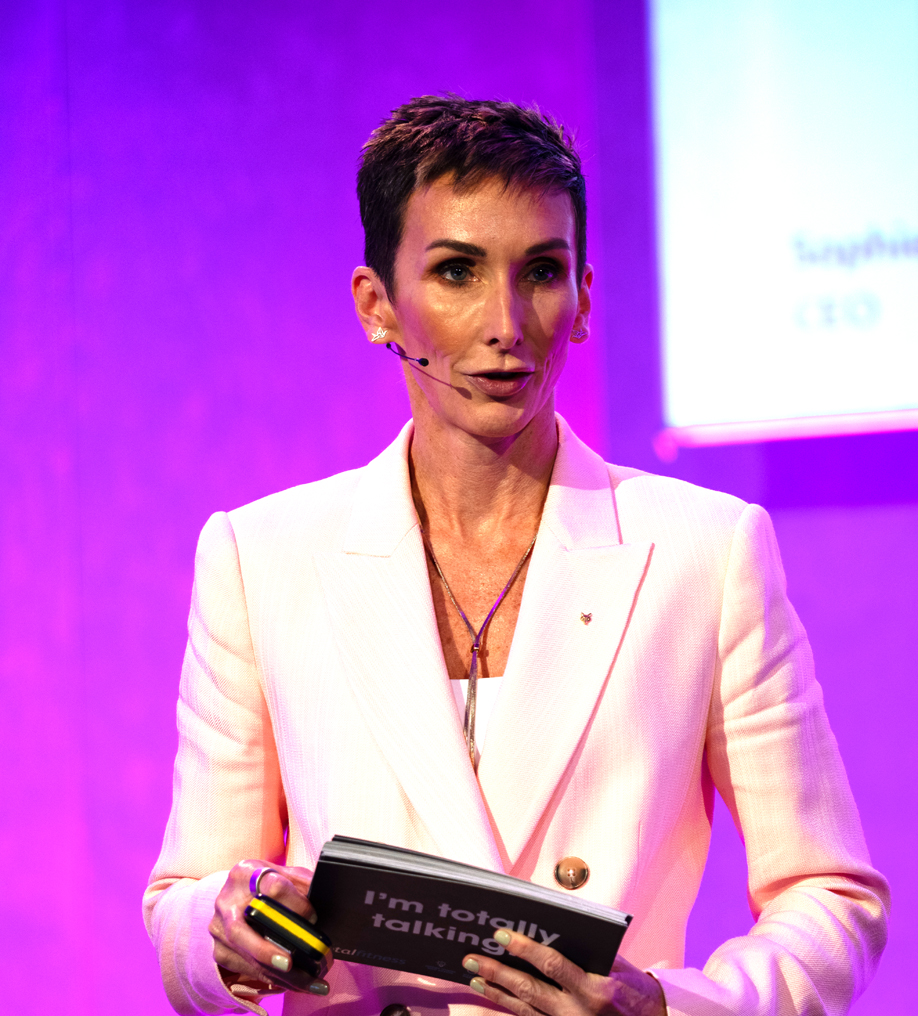
“To be bored at least 20 per cent of the time is a duty of leadership,” said Lawler. “It gives the space to listen, think, take inspiration and work out the right questions.”
Lawler talked about reimagining the mid-market “broken business” that she took the helm of in 2018 and how allowing boredom, being uncommercial and deep listening are all fundamental to her leadership.
Total Fitness has generated some of the largest sources of industry consumer insight data over the course of a year. A nationwide consumer panel has generated more than 75,000 records of primary insights and in a generous gift to the industry, Lawler will be sharing the results in the new year, via a report from CIL Management Consultants and these will also be published in HCM magazine.
Key findings include 60 per cent of members saying the cleaner’s role is important, compared with 30 per cent of members who think fitness advisers are important, and the biggest barrier for women joining a gym is how they look.
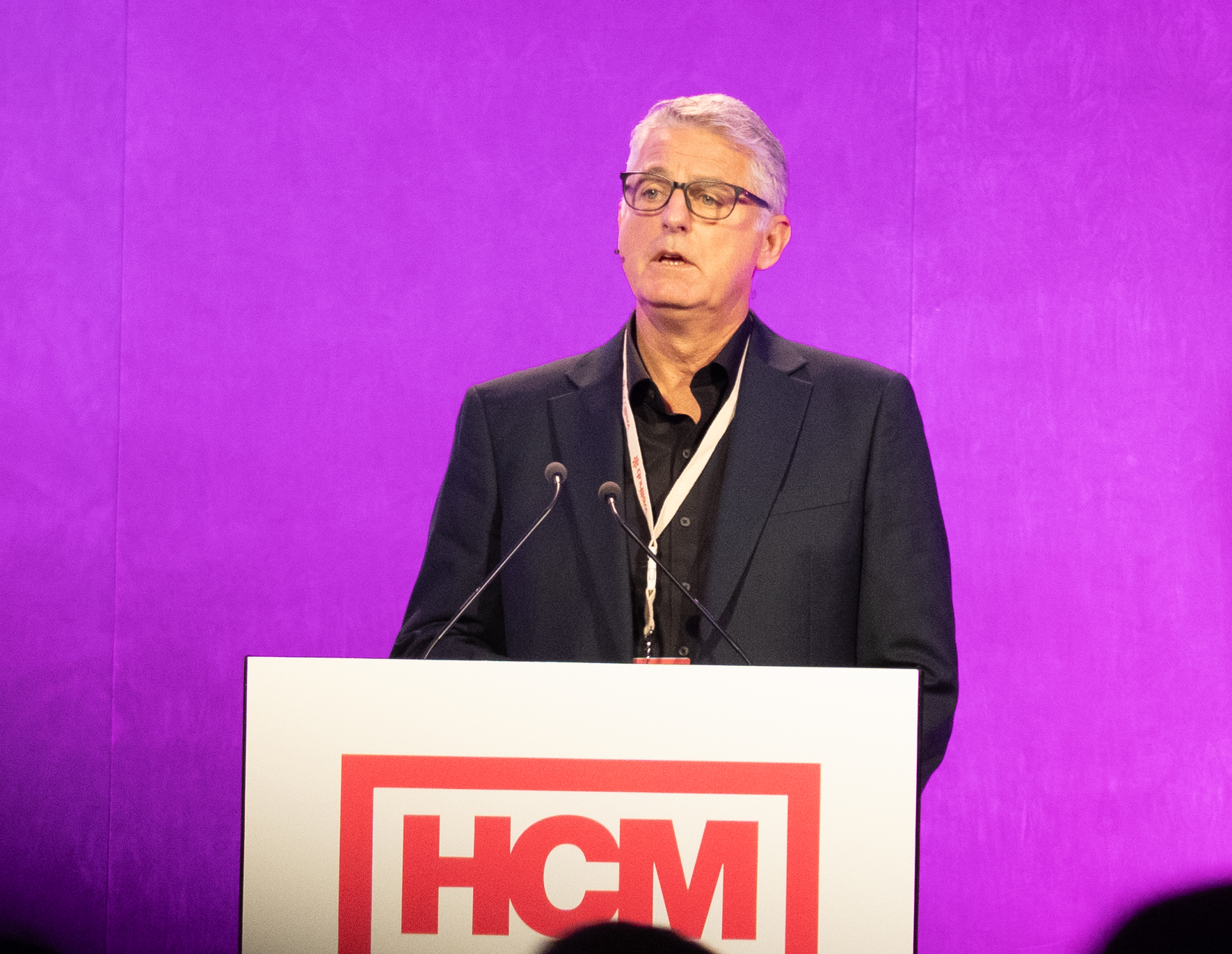
Bundey, who leads the UK’s largest charitable trust, talked about the importance of values underpinning a business: “Working from values has a positive impact on numerous fronts, including with customers, staff and national and regional partnerships. However, it has to be a root and branch total commitment to make it work. If it’s just words it will unravel very quickly.”
GLL’s annual user survey – which has a reach of 53,500 members – found that 11 per cent of respondents said GLL’s charitable values are a key factor in their purchasing decision when becoming a member. That represents 75,000 members and 350,000 casual users.
The importance of values also feeds through to staff motivation. Company surveys showed that 20 per cent of staff agree that values guide how they work and are prepared to go the extra mile because they have a fundamental belief in what they are doing.
Bundey also said that GLL’s insights when working with market research outfit, IPSOS, show in the wider market as a whole that while cost still has a big impact in decision-making when it comes to joining a health club or gym, issues around the environment and social impact are growing in importance as purchasing decisions, especially for 16- to 34-year-olds, highlighting the need to be alert to values.
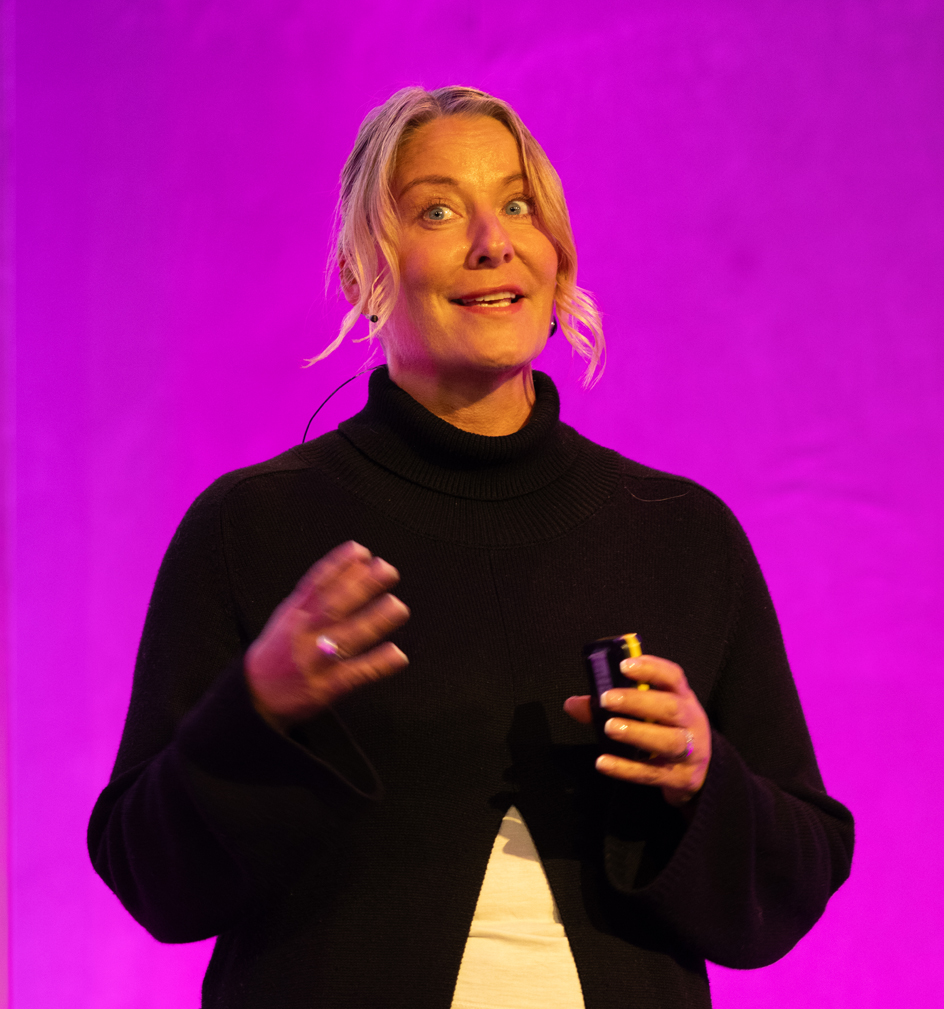
“The fitness industry is facing an identity crisis,” said Bjurstam. “Longevity, whether you like it or not, is here to stay. We’re living longer but not living one year healthier and this needs to be addressed. The next frontier for the industry has to be health optimisation.”
Bjurstam highlighted four business models for fitness operators to consider when integrating longevity. From entry-level longevity-informed clubs offering enhanced programming such as strength training for bone density and balance/mobility, up to integrated longevity hubs with a dedicated medical clinic alongside fitness and spa.
She also said: “The way people are experiencing fitness is evolving – today, people are joining gyms because they want better mental health, not just physical exercise. Your competitor isn’t the gym down the street – it’s Prozac and mindless scrolling. The fitness industry needs change with this and there’s a lot it can do – from looking at breathwork, to biohacking and multisensory experiences to make that shift.”
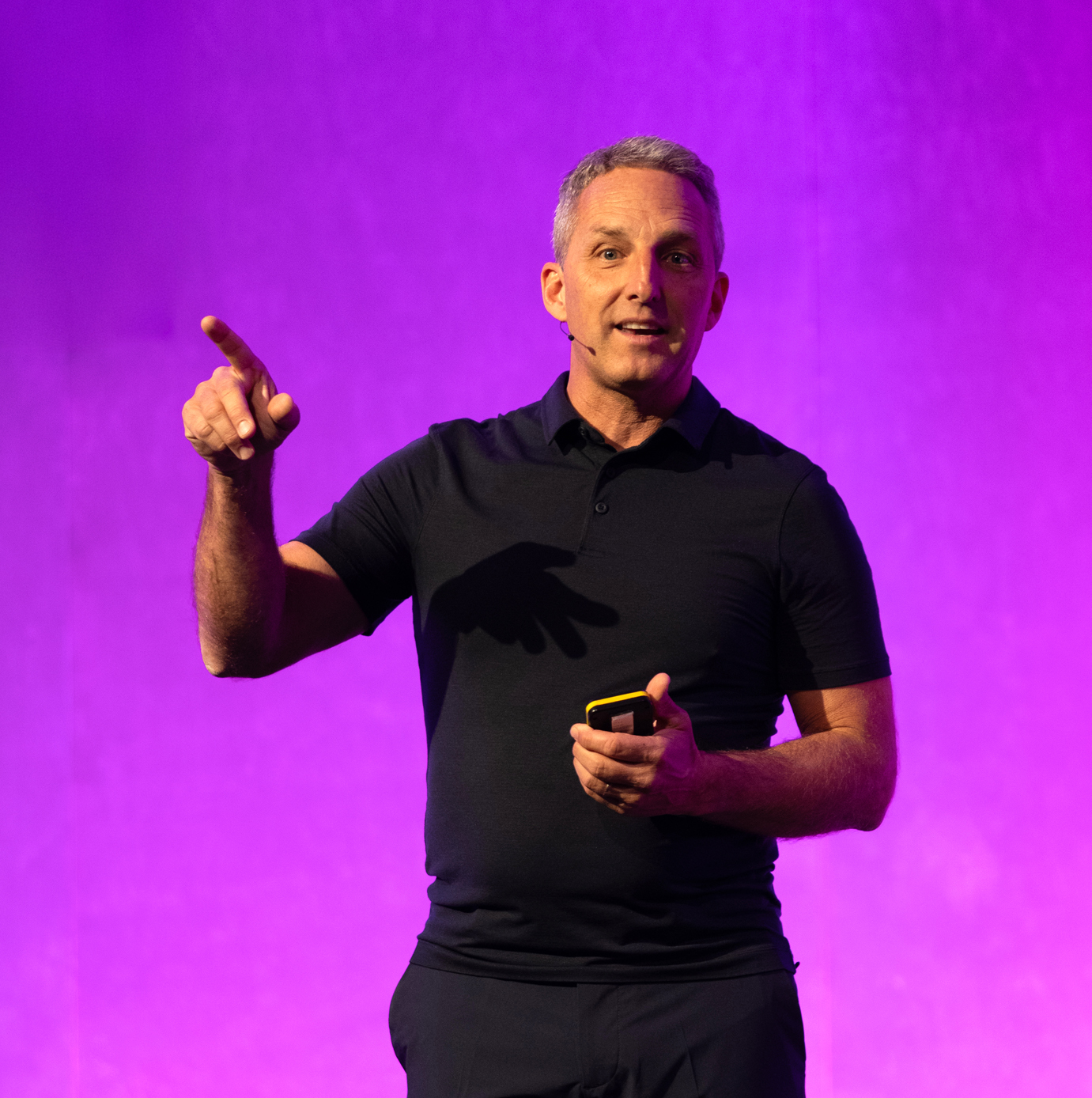
Interviewed on stage by HCM editor, Liz Terry, Seibold revealed that LifeFit Group, which was developed as a multi-brand company, is now bringing all of its clubs under the Fitness First brand.
“There are a lot of costs with having many different brands, such as different marketing, different product managers and regional management teams, so rebranding to Fitness First takes the complexity out of the business, freeing funds that can then be reinvested,” said Seibold.
LifeFit Group is currently pursuing robust growth through M&A and Seibold says there is a lot of white space in Germany to fill in. He spoke about the staffing challenges acquisitions involve – 70 per cent of the general managers leave within six months of the takeover and much of the team then follow suit. LifeFit is responding by having general managers trained up and ready to take over.
Seibold also talked about the business culture of celebrating mistakes and discovering what can be learned from them.
Watch Martin Seibold's on-stage interview at HCM Summit 2025 here

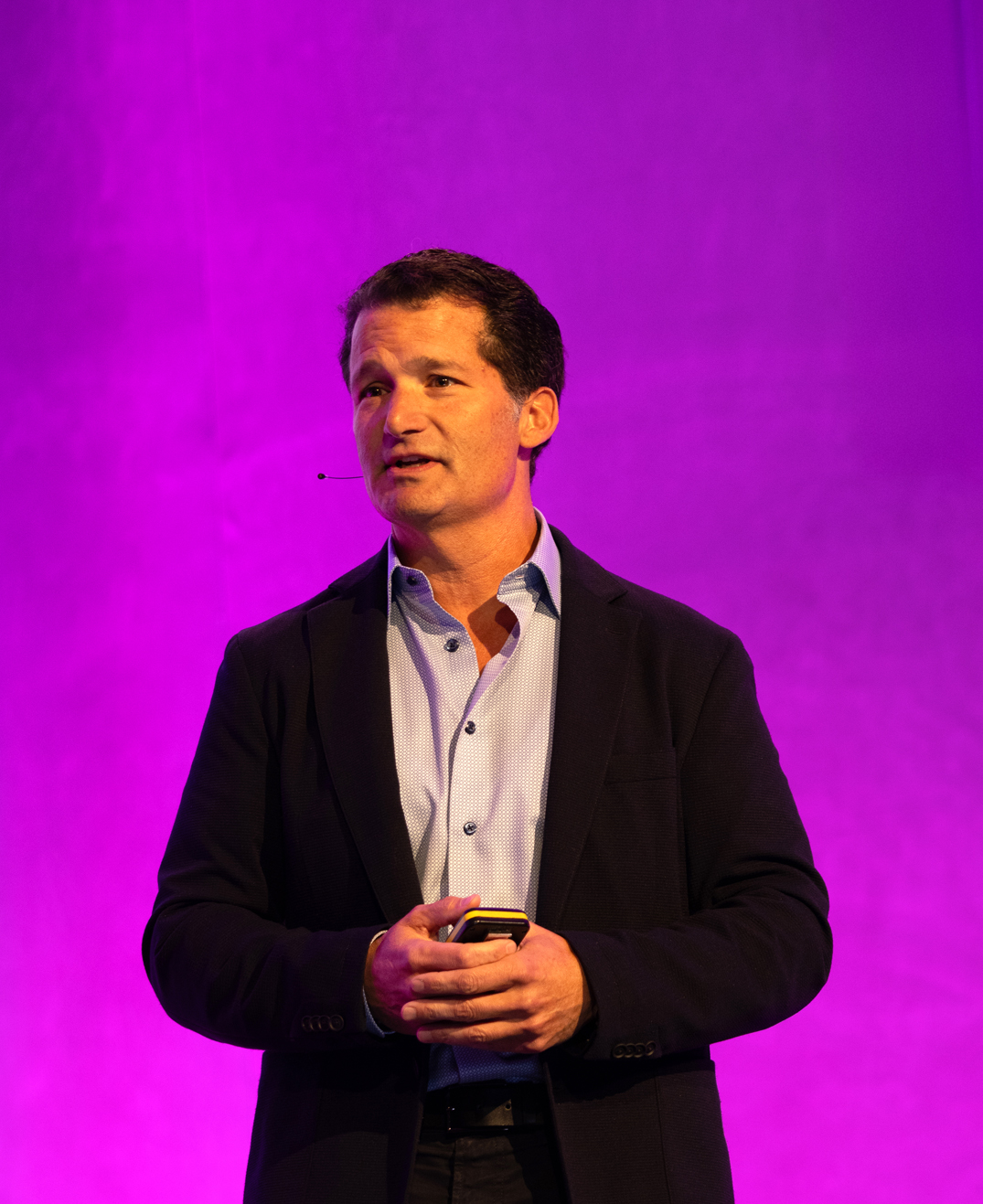
With L Catterton being part of the LVMH conglomerate of luxury brands which owns everything from Dior to Cheval Blanc and Belmond (www.lvmh.com), Magliacano manages US$35bn of capital.
He talked about what investors look for in the fitness, health and wellness companies they invest in, saying the party is just getting started: “Eighty per cent of people now prioritise their wellness, up from 50 per cent last year, but consumers want more from you, they want to feel empowered and need the offering to be authentic.”
The future is about tech-enabled eco-systems that use AI to deliver personalised, holistic health solutions. Rather than fragmented apps and services, consumers increasingly want one trusted brand that connects fitness, recovery, nutrition and diagnostics into one experience – platforms such as EGYM (an L Catterton investment) are leading the way in this field.
Magliacano also emphasised a major shift from aesthetics to strength, resilience and longevity – particularly among women. Strength training, reformer Pilates, supplements and medi-spas are all experiencing rapid growth.
With more than US$700bn invested in wellness and a portfolio that has included Equinox, Solidcore and Classpass, L Catterton is prioritising scalable models, differentiation and long-term consumer loyalty.
Watch Marc Magliacano's presentation at HCM Summit 2025 here
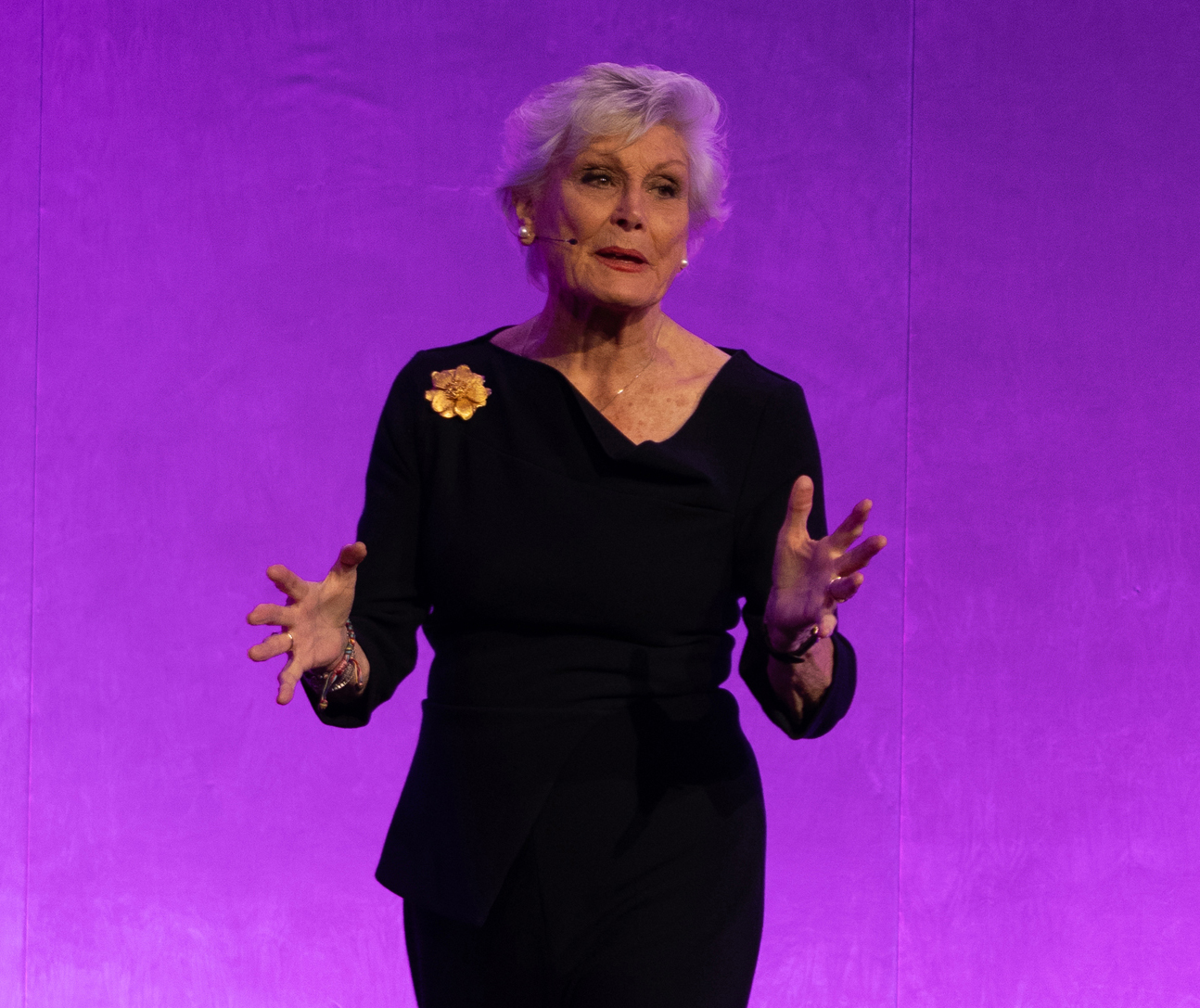
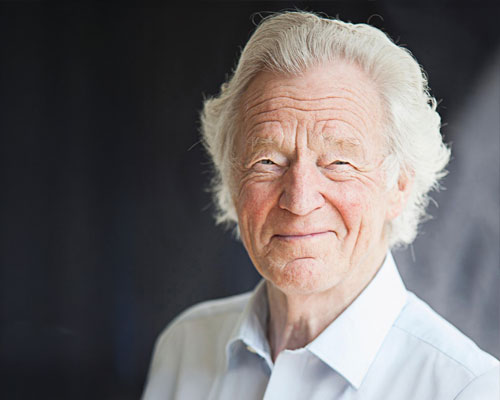
“I believe in dying young as late as possible,” said the 81-year-old broadcaster, who appeared on Strictly Come Dancing two years ago. She went on to make a strong case for dancing as being the best form of exercise and wants to see dance on the programme in every health club in the country.
“Dance has been overlooked and undervalued for too long,” she said. “All the evidence-based research that’s been done over the years – 30,000 pieces of it – show that dance is the best exercise you can do.
“In addition, it can help people of all ages and in all states of health. It’s been recently discovered that dance is unbelievably beneficial to people with Parkinsons, for example, and some amazing research is being done showing how dance can help reduce the pain and improve the speed of recovery in people with cancer.
“Another thing about dance is that you have fun,” said Rippon. “It’s a great way of making friends and you won’t feel isolated. And it’s something that can be enjoyed at any age. You may go to the gym in your 40s and 50s, but when you’re in your 60s, 70s and 80s, dance is the one thing you can do to keep fit because it’s adaptable.”
Rippon then got the audience to their feet to join in an impromptu dance celebration, with chair Humphrey Cobbold throwing shapes on stage to the delight of the audience.
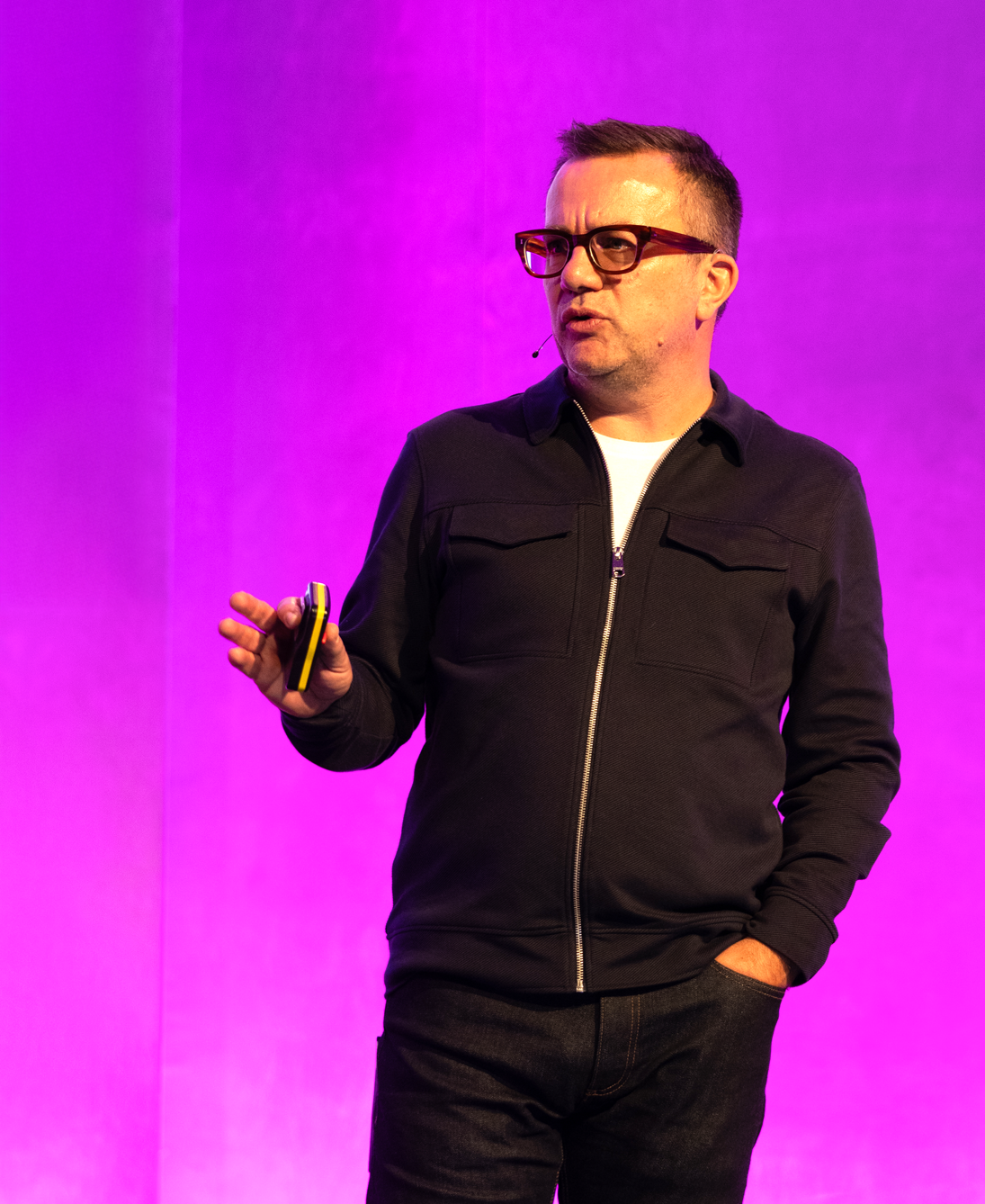
Barnes talked about how the health and racquets brand is still striving to keep raising the bar, with extensive investment going into its clubs: “We sit at the premium end and we only want to get more premium”, he said. “The future for us is more of the same. Beautifully-designed clubs, with a feeling of luxury and premium touchpoints, so our members want to spend as much time as possible in and around them.
“We remain an ambitious company in terms of footprint, expansion and premiumisation”, said Barnes. “We now have 50 spas across the estate and are continuing the rollout of these, while the core business has been transformed from posh tennis club into an international wellness brand.
“We’ve spent time and energy thinking about what wellness means to us and, therefore, our members and consumers.”
Barnes also talked about the importance of providing value for money. Despite introducing above-inflation price increases, David Lloyd Leisure’s value for money score was higher this September than last September.
Finally, he called on the UK government to streamline the planning system to make it easier for wellness companies to bring new sites to market. He said that in Spain, the planning process was much more straightforward.
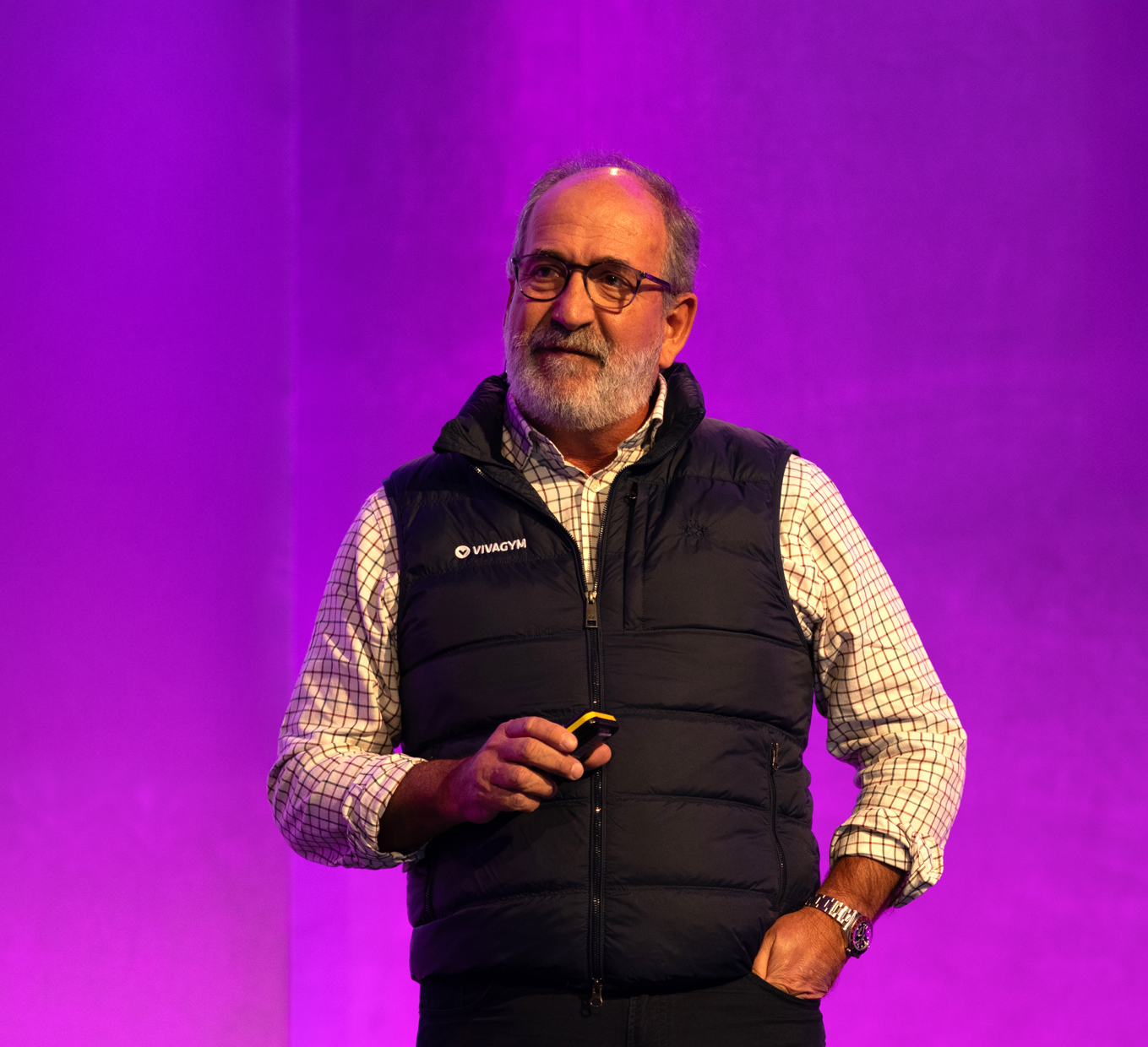
“We buy everything that moves,” said del Río, who gave the inside track on the Iberian operator’s rapid growth and ambitious expansion strategy. “In three to five years we want to consolidate leadership in Iberia, with 25-50 organic openings each year and an opportunistic M&A strategy.”
VivaGym was founded in 2011 and was bolstered in 2018 by the acquisition of 27 Fitness Hut gyms in Portugal. Last year it was acquired by Providence Equity Partners and then went on to buy Smartfit, Macrofit, Altafit and FitUp bringing the estate to 224 clubs, including 72 locations in Madrid alone.
VivaGym Group will have more than 270 sites by the end of the year and del Río lifted the lid on the company’s ethos, his Battlebox technique for growth, the impressive expansion and private equity deal with Providence which has seen VivaGym go from No 5 to No 1 in the market.
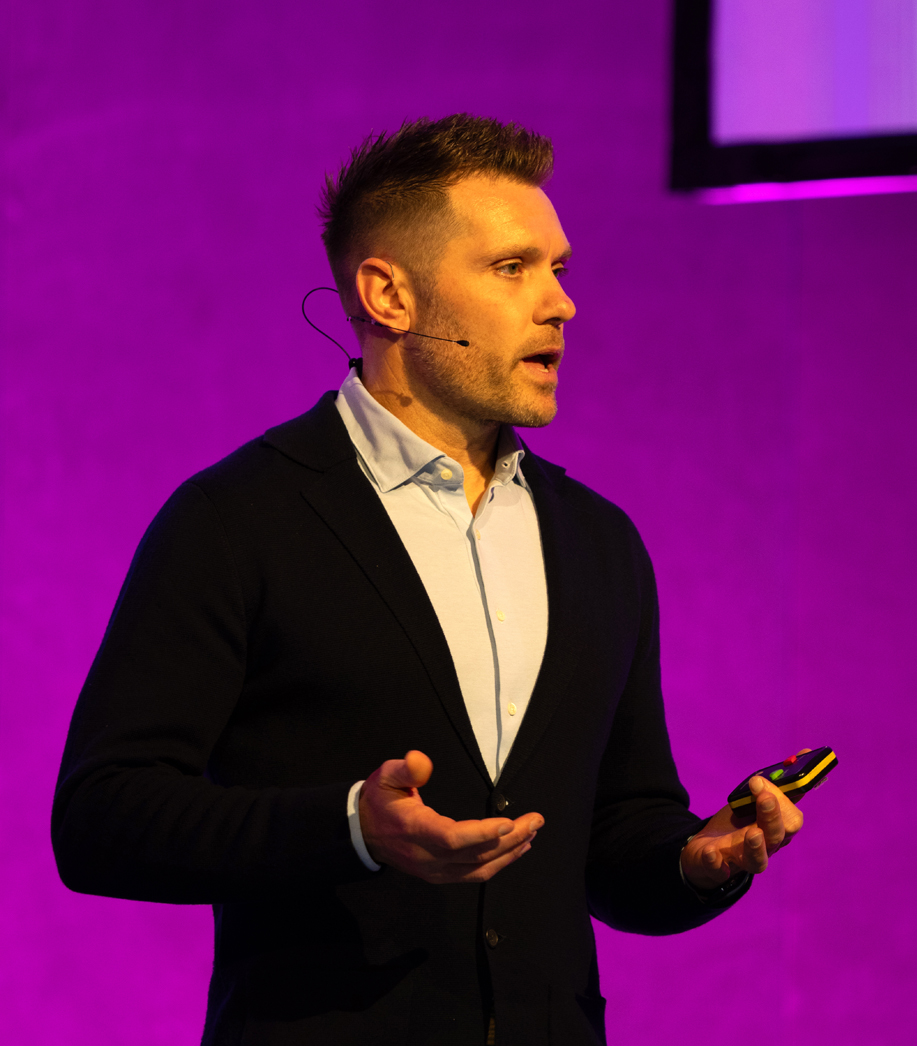
Randall wrapped the day up by looking to the future and calling for the industry to unite in order to grow. “The pandemic gave us all a kick up the backside. It made consumers think more about their health. It made operators completely rethink how we grow for the future,” he said.
“We’ve become vital centres for health optimisation and it’s super important to understand that’s how we remain relevant and bring new investment into the sector. But most of all – it’s incredibly important that we all deliver quality and we deliver value. No matter where we are in our market.
“The opportunities that we have ahead of us are huge and they’re also very meaningful. What I’d ask you today is to join me in helping us grow as a global industry – we have a great wind behind us and it’s time to make it count.”
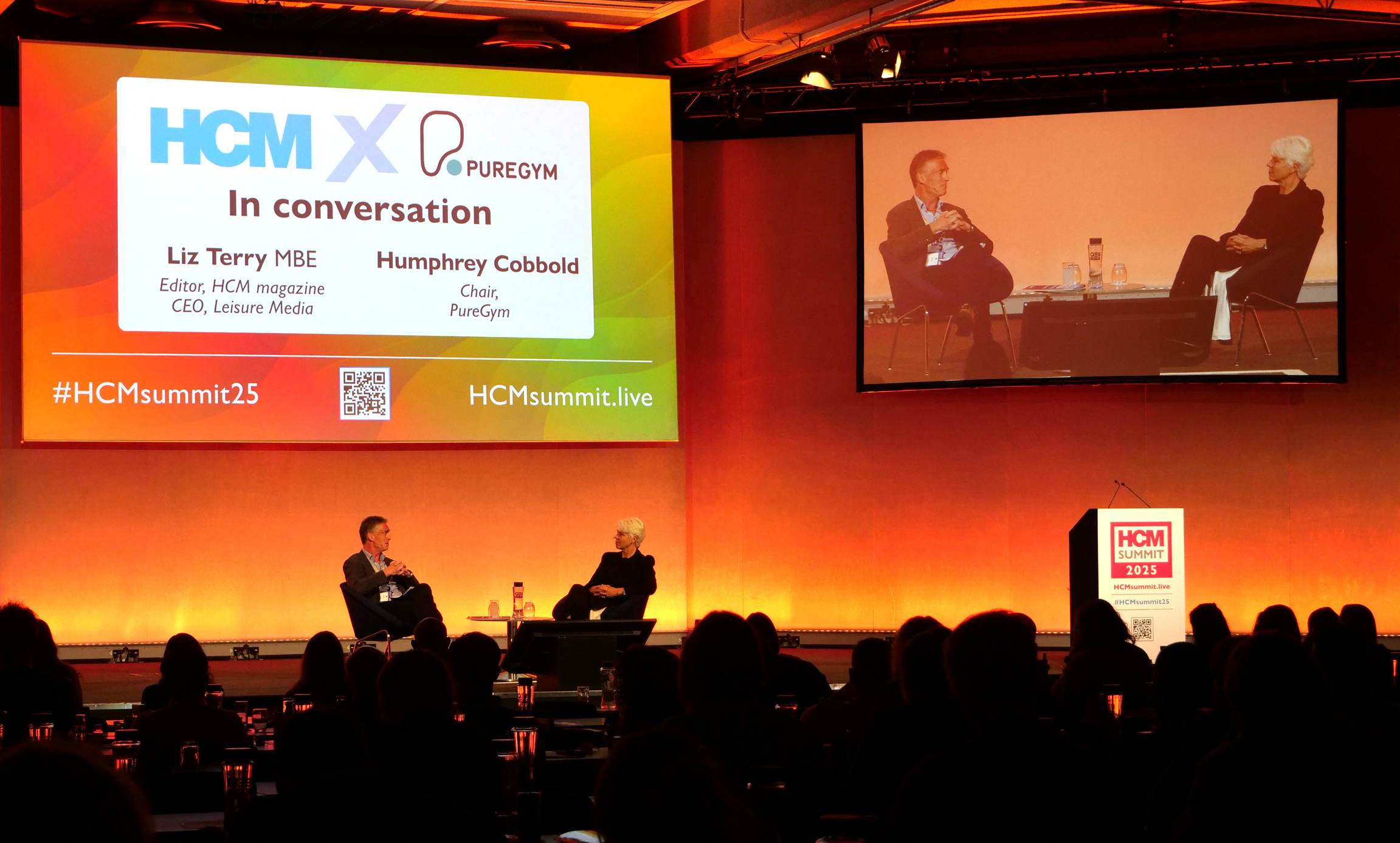
The Summit concluded with a fireside chat between HCM editor, Liz Terry, and Humphrey Cobbold who summed up the key takeaways of the day, as well as sharing PureGym’s experience of reaching out to people with long-term conditions, including offering free memberships to people with dementia.
PureGym is partnering with Sir Chris Hoy, the Institute of Cancer Research and The Royal Marsden NHS Foundation Trust to improve outcomes for men with prostate cancer. As part of the initiative the operator is offering free membership to prostate cancer sufferers.
Cobbold said that while PureGym won’t gain financially, “it’s morally the right thing to do to use our assets and spare capacity for the good. It also resonates with our colleagues who all know someone living with prostate cancer”.
Watch Humphrey Cobbold and Liz Terry in conversation at HCM Summit 2025 here
In 2026, the HCM Summit will be joined by a second event the day before, with the launch of HCM Invest which will bring together operators, investors, startups and innovators.
In announcing the event, Leisure Media CEO, Liz Terry, said: “HCM Invest has been designed to support the movement of funds into our sector to drive growth and innovation and unlock potential.
“Our industry is characterised by its energy, creativity and drive to support people in improving their lives and we’re looking forward to welcoming all those interested in the investment that will underpin this success.”
More: www.HCMinvest.live
✻ HCM Invest 21 October 2026 www.HCMinvest.live
✻ HCM Summit 22 October 2026 www.HCMsummit.live
✻ EGYM showcased its Genius and Smart Strength solutions and the newly launched 20th piece of equipment, the Smart Strength Squat. www.egym.com
✻ Les Mills has released its latest programme, Bodypump Heavy, a tempo-based weightlifting class with traditional lifts and long recoveries. www.lesmills.com
✻ Technogym showed Checkup, the AI-based device that uses physical and cognitive tests to assess biological age and create personalised training programmes with AI Coach. www.technogym.com
✻ Software specialists, B Sport, showcased its management platform which is used by more than 3,000 partners in 40 countries. www.bsport.io
✻ ServiceSport UK used by David Lloyd Leisure, Nuffield Health and more to extend the life of equipment, discussed its service contracts with delegates. www.servicesport.com
✻ FitnessGenes which offers a combination of DNA tests and AI, has introduced the FitnessGenes Pro service aimed at operators and members. www.fitnessgenes.com
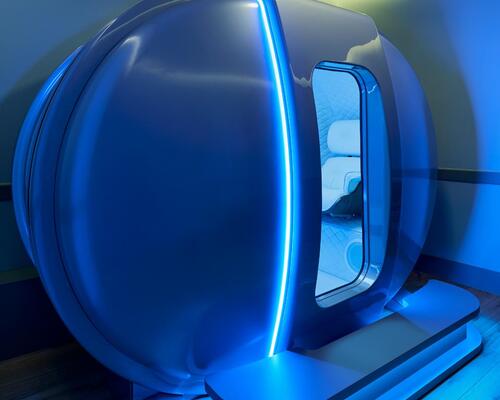
✻ Wellsystem which offers recovery, longevity and wellness solutions showed the RedWave bed that uses red and near-infrared light to accelerate post-workout recovery. www.wellsystem.com
✻ Supplier to Premiership football clubs and luxury hotels, Henshaw Hyperbarics showcased a hyperbaric oxygen chamber. www.henshawhyperbarics.co.uk
✻ The official bag of the HCM Summit, KitBrix has just launched a line of vendable accessories to motivate around retention. www.kitbrix.com
✻ High street beauty brand Rituals introduced Mind Oasis: a multi-sensory wellbeing solution including Hydro Massage with red light therapy and a brain ‘massage’. www.mindoasis.com/experiences
✻ Orca’s Hangair – new to market, – puts the user into a forward-tilting posture and rocks them against the backdrop of soundscapes to deliver two to three hours rest in 20 minutes. www.hangAIRglobal.com
✻ Splan’s Smart Gym is a mirror with a touchscreen interface which can be used for strength training. www.splan.co.uk
✻ Gym Twin by TwinLabs.ai gives valuable intel into how your members are using your facility. www.twinlabs.ai
✻ Square Mile Farms showcased its hydroponic farms which can be used to grow food in-house as well as being a powerful talking point about sustainability. www.squaremilefarms.com
✻ Life coach, Julia Seibold, did a book signing of Driving License for Life, a 49-day plan to change the mindset to live a happy life. It’s also available as an online course and for corporates. www.mindyou.today
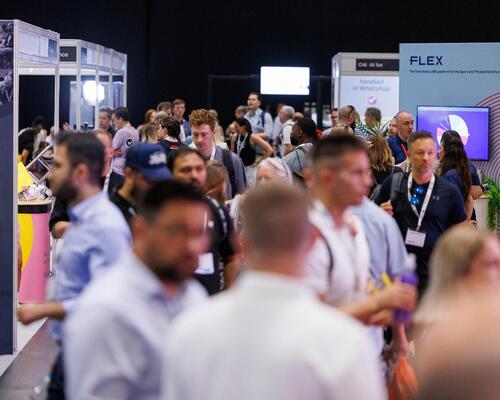
For more images from the HCM Summit 2025 Exhibition of Innovation see the gallery at HCMsummit.live
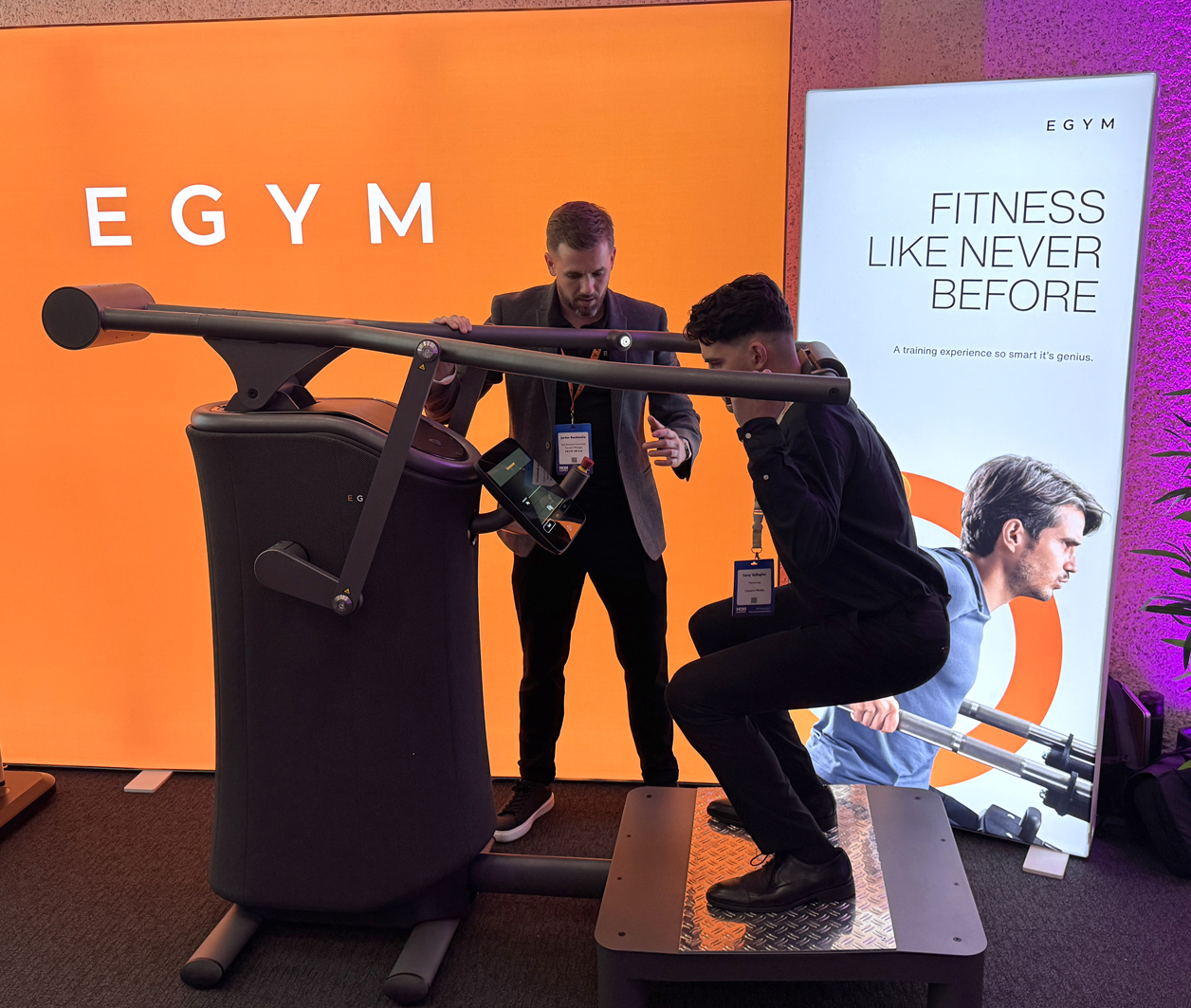
✻ EGYM, HCM Summit Platinum Partner and HCM Summit Live Stream partner
✻ FIBO, which sponsored the Speakers’ Dinner on 21 October. This fantastic event, hosted at Raffles OWO, welcomed 50 industry leaders, including the invited speakers for the HCM Summit
✻ Virgin Active’s Kauai, which catered for and hosted the morning break with a range of delicious healthy wraps, shakes, shots and smoothies
✻ Technogym, the Innovation Partner of the HCM Summit, which hosted the lunch break
✻ Mind Oasis by Rituals, which hosted the afternoon break and gave free treatment vouchers to delegates
✻ Calo, the healthy food business that delivered treats for the afternoon break
✻ One Living, Jonny Wilkinson’s wellness drinks brand, which provided kombucha, CBD drinks and a new range of ultimate health shots for delegates
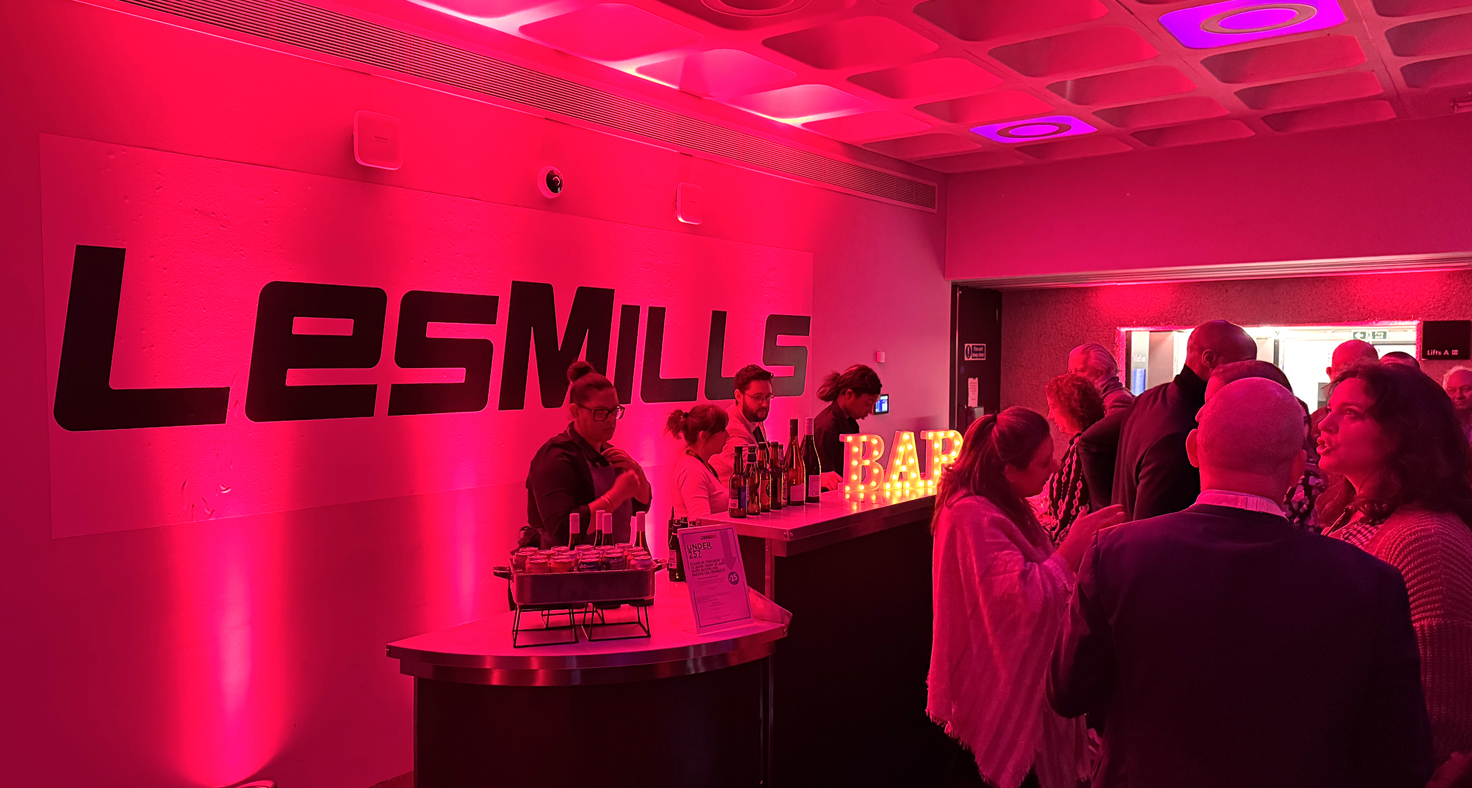
✻ Les Mills, which hosted the HCM Summit After Party with style and energy
✻ Wellhub, the corporate wellness platform, which was the official lanyard partner
✻ Kitbrix, which did a collaboration with HCM Summit for the fantastic delegate bags
For more images from the HCM Summit 2025 see the gallery at HCMsummit.live