














features
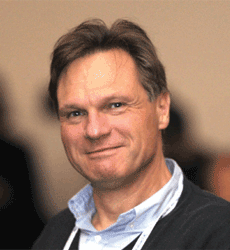
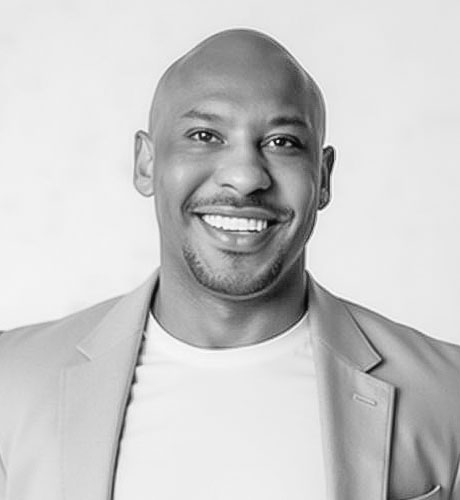
HCM People: Dr Cedric BryantCEO, American Council on Exercise
We need to change our approach so we truly appeal to the population who don’t view being physically active as a priority


Congratulations on being appointed CEO of the ACE. What brought you to this point?
After my PhD I taught and did research at universities. A lot of this focused on the use of exercise to help with the prevention, treatment and management of various chronic conditions using StairMasters, which led to a relationship with the company.
StairMaster invited me to head up their R&D team, which I did for about 10 years and during that time I started serving on the scientific advisory board for the American Council on Exercise. This led to me joining as vice president of science and research in 2001, after which I became chief science officer, then president and now CEO.
As the new CEO, what are your plans?
I really want to build on the great foundation we've already established. One of the opportunities is looking at how we deliver education, as Gen Z are quite different in their approach to previous generations.
They didn’t grow up with thick textbooks full of dense content and they like to get their information in microbites so we’re trying to make our content multi-modal, with some video, some reading and some interactive components. We’re aiming to be first in class in that form of education delivery.
I’m also excited about leveraging the various technological opportunities, such as AI, and looking at how we can use it to be more efficient and effective, as well as help our professionals run any businesses they’re in more efficiently and effectively.
As consumers look for more personalised experiences, exercise professionals who learn how to smartly integrate these technologies into their processes are going to be the powerful forces. It would be wise for coaches to embrace, utilise and capitalise on this technology, rather than see it as a threat. The only threat is getting left behind.
What do you consider to be the most exciting trends?
Wearable technologies and hybrid fitness are enduring trends, as are the increased focus on mental health and wellness. Going forward, I think we’ll see more integration of that type of programming into the fitness experience, including mindfulness practices, meditation and stress management techniques. This will definitely become an integral part of ACE’s educational offerings.
A holistic approach to health goes hand in hand with longevity. People are starting to understand that by focusing on nutrition, sleep, recovery and stress management they will be able to add years to their life, or life to their years.
The medications for weight loss also provide some opportunities for our industry, as people who use them will need help to change their lifestyle in order to sustain the improvements they make and training needs to keep up with this.
What are some of the challenges?
Retention and engagement is the ultimate challenge: how do we keep clients consistently engaged and motivated. If you look at the physical activity participation rates worldwide, it's been a never-ending challenge of how we get people started and more importantly keep them going.
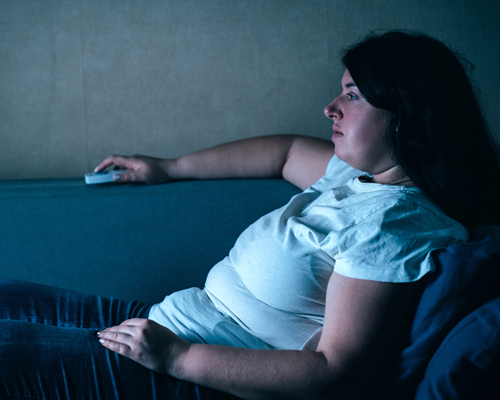
For decades we’ve appealed to the same audience, so we need to change our messaging and our approach to onboarding so we can truly appeal to that other population who right now don't view being physically active as a priority.
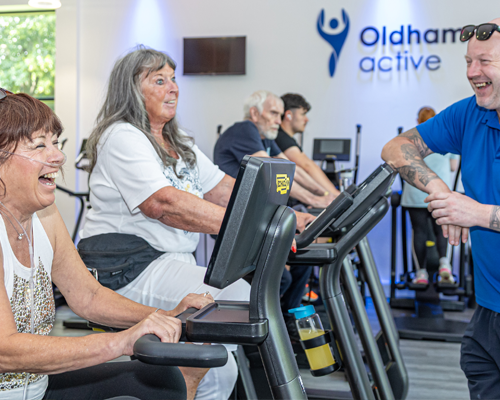
As an organisation, ACE believes that being able to enjoy the benefits of being physically active should be available to everyone, and another high priority is to look for a way to allow activity to be more acceptable to a broader audience and to make it equitable. We really want to champion equity and accessibility so we can get all people moving. Often many of the folks who could benefit the most from an overall health perspective typically have the least amount of access to these types of services, because of cost, location and so forth. We want to see if we can play a small role in helping to address that.
I think one of the things that's inhibited growth in the health and fitness industry is that we have traditionally viewed each other as competitors, as opposed to peers who are trying to achieve the same mission of getting people more physically active. If we could learn to work together, I think we could be a stronger force and have more impact.
More: www.acefitness.org