








Follow Health Club Management on Twitter Like Health Club Management on Facebook Join the discussion with Health Club Management on LinkedIn
FITNESS, HEALTH, WELLNESS

people

Interview: Stephanie Hilborne

The CEO of Women in Sport tells HCM about Big Sister, a new programme that’s working to overcome period poverty and get more girls active
Published in Health Club Management 2022 issue 5
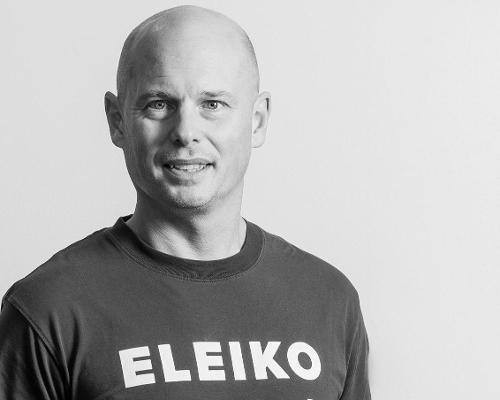
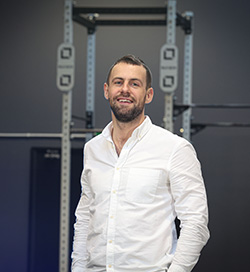
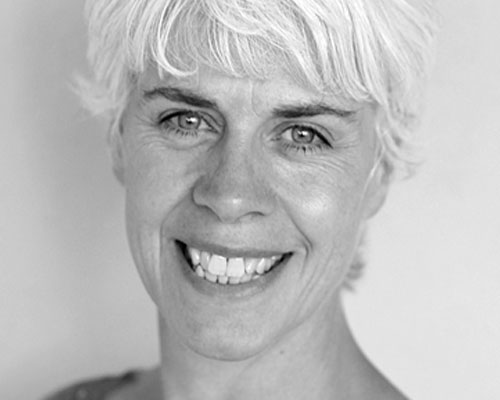
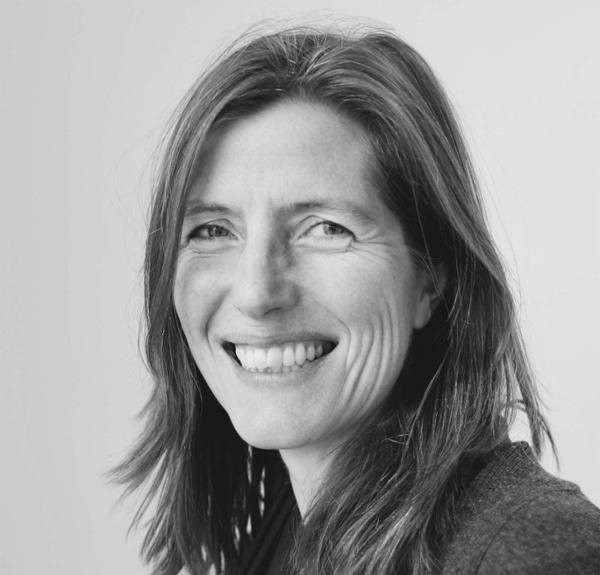
Stephanie Hilborne / Photo: Women In Sport
Teenage girls are not voluntarily leaving activity, they’re being pushed out as a consequence of deep-rooted gender stereotypes

Tell us about Big Sister
It’s an evolution of three-four years’ work rooted in our original insight study, Reframing Sport for Teenage Girls in 2018 (www.hcmmag.com/reframe), where we discovered what mattered in their wider lives and the barriers preventing them from participating in sport and exercise.

These were complex, including getting their first period, affordability, confidence and self-belief. Girls helped us to innovate what could help to solve this, which is where the concept of Big Sister emerged as a space for teenage girls to discover their journey to getting active, together.

What role has Women in Sport played?
Women in Sport is lead partner, working with partners – Hey Girls CIC, Places Leisure and Places Foundation – to drive the programme. It has led on building insights to gain a deeper understanding of the lives and needs of young girls in areas of deprivation.

Each partner has defined deliverables which collectively formulate the programme. This has included everything from developing a digital hub, educational content and resources and engaging with local community stakeholders, to creating bespoke membership for teenage girls – including a suite of online virtual workouts – and the distribution of disposable and reusable period products within the delivery sites.

Why develop a girl-led support community?
Through our research – in which we consulted with teenage girls and heard how they want to be supported by other girls – they told us they wanted to hear the lived experiences of others, their advice and tips on how they to navigated puberty and engage with sport and exercise.

How has the project been funded?
All support – approximately £1m – has come from DCMS Tampon Tax Funding and has been distributed across the consortium.

How does it work at a community level?
On a local level, we’ve designated Big Sister ambassadors who offer support within the 11 leisure centres that are delivering the Big Sister membership.

It’s a very informal, peer-led network. Girls support other girls through the digital content and resources, and we have girls and women within centres supporting girls as they come into the Big Sister membership. There’s no formal structure giving one-to-one support at present, but we’d love to grow this in time.

We’ll also be supporting stakeholders in the local community in understanding how they can create peer-led groups to consult and support their offers and engagements with girls.

Tell us about the free gym membership
Free access is offered in four areas and 11 leisure centres and our intentions are to expand throughout the UK, working with Places Leisure, to roll-out the initiative across all their leisure sites in the UK.

We’re currently also exploring sustainability models and future funding opportunities across the consortium, and hope to broaden our reach and expand the offer further across other sport, leisure and health and fitness sectors.

How big a problem is ‘period poverty’?
In the UK, one in 10 girls can’t afford to buy menstrual products, while one in 7 have struggled to afford them, according to a representative survey of 1,000 girls and young women aged 14-21 by Plan International UK.

Around 7 in 10 girls actively avoid sport during their period and managing periods can be difficult for girls, irrespective of how sporty they are. It can lead to long-term absences and habits that are difficult to reverse.

How do girls access free period hygiene products?
Products are available in the 11 leisure centres and girls, and wider community members can walk in and pick up products from the front desk or reception.

Girls who sign up to the membership also receive their own period product home pack following enrolment.

We’re delighted Hey Girls is operating a ‘buy one, donate one’ scheme, so that for every product purchased, one is donated to wider community organisations and charities within the local delivery areas. This enables us to reach many more women and girls to get products where they’re needed, and reduce period poverty.

Have you had many girls applying to be Big Sisters?
We’ve had a fantastic response from girls, with them playing different Big Sister roles, from co-creating concept development and Big Sister design, to girls co-producing content and providing advice for digital hub content.

While we’re currently looking for girls aged 14 to 25-years-old to become Big Sisters, we’ve also had older adults contact us asking how and if they can get involved. It’s fantastic to see the enthusiasm and support networks that are out there.

What results have you seen so far?
It’s early days and we’ve already received a very positive response. We’ve had 100s of girls signing up for the Big Sister membership, and a huge volume of free period product has been supplied to the regional leisure centres taking part.

We’ve also had a positive response from community stakeholders and practitioners on the launch and on the content that’s being provided to support girls. We’ve heard from girls themselves wanting to get involved in the programme, because it wasn’t something they had when they were navigating puberty but they understand the impact this support will have for other girls.

What are the biggest problems girls face in relation to exercising during puberty?
Just under a third are inactive – engaging in under 30 minutes of activity per day. (Sport England Active Lives 2019/20)

Some of the main barriers we found through our Reframing Sport for Teenage Girls: Tackling Teenage Disengagement (www.hcmmag.com/teenage) are as follow for girls aged 11-16:

● 50% of girls lack self-belief

● 70% of girls avoid playing sport during their period

● 65% of girls don’t like others watching them

● 61% of girls fear they’ll be judged by others

What else is research telling you?
As part of recent research by Women in Sport, Tackling Teenage Disengagement (www.hcmmag.com/disengage) we surveyed 4,000 teenage girls and found 43 per cent who once actively engaged with and enjoyed sport were being sidelined in their teenage years and made to feel not good enough. These statistics compared with just 24 per cent of boys of the same age. We believe this group is ‘The Missed Opportunity'.

This comes at a time when teenage girls are experiencing an increase in mental health issues, especially relating to loneliness and anxiety, which has been amplified by the pandemic.

Women in Sport’s research found complex, deep-rooted negative attitudes are affecting girls’ enjoyment of sport. Body image and issues around puberty are also significant factors – 78 per cent say they avoid sport when they have their period, while 73 per cent don’t like others watching them take part.

We believe it’s a travesty that teenage girls are being pushed out of sport on such a scale. Losing sport from their lives during these formative years equates to a loss of joy, as well as good, lifelong health. It’s well documented that taking part in physical activity can have a profound and positive effect on mental wellbeing, as well as providing many critical life skills, such as resilience, teamwork and communication.

We must bust the myth that teenage girls drop out of sport because their priorities change. Our research found 59 per cent of teenage girls who used to be sporty like competitive sport, but they’re being failed due to early years stereotyping, inadequate opportunities and a dearth of knowledge about managing female puberty.

The transition from childhood to adulthood should be filled with happiness, opportunity and optimism for the future. Teenage girls are not voluntarily leaving activity, they’re being pushed out as a consequence of deep-rooted gender stereotypes. We must all do more to reverse this trend and not continue to accept this as inevitable. No-one should be excluded from the joy, fulfilment and lifelong benefits of sport and exercise.

Why do so many teenage girls avoid exercise?
We all need to work harder to support girls and remove the persistent barriers they face to being more active. But we also need to re-imagine sport and physical activity as something they truly value and perceive to enhance their lives; something that will help them on their journey to being confident and feeling good about themselves at this pivotal life-stage.

Interestingly, our research showed that 64 per cent of girls enjoy competitive sport compared to 74 per cent of boys, and 66 per cent of girls believe they’re good at team sports compared to 73 per cent of boys.

However girls today lack the opportunities to play team sport unless they’re really good and therefore, they often feel a sense of failure in a competitive environment where they’ll never thrive. It loses the fun factor, so, options to take part at the right level are important.

How will this initiative help participants in their overall life journey?
Building positive associations with sport and exercise as early as possible, and breaking down the gender stereotypes that say girls can’t get active are absolutely essential.

If we don’t get this right early on, girls can start to drop out of activity by as young as seven-years-old. And negative associations that are formed with sport and exercise can stay with us for life. Sport needs to be reiterated as immensely valuable for women and girls.

It’s well documented that taking part in physical activity can have a profound and positive effect on mental wellbeing, as well as providing many pivotal life skills such as resilience, teamwork and communication.

Exercise can help to prevent numerous issues that affect the lives of girls and women, from anxiety and self-harm during teenage years to osteoporosis that can plague women in later life.

How do you help women during the menopause?
More widely, we’ve done some insight that has shown there are meno-possibilities for women in midlife, but we must change the narrative and representation for women at this stage in their lives. Find out more here at www.hcmmag.com/Menopause.

What are the biggest barriers for women in sport?
Sexism, discrimination, lack of representation at both elite and grassroots levels, and lack of visibility for women at all levels of sport

How can we tackle inequalities such as sexism and discrimination?
Women face barriers to participation at every stage of their life because of their gender. From restrictive uniform in primary school, a lack of understanding of puberty and periods, through to the pressures of midlife and menopause. Gender equality is recognising and breaking these barriers to allow women and girls participate in sport equally, provide opportunities to dream big and enable them to achieve their true potential in all aspects of their lives, from the sports field to the boardroom.

A recent survey by Women in Sport found half as many girls (30 per cent vs 60 per cent of boys) dreamed of reaching the top in sport. Girls just don’t see sport as a viable career option. The relative lack of female role models, recognition and visibility of women in all sports, lesser pay, and limited investment is hardly appealing.

What can we all do to help?
Make an effort to find and watch women’s sport both live and in the broadcast media, to build up those figures and give investors confidence.

Think about coaching a girls’ or women’s team in your local community and encourage all the women and girls you know by cheering them on.

Try to engage in and understand the deep-rooted issues, and recognise we have all been part of a culture that stereotypes and how limiting that can be. Be part of the fight back.
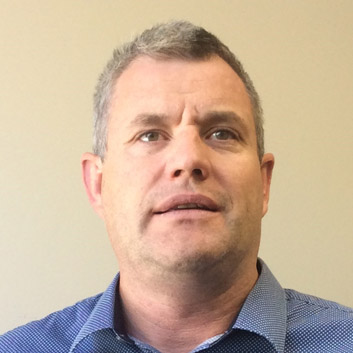
Paul McPartlan
CEO, Places Leisure

Places Leisure was a partner in the bidding process to gain government tampon tax funding.

Collaborating with Places for People Social Value Foundation Team, Hey Girls and Women in Sport, we designed a trailblazing project to tackle period poverty and inactivity in girls aged 9-15yrs.

We outlined the delivery and implementation plan, took part in insight groups, shaped the brand look and feel, designed the six-month free membership journey, trained the teams and developed content and digital innovation.

The leaders of this peer-led network do outreach to school, community partnerships, sports clubs and other community groups, as well as interacting with our local authorities. Places for People Activation officers have been engaging with girls and signposting them to their local centre, where our on-site team supports them.

We’ve had over 900 enquiries and 667 membership sign-ups in the first month alone. The gym and group workout classes are proving to be particularly popular.

eriod products have been welcomed, and we’re working with Hey Girls to supply girls in the project with home packs of products too. Digital content enables them to try group workouts at home.

They’re worried about not fitting in or the activity not being for them ‘too elite’ and not fun. We can already see the impact this project is having and are keen to understand and monitor the longer-term effects on the girls taking part. We’d love to extend this programme to further locations.
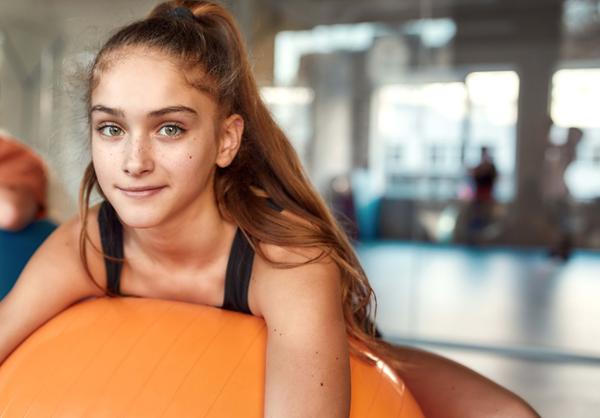
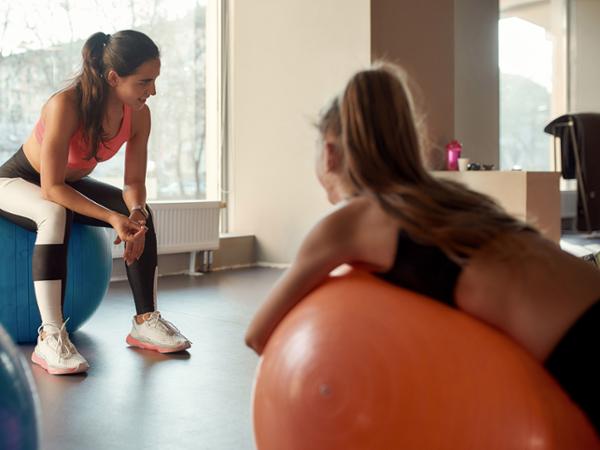
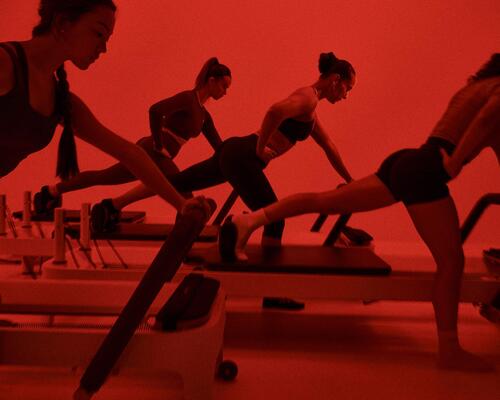
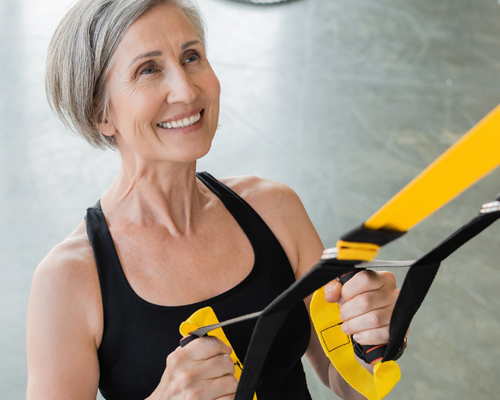
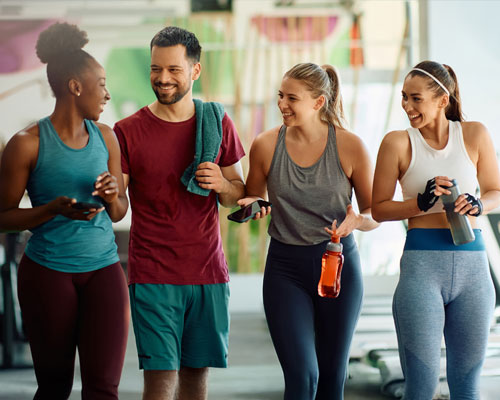
Big Sister is a space for young girls to share a journey of getting active togethe / Photo: shutterstock/BAZA Production
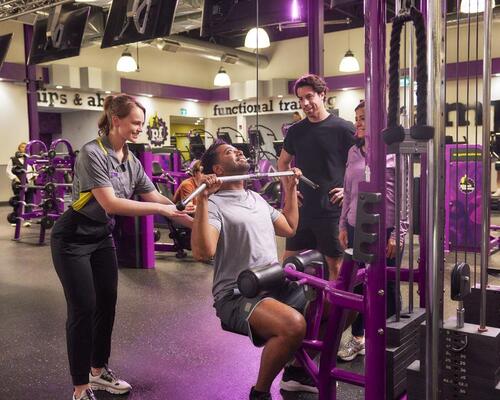
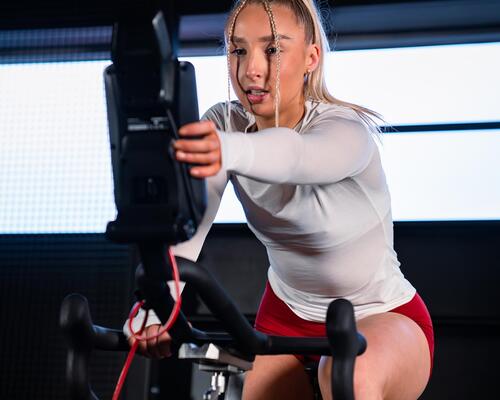
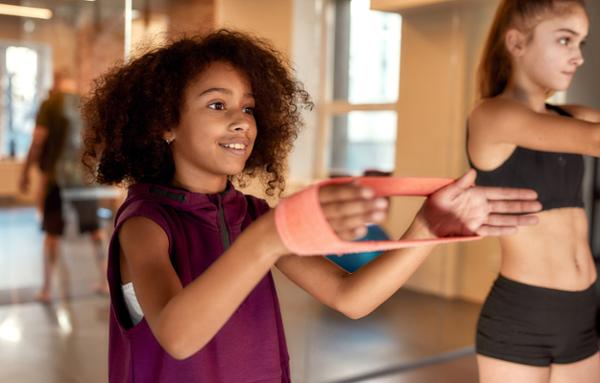
Big Sister participants can now get free gym membership in some locations / Photo: shutterstock/BAZA Production
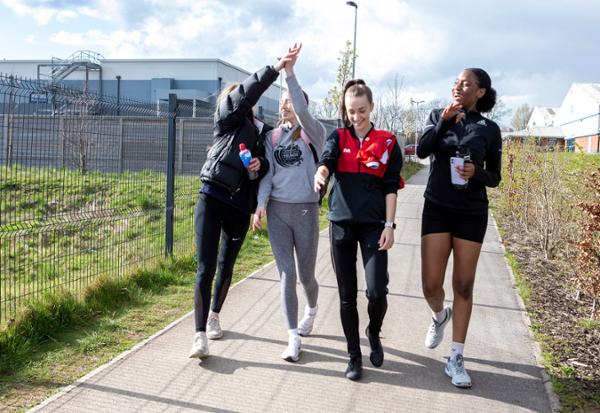
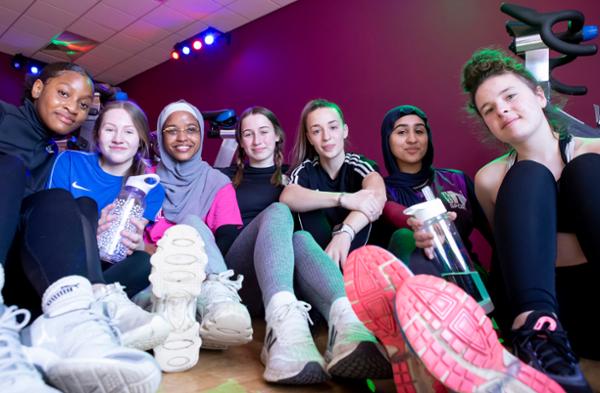
Currently one in 10 girls in the UK can’t afford menstrual products / Photo: Women in sport / Drew Smith Photography
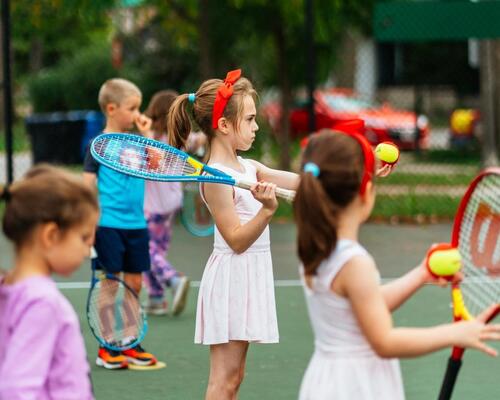
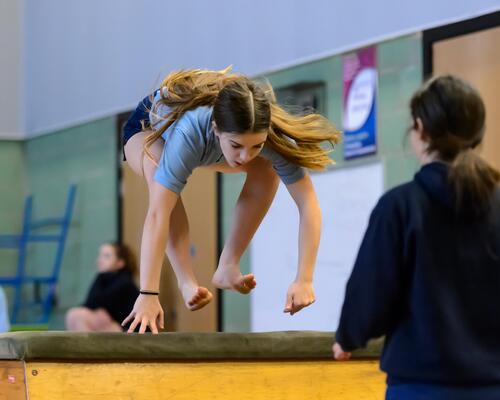
Just under a third of all pubescent girls in the UK are currently inactive / Photo: shutterstock/BAZA Production
Just 30% of girls dream of reaching the top in sport, compared with 60% of boys / Photo: Women in sport / Drew Smith Photography
https://www.leisureopportunities.co.uk/images/2022/537355_375818.jpg
The CEO of Women in Sport talks about Big Sister, a new programme that’s working to overcome period poverty and support more adolescent girls to get and stay active
HCM magazine
Collaborations with the medical profession and greater aspirations around wellbeing are creating a need for more experts in our sector. It’s time to reboot our thinking around the workforce
HCM magazine
As the entrepreneur who started Wexer, Fresh Fitness, Fitness DK and Repeat, as well as being a former elite athlete, Rasmus Ingerslev’s life looked perfect from the outside, but onthe inside it was a different story. He talks to Kath Hudson about healing old wounds
HCM magazine
Strength training is evolving, driven by changing consumer preferences. Julie Cramer talks to innovators about how their products are meeting this demand
HCM magazine
Raphael Cuomo explores the powerful link between addiction, health and behaviour change
HCM magazine
I experienced a blissful feeling of joy I hadn’t felt since I was a kid
HCM promotional features
Sponsored
Greg Bradley looks at the shift towards strength training in gyms and advises on how operators can create the ultimate training environment
HCM promotional features
Sponsored
Third Space partnered with IndigoFitness to deliver a bespoke training space for its new club at The Whiteley
HCM promotional features
Sponsored
SnowDome Fitness has added 50 per cent more space with cutting-edge Technogym solutions
HCM promotional features
Sponsored
Find out how your gym can tap into the corporate wellness boom
HCM promotional features
Sponsored
David Lloyd is stepping up its commitment to women’s health as it continues to explore what fit-for-purpose looks like for the female population
HCM promotional features
Sponsored
Starpool supports Olympic champion Marcell Jacobs, says Riccardo Turri
HCM promotional features
Sponsored
EGYM has opened a new HQ in Paternoster Square, London and revealed a range of new launches
HCM promotional features
Promotion
Performance Health Systems, manufacturer of Power Plate, has a new CEO, with an ambitious vision for the company
HCM promotional features
Sponsored
New launch, Salus House, elevates boutique wellness with high service levels and a partnership with Technogym
HCM promotional features
Latest News
Until has opened its fourth club at Canary Wharf, in the iconic YY London building. ...
Latest News
Ben Allen has been appointed managing director at Common Bond. Having set the company up ...
Latest News
Les Mills, whose name became synonymous with one of the world's leading fitness brands, has ...
Latest News
People taking GLP-1 weight loss medications such as Ozempic, Wegovy, Mounjaro and Zepbound may be ...
Latest News
Low-cost gym operator, PureGym, is trialling recovery zones at two of its UK sites, democratising ...
Latest News
In a milestone moment, mental health has become a core part of CIMSPA’s occupational professional ...
Latest News
US high-value, low-price chain, Eos Fitness, has announced plans to pilot reformer Pilates in three ...
Latest News
Preventive healthcare company Neko Health has added body composition analysis to its full-body health scan ...
Opinion
promotion
Strength training has moved from the margins to the mainstream.
Opinion: Building smarter strength spaces for today’s operators
Featured supplier news
Featured supplier news: Supporting long-term health: why whole body vibration belongs in clinical settings
As healthcare continues to shift towards prevention, there’s a growing focus on helping people stay active, independent and feeling good for longer.
Featured supplier news
Featured supplier news: CoverMe extends matching service to personal training, rewriting how members and personal trainers connect
CoverMe, the global leader in fitness workforce management, today launches CoverMe PT, an on-demand personal training platform that connects the right personal trainer to the right client in under 10 seconds.
Company profiles
Company profile: Wattbike
Wattbike’s mission is to make Wattbike the ultimate training partner for improving health and performance. ...
Company profiles
Company profile: Fitbench
Fitbench creates modular training solutions designed to support efficient, high-quality workouts in a wide range ...
Supplier Showcases
Supplier Showcase - Future-proofing
Catalogue Gallery
Click on a catalogue to view it online
Featured press releases
Swimming Teachers' Association (STA) press release: STA Safeguarding programme for aquatic professionals awarded CIMSPA endorsement and CPD points
STA is pleased to announce that its Safeguarding Children and Adults at Risk CPD has been endorsed by the Chartered Institute for the Management of Sport and Physical Activity (CIMSPA) against both the Safeguarding and Protecting Children and Safeguarding Adults technical specialism professional standards.
Featured press releases
CoverMe Ltd press release: CoverMe and Jobs In. Fitness partner to create end-to-end talent solution
CoverMe, the UK’s leading fitness workforce management and recruitment platform, has partnered with Jobs In. Fitness, the specialist executive search and advisory firm for the fitness and wellbeing sector, to give operators a single route to talent at every level – from frontline staffing to C-suite.
Directory
Hot tubs
MSpa International Ltd: Hot tubs
Water experiences and hydrotherapy solutions
Aquaform s.r.l.: Water experiences and hydrotherapy solutions
Lockers
Crown Sports Lockers: Lockers
Fitness tracking platform
SpiviTech: Fitness tracking platform
Spa and beauty equipment
Living Earth Crafts: Spa and beauty equipment
Industrial washing machines
Miele Company Limited: Industrial washing machines
Property & Tenders
Stratford, East London.
Lee Valley Regional Park Authority
Property & Tenders
Y Felinheli, LL56 4QN
Newmark
Property & Tenders
Diary dates
21-24 Sep 2026
The Langham Huntington Pasadena , Pasadena, United States
Diary dates
06-08 Oct 2026
Messe Stuttgart, Stuttgart, Germany
Diary dates
22-22 Oct 2026
QEII Conference Centre, London,
Diary dates
26-29 Oct 2027
Koelnmesse Exhibition Centre, Cologne, Germany
Diary dates

people

Interview: Stephanie Hilborne

The CEO of Women in Sport tells HCM about Big Sister, a new programme that’s working to overcome period poverty and get more girls active

Published in Health Club Management 2022 issue 5
Stephanie Hilborne / Photo: Women In Sport
Teenage girls are not voluntarily leaving activity, they’re being pushed out as a consequence of deep-rooted gender stereotypes

Tell us about Big Sister
It’s an evolution of three-four years’ work rooted in our original insight study, Reframing Sport for Teenage Girls in 2018 (www.hcmmag.com/reframe), where we discovered what mattered in their wider lives and the barriers preventing them from participating in sport and exercise.

These were complex, including getting their first period, affordability, confidence and self-belief. Girls helped us to innovate what could help to solve this, which is where the concept of Big Sister emerged as a space for teenage girls to discover their journey to getting active, together.

What role has Women in Sport played?
Women in Sport is lead partner, working with partners – Hey Girls CIC, Places Leisure and Places Foundation – to drive the programme. It has led on building insights to gain a deeper understanding of the lives and needs of young girls in areas of deprivation.

Each partner has defined deliverables which collectively formulate the programme. This has included everything from developing a digital hub, educational content and resources and engaging with local community stakeholders, to creating bespoke membership for teenage girls – including a suite of online virtual workouts – and the distribution of disposable and reusable period products within the delivery sites.

Why develop a girl-led support community?
Through our research – in which we consulted with teenage girls and heard how they want to be supported by other girls – they told us they wanted to hear the lived experiences of others, their advice and tips on how they to navigated puberty and engage with sport and exercise.

How has the project been funded?
All support – approximately £1m – has come from DCMS Tampon Tax Funding and has been distributed across the consortium.

How does it work at a community level?
On a local level, we’ve designated Big Sister ambassadors who offer support within the 11 leisure centres that are delivering the Big Sister membership.

It’s a very informal, peer-led network. Girls support other girls through the digital content and resources, and we have girls and women within centres supporting girls as they come into the Big Sister membership. There’s no formal structure giving one-to-one support at present, but we’d love to grow this in time.

We’ll also be supporting stakeholders in the local community in understanding how they can create peer-led groups to consult and support their offers and engagements with girls.

Tell us about the free gym membership
Free access is offered in four areas and 11 leisure centres and our intentions are to expand throughout the UK, working with Places Leisure, to roll-out the initiative across all their leisure sites in the UK.

We’re currently also exploring sustainability models and future funding opportunities across the consortium, and hope to broaden our reach and expand the offer further across other sport, leisure and health and fitness sectors.

How big a problem is ‘period poverty’?
In the UK, one in 10 girls can’t afford to buy menstrual products, while one in 7 have struggled to afford them, according to a representative survey of 1,000 girls and young women aged 14-21 by Plan International UK.

Around 7 in 10 girls actively avoid sport during their period and managing periods can be difficult for girls, irrespective of how sporty they are. It can lead to long-term absences and habits that are difficult to reverse.

How do girls access free period hygiene products?
Products are available in the 11 leisure centres and girls, and wider community members can walk in and pick up products from the front desk or reception.

Girls who sign up to the membership also receive their own period product home pack following enrolment.

We’re delighted Hey Girls is operating a ‘buy one, donate one’ scheme, so that for every product purchased, one is donated to wider community organisations and charities within the local delivery areas. This enables us to reach many more women and girls to get products where they’re needed, and reduce period poverty.

Have you had many girls applying to be Big Sisters?
We’ve had a fantastic response from girls, with them playing different Big Sister roles, from co-creating concept development and Big Sister design, to girls co-producing content and providing advice for digital hub content.

While we’re currently looking for girls aged 14 to 25-years-old to become Big Sisters, we’ve also had older adults contact us asking how and if they can get involved. It’s fantastic to see the enthusiasm and support networks that are out there.

What results have you seen so far?
It’s early days and we’ve already received a very positive response. We’ve had 100s of girls signing up for the Big Sister membership, and a huge volume of free period product has been supplied to the regional leisure centres taking part.

We’ve also had a positive response from community stakeholders and practitioners on the launch and on the content that’s being provided to support girls. We’ve heard from girls themselves wanting to get involved in the programme, because it wasn’t something they had when they were navigating puberty but they understand the impact this support will have for other girls.

What are the biggest problems girls face in relation to exercising during puberty?
Just under a third are inactive – engaging in under 30 minutes of activity per day. (Sport England Active Lives 2019/20)

Some of the main barriers we found through our Reframing Sport for Teenage Girls: Tackling Teenage Disengagement (www.hcmmag.com/teenage) are as follow for girls aged 11-16:

● 50% of girls lack self-belief

● 70% of girls avoid playing sport during their period

● 65% of girls don’t like others watching them

● 61% of girls fear they’ll be judged by others

What else is research telling you?
As part of recent research by Women in Sport, Tackling Teenage Disengagement (www.hcmmag.com/disengage) we surveyed 4,000 teenage girls and found 43 per cent who once actively engaged with and enjoyed sport were being sidelined in their teenage years and made to feel not good enough. These statistics compared with just 24 per cent of boys of the same age. We believe this group is ‘The Missed Opportunity'.

This comes at a time when teenage girls are experiencing an increase in mental health issues, especially relating to loneliness and anxiety, which has been amplified by the pandemic.

Women in Sport’s research found complex, deep-rooted negative attitudes are affecting girls’ enjoyment of sport. Body image and issues around puberty are also significant factors – 78 per cent say they avoid sport when they have their period, while 73 per cent don’t like others watching them take part.

We believe it’s a travesty that teenage girls are being pushed out of sport on such a scale. Losing sport from their lives during these formative years equates to a loss of joy, as well as good, lifelong health. It’s well documented that taking part in physical activity can have a profound and positive effect on mental wellbeing, as well as providing many critical life skills, such as resilience, teamwork and communication.

We must bust the myth that teenage girls drop out of sport because their priorities change. Our research found 59 per cent of teenage girls who used to be sporty like competitive sport, but they’re being failed due to early years stereotyping, inadequate opportunities and a dearth of knowledge about managing female puberty.

The transition from childhood to adulthood should be filled with happiness, opportunity and optimism for the future. Teenage girls are not voluntarily leaving activity, they’re being pushed out as a consequence of deep-rooted gender stereotypes. We must all do more to reverse this trend and not continue to accept this as inevitable. No-one should be excluded from the joy, fulfilment and lifelong benefits of sport and exercise.

Why do so many teenage girls avoid exercise?
We all need to work harder to support girls and remove the persistent barriers they face to being more active. But we also need to re-imagine sport and physical activity as something they truly value and perceive to enhance their lives; something that will help them on their journey to being confident and feeling good about themselves at this pivotal life-stage.

Interestingly, our research showed that 64 per cent of girls enjoy competitive sport compared to 74 per cent of boys, and 66 per cent of girls believe they’re good at team sports compared to 73 per cent of boys.

However girls today lack the opportunities to play team sport unless they’re really good and therefore, they often feel a sense of failure in a competitive environment where they’ll never thrive. It loses the fun factor, so, options to take part at the right level are important.

How will this initiative help participants in their overall life journey?
Building positive associations with sport and exercise as early as possible, and breaking down the gender stereotypes that say girls can’t get active are absolutely essential.

If we don’t get this right early on, girls can start to drop out of activity by as young as seven-years-old. And negative associations that are formed with sport and exercise can stay with us for life. Sport needs to be reiterated as immensely valuable for women and girls.

It’s well documented that taking part in physical activity can have a profound and positive effect on mental wellbeing, as well as providing many pivotal life skills such as resilience, teamwork and communication.

Exercise can help to prevent numerous issues that affect the lives of girls and women, from anxiety and self-harm during teenage years to osteoporosis that can plague women in later life.

How do you help women during the menopause?
More widely, we’ve done some insight that has shown there are meno-possibilities for women in midlife, but we must change the narrative and representation for women at this stage in their lives. Find out more here at www.hcmmag.com/Menopause.

What are the biggest barriers for women in sport?
Sexism, discrimination, lack of representation at both elite and grassroots levels, and lack of visibility for women at all levels of sport

How can we tackle inequalities such as sexism and discrimination?
Women face barriers to participation at every stage of their life because of their gender. From restrictive uniform in primary school, a lack of understanding of puberty and periods, through to the pressures of midlife and menopause. Gender equality is recognising and breaking these barriers to allow women and girls participate in sport equally, provide opportunities to dream big and enable them to achieve their true potential in all aspects of their lives, from the sports field to the boardroom.

A recent survey by Women in Sport found half as many girls (30 per cent vs 60 per cent of boys) dreamed of reaching the top in sport. Girls just don’t see sport as a viable career option. The relative lack of female role models, recognition and visibility of women in all sports, lesser pay, and limited investment is hardly appealing.

What can we all do to help?
Make an effort to find and watch women’s sport both live and in the broadcast media, to build up those figures and give investors confidence.

Think about coaching a girls’ or women’s team in your local community and encourage all the women and girls you know by cheering them on.

Try to engage in and understand the deep-rooted issues, and recognise we have all been part of a culture that stereotypes and how limiting that can be. Be part of the fight back.

Paul McPartlan
CEO, Places Leisure

Places Leisure was a partner in the bidding process to gain government tampon tax funding.

Collaborating with Places for People Social Value Foundation Team, Hey Girls and Women in Sport, we designed a trailblazing project to tackle period poverty and inactivity in girls aged 9-15yrs.

We outlined the delivery and implementation plan, took part in insight groups, shaped the brand look and feel, designed the six-month free membership journey, trained the teams and developed content and digital innovation.

The leaders of this peer-led network do outreach to school, community partnerships, sports clubs and other community groups, as well as interacting with our local authorities. Places for People Activation officers have been engaging with girls and signposting them to their local centre, where our on-site team supports them.

We’ve had over 900 enquiries and 667 membership sign-ups in the first month alone. The gym and group workout classes are proving to be particularly popular.

eriod products have been welcomed, and we’re working with Hey Girls to supply girls in the project with home packs of products too. Digital content enables them to try group workouts at home.

They’re worried about not fitting in or the activity not being for them ‘too elite’ and not fun. We can already see the impact this project is having and are keen to understand and monitor the longer-term effects on the girls taking part. We’d love to extend this programme to further locations.
Big Sister is a space for young girls to share a journey of getting active togethe / Photo: shutterstock/BAZA Production
Big Sister participants can now get free gym membership in some locations / Photo: shutterstock/BAZA Production
Currently one in 10 girls in the UK can’t afford menstrual products / Photo: Women in sport / Drew Smith Photography
Just under a third of all pubescent girls in the UK are currently inactive / Photo: shutterstock/BAZA Production
Just 30% of girls dream of reaching the top in sport, compared with 60% of boys / Photo: Women in sport / Drew Smith Photography
https://www.leisureopportunities.co.uk/images/2022/537355_375818.jpg
The CEO of Women in Sport talks about Big Sister, a new programme that’s working to overcome period poverty and support more adolescent girls to get and stay active
Latest News
Until has opened its fourth club at Canary Wharf, in the iconic YY London building. ...
Latest News
Ben Allen has been appointed managing director at Common Bond. Having set the company up ...
Latest News
Les Mills, whose name became synonymous with one of the world's leading fitness brands, has ...
Latest News
People taking GLP-1 weight loss medications such as Ozempic, Wegovy, Mounjaro and Zepbound may be ...
Latest News
Low-cost gym operator, PureGym, is trialling recovery zones at two of its UK sites, democratising ...
Latest News
In a milestone moment, mental health has become a core part of CIMSPA’s occupational professional ...
Latest News
US high-value, low-price chain, Eos Fitness, has announced plans to pilot reformer Pilates in three ...
Latest News
Preventive healthcare company Neko Health has added body composition analysis to its full-body health scan ...
Latest News
Chequan Lewis is the new CEO of Crunch Fitness, taking over from Jim Rowley, who ...
Latest News
Sea Lanes Canary Wharf has officially opened. The 50-metre, six-lane pool, which uses the natural ...
Latest News
London-based high-performance fitness club, ONE LDN, is raising funds for a multi-site expansion across London, ...
Opinion
promotion
Strength training has moved from the margins to the mainstream.
Opinion: Building smarter strength spaces for today’s operators
Featured supplier news
Featured supplier news: Supporting long-term health: why whole body vibration belongs in clinical settings
As healthcare continues to shift towards prevention, there’s a growing focus on helping people stay active, independent and feeling good for longer.
Featured supplier news
Featured supplier news: CoverMe extends matching service to personal training, rewriting how members and personal trainers connect
CoverMe, the global leader in fitness workforce management, today launches CoverMe PT, an on-demand personal training platform that connects the right personal trainer to the right client in under 10 seconds.
Company profiles
Company profile: Wattbike
Wattbike’s mission is to make Wattbike the ultimate training partner for improving health and performance. ...
Company profiles
Company profile: Fitbench
Fitbench creates modular training solutions designed to support efficient, high-quality workouts in a wide range ...
Supplier Showcases
Supplier Showcase - Future-proofing
Catalogue Gallery
Click on a catalogue to view it online
Featured press releases
Swimming Teachers' Association (STA) press release: STA Safeguarding programme for aquatic professionals awarded CIMSPA endorsement and CPD points
STA is pleased to announce that its Safeguarding Children and Adults at Risk CPD has been endorsed by the Chartered Institute for the Management of Sport and Physical Activity (CIMSPA) against both the Safeguarding and Protecting Children and Safeguarding Adults technical specialism professional standards.
Featured press releases
CoverMe Ltd press release: CoverMe and Jobs In. Fitness partner to create end-to-end talent solution
CoverMe, the UK’s leading fitness workforce management and recruitment platform, has partnered with Jobs In. Fitness, the specialist executive search and advisory firm for the fitness and wellbeing sector, to give operators a single route to talent at every level – from frontline staffing to C-suite.
Directory
Hot tubs
MSpa International Ltd: Hot tubs
Water experiences and hydrotherapy solutions
Aquaform s.r.l.: Water experiences and hydrotherapy solutions
Lockers
Crown Sports Lockers: Lockers
Fitness tracking platform
SpiviTech: Fitness tracking platform
Spa and beauty equipment
Living Earth Crafts: Spa and beauty equipment
Industrial washing machines
Miele Company Limited: Industrial washing machines
Property & Tenders
Stratford, East London.
Lee Valley Regional Park Authority
Property & Tenders
Y Felinheli, LL56 4QN
Newmark
Property & Tenders
Diary dates
21-24 Sep 2026
The Langham Huntington Pasadena , Pasadena, United States
Diary dates
06-08 Oct 2026
Messe Stuttgart, Stuttgart, Germany
Diary dates
22-22 Oct 2026
QEII Conference Centre, London,
Diary dates
26-29 Oct 2027
Koelnmesse Exhibition Centre, Cologne, Germany
Diary dates
Search news, features & products:
Find a supplier:
Partner sites