














EGYM
EGYM
EGYM
Follow Health Club Management on Twitter Like Health Club Management on Facebook Join the discussion with Health Club Management on LinkedIn
FITNESS, HEALTH, WELLNESS

people

Interview : Matt Roberts

Kate Cracknell talks to the fitness entrepreneur about data-based training, personalisation and driving a health-focused message

By Kate Cracknell | Published in Health Club Management 2014 issue 4
The sector now needs to cast itself in a more premium light – a bit cooler, sexier, more exciting

“It’s not about gyms any more. It’s about people, about professionals,” says renowned personal trainer and industry spokesperson Matt Roberts.

“The industry is in a very interesting phase and operators have to really focus. They have to reinvent themselves, figure out what their product is and how that fits into someone’s overall pattern of activity.

“I believe it’s about great professionals delivering great information in any setting, with the gym being just one of those.”

Imparting information
Rewind to 1995, when the then 22-year-old Roberts opened his first PT studio in London’s upmarket Mayfair area, and it’s clear this sort of knowledge gathering and dissemination has been at the heart of his vision from the outset.

“I grew up around sport – my dad was a footballer and I was a sprinter – and I loved competing. I competed at a high level as a junior. But even at the age of 15, the fascination for me lay in the physiology, the biomechanics, how to make the body perform better.

“Even at that young age, I was very clear that the industry needed fantastic personal training venues filled with amazing trainers, with nutritionists and physiotherapists on-hand, doctors on-call for consultations and so on, so that Joe Public could benefit from the sort of training I’d enjoyed. My idea was to create genuinely inspiring venues – creative spaces with a more bespoke offering that were more in-tune with what people really wanted to experience at a gym.

“Aged 22, I found a location in the middle of Mayfair – an abandoned art gallery in what was then a little recession. I convinced the landlord I was a good bet to take the space on and jumped straight in.”

He continues: “Our USP – and I say ‘our’, although of course it was just me at that stage, because there was a big company mindset even then – was the same then as it is now: a focus on delivering high-end scientific information in a very user-friendly, intuitive way through staff who understand the client, and who don’t necessarily conform to the normal perceived view of what a gym instructor might be. From day one, I recruited people into my training team who were very worldly, highly educated, articulate and who understood how to tap into the mindset of the client.

“We created a setting that’s private, very bespoke, very much a reflection of the user’s home rather than a conventional gym space. Clients come to us feeling comfortable and secure, safe and looked after, but also informed. That’s proved to be an incredibly powerful combination.”

Growing the brand
The business has grown steadily since the opening of that first facility. There are now five Matt Roberts clubs in London: four owned and one operated by Roberts’ trainers in the Belgravia-based private ladies’ club, Grace. A sixth location is set to open at the Forte Village in Sardinia this month. Retreats are also available – in the UK, and imminently in Sardinia – offering personalised exercise, nutrition and pampering to small groups of clients.

So how easy it is to grow a PT business where the owner is, as Roberts himself acknowledges, the brand? He explains: “If you’re a trainer and the company is your brand, the danger you face is that people only want to train with you – that they call and ask to train with you specifically. But at my clubs, 99 per cent of the time they don’t. People just want to come and train with a Matt Roberts trainer – someone doing the method I’ve created. For me, that’s the measure of brand success.”

So how has he achieved this? “We have phenomenal internal training processes and a great marketing and PR division. We make sure each thing we do is creative and innovative, and we give every employee an opportunity to be involved, to be part of the story rather than just a cog in a machine. We make sure the team really understands the brand so they can act as ambassadors and help take our company story to the broader public.”

But it’s not only the club portfolio that has grown: Roberts has also had great success with brand extensions such as nutritional supplements, fitness products, books and DVDs. “As well as opening multiple locations, the plan from day one was to take the brand and leverage it into new areas,” says Roberts. “To do that, you have to create a trusted brand people buy into, where they know they can get reliable information. I only do things that are core to the brand, that I believe in, and that I would use myself.”

Tracking trends
The latest new initiative will see Roberts launch a standalone small group training concept, MX, over the next eight to 12 months, with a view to opening four or five locations over the coming year to two years. “I don’t want to go into great detail yet, but it’s going to be an interesting take on small group training in zones – a quick way to get results at a lower price point than we charge for PT,” says Roberts.

He continues: “The industry has moved away from mass market clubs. The US has been struggling for a long time, with all the big players having to reinvent the wheel over and again to make use of their massive buildings and all the CapEx on their equipment.

“What the public actually wants is something more like one-to-one training, except they can’t all afford it. Small group work is that next step towards it, giving more flexibility over how you construct your week’s exercise. Rather than going to one club and doing the same old thing, you pick and choose at a few different clubs. In the US, SoulCycle has been a massive hit, there are various pilates formats going on, there are boot camps and so on. That’s going to happen increasingly in the UK too, and the model clubs will therefore have to implement will be a small group approach inside their clubs.”

So has the offering at Roberts’ own clubs had to change over time?

“We have a development team that analyses any new trends, and it’s certainly a case of constant evolution,” he agrees. “The current ‘hot ticket’ items of functional training and high intensity training aren’t really new: that’s the way I’ve always trained my clients. However, I’d say our gyms are less filled with machines than they’ve ever been. There’s far more open space, more functional training space than ever before. We’ve actually been taking machines out, so there’s much more work with suspension training, kettlebells, functional training movements, primal movements. It’s far more about mobility and flexibility, linking pilates and physiotherapy into the training sessions in a more integrated approach.”

He continues: “We’re doing a lot more sport-specific work nowadays too – there’s increased demand from people to get fit for a real purpose – and that’s bringing us closer now to my core philosophy than we’ve ever been. Instead of people coming in saying they want to get fit, they’re telling us they want to get fit because they’re going to do a Mont Blanc climb or go on a skiing expedition.

“For me, one of the biggest things that will happen in the sector as a whole is a massive increase in specificity: far more detailed programming for individuals using things like DNA testing, personal monitoring devices, live data. Programmes won’t be guesswork any more – there’ll be a big drive towards bespoking, through very complex automation, and that’s going to be very significant.”

Data and personalisation
In line with this increased specificity, one of the newer initiatives at Roberts’ clubs is the use of DNA testing as the basis for personalised programmes. “It gives us more data about our clients: are they power-based or endurance-based, what’s their risk of injury, what’s their uptake of carbohydrates, how do they absorb salt or caffeine, what’s their protein absorption like, what’s their vitamin requirement?” explains Roberts.

Those tests aren’t entirely prescriptive – some measures have been omitted so as not to seem overly intrusive – but as Roberts explains: “They’re a great steer, giving you a very good idea of the direction of travel. They also help you cut out the things people shouldn’t be doing. We know from testing over the last couple of years that we can refine people’s workouts to help them achieve goals they’ve previously struggled with.

“I also think it’s important psychologically that people know they’re going the right way. If you can tell them you’re prescribing the correct approach for them based on their DNA, they’re more likely to stick with the programme.”

Alongside this is Cloud Tag, due to launch later this year, to which Roberts has exclusive rights from a PT perspective. “It’s a device you wear on your body – a personal body monitoring system that links to the cloud and then gives the information back to your phone. It’s essentially an incredible virtual trainer with me as your trainer, using your live data: heart rate, respiration rate, movement and so on.

“For us, information is king. It allows us to make sure we’re delivering specific work for the right people at the right time. This sort of technology will change the way trainers work, but it needn’t stop them working. It just gives them more information, more tools at their disposal to help their client.

“It does change things for anyone without a trainer though, giving them more information and therefore more control. But if gyms are smart, they’ll use the technology to their advantage, interpreting the data and suggesting programme changes to help people reach their goals, not only at the gym but away from it too. It actually offers a way of providing ongoing feedback and care.”

Sector SWOT
If he steps back from his own business and looks at the broader sector, what does Roberts feel are the main strengths, weakness and opportunities to evolve?

“I believe we’ve made gym, fitness and exercise more accessible than it’s ever been, getting more ideas out there, but the sector now needs to cast itself in a more premium light. I don’t mean charging more money – just making sure we’re seen as a bit cooler, sexier, more exciting. A lot of clubs are bland and boring, and people don’t want to go there.

“We also need more women in the sector. Anyone in marketing will tell you that the market is female: if you get women in, you get their partners too. But gym environments are still very male. We have to make them far more female-friendly, and that includes employing female instructors. It’s harder to find female trainers than it is male trainers, but when you do find them, they’re terrific. We have to try and attract more women to the industry, because when they’re good, they’re really good.

“The sector has to be much better at making professionals out of its trainers too – paying them more and giving them a chance to earn a decent living. The industry gets bad press and it’s largely unjustified: there are some very good people and the level of training has improved markedly. However, the sector has to create a far more professional outlook so that going to see a fitness trainer becomes a bit like going to see a doctor – viewed as a valid, central part of someone’s life.

“In line with that, we have to work a lot harder on creating bridges with the true health industry, communicating with doctors, government and the health service to get information out to the whole nation about exercise being a vital component of health.

“There has to be less of an emphasis on short-term solutions. The current focus on HIIT, for example, is actually leaving people not doing enough exercise. We have to communicate that there are set minimums to be achieved in terms of intensity and duration of exercise. Right now, I think the media – and our message to the media – has too much of a focus on ‘eight best ways to get your bum ready for the beach’ or ‘getting your six-pack back after Christmas’. We have to focus on long-term health, and we need to provide medical back-up to drive those messages home.

“That sort of information can be hard for the public to process, but if you’re strict, it can be done. They did it in Finland 30 years ago with a big project that focused on encouraging activity and different eating habits, right down to changing children’s school food. Finland went from having the highest rate of heart disease in Europe to the lowest, as well as achieving the highest activity levels. So it is possible.

“Doctors and health practitioners have a big role to play here, ensuring their message is consistent with what the fitness industry is saying. It happens occasionally, but not enough. Message delivery has to be solid and consistent enough to attract people in.”
Sign up here to get HCM's weekly ezine and every issue of HCM magazine free on digital.
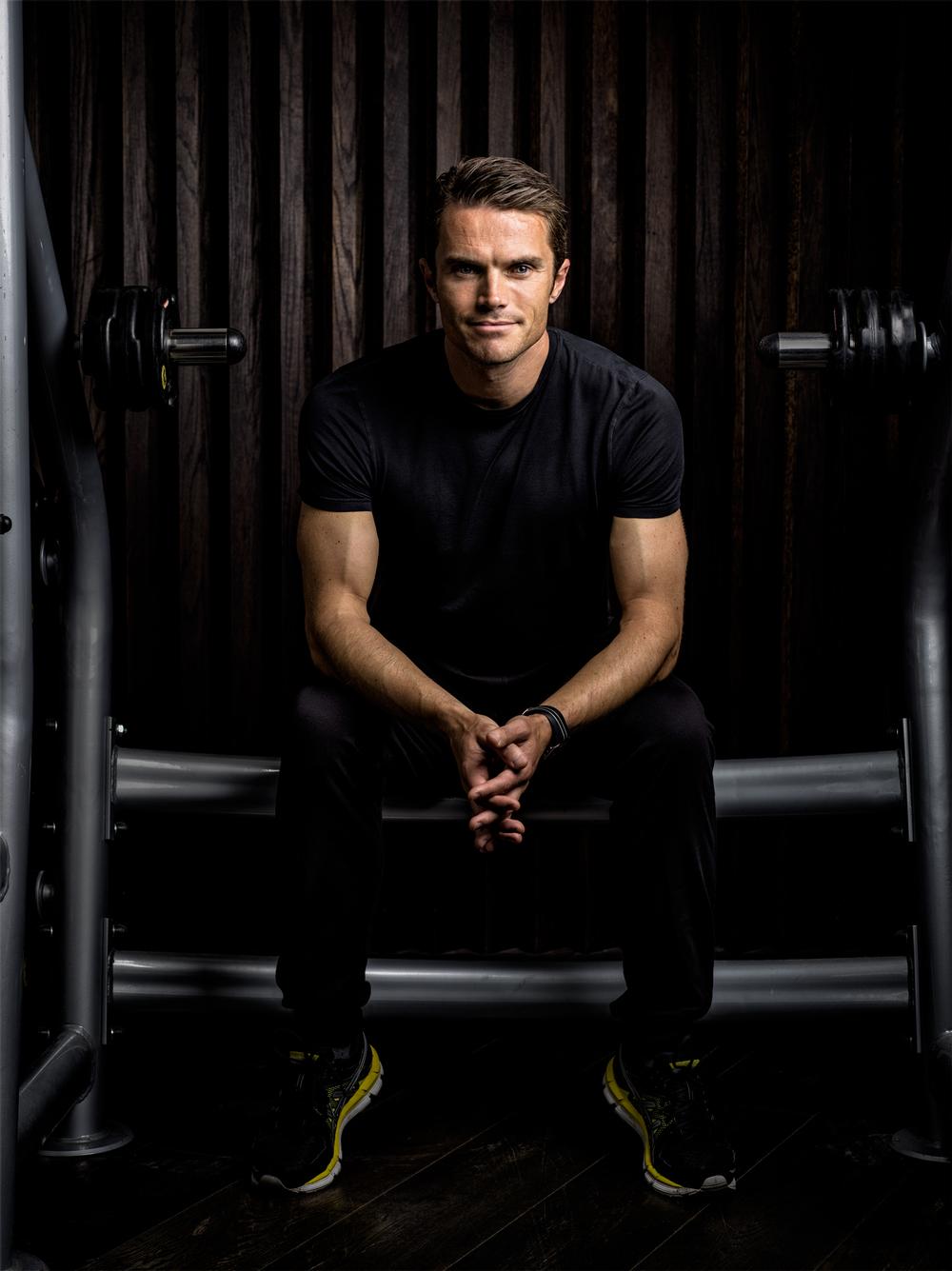
Matt Roberts
Matt Roberts
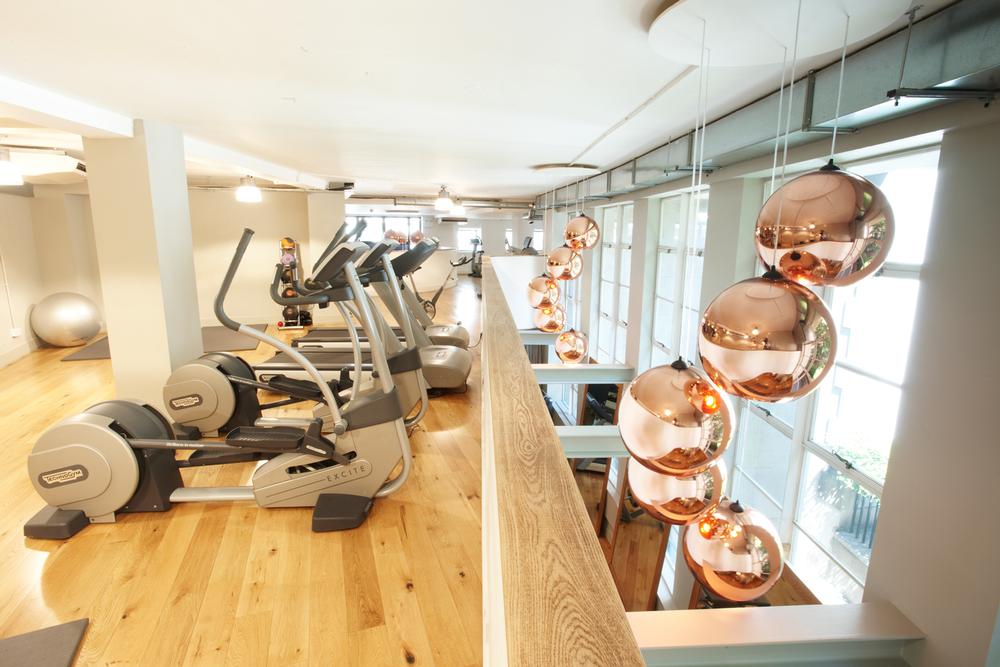
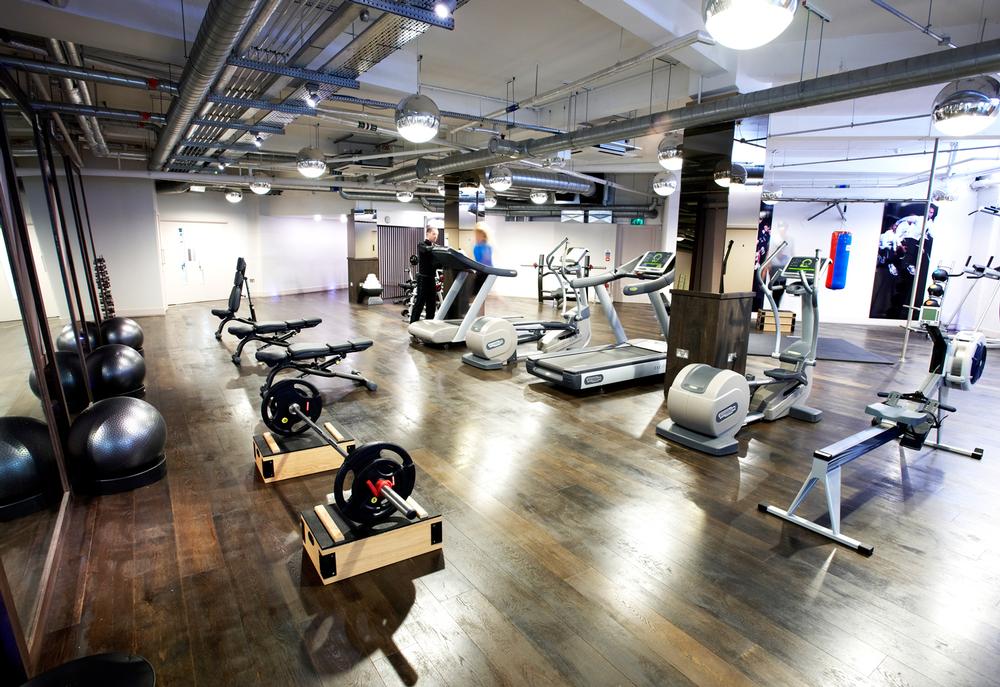
There are currently five Matt Roberts clubs in London, with plans to develop a standalone small group training concept this year
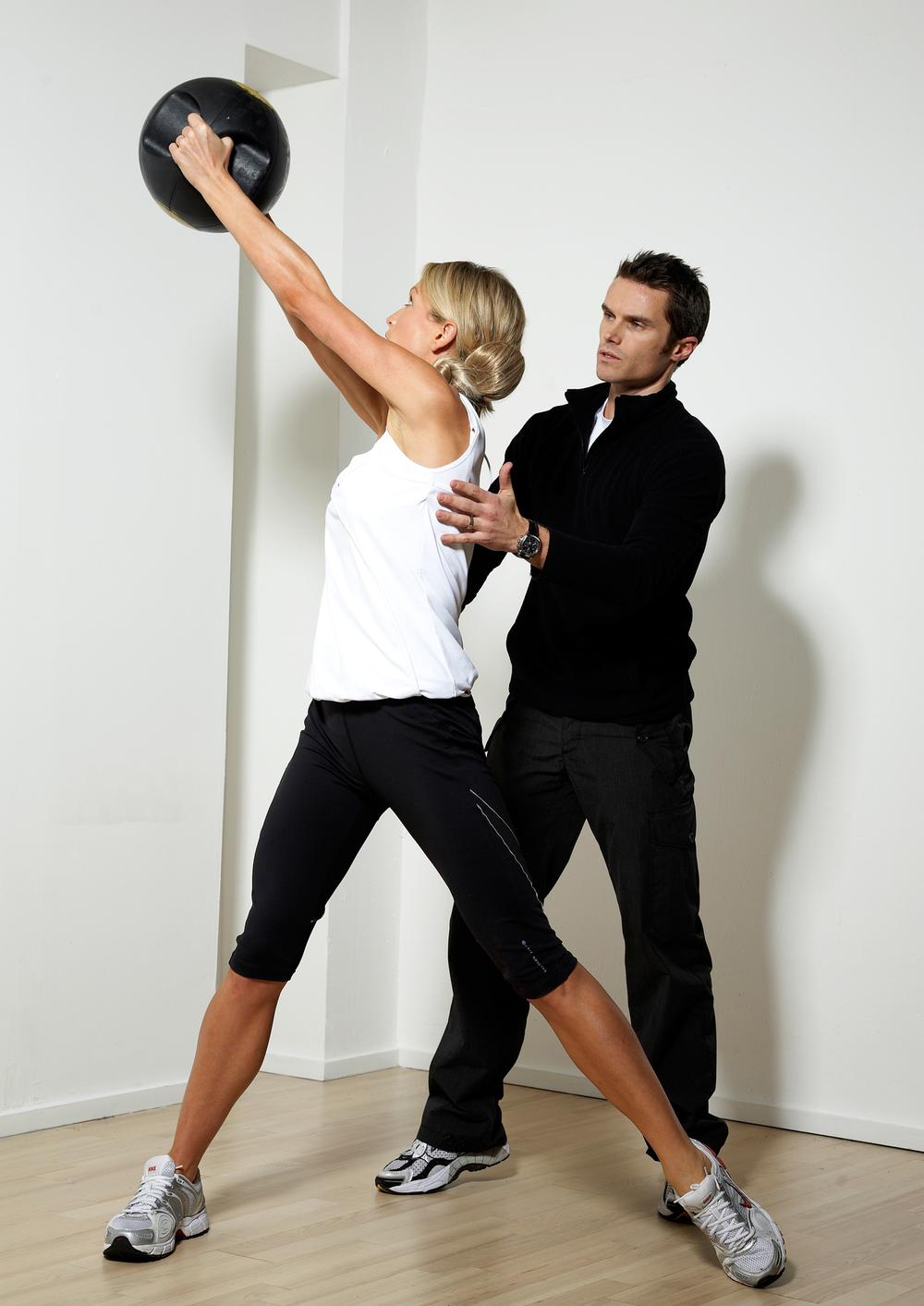
The functional training trend is not new for Roberts – he says he’s always trained clients in this way
Roberts has had success with brand extensions such as supplements
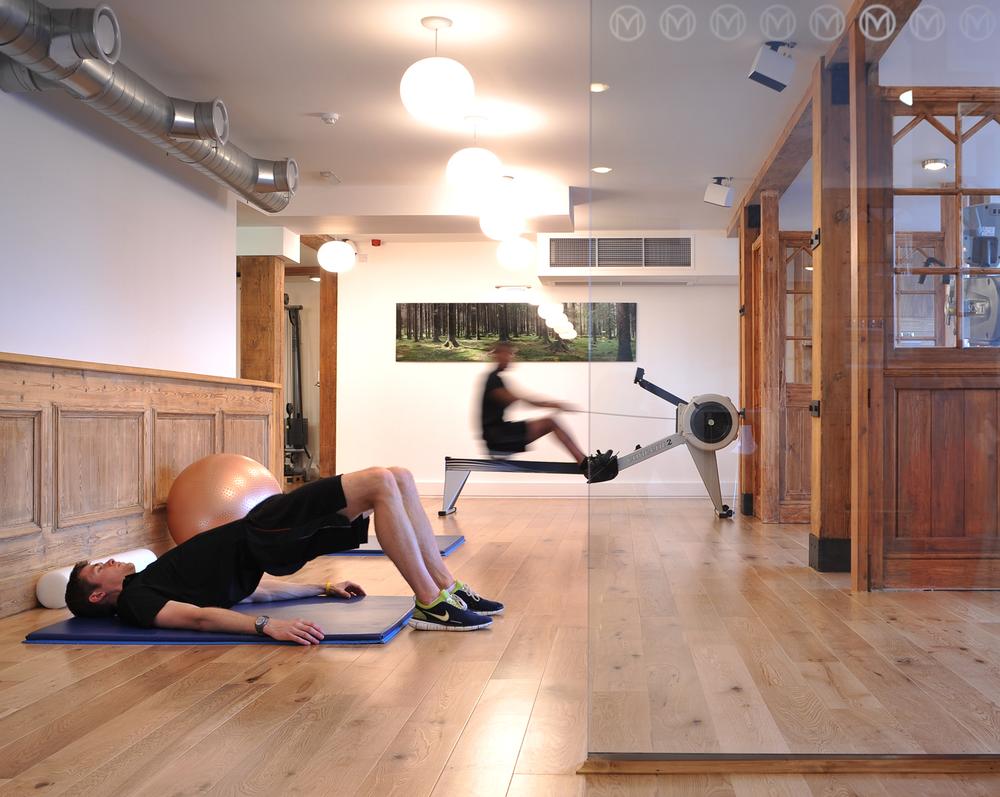
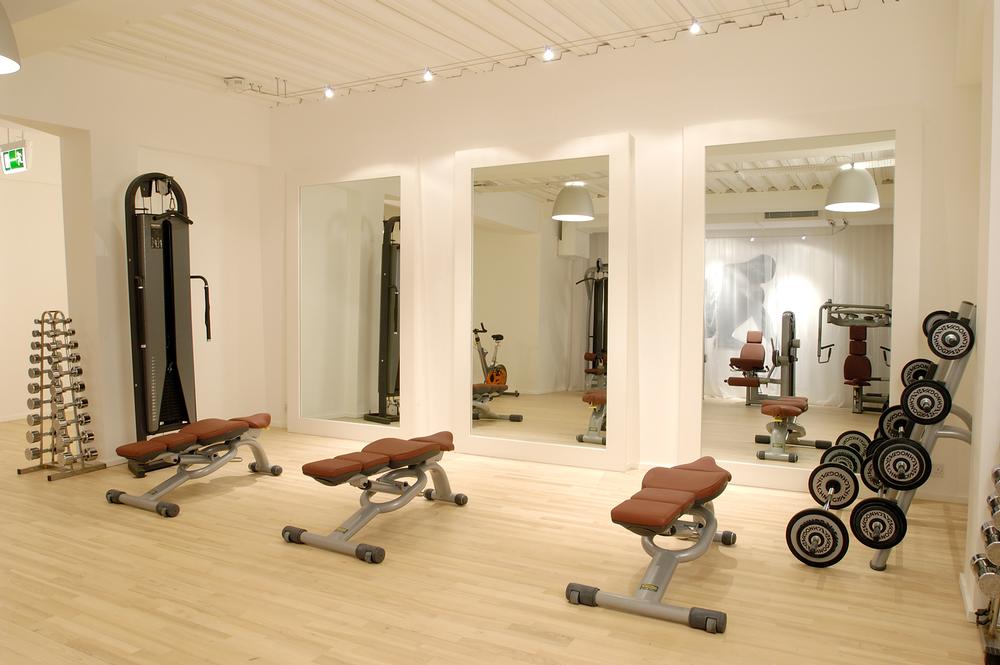
Roberts says his health clubs have more open space than ever before, with fewer machines
https://www.leisureopportunities.co.uk/images/HCM2014_4matt.gif
Kate Cracknell talks to the fitness entrepreneur and celebrity PT about data-based training, personalisation and driving a health-focused message
Kate Cracknell, Matt Roberts,Small group training, data, personalisation, health, media, personal training, entrepreneur, Matt Roberts, supplements
HCM magazine
Strength training is evolving, driven by changing consumer preferences. Julie Cramer talks to innovators about how their products are meeting this demand
HCM magazine
Raphael Cuomo explores the powerful link between addiction, health and behaviour change
HCM magazine
If the health service is to survive, we must recognise that it is a disease service – and that wellbeing rests with us, says the activity advocate and healthy ageing champion. He talks to Kate Cracknell
HCM magazine
Collaborations with the medical profession and greater aspirations around wellbeing are creating a need for more experts in our sector. It’s time to reboot our thinking around the workforce
HCM magazine
I experienced a blissful feeling of joy I hadn’t felt since I was a kid
HCM promotional features
Sponsored
Third Space partnered with IndigoFitness to deliver a bespoke training space for its new club at The Whiteley
HCM promotional features
Sponsored
Starpool supports Olympic champion Marcell Jacobs, says Riccardo Turri
HCM promotional features
Sponsored
Find out how your gym can tap into the corporate wellness boom
HCM promotional features
Sponsored
Greg Bradley looks at the shift towards strength training in gyms and advises on how operators can create the ultimate training environment
HCM promotional features
Sponsored
SnowDome Fitness has added 50 per cent more space with cutting-edge Technogym solutions
HCM promotional features
Sponsored
David Lloyd is stepping up its commitment to women’s health as it continues to explore what fit-for-purpose looks like for the female population
HCM promotional features
Sponsored
EGYM has opened a new HQ in Paternoster Square, London and revealed a range of new launches
HCM promotional features
Sponsored
Pulse Fitness has created a new health club delivering an elevated wellness experience
HCM promotional features
Sponsored
The industry is embracing consumer-facing tech. Now it’s time to streamline back-of-house systems with Orbit4, says Daniel Jones
HCM promotional features
Latest News
Nuffield Health has told HCM that it takes its responsibilities towards its colleagues seriously and ...
Latest News
Technogym has announced the launch of the Run X World Treadmill Championship, the first world ...
Latest News
Shocked by the UK loneliness statistics, charitable trust Mytime Active has been doubling down on ...
Latest News
Portugal’s leading operator, SC Fitness, is celebrating a milestone by reaching 100 gyms.  The company ...
Latest News
Australia’s fast-growing fitness network, Viva Leisure, is adding a low-cost gym brand to its already ...
Latest News
Speedflex has launched a strength training programme for 10 to 16-year-olds, to make it safer, ...
Latest News
Tewinbury Farm Hotel in Hertfordshire, UK is expanding its premium leisure proposition with the launch ...
Latest News

Work is underway in Madrid on one of Europe’s most significant multi-functional complexes, ...

Opinion
promotion
Strength training has moved from the margins to the mainstream.
Opinion: Building smarter strength spaces for today’s operators
Featured supplier news
Featured supplier news: W3Fit EMEA celebrates its fifth anniversary
Celebrating its milestone 5th anniversary, W3Fit EMEA returns in 2026 with an unmissable gathering of the Health & Fitness industry’s most influential leaders.
Featured supplier news
Featured supplier news: Reaching the people most gyms miss: Bedford Gym & Swim Campaign delivers 410 new members
One of the biggest mistakes the fitness industry still makes is advertising almost exclusively to people who already look and live like gym members.
Company profiles
Company profile: Swimming Teachers' Association (STA)
The Swimming Teachers’ Association (STA) is a national governing body for swimming and a UK-registered ...
Company profiles
Company profile: Speedflex (UK & Ireland) Limited
Speedflex offers safe and effective, high intensity, low impact HIIT training in a variety of ...
Supplier Showcases
Supplier Showcase - From nightclub to health club
Supplier Showcases
Supplier Showcase - Future-proofing
Catalogue Gallery
Click on a catalogue to view it online
Featured press releases
GYMNATION press release: Massive ‘Good Luck’ message appears in Saudi Desert as Green Falcons head to World Cup
Passengers flying out of Riyadh this week have been treated to an extraordinary sight from the skies after GymNation unveiled a giant desert sand mural supporting the Saudi Arabia National Football Team ahead of the FIFA World Cup in the United States.
Featured press releases
BLK BOX press release: BLK BOX strengthens European growth with the appointment of Germany country manager Timo Garrels
BLK BOX is proud to welcome Timo Garrels as Germany country manager, marking another important step in the brand’s continued growth across Europe.
Directory
Fitness tracking platform
SpiviTech: Fitness tracking platform
Industrial washing machines
Miele Company Limited: Industrial washing machines
Lockers
Crown Sports Lockers: Lockers
Hot tubs
MSpa International Ltd: Hot tubs
Spa and beauty equipment
Living Earth Crafts: Spa and beauty equipment
Water experiences and hydrotherapy solutions
Aquaform s.r.l.: Water experiences and hydrotherapy solutions
Property & Tenders
Stratford, East London.
Lee Valley Regional Park Authority
Property & Tenders
Y Felinheli, LL56 4QN
Newmark
Property & Tenders
Diary dates
13-13 Jun 2026
Worldwide, Various,
Diary dates
21-24 Sep 2026
The Langham Huntington Pasadena , Pasadena, United States
Diary dates
06-08 Oct 2026
Messe Stuttgart, Stuttgart, Germany
Diary dates
22-22 Oct 2026
QEII Conference Centre, London,
Diary dates
26-29 Oct 2027
Koelnmesse Exhibition Centre, Cologne, Germany
Diary dates

people

Interview : Matt Roberts

Kate Cracknell talks to the fitness entrepreneur about data-based training, personalisation and driving a health-focused message

By Kate Cracknell | Published in Health Club Management 2014 issue 4
The sector now needs to cast itself in a more premium light – a bit cooler, sexier, more exciting

“It’s not about gyms any more. It’s about people, about professionals,” says renowned personal trainer and industry spokesperson Matt Roberts.

“The industry is in a very interesting phase and operators have to really focus. They have to reinvent themselves, figure out what their product is and how that fits into someone’s overall pattern of activity.

“I believe it’s about great professionals delivering great information in any setting, with the gym being just one of those.”

Imparting information
Rewind to 1995, when the then 22-year-old Roberts opened his first PT studio in London’s upmarket Mayfair area, and it’s clear this sort of knowledge gathering and dissemination has been at the heart of his vision from the outset.

“I grew up around sport – my dad was a footballer and I was a sprinter – and I loved competing. I competed at a high level as a junior. But even at the age of 15, the fascination for me lay in the physiology, the biomechanics, how to make the body perform better.

“Even at that young age, I was very clear that the industry needed fantastic personal training venues filled with amazing trainers, with nutritionists and physiotherapists on-hand, doctors on-call for consultations and so on, so that Joe Public could benefit from the sort of training I’d enjoyed. My idea was to create genuinely inspiring venues – creative spaces with a more bespoke offering that were more in-tune with what people really wanted to experience at a gym.

“Aged 22, I found a location in the middle of Mayfair – an abandoned art gallery in what was then a little recession. I convinced the landlord I was a good bet to take the space on and jumped straight in.”

He continues: “Our USP – and I say ‘our’, although of course it was just me at that stage, because there was a big company mindset even then – was the same then as it is now: a focus on delivering high-end scientific information in a very user-friendly, intuitive way through staff who understand the client, and who don’t necessarily conform to the normal perceived view of what a gym instructor might be. From day one, I recruited people into my training team who were very worldly, highly educated, articulate and who understood how to tap into the mindset of the client.

“We created a setting that’s private, very bespoke, very much a reflection of the user’s home rather than a conventional gym space. Clients come to us feeling comfortable and secure, safe and looked after, but also informed. That’s proved to be an incredibly powerful combination.”

Growing the brand
The business has grown steadily since the opening of that first facility. There are now five Matt Roberts clubs in London: four owned and one operated by Roberts’ trainers in the Belgravia-based private ladies’ club, Grace. A sixth location is set to open at the Forte Village in Sardinia this month. Retreats are also available – in the UK, and imminently in Sardinia – offering personalised exercise, nutrition and pampering to small groups of clients.

So how easy it is to grow a PT business where the owner is, as Roberts himself acknowledges, the brand? He explains: “If you’re a trainer and the company is your brand, the danger you face is that people only want to train with you – that they call and ask to train with you specifically. But at my clubs, 99 per cent of the time they don’t. People just want to come and train with a Matt Roberts trainer – someone doing the method I’ve created. For me, that’s the measure of brand success.”

So how has he achieved this? “We have phenomenal internal training processes and a great marketing and PR division. We make sure each thing we do is creative and innovative, and we give every employee an opportunity to be involved, to be part of the story rather than just a cog in a machine. We make sure the team really understands the brand so they can act as ambassadors and help take our company story to the broader public.”

But it’s not only the club portfolio that has grown: Roberts has also had great success with brand extensions such as nutritional supplements, fitness products, books and DVDs. “As well as opening multiple locations, the plan from day one was to take the brand and leverage it into new areas,” says Roberts. “To do that, you have to create a trusted brand people buy into, where they know they can get reliable information. I only do things that are core to the brand, that I believe in, and that I would use myself.”

Tracking trends
The latest new initiative will see Roberts launch a standalone small group training concept, MX, over the next eight to 12 months, with a view to opening four or five locations over the coming year to two years. “I don’t want to go into great detail yet, but it’s going to be an interesting take on small group training in zones – a quick way to get results at a lower price point than we charge for PT,” says Roberts.

He continues: “The industry has moved away from mass market clubs. The US has been struggling for a long time, with all the big players having to reinvent the wheel over and again to make use of their massive buildings and all the CapEx on their equipment.

“What the public actually wants is something more like one-to-one training, except they can’t all afford it. Small group work is that next step towards it, giving more flexibility over how you construct your week’s exercise. Rather than going to one club and doing the same old thing, you pick and choose at a few different clubs. In the US, SoulCycle has been a massive hit, there are various pilates formats going on, there are boot camps and so on. That’s going to happen increasingly in the UK too, and the model clubs will therefore have to implement will be a small group approach inside their clubs.”

So has the offering at Roberts’ own clubs had to change over time?

“We have a development team that analyses any new trends, and it’s certainly a case of constant evolution,” he agrees. “The current ‘hot ticket’ items of functional training and high intensity training aren’t really new: that’s the way I’ve always trained my clients. However, I’d say our gyms are less filled with machines than they’ve ever been. There’s far more open space, more functional training space than ever before. We’ve actually been taking machines out, so there’s much more work with suspension training, kettlebells, functional training movements, primal movements. It’s far more about mobility and flexibility, linking pilates and physiotherapy into the training sessions in a more integrated approach.”

He continues: “We’re doing a lot more sport-specific work nowadays too – there’s increased demand from people to get fit for a real purpose – and that’s bringing us closer now to my core philosophy than we’ve ever been. Instead of people coming in saying they want to get fit, they’re telling us they want to get fit because they’re going to do a Mont Blanc climb or go on a skiing expedition.

“For me, one of the biggest things that will happen in the sector as a whole is a massive increase in specificity: far more detailed programming for individuals using things like DNA testing, personal monitoring devices, live data. Programmes won’t be guesswork any more – there’ll be a big drive towards bespoking, through very complex automation, and that’s going to be very significant.”

Data and personalisation
In line with this increased specificity, one of the newer initiatives at Roberts’ clubs is the use of DNA testing as the basis for personalised programmes. “It gives us more data about our clients: are they power-based or endurance-based, what’s their risk of injury, what’s their uptake of carbohydrates, how do they absorb salt or caffeine, what’s their protein absorption like, what’s their vitamin requirement?” explains Roberts.

Those tests aren’t entirely prescriptive – some measures have been omitted so as not to seem overly intrusive – but as Roberts explains: “They’re a great steer, giving you a very good idea of the direction of travel. They also help you cut out the things people shouldn’t be doing. We know from testing over the last couple of years that we can refine people’s workouts to help them achieve goals they’ve previously struggled with.

“I also think it’s important psychologically that people know they’re going the right way. If you can tell them you’re prescribing the correct approach for them based on their DNA, they’re more likely to stick with the programme.”

Alongside this is Cloud Tag, due to launch later this year, to which Roberts has exclusive rights from a PT perspective. “It’s a device you wear on your body – a personal body monitoring system that links to the cloud and then gives the information back to your phone. It’s essentially an incredible virtual trainer with me as your trainer, using your live data: heart rate, respiration rate, movement and so on.

“For us, information is king. It allows us to make sure we’re delivering specific work for the right people at the right time. This sort of technology will change the way trainers work, but it needn’t stop them working. It just gives them more information, more tools at their disposal to help their client.

“It does change things for anyone without a trainer though, giving them more information and therefore more control. But if gyms are smart, they’ll use the technology to their advantage, interpreting the data and suggesting programme changes to help people reach their goals, not only at the gym but away from it too. It actually offers a way of providing ongoing feedback and care.”

Sector SWOT
If he steps back from his own business and looks at the broader sector, what does Roberts feel are the main strengths, weakness and opportunities to evolve?

“I believe we’ve made gym, fitness and exercise more accessible than it’s ever been, getting more ideas out there, but the sector now needs to cast itself in a more premium light. I don’t mean charging more money – just making sure we’re seen as a bit cooler, sexier, more exciting. A lot of clubs are bland and boring, and people don’t want to go there.

“We also need more women in the sector. Anyone in marketing will tell you that the market is female: if you get women in, you get their partners too. But gym environments are still very male. We have to make them far more female-friendly, and that includes employing female instructors. It’s harder to find female trainers than it is male trainers, but when you do find them, they’re terrific. We have to try and attract more women to the industry, because when they’re good, they’re really good.

“The sector has to be much better at making professionals out of its trainers too – paying them more and giving them a chance to earn a decent living. The industry gets bad press and it’s largely unjustified: there are some very good people and the level of training has improved markedly. However, the sector has to create a far more professional outlook so that going to see a fitness trainer becomes a bit like going to see a doctor – viewed as a valid, central part of someone’s life.

“In line with that, we have to work a lot harder on creating bridges with the true health industry, communicating with doctors, government and the health service to get information out to the whole nation about exercise being a vital component of health.

“There has to be less of an emphasis on short-term solutions. The current focus on HIIT, for example, is actually leaving people not doing enough exercise. We have to communicate that there are set minimums to be achieved in terms of intensity and duration of exercise. Right now, I think the media – and our message to the media – has too much of a focus on ‘eight best ways to get your bum ready for the beach’ or ‘getting your six-pack back after Christmas’. We have to focus on long-term health, and we need to provide medical back-up to drive those messages home.

“That sort of information can be hard for the public to process, but if you’re strict, it can be done. They did it in Finland 30 years ago with a big project that focused on encouraging activity and different eating habits, right down to changing children’s school food. Finland went from having the highest rate of heart disease in Europe to the lowest, as well as achieving the highest activity levels. So it is possible.

“Doctors and health practitioners have a big role to play here, ensuring their message is consistent with what the fitness industry is saying. It happens occasionally, but not enough. Message delivery has to be solid and consistent enough to attract people in.”
Sign up here to get HCM's weekly ezine and every issue of HCM magazine free on digital.
Matt Roberts
Matt Roberts
There are currently five Matt Roberts clubs in London, with plans to develop a standalone small group training concept this year
The functional training trend is not new for Roberts – he says he’s always trained clients in this way
Roberts has had success with brand extensions such as supplements
Roberts says his health clubs have more open space than ever before, with fewer machines
https://www.leisureopportunities.co.uk/images/HCM2014_4matt.gif
Kate Cracknell talks to the fitness entrepreneur and celebrity PT about data-based training, personalisation and driving a health-focused message
Kate Cracknell, Matt Roberts,Small group training, data, personalisation, health, media, personal training, entrepreneur, Matt Roberts, supplements
Latest News
Nuffield Health has told HCM that it takes its responsibilities towards its colleagues seriously and ...
Latest News
Technogym has announced the launch of the Run X World Treadmill Championship, the first world ...
Latest News
Shocked by the UK loneliness statistics, charitable trust Mytime Active has been doubling down on ...
Latest News
Portugal’s leading operator, SC Fitness, is celebrating a milestone by reaching 100 gyms.  The company ...
Latest News
Australia’s fast-growing fitness network, Viva Leisure, is adding a low-cost gym brand to its already ...
Latest News
Speedflex has launched a strength training programme for 10 to 16-year-olds, to make it safer, ...
Latest News
Tewinbury Farm Hotel in Hertfordshire, UK is expanding its premium leisure proposition with the launch ...
Latest News

Work is underway in Madrid on one of Europe’s most significant multi-functional complexes, ...

Latest News
PureGym is encouraging people to step away from their screens and go for a walk, ...
Latest News
Small improvements to sleep, diet quality, and physical activity, made in combination lead to a ...
Latest News
Therme Manchester’s 28-acre development, which will include interconnected glass pavilions that measure 65,000sq m, will ...
Opinion
promotion
Strength training has moved from the margins to the mainstream.
Opinion: Building smarter strength spaces for today’s operators
Featured supplier news
Featured supplier news: W3Fit EMEA celebrates its fifth anniversary
Celebrating its milestone 5th anniversary, W3Fit EMEA returns in 2026 with an unmissable gathering of the Health & Fitness industry’s most influential leaders.
Featured supplier news
Featured supplier news: Reaching the people most gyms miss: Bedford Gym & Swim Campaign delivers 410 new members
One of the biggest mistakes the fitness industry still makes is advertising almost exclusively to people who already look and live like gym members.
Company profiles
Company profile: Swimming Teachers' Association (STA)
The Swimming Teachers’ Association (STA) is a national governing body for swimming and a UK-registered ...
Company profiles
Company profile: Speedflex (UK & Ireland) Limited
Speedflex offers safe and effective, high intensity, low impact HIIT training in a variety of ...

Supplier Showcases
Supplier Showcase - From nightclub to health club
Supplier Showcases
Supplier Showcase - Future-proofing
Catalogue Gallery
Click on a catalogue to view it online
Featured press releases
GYMNATION press release: Massive ‘Good Luck’ message appears in Saudi Desert as Green Falcons head to World Cup
Passengers flying out of Riyadh this week have been treated to an extraordinary sight from the skies after GymNation unveiled a giant desert sand mural supporting the Saudi Arabia National Football Team ahead of the FIFA World Cup in the United States.
Featured press releases
BLK BOX press release: BLK BOX strengthens European growth with the appointment of Germany country manager Timo Garrels
BLK BOX is proud to welcome Timo Garrels as Germany country manager, marking another important step in the brand’s continued growth across Europe.
Directory
Fitness tracking platform
SpiviTech: Fitness tracking platform
Industrial washing machines
Miele Company Limited: Industrial washing machines
Lockers
Crown Sports Lockers: Lockers
Hot tubs
MSpa International Ltd: Hot tubs
Spa and beauty equipment
Living Earth Crafts: Spa and beauty equipment
Water experiences and hydrotherapy solutions
Aquaform s.r.l.: Water experiences and hydrotherapy solutions
Property & Tenders
Stratford, East London.
Lee Valley Regional Park Authority
Property & Tenders
Y Felinheli, LL56 4QN
Newmark
Property & Tenders
Diary dates
13-13 Jun 2026
Worldwide, Various,
Diary dates
21-24 Sep 2026
The Langham Huntington Pasadena , Pasadena, United States
Diary dates
06-08 Oct 2026
Messe Stuttgart, Stuttgart, Germany
Diary dates
22-22 Oct 2026
QEII Conference Centre, London,
Diary dates
26-29 Oct 2027
Koelnmesse Exhibition Centre, Cologne, Germany
Diary dates
Search news, features & products:
Find a supplier:
EGYM
EGYM
Partner sites