Researchers discover a cap on the calories the body can burn
By Kath Hudson
Even ultrarunners have a cap on calorie burn Credit: iStock/lzf
There is a limit to how many calories the body can burn each day
Ultra-athletes can burn six or seven times their basal metabolic rate in the short term
Longer term, the figure is more like 2.5 times the minimum amount of calories the body needs for its life-sustaining functions
The research was carried out by the Massachusetts College of Liberal Arts
Researchers have discovered there's a cap on the number of calories the human body can burn in one day, that even most extreme athletes can’t surpass.
The research, Ultra-endurance athletes and their metabolic ceiling was led by anthropologist, Andrew Best, at the Massachusetts College of Liberal Arts and published in Cell Biology.
Fourteen ultra-endurance athletes were monitored over the course of a year. Participants consumed water enriched with deuterium and oxygen-18 and by following how quickly these isotopes left the body through urine, the scientists were able to determine how much carbon dioxide they had expired and then estimate their calorie expenditure.
During multi-day races the athletes burned six to seven times their basal metabolic rate – the minimum amount of calories the body needs for life-sustaining functions – around 7,000 to 8,000 calories. However, it was discovered that this type of calorie burn can’t be sustained in the longer term. Over the course of 30 or 52 weeks, the rate that the athletes burned calories was closer to 2.5 times their basal metabolic rate.
Best says: “If you go over the ceiling for short periods that’s fine. You can make up for it later, but long term it’s unsustainable because your body will start to break down its tissue and you’ll shrink.
“However it takes running about 11 miles on average a day for a year to achieve 2.5 BMR and most people would get injured before any sort of energetic limit came into play.”
The researchers also found that as athletes neared this ceiling they subconsciously limited energy usage elsewhere by reducing activities such as walking or fidgeting.
Researchers have discovered there is a cap on the number of calories the human body can
burn in one day, that even most extreme athletes can’t surpass.
If the health service is to
survive, we must recognise
that it is a disease service
– and that wellbeing rests with
us, says the activity advocate
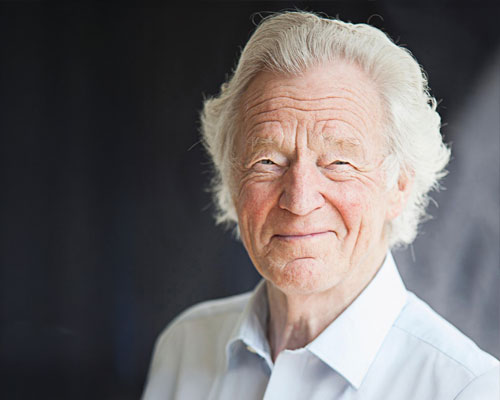
and healthy ageing champion.
He talks to Kate Cracknell
For every member with a tripod and a big following, there are others irritated at the way equipment is being hogged or wary they’ll be in the background on someone’s Insta feed. Do influencers offer valuable, free marketing or are they just a nuisance? Kath Hudson finds out how operators are responding
CoverMe, the global leader in fitness workforce management, today launches CoverMe PT, an
on-demand personal training platform that connects the right personal trainer to the right
client in under 10 seconds.
Active Blackpool is deploying Cornerstone Connect, a new digital interface allowing
disparate information from multiple systems to be aggregated into one dataset, to support
its focus on reducing health inequalities and improving healthy life expectancy.
STA is pleased to announce a new strategic partnership with GreenTech International,
bringing its Hydro Dioxide water treatment solution to the UK aquatics sector through the
STA Swim Shop.
Researchers discover a cap on the calories the body can burn
By Kath Hudson
Even ultrarunners have a cap on calorie burn Credit: iStock/lzf
There is a limit to how many calories the body can burn each day
Ultra-athletes can burn six or seven times their basal metabolic rate in the short term
Longer term, the figure is more like 2.5 times the minimum amount of calories the body needs for its life-sustaining functions
The research was carried out by the Massachusetts College of Liberal Arts
Researchers have discovered there's a cap on the number of calories the human body can burn in one day, that even most extreme athletes can’t surpass.
The research, Ultra-endurance athletes and their metabolic ceiling was led by anthropologist, Andrew Best, at the Massachusetts College of Liberal Arts and published in Cell Biology.
Fourteen ultra-endurance athletes were monitored over the course of a year. Participants consumed water enriched with deuterium and oxygen-18 and by following how quickly these isotopes left the body through urine, the scientists were able to determine how much carbon dioxide they had expired and then estimate their calorie expenditure.
During multi-day races the athletes burned six to seven times their basal metabolic rate – the minimum amount of calories the body needs for life-sustaining functions – around 7,000 to 8,000 calories. However, it was discovered that this type of calorie burn can’t be sustained in the longer term. Over the course of 30 or 52 weeks, the rate that the athletes burned calories was closer to 2.5 times their basal metabolic rate.
Best says: “If you go over the ceiling for short periods that’s fine. You can make up for it later, but long term it’s unsustainable because your body will start to break down its tissue and you’ll shrink.
“However it takes running about 11 miles on average a day for a year to achieve 2.5 BMR and most people would get injured before any sort of energetic limit came into play.”
The researchers also found that as athletes neared this ceiling they subconsciously limited energy usage elsewhere by reducing activities such as walking or fidgeting.
Researchers have discovered there is a cap on the number of calories the human body can
burn in one day, that even most extreme athletes can’t surpass.
If the health service is to
survive, we must recognise
that it is a disease service
– and that wellbeing rests with
us, says the activity advocate
and healthy ageing champion.
He talks to Kate Cracknell
For every member with a tripod and a big following, there are others irritated at the way equipment is being hogged or wary they’ll be in the background on someone’s Insta feed. Do influencers offer valuable, free marketing or are they just a nuisance? Kath Hudson finds out how operators are responding
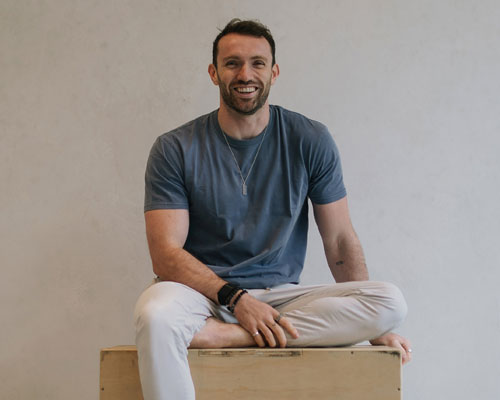
As the entrepreneur who started Wexer, Fresh Fitness, Fitness DK and Repeat, as well as being a former elite athlete, Rasmus Ingerslev’s life looked perfect from the outside, but onthe inside it was a different story. He talks to Kath Hudson about healing old wounds
Strength training is evolving,
driven by changing consumer
preferences. Julie Cramer talks
to innovators about how their
products are meeting this demand
Collaborations with the medical profession and greater aspirations around wellbeing are creating a need for more experts in our sector. It’s time to reboot our thinking around the workforce
Record market penetration in the UK
fitness sector masks a deeper shift
around consumer engagement, according
to a report from Grant Thornton and
UK Active, as Liz Terry reports
CoverMe, the global leader in fitness workforce management, today launches CoverMe PT, an
on-demand personal training platform that connects the right personal trainer to the right
client in under 10 seconds.
Active Blackpool is deploying Cornerstone Connect, a new digital interface allowing
disparate information from multiple systems to be aggregated into one dataset, to support
its focus on reducing health inequalities and improving healthy life expectancy.
STA is pleased to announce a new strategic partnership with GreenTech International,
bringing its Hydro Dioxide water treatment solution to the UK aquatics sector through the
STA Swim Shop.