

















Follow Health Club Management on Twitter Like Health Club Management on Facebook Join the discussion with Health Club Management on LinkedIn
FITNESS, HEALTH, WELLNESS

features

Retention series: Retention 3.0

The future of retention will be less about reacting to a lost member, and more about creating a proactive circle of daily customer care. Dr Paul Bedford offers a glimpse of the future based on the expertise shared at this year’s inaugural Retention Convention

By Dr Paul Bedford PhD, Retention Guru | Published in Health Club Management 2015 issue 7
Retention / photo: www.shutterstock.com
Human interaction still has a far greater impact on retention than technology; use technology to empower staff

The fitness industry is in the midst of a paradigm shift. Low-cost has established itself as the major growth area, boutiques and studios are emerging as an alternative to traditional clubs, and new technology platforms like ClassPass (see p62) are offering the public flexible ways to consume fitness services and products. Faced with this competition and increased consumer choice, retention needs to be as high a priority for operators as new member sales.

Digital age
Retention strategies began around 20 years ago with human-driven, staff-to-member initiatives based on ‘we believe this is true’ thinking. In 2002, following the release of Dr Melvyn Hillsdon’s Winning the Retention Battle research, we began to incorporate data analysis to identify where and why the problems existed. Now, third generation retention strategies will be built on a combination of staff, mobile apps, cloud services, Big Data analytics and social technologies.

While operators would clearly like to run one automated software system that does everything from membership management to marketing e-blasts, the evidence is that human interaction still has a far greater impact on retention than its technological counterpart; the most effective use of technology is to empower staff – using it to enhance their relationships with your members – rather than replace them.

Indeed, the Next Generation 3.0 retention approach is a member experience method that involves stored member data, the CRM system and your staff – and it’s built to provide personalised club experiences via a multitude of devices. This approach is the foundation of Ken Blanchard’s book Raving Fans: A Revolutionary Approach to Customer Service.

Going forward, the ability (or inability) to compete in the fitness market will therefore be based on operators maximising technology to provide insights and data that will enable their staff to enhance and personalise the member experience.

Customer-centricity will be key – trying to serve customers with systems that are built for mass deployment of a single member experience simply won’t work. The sheer pace of change in technology, and the options this provides to the consumer, means we have to explore new ways to provide member services and reassess the role of traditional models.

Personalising the experience
With the proliferation of communication channels meaning members can now choose their preferred method(s) of interaction, the need to build a unified customer service approach – with integrated services that are seamless in their availability and proactive in their approach – is increasingly important. This is already being delivered in the boutique health and fitness club market, where personalised messaging or invitations for opportunities, such as one-off special guest classes, are relevant and delivered on time.

Equipment manufacturers are also working hard to integrate new technologies that provide more information about the individual member and, as such, enable club operators to push targeted information to the member.

However, despite these opportunities, many operators are struggling to develop a strategy that supports the individualisation of the experience. This is because they still use member service models built for the masses, and continue to reduce member-facing staff to such a low level that customer service is ad hoc and varying in quality.

Building brand fans
But where service is done well, health club members are changing their behaviours and becoming ‘brand fans’ that engage with the brand as a way to build their own image – particularly true of those customers using boutique and specialist facilities.

And as members evolve, so must organisations. With many health club operations offering similar products and services, there’s a growing requirement to design unique member benefits to set your club apart – and service is becoming the primary differentiator in this competitive market.

Companies will need to grow more intimate relationships by leveraging their business analytics, CRM systems and social media platforms to understand member behaviour and requirements and anticipate their needs.

Digital media can be the tool to introduce new levels of intimacy. For example, digital member care might see the introduction of a video chat service for members. This FaceTime-style service will offer things like on-demand video PT advice, class bookings and member feedback, as well as support with typical queries.

Certainly retention 3.0 will see social technologies becoming increasingly integrated into existing businesses within the next 12–18 months. In addition to being a strategic component in virtually all member engagement and marketing strategies, data from social applications will feed the product and service development process too.

Service development
When developing new services, it’s important to view the situation holistically. Service design requires an interdisciplinary, interactive approach to develop services that are competitive and act as a differentiator, thereby driving retention. The process should bring together people, IT, communications and other parts of service delivery, with the overall goal of providing higher quality service.

Services should be designed based on documented member needs, with the objective of creating a service that’s user-friendly, competitive and relevant. At the core of this process is the ability to understand member behaviour, needs and motivations.

One key element is improving the self-service experience. A poorly designed self-service solution can push members away. Use the time the member spends in the self-service solution to get to know them intimately. Understand their behaviour and their needs by asking relevant questions early on. Build dynamic scripts to respond to these needs instead of using fixed solutions. React to who the member is, when they are doing business with you, with what frequency, and adapt your responses to their needs, not to your schedule.

Operators should also improve the web experience. Do you have the same persona on the web as you have on other channels? Does the member recognise you on the web or in social media? Use the time on the web to get to know your members and put dynamic web features in place to customise their experience with you. Be careful to avoid designing web-based apps for mobile devices as poor copies of your brand’s web page. Consider each screen as real estate that you need to optimise for that specific experience.

Your journey to retention perfection
To begin your own journey – innovating your customer experience by integrating human and digital member care – first ensure you have a holistic view of your members and their needs, behaviour and drivers.
Define the timing aspect of your solution. Do experienced members and new members have the same need for careful explanation, or should you be providing an adapted response depending on how well the member knows your services?

Consider member care as unique to each and every person. Your solution should see the health club member as an individual, not as a group. Their needs are their own and their experience is personal.

These members are social and are able to share their knowledge of your products and services. Be where they are and ensure you join them proactively on their journey.

Measure key metrics before, during and after a new feature is launched. Define those metrics ahead of time and follow them carefully. Let people know how you are doing and what you are doing to improve your performance.

And finally, create your solution together by ensuring that all staff are involved, from the marketing team through to gym staff and group fitness instructors. Take competence from all elements of the business – and if possible from your members too. Your member solution will need to develop over time, so allow feedback from members and staff and prepare for continuous improvement projects.

Member care is a journey where your services evolve together as your members change.

How well do you know your members?

To maximise retention opportunities, organisations need to understand the full end-to-end member journey, from searching the web for a suitable club right through to termination of membership. For instance, why did they join that particular club? And how did they find that club – did they surf the web, ring round local options or were they a walk-in enquiry? Once a member, how do they interact with the club – how often do they visit, what do they do when they are there, is there a social element to their visits?

All of these things, including details collected during online joining, can provide opportunities to segment members by their experience or interest, leading to content-rich communications specific to the member’s requirements. During visits, staff can also use this information to provide meaningful advice about exercise that assists the member in achieving their goals.

Frequency of visit information can also be used as a predictor of behaviour, allowing staff to provide appropriate support that encourages continued membership. And when memberships are terminated or expire, information about the member can be used to reconnect and re-engage at a level that’s more personal and relevant.

But communicating with members is set to get a whole lot smarter with the introduction of i-beacons which, similar to a GPS, use members’ mobile devices to identify their physical location and activity with the club. Smartphones and tablet devices are being adopted faster than ever, with people spending more and more time online, and we can already see members using their own devices to consume media while exercising. Operators can harness this, using data from i-beacons to assist staff in managing the member experience by pushing relevant and timely content to each member.

Ultimately, operators can create a member engagement platform whereby staff know who the member is, where they are within the health club, and what services and support they require.

NEED MORE INSPIRATION?

If you missed the Retention Convention in May, it can be purchased on a pay per view basis – for more information,
contact [email protected]

To access the full series of features written for Health Club Management by the panel of Retention Convention presenters, visit healthclubmanagement.co.uk/retention/


Sign up here to get HCM's weekly ezine and every issue of HCM magazine free on digital.
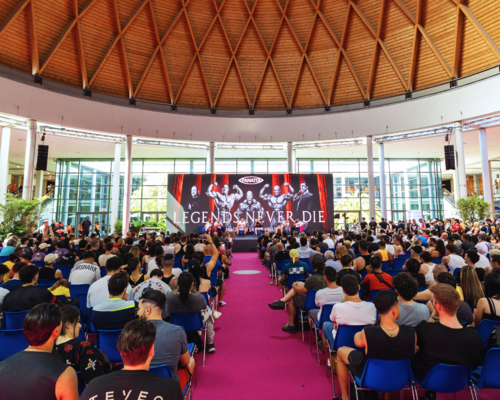
‘Brand fans’ will share their experiences of your club online / Photo: www.shutterstock.com
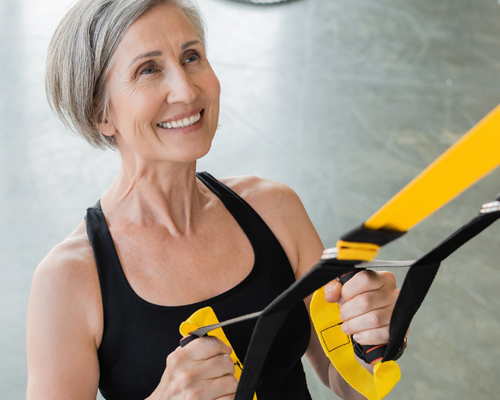
Boutique studios use personalised messages and event invitations / Photo: www.shutterstock.com
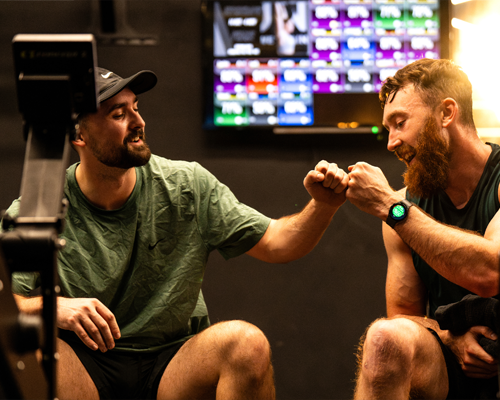
Members could talk to a PT or nutritionist online, for face-to-face support / Photo: www.shutterstock.com
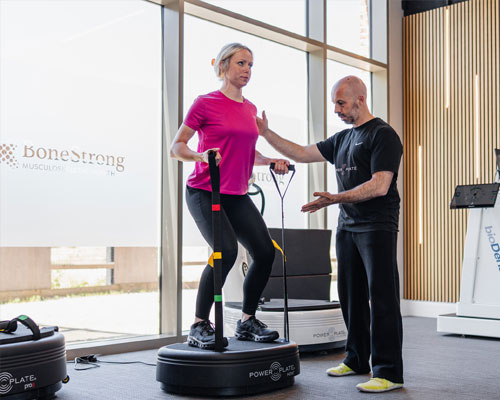
Clubs’ online persona must be the same as their in-club persona / www.shutterstock.com/Eugenio Marongiu
https://www.leisureopportunities.co.uk/images/489488_14262.jpg
The future of retention is about creating proactive customer care – do you know how?
Dr Paul Bedford, retentionguru.,Paul Bedford, retention, customer service, technology, interaction
HCM magazine
If the health service is to survive, we must recognise that it is a disease service – and that wellbeing rests with us, says the activity advocate and healthy ageing champion. He talks to Kate Cracknell
HCM magazine
Small improvements to sleep, diet and physical activity have major benefits for the heart, according to new research from the University of Sydney
HCM magazine
For every member with a tripod and a big following, there are others irritated at the way equipment is being hogged or wary they’ll be in the background on someone’s Insta feed. Do influencers offer valuable, free marketing or are they just a nuisance? Kath Hudson finds out how operators are responding
HCM magazine
Collaborations with the medical profession and greater aspirations around wellbeing are creating a need for more experts in our sector. It’s time to reboot our thinking around the workforce
HCM magazine
Strength training is evolving, driven by changing consumer preferences. Julie Cramer talks to innovators about how their products are meeting this demand
HCM promotional features
Sponsored
David Lloyd is stepping up its commitment to women’s health as it continues to explore what fit-for-purpose looks like for the female population
HCM promotional features
Sponsored
Find out how your gym can tap into the corporate wellness boom
HCM promotional features
Sponsored
SnowDome Fitness has added 50 per cent more space with cutting-edge Technogym solutions
HCM promotional features
Sponsored
Starpool supports Olympic champion Marcell Jacobs, says Riccardo Turri
HCM promotional features
Sponsored
Greg Bradley looks at the shift towards strength training in gyms and advises on how operators can create the ultimate training environment
HCM promotional features
Sponsored
Third Space partnered with IndigoFitness to deliver a bespoke training space for its new club at The Whiteley
HCM promotional features
Sponsored
EGYM has opened a new HQ in Paternoster Square, London and revealed a range of new launches
HCM promotional features
Sponsored
New launch, Salus House, elevates boutique wellness with high service levels and a partnership with Technogym
HCM promotional features
Sponsored
The industry is embracing consumer-facing tech. Now it’s time to streamline back-of-house systems with Orbit4, says Daniel Jones
HCM promotional features
Latest News
People taking GLP-1 weight loss medications such as Ozempic, Wegovy, Mounjaro and Zepbound may be ...
Latest News
Low-cost gym operator, PureGym, is trialling recovery zones at two of its UK sites, democratising ...
Latest News
In a milestone moment, mental health has become a core part of CIMSPA’s occupational professional ...
Latest News
US high-value, low-price chain, Eos Fitness, has announced plans to pilot reformer Pilates in three ...
Latest News
Preventive healthcare company Neko Health has added body composition analysis to its full-body health scan ...
Latest News
Chequan Lewis is the new CEO of Crunch Fitness, taking over from Jim Rowley, who ...
Latest News
Sea Lanes Canary Wharf has officially opened. The 50-metre, six-lane pool, which uses the natural ...
Latest News
London-based high-performance fitness club, ONE LDN, is raising funds for a multi-site expansion across London, ...
Opinion
promotion
Strength training has moved from the margins to the mainstream.
Opinion: Building smarter strength spaces for today’s operators
Featured supplier news
Featured supplier news: Supporting long-term health: why whole body vibration belongs in clinical settings
As healthcare continues to shift towards prevention, there’s a growing focus on helping people stay active, independent and feeling good for longer.
Featured supplier news
Featured supplier news: Reaching the people most gyms miss: Bedford Gym & Swim Campaign delivers 410 new members
One of the biggest mistakes the fitness industry still makes is advertising almost exclusively to people who already look and live like gym members.
Company profiles
Company profile: Les Mills UK
Every week, millions of people get fit in 21,000 clubs, across 100 countries with the ...
Company profiles
Company profile: Matrix Fitness
Matrix provides equipment to facilities in all market sectors including private health clubs, residential housing, ...
Supplier Showcases
Supplier Showcase - Future-proofing
Catalogue Gallery
Click on a catalogue to view it online
Featured press releases
Swim England press release: Swim England launches new Learn to Swim Growth Plan to support aquatic programme expansion
Swim England has strengthened its sector-leading Business Solutions offer with the launch of its Learn to Swim Growth Plan, designed to help aquatic providers unlock sustainable programme growth.
Featured press releases
CoverMe Ltd press release: CoverMe and Jobs In. Fitness partner to create end-to-end talent solution
CoverMe, the UK’s leading fitness workforce management and recruitment platform, has partnered with Jobs In. Fitness, the specialist executive search and advisory firm for the fitness and wellbeing sector, to give operators a single route to talent at every level – from frontline staffing to C-suite.
Directory
Lockers
Crown Sports Lockers: Lockers
Hot tubs
MSpa International Ltd: Hot tubs
Industrial washing machines
Miele Company Limited: Industrial washing machines
Water experiences and hydrotherapy solutions
Aquaform s.r.l.: Water experiences and hydrotherapy solutions
Fitness tracking platform
SpiviTech: Fitness tracking platform
Spa and beauty equipment
Living Earth Crafts: Spa and beauty equipment
Property & Tenders
Stratford, East London.
Lee Valley Regional Park Authority
Property & Tenders
Y Felinheli, LL56 4QN
Newmark
Property & Tenders
Diary dates
21-24 Sep 2026
The Langham Huntington Pasadena , Pasadena, United States
Diary dates
06-08 Oct 2026
Messe Stuttgart, Stuttgart, Germany
Diary dates
22-22 Oct 2026
QEII Conference Centre, London,
Diary dates
26-29 Oct 2027
Koelnmesse Exhibition Centre, Cologne, Germany
Diary dates

features

Retention series: Retention 3.0

The future of retention will be less about reacting to a lost member, and more about creating a proactive circle of daily customer care. Dr Paul Bedford offers a glimpse of the future based on the expertise shared at this year’s inaugural Retention Convention

By Dr Paul Bedford PhD, Retention Guru | Published in Health Club Management 2015 issue 7
Retention / photo: www.shutterstock.com
Human interaction still has a far greater impact on retention than technology; use technology to empower staff

The fitness industry is in the midst of a paradigm shift. Low-cost has established itself as the major growth area, boutiques and studios are emerging as an alternative to traditional clubs, and new technology platforms like ClassPass (see p62) are offering the public flexible ways to consume fitness services and products. Faced with this competition and increased consumer choice, retention needs to be as high a priority for operators as new member sales.

Digital age
Retention strategies began around 20 years ago with human-driven, staff-to-member initiatives based on ‘we believe this is true’ thinking. In 2002, following the release of Dr Melvyn Hillsdon’s Winning the Retention Battle research, we began to incorporate data analysis to identify where and why the problems existed. Now, third generation retention strategies will be built on a combination of staff, mobile apps, cloud services, Big Data analytics and social technologies.

While operators would clearly like to run one automated software system that does everything from membership management to marketing e-blasts, the evidence is that human interaction still has a far greater impact on retention than its technological counterpart; the most effective use of technology is to empower staff – using it to enhance their relationships with your members – rather than replace them.

Indeed, the Next Generation 3.0 retention approach is a member experience method that involves stored member data, the CRM system and your staff – and it’s built to provide personalised club experiences via a multitude of devices. This approach is the foundation of Ken Blanchard’s book Raving Fans: A Revolutionary Approach to Customer Service.

Going forward, the ability (or inability) to compete in the fitness market will therefore be based on operators maximising technology to provide insights and data that will enable their staff to enhance and personalise the member experience.

Customer-centricity will be key – trying to serve customers with systems that are built for mass deployment of a single member experience simply won’t work. The sheer pace of change in technology, and the options this provides to the consumer, means we have to explore new ways to provide member services and reassess the role of traditional models.

Personalising the experience
With the proliferation of communication channels meaning members can now choose their preferred method(s) of interaction, the need to build a unified customer service approach – with integrated services that are seamless in their availability and proactive in their approach – is increasingly important. This is already being delivered in the boutique health and fitness club market, where personalised messaging or invitations for opportunities, such as one-off special guest classes, are relevant and delivered on time.

Equipment manufacturers are also working hard to integrate new technologies that provide more information about the individual member and, as such, enable club operators to push targeted information to the member.

However, despite these opportunities, many operators are struggling to develop a strategy that supports the individualisation of the experience. This is because they still use member service models built for the masses, and continue to reduce member-facing staff to such a low level that customer service is ad hoc and varying in quality.

Building brand fans
But where service is done well, health club members are changing their behaviours and becoming ‘brand fans’ that engage with the brand as a way to build their own image – particularly true of those customers using boutique and specialist facilities.

And as members evolve, so must organisations. With many health club operations offering similar products and services, there’s a growing requirement to design unique member benefits to set your club apart – and service is becoming the primary differentiator in this competitive market.

Companies will need to grow more intimate relationships by leveraging their business analytics, CRM systems and social media platforms to understand member behaviour and requirements and anticipate their needs.

Digital media can be the tool to introduce new levels of intimacy. For example, digital member care might see the introduction of a video chat service for members. This FaceTime-style service will offer things like on-demand video PT advice, class bookings and member feedback, as well as support with typical queries.

Certainly retention 3.0 will see social technologies becoming increasingly integrated into existing businesses within the next 12–18 months. In addition to being a strategic component in virtually all member engagement and marketing strategies, data from social applications will feed the product and service development process too.

Service development
When developing new services, it’s important to view the situation holistically. Service design requires an interdisciplinary, interactive approach to develop services that are competitive and act as a differentiator, thereby driving retention. The process should bring together people, IT, communications and other parts of service delivery, with the overall goal of providing higher quality service.

Services should be designed based on documented member needs, with the objective of creating a service that’s user-friendly, competitive and relevant. At the core of this process is the ability to understand member behaviour, needs and motivations.

One key element is improving the self-service experience. A poorly designed self-service solution can push members away. Use the time the member spends in the self-service solution to get to know them intimately. Understand their behaviour and their needs by asking relevant questions early on. Build dynamic scripts to respond to these needs instead of using fixed solutions. React to who the member is, when they are doing business with you, with what frequency, and adapt your responses to their needs, not to your schedule.

Operators should also improve the web experience. Do you have the same persona on the web as you have on other channels? Does the member recognise you on the web or in social media? Use the time on the web to get to know your members and put dynamic web features in place to customise their experience with you. Be careful to avoid designing web-based apps for mobile devices as poor copies of your brand’s web page. Consider each screen as real estate that you need to optimise for that specific experience.

Your journey to retention perfection
To begin your own journey – innovating your customer experience by integrating human and digital member care – first ensure you have a holistic view of your members and their needs, behaviour and drivers.
Define the timing aspect of your solution. Do experienced members and new members have the same need for careful explanation, or should you be providing an adapted response depending on how well the member knows your services?

Consider member care as unique to each and every person. Your solution should see the health club member as an individual, not as a group. Their needs are their own and their experience is personal.

These members are social and are able to share their knowledge of your products and services. Be where they are and ensure you join them proactively on their journey.

Measure key metrics before, during and after a new feature is launched. Define those metrics ahead of time and follow them carefully. Let people know how you are doing and what you are doing to improve your performance.

And finally, create your solution together by ensuring that all staff are involved, from the marketing team through to gym staff and group fitness instructors. Take competence from all elements of the business – and if possible from your members too. Your member solution will need to develop over time, so allow feedback from members and staff and prepare for continuous improvement projects.

Member care is a journey where your services evolve together as your members change.

How well do you know your members?

To maximise retention opportunities, organisations need to understand the full end-to-end member journey, from searching the web for a suitable club right through to termination of membership. For instance, why did they join that particular club? And how did they find that club – did they surf the web, ring round local options or were they a walk-in enquiry? Once a member, how do they interact with the club – how often do they visit, what do they do when they are there, is there a social element to their visits?

All of these things, including details collected during online joining, can provide opportunities to segment members by their experience or interest, leading to content-rich communications specific to the member’s requirements. During visits, staff can also use this information to provide meaningful advice about exercise that assists the member in achieving their goals.

Frequency of visit information can also be used as a predictor of behaviour, allowing staff to provide appropriate support that encourages continued membership. And when memberships are terminated or expire, information about the member can be used to reconnect and re-engage at a level that’s more personal and relevant.

But communicating with members is set to get a whole lot smarter with the introduction of i-beacons which, similar to a GPS, use members’ mobile devices to identify their physical location and activity with the club. Smartphones and tablet devices are being adopted faster than ever, with people spending more and more time online, and we can already see members using their own devices to consume media while exercising. Operators can harness this, using data from i-beacons to assist staff in managing the member experience by pushing relevant and timely content to each member.

Ultimately, operators can create a member engagement platform whereby staff know who the member is, where they are within the health club, and what services and support they require.

NEED MORE INSPIRATION?

If you missed the Retention Convention in May, it can be purchased on a pay per view basis – for more information,
contact [email protected]

To access the full series of features written for Health Club Management by the panel of Retention Convention presenters, visit healthclubmanagement.co.uk/retention/

Sign up here to get HCM's weekly ezine and every issue of HCM magazine free on digital.
‘Brand fans’ will share their experiences of your club online / Photo: www.shutterstock.com

Boutique studios use personalised messages and event invitations / Photo: www.shutterstock.com
Members could talk to a PT or nutritionist online, for face-to-face support / Photo: www.shutterstock.com
Clubs’ online persona must be the same as their in-club persona / www.shutterstock.com/Eugenio Marongiu
https://www.leisureopportunities.co.uk/images/489488_14262.jpg
The future of retention is about creating proactive customer care – do you know how?
Dr Paul Bedford, retentionguru.,Paul Bedford, retention, customer service, technology, interaction
Latest News
People taking GLP-1 weight loss medications such as Ozempic, Wegovy, Mounjaro and Zepbound may be ...
Latest News
Low-cost gym operator, PureGym, is trialling recovery zones at two of its UK sites, democratising ...
Latest News
In a milestone moment, mental health has become a core part of CIMSPA’s occupational professional ...
Latest News
US high-value, low-price chain, Eos Fitness, has announced plans to pilot reformer Pilates in three ...
Latest News
Preventive healthcare company Neko Health has added body composition analysis to its full-body health scan ...
Latest News
Chequan Lewis is the new CEO of Crunch Fitness, taking over from Jim Rowley, who ...
Latest News
Sea Lanes Canary Wharf has officially opened. The 50-metre, six-lane pool, which uses the natural ...
Latest News
London-based high-performance fitness club, ONE LDN, is raising funds for a multi-site expansion across London, ...
Latest News
A new brain clinic has opened in London, which uses non-invasive brain stimulation to treat ...
Latest News
Good Boost’s digital exercise programmes are helping adults with MSK at a lower cost than ...
Latest News
With Prime Minister, Keir Starmer, announcing his resignation this morning and Andy Burnham as a ...
Opinion
promotion
Strength training has moved from the margins to the mainstream.
Opinion: Building smarter strength spaces for today’s operators
Featured supplier news
Featured supplier news: Supporting long-term health: why whole body vibration belongs in clinical settings
As healthcare continues to shift towards prevention, there’s a growing focus on helping people stay active, independent and feeling good for longer.
Featured supplier news
Featured supplier news: Reaching the people most gyms miss: Bedford Gym & Swim Campaign delivers 410 new members
One of the biggest mistakes the fitness industry still makes is advertising almost exclusively to people who already look and live like gym members.
Company profiles
Company profile: Les Mills UK
Every week, millions of people get fit in 21,000 clubs, across 100 countries with the ...
Company profiles
Company profile: Matrix Fitness
Matrix provides equipment to facilities in all market sectors including private health clubs, residential housing, ...
Supplier Showcases
Supplier Showcase - Future-proofing
Catalogue Gallery
Click on a catalogue to view it online
Featured press releases
Swim England press release: Swim England launches new Learn to Swim Growth Plan to support aquatic programme expansion
Swim England has strengthened its sector-leading Business Solutions offer with the launch of its Learn to Swim Growth Plan, designed to help aquatic providers unlock sustainable programme growth.
Featured press releases
CoverMe Ltd press release: CoverMe and Jobs In. Fitness partner to create end-to-end talent solution
CoverMe, the UK’s leading fitness workforce management and recruitment platform, has partnered with Jobs In. Fitness, the specialist executive search and advisory firm for the fitness and wellbeing sector, to give operators a single route to talent at every level – from frontline staffing to C-suite.
Directory
Lockers
Crown Sports Lockers: Lockers
Hot tubs
MSpa International Ltd: Hot tubs
Industrial washing machines
Miele Company Limited: Industrial washing machines
Water experiences and hydrotherapy solutions
Aquaform s.r.l.: Water experiences and hydrotherapy solutions
Fitness tracking platform
SpiviTech: Fitness tracking platform
Spa and beauty equipment
Living Earth Crafts: Spa and beauty equipment
Property & Tenders
Stratford, East London.
Lee Valley Regional Park Authority
Property & Tenders
Y Felinheli, LL56 4QN
Newmark
Property & Tenders
Diary dates
21-24 Sep 2026
The Langham Huntington Pasadena , Pasadena, United States
Diary dates
06-08 Oct 2026
Messe Stuttgart, Stuttgart, Germany
Diary dates
22-22 Oct 2026
QEII Conference Centre, London,
Diary dates
26-29 Oct 2027
Koelnmesse Exhibition Centre, Cologne, Germany
Diary dates
Search news, features & products:
Find a supplier:
Partner sites