






















features
Report: W3Fit: Meeting of minds
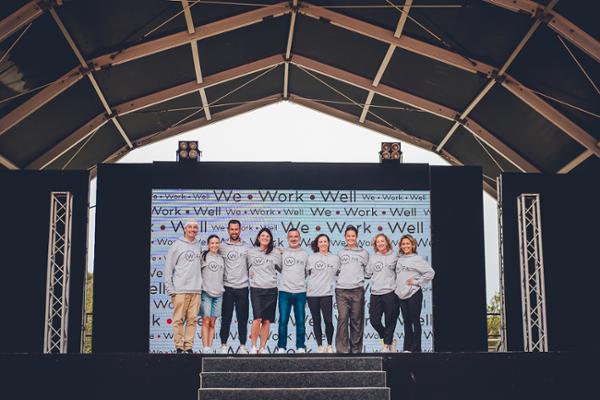
HCM news editor, Kath Hudson, tapped the zeitgeist at the recent W3Fit EMEA event in Sardinia


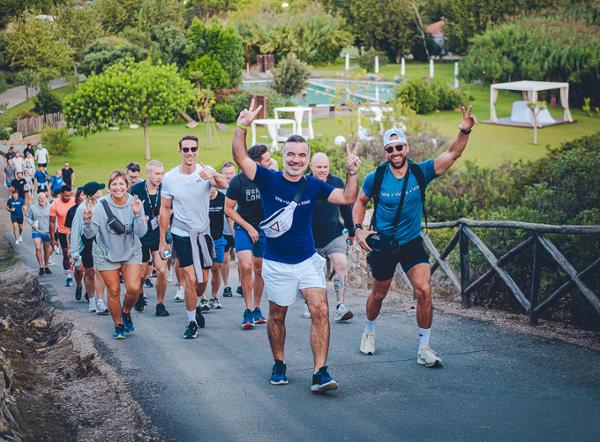
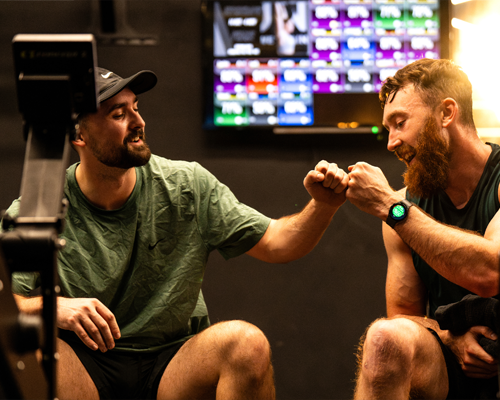
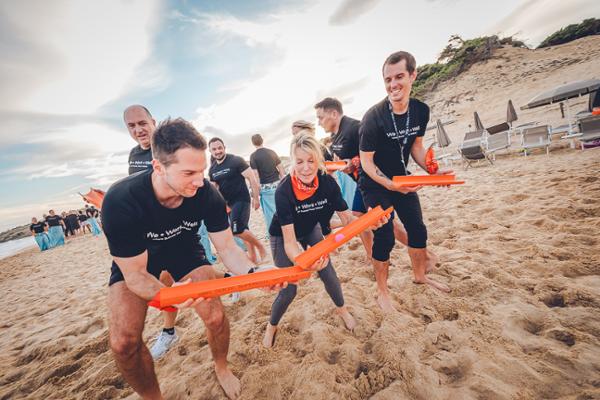
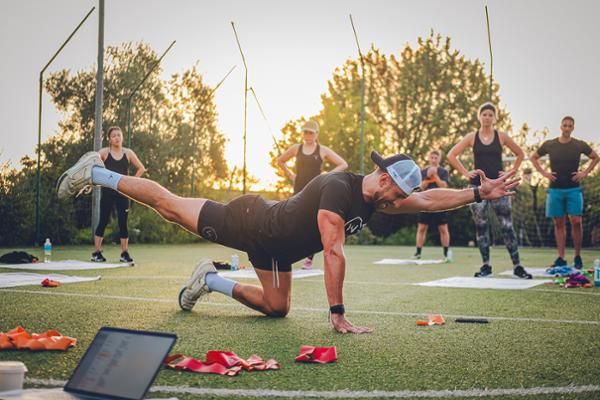
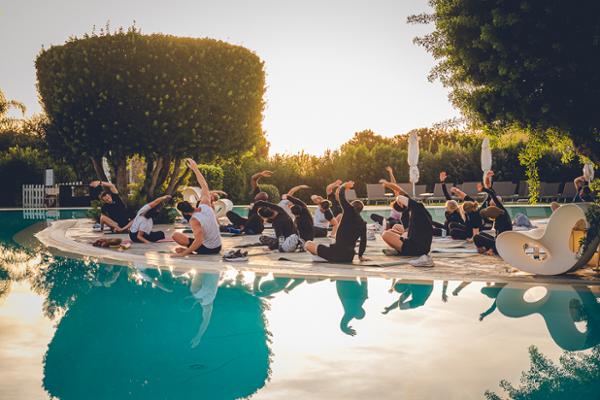
Alongside the meeting programme at W3Fit there was also networking by stealth during HIIT workouts, yoga by the pool, a morning hike followed by a sea dip and beach games.
“The theme for this event was ‘energy,’ and we couldn’t be more pleased with the positivity and enthusiasm,” said W3Fit co-founder, David Zarb-Jenkins.
Expansion plans
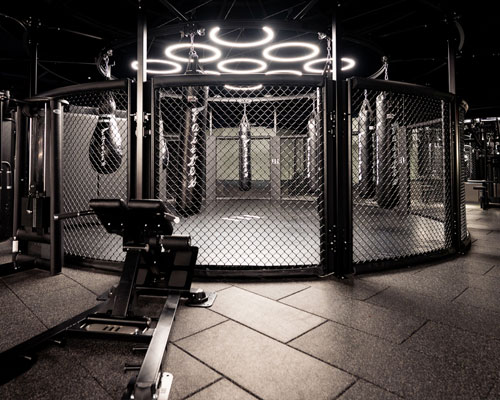
CEO of Everlast Gyms, Dan Summerson, says there will be some serious launches coming soon in big locations: “We’ve bought some big sites and will have 10 new gyms in the UK within the next 18 months. The next step will be to go to Europe, the Middle East and we’d like to get to the US. Every time we have a better site we double our usage and we’re extending beyond our usual demographic of 18- to 30-year-olds to engage with older customers.”
Marjolijn Meijer, founder of Netherlands-based Urban Gym Group, said international expansion was on the cards and has followed up by announcing the acquisition of 10 London locations from UK operator, Gymbox.
The Club Company is also interested in growth, seeking out golf clubs which can be converted to country clubs. Appealing to affluent achievers and older people, group fitness and wellbeing manager, Luiz Silva, says its original market of active agers like to be looked after and repay this with their loyalty.
Ambitious expansion is also on the cards for Portugal-based SC Fitness, owned by food, retail, telecom and shopping company, Sonae. The company has three brands: Solinca Classic which is value for money with a pool; Solinca Light which is the same offering without a pool and Element, a low cost brand, which is currently the biggest focus in terms of new sites. Three clubs will open in November and growth beyond Portugal is on the cards.
“Penetration in Portugal is only 9 per cent,” says Lia Bahut, Solinca Fitness manager. “Obesity is a big problem, with heart disease being the biggest killer, which could be avoided with healthy habits. Our challenge is to attract more people who don’t currently see gyms as the solution.”
Changing models
MyFitness Estonia – the largest chain in Estonia with clubs in Latvia and Lithuania across three brands – says it’s opening smaller, dedicated studios in response to customer demand. Recovery services are being added at its premium clubs and the company is looking for a partner to add mental wellness to the mix.
In the UK, Fitness4Less is heading back to the mid-market. “We don’t want to compete on cost. We’re looking to increase membership yield and get back to the mid-market,” says CEO, Steve Bradley.
Having relaunched the Topnotch brand in 2022, the company is in the process of converting all Fitness4Less sites with pools to Topnotch. The Northampton club is currently undergoing a transformation that includes an upgrade of the sauna and changing rooms, new kit, HIIT studios and a boutique-style branding. It will relaunch in January with a membership increase of £5 per month to £37.99.
Tackling new territories
Ahmar Azam, CEO of Pakistan’s TriFit, spoke to HCM about the challenges and opportunities of developing sites in virgin territory.
So far the company has seven clubs in three locations – all sites have separate male and female clubs and one has a site for young people – with more planned for next year.
“In Pakistan there are thousands of mom and pop gyms saying it’s an elite facility and charging expensive memberships, which caused a huge trust deficit,” he says. “They charge Mercedes prices for a Toyota Corolla.”
TriFit’s high value low cost concept offers cardio and strength areas, a busy class schedule, physiotherapists, nutritionists, sleep therapists and healthy cafes called Tri Fuel.
Another operator taking international-standard health and fitness into new territories is Afrofit, founded by Yves Preissler. Currently gearing up to open its fourth site on the border with Uganda, Preissler is keen to franchise, or take on investment, to accelerate the growth of the business across Tanzania, Rwanda and Uganda and in the long term to central and west Africa.
“The market is there for the taking,” he told HCM. “No one is operating on a large scale, now is the time to own the African market.”
Public sector
The pivot to active wellbeing is well on the way in the UK public sector. Plymouth Active has just launched an ambitious strategy, in partnership with Plymouth YMCA and Plymouth Argyll Football Club’s Argyll Trust, to use health activity to tackle inequalities and relieve the health service burden.
The Active Health programme takes a full-systems approach and brings in NHS and public health funding, as well as contributions from charities, including Cancer Care and Parkinsons. The impact and social value will be measured by Plymouth Marjons University.
Aimed at the 85 per cent of people who are not currently active, people will be referred by the NHS for a free, eight-week programme either in the pool, or gym during quiet times. Staff have been trained in soft skills to support the supervised sessions. After the eight weeks, the option of half price membership will be offered for a year.
“Long term we’re hoping this will be embedded into the systems of the city for treatment and prevention,” says Plymouth Active COO, Rhys Jones. “We want to show people that our leisure centres are not scary places and hope some will enjoy the experience enough to stay as members and that there will be a ripple effect into the community.”
Karl Hayes, MD at Impulse Leisure, says the charitable trust has struck a long-term agreement with Thurrock Council to deliver commissioned services for health conditions, including weight management and mental health.
To deliver this, Impulse Leisure will be working with partners, including Thurrock Mind and corporates. “We’re making connections and looking to repurpose money which is already there, finding pockets of funding from places such as the regeneration team, the public health team and social care,” he says.
“Our sole focus is the 85 per cent who don’t go to gyms. We’re looking to turn our leisure centres into community hubs, so we can redefine what physical activity is and get people moving without them realising.”
The impact of Gen Z
Many delegates agreed with recent research from The Gym Group that found increasing numbers of young people are choosing the gym over the pub, reporting they’re noticing the gym floor becoming a social space for young people. Delegates are aware that managing groups of teenage lads may be something to watch going forward.
Urban Gym Group has been conducting focus groups with young people who will be entering the industry in five years’ time, to establish what they’re likely to want. RSG’s vice president of strategy, expansion and franchise, Jörg Fockenberg, says RSG is also looking towards engaging younger generations and considering the introduction of more angles for competition and gamification in its gyms.
Hyrox and Hyrox-style classes are growing in popularity and engaging younger audiences. The Club Company has recently launched its own version, HYBR1D, which brings a competitive element to the gym floor.
Posing rooms and Instagrammable areas are also becoming popular for younger generations, with operators starting to design them into clubs.
Consistently mentioned trends were recovery areas, red-light therapy, cold plunge and percussion therapy. Many operators, including Urban Gym Group, are underway with rollouts, while others are still working out how to integrate the offering and whether it needs its own separate membership.
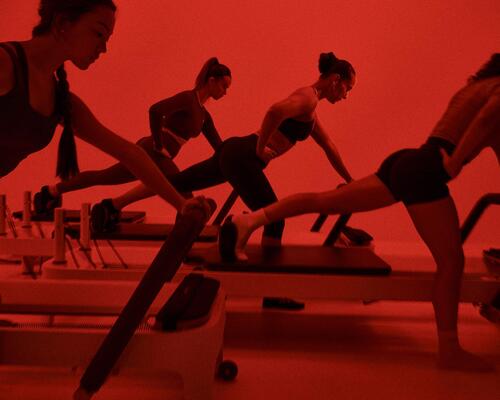
Interest in reformer Pilates is off the charts and, thanks to Gen Z, strength training looks as though it will continue to be a priority. The introduction of mental health services was another common talking point, with many operators showing an interest in adding more services for the mental wellness of their members. Sound baths are becoming a popular feature and a positive way to support the mental health of members.
Urban Gym Group’s Marjolijn Meijer says she’s interested in adding more services for perimenopausal and menopausal women, as well as creating enhanced stretching options to balance out strength training.
Padel tennis is also growing in popularity, with Lifestyle Fitness – which runs gyms in UK schools – opening its first sites. The UK-based Club Company is converting tennis courts into padel courts and Italian operator, Dabliu, is converting futsal courts.
Staffing challenges
Many delegates spoke about the challenge of finding and retaining the best staff, especially in newer territories. TriFit, which claims to be the first international-standard health club chain in Pakistan, has launched its own academy to overcome the issue.
Upskilling staff is also top of mind for many operators. Fitness First CEO, Justin Musgrove, said he wants his staff to deliver a more premium service: “The fitness industry should be learning from more mature industries, such as hospitality and retail about how to elevate the customer experience.
“Our energy and enthusiasm is off the charts, but we could learn a lot from the retail and hospitality industries about a more customer-centric approach. Fitness First is looking to operators such as Soho House and Lanserhof and thinking about how those higher service standards could be brought to the mid-market,” he said.
Other operators – including Nuffield Health, Plymouth Active and Lifestyle Leisure – all mentioned the importance of training staff so they’re empowered to deal with different populations.
There was also an increasing awareness of the importance of staff wellbeing. Urban Gym Group has recently launched a 24-hour helpline for employees and is exploring the possibility of extending the service to members. Everlast Gyms’ parent company, Frasers, has launched an employee wellness programme – Frasers Fit – to support its 35,000 staff with their mental, physical and– interestingly – financial health.
AI vs People
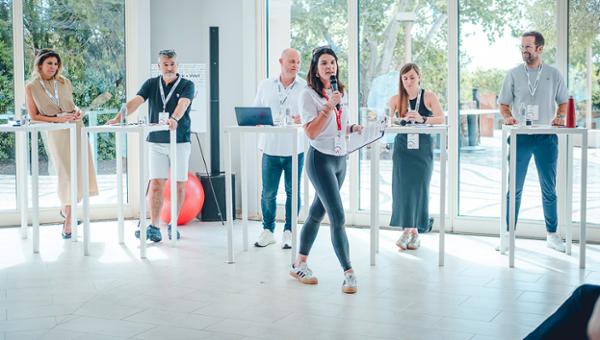
Not surprisingly AI was one of the hot topics at the event, with many delegates saying it was on their list of things to explore. In a panel discussion, Nuffield Health’s proposition manager for fitness and wellbeing, Joanna Seddon, referenced a recent study which showed that the combination of AI with a coach was far more powerful than AI alone, with 74 per cent of people achieving better results when using a combination of a coach and AI, as coaches make the metrics tangible.
Next year’s conference will take place in Spain from 14-17 October, at the Higueron Hotel in Malaga. W3Fit North America will be at the Four Seasons Hotel Westlake Village, California from 21-24 September.




Urban Gym Group has entered the Irish market with the acquisition of Iconic ...

Total Fitness has released new research revealing how the expectations and motivations of ...