






















Follow Health Club Management on Twitter Like Health Club Management on Facebook Join the discussion with Health Club Management on LinkedIn
FITNESS, HEALTH, WELLNESS

features

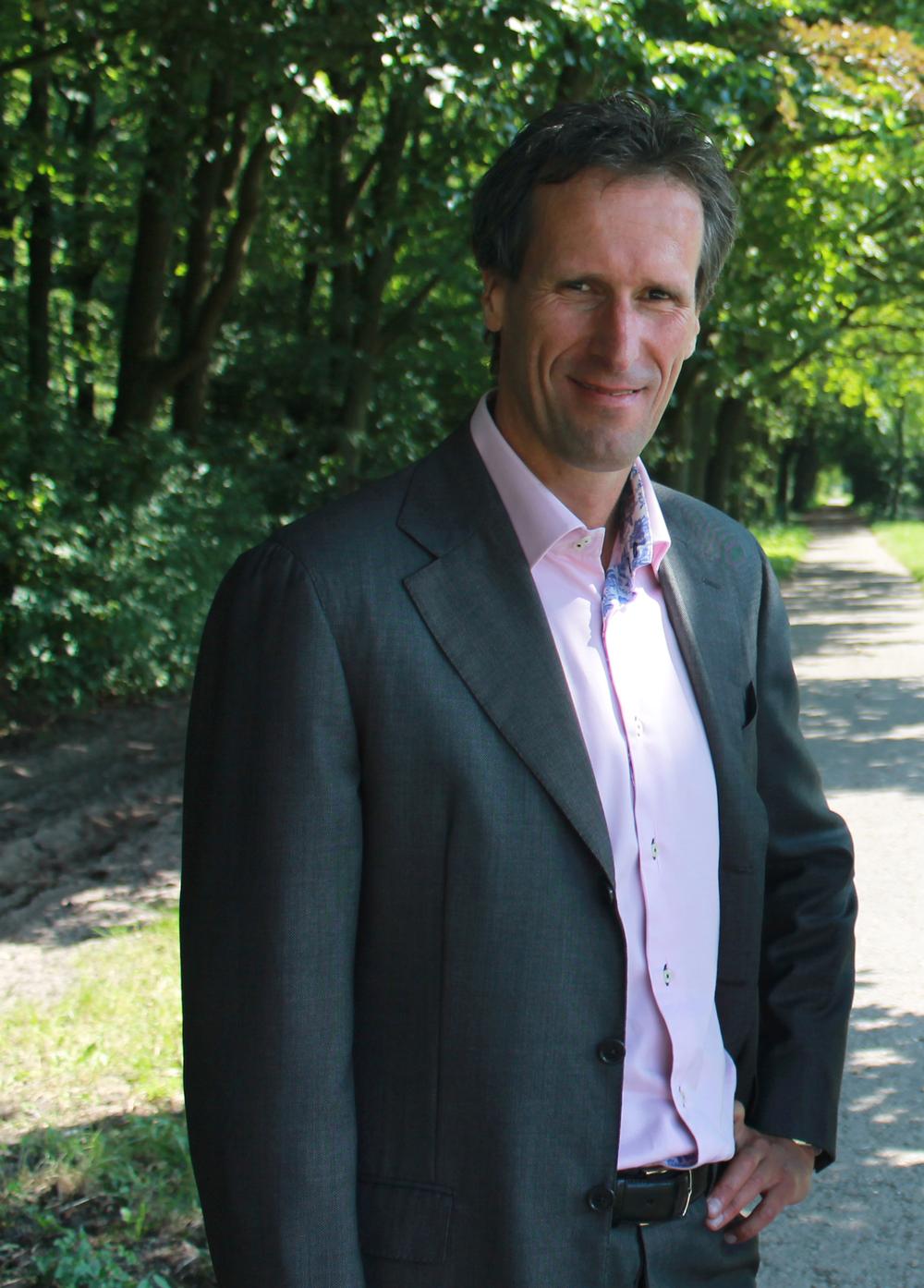
Interview – Paul Kienstra: Paul Kienstra

The CEO of corporate wellness specialist High Five Health Promotion talks to Kate Cracknell about entering the UK market, and about opening people’s eyes to healthier habits

By Kate Cracknell | Published in Health Club Management 2014 issue 9
We see a huge possibility to grow organically in the UK by putting the weight of High Five behind the ECW offering, both in terms of knowledge and finance

“We expect that, in five to 10 years, employees will start to sue their employers for their bad health,” says Paul Kienstra, CEO of corporate wellness specialist High Five Health Promotion, headquartered in the Netherlands. “A lot of people sit all day, every day, including long stints at their desks, and there’s a lot of science out there which proves that just being active in a health club or playing football twice a week is not enough to compensate for that. It’s going to be a big problem in the coming years.

“What we therefore try and do with our programmes is introduce elements of activity during the course of every day, not only getting people active in the gym – which we position as more of a vitality centre – but also getting them more active during work and at home.”

He continues: “Our mission is to break down barriers to activity. For instance, if you have a gym at your office, it’s far easier to be active because it’s more convenient. Most of the time it’s also cheaper. It’s more personalised – you get more attention and it’s tailored to your specific needs. We offer programmes for outside of the gym as well – exercise programmes, with a personal web page so members can track their activity, but also lifestyle programming including nutrition, relaxation and stress relief. We run 90-minute workshops and six- or 12-week health promotion programmes too, where people receive personalised coaching and education.

“And what you see is that you get a far higher attendance rate, and also improved retention, compared to the commercial market. In the UK overall, about 13 per cent of the population is a member of a gym. In Holland it’s 16 per cent. But if you look at corporate sites, at least 30 per cent of employees are members of our in-house gyms, growing to 40–50 per cent at the better clubs – we even have one customer where 80 per cent of its employees are members of our club.”

Behaviour change
He continues: “A big part of breaking down barriers is helping inactive people change their behaviour, and that’s very difficult. We take a step-by-step approach, otherwise people will just fall back into their old habits after a couple of months.

“What we try to do – through a system we call It’s My Life – is make people more aware of their own behaviour, of what they do on a daily basis, because a lot of people are simply not aware. If you do this, and at the same time make them more aware of the choices they have, they learn to make very small, positive health choices every day. They also learn to congratulate themselves. Then you can teach them, in very small steps, to see possibilities in their lives, to be more active without making big changes – taking the stairs rather than the escalator, for example. It starts by effectively ‘tricking’ their brains – being a little bit more active each day, but without positioning it as a workout.

“It works the same with the lifestyle programmes too – nutrition, stress relief and relaxation, for example. It’s all a case of helping people take small steps, giving them the tools to have a positive influence on their own health.”

Entering the UK
High Five Health Promotion – which Kienstra acquired in 2000, merging it with the corporate wellbeing company he’d set up in 1990 and with it taking on the mantle of market leader – now manages around 45 sites in Holland. In addition to these in-house facilities, there’s also a Nationaal Gezondheidsplan – a network of clubs across the country with whom High Five has an agreement to buy memberships. High Five clients can then let their employees choose from any one of around 1,100 clubs across the country, with High Five purchasing the memberships on their behalf and invoicing the company in one combined bill.

But High Five’s reach is no longer limited to the Netherlands: it also operates one facility in Germany and aims to open its first site in Belgium this year. It also entered the UK market in 19 June this year with the acquisition of ECW – European Corporate Wellbeing – from Neil Gillespie, who remains with the company. David Brame – formerly of corporate wellbeing provider Bladerunner, which was sold to Nuffield in November 2010 – also joins the senior team. “David and I have been looking to do something together for a long time,” explains Kienstra.

The UK portfolio – which will continue to operate under the ECW banner for now, with learnings being shared both ways between the teams – encompasses not only corporate gyms but also a few dual-use school-based facilities.

“Our biggest focus will be on corporate going forward – it’s a huge market in the UK, and with not many players at the moment. However, we won’t look away if there are also possibilities in schools,” says Kienstra, who is clearly excited by the potential in the UK market: “We see a huge possibility to grow organically in the UK by putting the weight of High Five behind the ECW offering, both in terms of our knowledge and our finances.

“I believe we can reach 50–100 sites just through organic growth in five to 10 years, but for me it’s not really about number of sites. It’s about number of employees, about which sites you bring on-board as clients. Of course you have to start small, and we really appreciate small contracts, but we’re also going to aim for the bigger ones. I believe we can reach an annual turnover of £15–20m in five to 10 years.”

It’s not just about organic growth either: while not naming names, Kienstra confirms he has further acquisitions in mind.

Corporate vs commercial
But the UK deal clearly brings ECW/High Five up against the might of Nuffield, with over 200 corporate sites across the country and, as Kienstra himself says, “a lot of clients who are very happy with its services”. So what can his company bring to the table? “As a smaller company, we can bring flexibility and fast decisions. We also have some new IT products and new sport, activity and lifestyle programmes, so we’ll have our own signature in the market.

“We also have European reach – we already deliver services in the UK, Germany and the Netherlands, with Belgium on the table. If we can operate in those four countries, why shouldn’t we be able to do it in Switzerland and Austria as well, for example? Our clients are international businesses that purchase globally for other products and services – why not also for corporate wellness?”

He continues: “Very importantly, we also bring choice to the sector. I have huge respect for Nuffield – I think it has a very high quality offering – but if people don’t have a choice, that isn’t good for the market.

“I believe companies are looking for more competition, but with corporate wellness being such a niche market – so different from running a commercial club – it’s hard for new providers to get a foothold.

“The first big difference is that, if we’re asked to manage an in-house facility, we’re guests in the client’s house. But their employees are also guests with us in the gym. So we’re guests, and we have their guests with us, meaning hostmanship as part of our service is very, very important. One of our shareholding management team – Thomas Klaas – joined us from a hotel background, and this helps us ensure the whole company is very hospitality-minded.

“Secondly, at a commercial club your clients are your members, and they will have objectives like getting fitter or losing weight. But in a corporate club, the first client is the company, and its goal will be to have healthier employees to improve productivity. The members come after that, as the second client – and then there’ll be other clients too, such as the on-site doctor, the HR department and so on. It’s a more complex playing field and there are a lot more parties involved – it’s not just a one-to-one relationship with your members.”

He continues: “But although we’re very different in these respects, when it comes to the end user of course we have competition from the commercial gyms. If we don’t offer the right product, and if we don’t make it fun, people will leave us and join a commercial club instead, so we have to keep on top of trends. However, although we will follow trends, we won’t be the first and we won’t go from trend to trend.

“Because in the end, our first responsibility is always to the company: we have to offer a very safe product that’s guaranteed, and where we can tell them what the impact will be. We don’t offer corporate football, for example, because we couldn’t really say upfront what the fitness results would be. But if I get you doing CV and strength training twice a week, I can reasonably predict the outcome – and that’s very important for corporates.”

Growing the business
Given this ‘tried and tested’ philosophy, does Kienstra have any plans to evolve the offering? Is there anything new he wants to implement, whether at an operational or strategic level?

“There are different levels of managing a club: a management fee, paid by the hour or for the programmes you deliver; a semi-commercial basis, whereby you get the membership fees of your members and perhaps an additional fee; and fully commercial, whereby you work with the corporate to achieve their goals, but you look after your own business – you’re effectively a commercial club within a company.

“I’ve found that the UK is more experienced in the commercial management of corporate clubs.

It’s starting in Holland, but we’re five or six years behind, and this is something I want to look at.

“The Netherlands is our home base, and we won’t lose our focus on that just because we’re expanding internationally. However, we don’t believe there’s growth in Holland for the next five years in terms of securing new sites, so we have to be creative to ensure we maintain our turnover. We’ll invent new programmes, we’ll deliver services to clients on a different basis – but we’ll also look at potentially switching management fee sites into becoming commercial or semi-commercial clubs.”

We’ve already spoken about UK growth plans, so what about Germany? “We believe Germany should be growing organically, because the market is less mature than in Holland and the UK. We want to conquer that country step by step, winning contracts and helping companies define their philosophy of how to address the health and activity levels of their employees.”

And beyond that, given that he’s already mentioned Austria and Switzerland? “I think we’re well-positioned to go into other countries, and flexible enough to make it work, but we won’t do it too fast. We won’t do it all as one big bang, but rather with a focus on quality and a focus on our clients.”

Changing society
He concludes: “That focus on clients is key across the whole fitness industry. The commercial sector has to understand that it’s not just a case of opening a box, putting in kit and selling memberships any more. We have to help people change their lifestyles. I think that’s happening now – slowly, but it’s happening.

“What I hope is that, as an industry, we’re able to look at our target groups, at what people’s problems are, understand how we can help them and what services and skills we need to be able to do that. Because we have to be very honest to ourselves – we’re still small. If only 12 per cent of the population are joining a club, it means 88 per cent aren’t. We need to look at our industry more as a service industry than a facility industry, and find new ways of bringing that service out to people wherever they are.

“At a big picture level, we have to be part of a solution that brings activity back into people’s lives, when the built environment around us is having activity designed out of it.

“We’re raising our kids in an inactive society and you don’t change that in one year; you have to change society, and then slowly you can also change generations. I always make the comparison with brushing your teeth: 50 years ago, most people didn’t brush their teeth twice a day and now they do. Now that’s normal. So how can we create something in the coming 50 years that makes it very normal for everybody to be active every day?

“I really believe in what sports and physical activity can bring to people, and I want everybody to enjoy that. I used to be a PE teacher and I still coach young kids. Seeing the difference activity brings to them – those are the best two hours in my week. If I can do that on a larger scale, getting employees active and getting more out of their lives, I believe I can be of a little more importance to the world.”
Sign up here to get HCM's weekly ezine and every issue of HCM magazine free on digital.
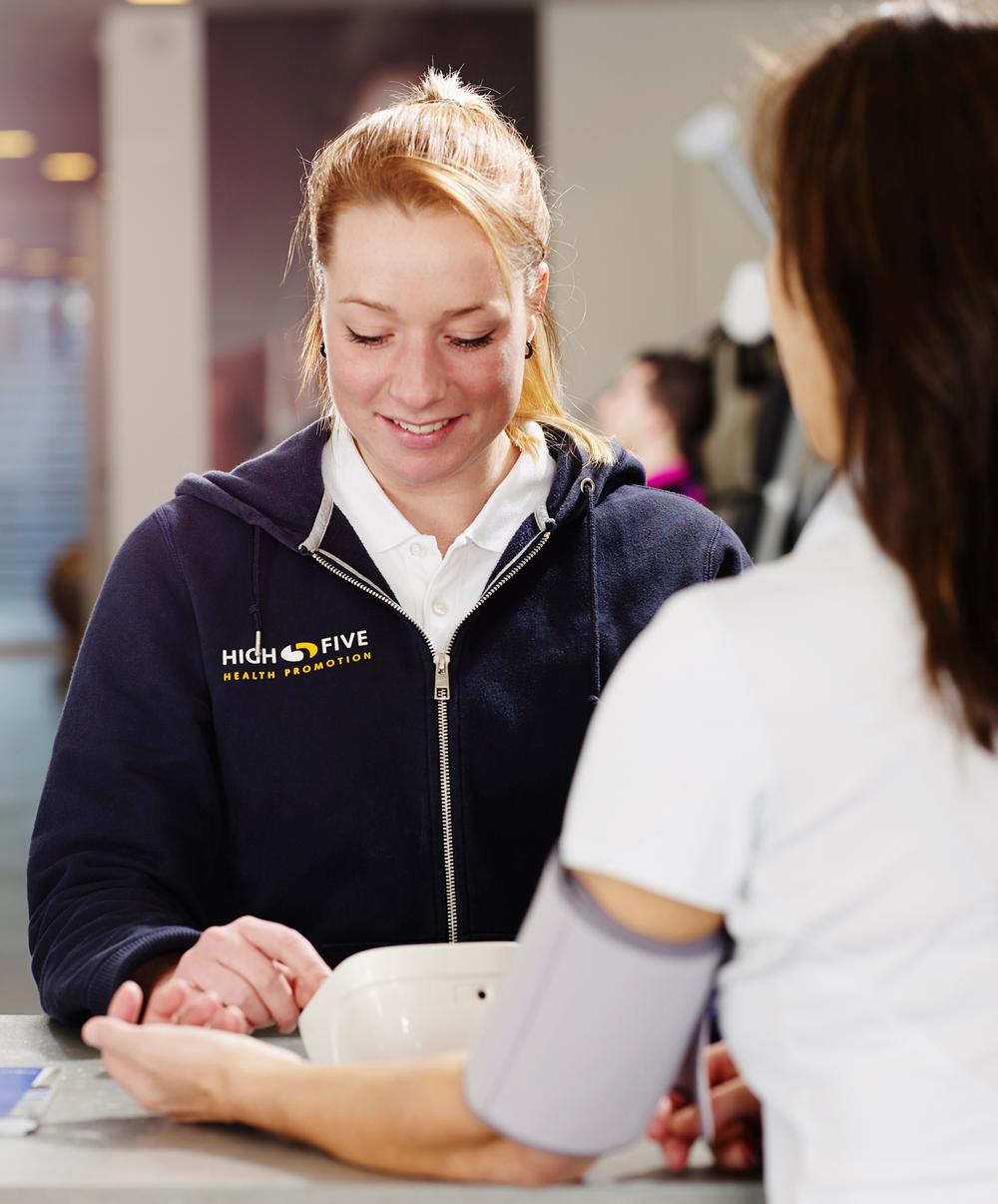
Kienstra’s operation entered the UK market with the acquisition of ECW
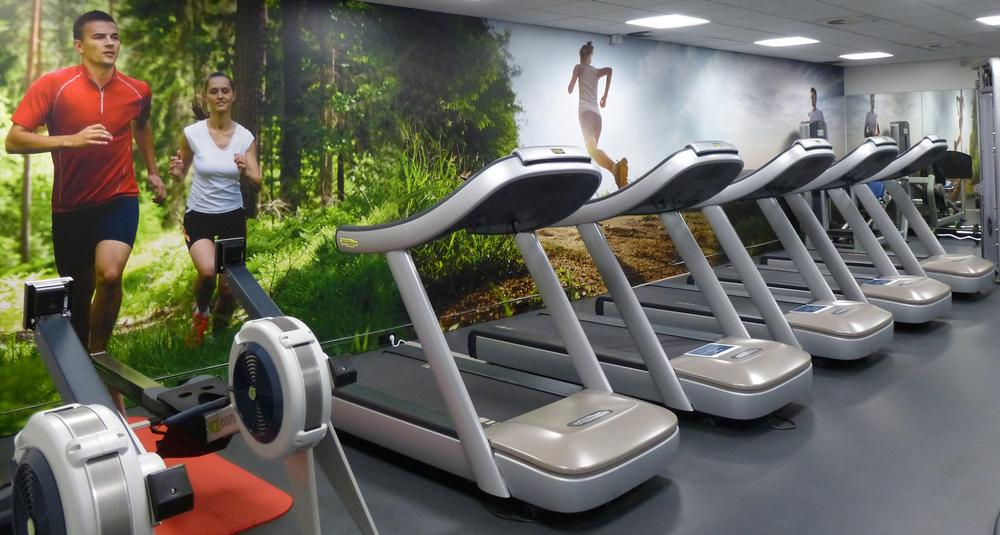
At least 30 per cent of employees tend to join High Five’s in-house gyms
Kienstra is aiming for 50–100 UK sites in five to 10 years
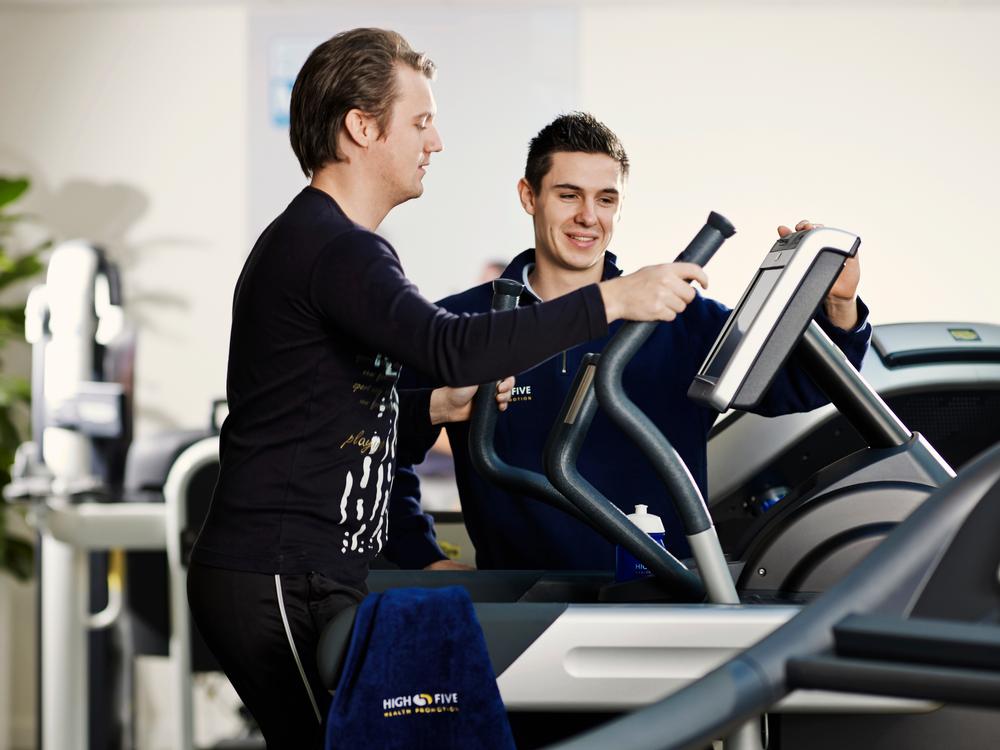
High Five offers a wide range of lifestyle programming
https://www.leisureopportunities.co.uk/images/HCM2014_9paulK.jpg
The CEO of corporate wellness specialist High Five Health Promotion talks to Kate Cracknell about entering the UK market and about pan-European growth plans
Kate Cracknell, Editor, Health Club Manager,Corporate wellness, High Five Health Promotion, ECW, behaviour change
HCM magazine
As the entrepreneur who started Wexer, Fresh Fitness, Fitness DK and Repeat, as well as being a former elite athlete, Rasmus Ingerslev’s life looked perfect from the outside, but onthe inside it was a different story. He talks to Kath Hudson about healing old wounds
HCM magazine
Small improvements to sleep, diet and physical activity have major benefits for the heart, according to new research from the University of Sydney
HCM magazine
HCM People

Stephen Price

Founder, SP&Co Group
Working in public health over the last few years has lit up parts of my brain again
HCM magazine
Collaborations with the medical profession and greater aspirations around wellbeing are creating a need for more experts in our sector. It’s time to reboot our thinking around the workforce
HCM magazine
Strength training is evolving, driven by changing consumer preferences. Julie Cramer talks to innovators about how their products are meeting this demand
HCM promotional features
Sponsored
Third Space partnered with IndigoFitness to deliver a bespoke training space for its new club at The Whiteley
HCM promotional features
Sponsored
Greg Bradley looks at the shift towards strength training in gyms and advises on how operators can create the ultimate training environment
HCM promotional features
Sponsored
SnowDome Fitness has added 50 per cent more space with cutting-edge Technogym solutions
HCM promotional features
Sponsored
David Lloyd is stepping up its commitment to women’s health as it continues to explore what fit-for-purpose looks like for the female population
HCM promotional features
Sponsored
Starpool supports Olympic champion Marcell Jacobs, says Riccardo Turri
HCM promotional features
Sponsored
Find out how your gym can tap into the corporate wellness boom
HCM promotional features
Sponsored
EGYM has opened a new HQ in Paternoster Square, London and revealed a range of new launches
HCM promotional features
Sponsored
New launch, Salus House, elevates boutique wellness with high service levels and a partnership with Technogym
HCM promotional features
Sponsored
Active IQ is calling for greater accountability in online fitness advice with the launch of a new trustmark
HCM promotional features
Latest News
Longevity is the most important motivator for today’s exercisers and social connection is key, according ...
Latest News
Until has opened its fourth club at Canary Wharf, in the iconic YY London building. ...
Latest News
Ben Allen has been appointed managing director at Common Bond. Having set the company up ...
Latest News
Les Mills, whose name became synonymous with one of the world's leading fitness brands, has ...
Latest News
People taking GLP-1 weight loss medications such as Ozempic, Wegovy, Mounjaro and Zepbound may be ...
Latest News
Low-cost gym operator, PureGym, is trialling recovery zones at two of its UK sites, democratising ...
Latest News
In a milestone moment, mental health has become a core part of CIMSPA’s occupational professional ...
Latest News
US high-value, low-price chain, Eos Fitness, has announced plans to pilot reformer Pilates in three ...
Opinion
promotion
Strength training has moved from the margins to the mainstream.
Opinion: Building smarter strength spaces for today’s operators
Featured supplier news
Featured supplier news: CoverMe extends matching service to personal training, rewriting how members and personal trainers connect
CoverMe, the global leader in fitness workforce management, today launches CoverMe PT, an on-demand personal training platform that connects the right personal trainer to the right client in under 10 seconds.
Featured supplier news
Featured supplier news: Reaching the people most gyms miss: Bedford Gym & Swim Campaign delivers 410 new members
One of the biggest mistakes the fitness industry still makes is advertising almost exclusively to people who already look and live like gym members.
Company profiles
Company profile: Gladstone Software
Gladstone’s software is built to streamline operations, reduce admin burden, and boost engagement. Operators can ...
Company profiles
Company profile: GymNation
Ranging from 25,000 to 60,000 square feet, GymNation is open 24/7, 365 days a year ...
Supplier Showcases
Supplier Showcase - Future-proofing
Catalogue Gallery
Click on a catalogue to view it online
Featured press releases
Swimming Teachers' Association (STA) press release: STA Safeguarding programme for aquatic professionals awarded CIMSPA endorsement and CPD points
STA is pleased to announce that its Safeguarding Children and Adults at Risk CPD has been endorsed by the Chartered Institute for the Management of Sport and Physical Activity (CIMSPA) against both the Safeguarding and Protecting Children and Safeguarding Adults technical specialism professional standards.
Featured press releases
CoverMe Ltd press release: CoverMe and Jobs In. Fitness partner to create end-to-end talent solution
CoverMe, the UK’s leading fitness workforce management and recruitment platform, has partnered with Jobs In. Fitness, the specialist executive search and advisory firm for the fitness and wellbeing sector, to give operators a single route to talent at every level – from frontline staffing to C-suite.
Directory
Lockers
Crown Sports Lockers: Lockers
Water experiences and hydrotherapy solutions
Aquaform s.r.l.: Water experiences and hydrotherapy solutions
Hot tubs
MSpa International Ltd: Hot tubs
Spa and beauty equipment
Living Earth Crafts: Spa and beauty equipment
Industrial washing machines
Miele Company Limited: Industrial washing machines
Fitness tracking platform
SpiviTech: Fitness tracking platform
Property & Tenders
Stratford, East London.
Lee Valley Regional Park Authority
Property & Tenders
Y Felinheli, LL56 4QN
Newmark
Property & Tenders
Diary dates
21-24 Sep 2026
The Langham Huntington Pasadena , Pasadena, United States
Diary dates
06-08 Oct 2026
Messe Stuttgart, Stuttgart, Germany
Diary dates
22-22 Oct 2026
QEII Conference Centre, London,
Diary dates
26-29 Oct 2027
Koelnmesse Exhibition Centre, Cologne, Germany
Diary dates

features

Interview – Paul Kienstra: Paul Kienstra

The CEO of corporate wellness specialist High Five Health Promotion talks to Kate Cracknell about entering the UK market, and about opening people’s eyes to healthier habits

By Kate Cracknell | Published in Health Club Management 2014 issue 9
We see a huge possibility to grow organically in the UK by putting the weight of High Five behind the ECW offering, both in terms of knowledge and finance

“We expect that, in five to 10 years, employees will start to sue their employers for their bad health,” says Paul Kienstra, CEO of corporate wellness specialist High Five Health Promotion, headquartered in the Netherlands. “A lot of people sit all day, every day, including long stints at their desks, and there’s a lot of science out there which proves that just being active in a health club or playing football twice a week is not enough to compensate for that. It’s going to be a big problem in the coming years.

“What we therefore try and do with our programmes is introduce elements of activity during the course of every day, not only getting people active in the gym – which we position as more of a vitality centre – but also getting them more active during work and at home.”

He continues: “Our mission is to break down barriers to activity. For instance, if you have a gym at your office, it’s far easier to be active because it’s more convenient. Most of the time it’s also cheaper. It’s more personalised – you get more attention and it’s tailored to your specific needs. We offer programmes for outside of the gym as well – exercise programmes, with a personal web page so members can track their activity, but also lifestyle programming including nutrition, relaxation and stress relief. We run 90-minute workshops and six- or 12-week health promotion programmes too, where people receive personalised coaching and education.

“And what you see is that you get a far higher attendance rate, and also improved retention, compared to the commercial market. In the UK overall, about 13 per cent of the population is a member of a gym. In Holland it’s 16 per cent. But if you look at corporate sites, at least 30 per cent of employees are members of our in-house gyms, growing to 40–50 per cent at the better clubs – we even have one customer where 80 per cent of its employees are members of our club.”

Behaviour change
He continues: “A big part of breaking down barriers is helping inactive people change their behaviour, and that’s very difficult. We take a step-by-step approach, otherwise people will just fall back into their old habits after a couple of months.

“What we try to do – through a system we call It’s My Life – is make people more aware of their own behaviour, of what they do on a daily basis, because a lot of people are simply not aware. If you do this, and at the same time make them more aware of the choices they have, they learn to make very small, positive health choices every day. They also learn to congratulate themselves. Then you can teach them, in very small steps, to see possibilities in their lives, to be more active without making big changes – taking the stairs rather than the escalator, for example. It starts by effectively ‘tricking’ their brains – being a little bit more active each day, but without positioning it as a workout.

“It works the same with the lifestyle programmes too – nutrition, stress relief and relaxation, for example. It’s all a case of helping people take small steps, giving them the tools to have a positive influence on their own health.”

Entering the UK
High Five Health Promotion – which Kienstra acquired in 2000, merging it with the corporate wellbeing company he’d set up in 1990 and with it taking on the mantle of market leader – now manages around 45 sites in Holland. In addition to these in-house facilities, there’s also a Nationaal Gezondheidsplan – a network of clubs across the country with whom High Five has an agreement to buy memberships. High Five clients can then let their employees choose from any one of around 1,100 clubs across the country, with High Five purchasing the memberships on their behalf and invoicing the company in one combined bill.

But High Five’s reach is no longer limited to the Netherlands: it also operates one facility in Germany and aims to open its first site in Belgium this year. It also entered the UK market in 19 June this year with the acquisition of ECW – European Corporate Wellbeing – from Neil Gillespie, who remains with the company. David Brame – formerly of corporate wellbeing provider Bladerunner, which was sold to Nuffield in November 2010 – also joins the senior team. “David and I have been looking to do something together for a long time,” explains Kienstra.

The UK portfolio – which will continue to operate under the ECW banner for now, with learnings being shared both ways between the teams – encompasses not only corporate gyms but also a few dual-use school-based facilities.

“Our biggest focus will be on corporate going forward – it’s a huge market in the UK, and with not many players at the moment. However, we won’t look away if there are also possibilities in schools,” says Kienstra, who is clearly excited by the potential in the UK market: “We see a huge possibility to grow organically in the UK by putting the weight of High Five behind the ECW offering, both in terms of our knowledge and our finances.

“I believe we can reach 50–100 sites just through organic growth in five to 10 years, but for me it’s not really about number of sites. It’s about number of employees, about which sites you bring on-board as clients. Of course you have to start small, and we really appreciate small contracts, but we’re also going to aim for the bigger ones. I believe we can reach an annual turnover of £15–20m in five to 10 years.”

It’s not just about organic growth either: while not naming names, Kienstra confirms he has further acquisitions in mind.

Corporate vs commercial
But the UK deal clearly brings ECW/High Five up against the might of Nuffield, with over 200 corporate sites across the country and, as Kienstra himself says, “a lot of clients who are very happy with its services”. So what can his company bring to the table? “As a smaller company, we can bring flexibility and fast decisions. We also have some new IT products and new sport, activity and lifestyle programmes, so we’ll have our own signature in the market.

“We also have European reach – we already deliver services in the UK, Germany and the Netherlands, with Belgium on the table. If we can operate in those four countries, why shouldn’t we be able to do it in Switzerland and Austria as well, for example? Our clients are international businesses that purchase globally for other products and services – why not also for corporate wellness?”

He continues: “Very importantly, we also bring choice to the sector. I have huge respect for Nuffield – I think it has a very high quality offering – but if people don’t have a choice, that isn’t good for the market.

“I believe companies are looking for more competition, but with corporate wellness being such a niche market – so different from running a commercial club – it’s hard for new providers to get a foothold.

“The first big difference is that, if we’re asked to manage an in-house facility, we’re guests in the client’s house. But their employees are also guests with us in the gym. So we’re guests, and we have their guests with us, meaning hostmanship as part of our service is very, very important. One of our shareholding management team – Thomas Klaas – joined us from a hotel background, and this helps us ensure the whole company is very hospitality-minded.

“Secondly, at a commercial club your clients are your members, and they will have objectives like getting fitter or losing weight. But in a corporate club, the first client is the company, and its goal will be to have healthier employees to improve productivity. The members come after that, as the second client – and then there’ll be other clients too, such as the on-site doctor, the HR department and so on. It’s a more complex playing field and there are a lot more parties involved – it’s not just a one-to-one relationship with your members.”

He continues: “But although we’re very different in these respects, when it comes to the end user of course we have competition from the commercial gyms. If we don’t offer the right product, and if we don’t make it fun, people will leave us and join a commercial club instead, so we have to keep on top of trends. However, although we will follow trends, we won’t be the first and we won’t go from trend to trend.

“Because in the end, our first responsibility is always to the company: we have to offer a very safe product that’s guaranteed, and where we can tell them what the impact will be. We don’t offer corporate football, for example, because we couldn’t really say upfront what the fitness results would be. But if I get you doing CV and strength training twice a week, I can reasonably predict the outcome – and that’s very important for corporates.”

Growing the business
Given this ‘tried and tested’ philosophy, does Kienstra have any plans to evolve the offering? Is there anything new he wants to implement, whether at an operational or strategic level?

“There are different levels of managing a club: a management fee, paid by the hour or for the programmes you deliver; a semi-commercial basis, whereby you get the membership fees of your members and perhaps an additional fee; and fully commercial, whereby you work with the corporate to achieve their goals, but you look after your own business – you’re effectively a commercial club within a company.

“I’ve found that the UK is more experienced in the commercial management of corporate clubs.

It’s starting in Holland, but we’re five or six years behind, and this is something I want to look at.

“The Netherlands is our home base, and we won’t lose our focus on that just because we’re expanding internationally. However, we don’t believe there’s growth in Holland for the next five years in terms of securing new sites, so we have to be creative to ensure we maintain our turnover. We’ll invent new programmes, we’ll deliver services to clients on a different basis – but we’ll also look at potentially switching management fee sites into becoming commercial or semi-commercial clubs.”

We’ve already spoken about UK growth plans, so what about Germany? “We believe Germany should be growing organically, because the market is less mature than in Holland and the UK. We want to conquer that country step by step, winning contracts and helping companies define their philosophy of how to address the health and activity levels of their employees.”

And beyond that, given that he’s already mentioned Austria and Switzerland? “I think we’re well-positioned to go into other countries, and flexible enough to make it work, but we won’t do it too fast. We won’t do it all as one big bang, but rather with a focus on quality and a focus on our clients.”

Changing society
He concludes: “That focus on clients is key across the whole fitness industry. The commercial sector has to understand that it’s not just a case of opening a box, putting in kit and selling memberships any more. We have to help people change their lifestyles. I think that’s happening now – slowly, but it’s happening.

“What I hope is that, as an industry, we’re able to look at our target groups, at what people’s problems are, understand how we can help them and what services and skills we need to be able to do that. Because we have to be very honest to ourselves – we’re still small. If only 12 per cent of the population are joining a club, it means 88 per cent aren’t. We need to look at our industry more as a service industry than a facility industry, and find new ways of bringing that service out to people wherever they are.

“At a big picture level, we have to be part of a solution that brings activity back into people’s lives, when the built environment around us is having activity designed out of it.

“We’re raising our kids in an inactive society and you don’t change that in one year; you have to change society, and then slowly you can also change generations. I always make the comparison with brushing your teeth: 50 years ago, most people didn’t brush their teeth twice a day and now they do. Now that’s normal. So how can we create something in the coming 50 years that makes it very normal for everybody to be active every day?

“I really believe in what sports and physical activity can bring to people, and I want everybody to enjoy that. I used to be a PE teacher and I still coach young kids. Seeing the difference activity brings to them – those are the best two hours in my week. If I can do that on a larger scale, getting employees active and getting more out of their lives, I believe I can be of a little more importance to the world.”
Sign up here to get HCM's weekly ezine and every issue of HCM magazine free on digital.
Kienstra’s operation entered the UK market with the acquisition of ECW
At least 30 per cent of employees tend to join High Five’s in-house gyms
Kienstra is aiming for 50–100 UK sites in five to 10 years
High Five offers a wide range of lifestyle programming
https://www.leisureopportunities.co.uk/images/HCM2014_9paulK.jpg
The CEO of corporate wellness specialist High Five Health Promotion talks to Kate Cracknell about entering the UK market and about pan-European growth plans
Kate Cracknell, Editor, Health Club Manager,Corporate wellness, High Five Health Promotion, ECW, behaviour change
Latest News
Longevity is the most important motivator for today’s exercisers and social connection is key, according ...
Latest News
Until has opened its fourth club at Canary Wharf, in the iconic YY London building. ...
Latest News
Ben Allen has been appointed managing director at Common Bond. Having set the company up ...
Latest News
Les Mills, whose name became synonymous with one of the world's leading fitness brands, has ...
Latest News
People taking GLP-1 weight loss medications such as Ozempic, Wegovy, Mounjaro and Zepbound may be ...
Latest News
Low-cost gym operator, PureGym, is trialling recovery zones at two of its UK sites, democratising ...
Latest News
In a milestone moment, mental health has become a core part of CIMSPA’s occupational professional ...
Latest News
US high-value, low-price chain, Eos Fitness, has announced plans to pilot reformer Pilates in three ...
Latest News
Preventive healthcare company Neko Health has added body composition analysis to its full-body health scan ...
Latest News
Chequan Lewis is the new CEO of Crunch Fitness, taking over from Jim Rowley, who ...
Latest News
Sea Lanes Canary Wharf has officially opened. The 50-metre, six-lane pool, which uses the natural ...
Opinion
promotion
Strength training has moved from the margins to the mainstream.
Opinion: Building smarter strength spaces for today’s operators
Featured supplier news
Featured supplier news: CoverMe extends matching service to personal training, rewriting how members and personal trainers connect
CoverMe, the global leader in fitness workforce management, today launches CoverMe PT, an on-demand personal training platform that connects the right personal trainer to the right client in under 10 seconds.
Featured supplier news
Featured supplier news: Reaching the people most gyms miss: Bedford Gym & Swim Campaign delivers 410 new members
One of the biggest mistakes the fitness industry still makes is advertising almost exclusively to people who already look and live like gym members.
Company profiles
Company profile: Gladstone Software
Gladstone’s software is built to streamline operations, reduce admin burden, and boost engagement. Operators can ...
Company profiles
Company profile: GymNation
Ranging from 25,000 to 60,000 square feet, GymNation is open 24/7, 365 days a year ...
Supplier Showcases
Supplier Showcase - Future-proofing
Catalogue Gallery
Click on a catalogue to view it online
Featured press releases
Swimming Teachers' Association (STA) press release: STA Safeguarding programme for aquatic professionals awarded CIMSPA endorsement and CPD points
STA is pleased to announce that its Safeguarding Children and Adults at Risk CPD has been endorsed by the Chartered Institute for the Management of Sport and Physical Activity (CIMSPA) against both the Safeguarding and Protecting Children and Safeguarding Adults technical specialism professional standards.
Featured press releases
CoverMe Ltd press release: CoverMe and Jobs In. Fitness partner to create end-to-end talent solution
CoverMe, the UK’s leading fitness workforce management and recruitment platform, has partnered with Jobs In. Fitness, the specialist executive search and advisory firm for the fitness and wellbeing sector, to give operators a single route to talent at every level – from frontline staffing to C-suite.
Directory
Lockers
Crown Sports Lockers: Lockers
Water experiences and hydrotherapy solutions
Aquaform s.r.l.: Water experiences and hydrotherapy solutions
Hot tubs
MSpa International Ltd: Hot tubs
Spa and beauty equipment
Living Earth Crafts: Spa and beauty equipment
Industrial washing machines
Miele Company Limited: Industrial washing machines
Fitness tracking platform
SpiviTech: Fitness tracking platform
Property & Tenders
Stratford, East London.
Lee Valley Regional Park Authority
Property & Tenders
Y Felinheli, LL56 4QN
Newmark
Property & Tenders
Diary dates
21-24 Sep 2026
The Langham Huntington Pasadena , Pasadena, United States
Diary dates
06-08 Oct 2026
Messe Stuttgart, Stuttgart, Germany
Diary dates
22-22 Oct 2026
QEII Conference Centre, London,
Diary dates
26-29 Oct 2027
Koelnmesse Exhibition Centre, Cologne, Germany
Diary dates
Search news, features & products:
Find a supplier:
Partner sites