






Editor's letter


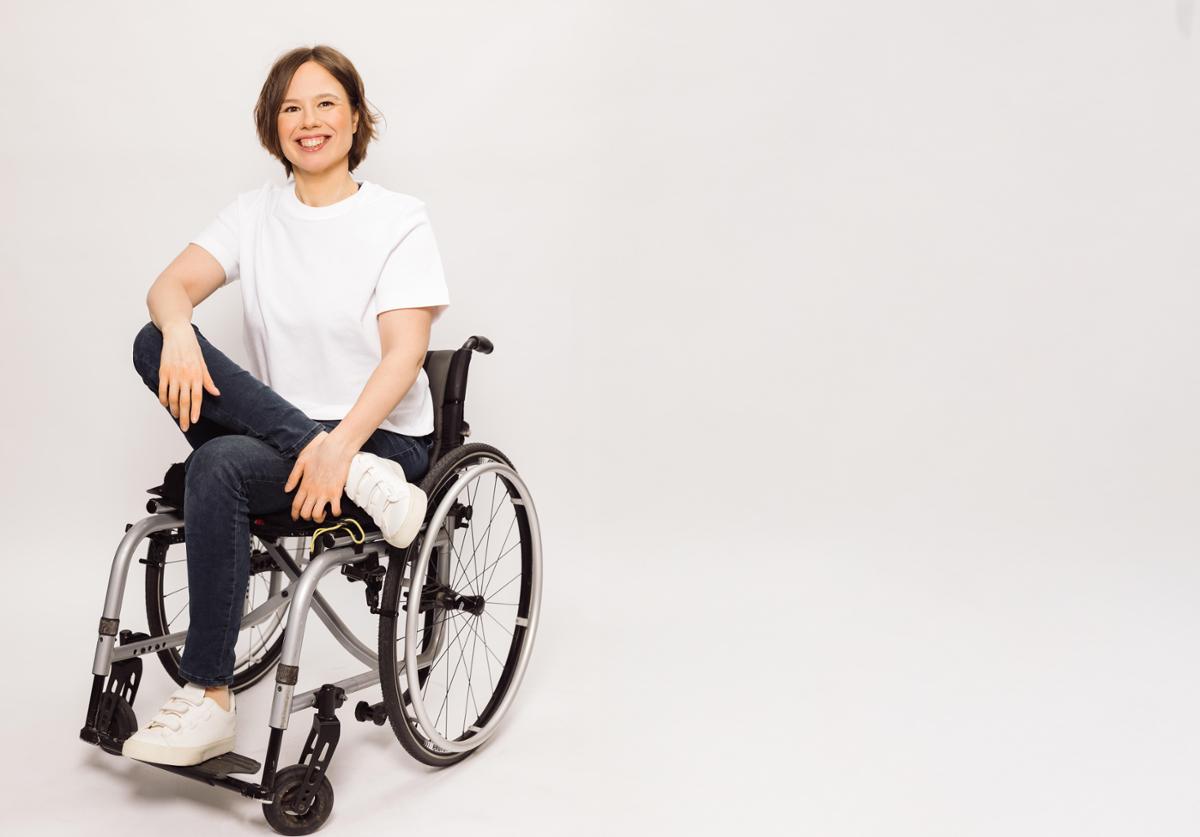
The fitness industry often talks about inclusion, but what does it actually feel like to walk into a gym as a disabled person?
When I became a wheelchair user four years ago and returned to the gym for the first time after my life-changing accident, I realised just how different that experience was from before and I’m not alone – disabled people make up 24 per cent of the UK population.
That’s five times more than the number of vegans or plant-based eaters. But walk into any supermarket and staff will know exactly where the plant-based aisle is. There’s signage, shelf space and plenty of options. In contrast, most gym staff haven’t received any disability awareness training, and accessibility is often an afterthought.
Here’s another striking stat: the UK’s plant-based food market is worth £1.1bn. The spending power of disabled people is £274bn – commonly referred to as the Purple Pound.
Start small and start now, with both quick fixes and long-term plans
Inclusion isn’t just the right thing to do, it’s also a major business opportunity. Being inclusive opens doors to more members, builds loyalty and boosts profitability.
My advice? Start small — but start now. Assign someone in your team to take responsibility for inclusion. Review your customer journey. Make one change this month.
Inclusion is the future of fitness. And yes, it’s profitable too. Let’s build an industry that works (and works out) for everyone.
More: www.makeitmatta.com
Fix the language, this is the simplest starting point and can have the biggest impact. Inclusive, respectful language – in staff conversations, induction forms, social media posts – helps people feel welcome.
Train your managers, customer service and PT teams in disability inclusion.
Lived experience training is far more powerful than just sending a PDF. But if training isn’t an option yet, start with getting a few books for the team, such as Demystifying Disability: What to know, what to say, and how to be an ally by Emily Ladau. Better still, encourage your team to take Level 3 CPD training in disability inclusion. Future Fit offers a course called Exercise Programme Design for Disabled Clients.
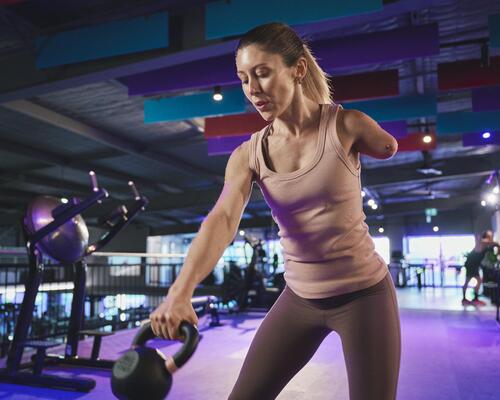
Seeing disabled people, and a realistic cross-section of society, in marketing, on the gym floor, and among staff sends a clear message: you belong here.
We created a campaign for Wattbike featuring “everyday athletes” which resonated widely because it built trust and fostered belonging.
As a quick solution, audit your website and social media. Feature real disabled members and ambassadors in your visual communications. And for the longer term, invest your time in creating a clear inclusion strategy, hire and train people with disabilities and staff.
76 per cent of disabled people say they want to be more active, but can’t, because of inaccessible equipment or environments.
Start with the basics: is there a ramp if there’s a step? Do you have a range of equipment such as arm bikes, ski-ergs, rowing machines, or Speedflex Blades to accommodate different needs? Inclusive design – such as wider doors, and new equipment – does require investment (sometimes minimal), but it transforms your space for hundreds of prospective members who are currently excluded.
Inclusion doesn’t start at your front desk, it starts when someone Googles your gym from their sofa. Are your photos and gym campaigns inclusive? Did you update your Google listing and your website with accessible features with clear descriptions and photos? Can users book a tour or speak to someone easily?
Too often, accessible showers have no grab rails, or lifts are out of order. Audit your whole customer journey – from website to workout – and bring in disabled people to walk through it with you and share honest feedback.
Editor's letter

Feedback
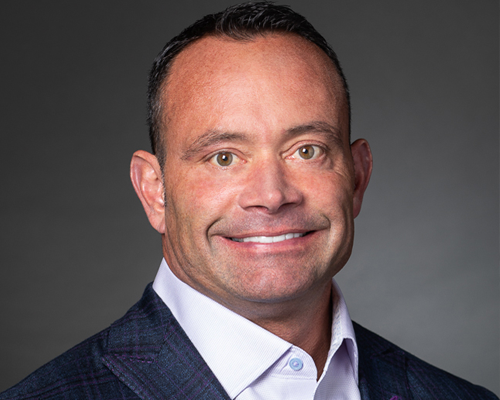
HCM People
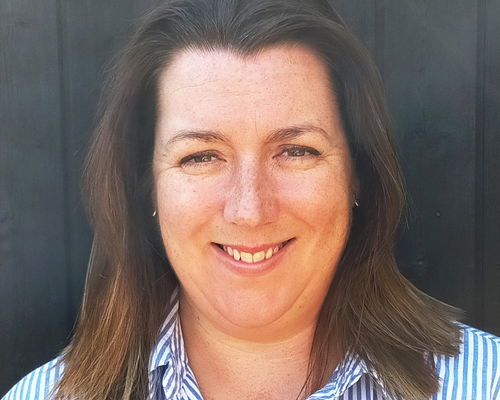
HCM People
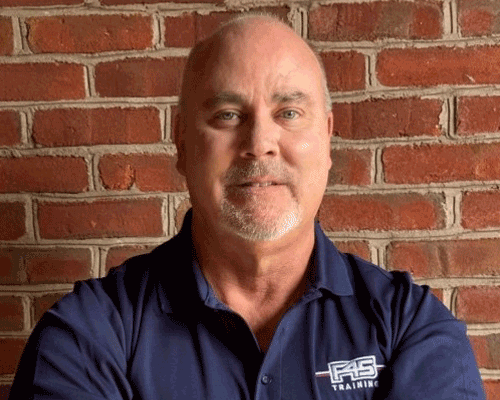
Interview
Inclusion
DMCC
Insight

Talking point
Insight
Tech
Research



















The fitness industry often talks about inclusion, but what does it actually feel like to walk into a gym as a disabled person?
When I became a wheelchair user four years ago and returned to the gym for the first time after my life-changing accident, I realised just how different that experience was from before and I’m not alone – disabled people make up 24 per cent of the UK population.
That’s five times more than the number of vegans or plant-based eaters. But walk into any supermarket and staff will know exactly where the plant-based aisle is. There’s signage, shelf space and plenty of options. In contrast, most gym staff haven’t received any disability awareness training, and accessibility is often an afterthought.
Here’s another striking stat: the UK’s plant-based food market is worth £1.1bn. The spending power of disabled people is £274bn – commonly referred to as the Purple Pound.
Start small and start now, with both quick fixes and long-term plans
Inclusion isn’t just the right thing to do, it’s also a major business opportunity. Being inclusive opens doors to more members, builds loyalty and boosts profitability.
My advice? Start small — but start now. Assign someone in your team to take responsibility for inclusion. Review your customer journey. Make one change this month.
Inclusion is the future of fitness. And yes, it’s profitable too. Let’s build an industry that works (and works out) for everyone.
More: www.makeitmatta.com
Fix the language, this is the simplest starting point and can have the biggest impact. Inclusive, respectful language – in staff conversations, induction forms, social media posts – helps people feel welcome.
Train your managers, customer service and PT teams in disability inclusion.
Lived experience training is far more powerful than just sending a PDF. But if training isn’t an option yet, start with getting a few books for the team, such as Demystifying Disability: What to know, what to say, and how to be an ally by Emily Ladau. Better still, encourage your team to take Level 3 CPD training in disability inclusion. Future Fit offers a course called Exercise Programme Design for Disabled Clients.
Seeing disabled people, and a realistic cross-section of society, in marketing, on the gym floor, and among staff sends a clear message: you belong here.
We created a campaign for Wattbike featuring “everyday athletes” which resonated widely because it built trust and fostered belonging.
As a quick solution, audit your website and social media. Feature real disabled members and ambassadors in your visual communications. And for the longer term, invest your time in creating a clear inclusion strategy, hire and train people with disabilities and staff.
76 per cent of disabled people say they want to be more active, but can’t, because of inaccessible equipment or environments.
Start with the basics: is there a ramp if there’s a step? Do you have a range of equipment such as arm bikes, ski-ergs, rowing machines, or Speedflex Blades to accommodate different needs? Inclusive design – such as wider doors, and new equipment – does require investment (sometimes minimal), but it transforms your space for hundreds of prospective members who are currently excluded.
Inclusion doesn’t start at your front desk, it starts when someone Googles your gym from their sofa. Are your photos and gym campaigns inclusive? Did you update your Google listing and your website with accessible features with clear descriptions and photos? Can users book a tour or speak to someone easily?
Too often, accessible showers have no grab rails, or lifts are out of order. Audit your whole customer journey – from website to workout – and bring in disabled people to walk through it with you and share honest feedback.
Editor's letter
Feedback
HCM People
HCM People
Interview
Inclusion
DMCC
Insight
Talking point
Insight
Tech
Research