






Editor's letter



What’s the story of Freedom Leisure?
I was first inspired by the trust concept in 1995, when I went to a seminar run by Mark Sesnan who had just set up GLL. I came away convinced it offered a better way of managing local authority services by protecting them from some of the cost pressures and processes of direct council management.
It took us seven years for that idea to become a reality. In 2002, we formed Wealden Leisure Limited, trading as Freedom Leisure and on 1 April that year we began managing four leisure centres on behalf of Wealden District Council.
From the outset we recognised that in order to create economies of scale we needed to grow beyond a single district. In 2005 we secured our second contract in Hastings and we’ve continued to expand ever since.
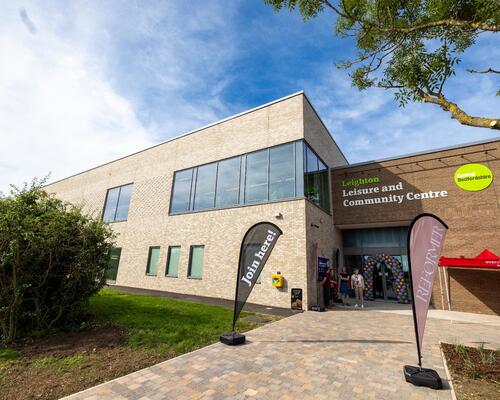
Today we work with 30 local authority partners, operating 136 leisure centres across England and Wales and some cultural facilities as well. Our geographical spread runs from North Wales, through the Derbyshire Dales across to Great Yarmouth on the east coast. We remain strong in the Kent and Sussex area, where we began, and operate as far west as Somerset and Dorset.
Our portfolio is mainly rural, although we do work in cities including Brighton and Hove. Each location presents different demographics and challenges. Some areas may appear affluent, but within them there are often significant pockets of deprivation and clear health and wellbeing needs.
Our mission is improving lives through leisure, and that genuinely defines our purpose. We have no shareholders and pay no dividends. Everything we do is about delivering services for our communities. There's nothing more motivating than visiting a centre and seeing our programmes in place, with participants excited to be taking part in physical activity.
What’s your USP?
Every partnership is about the priorities for that partnership. We have a mantra about being bespoke and local, we don't come in with a templated approach.
Councils are under significant financial pressure and so cost will always be a factor in procurement. However, our partners care deeply about the outcomes for their communities. Decisions can’t be based purely on the lowest price. A community leisure service must consider who’s excluded by the private sector and who requires concessions or targeted programming to live a more active life.
Tackling inequalities is fundamental to what we do. Our concessionary schemes, extensive health programmes and long track record in supporting under-represented groups are central to our offer. In each area we look closely at diversity and inclusion priorities and develop initiatives that respond to local needs.
We have a dedicated sustainability and environmental team driving both utility reduction and carbon reduction
One example is our Strength in Mind programme, in Kent, which was a finalist at the UK Active awards last year. A group of Olympians volunteered their time to speak with 15- and 16-year-olds about mental health and the part that physical activity can play in giving them good outcomes.
We also offer Neurological Box Fit at Tandridge Leisure Centre in Surrey for people living with Parkinson’s, multiple sclerosis or the effects of stroke. Sessions focus on balance, strength and flexibility, followed by an opportunity for social interaction over coffee. These programmes demonstrate how leisure centres can be hubs for both physical and social wellbeing.
What are the main challenges and opportunities at the moment?
Financial pressure is a constant challenge. Staffing costs continue to rise and increases in the national minimum wage have a significant impact across the sector.
The energy crisis had an unprecedented effect on our business. When our three-year fixed gas and electricity contracts expired, costs effectively trebled overnight. Our annual utility bill rose from £8m to £24m. We received valued support from local authority partners and central government, but there was an immediate need to implement mitigation measures.
We also offer Neurological Box Fit for people living with Parkinson’s, multiple sclerosis or the effects of stroke
That experience sharpened our focus on energy management, which is now core to our strategy. We’ve invested heavily in solar panels, air source and ground source heat pumps and pool covers. We’re also exploring innovative solutions, such as using server banks to heat pools, harnessing the heat generated by on-site data facilities. We have a dedicated sustainability and environmental team driving both utility reduction and carbon reduction, which is increasingly important to partners, customers and colleagues.
Although energy prices have fallen from their peak, they remain roughly double pre-crisis levels. Managing those ongoing costs while maintaining affordability and inclusivity is a delicate balance. We’re determined that price should not become a barrier to participation. This is perhaps the challenge I feel most acutely.
When we began in Wealden in 2002 the service cost the council £1m per year. Today we pay the council. That transformation has been achieved through growth, innovation and continual reinvestment. However, local government reform may intensify pressure on discretionary services such as leisure and we will need to continue adapting.
Despite the challenges, the sector has proved resilient. There’s strong collaboration through Community Leisure UK, with trusts sharing knowledge and best practice. Health and wellbeing have never been higher on the national agenda and there’s significant opportunity for deeper partnership with the health service.
Are you making investments?
Investment remains a priority. As we mark our 25th year in Wealden we’re developing several exciting schemes that will be announced later this year.
In Ashford we’re delivering a £2m project at Tenterden Leisure Centre, adding soft play, a new café and an upgraded reception area. In Gloucester a £6m redevelopment will significantly expand the fitness facilities and introduce new children’s and family attractions including soft play, a climbing wall and interactive features within the swimming areas.
We’re determined that price should not become a barrier to participation. This is the challenge I feel most acutely
One of our most ambitious projects is a £10m scheme with Guildford Borough Council to modernise Guildford Spectrum and Guildford Lido. This winter we took the decision to keep the Lido open and heated all year round in response to demand for open water swimming and the response has been extremely positive. Next winter we’ll add a poolside sauna and ice baths, a Reformer Pilates studio and padel courts. The transformation will be substantial and we expect usage to grow even further as a result.
Editor's letter
HCM People
HCM People

Interview
Sponsored

Talkback
Sponsored

Insight

Policy

Promotion

Sponsored
Life Lessons
Sponsored

Specifier

Sponsored

Recovery

Research



























What’s the story of Freedom Leisure?
I was first inspired by the trust concept in 1995, when I went to a seminar run by Mark Sesnan who had just set up GLL. I came away convinced it offered a better way of managing local authority services by protecting them from some of the cost pressures and processes of direct council management.
It took us seven years for that idea to become a reality. In 2002, we formed Wealden Leisure Limited, trading as Freedom Leisure and on 1 April that year we began managing four leisure centres on behalf of Wealden District Council.
From the outset we recognised that in order to create economies of scale we needed to grow beyond a single district. In 2005 we secured our second contract in Hastings and we’ve continued to expand ever since.
Today we work with 30 local authority partners, operating 136 leisure centres across England and Wales and some cultural facilities as well. Our geographical spread runs from North Wales, through the Derbyshire Dales across to Great Yarmouth on the east coast. We remain strong in the Kent and Sussex area, where we began, and operate as far west as Somerset and Dorset.
Our portfolio is mainly rural, although we do work in cities including Brighton and Hove. Each location presents different demographics and challenges. Some areas may appear affluent, but within them there are often significant pockets of deprivation and clear health and wellbeing needs.
Our mission is improving lives through leisure, and that genuinely defines our purpose. We have no shareholders and pay no dividends. Everything we do is about delivering services for our communities. There's nothing more motivating than visiting a centre and seeing our programmes in place, with participants excited to be taking part in physical activity.
What’s your USP?
Every partnership is about the priorities for that partnership. We have a mantra about being bespoke and local, we don't come in with a templated approach.
Councils are under significant financial pressure and so cost will always be a factor in procurement. However, our partners care deeply about the outcomes for their communities. Decisions can’t be based purely on the lowest price. A community leisure service must consider who’s excluded by the private sector and who requires concessions or targeted programming to live a more active life.
Tackling inequalities is fundamental to what we do. Our concessionary schemes, extensive health programmes and long track record in supporting under-represented groups are central to our offer. In each area we look closely at diversity and inclusion priorities and develop initiatives that respond to local needs.
We have a dedicated sustainability and environmental team driving both utility reduction and carbon reduction
One example is our Strength in Mind programme, in Kent, which was a finalist at the UK Active awards last year. A group of Olympians volunteered their time to speak with 15- and 16-year-olds about mental health and the part that physical activity can play in giving them good outcomes.
We also offer Neurological Box Fit at Tandridge Leisure Centre in Surrey for people living with Parkinson’s, multiple sclerosis or the effects of stroke. Sessions focus on balance, strength and flexibility, followed by an opportunity for social interaction over coffee. These programmes demonstrate how leisure centres can be hubs for both physical and social wellbeing.
What are the main challenges and opportunities at the moment?
Financial pressure is a constant challenge. Staffing costs continue to rise and increases in the national minimum wage have a significant impact across the sector.
The energy crisis had an unprecedented effect on our business. When our three-year fixed gas and electricity contracts expired, costs effectively trebled overnight. Our annual utility bill rose from £8m to £24m. We received valued support from local authority partners and central government, but there was an immediate need to implement mitigation measures.
We also offer Neurological Box Fit for people living with Parkinson’s, multiple sclerosis or the effects of stroke
That experience sharpened our focus on energy management, which is now core to our strategy. We’ve invested heavily in solar panels, air source and ground source heat pumps and pool covers. We’re also exploring innovative solutions, such as using server banks to heat pools, harnessing the heat generated by on-site data facilities. We have a dedicated sustainability and environmental team driving both utility reduction and carbon reduction, which is increasingly important to partners, customers and colleagues.
Although energy prices have fallen from their peak, they remain roughly double pre-crisis levels. Managing those ongoing costs while maintaining affordability and inclusivity is a delicate balance. We’re determined that price should not become a barrier to participation. This is perhaps the challenge I feel most acutely.
When we began in Wealden in 2002 the service cost the council £1m per year. Today we pay the council. That transformation has been achieved through growth, innovation and continual reinvestment. However, local government reform may intensify pressure on discretionary services such as leisure and we will need to continue adapting.
Despite the challenges, the sector has proved resilient. There’s strong collaboration through Community Leisure UK, with trusts sharing knowledge and best practice. Health and wellbeing have never been higher on the national agenda and there’s significant opportunity for deeper partnership with the health service.
Are you making investments?
Investment remains a priority. As we mark our 25th year in Wealden we’re developing several exciting schemes that will be announced later this year.
In Ashford we’re delivering a £2m project at Tenterden Leisure Centre, adding soft play, a new café and an upgraded reception area. In Gloucester a £6m redevelopment will significantly expand the fitness facilities and introduce new children’s and family attractions including soft play, a climbing wall and interactive features within the swimming areas.
We’re determined that price should not become a barrier to participation. This is the challenge I feel most acutely
One of our most ambitious projects is a £10m scheme with Guildford Borough Council to modernise Guildford Spectrum and Guildford Lido. This winter we took the decision to keep the Lido open and heated all year round in response to demand for open water swimming and the response has been extremely positive. Next winter we’ll add a poolside sauna and ice baths, a Reformer Pilates studio and padel courts. The transformation will be substantial and we expect usage to grow even further as a result.
Editor's letter
HCM People
HCM People
Interview
Sponsored
Talkback
Sponsored
Insight
Policy
Promotion
Sponsored
Life Lessons
Sponsored
Specifier
Sponsored
Recovery
Research