
















EGYM
EGYM
EGYM
Follow Health Club Management on Twitter Like Health Club Management on Facebook Join the discussion with Health Club Management on LinkedIn
FITNESS, HEALTH, WELLNESS

features

Exercise science: Exercise is medicine

Exercise has a positive impact on many aspects of our lives, from the physical to the emotional and social. Recently there’s been a vast amount of research that continues to support this point, highlighting the many and varied benefits of exercise. Kristoph Thompson rounds up some of the latest published studies

By Kristoph Thompson | Published in Health Club Management 2013 issue 4
“To be more effective in cardiac rehabilitation, exercise may need to be carried out at a higher intensity, in order to activate the resident stem cells”

Exercise mends a broken heart

Regular and strenuous exercise can reactivate dormant stem cells, leading to the development of new heart muscle, according to research published in the European Heart Journal. These findings indicate that the damage caused by heart disease or failure could be partially repaired by exercise.

Researchers from Liverpool John Moores University in the UK showed that healthy rats undertaking the equivalent of 30 minutes of strenuous exercise a day demonstrated activity in 60 per cent of previously dormant heart stem cells. After two weeks of exercise, there was a seven per cent increase in the number of cardiomyocites – the ‘beating’ cells in heart tissue.

While previous research has shown that injections of chemicals known as growth factors can coax dormant stem cells back to life, this is the first study to show that regular exercise can have a similar effect by stimulating growth factor production.

Researchers will now examine the effects of exercise on rats that have suffered heart attacks to determine if the results are even more pronounced. Dr Georgina Ellison, who led the study, says: “We hope exercise might be even more effective in damaged hearts, because you have more reason to replace the large amounts of cells that are lost” – ie the body has a greater need to adapt and repair itself after a heart attack.

While an exercise programme is normally included in cardiac rehabilitation, “maybe to be more effective it needs to be carried out at a higher intensity, in order to activate the resident stem cells,” adds Ellison.

Waring, C.D. et al. (2012). The adult heart responds to increased workload with physiologic hypertrophy, cardiac stem cell activation, and new myocyte formation. European Heart Journal. Oct 25. [Epub ahead of print]

Exercise improves male fertility

Recent research from Harvard University has reported that moderate exercise boosts the chances of fatherhood. Men who undertook 15 or more hours of moderate to vigorous exercise each week had, on average, sperm counts that were 73 per cent higher than those who exercised for less than five hours a week. Interestingly, mild exercise had no effect.

Sedentary activity, measured by the number of hours spent watching television, had a negative effect on sperm count. Those who watched 20 or more hours of television each week had a 44 per cent lower sperm count than those who watched very little TV.

According to the researchers, one of the reasons for the higher sperm counts was an increase in the exposure to antioxidant enzymes, which have been shown to have beneficial effects on sperm count. Being inactive has the opposite effect, leading to high levels of oxidative stress and poor sperm production.

However, researchers warn that too much exercise can be harmful to sperm production. Previous studies involving professional marathon runners, cyclists and triathletes have reported poor semen quality among these groups. This reduction is caused by the stress to the body brought on by prolonged periods of intense exercise.

In this situation, the rate of various bodily processes changes, affecting sperm production.

Gaskins, A.J. et al. (2013). Physical activity and television watching in relation to semen quality in young men. British Journal of Sports Medicine. Feb 4. [Epub ahead of print]

Exercise protects the brain from fat attack

A diet containing lots of fatty foods is associated with a decline in brain functioning, elevating the risk of conditions such as Alzheimer’s. Exactly how this occurs is unknown, but researchers think that fatty acids from food infiltrate the brain and jump-start a process that causes damage to the regions responsible for memory and learning.

A recent study by the University of Minnesota in the US examined the result of a high-fat diet (where at least 40 per cent of calories were from fat) on memory in rats, and then the subsequent effects of exercise. Memory declined after four months of the high-fat diet, but then improved once exercise was introduced.

After seven weeks, the rats on the high-fat diet were scoring as well on the memory test as they had at the start, whereas the memory of those not exercising continued to decline. The results suggest that exercise stimulates the production of substances that fight the effects of fatty acids on the brain. The amount of exercise wasn’t excessive – the rats did the equivalent of 30 minutes’ jogging a day – but researchers stress the same protective effect might not be noted in humans.

Mavanji, V. et al. (2012). Exercise reduces cognitive decline induced by dietary fat. Presented at the annual meeting of the Society for Neuroscience.

Exercise lowers prostate cancer deaths

In a joint study from Harvard Medical School and the University of California, US, researchers tracked 51,529 male health professionals over an 18-year period. Among the 2,705 who were diagnosed with prostate cancer, the amount and intensity of exercise undertaken was correlated with risk of death.

Any form of activity conveyed a protective effect, but the most significant reductions in risk were associated with vigorous exercise. Compared to those who did the least amount of activity, those doing 10 or more hours of non-vigorous activity a week had a 49 per cent reduction in risk of death from all causes.

Those doing more than three hours of vigorous activity a week had a 61 per cent reduction in risk of mortality from prostate cancer – even though they had already been diagnosed with this condition.

Researchers proposed a number of different mechanisms by which exercise conveys its protective effects. Previous research has demonstrated that higher levels of insulin production and inflammation are associated with increased risk of prostate cancer death. Exercise has been shown to increase the body’s sensitivity to insulin, resulting in lower insulin production, and reducing the levels of inflammation. Physical activity has also been shown to boost the activity of the innate immune system – the body’s first line of defence against infection or disease.

While the present study was unable to identify which of these mechanisms was responsible, it was considered likely that one or more contributes to the protective effects of exercise.

Kenfield, S.A. et al. (2011). Physical activity and survival after prostate cancer diagnosis in the health professionals follow-up study. Journal of Clinical Oncology. 29(6): 726-732

A fitter outlook – exercise
improves vision

According to a review of the current research, exercise is associated with an improvement in two measures of visual prowess: contrast sensitivity and visual acuity.

Contrast sensitivity is the ability to distinguish between overlapping, stationary and poorly outlined objects. For example, those with low contrast sensitivity may not be able to detect black letters on a poorly-lit white page, while those with high contrast sensitivity may be able to distinguish between two overlapping, near-identical objects from a distance in poor light. Visual acuity, meanwhile, is the ability to see fine detail.

Athletes display higher levels of contrast sensitivity, and while exercise may or may not directly improve this measure of vision, previous research has suggested that the chemical dopamine may play a part. Dopamine levels increase with exercise, and higher levels of this chemical have been shown to increase contrast sensitivity.

In addition, the review showed that those who exercised had better visual acuity than non-exercisers. Indeed, visual acuity was shown to improve during exercise – as the intensity of the participants’ cycling increased, so visual acuity improved. Researchers repeated the eyesight tests two days later and found that visual acuity remained higher than before exercise, indicating that you may be able to retain these gains in the longer term, not just during exercise.

These improvements in visual acuity are thought to result from the temporary boost to various systems and functions in the body that occur as a response to physical exertion: the body interprets exercise as a form of stress and instigates the primitive ‘fight or flight’ response. As part of this process, pupil size increases, allowing more light into the eye and enhancing visual acuity.

Zimmerman, A.B., Lust, K.L., Bullimore, M.A. (2011). Visual Acuity and Contrast Sensitivity Testing for Sports Vision. Eye & Contact Lens. 37(3):153-159

Walking women less likely to suffer stroke

Women who walk at least three hours a week are 43 per cent less likely to suffer a stroke than women who walk less or not at all, according to new research from Spain. In the study, researchers surveyed nearly 33,000 men and women and divided them by gender, the type of exercise undertaken and their total weekly exercise time.

Interestingly, women who walked for 210 minutes or more each week had a lower risk of stroke than those who cycled or did other higher-intensity workouts for a shorter amount of time. Another notable finding was that no reduction was seen for men based on type and frequency of exercise.

The researchers did point out that their findings might not translate directly to the general population due to certain characteristics: the majority of subjects in the study were blood donors, who tend to be in good health in order to give blood. These characteristics make the group studied very specific, with notable differences versus the general population.

That said, there is evidence to show exercise is related to a reduced risk of stroke and other diseases, and that 30 minutes of moderate physical activity a day can help prevent disease.

Huerta, J.M. et al. (2013). Physical activity and risk of cerebrovascular disease in the European Prospective Investigation into Cancer and Nutrition-Spain study. Stroke. 44(1):111-8
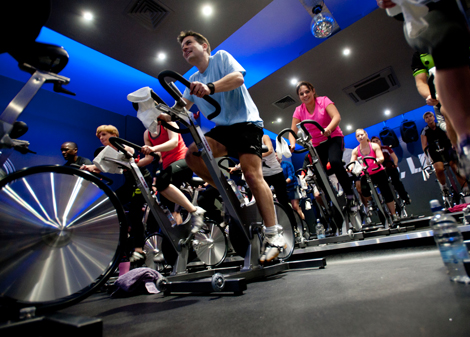
Study: Walking appeared more beneficial than cycling / © shutterstock.com
Sign up here to get HCM's weekly ezine and every issue of HCM magazine free on digital.
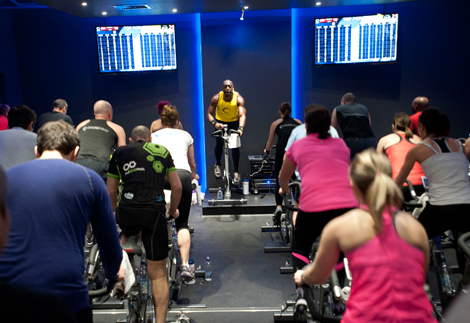
Cyclebeat uses technology, new to the UK, that streams riders’ performances live onto a board at the front of the class
Over 600 members signed up in the first month
The studio occupies a former City pub site
Reception features a huge mural of the London skyline
Cyclebeat aims to recruit the most talented cycling instructors in the UK
https://www.leisureopportunities.co.uk/images/HCM2013_4science.gif
There is now a vast amount of research supporting the benefits of exercise. Kristoph Thompson reviews some recent studies
Cyclebeat Justin Crewe Greg Allon,Microgym, Cyclebeat, Keiser, group cycling, Greg Allon, Justin Crewe, Zingfit, Performance IQ ,Exercise science, research, evidence, health benefits
HCM magazine
Small improvements to sleep, diet and physical activity have major benefits for the heart, according to new research from the University of Sydney
HCM magazine
If the health service is to survive, we must recognise that it is a disease service – and that wellbeing rests with us, says the activity advocate and healthy ageing champion. He talks to Kate Cracknell
HCM magazine
I experienced a blissful feeling of joy I hadn’t felt since I was a kid
HCM magazine
HCM People

Stephen Price

Founder, SP&Co Group
Working in public health over the last few years has lit up parts of my brain again
HCM magazine
Raphael Cuomo explores the powerful link between addiction, health and behaviour change
HCM promotional features
Sponsored
David Lloyd is stepping up its commitment to women’s health as it continues to explore what fit-for-purpose looks like for the female population
HCM promotional features
Sponsored
Greg Bradley looks at the shift towards strength training in gyms and advises on how operators can create the ultimate training environment
HCM promotional features
Sponsored
Starpool supports Olympic champion Marcell Jacobs, says Riccardo Turri
HCM promotional features
Sponsored
SnowDome Fitness has added 50 per cent more space with cutting-edge Technogym solutions
HCM promotional features
Sponsored
Third Space partnered with IndigoFitness to deliver a bespoke training space for its new club at The Whiteley
HCM promotional features
Sponsored
Find out how your gym can tap into the corporate wellness boom
HCM promotional features
Sponsored
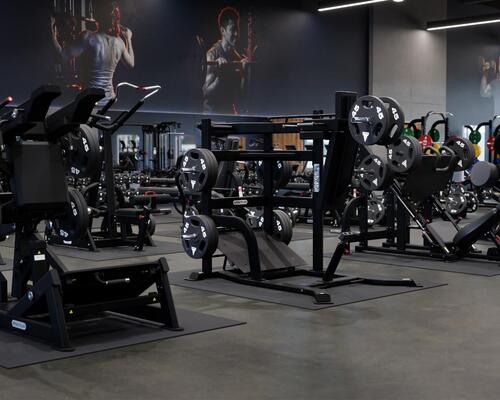
EGYM has opened a new HQ in Paternoster Square, London and revealed a range of new launches
HCM promotional features
Sponsored
Pulse Fitness has created a new health club delivering an elevated wellness experience
HCM promotional features
Promotion
BLK BOX has been reimagining elite performance spaces for more than a decade. Founder and former athlete, Greg Bradley, tells us what it takes
HCM promotional features
Latest News
Nuffield Health has told HCM that it takes its responsibilities towards its colleagues seriously and ...
Latest News
Technogym has announced the launch of the Run X World Treadmill Championship, the first world ...
Latest News
Shocked by the UK loneliness statistics, charitable trust Mytime Active has been doubling down on ...
Latest News
Portugal’s leading operator, SC Fitness, is celebrating a milestone by reaching 100 gyms.  The company ...
Latest News
Australia’s fast-growing fitness network, Viva Leisure, is adding a low-cost gym brand to its already ...
Latest News
Speedflex has launched a strength training programme for 10 to 16-year-olds, to make it safer, ...
Latest News
Tewinbury Farm Hotel in Hertfordshire, UK is expanding its premium leisure proposition with the launch ...
Latest News

Work is underway in Madrid on one of Europe’s most significant multi-functional complexes, ...

Opinion
promotion
Strength training has moved from the margins to the mainstream.
Opinion: Building smarter strength spaces for today’s operators
Featured supplier news
Featured supplier news: W3Fit EMEA celebrates its fifth anniversary
Celebrating its milestone 5th anniversary, W3Fit EMEA returns in 2026 with an unmissable gathering of the Health & Fitness industry’s most influential leaders.
Featured supplier news
Featured supplier news: Reaching the people most gyms miss: Bedford Gym & Swim Campaign delivers 410 new members
One of the biggest mistakes the fitness industry still makes is advertising almost exclusively to people who already look and live like gym members.
Company profiles
Company profile: Swim England
Swim England was the only governing body of swimming in the world when it was ...
Company profiles
Company profile: The Fitness Group Education
The Fitness Group Education was launched in 2016 by Steven Dick and Scott Agnew....
Supplier Showcases
Supplier Showcase - From nightclub to health club
Supplier Showcases
Supplier Showcase - Future-proofing
Catalogue Gallery
Click on a catalogue to view it online
Featured press releases
Technogym press release: Great success for Technogym’s “Let’s Move & Donate Food” campaign: one million meals donated
Thanks to the participation of 150,000 people across 141 countries, the social campaign surpassed one billion Moves collected, which were converted into a donation of one million school meals to support children in need.
Featured press releases
ukactive press release: Are they Fit for Office? UK Active and Technogym throw down the gauntlet to MPs
Hundreds of staff, MPs and Peers from across Westminster have signed up for the Fit for Office parliamentary physical activity challenge, which takes place throughout June and is hosted by ukactive and Technogym.
Directory
Water experiences and hydrotherapy solutions
Aquaform s.r.l.: Water experiences and hydrotherapy solutions
Spa and beauty equipment
Oakworks Inc: Spa and beauty equipment
Lockers
Crown Sports Lockers: Lockers
Industrial washing machines
Miele Company Limited: Industrial washing machines
Hot tubs
MSpa International Ltd: Hot tubs
Fitness tracking platform
SpiviTech: Fitness tracking platform
Property & Tenders
Stratford, East London.
Lee Valley Regional Park Authority
Property & Tenders
Y Felinheli, LL56 4QN
Newmark
Property & Tenders
Diary dates
13-13 Jun 2026
Worldwide, Various,
Diary dates
21-24 Sep 2026
The Langham Huntington Pasadena , Pasadena, United States
Diary dates
06-08 Oct 2026
Messe Stuttgart, Stuttgart, Germany
Diary dates
22-22 Oct 2026
QEII Conference Centre, London,
Diary dates
26-29 Oct 2027
Koelnmesse Exhibition Centre, Cologne, Germany
Diary dates

features

Exercise science: Exercise is medicine

Exercise has a positive impact on many aspects of our lives, from the physical to the emotional and social. Recently there’s been a vast amount of research that continues to support this point, highlighting the many and varied benefits of exercise. Kristoph Thompson rounds up some of the latest published studies

By Kristoph Thompson | Published in Health Club Management 2013 issue 4
“To be more effective in cardiac rehabilitation, exercise may need to be carried out at a higher intensity, in order to activate the resident stem cells”

Exercise mends a broken heart

Regular and strenuous exercise can reactivate dormant stem cells, leading to the development of new heart muscle, according to research published in the European Heart Journal. These findings indicate that the damage caused by heart disease or failure could be partially repaired by exercise.

Researchers from Liverpool John Moores University in the UK showed that healthy rats undertaking the equivalent of 30 minutes of strenuous exercise a day demonstrated activity in 60 per cent of previously dormant heart stem cells. After two weeks of exercise, there was a seven per cent increase in the number of cardiomyocites – the ‘beating’ cells in heart tissue.

While previous research has shown that injections of chemicals known as growth factors can coax dormant stem cells back to life, this is the first study to show that regular exercise can have a similar effect by stimulating growth factor production.

Researchers will now examine the effects of exercise on rats that have suffered heart attacks to determine if the results are even more pronounced. Dr Georgina Ellison, who led the study, says: “We hope exercise might be even more effective in damaged hearts, because you have more reason to replace the large amounts of cells that are lost” – ie the body has a greater need to adapt and repair itself after a heart attack.

While an exercise programme is normally included in cardiac rehabilitation, “maybe to be more effective it needs to be carried out at a higher intensity, in order to activate the resident stem cells,” adds Ellison.

Waring, C.D. et al. (2012). The adult heart responds to increased workload with physiologic hypertrophy, cardiac stem cell activation, and new myocyte formation. European Heart Journal. Oct 25. [Epub ahead of print]

Exercise improves male fertility

Recent research from Harvard University has reported that moderate exercise boosts the chances of fatherhood. Men who undertook 15 or more hours of moderate to vigorous exercise each week had, on average, sperm counts that were 73 per cent higher than those who exercised for less than five hours a week. Interestingly, mild exercise had no effect.

Sedentary activity, measured by the number of hours spent watching television, had a negative effect on sperm count. Those who watched 20 or more hours of television each week had a 44 per cent lower sperm count than those who watched very little TV.

According to the researchers, one of the reasons for the higher sperm counts was an increase in the exposure to antioxidant enzymes, which have been shown to have beneficial effects on sperm count. Being inactive has the opposite effect, leading to high levels of oxidative stress and poor sperm production.

However, researchers warn that too much exercise can be harmful to sperm production. Previous studies involving professional marathon runners, cyclists and triathletes have reported poor semen quality among these groups. This reduction is caused by the stress to the body brought on by prolonged periods of intense exercise.

In this situation, the rate of various bodily processes changes, affecting sperm production.

Gaskins, A.J. et al. (2013). Physical activity and television watching in relation to semen quality in young men. British Journal of Sports Medicine. Feb 4. [Epub ahead of print]

Exercise protects the brain from fat attack

A diet containing lots of fatty foods is associated with a decline in brain functioning, elevating the risk of conditions such as Alzheimer’s. Exactly how this occurs is unknown, but researchers think that fatty acids from food infiltrate the brain and jump-start a process that causes damage to the regions responsible for memory and learning.

A recent study by the University of Minnesota in the US examined the result of a high-fat diet (where at least 40 per cent of calories were from fat) on memory in rats, and then the subsequent effects of exercise. Memory declined after four months of the high-fat diet, but then improved once exercise was introduced.

After seven weeks, the rats on the high-fat diet were scoring as well on the memory test as they had at the start, whereas the memory of those not exercising continued to decline. The results suggest that exercise stimulates the production of substances that fight the effects of fatty acids on the brain. The amount of exercise wasn’t excessive – the rats did the equivalent of 30 minutes’ jogging a day – but researchers stress the same protective effect might not be noted in humans.

Mavanji, V. et al. (2012). Exercise reduces cognitive decline induced by dietary fat. Presented at the annual meeting of the Society for Neuroscience.

Exercise lowers prostate cancer deaths

In a joint study from Harvard Medical School and the University of California, US, researchers tracked 51,529 male health professionals over an 18-year period. Among the 2,705 who were diagnosed with prostate cancer, the amount and intensity of exercise undertaken was correlated with risk of death.

Any form of activity conveyed a protective effect, but the most significant reductions in risk were associated with vigorous exercise. Compared to those who did the least amount of activity, those doing 10 or more hours of non-vigorous activity a week had a 49 per cent reduction in risk of death from all causes.

Those doing more than three hours of vigorous activity a week had a 61 per cent reduction in risk of mortality from prostate cancer – even though they had already been diagnosed with this condition.

Researchers proposed a number of different mechanisms by which exercise conveys its protective effects. Previous research has demonstrated that higher levels of insulin production and inflammation are associated with increased risk of prostate cancer death. Exercise has been shown to increase the body’s sensitivity to insulin, resulting in lower insulin production, and reducing the levels of inflammation. Physical activity has also been shown to boost the activity of the innate immune system – the body’s first line of defence against infection or disease.

While the present study was unable to identify which of these mechanisms was responsible, it was considered likely that one or more contributes to the protective effects of exercise.

Kenfield, S.A. et al. (2011). Physical activity and survival after prostate cancer diagnosis in the health professionals follow-up study. Journal of Clinical Oncology. 29(6): 726-732

A fitter outlook – exercise
improves vision

According to a review of the current research, exercise is associated with an improvement in two measures of visual prowess: contrast sensitivity and visual acuity.

Contrast sensitivity is the ability to distinguish between overlapping, stationary and poorly outlined objects. For example, those with low contrast sensitivity may not be able to detect black letters on a poorly-lit white page, while those with high contrast sensitivity may be able to distinguish between two overlapping, near-identical objects from a distance in poor light. Visual acuity, meanwhile, is the ability to see fine detail.

Athletes display higher levels of contrast sensitivity, and while exercise may or may not directly improve this measure of vision, previous research has suggested that the chemical dopamine may play a part. Dopamine levels increase with exercise, and higher levels of this chemical have been shown to increase contrast sensitivity.

In addition, the review showed that those who exercised had better visual acuity than non-exercisers. Indeed, visual acuity was shown to improve during exercise – as the intensity of the participants’ cycling increased, so visual acuity improved. Researchers repeated the eyesight tests two days later and found that visual acuity remained higher than before exercise, indicating that you may be able to retain these gains in the longer term, not just during exercise.

These improvements in visual acuity are thought to result from the temporary boost to various systems and functions in the body that occur as a response to physical exertion: the body interprets exercise as a form of stress and instigates the primitive ‘fight or flight’ response. As part of this process, pupil size increases, allowing more light into the eye and enhancing visual acuity.

Zimmerman, A.B., Lust, K.L., Bullimore, M.A. (2011). Visual Acuity and Contrast Sensitivity Testing for Sports Vision. Eye & Contact Lens. 37(3):153-159

Walking women less likely to suffer stroke

Women who walk at least three hours a week are 43 per cent less likely to suffer a stroke than women who walk less or not at all, according to new research from Spain. In the study, researchers surveyed nearly 33,000 men and women and divided them by gender, the type of exercise undertaken and their total weekly exercise time.

Interestingly, women who walked for 210 minutes or more each week had a lower risk of stroke than those who cycled or did other higher-intensity workouts for a shorter amount of time. Another notable finding was that no reduction was seen for men based on type and frequency of exercise.

The researchers did point out that their findings might not translate directly to the general population due to certain characteristics: the majority of subjects in the study were blood donors, who tend to be in good health in order to give blood. These characteristics make the group studied very specific, with notable differences versus the general population.

That said, there is evidence to show exercise is related to a reduced risk of stroke and other diseases, and that 30 minutes of moderate physical activity a day can help prevent disease.

Huerta, J.M. et al. (2013). Physical activity and risk of cerebrovascular disease in the European Prospective Investigation into Cancer and Nutrition-Spain study. Stroke. 44(1):111-8
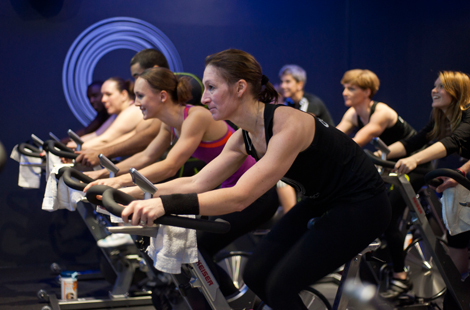
Study: Walking appeared more beneficial than cycling / © shutterstock.com
Sign up here to get HCM's weekly ezine and every issue of HCM magazine free on digital.
Cyclebeat uses technology, new to the UK, that streams riders’ performances live onto a board at the front of the class
Over 600 members signed up in the first month
The studio occupies a former City pub site
Reception features a huge mural of the London skyline
Cyclebeat aims to recruit the most talented cycling instructors in the UK
https://www.leisureopportunities.co.uk/images/HCM2013_4science.gif
There is now a vast amount of research supporting the benefits of exercise. Kristoph Thompson reviews some recent studies
Cyclebeat Justin Crewe Greg Allon,Microgym, Cyclebeat, Keiser, group cycling, Greg Allon, Justin Crewe, Zingfit, Performance IQ ,Exercise science, research, evidence, health benefits
Latest News
Nuffield Health has told HCM that it takes its responsibilities towards its colleagues seriously and ...
Latest News
Technogym has announced the launch of the Run X World Treadmill Championship, the first world ...
Latest News
Shocked by the UK loneliness statistics, charitable trust Mytime Active has been doubling down on ...
Latest News
Portugal’s leading operator, SC Fitness, is celebrating a milestone by reaching 100 gyms.  The company ...
Latest News
Australia’s fast-growing fitness network, Viva Leisure, is adding a low-cost gym brand to its already ...
Latest News
Speedflex has launched a strength training programme for 10 to 16-year-olds, to make it safer, ...
Latest News
Tewinbury Farm Hotel in Hertfordshire, UK is expanding its premium leisure proposition with the launch ...
Latest News

Work is underway in Madrid on one of Europe’s most significant multi-functional complexes, ...

Latest News
PureGym is encouraging people to step away from their screens and go for a walk, ...
Latest News
Small improvements to sleep, diet quality, and physical activity, made in combination lead to a ...
Latest News
Therme Manchester’s 28-acre development, which will include interconnected glass pavilions that measure 65,000sq m, will ...
Opinion
promotion
Strength training has moved from the margins to the mainstream.
Opinion: Building smarter strength spaces for today’s operators
Featured supplier news
Featured supplier news: W3Fit EMEA celebrates its fifth anniversary
Celebrating its milestone 5th anniversary, W3Fit EMEA returns in 2026 with an unmissable gathering of the Health & Fitness industry’s most influential leaders.
Featured supplier news
Featured supplier news: Reaching the people most gyms miss: Bedford Gym & Swim Campaign delivers 410 new members
One of the biggest mistakes the fitness industry still makes is advertising almost exclusively to people who already look and live like gym members.
Company profiles
Company profile: Swim England
Swim England was the only governing body of swimming in the world when it was ...
Company profiles
Company profile: The Fitness Group Education
The Fitness Group Education was launched in 2016 by Steven Dick and Scott Agnew....
Supplier Showcases
Supplier Showcase - From nightclub to health club
Supplier Showcases
Supplier Showcase - Future-proofing
Catalogue Gallery
Click on a catalogue to view it online
Featured press releases
Technogym press release: Great success for Technogym’s “Let’s Move & Donate Food” campaign: one million meals donated
Thanks to the participation of 150,000 people across 141 countries, the social campaign surpassed one billion Moves collected, which were converted into a donation of one million school meals to support children in need.
Featured press releases
ukactive press release: Are they Fit for Office? UK Active and Technogym throw down the gauntlet to MPs
Hundreds of staff, MPs and Peers from across Westminster have signed up for the Fit for Office parliamentary physical activity challenge, which takes place throughout June and is hosted by ukactive and Technogym.
Directory
Water experiences and hydrotherapy solutions
Aquaform s.r.l.: Water experiences and hydrotherapy solutions
Spa and beauty equipment
Oakworks Inc: Spa and beauty equipment
Lockers
Crown Sports Lockers: Lockers
Industrial washing machines
Miele Company Limited: Industrial washing machines
Hot tubs
MSpa International Ltd: Hot tubs
Fitness tracking platform
SpiviTech: Fitness tracking platform
Property & Tenders
Stratford, East London.
Lee Valley Regional Park Authority
Property & Tenders
Y Felinheli, LL56 4QN
Newmark
Property & Tenders
Diary dates
13-13 Jun 2026
Worldwide, Various,
Diary dates
21-24 Sep 2026
The Langham Huntington Pasadena , Pasadena, United States
Diary dates
06-08 Oct 2026

Messe Stuttgart, Stuttgart, Germany
Diary dates
22-22 Oct 2026
QEII Conference Centre, London,
Diary dates
26-29 Oct 2027
Koelnmesse Exhibition Centre, Cologne, Germany
Diary dates
Search news, features & products:
Find a supplier:
EGYM
EGYM
Partner sites